.webp)
Few people know the poplar knight, and that's a shame. It grows where nobody looks for other mushrooms — under poplars in parks, shelterbelts and along roadsides — and often turns up in huge clusters. For anyone who knows its features, it's a reliable late-fall haul.
Let's look at how to recognize the poplar knight, where and when to look for it, and how to cook it properly.
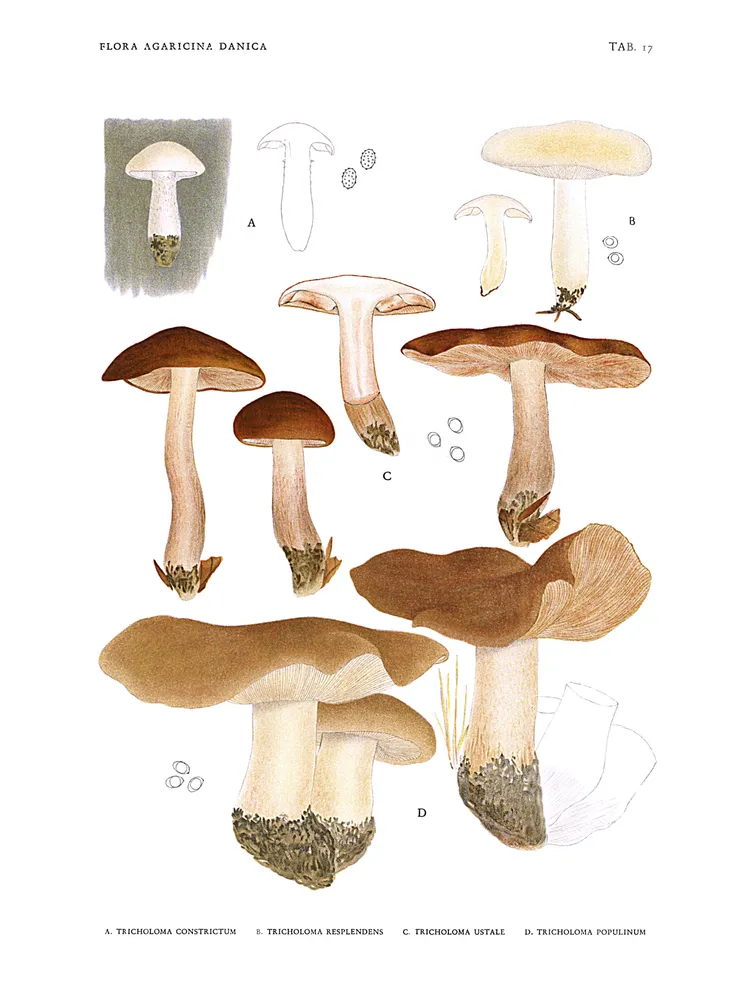
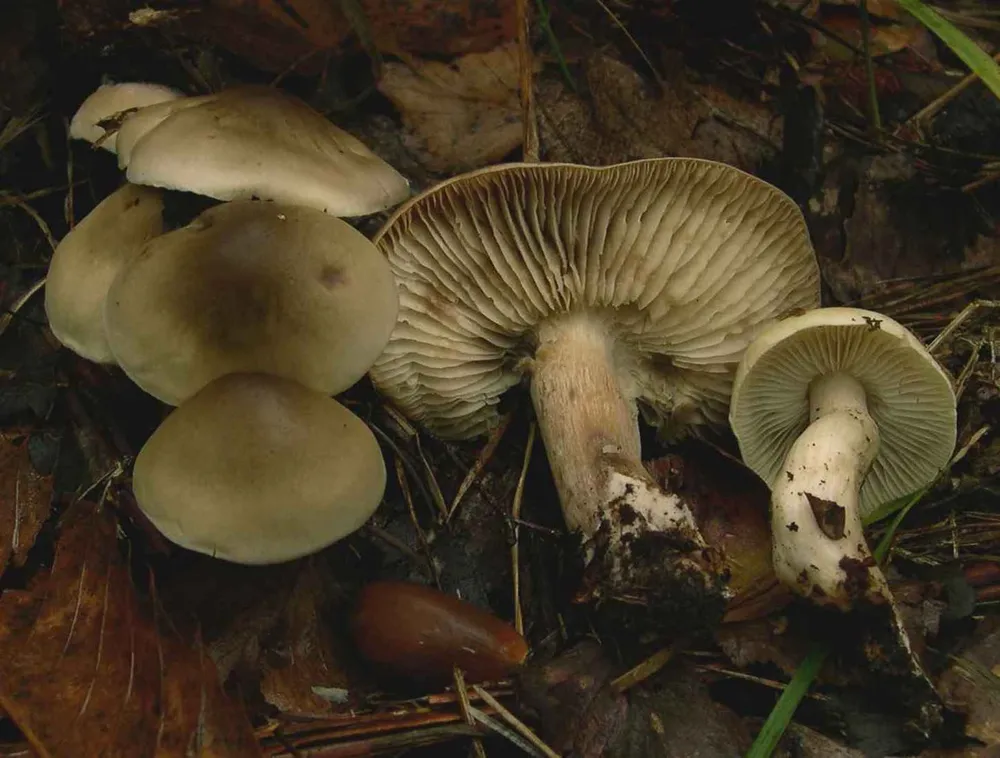
What the poplar knight looks like
- Cap 6–12 cm, reddish brown or clay brown, slimy and shiny in wet weather, with an inrolled margin; often covered with stuck-on bits of soil.
- Gills whitish, turning brownish or pinkish with age, often with rusty spots.
- Stem whitish, browning toward the base, firm.
- Flesh white, with a mealy smell and taste.
Where and when it grows
The key clue is poplars. The poplar knight forms mycorrhiza with poplars, so look for it under them: in parks, shelterbelts, roadside plantings, on sandy soils. It grows in large troops and clusters, often half-buried in the soil and fallen leaves.
The season runs from the second half of September through November, until the first hard frosts. It's a typical late-fall mushroom, appearing when the forest's selection is already narrowing.
Is it edible, and how to cook it
The poplar knight is conditionally edible: it must be boiled first, with the water discarded, and only then fried or pickled. It isn't eaten fresh — it can cause stomach upset. Young, firm mushrooms taste better than old ones.
Since this mushroom is often covered in sand and soil, it's thoroughly washed and cleaned before cooking.
What to keep in mind
- Only under poplars. If there are no poplars nearby, it's not a poplar knight.
- Wash thoroughly. The slimy cap collects lots of sand and dirt.
- Don't confuse it with the grey knight — the grey knight's cap is gray and dry, while this one's is reddish brown and slimy. Read about other types of knights in our guide.
- Avoid the edges of busy roads — mushrooms accumulate pollutants.
Sources
- “Key to the Fungi of Ukraine” (Kyiv, Naukova Dumka publishing house).
- Tricholoma populinum on GBIF, the global biodiversity database.
- Tricholoma populinum on MycoBank, the international fungal nomenclature database.
- Tricholoma populinum on Wikipedia.
Frequently asked questions
How do you recognize the poplar knight?
By its reddish-brown slimy cap, whitish gills with rusty spots, and its habit of growing only under poplars in large clusters.
Where does the poplar knight grow?
Under poplars — in parks, shelterbelts and roadside plantings on sandy soils. You won't find it without poplars nearby.
When should you pick the poplar knight?
From the second half of September through November, until the first hard frosts. It's a late-fall mushroom.
Is the poplar knight edible?
Conditionally edible: it must be boiled first, with the water discarded, and then fried or pickled. It isn't eaten fresh.
Why does the poplar knight need to be boiled?
Without boiling, it can cause stomach upset. Boiling and discarding the water makes it safe and removes the mealy aftertaste.
How does the poplar knight differ from the grey knight?
The poplar knight has a reddish-brown slimy cap and grows under poplars; the grey knight has a dry gray cap and grows in pine forests.
Why is this mushroom so dirty?
Its slimy cap and the way it grows half-buried in the soil make the poplar knight very sandy. It needs a thorough wash before cooking.
Is it safe to pick near roads?
No. Although poplars often grow along roads, mushrooms there accumulate pollutants — pick well away from heavy traffic.
Mushrooms in this article
Related articles
 How to identify
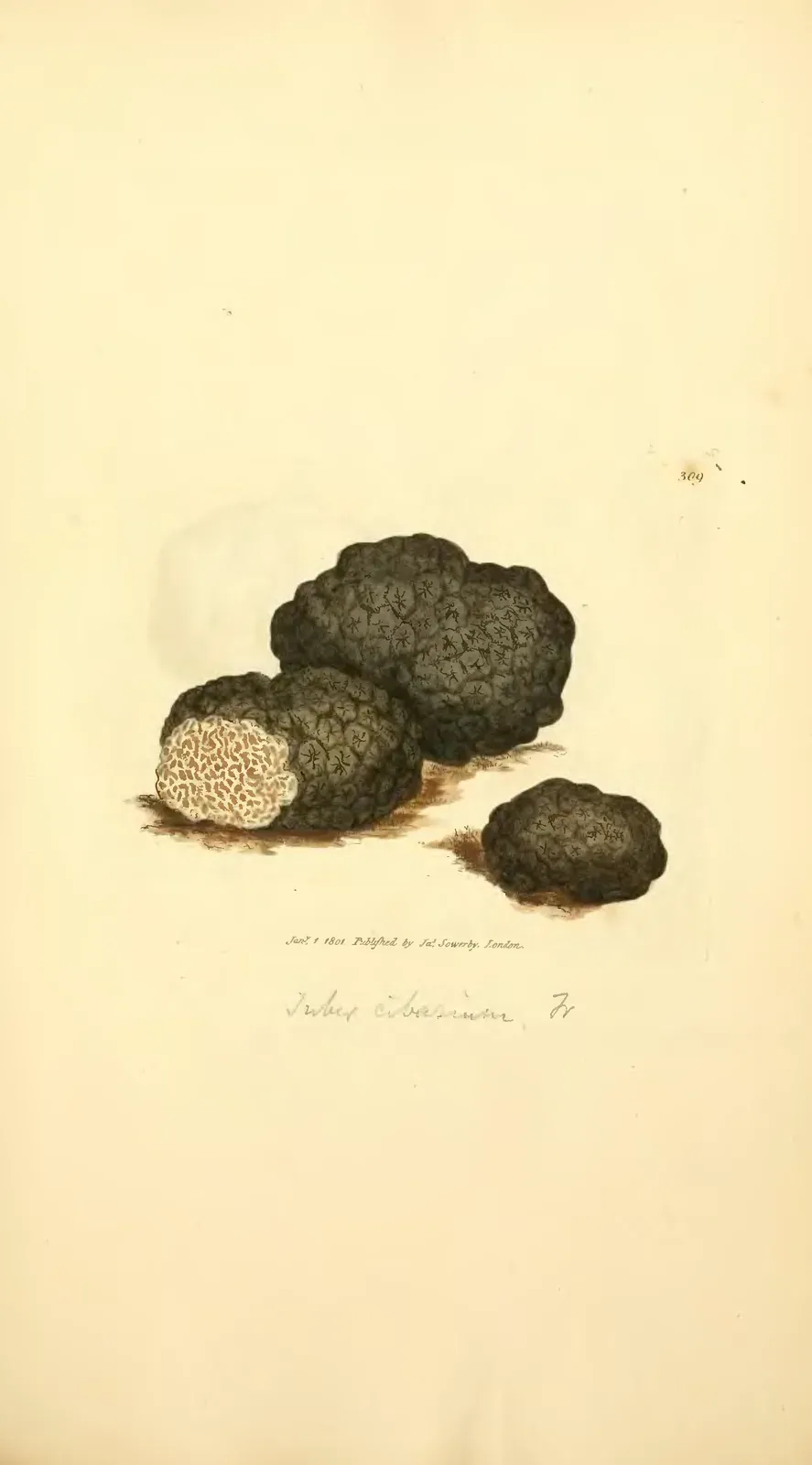
Truffles in Ukraine: do they grow here, and where to look
Truffles aren't just a French delicacy. Several species grow in Ukraine too. Here's which ones, where they occ…
August 24, 2026·2 min Recipes & cooking
How to store fresh mushrooms, and for how long
Fresh mushrooms spoil faster than you might think. Here's how long they keep in the fridge, how to store them…
August 21, 2026·4 min Recipes & cooking
How long to boil mushrooms
Boiling time depends on the type of mushroom and on what you're cooking next. Here's a clear cheat sheet: how…
August 22, 2026·4 min