MycoNote

This English version was machine-translated from Ukrainian, so a few things may read a little off.

A field guide to European mushrooms

MycoNote — Mushrooms of Europe: an illustrated encyclopedia and a forager's field guide

Every description is verified by mycologists — with love for the forest and care for you

From precise biology to a happy, full basket. Get to know the mushrooms of European forests, learn their dangerous lookalikes and gather nature's gifts with confidence.

A digital mushroom identification guide with photos, descriptions and the key features of every species. Find out when each mushroom fruits, how to tell edible species from their poisonous lookalikes, and what to check before anything goes into your basket.

356

species described

321

safe to pick

35

best left alone

Where to next?

One important rule

The forest is beautiful, but honest: some mushrooms are real killers. If a mushroom is unfamiliar or even slightly resembles something suspicious, leave it where you found it. We flag dangerous species on every page.

If you suspect poisoning, don't wait — call your local emergency number. Anywhere in Europe, dial 112
Questions from foragers

How can you be 100% sure an edible mushroom isn't a poisonous one?
Science says to look at the structure of the hymenophore (tubes or gills), whether there's a volva at the base of the stem, and whether the flesh changes color when cut. But our community's main rule is this: if you don't know it, just admire it and move on. The forest doesn't reward haste. On every mushroom page we flag dangerous lookalikes and give you a warning system, so you can check calmly.
When is the best time to go mushroom hunting?
The mycelium lives by its own biological rhythm, which depends on soil moisture, temperature and night dew. In the temperate forests of Europe, the first spring morels call you out as early as April, while the real season of sturdy porcini and aspen boletes is late summer and fall, a week or two after a good warm rain. Every mushroom page shows the months it fruits, and the "In the forest now" block on our home page lists the species in season this month.
Where should you start if you're new to mushrooms?
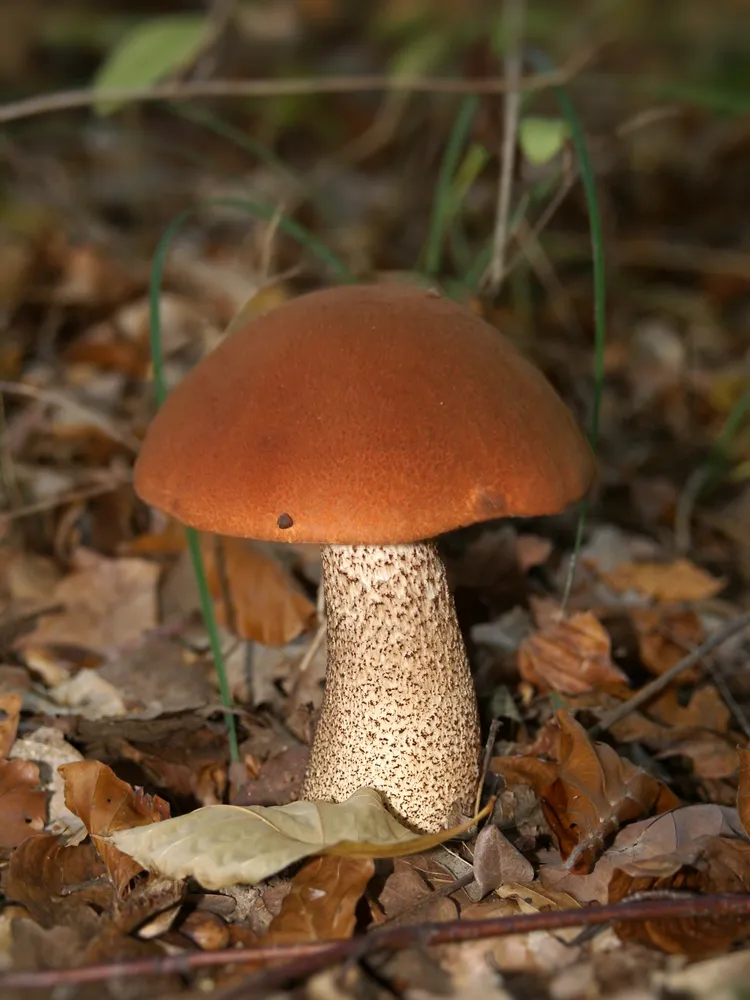
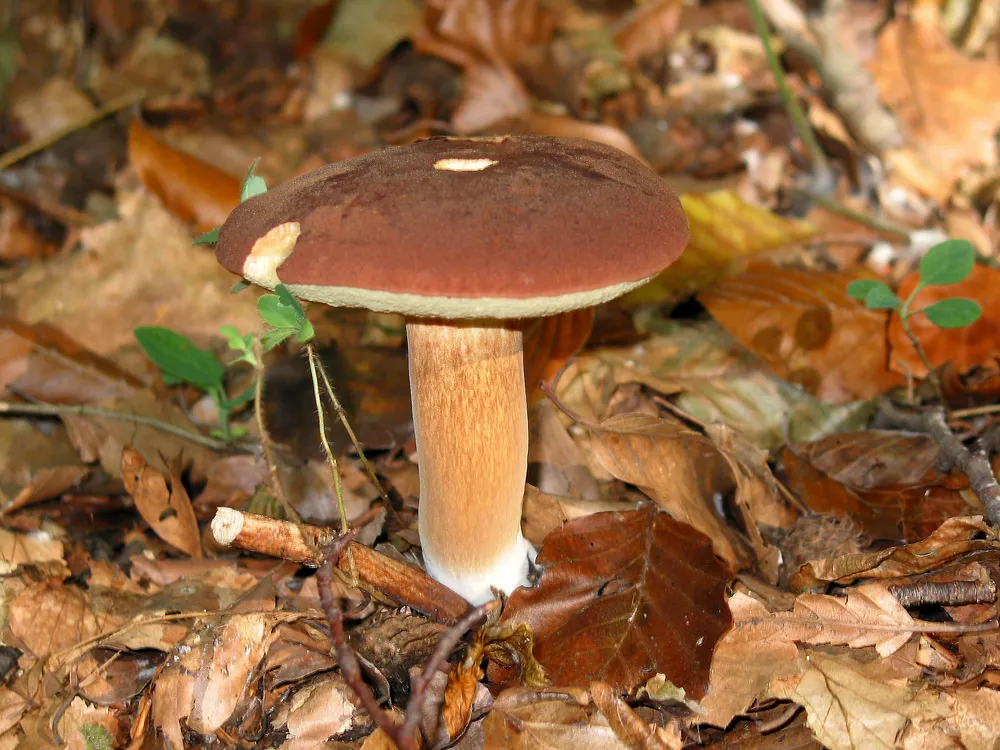
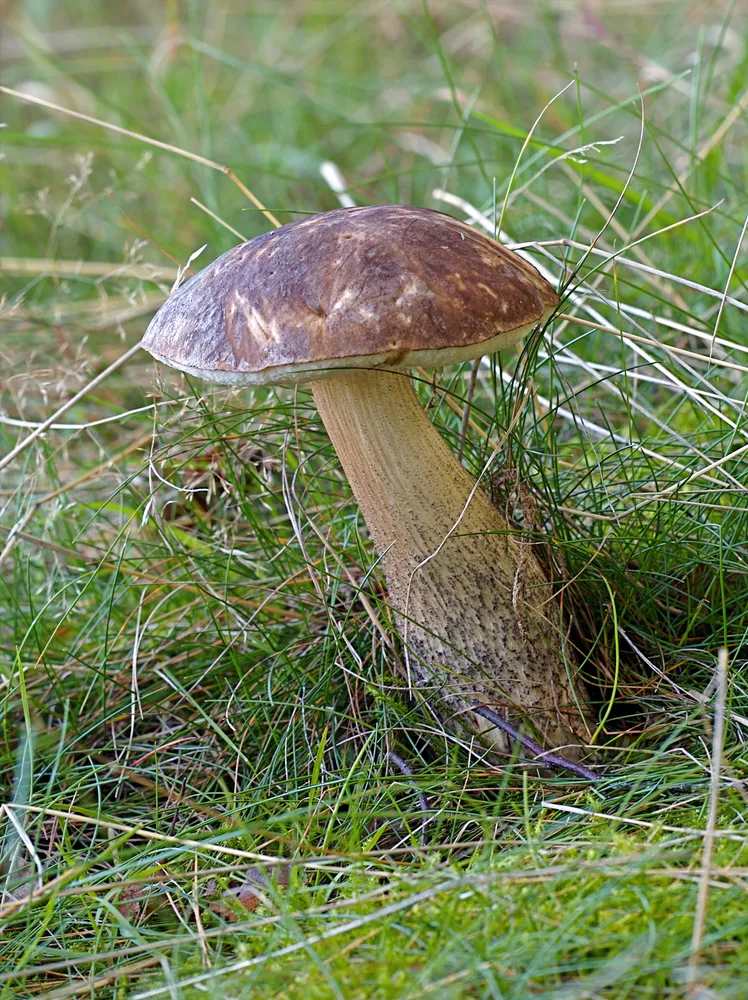
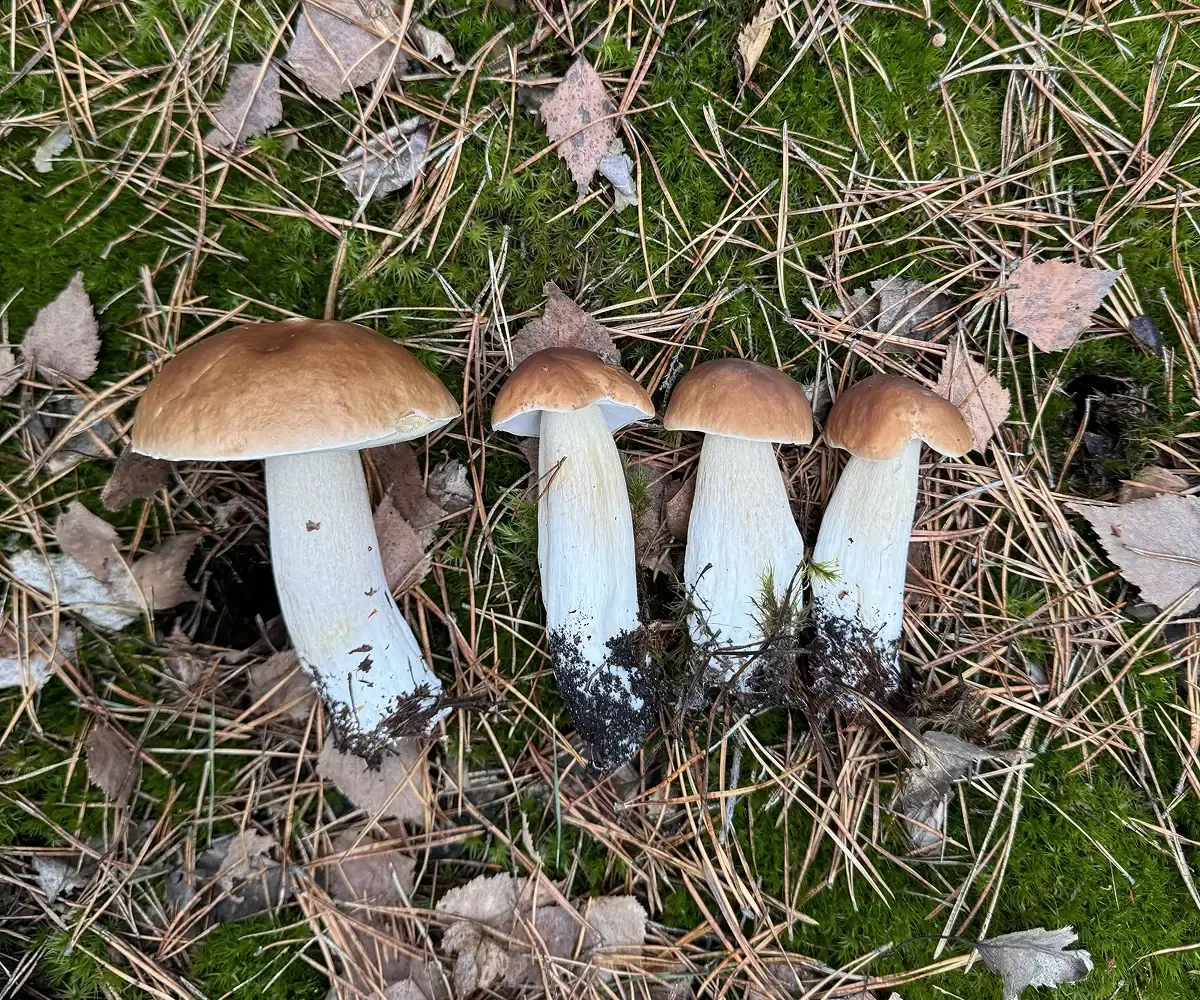
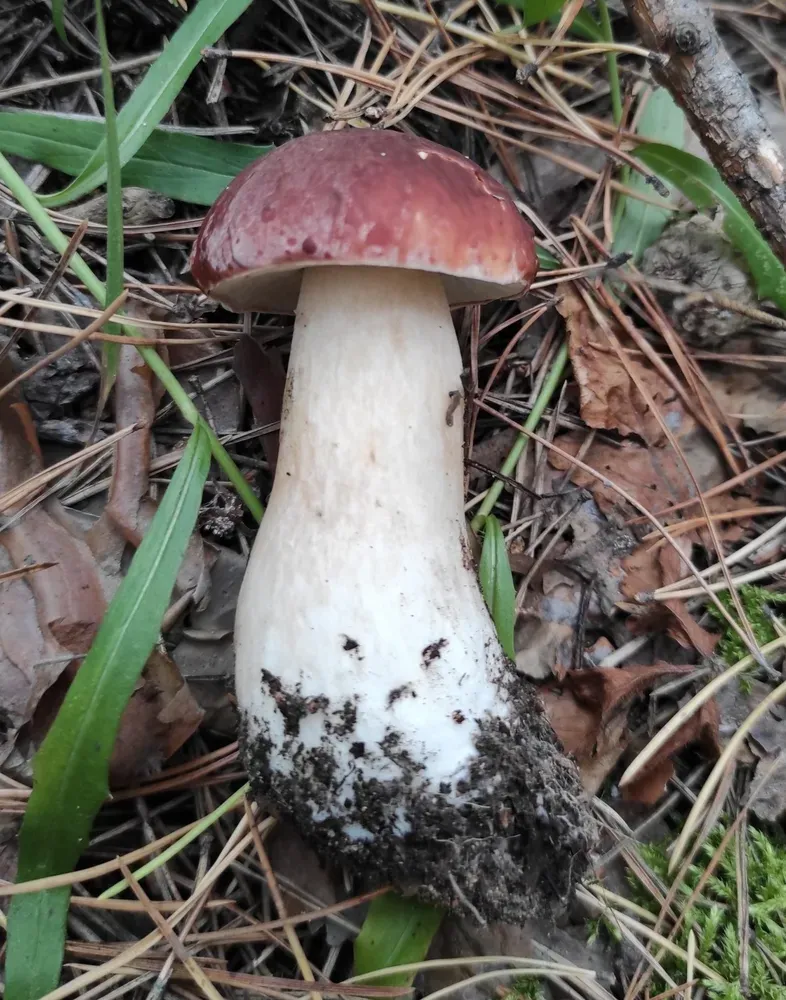
Start with the best-known species of European forests: porcini (Boletus edulis), chanterelle (Cantharellus cibarius), birch bolete and slippery jack. They're easy to recognize and look just like their photos — but even they have lookalikes, so check every one. Open "All mushrooms": each page has photos, a description, the fruiting season and the lookalikes to watch out for.
What should you do if you've eaten a suspicious mushroom?
Don't wait for symptoms — call 112 (the European emergency number) or your local emergency number right away. Death cap (Amanita phalloides) poisoning has a treacherous latent period of 6–24 hours: at first everything seems fine, and then the toxin hits the liver. Keep whatever is left of the mushroom or take a photo — it will help the doctors choose the right treatment.
How are conditionally edible mushrooms different from edible ones?
Conditionally edible doesn't mean "a little bit poisonous." These are mushrooms that need special preparation: long boiling or soaking in running water beforehand to destroy or wash out the toxins. A classic example is the woolly milkcap (Lactarius torminosus): after 48 hours in water it becomes safe. Without preparation, nausea and an upset stomach are guaranteed.