Slippery jackSuillus luteus
Expert-verifiedUpdated August 15, 2026
Passport
- Edibility
- Edible
- Season
- May — Oct
- Hymenophore
- Pored
- Cap color
- Brown
- Size
- Medium (5–15 cm)
- Smell
- Pleasant, mushroomy
- Reviewed
- Yes ✓
Quick answers
Where to look?
Conifer forest, Mixed forest
When does it appear?
May — Oct
Active months: May, June, July, August, September, October.
How to recognize it? Three signs
- Cap color: Brown, Chestnut
- Cap shape: Convex, Flat
- Smell: Pleasant, mushroomy
Fruiting season
May – October
Description
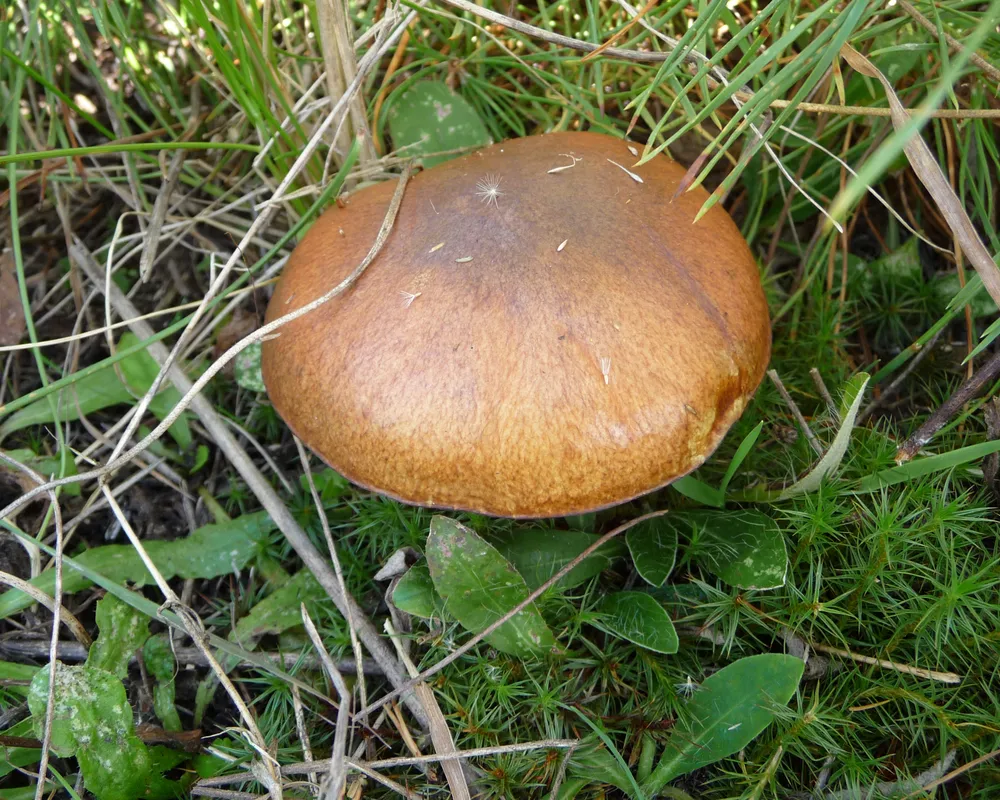
The slippery jack (Suillus luteus) is one of the most common edible boletes of the coniferous forests of Eurasia. It forms mycorrhiza with pine, so you'll almost always find it under pines — in plantations, young pine forests and park plantings.
Its hallmark is a slimy, buttery-shiny cap, which gives the mushroom its Ukrainian name. It fruits abundantly in August–October, often in big flushes after rain. It grows in groups, carpeting the ground under the pines.
Edible, popular for pickling and stewing. Before cooking, it's recommended to peel off the slimy cap skin — it can cause stomach upset in some people.
Cap
Cap 4–12 cm across, convex in young mushrooms, later flattened-convex. The surface is covered with a thick layer of slime — especially in wet weather. Color chocolate-brown or chestnut, yellowish brown when dry. The margin often bears remnants of the partial veil.
Hymenophore
The hymenophore has tubes. Pores yellow, small, regular, turning yellow-green with age. The tubes are attached to the stem or run slightly down it. When pressed, the pores turn slightly brownish.
Stem
Stem 5–10 cm tall, 1–2 cm thick, solid, cylindrical. Yellow and granular in the upper part, brown or violet-brownish below the ring. A characteristic purple-brown membranous ring — a veil remnant and one of the key diagnostic features of the species.
Flesh
Flesh yellowish or pale cream, firm in young mushrooms, softer in mature ones. Turns slightly pink when cut or stays unchanged. The taste is mild, pleasant, slightly sourish. The cap skin peels off easily together with the slime.
Smell
Smell pleasant, unobtrusively mushroomy, slightly resinous — reflecting its symbiosis with pine. With cooking the aroma intensifies and becomes more pronounced. No foreign unpleasant notes.
Lookalikes
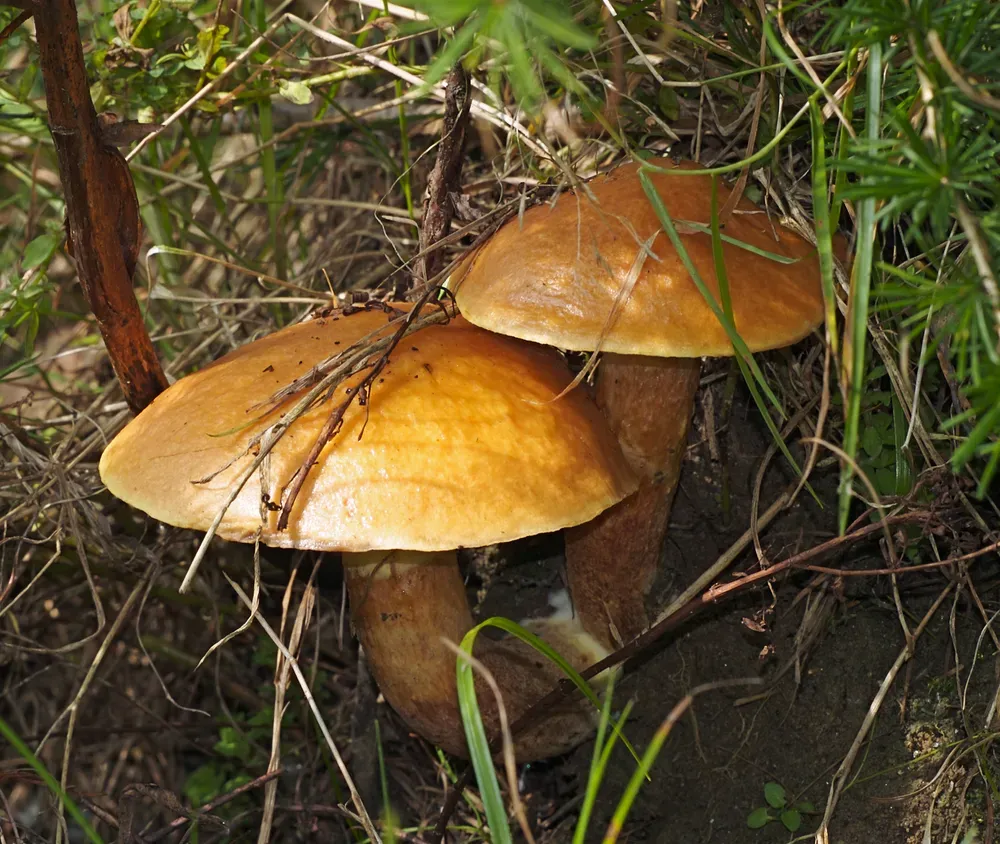
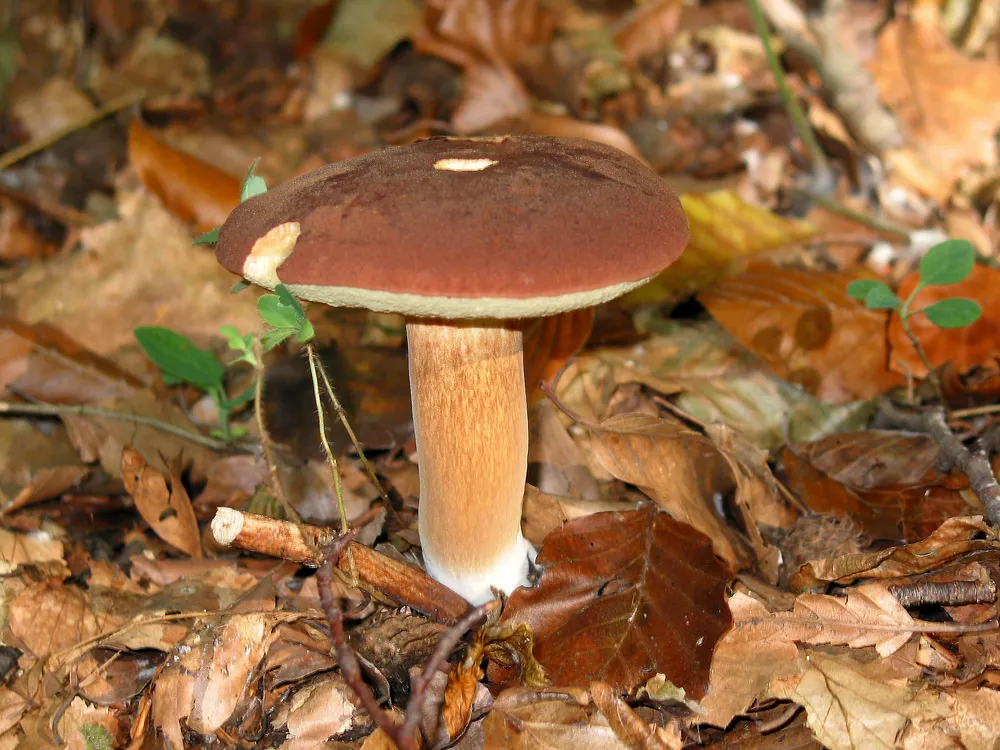
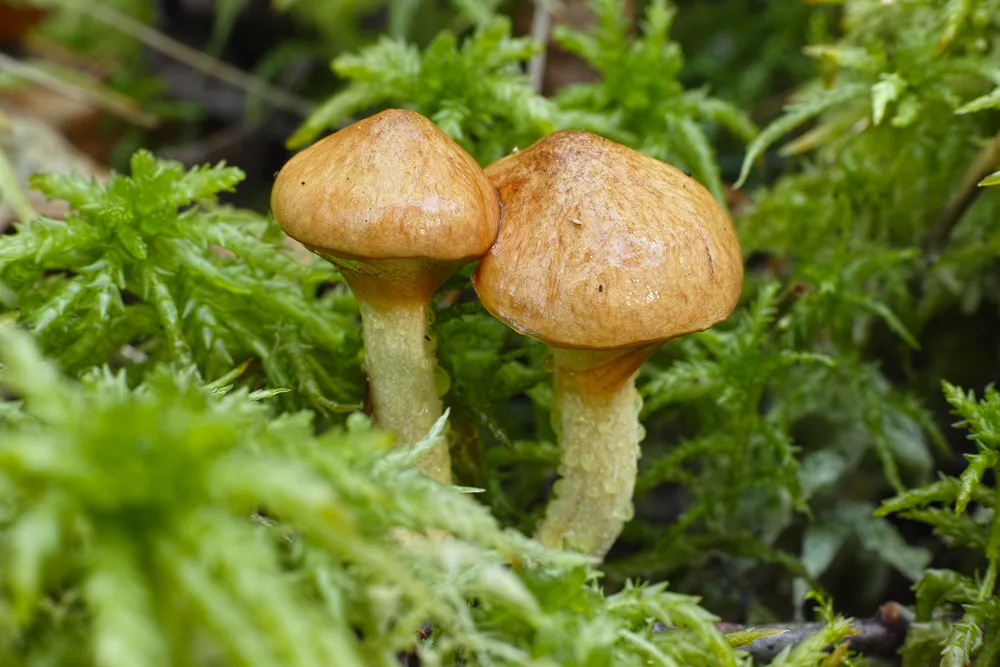
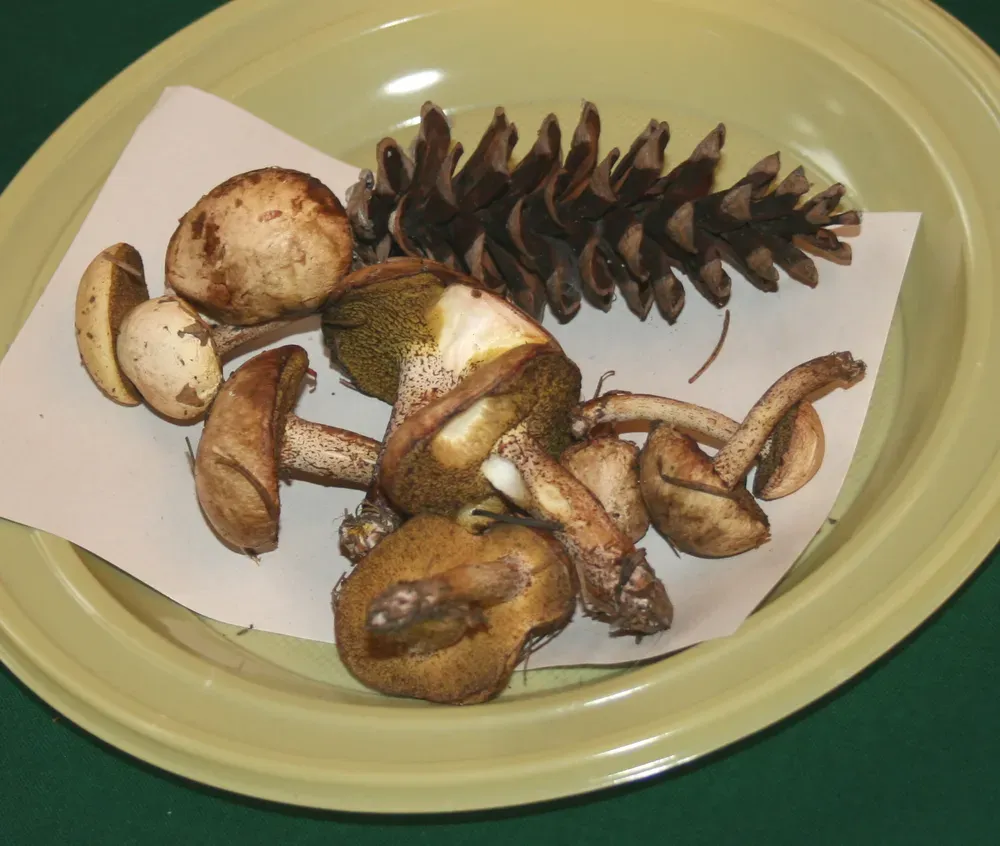
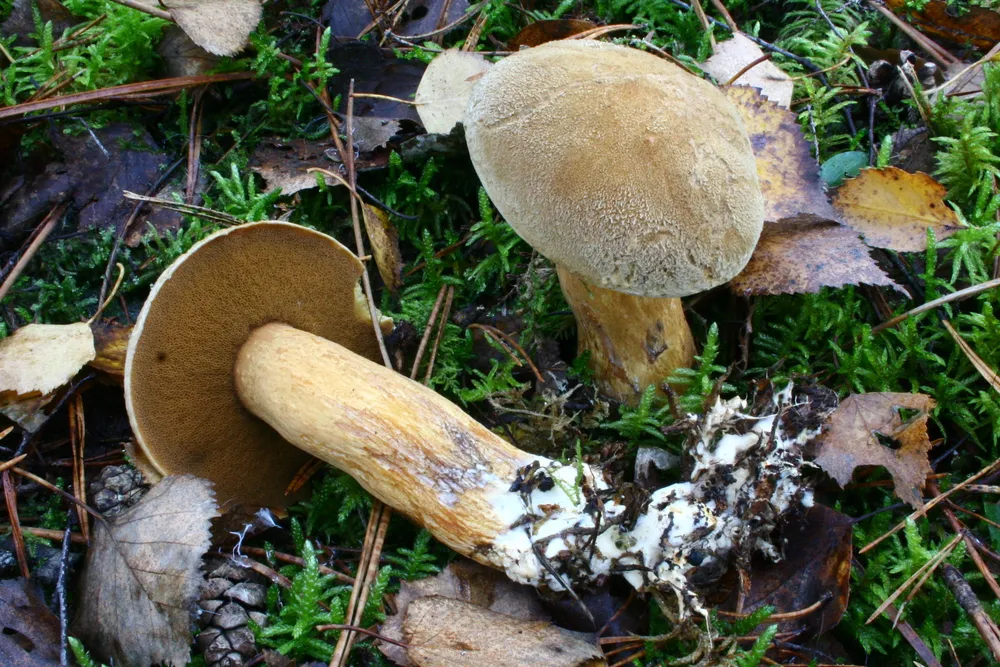
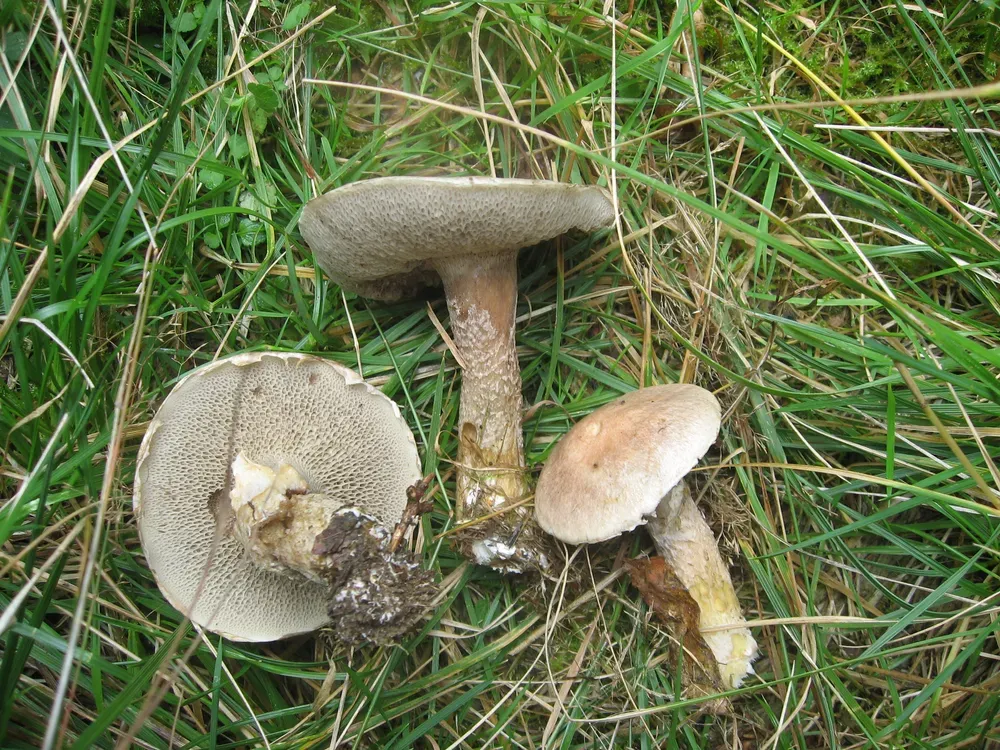
_Kuntze_791558.webp)
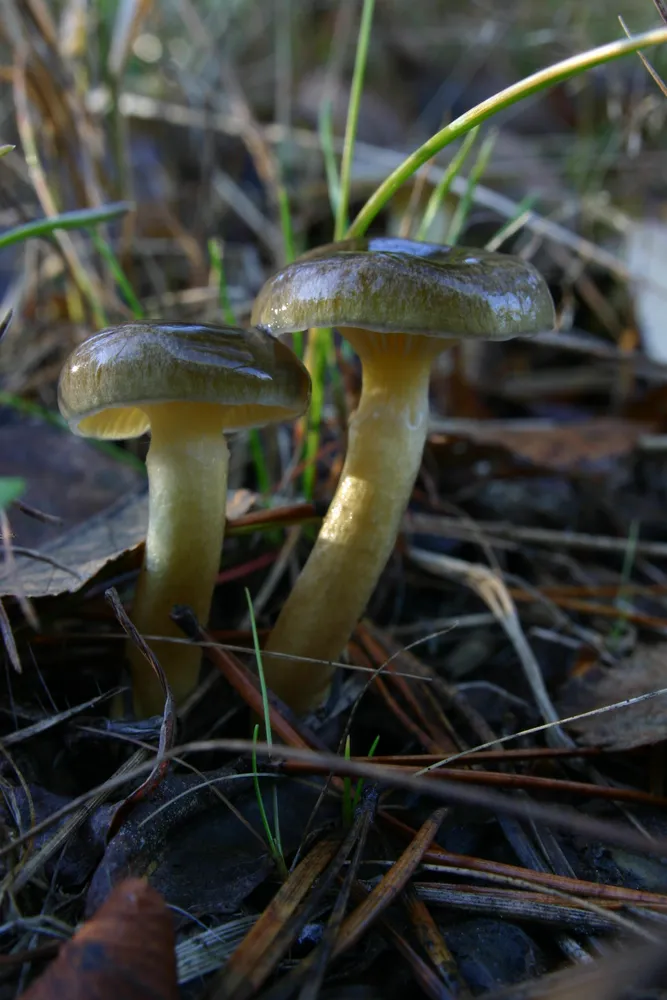
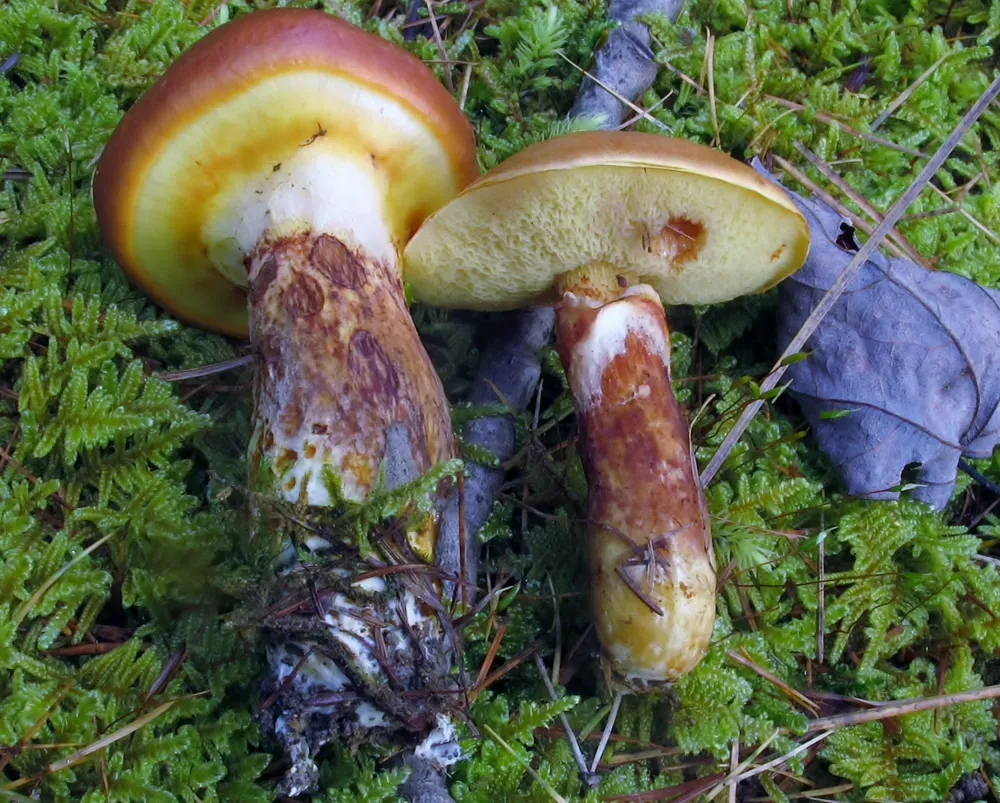
.webp)
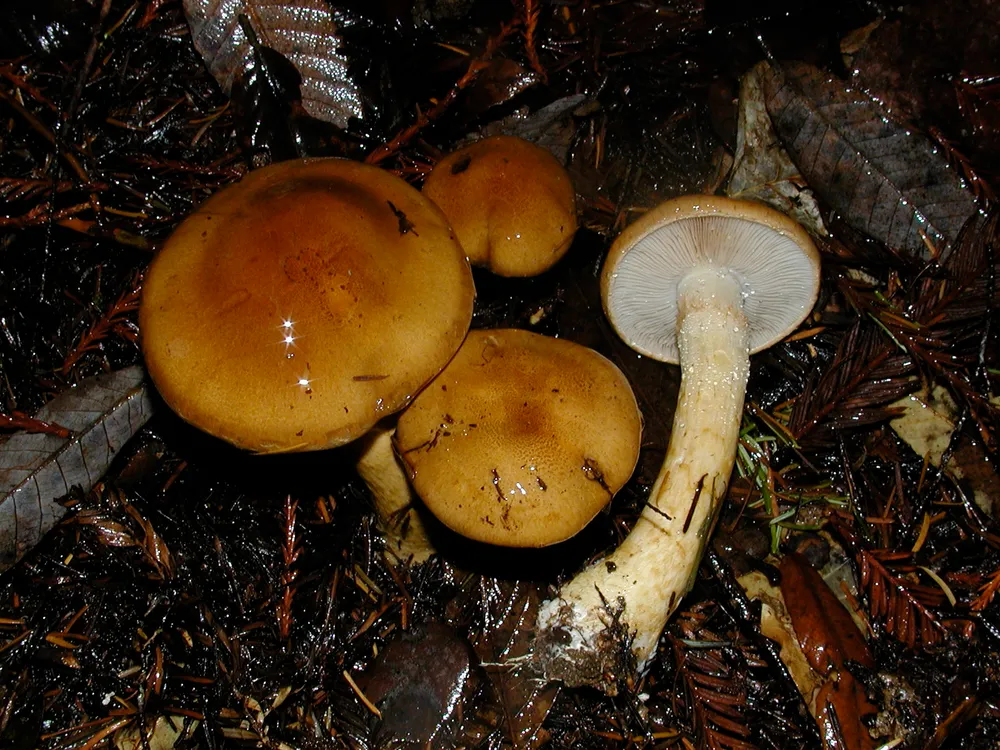
Related species
Mushrooms of the same genus and habitat — to study side by side and never mix up.
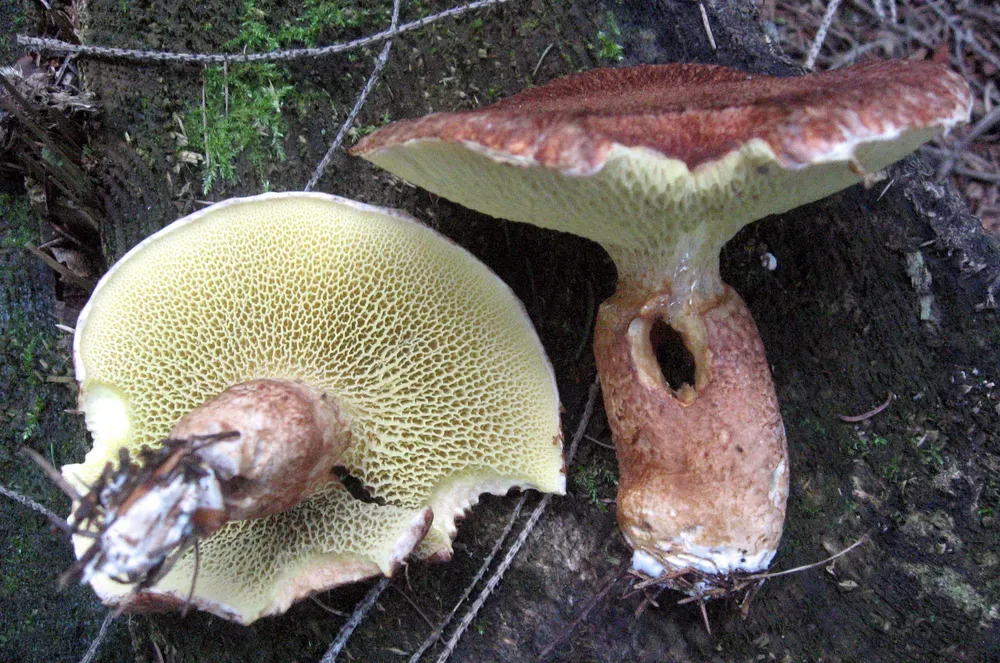
Hollow bolete
Suillus cavipes
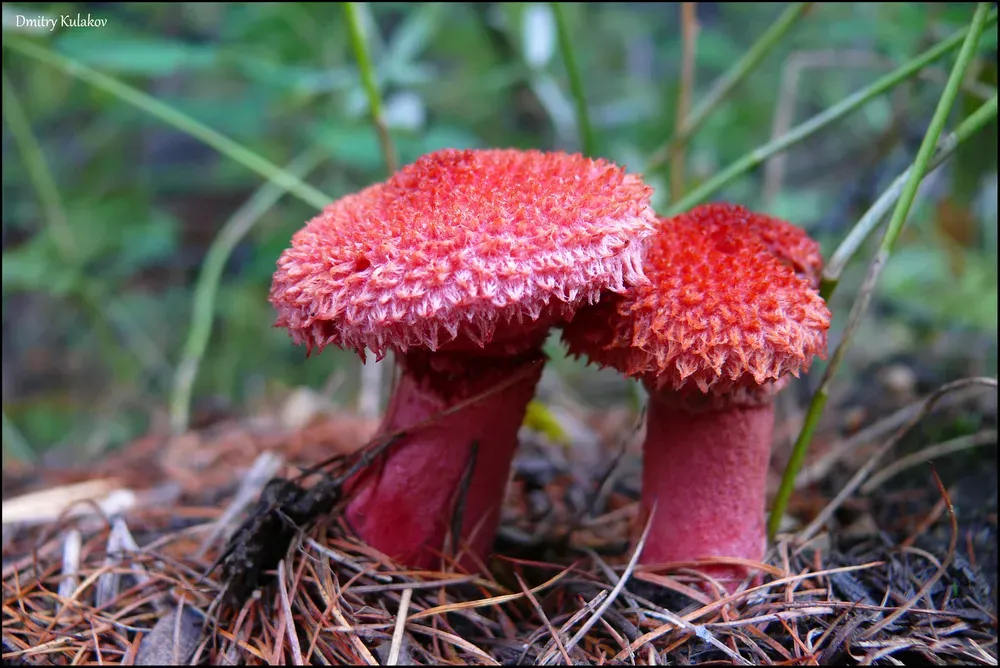
Suillus asiaticus
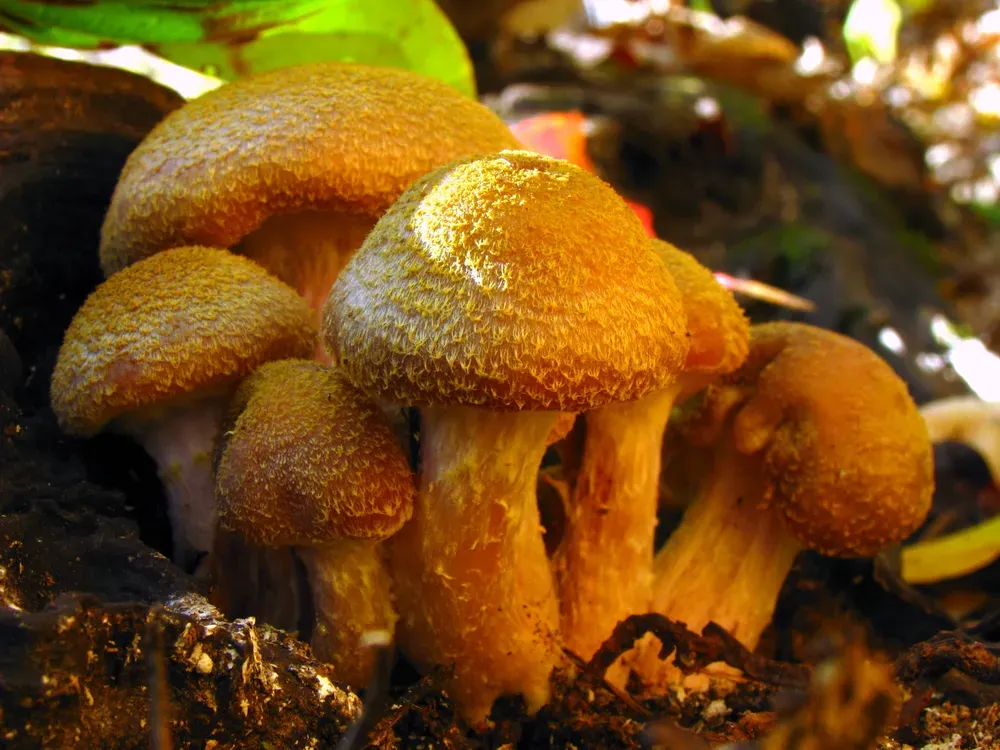
Bulbous honey fungus
Armillaria gallica
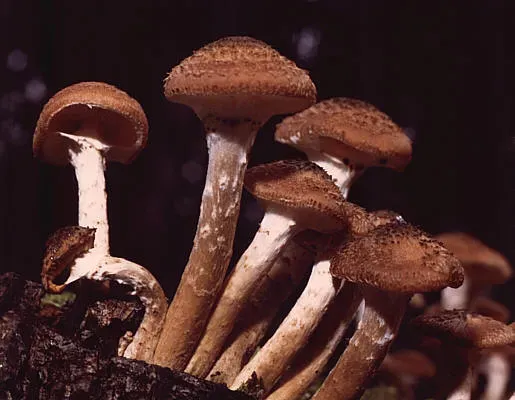
Dark honey fungus
Armillaria ostoyae
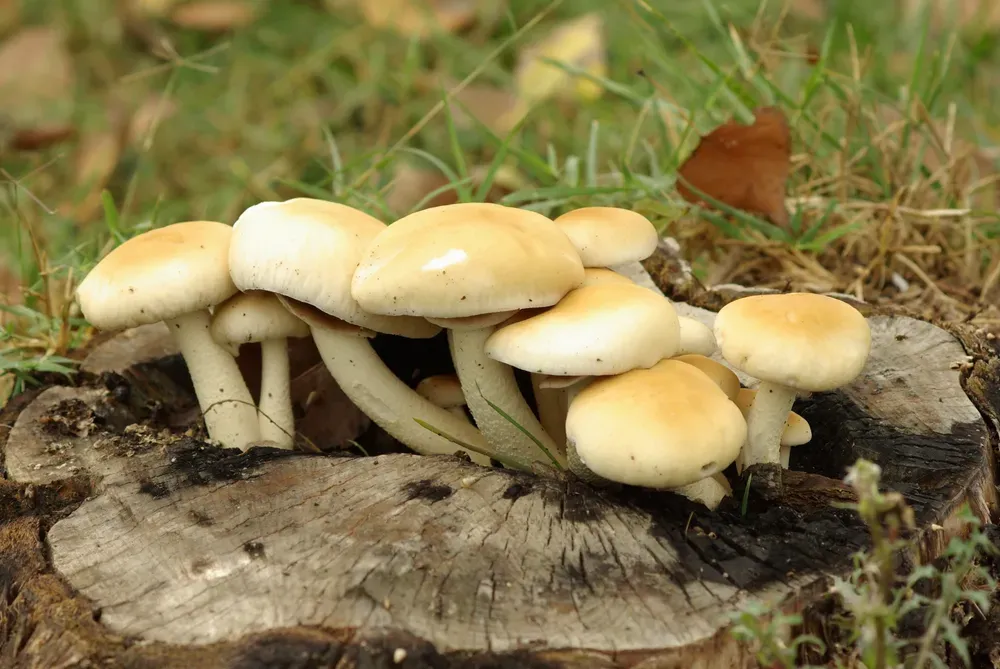
Poplar fieldcap
Cyclocybe aegerita
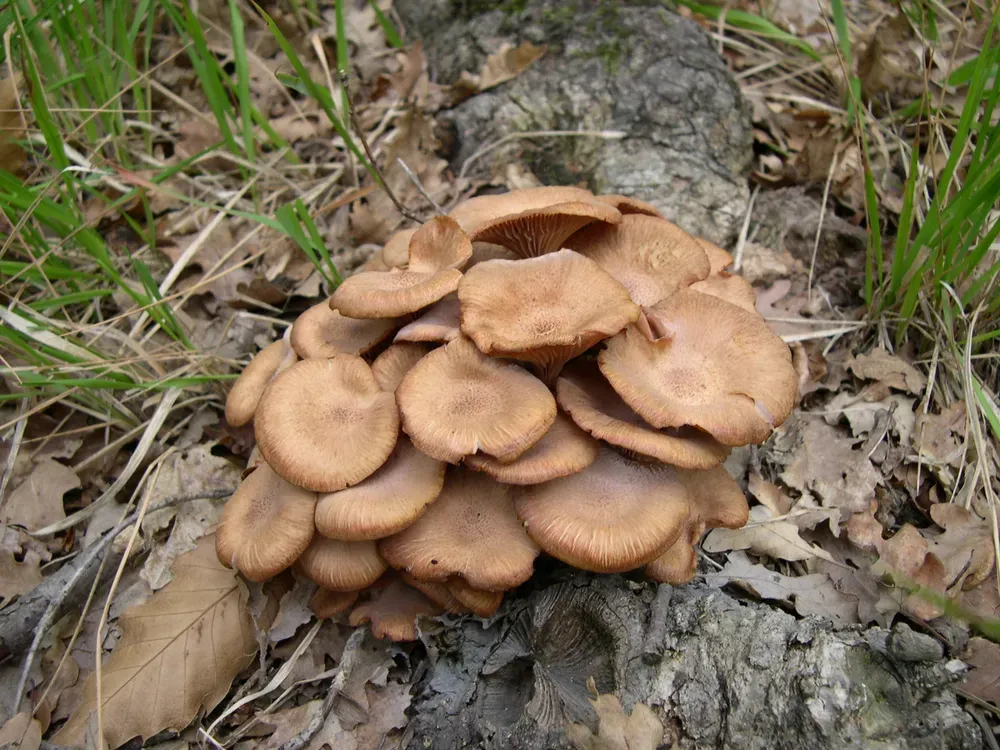
Ringless honey fungus
Desarmillaria tabescens
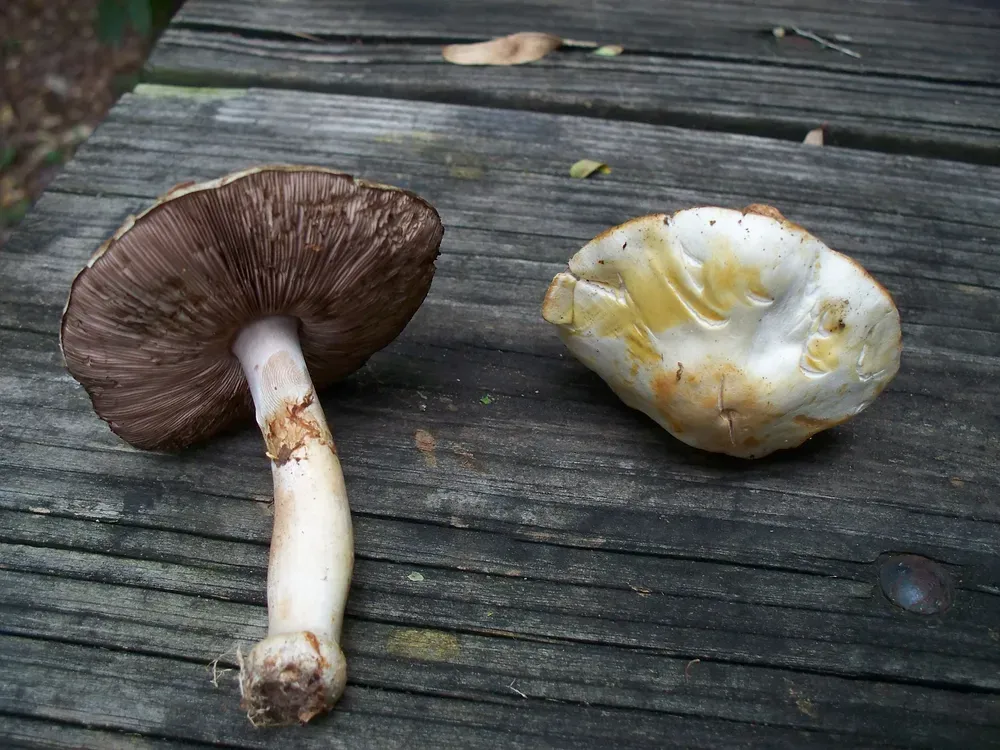
Agaricus abruptibulbus
Agaricus haemorrhoidarius
Agaricus haemorroidarius
Related reading
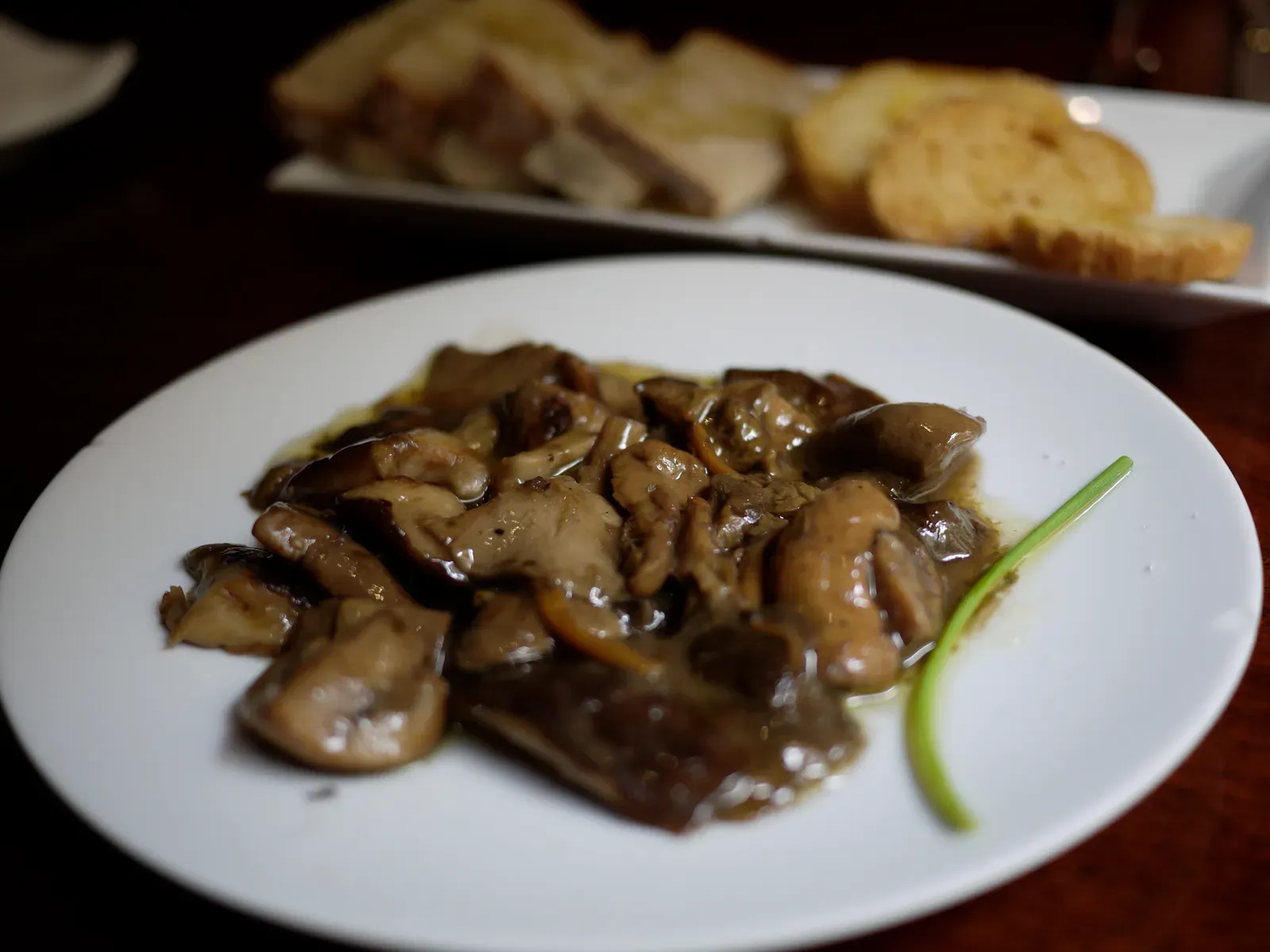 Recipes & cooking
How long to boil mushrooms
Boiling time depends on the type of mushroom and on what you're cooking next. Here's a clear cheat sheet: how…
August 22, 2026·4 min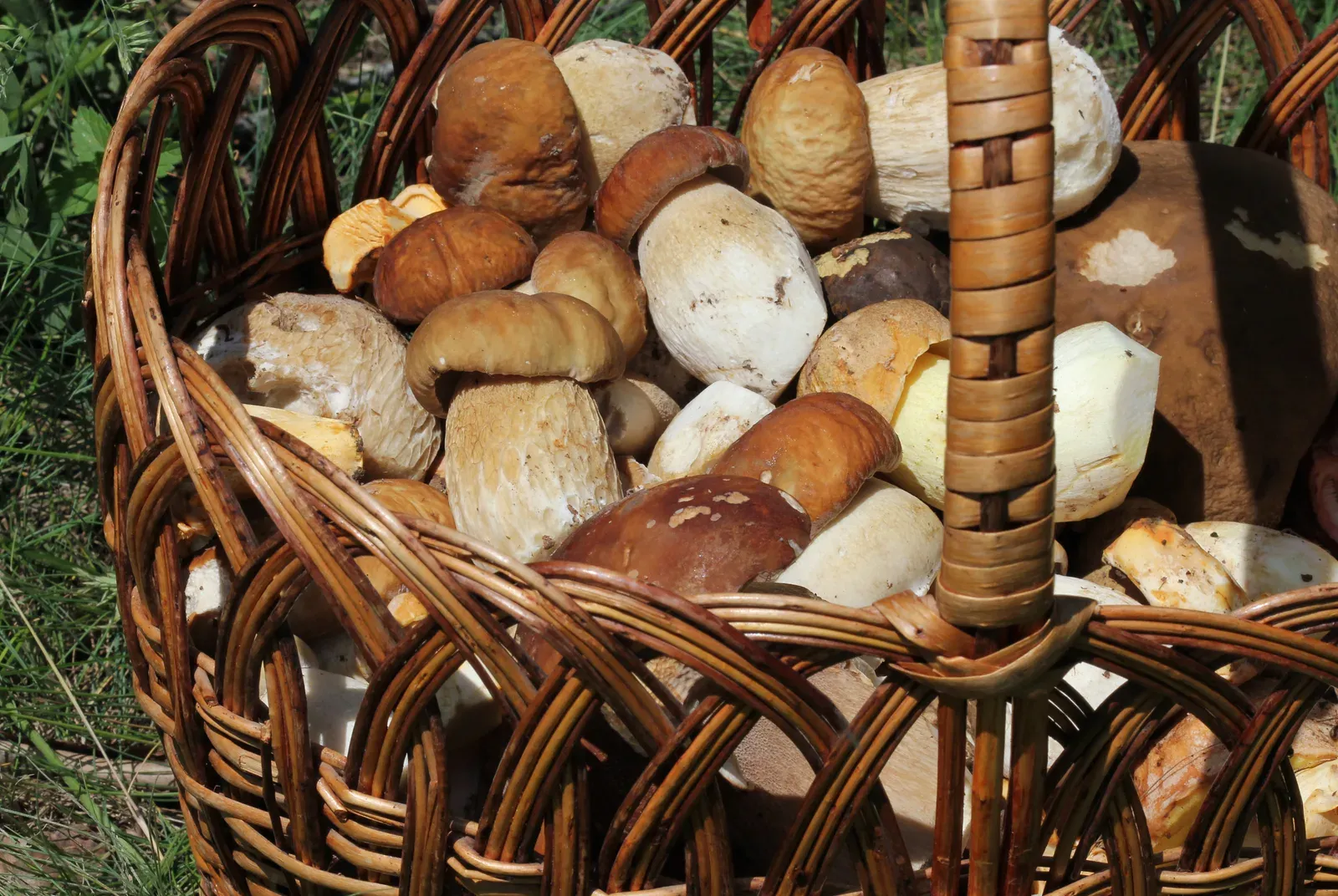 Recipes & cooking
How to store fresh mushrooms, and for how long
Fresh mushrooms spoil faster than you might think. Here's how long they keep in the fridge, how to store them…
August 21, 2026·4 min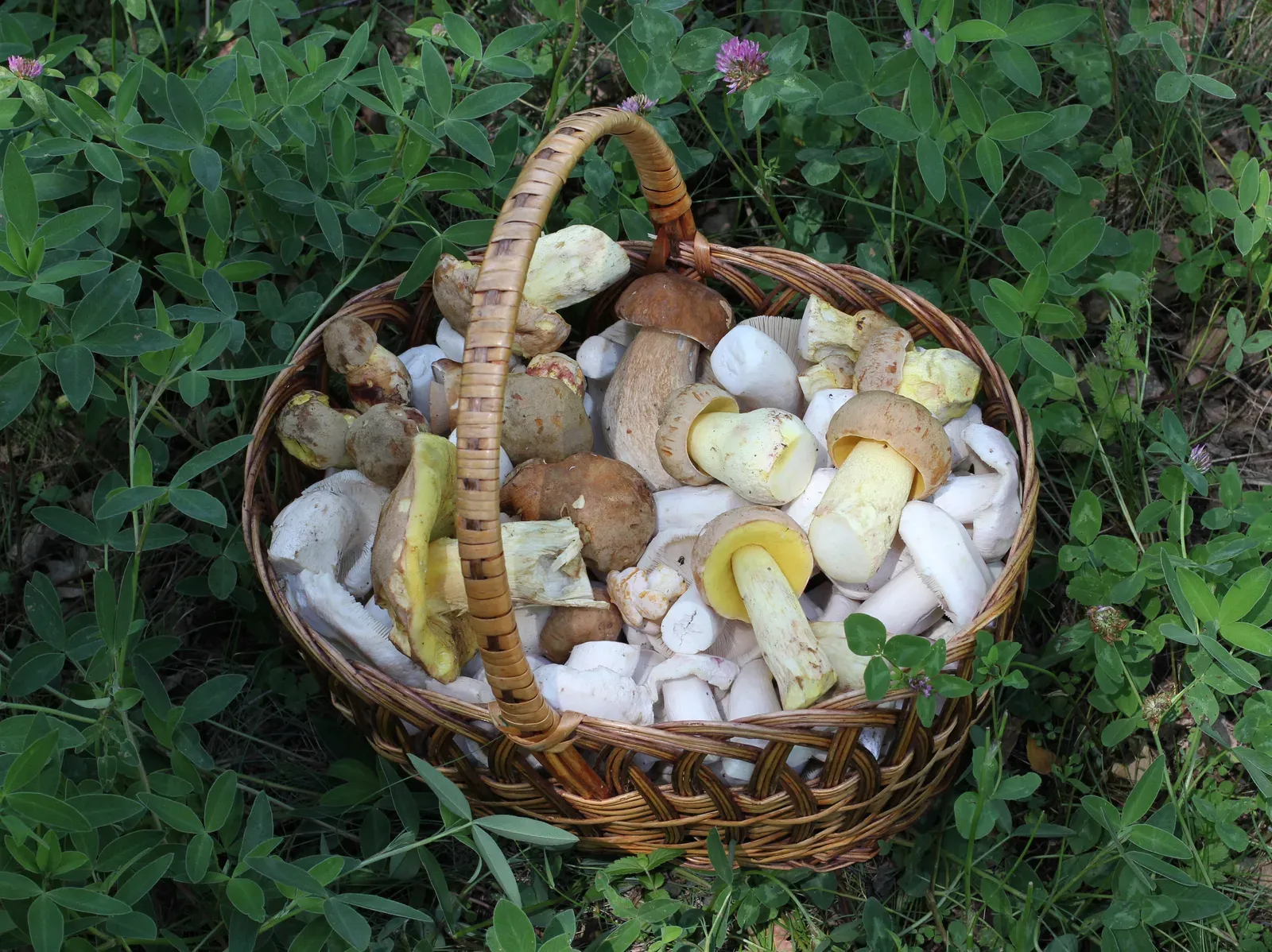 Science & taxonomy
Porcini: health benefits and risks
Porcini aren't just delicious — they're nourishing too. Here's what makes porcini good for you, how much prote…
August 20, 2026·2 min
Frequently asked questions
Is Slippery jack edible or poisonous?
Does Slippery jack have gills or pores?
What does the cap of Slippery jack look like?
What does the stem of Slippery jack look like?
What do Slippery jack smell and taste like?
Where does Slippery jack grow?
Which trees does Slippery jack grow under?
When should you pick Slippery jack?
What can Slippery jack be confused with?
How do you cook Slippery jack?
Can you dry Slippery jack?
What is the scientific name of Slippery jack?
Sources
- [1]Атлас грибів України, Зеров Д.К. (1979)
- [2]GBIF