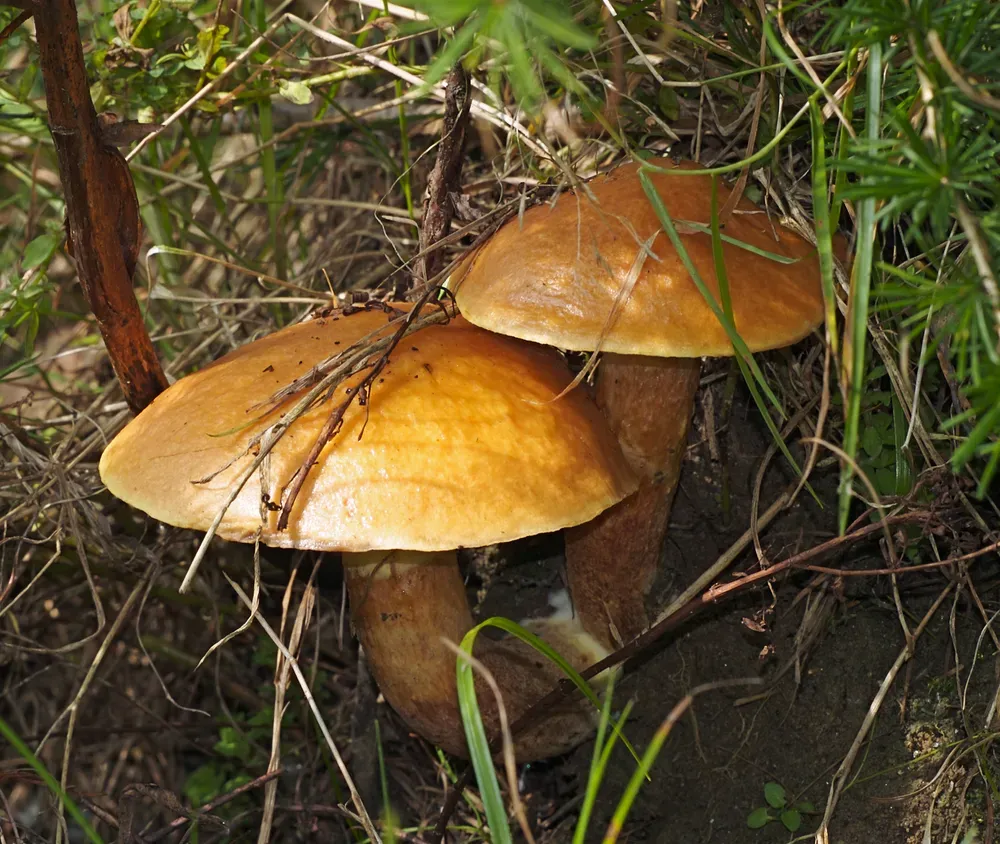
Larch boleteSuillus grevillei
Expert-verifiedUpdated October 3, 2026
Passport
- Edibility
- Edible
- Season
- Jun — Oct
- Hymenophore
- Pored
- Cap color
- Yellow
- Size
- Medium (5–15 cm)
- Smell
- Pleasant
- Reviewed
- Yes ✓
Quick answers
Where to look?
Conifer forest, Mixed forest
When does it appear?
Jun — Oct
Active months: June, July, August, September, October.
How to recognize it? Three signs
- Cap color: Yellow, Orange
- Cap shape: Convex
- Smell: Pleasant
Fruiting season
June – October
Description
The larch bolete (Suillus grevillei) is the brightest of all slippery jacks. Its lemon-yellow to orange cap, with a distinctive glossy, almost lacquered coating, stands out against the dark green needles of larch. It’s easy to find — wherever larch grows, the larch bolete will sooner or later appear in large numbers. Larch is its obligatory mycorrhizal partner.
In Ukraine the larch bolete occurs wherever there are larch plantings: in the Carpathians (both natural stands and plantations), in Polissia in planted larch stands, and in parks and shelterbelts across the country. Individual larch avenues in towns and villages attract this mushroom too — it’s worth a look even in city parks with larches in Kyiv or Lviv. On its own, it doesn’t grow in broadleaf or pine-spruce forests.
A tasty edible mushroom of the 3rd category: young specimens are excellent for pickling and frying, while old ones become watery and rubbery. Before cooking, it’s best to peel off the cap skin — it’s very sticky and makes the dish dark. It gets maggoty readily, so it’s best picked very young, with the ring-veil still closed. You can dry it, but because of its high moisture it dries slowly and often goes moldy with poor ventilation.
Cap
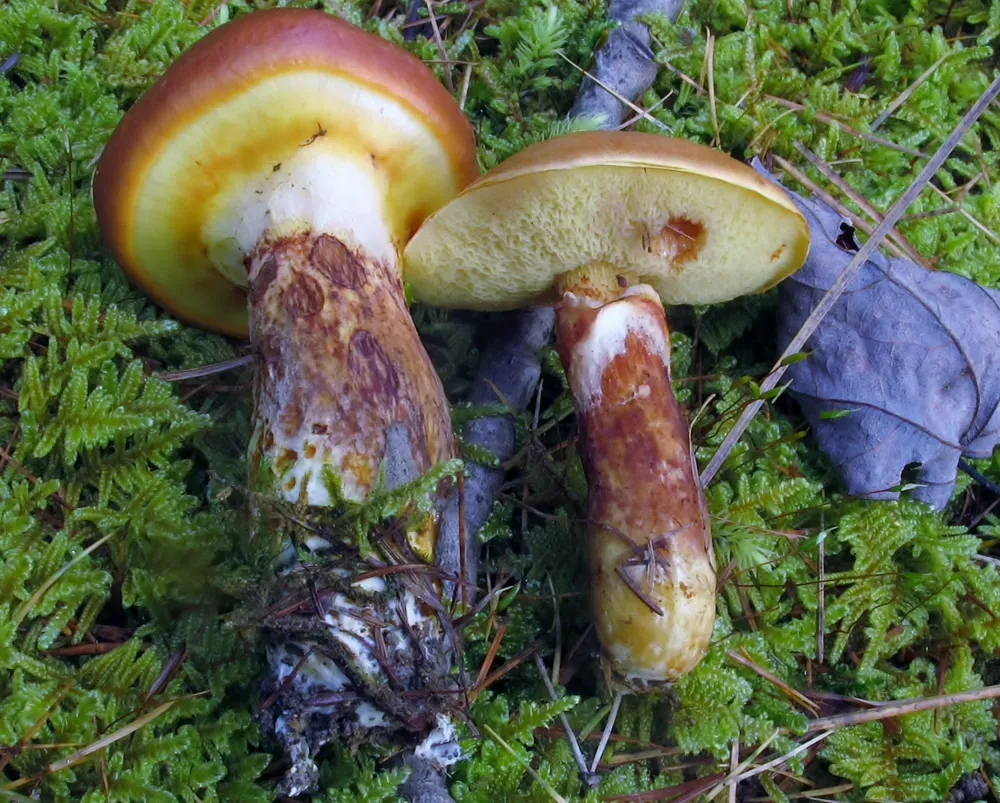
Cap 4–10 cm (sometimes up to 15), hemispherical in young mushrooms, then cushion-shaped, almost flat in old ones. Color bright yellow, lemon-yellow, golden-orange, less often rusty brown. The surface is very sticky and shiny — in wet weather it looks literally lacquered. The skin peels off easily and often stretches into strips.
Hymenophore
Tubes adnate to the stem at first, then notched. Yellowish when young, later grayish- or olive-yellow. Pores small and angular. When pressed they turn pinkish, then brown — a characteristic reaction. In young mushrooms they are covered by a yellowish membranous veil.
Stem
Stem 4–12 cm tall, 1–3 cm thick, cylindrical or slightly widening toward the base. Yellow above, brownish below the ring, with small rusty dots. The ring is white or yellowish, membranous, and breaks down quickly — in mature mushrooms it’s often gone or only a narrow band remains.
Flesh
Flesh yellow, soft, watery in mature mushrooms. When cut it turns slightly pinkish in the cap, and sometimes a bit greenish in the stem. The texture is slimy-fibrous.
Smell
Smell faint, mushroomy, with a barely noticeable resinous note. Taste mild, not bitter.
›Scientific synonyms (3)
Boletus elegans, Ixocomus elegans, Suillus elegans
Lookalikes
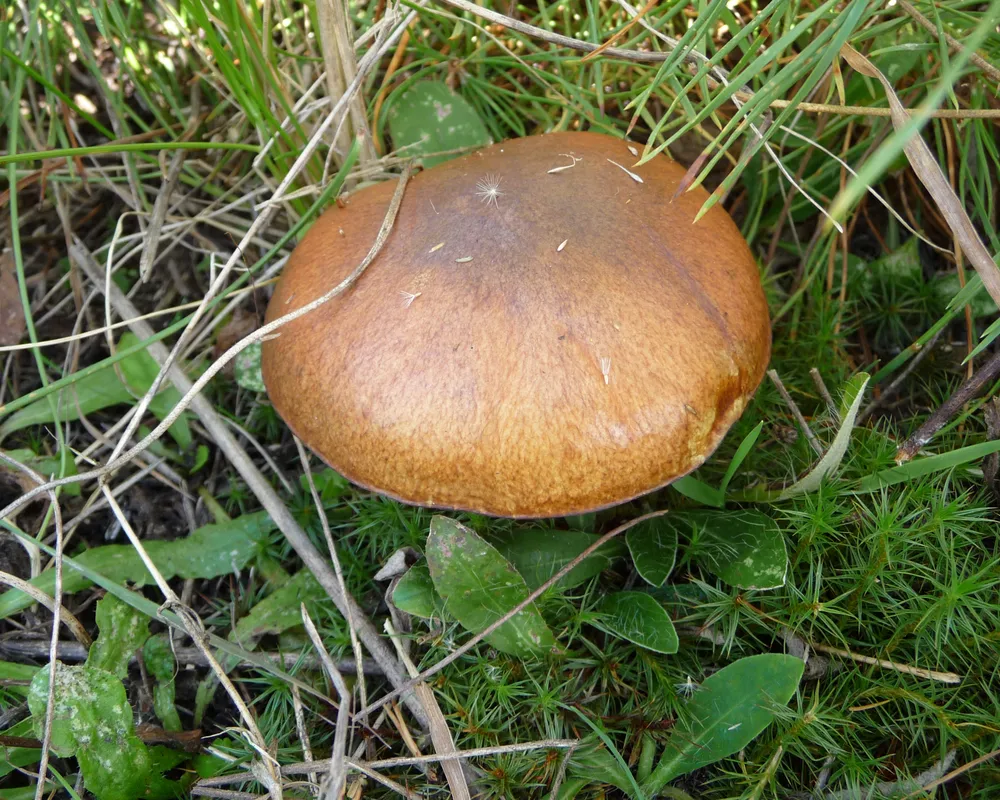
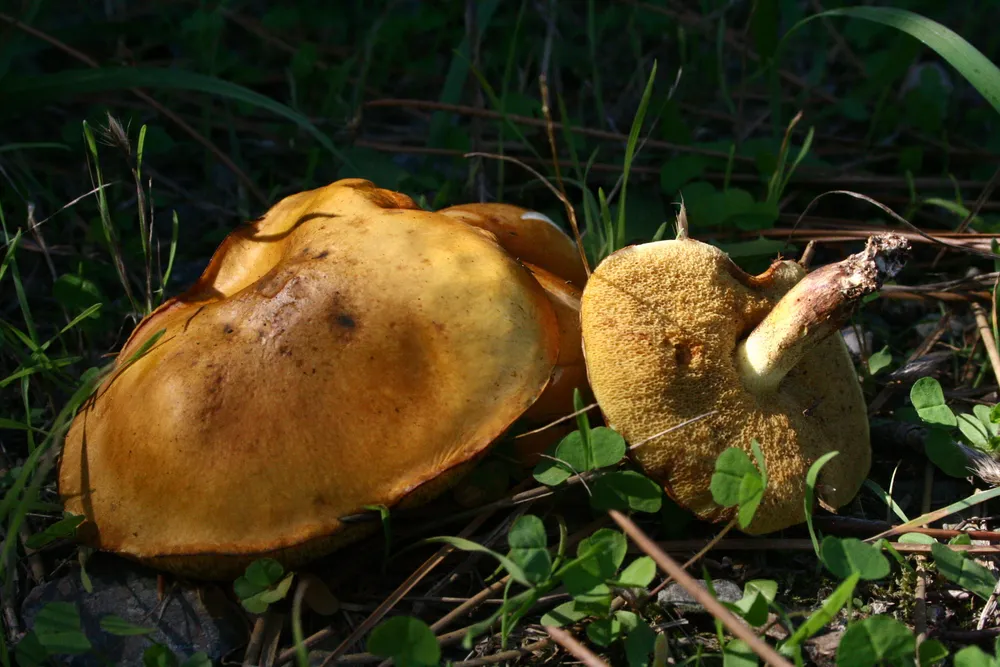
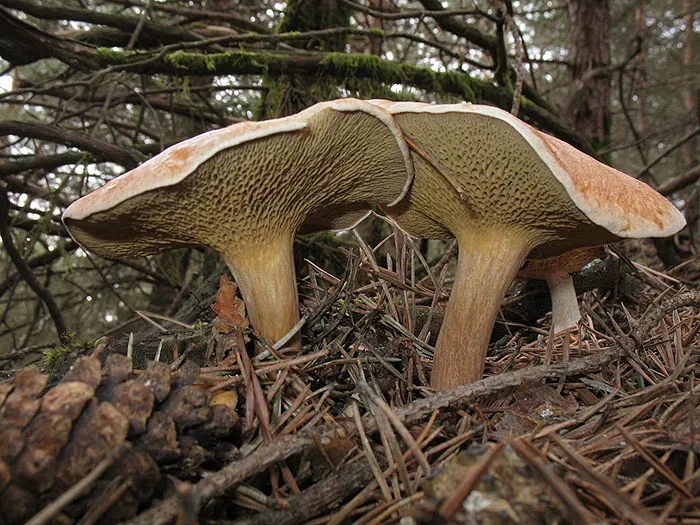
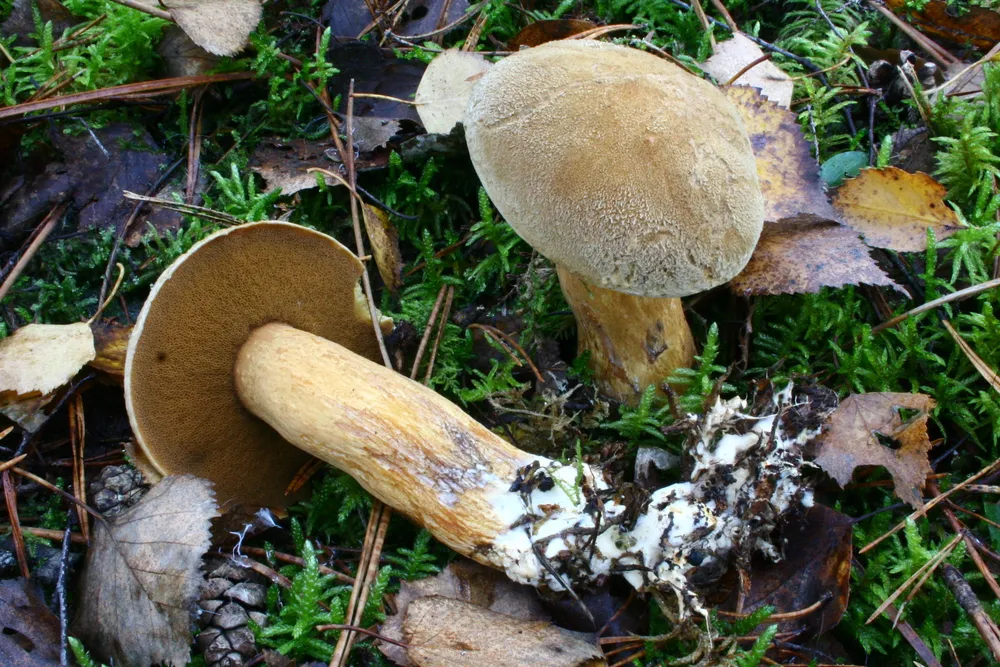
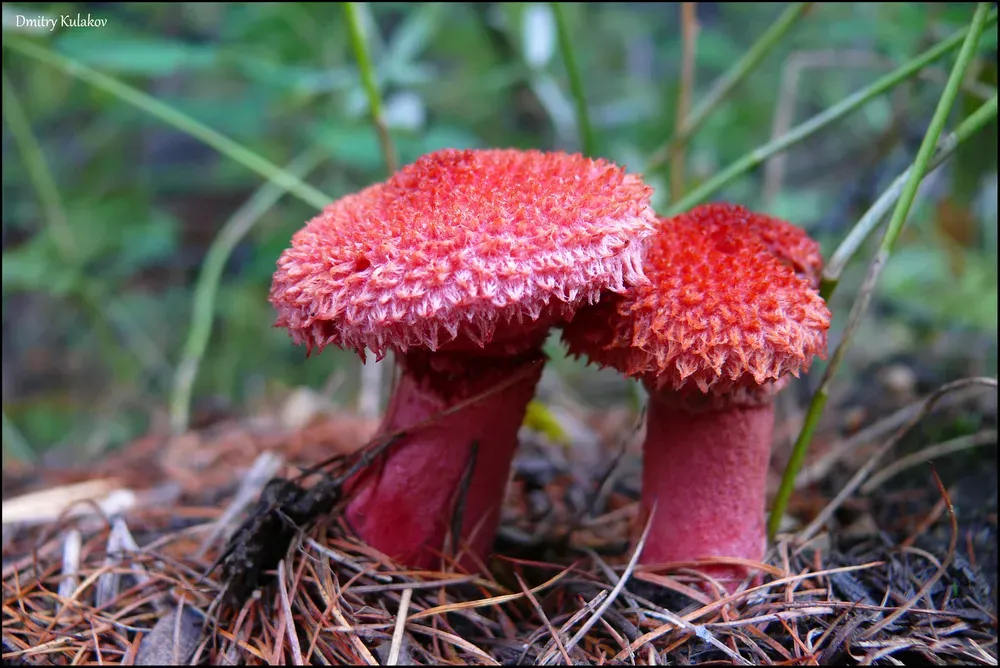
_Kuntze_791558.webp)
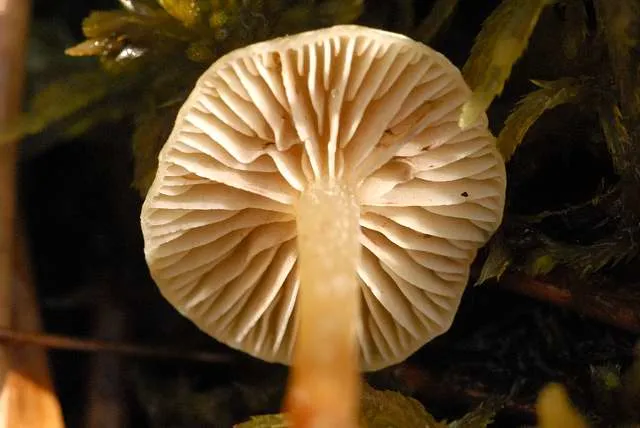
Related species
Mushrooms of the same genus and habitat — to study side by side and never mix up.
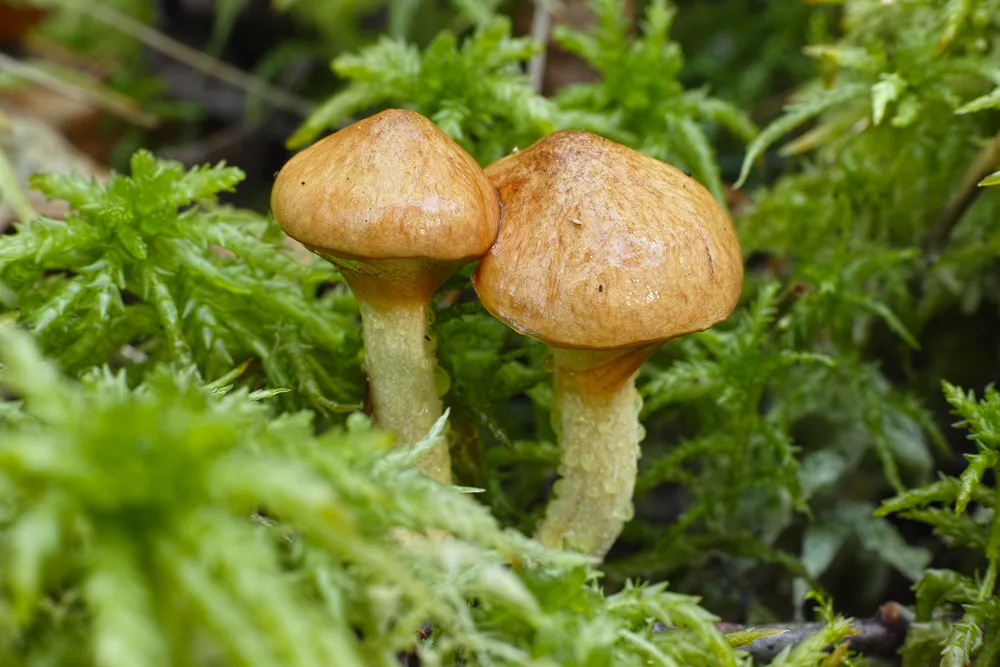
Suillus flavidus
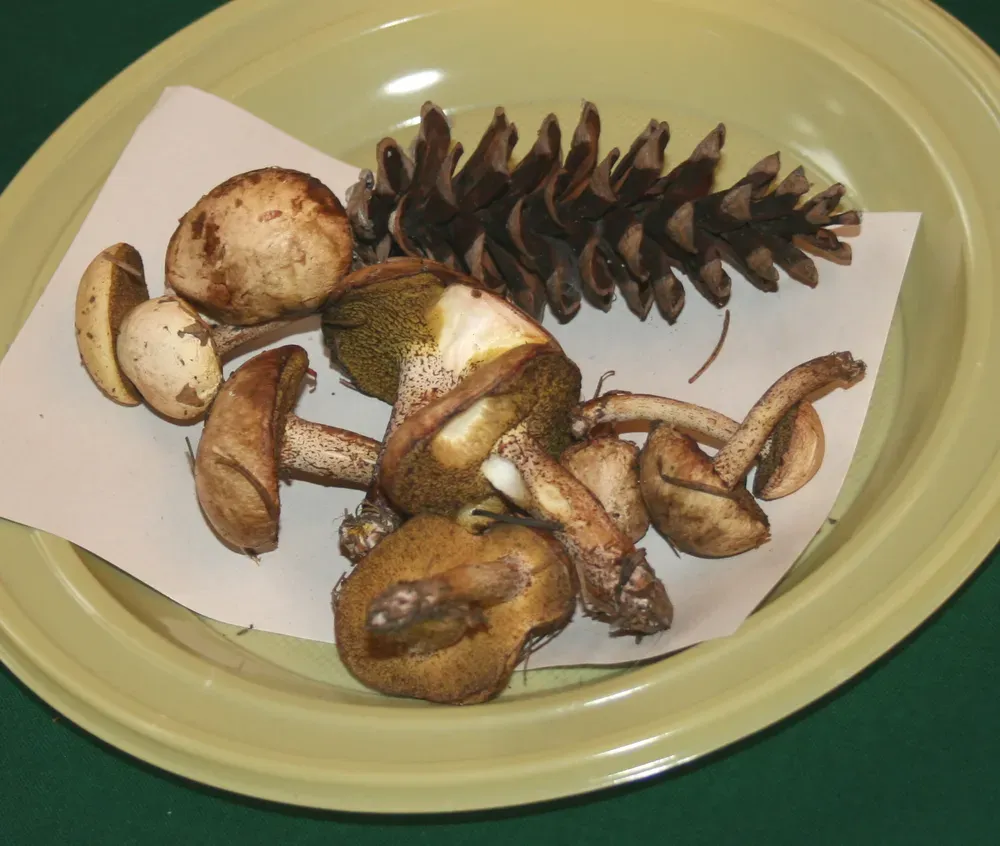
Suillus placidus
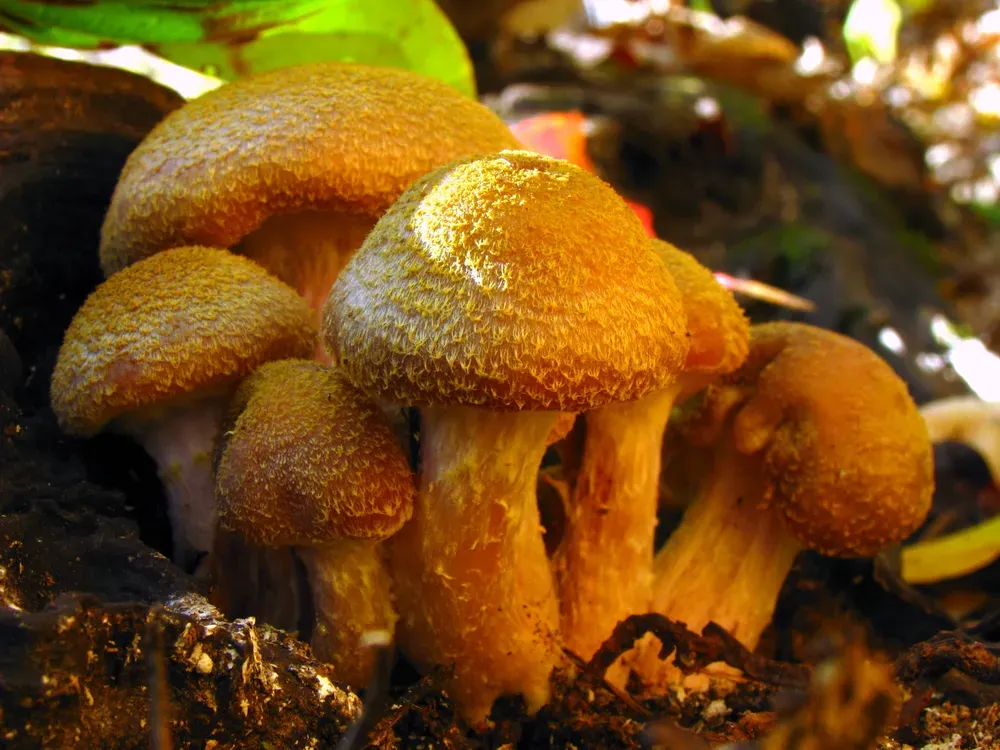
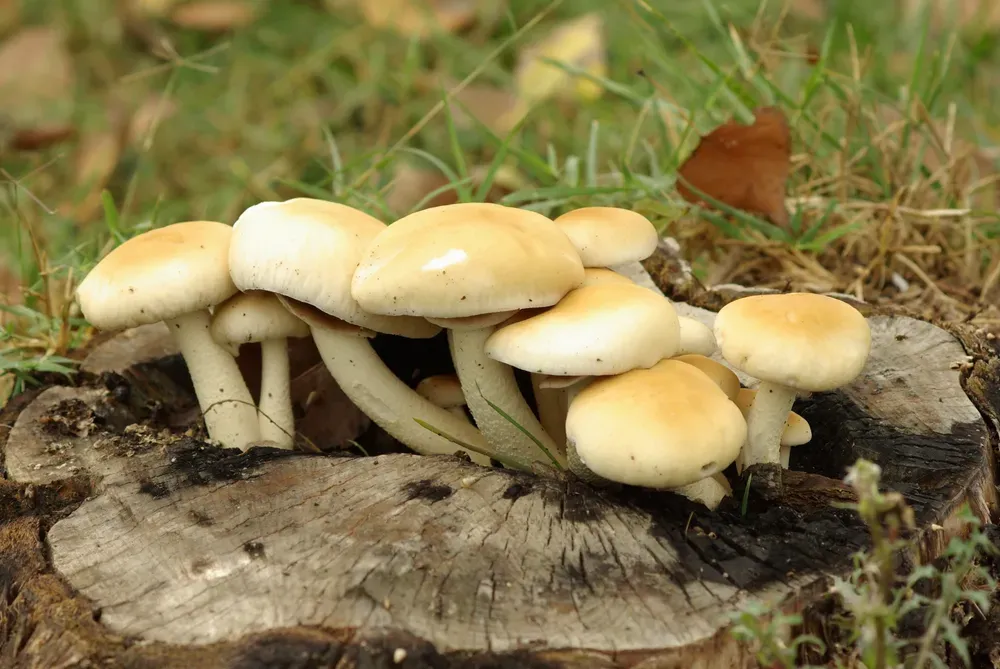
Bulbous honey fungus
Armillaria gallica
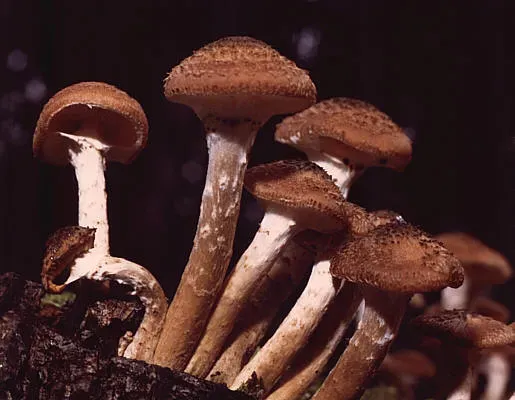
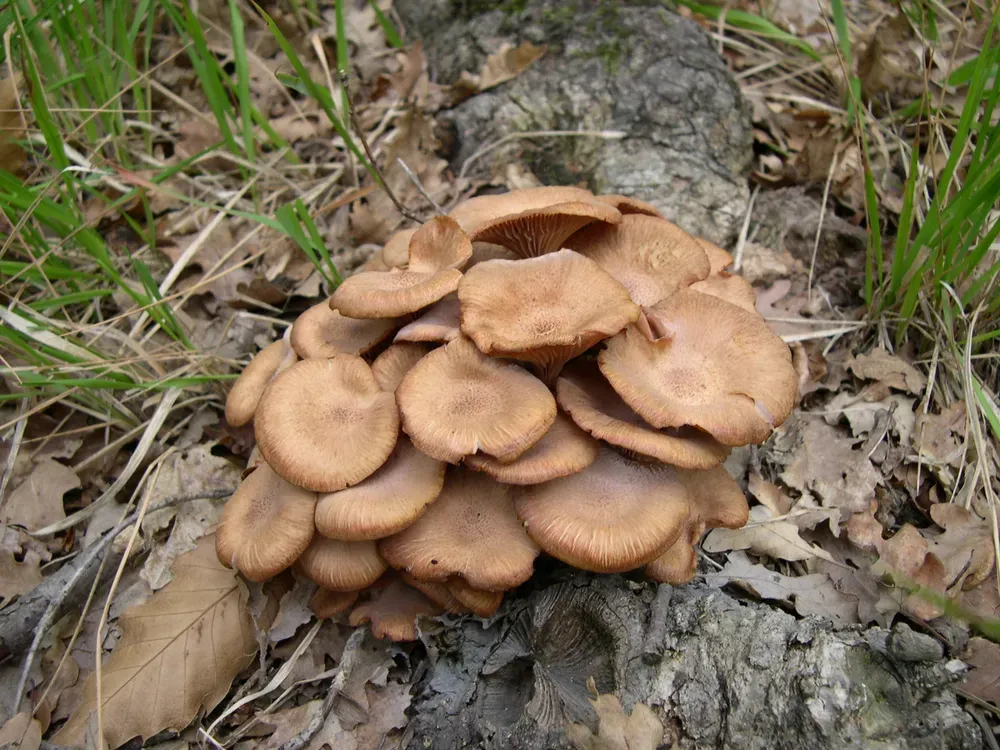
Dark honey fungus
Armillaria ostoyae
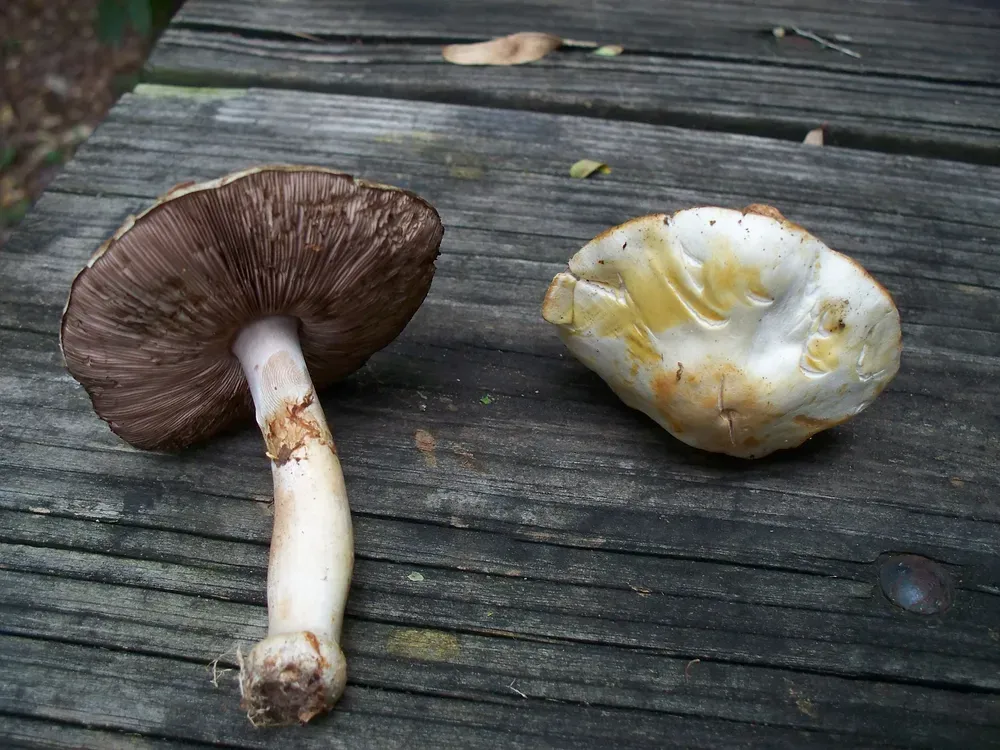
Poplar fieldcap
Cyclocybe aegerita
Ringless honey fungus
Desarmillaria tabescens
Agaricus abruptibulbus
Agaricus haemorrhoidarius
Agaricus haemorroidarius
Related reading
_Kuntze_27971.webp) Recipes & cooking
Recipes & cookingHow to cook and preserve slippery jacks
Slippery jacks are fried, pickled and dried, and each method has its own tricks. Here's how to cook slippery j…
April 12, 2026·4 min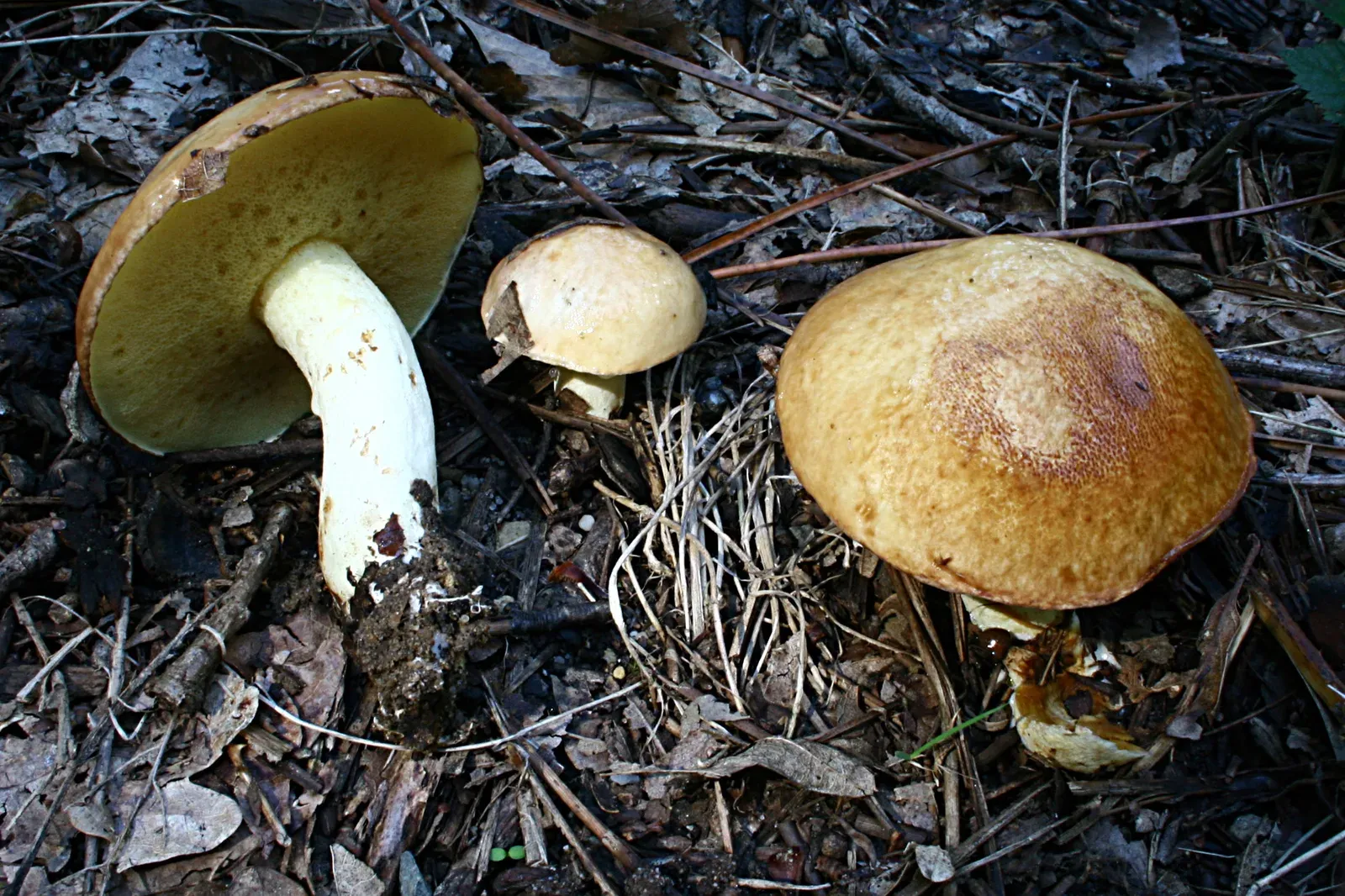 Recipes & cooking
How to clean slippery jacks fast, without sticky hands
Slimy skin turns cleaning slippery jacks into torture if you don't know a few tricks. Here's how to clean them…
April 10, 2026·4 min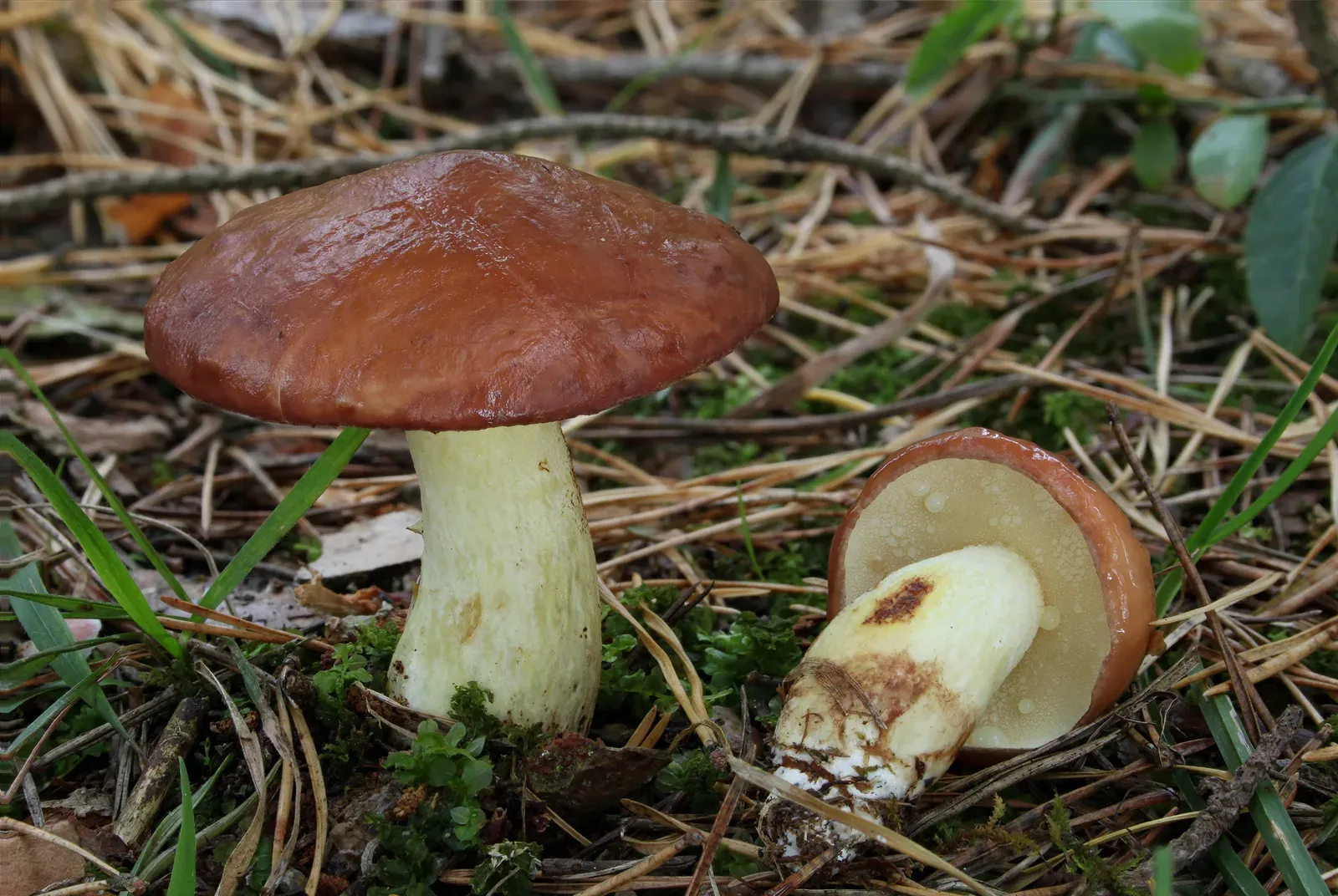 Where & when to forage
When does slippery jack season start?
Slippery jacks come out early and grow in flushes through almost the whole warm half of the year. Here's when…
April 4, 2026·3 min
Frequently asked questions
Can it be confused with a poisonous mushroom?
Among the boletes of larch woods there are no dangerous look-alikes. All Suillus species that grow with larch (there are three in Ukraine — Suillus grevillei, S. tridentinus, S. nueschii) are edible. If the mushroom has a lemon-yellow sticky cap and grows under larch — that’s it.
Where should you look in Ukraine?
Exclusively under larch (Larix). In its natural range — the Carpathians. In plantings — Polissia, the Forest-Steppe, park plantings. It doesn’t occur in pine forests without larch. City dwellers are in luck: parks with larches in Kyiv, Lviv and Kharkiv are a real place to pick it.
When does it fruit?
July to October, peaking in August–September. Sometimes the first specimens appear as early as late June during warm, wet spells. After the first frosts it becomes watery and inedible.
How is it different from the slippery jack?
The larch bolete is much yellower (lemon to orange), while the slippery jack has a chocolate-brown cap. The slippery jack grows under pine, the larch bolete only under larch. If you find a yellow “slippery jack” under a larch — it’s the larch bolete.
Do you need to peel the cap skin?
Preferably. The skin is very sticky, leaves a dark color in the broth after boiling and has a slimy texture. It’s easiest to peel right after picking, from a damp mushroom, pulling with your fingers from the edge to the center. In dry weather the skin sticks to your fingers, but it still comes off easily.
Does it grow with spruce or pine?
No, strictly with larch. It has no other mycorrhizal partners. If there’s even one larch in your forest, walk around it within 5–10 meters — chances are high you’ll find larch boletes.
How should you preserve it?
The best ways are pickling and freezing. Drying is difficult: the mushroom is very watery and goes moldy with insufficient ventilation. If you do dry it, slice it thinly first and air it in the sun.
Can it be confused with the fly agaric?
Not at all. The fly agaric’s cap has white spots and isn’t sticky, and it has white gills (the larch bolete has tubes). All the key features are different. Only a beginner who can’t tell tubes from gills could mix these mushrooms up.
Is Larch bolete edible or poisonous?
Does Larch bolete have gills or pores?
What does the cap of Larch bolete look like?
What does the stem of Larch bolete look like?
Sources
- [1]Вікіпедія (українська)
- [2]Атлас грибів України, Зеров Д.К. (1979)
- [3]MycoBank Database
- [4]Index Fungorum
- [5]GBIF
- [6]iNaturalist Ukraine