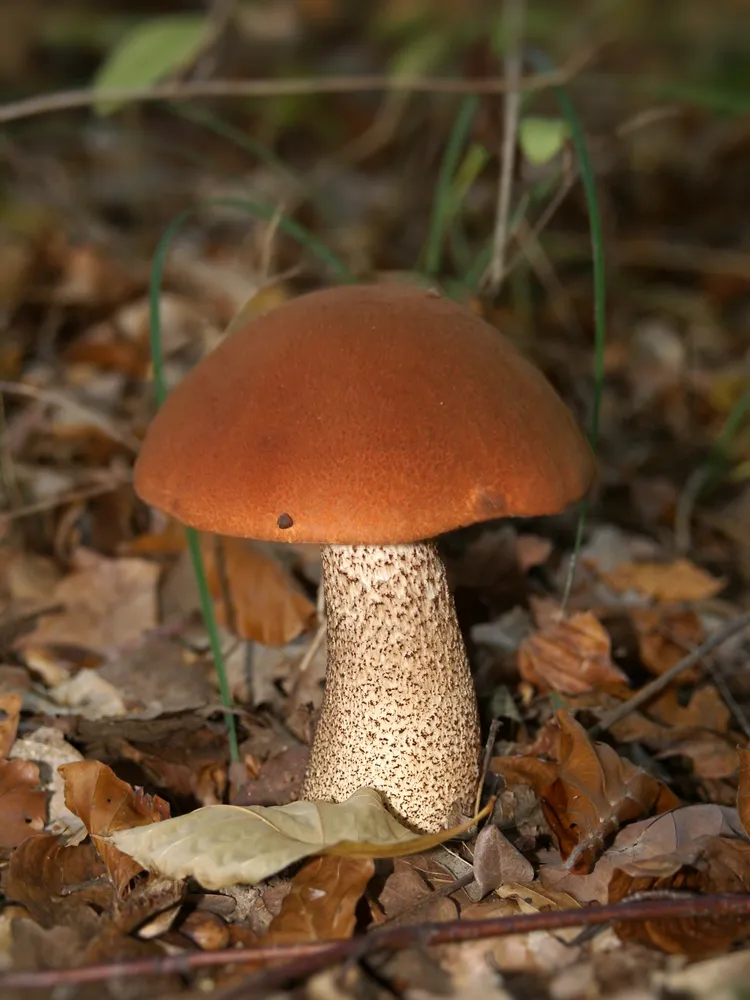
Red-capped scaber stalkLeccinum aurantiacum
Expert-verifiedUpdated October 3, 2026
Passport
- Edibility
- Edible
- Season
- Jun — Oct
- Hymenophore
- Pored
- Cap color
- Orange
- Size
- Large (over 15 cm)
- Smell
- Pleasant, mushroomy
- Reviewed
- Yes ✓
Quick answers
Where to look?
Deciduous forest, Mixed forest
When does it appear?
Jun — Oct
Active months: June, July, August, September, October.
How to recognize it? Three signs
- Cap color: Orange, Rusty, Red
- Cap shape: Convex
- Smell: Pleasant, mushroomy
Fruiting season
June – October
Description
The red-capped scaber stalk (Leccinum aurantiacum) is a first-category edible mushroom that forms mycorrhiza mainly with aspen (quaking poplar), less often with poplar and elm. It is common throughout the temperate zone of Eurasia.
It stands out with its striking orange-red cap and the characteristic bluing of the flesh when cut, caused by the oxidation of variegatic acid. It fruits from June to October.
A prized edible mushroom: the flesh is firm and tasty. It darkens during cooking, but this doesn't spoil the flavor. Best for frying and pickling.
Cap
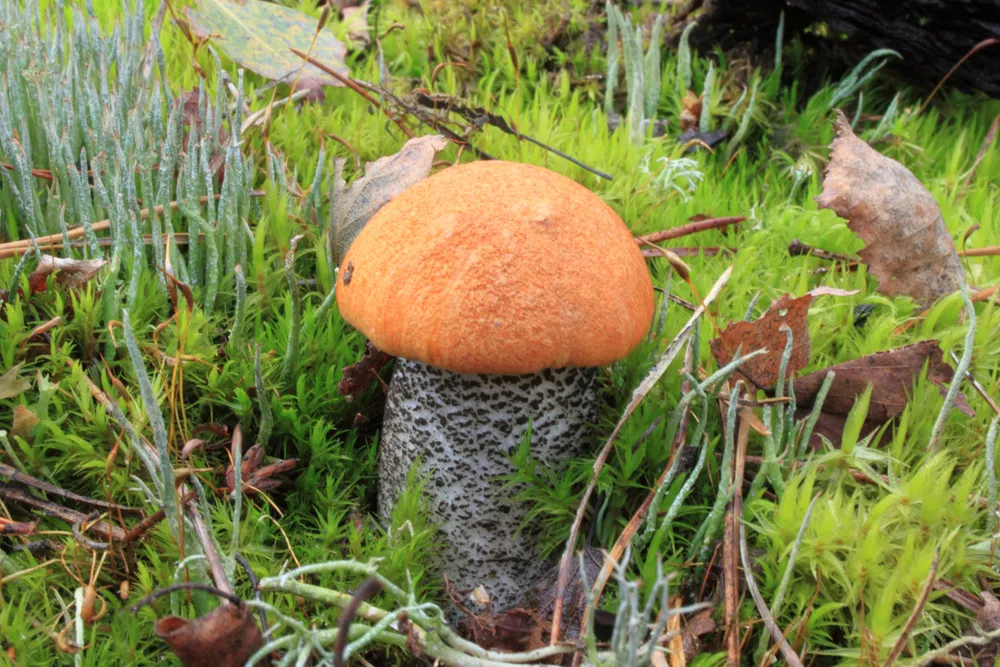
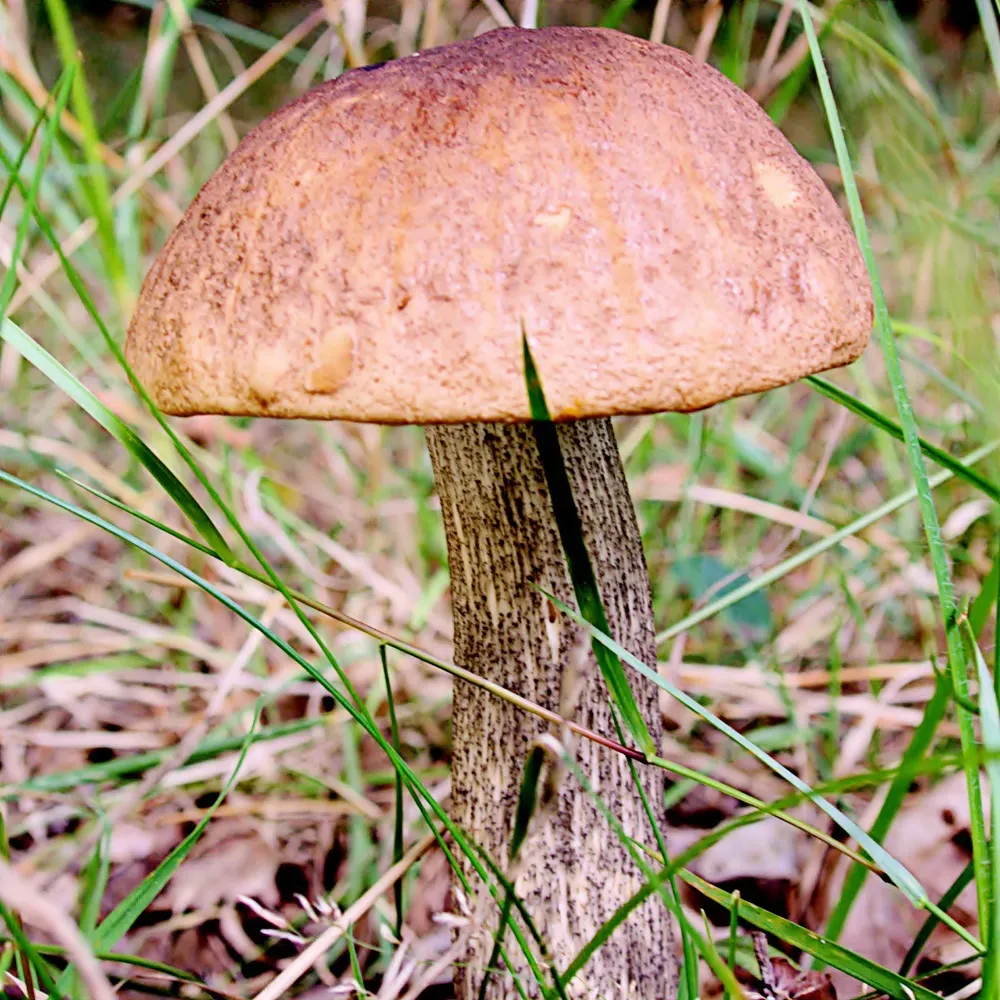
Cap 6–20 cm across, spherical in young mushrooms, then cushion-shaped. The surface is finely felted or slightly leathery, dry. The color is vivid — brick-red, orange or ginger; in shady spots it may be duller.
Hymenophore
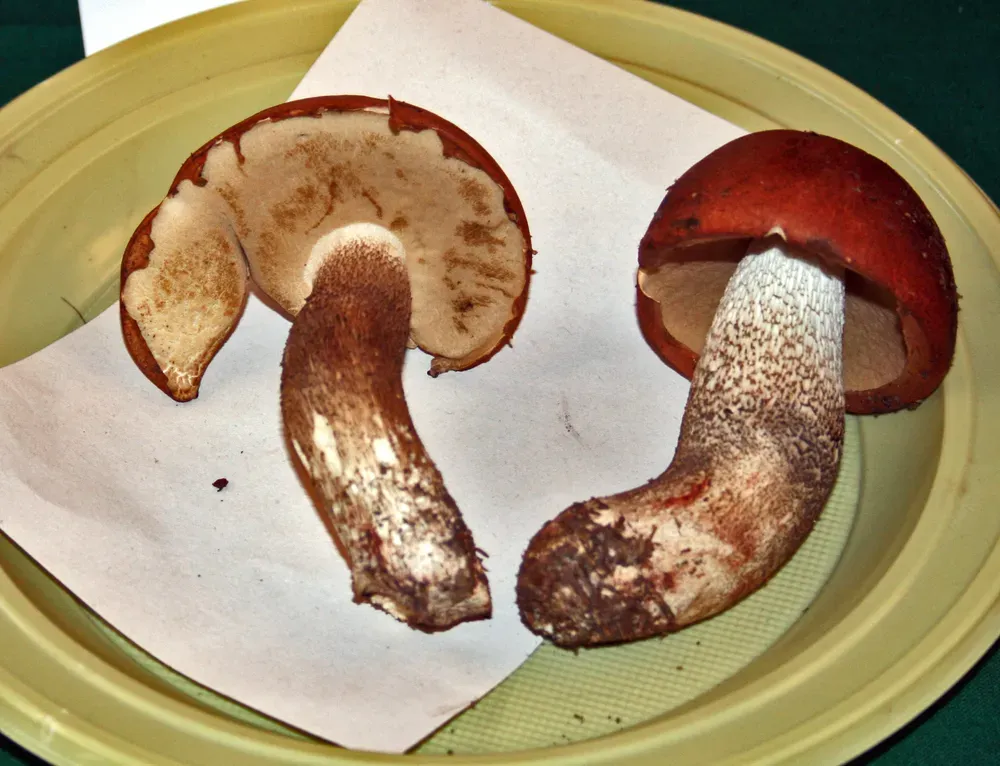
The hymenophore has tubes. Pores small, round, white at first, then turning brownish. When pressed and when cut, the tubes turn blue or green — this is a normal reaction and does not indicate danger.
Stem
Stem 8–20 cm tall, 2–4 cm thick, firm, club-shaped at the bottom, cylindrical in the upper part. The surface is white, covered with dark brown or blackish scales and fibers. The stem is very hard, almost woody in mature mushrooms.
Flesh
Flesh firm, white; when cut it quickly turns blue, then darkens to gray-violet and eventually almost black. The darkening also happens during cooking. The taste is pleasant, meaty. In mature mushrooms the stem is very fibrous.
Smell
Smell faint, pleasant, mushroomy, slightly earthy. When fried, the aroma becomes richer and more appetizing. Compared with porcini, the red-capped scaber stalk's smell is less pronounced, but quite pleasant.
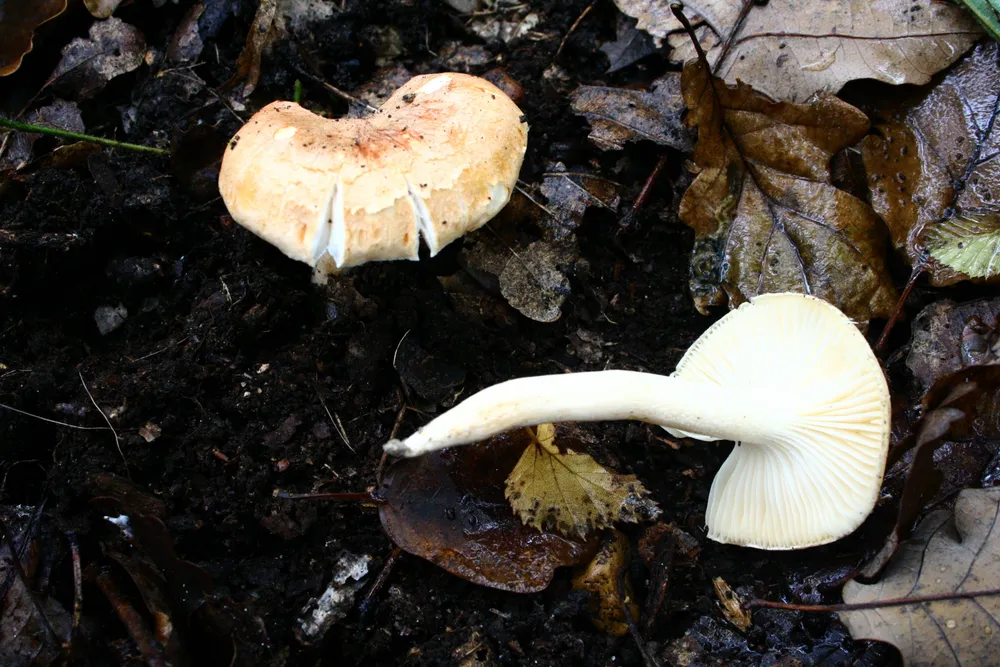
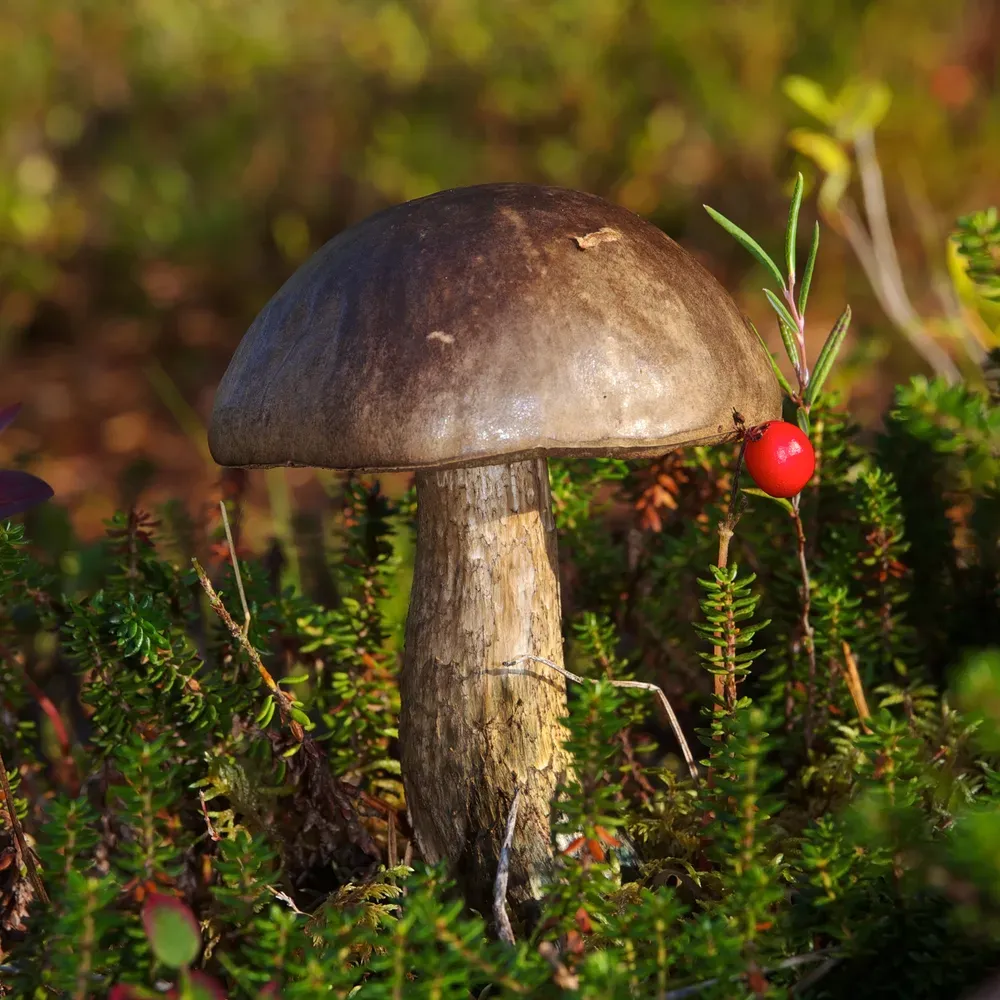
Lookalikes
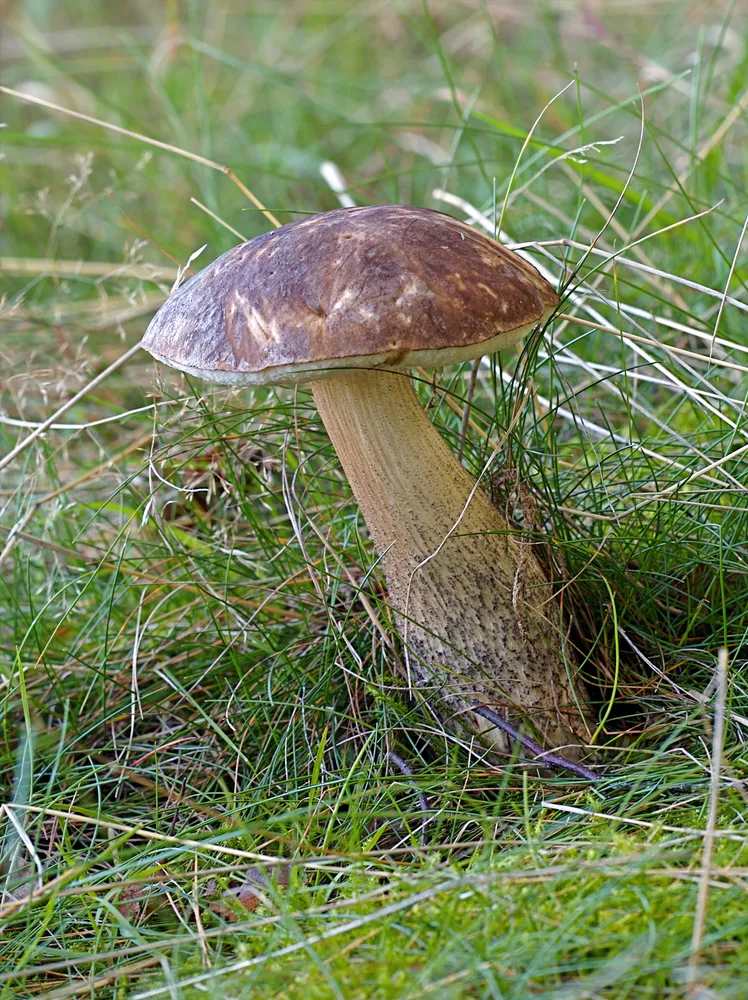
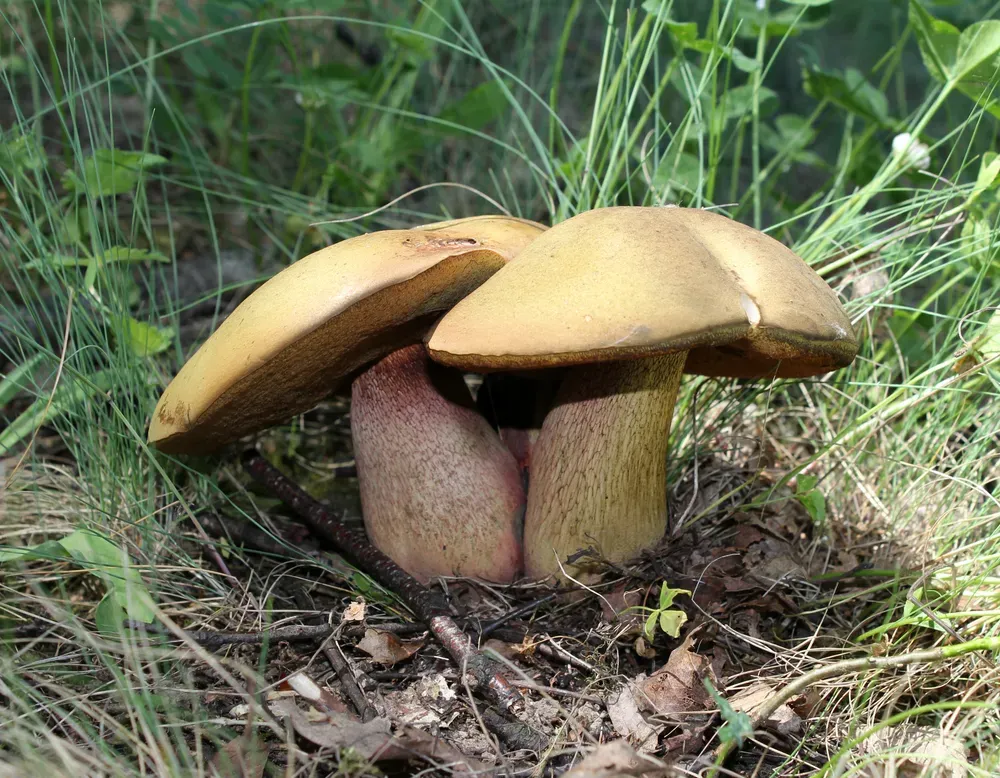
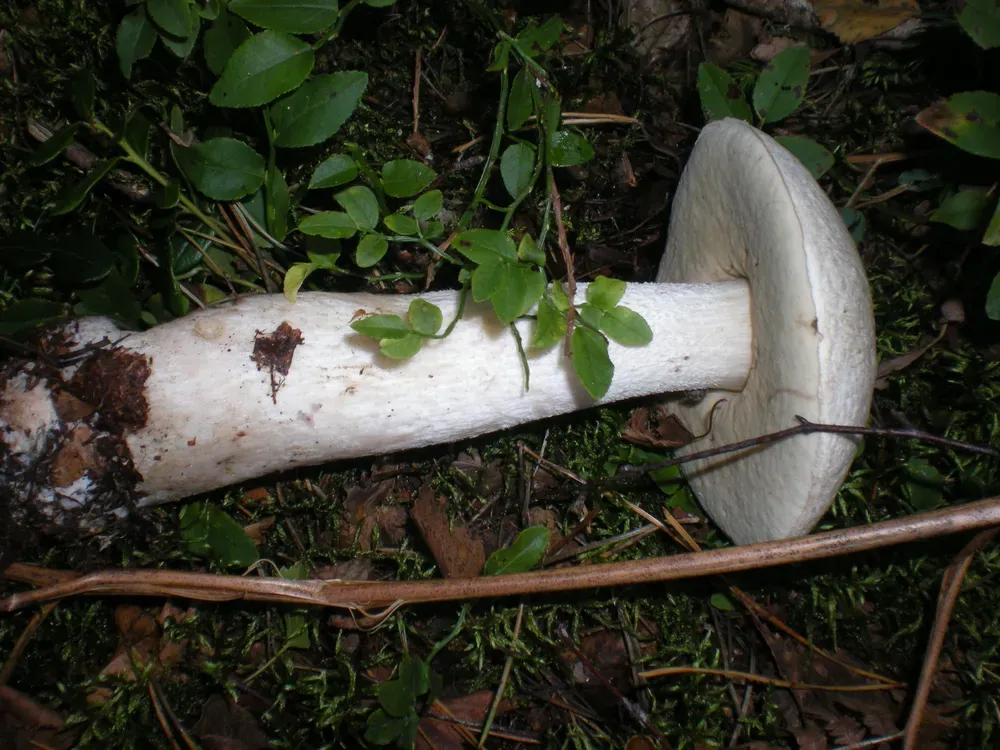
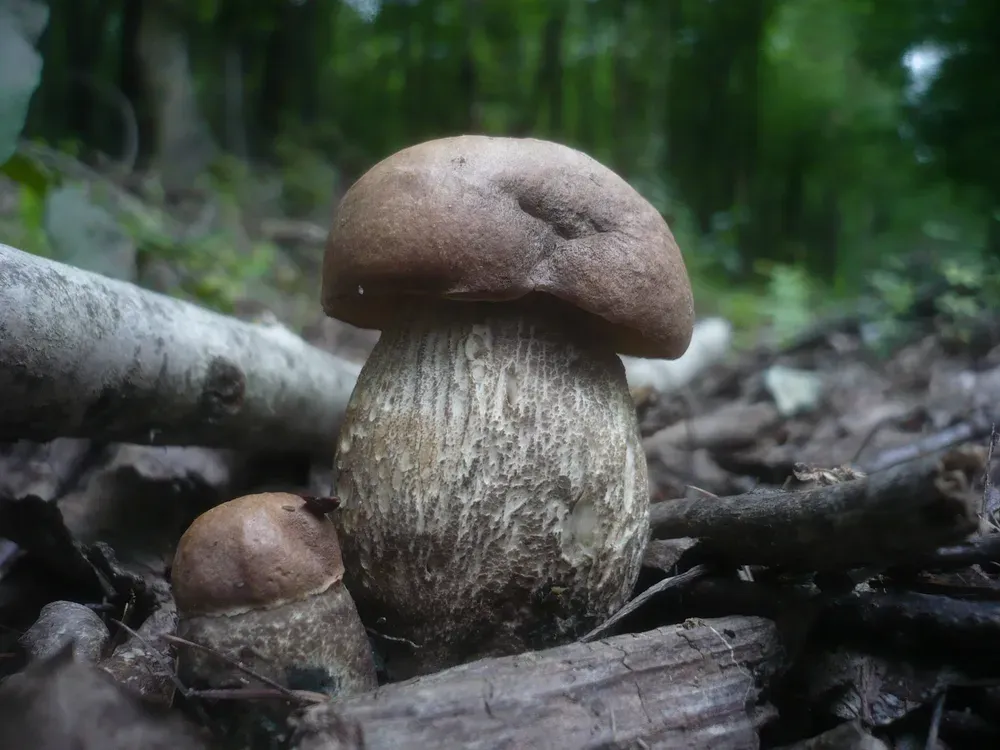
_Bresinsky_&_Manfr._Binder_533003_2015-06-29.webp)
Related species
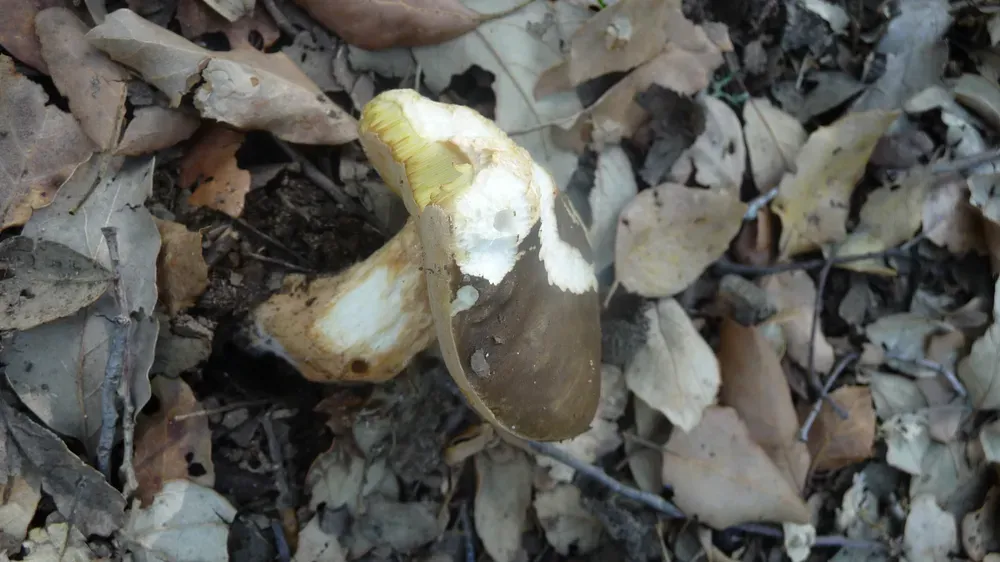
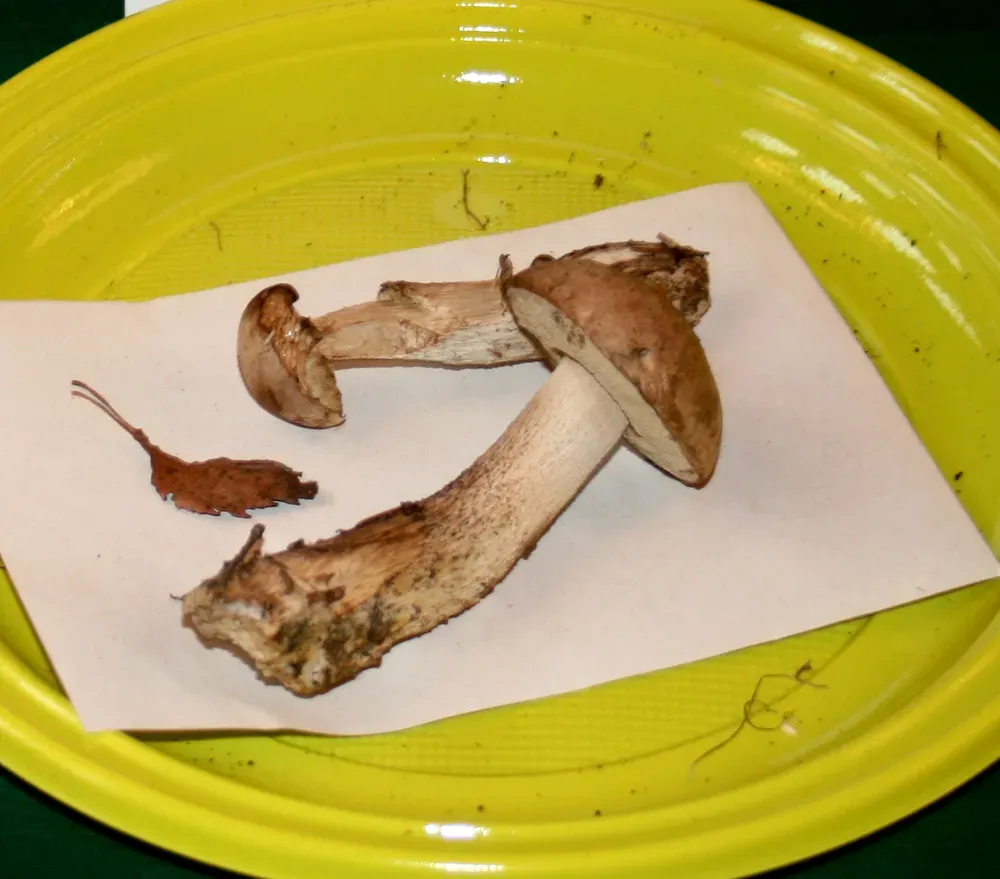
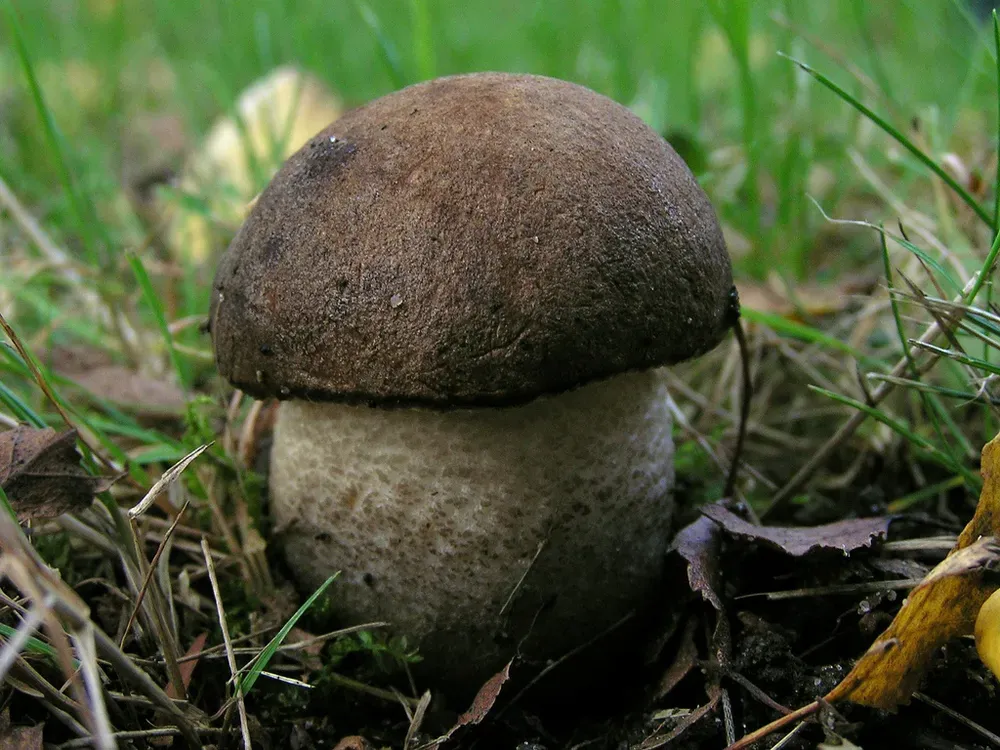
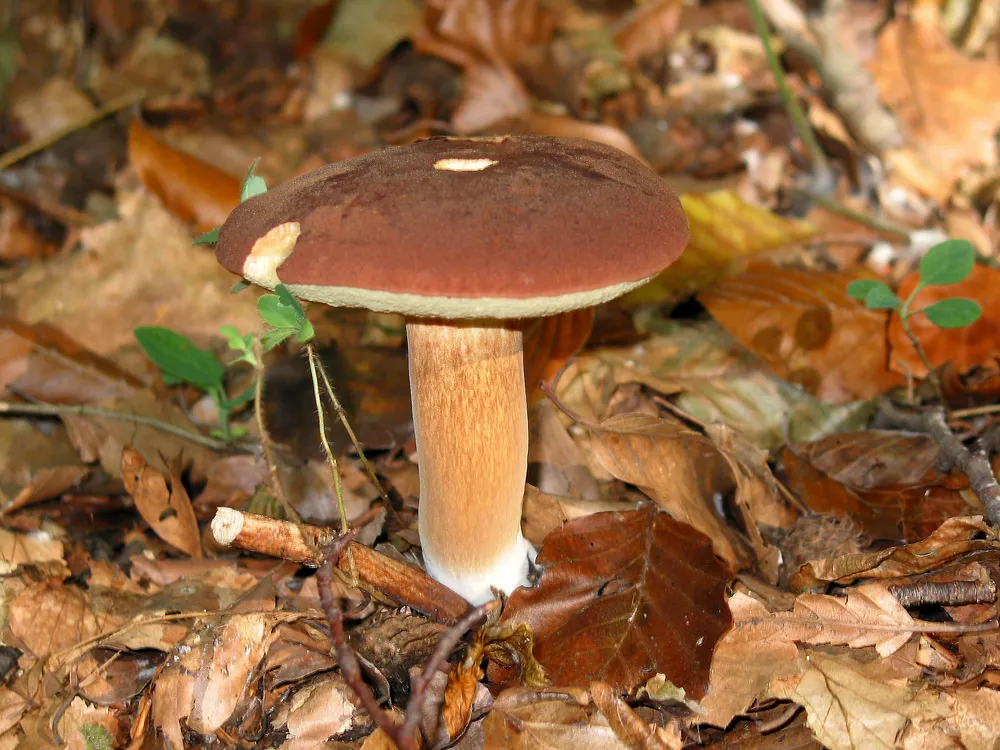
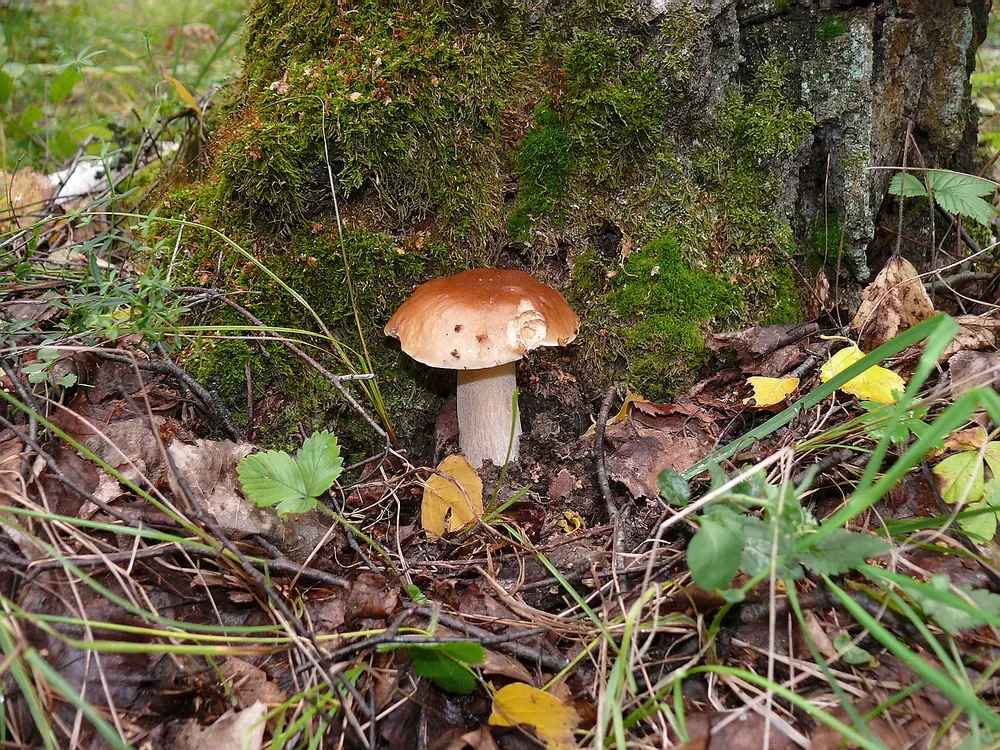
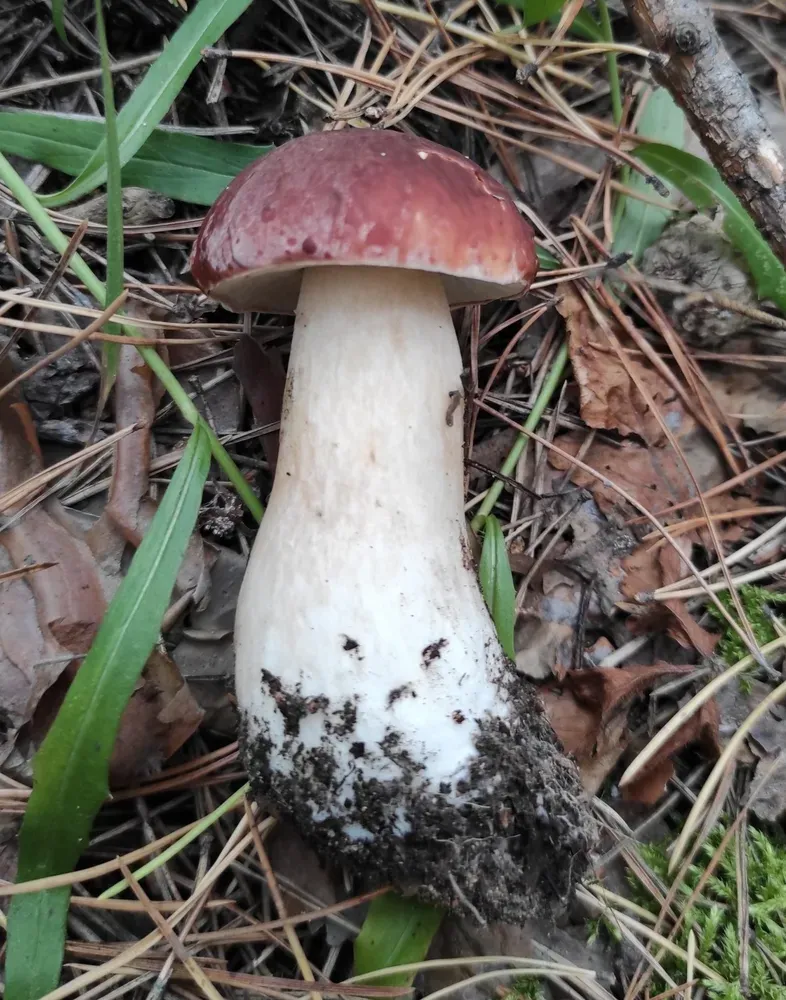
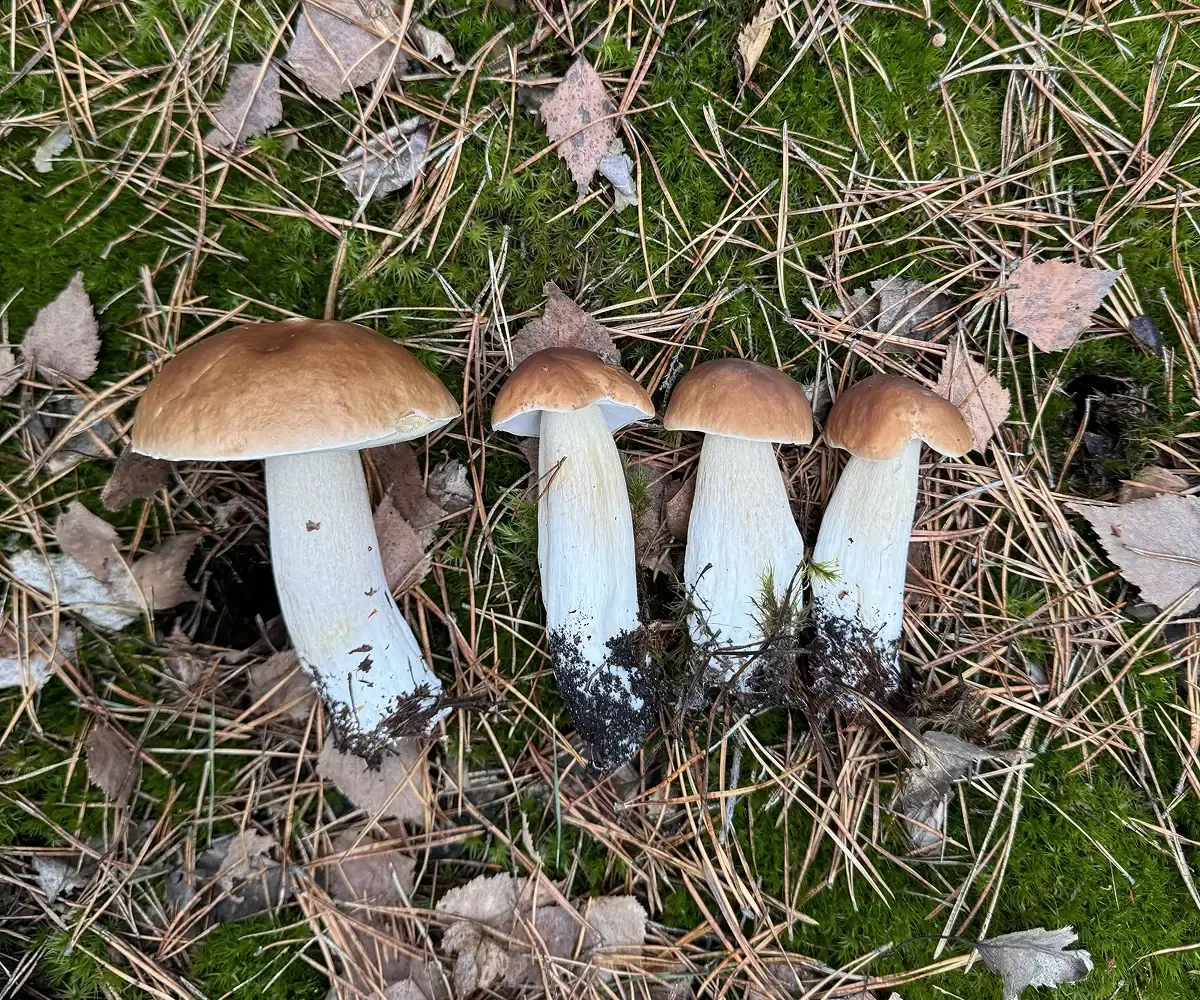
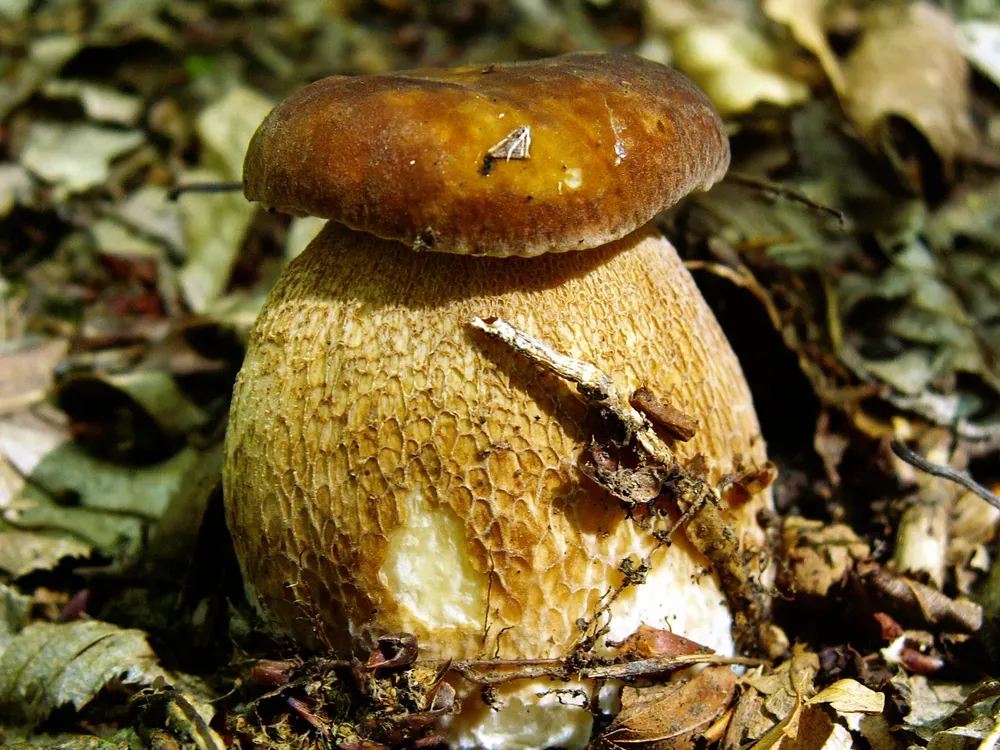
Mushrooms of the same genus and habitat — to study side by side and never mix up.
Related reading
.webp) How to identify
How to identifyRed-capped bolete (aspen bolete): how to identify it and where it grows
The orange bolete, also known as the aspen bolete, is hard to mistake thanks to its bright cap and bluing cut…
August 6, 2026·3 min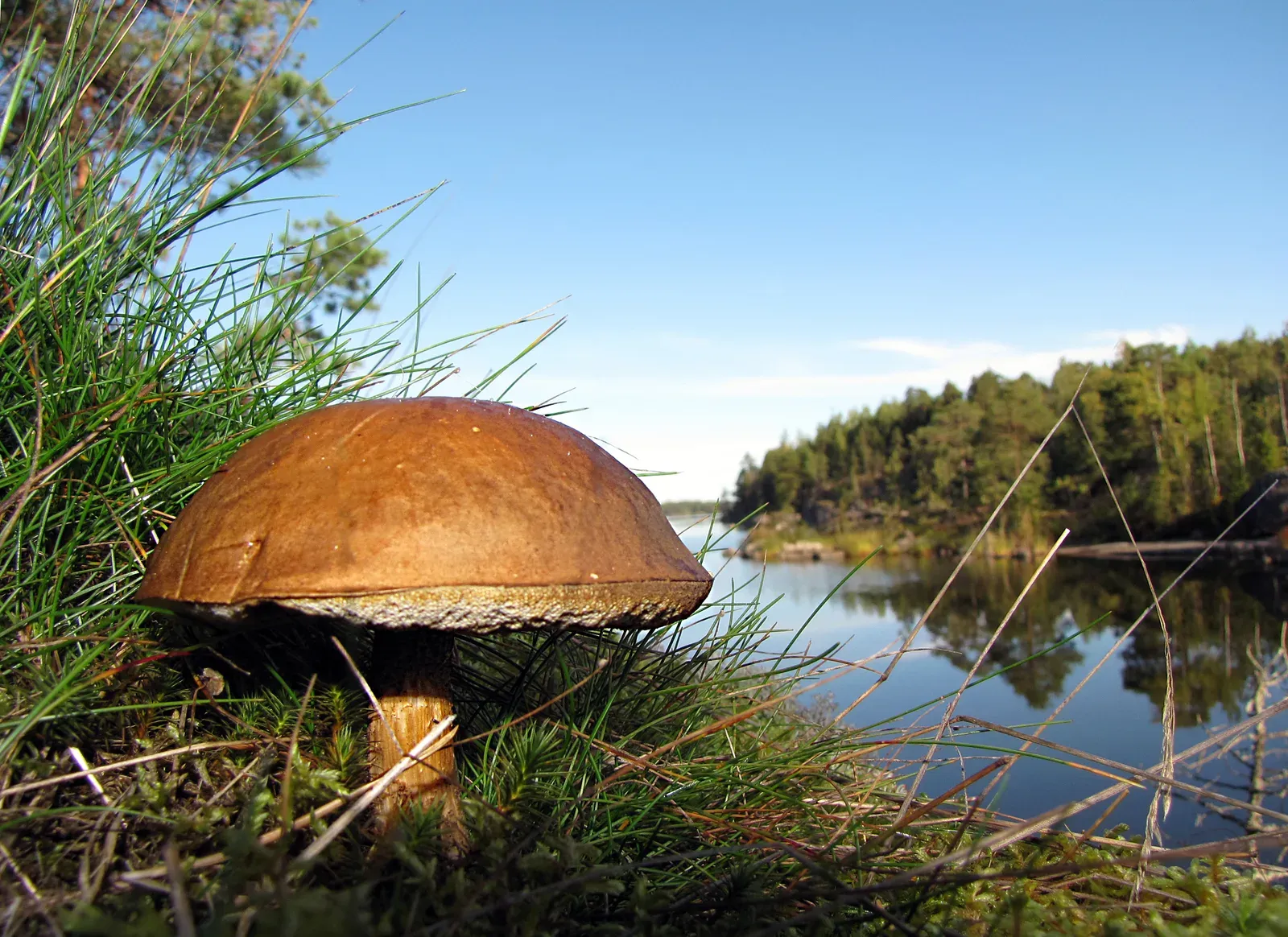 Where & when to forage
The season's last boletes: how much frost can they take?
In autumn, boletes — porcini, bay boletes, red-capped scaber stalks — fade out gradually. Here’s how far into…
July 19, 2026·2 min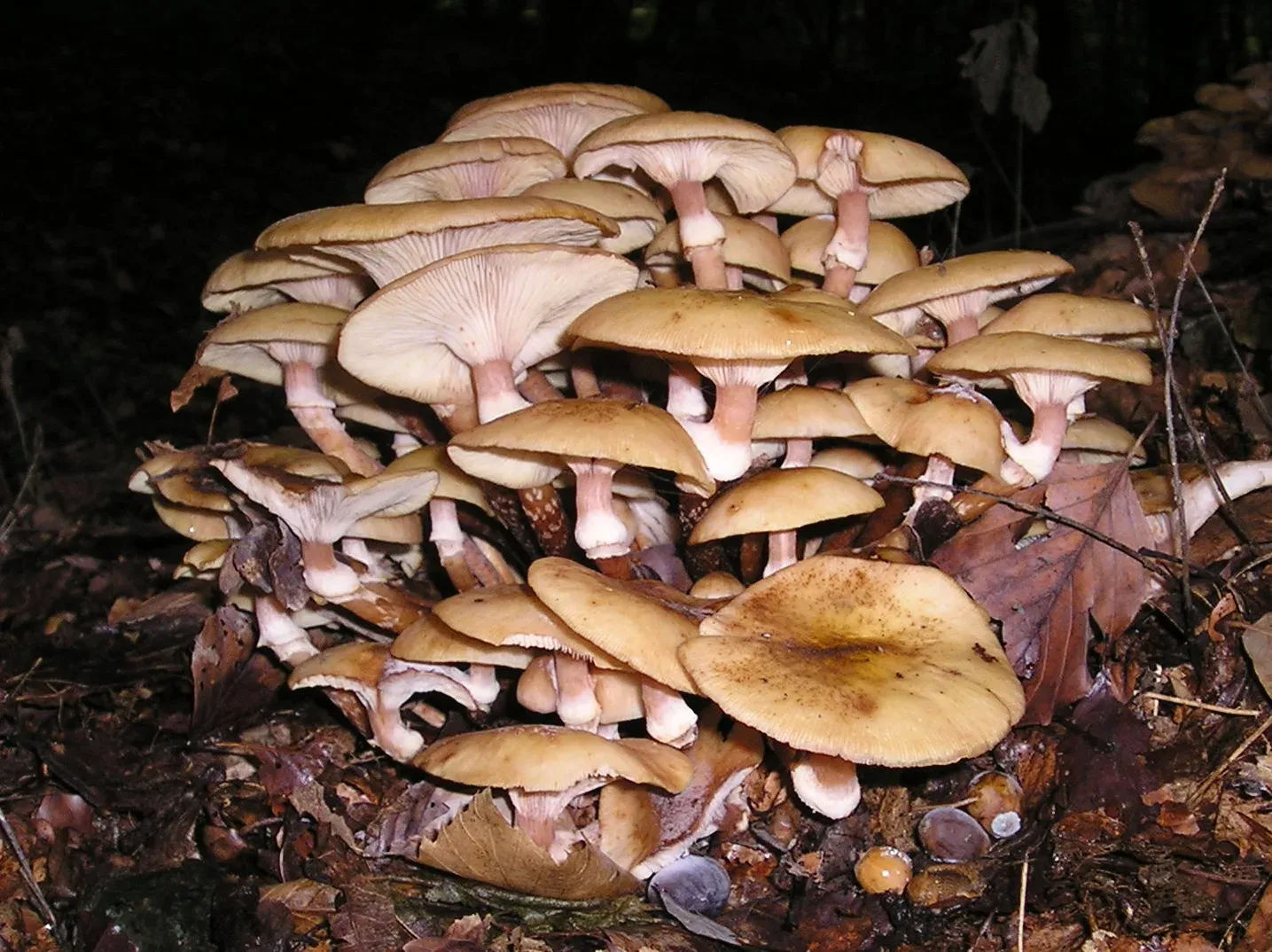 Where & when to forage
What mushrooms to pick in October in Ukraine
October is the season's last generous stretch: honey fungus still comes in flushes, bay boletes and knights ho…
July 13, 2026·3 min
Frequently asked questions
Is Red-capped scaber stalk edible or poisonous?
Does Red-capped scaber stalk have gills or pores?
What does the cap of Red-capped scaber stalk look like?
What does the stem of Red-capped scaber stalk look like?
What do Red-capped scaber stalk smell and taste like?
Where does Red-capped scaber stalk grow?
Which trees does Red-capped scaber stalk grow under?
When should you pick Red-capped scaber stalk?
What can Red-capped scaber stalk be confused with?
How do you cook Red-capped scaber stalk?
Can you dry Red-capped scaber stalk?
What is the scientific name of Red-capped scaber stalk?
Sources
- [1]Атлас грибів України, Зеров Д.К. (1979)
- [2]GBIF