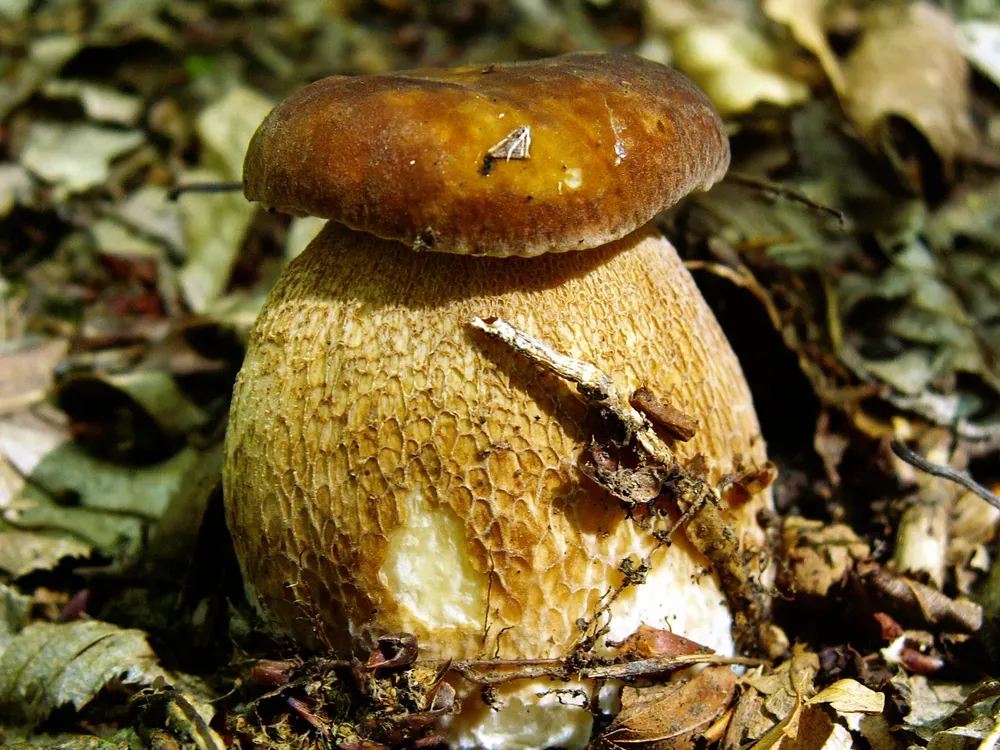
Summer boleteBoletus reticulatus
Expert-verifiedUpdated October 3, 2026
Passport
- Edibility
- Edible
- Season
- May — Oct
- Hymenophore
- Pored
- Cap color
- Brown
- Size
- Large (over 15 cm)
- Smell
- Pleasant
- Reviewed
- Yes ✓
Quick answers
Where to look?
Deciduous forest, Mixed forest
When does it appear?
May — Oct
Active months: May, June, July, August, September, October.
How to recognize it? Three signs
- Cap color: Brown, Orange
- Cap shape: Convex
- Smell: Pleasant
Fruiting season
May – October
Description
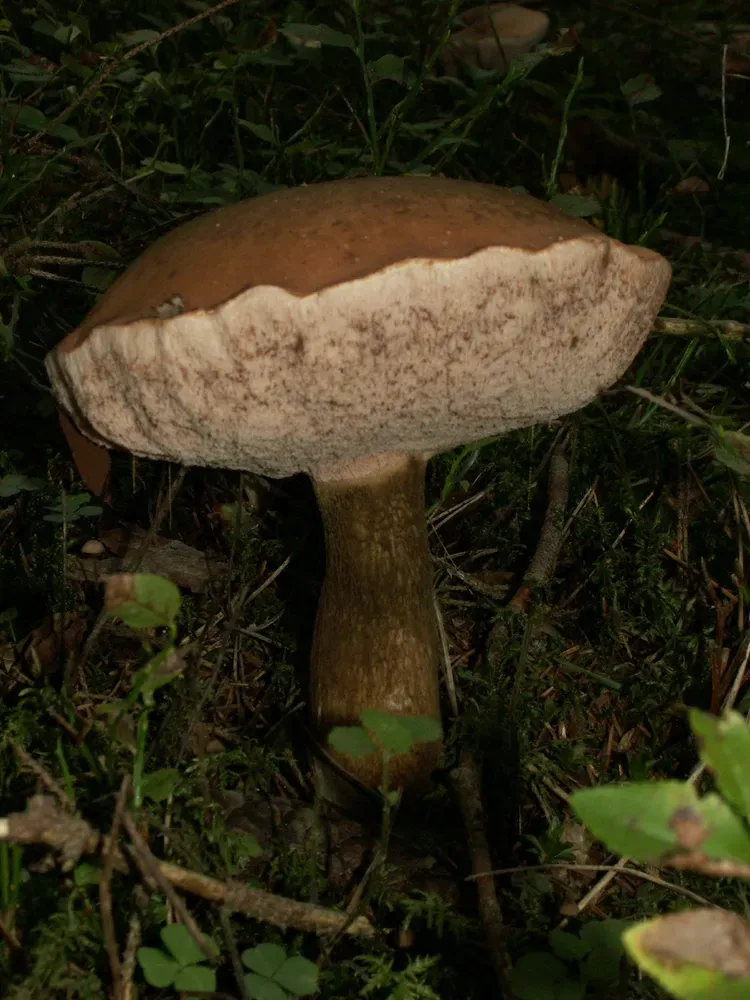
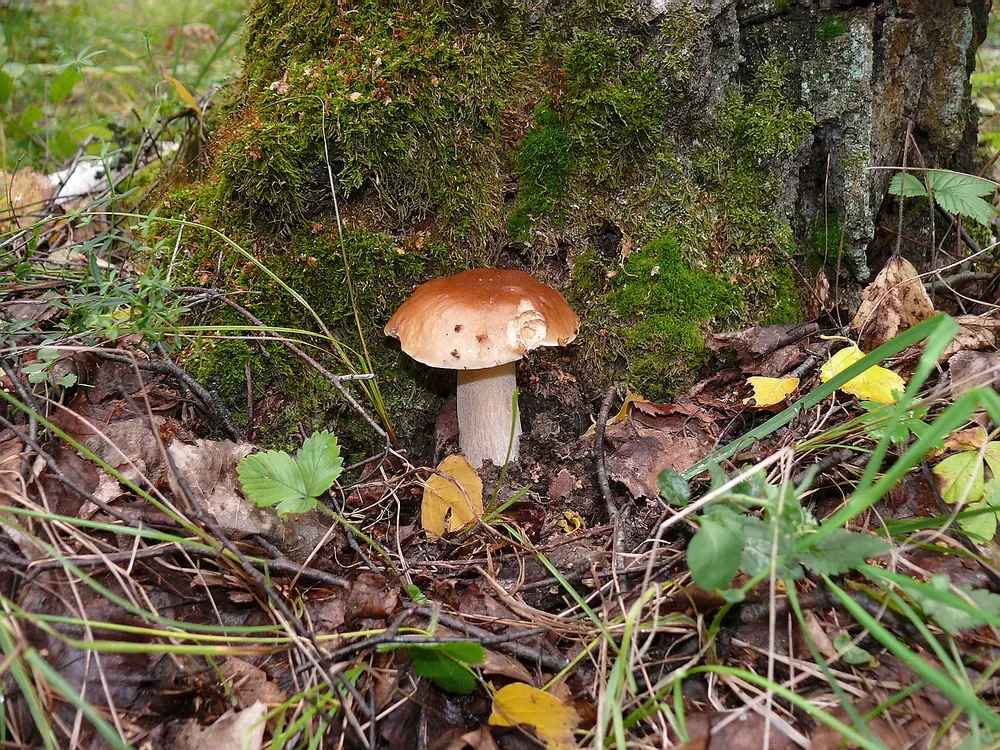
The summer bolete (Boletus reticulatus) is the third of Europe’s “big four” porcini. Its best-known difference from the classic porcini is the broad white network that covers almost the whole stem like a cobweb, plus a warm bronze-brown cap with fine cracks in mature mushrooms. Telling them apart isn’t always easy, but it isn’t critical either — both are equally delicious.
The summer bolete is the earliest of the four: in the Carpathians and Zakarpattia the first specimens can appear as early as mid-May. It loves warmth and prefers bright, sun-warmed oak and oak-beech forests on calcareous or neutral soils. In cool Polissia it’s rare — the classic porcini dominates there. Its main range in Ukraine is Zakarpattia, the Carpathian foothills, the Ternopil and Khmelnytskyi regions, mountainous Crimea, with occasional finds in the Forest-Steppe belt.
Edibility — top category. The flesh is dense, white when cut and doesn’t change color, with a pleasant nutty taste. It dries well, pickles, and fries beautifully. Many amateur foragers pick it without distinguishing it from the ordinary porcini — and they’re right to, because in the kitchen there’s almost no difference. Just remember: if the stem is almost entirely covered with a white network, it’s the summer bolete.
Cap
Cap 8–25 cm (sometimes up to 30), hemispherical in young mushrooms, then cushion-shaped, almost flat in old ones. Color warm bronze-brown, light brown, darker in the center. The surface is matte, slightly tacky in wet weather. A characteristic feature: in mature mushrooms the cap becomes covered with a fine network of cracks — a “crackled” look, like fired clay.
Hymenophore
Tubes free or notched at the stem. White when young, then yellowish, olive-green in mature mushrooms. Pores small and round. Does NOT turn blue when pressed — a key feature.
Stem
Stem 10–25 cm tall, 2–7 cm thick, club-shaped in young mushrooms, cylindrical in adults. Color light brown, cream. The most characteristic feature: the whole stem is covered with a distinct white network — broad, coarse, easy to see (hence the Latin “reticulatus,” meaning “net-like”). This is the main difference from the other porcini.
Flesh
Flesh white, dense, does NOT change color when cut. Fibrous texture, with a pleasant resistance under the knife. It gets maggoty about as often as the classic porcini — and a bit less readily than the bronze bolete.
Smell
Smell rich and mushroomy, with nutty notes, stronger in young mushrooms. Taste mild, slightly sweet, not bitter. Dried, it keeps its aroma well.
Lookalikes
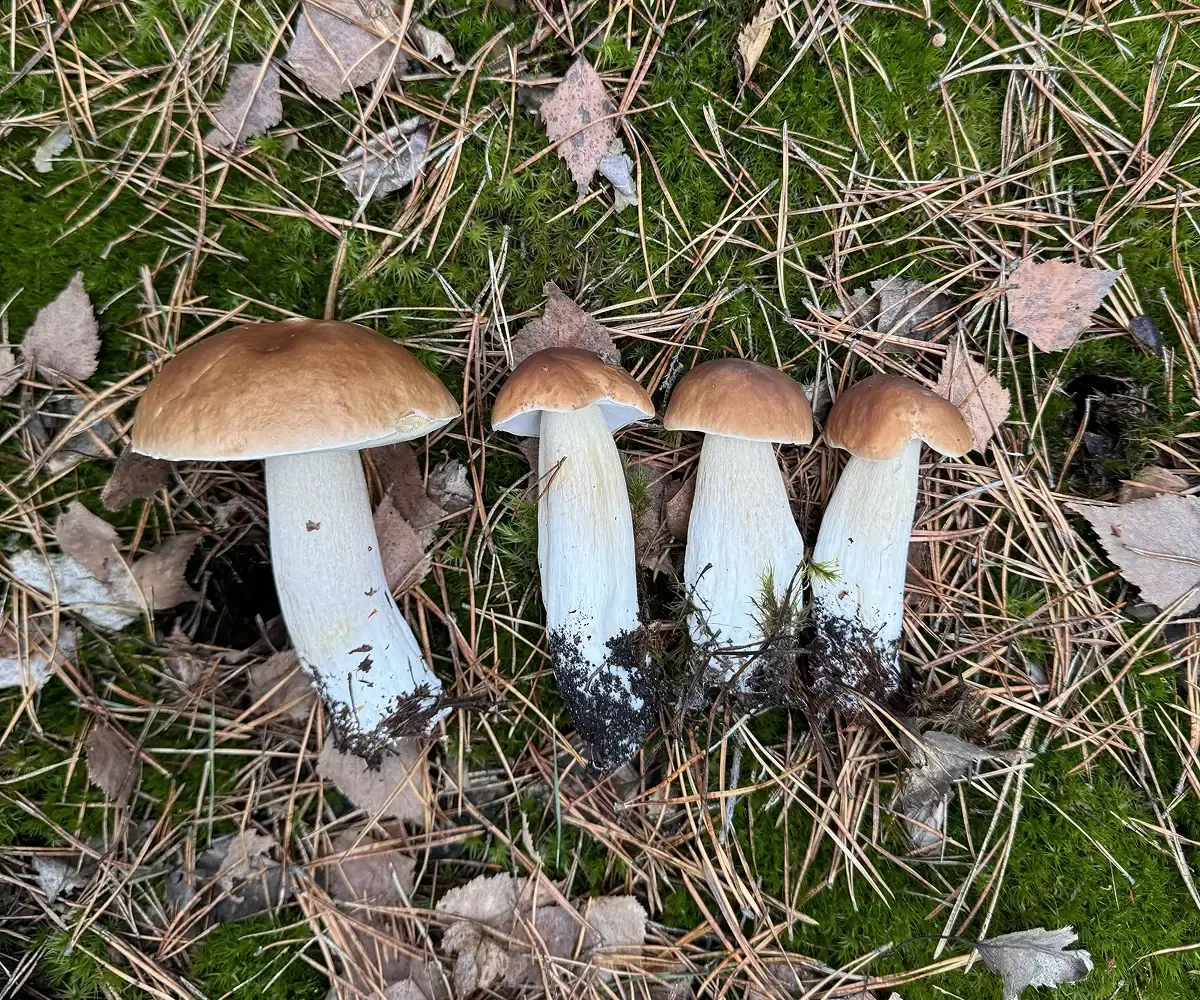
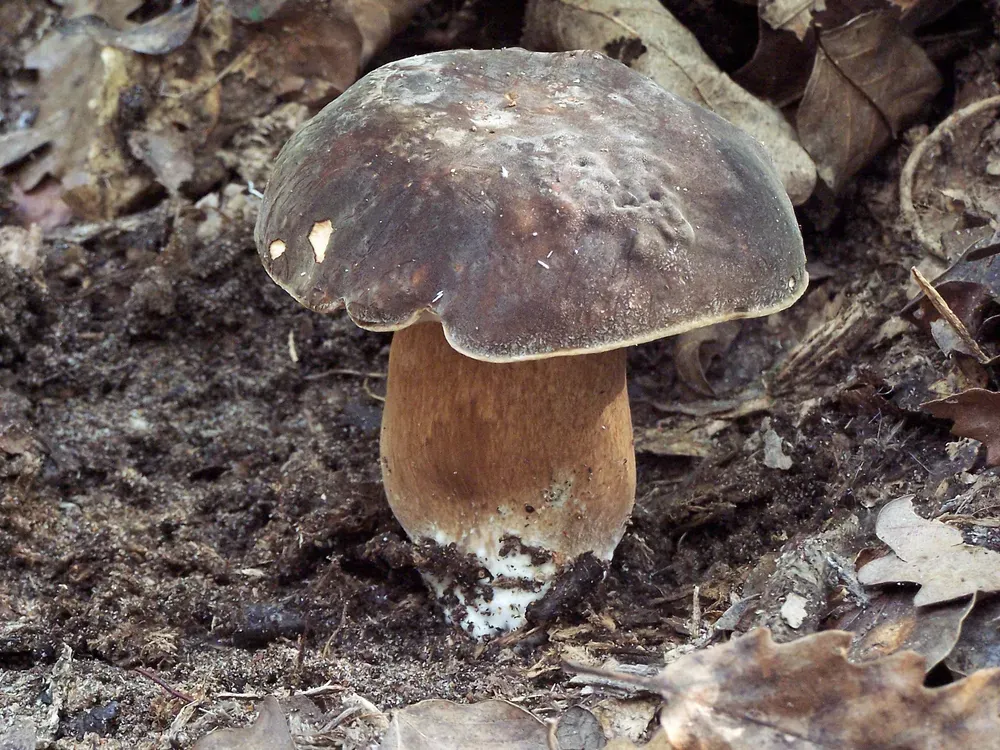
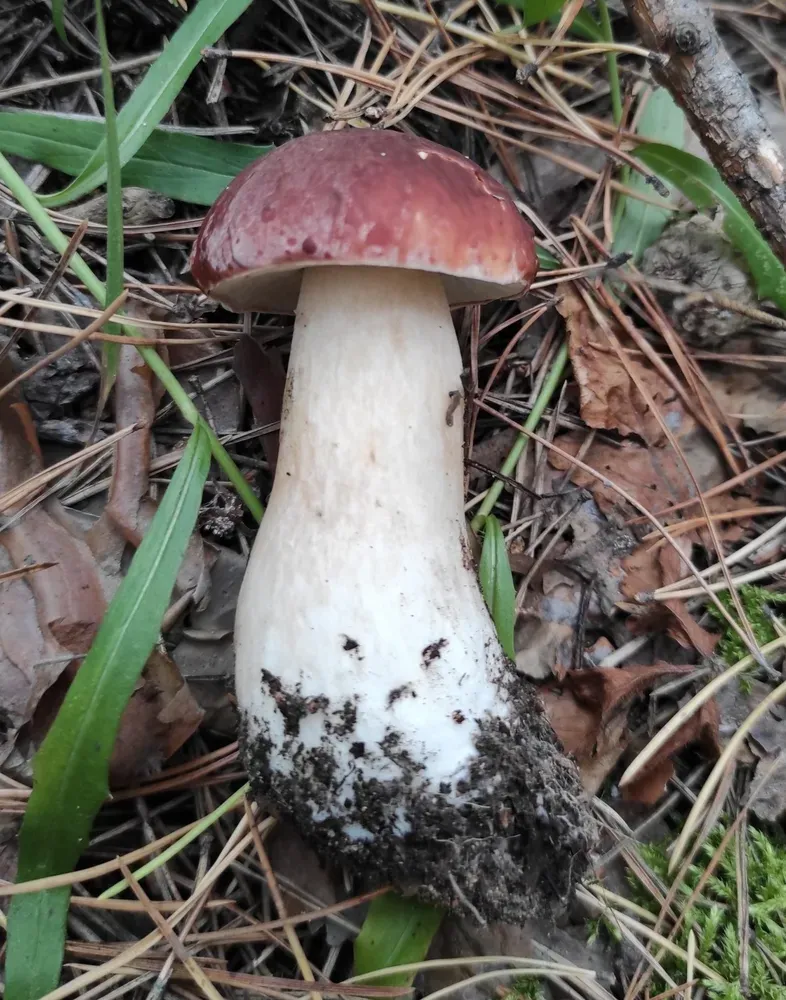
Related species
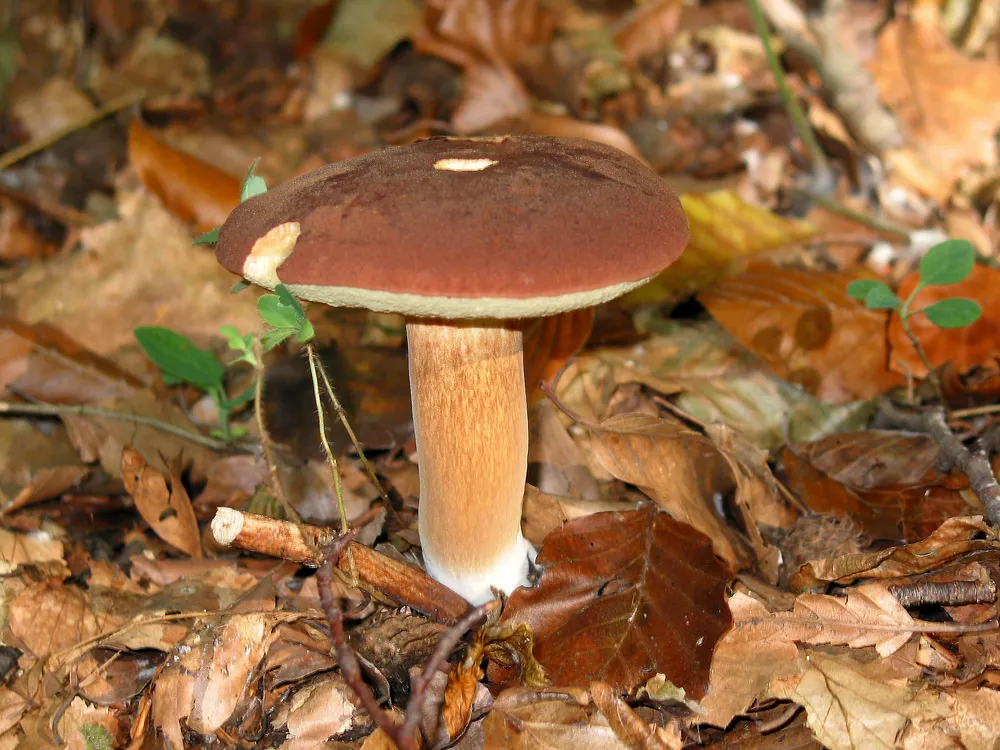
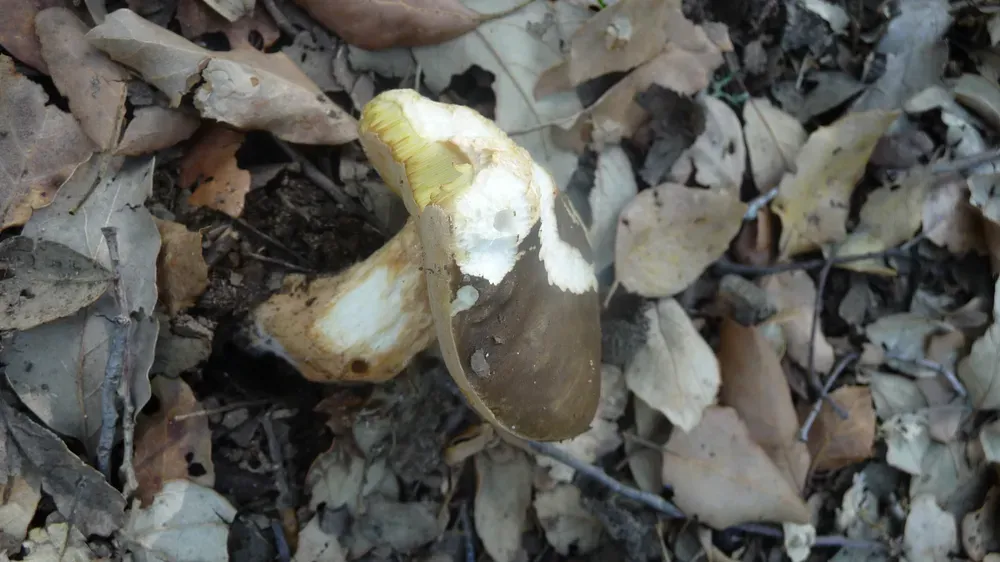
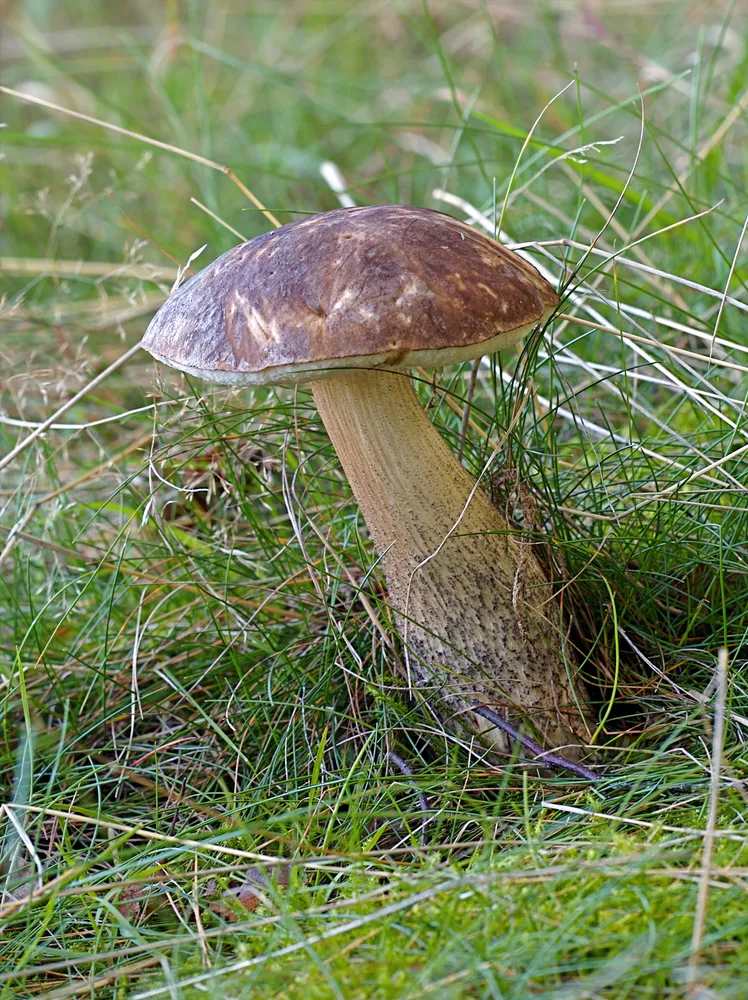
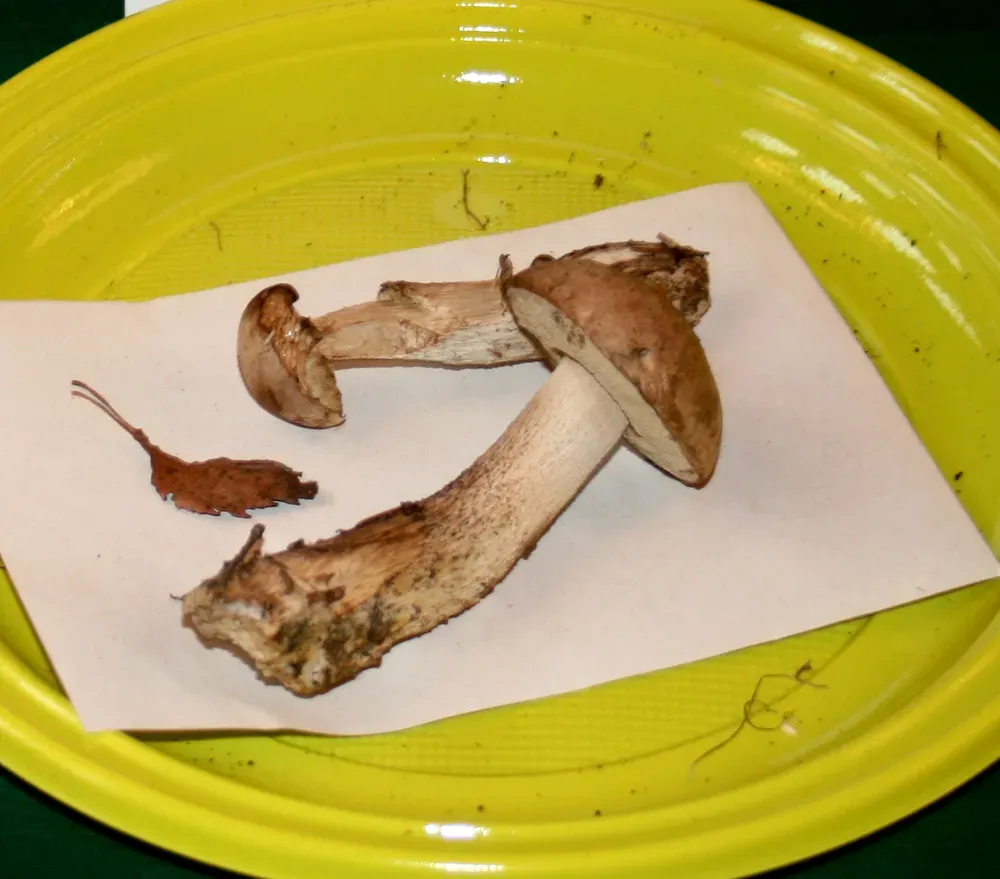
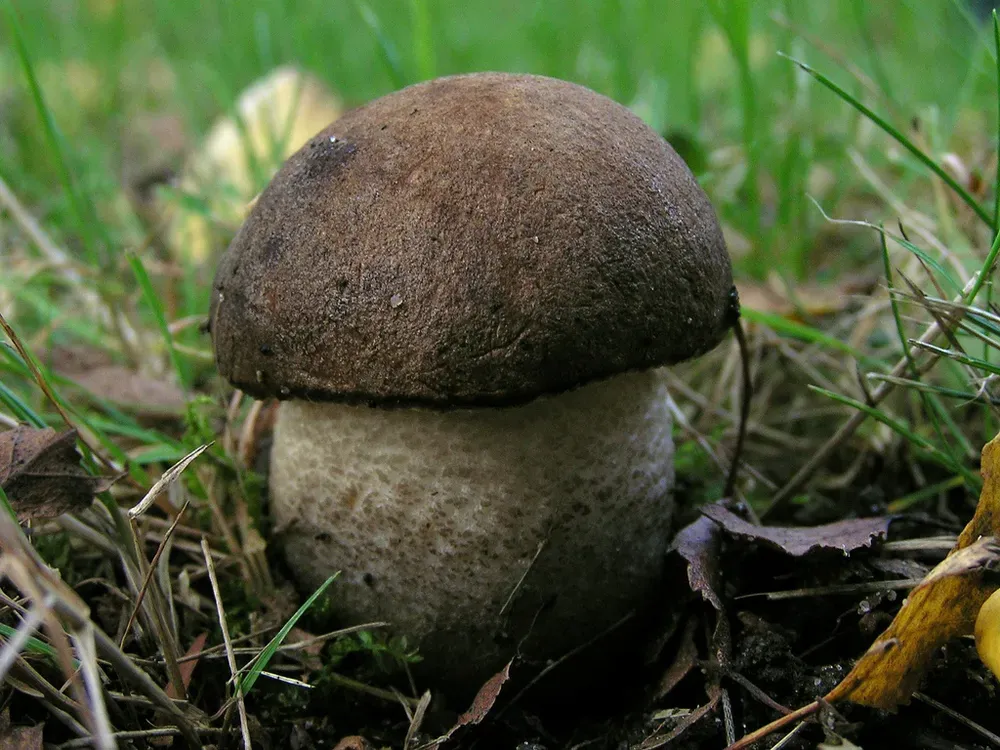
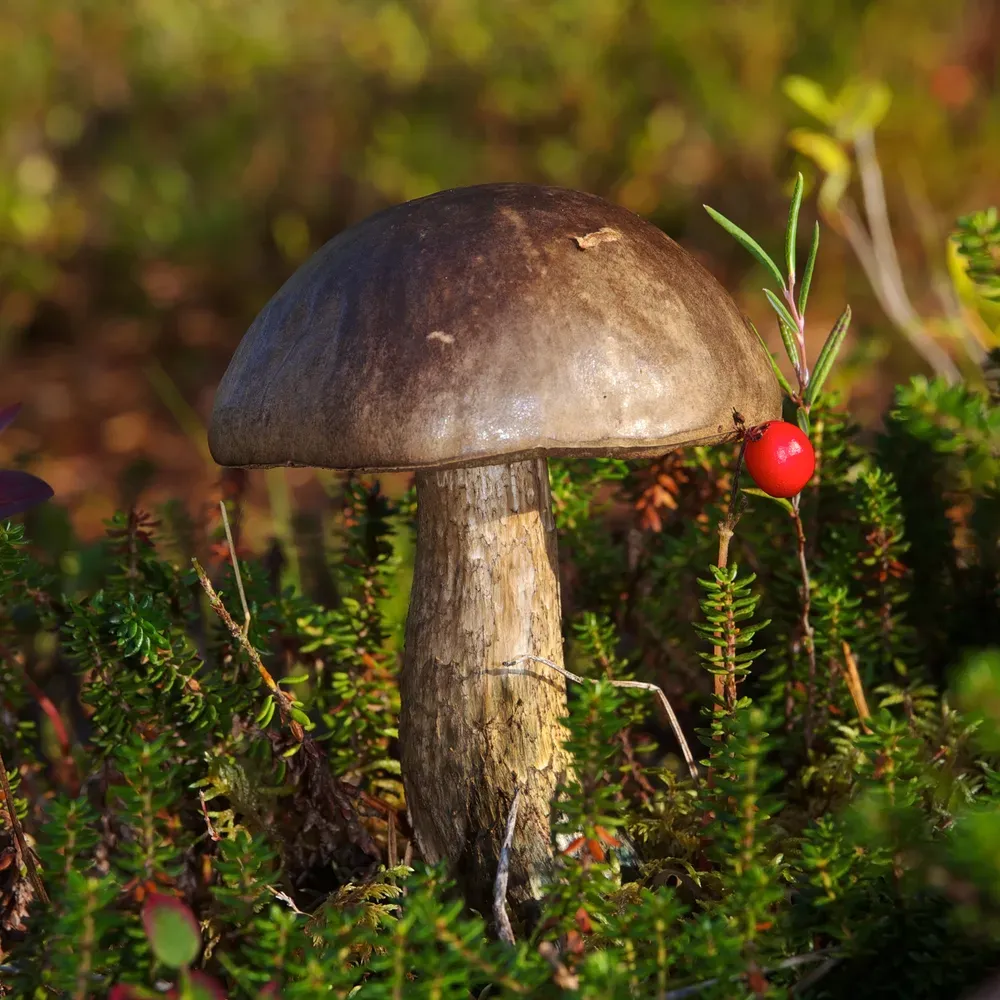
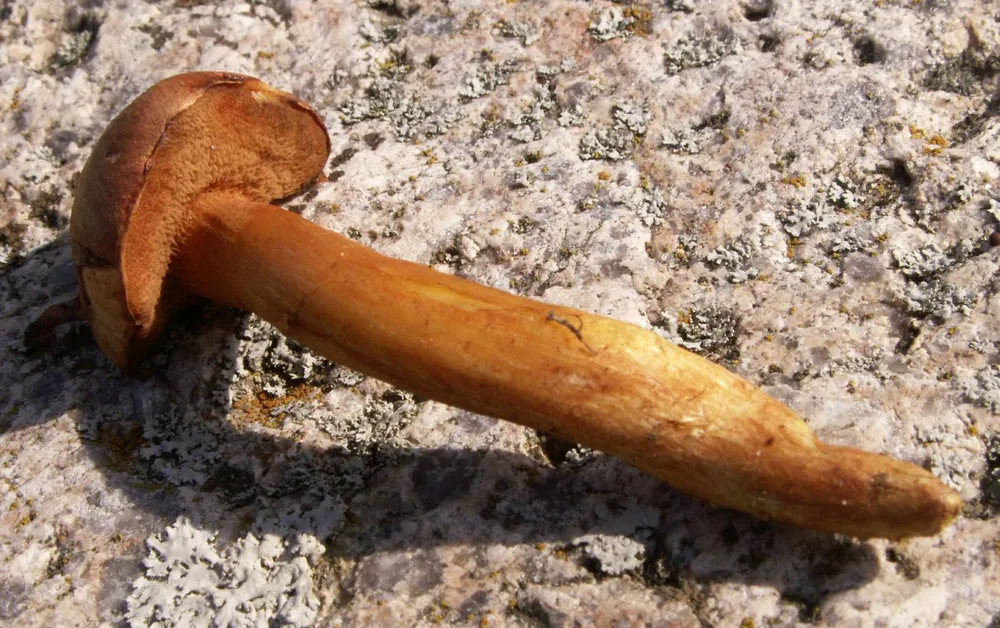
Mushrooms of the same genus and habitat — to study side by side and never mix up.
_Bresinsky_&_Manfr._Binder_533003_2015-06-29.webp)
Related reading
 Where & when to forage
Mushrooms of the Poltava region: when and where to forage
The Poltava region is a land of oak woods, pine forests along the Vorskla and Sula rivers, and floodplain fore…
July 23, 2026·2 min Where & when to forage
Mushrooms of the Kharkiv region: when and where to forage
The Kharkiv region is a land of oak woods, pine forests and ravine forests. Despite a more steppe-like climate…
July 23, 2026·2 min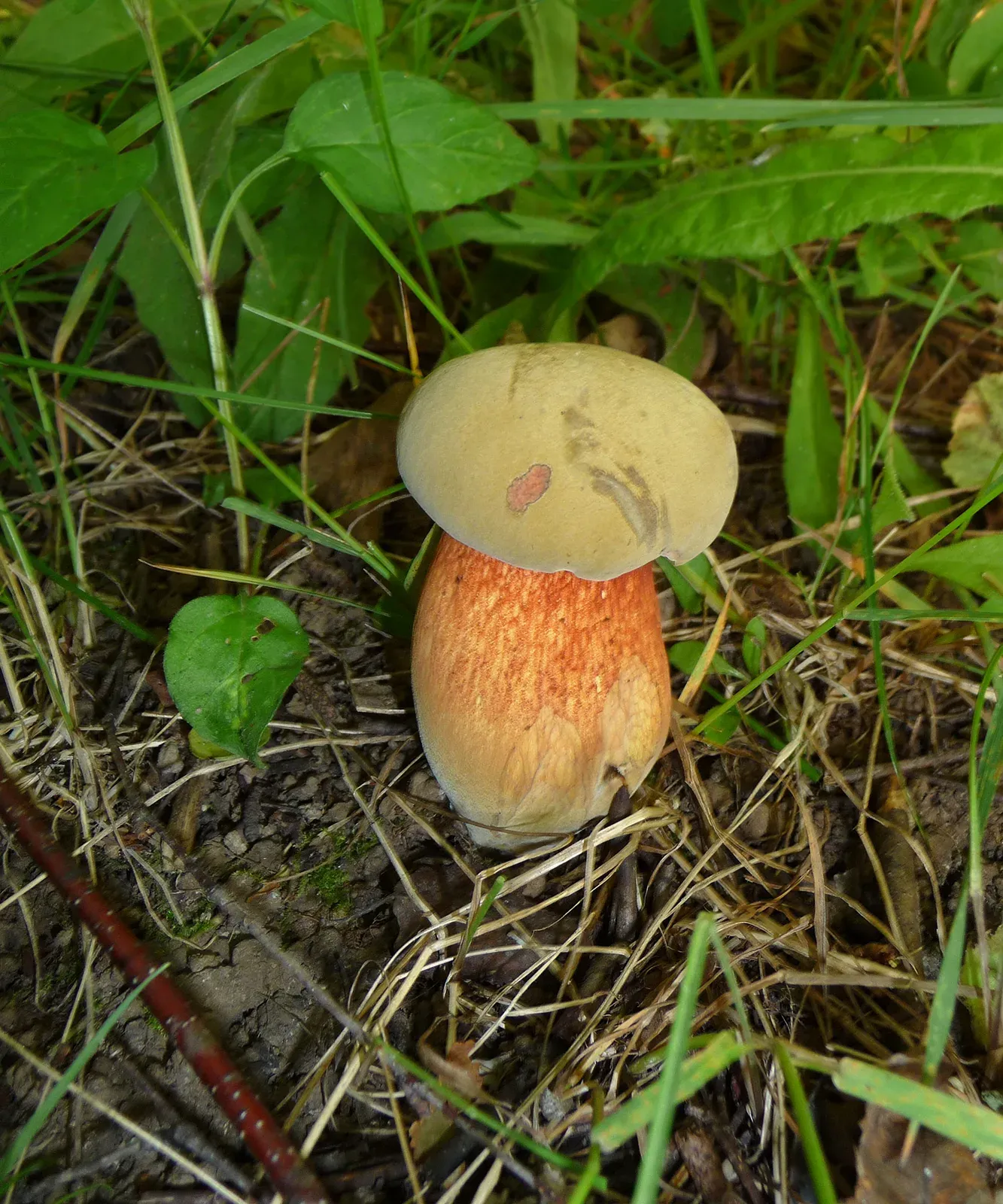 Where & when to forage
Oak boletes: when they grow, where to look, and are they edible?
The lurid bolete is a sturdy bolete of oak woods that turns blue when cut and scares beginners. In fact it's t…
July 15, 2026·2 min
Frequently asked questions
Does it have dangerous look-alikes?
As with all porcini, the main risk is confusing it with the bitter bolete (Tylopilus felleus). The bitter bolete has a dark network on its stem (on a pale stem), its flesh turns pinkish when cut, and it tastes sharply bitter. The summer bolete has a white network, flesh that doesn’t change, and a slightly sweet taste. If in doubt, touch a tiny crumb to your tongue.
Can it be confused with the devil’s bolete?
No. The devil’s bolete (Rubroboletus satanas) has red-orange pores and a stem with a reddish network. The summer bolete has white-to-yellow pores and a white network. The devil’s bolete’s flesh turns strongly blue when cut — the summer bolete’s stays white and unchanged.
Where should you look in Ukraine?
Warm oak and oak-beech forests of Zakarpattia, the Carpathian foothills, the Ternopil and Khmelnytskyi regions, mountainous Crimea. In the northern regions it’s less common — the classic porcini dominates there. It loves sunny forest edges, south-facing slopes and lime-rich soils.
When does the summer bolete appear?
The earliest of the four true porcini species — the first specimens show up in late May to early June in a warm spring. Peak fruiting is June–August, occasionally into October. It loves warm, moderately damp spells.
How is it different from the ordinary porcini?
First, the network on the stem — in the summer bolete it’s broad, coarse and covers almost the entire stem. In the classic porcini the network is only on the upper part. Second, the cap — the summer bolete’s has characteristic fine cracks when mature, while the classic porcini’s is smooth. Third, the summer bolete appears earlier.
Which trees does it form mycorrhiza with?
Mostly oak (Quercus robur, Q. petraea), beech (Fagus sylvatica), hornbeam, less often chestnut. It doesn’t grow in pure coniferous forests. Hence its second Ukrainian name — the “oak” porcini.
Does the flesh turn blue when cut?
No. Like all true porcini, the summer bolete has flesh that stays white when cut. If your mushroom with a white network and an oak-brown cap turns blue, double-check your identification.
Does it grow in the same places as the classic porcini?
Partly. The summer bolete and the classic porcini can grow in the same forest, but in different microconditions: the summer bolete on sunny, warm slopes, the classic porcini in deeper, cooler spots. In dry, hot summers the summer bolete wins out.
Is Summer bolete edible or poisonous?
Does Summer bolete have gills or pores?
What does the cap of Summer bolete look like?
What does the stem of Summer bolete look like?
Sources
- [1]Вікіпедія (українська)
- [2]Атлас грибів України, Зеров Д.К. (1979)
- [3]MycoBank Database
- [4]Index Fungorum
- [5]GBIF
- [6]iNaturalist Ukraine