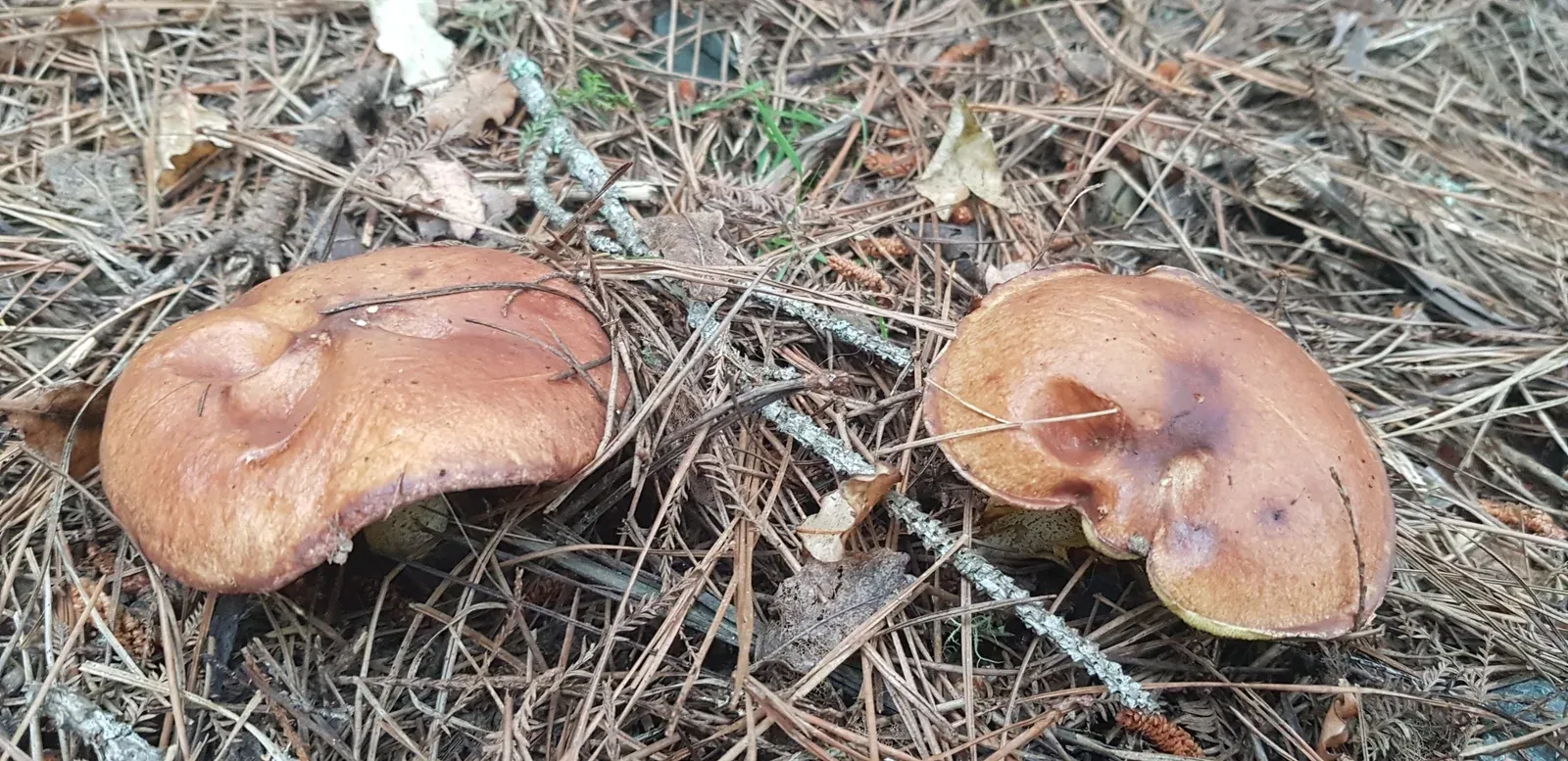
The Poltava region is classic forest-steppe: there aren't many large forests, but the ones there are well known to foragers. Pine forests along the Vorskla, Sula and Psel, old oak woods and riverside floodplain forests give a generous harvest when the fall isn't stingy with rain.
Let's look at which mushrooms grow in the Poltava region, when to head to the forest and where to search.
When to go mushroom hunting in the Poltava region
The Poltava region's climate is moderately warm, so everything depends on moisture. The main season is August–October, peaking in a wet September. After fall rains the pine forests and oak woods come alive within a few days; to catch the good windows, check the mushroom radar.
Which mushrooms grow in the Poltava region
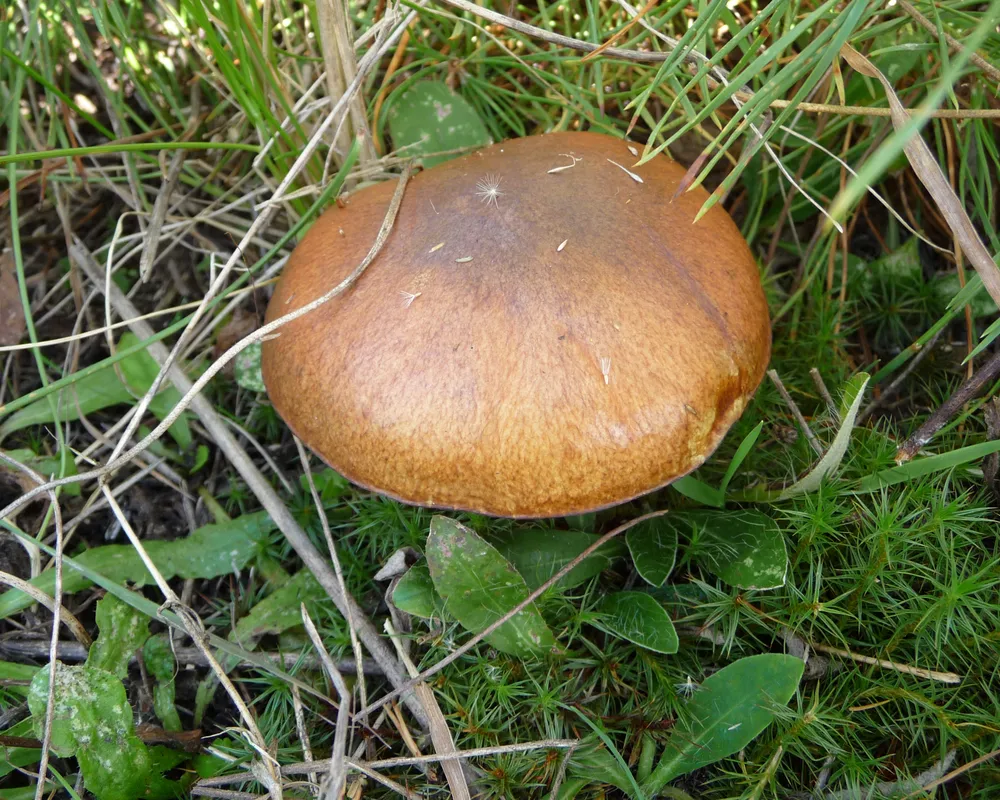
- Slippery jacks and bay boletes. The main prize of the pine forests along the rivers.
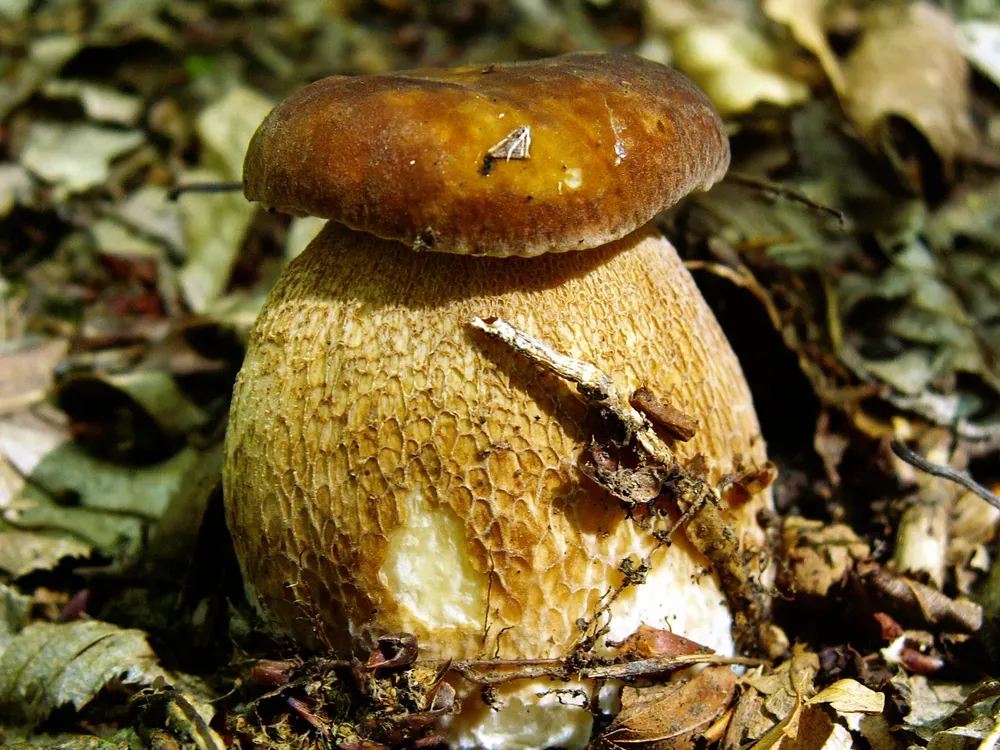
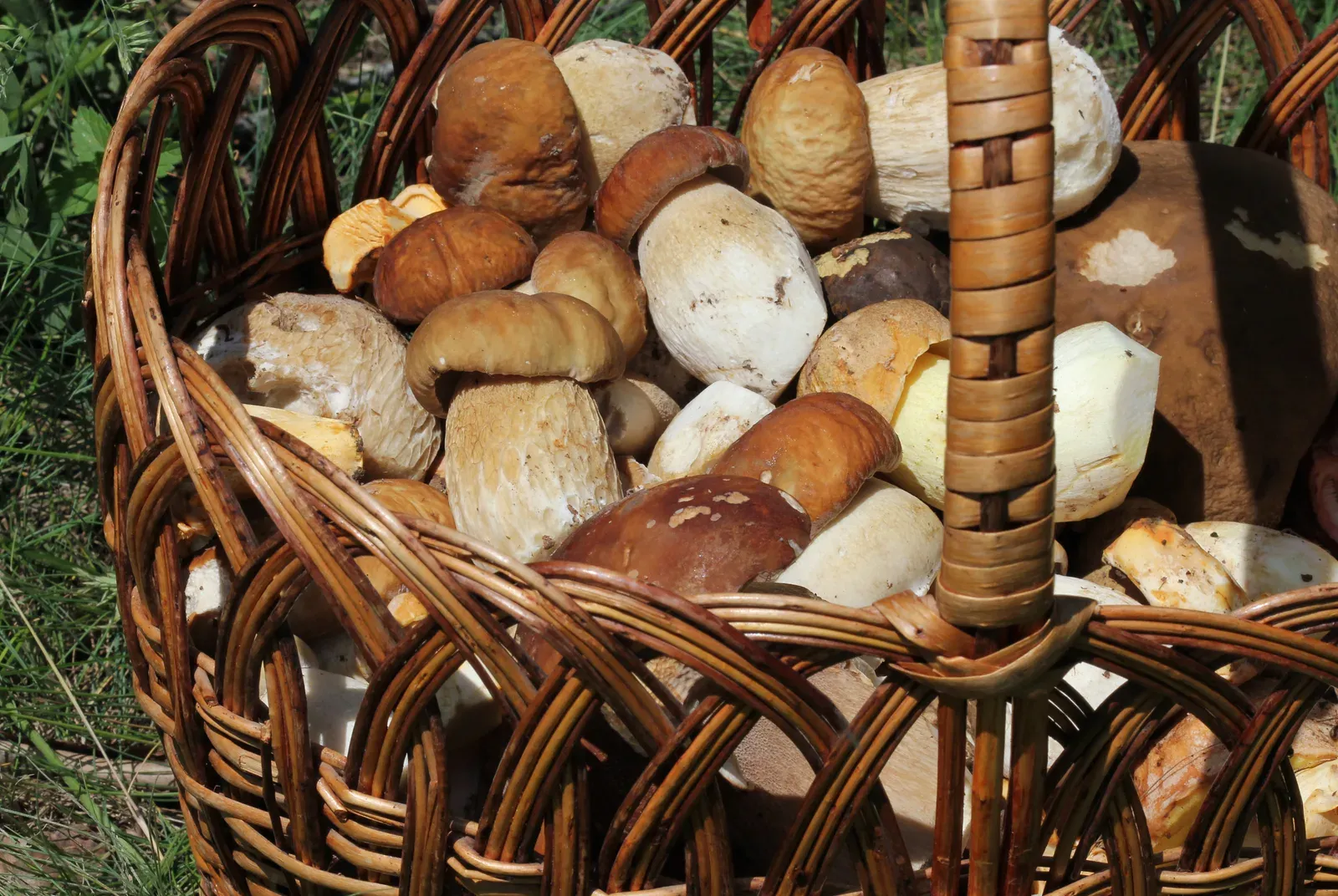
- Porcini. In old oak woods — summer bolete, after rain.
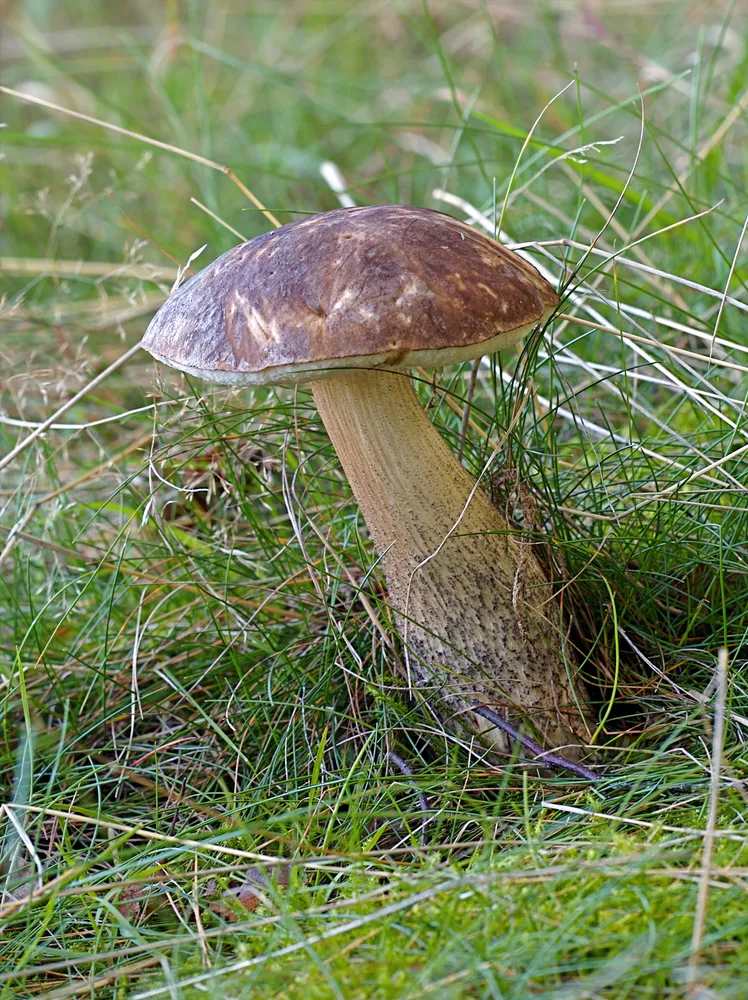
- Brown birch boletes and red-capped scaber stalks. In birch groves and mixed plantings.
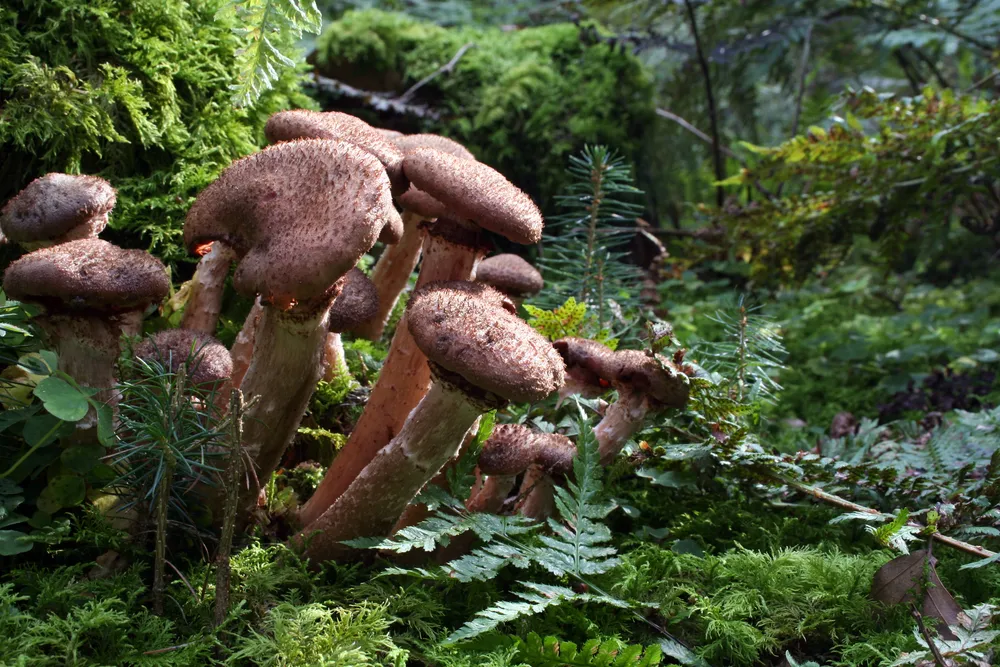
- Honey fungus. In the fall, honey fungus grows on stumps and in floodplain forests.
- Field mushrooms, parasols, brittlegills — in meadows and at forest edges.
Where to search: typical spots
- Pine forests along the Vorskla, Sula and Psel — slippery jacks, bay boletes, sometimes porcini.
- The Dykanka oak woods and other old oak forests — porcini, brown birch boletes, honey fungus.
- Floodplain forests along the rivers — damper, and they hold mushrooms longer.
- Shelterbelts and plantings — field mushrooms, parasols.
Tips for foraging in the Poltava region
- Follow the rain — in the forest-steppe there are few mushrooms without moisture.
- Stick to floodplains and riverside pine forests — it's damper there.
- Avoid highway shoulders and industrial areas — forage in clean woodlands.
- Check for lookalikes — we cover dangerous lookalike pairs in a separate article.
Sources
- “Key to the Fungi of Ukraine” (Kyiv, Naukova Dumka publishing house).
- Suillus luteus in GBIF, the global biodiversity database.
- Boletus edulis in MycoBank, the international fungal nomenclature database.
- Mushroom hunting on Wikipedia.
Frequently asked questions
Which mushrooms grow in the Poltava region?
Slippery jacks and bay boletes in the pine forests, porcini in the oak woods, brown birch boletes, honey fungus, plus field mushrooms, brittlegills and parasols at forest edges.
When does the mushroom season start in the Poltava region?
The main season is August–October, peaking in a wet September. It all depends on the fall rains.
Where can you forage for mushrooms in the Poltava region?
In the pine forests along the Vorskla, Sula and Psel, old oak woods, floodplain forests and shelterbelts.
Why does the season in the Poltava region depend on rain?
It's forest-steppe with a moderately warm climate: in dry spells the soil dries out and mushrooms are scarce, but after rain the forests fruit quickly.
When is the best time to head to the forest in the Poltava region?
Two or three days after a good rain. In dry weather it's better to wait for rainfall.
Which mushrooms dominate the Poltava region's pine forests?
Slippery jacks and bay boletes — they love the sandy soil under the pines along the rivers. In the fall honey fungus joins them.
Are there porcini in the Poltava region?
Yes, summer bolete grows in old oak woods, especially after fall rains.
Where should you look for mushrooms in a dry year?
In floodplain forests and pine forests along rivers, where moisture lingers longer, and in shady hollows.
Mushrooms in this article
Related articles
 Recipes & cooking
How to store fresh mushrooms, and for how long
Fresh mushrooms spoil faster than you might think. Here's how long they keep in the fridge, how to store them…
August 21, 2026·4 min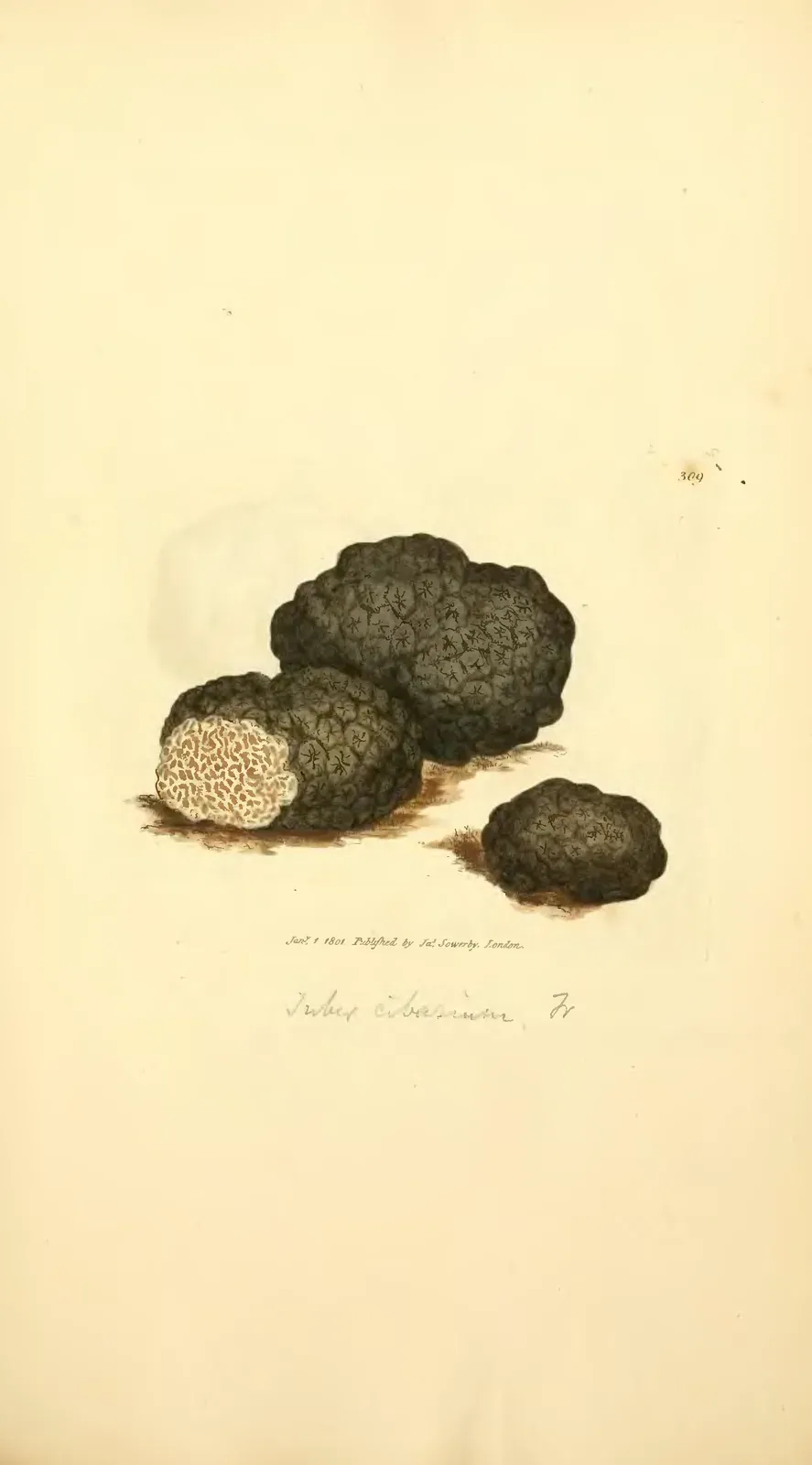 How to identify
Truffles in Ukraine: do they grow here, and where to look
Truffles aren't just a French delicacy. Several species grow in Ukraine too. Here's which ones, where they occ…
August 24, 2026·2 min Recipes & cooking
How long to boil mushrooms
Boiling time depends on the type of mushroom and on what you're cooking next. Here's a clear cheat sheet: how…
August 22, 2026·4 min