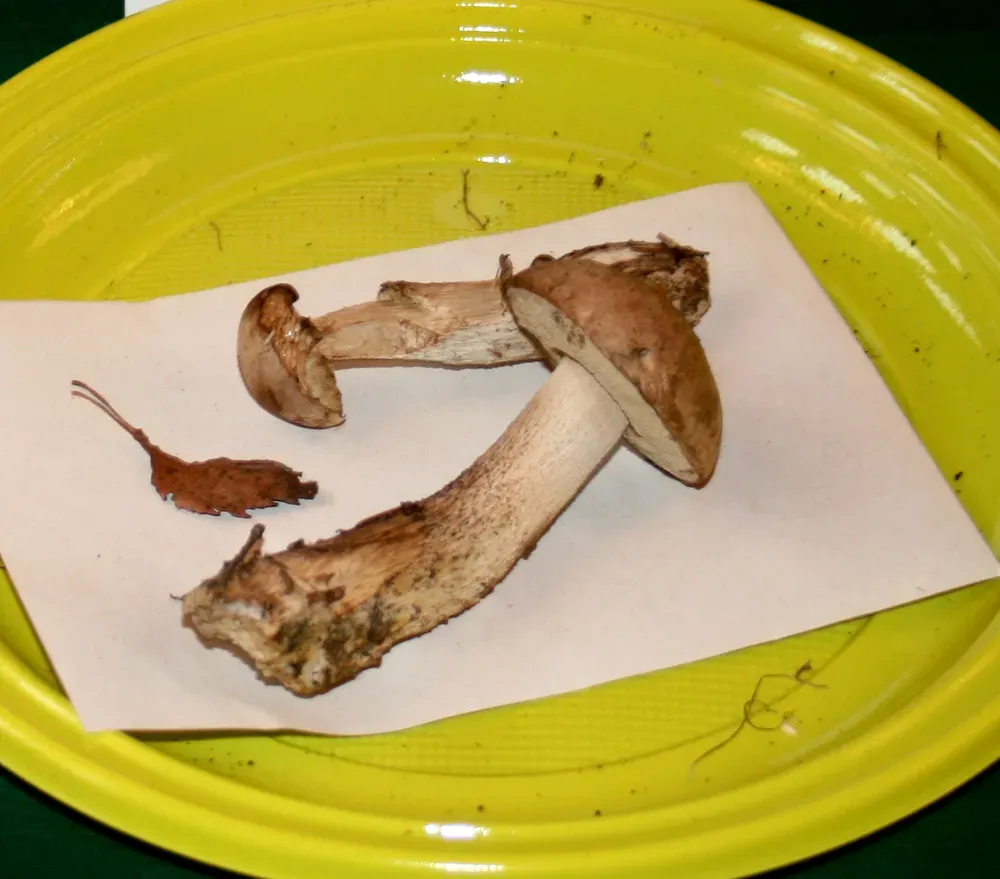
Ghost boleteLeccinum holopus
Expert-verifiedUpdated October 3, 2026
Passport
- Edibility
- Edible
- Season
- Jun — Oct
- Hymenophore
- Pored
- Cap color
- White
- Size
- Large (over 15 cm)
- Smell
- Pleasant
- Reviewed
- Yes ✓
Quick answers
Where to look?
Deciduous forest, Mixed forest
When does it appear?
Jun — Oct
Active months: June, July, August, September, October.
How to recognize it? Three signs
- Cap color: White, Cream, Grey
- Cap shape: Convex
- Smell: Pleasant
Fruiting season
June – October
Description
The ghost bolete (Leccinum holopus) is the palest and most delicate of all Ukrainian birch boletes. Its white or pale gray cap looks against the dark bog moss as if someone had dropped a piece of chalk in the forest. This mushroom is found in places most foragers never reach: damp birch hollows, peat bogs, swampy thickets.
A mycorrhizal species with silver and downy birch, it prefers damp, acidic, peaty soils. In Ukraine it is found in the swampy birch woods of Polissia (especially Chernihiv, Kyiv and Zhytomyr regions), in the Carpathians and Prykarpattia, and in the damp forests of Zakarpattia. It is not widespread in the Forest-Steppe and does not occur in the Steppe. The best spots are near peat bogs, in birch stands among pine-spruce floodplains.
Edibility: category 3. In a young mushroom the flesh is firm and springy, but when cooked it becomes very soft and watery. It pickles poorly — it turns mushy in the jar. Best of all — fry it fresh or stew it with vegetables. You can dry it, but the result is paler and more aromatic than the classic birch bolete. It suits those who hunt specifically for rare and unusual species.
Cap
Cap up to 20 cm (usually 5–10), hemispherical in young mushrooms, then cushion-shaped. White, cream, pale grayish green; with age it may take on an ochre tint. The surface is matte, slightly sticky in wet weather. The skin does not peel.
Hymenophore
Hymenophore tubular, free. Grayish white when young, darkening to gray-brown with age. Pores small, easily separated from the cap flesh. They darken slightly when pressed.
Stem
Stem up to 15 cm tall, 1–2 cm thick, thinner and more elongated than in the classic birch bolete. White, with white or cream scales — in mature mushrooms the scales are sometimes darker. It may be pale greenish at the base.
Flesh
Flesh white, firm in young mushrooms, becoming very soft and cottony with age. Does NOT change color when cut (or turns slightly pinkish at the stem base). It softens a lot when cooked.
Smell
Smell faint, pleasantly mushroomy. Taste mild, not bitter.
›Scientific synonyms (7)
Boletus holopus Rostk. (1844), Trachypus scaber f. holopus (Rostk.) Romagn. (1939), Krombholzia holopus (Rostk.) Pilát (1951), Krombholzia holopoda (Rostk.) Pilát (1951), Trachypus holopus (Rostk.) Konrad & Maubl. (1952), Krombholziella holopus (Rostk.) Šutara (1982), Leccinum niveum (Fr.) Rauschert (1987)
Lookalikes
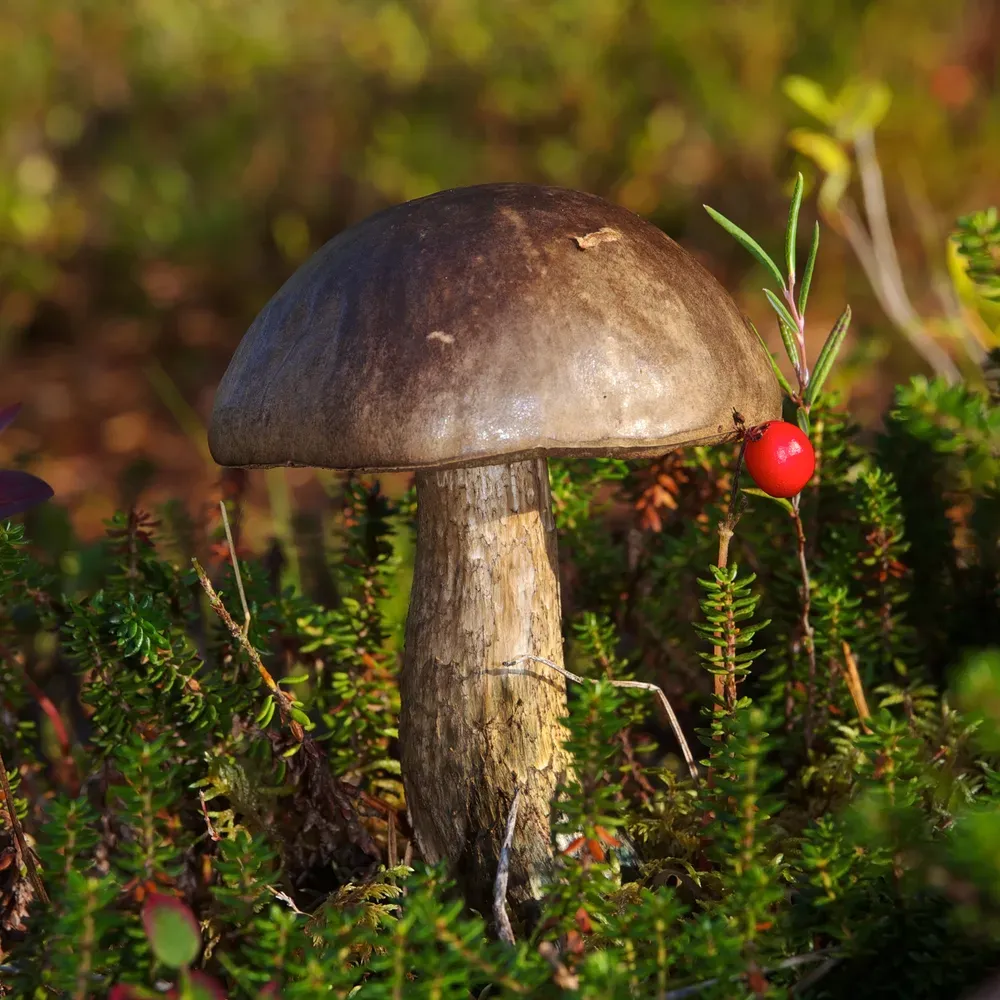
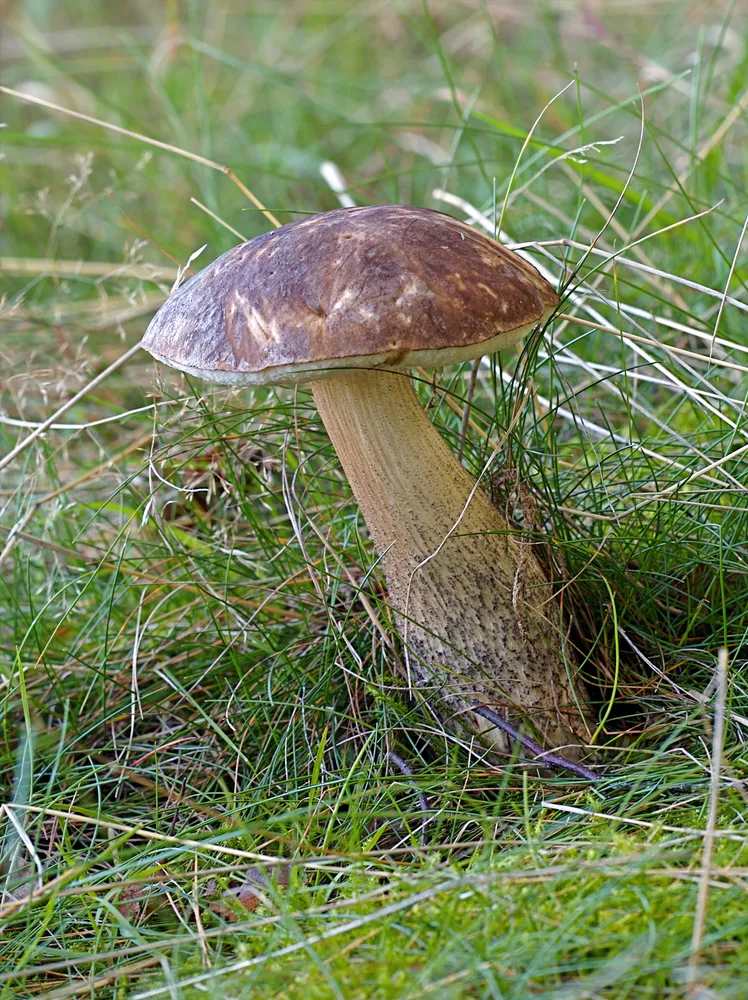
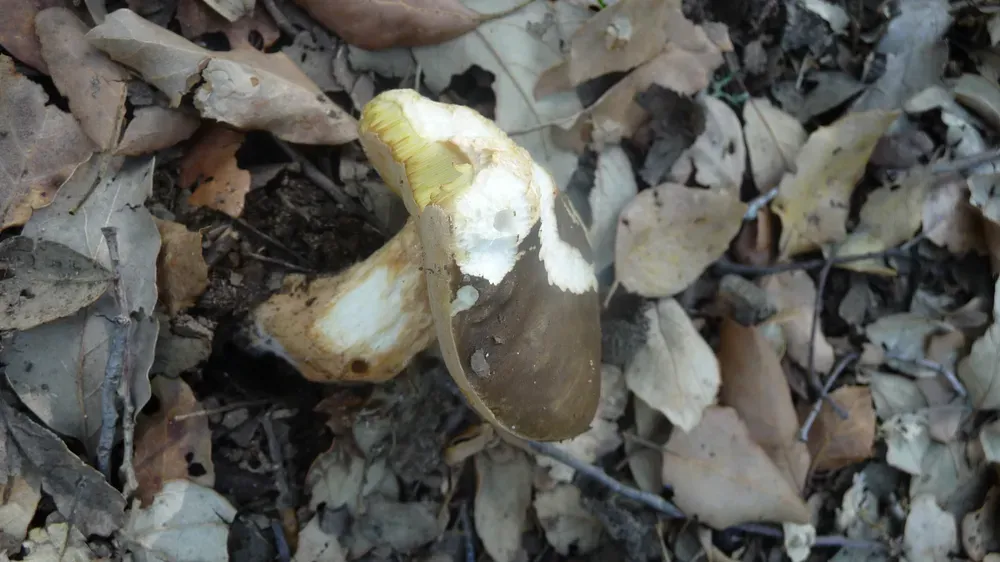
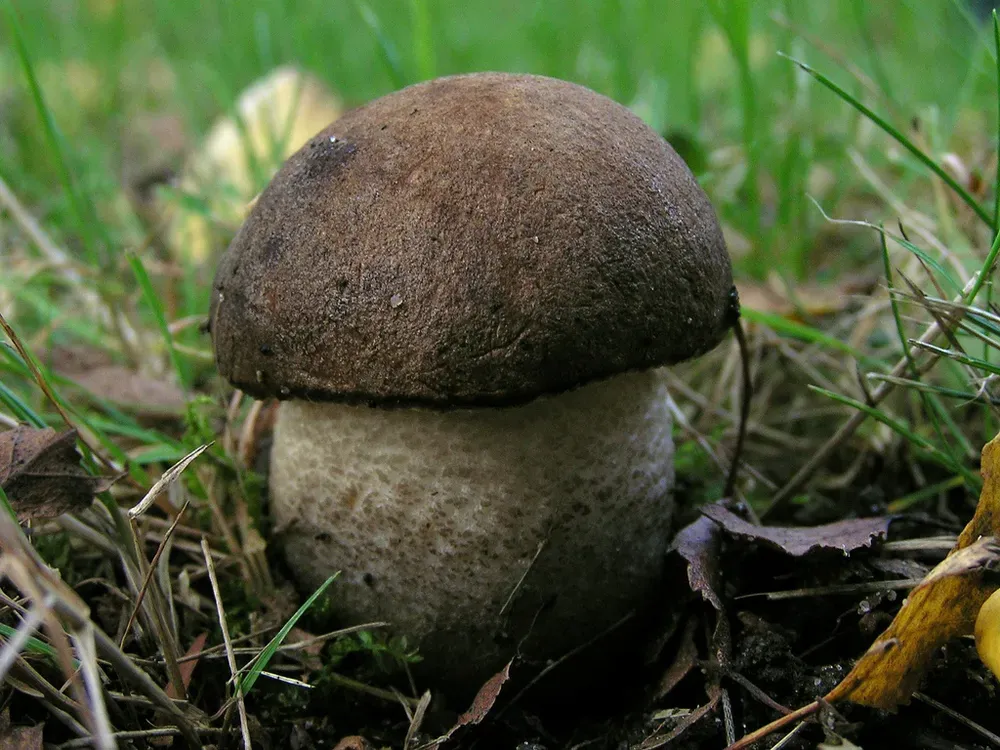
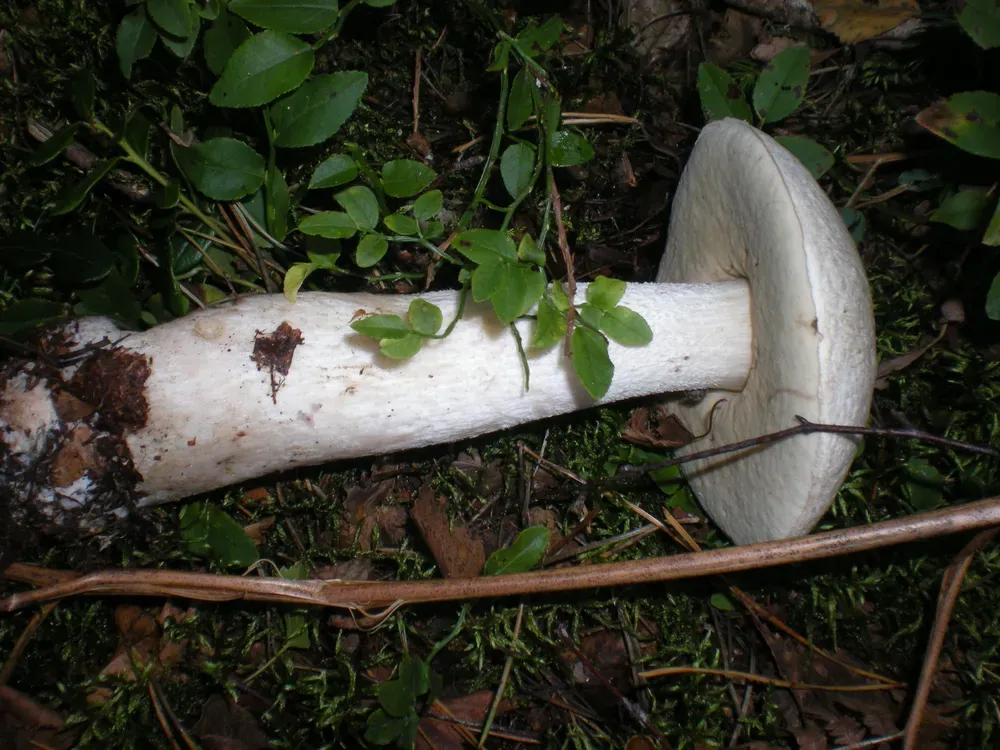
Related species
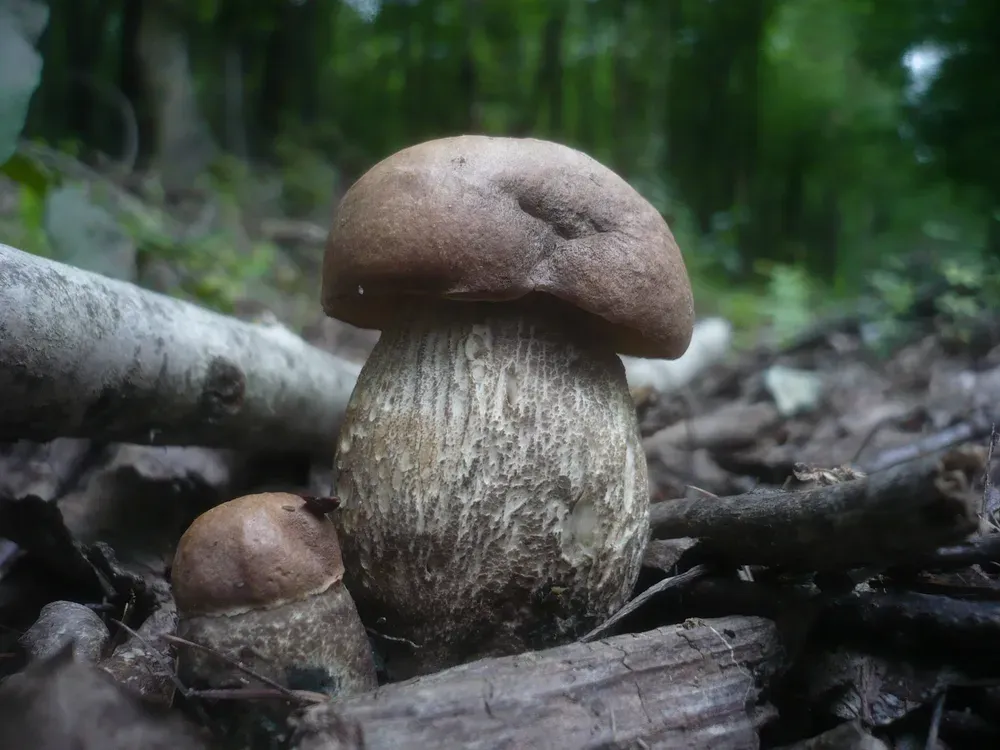
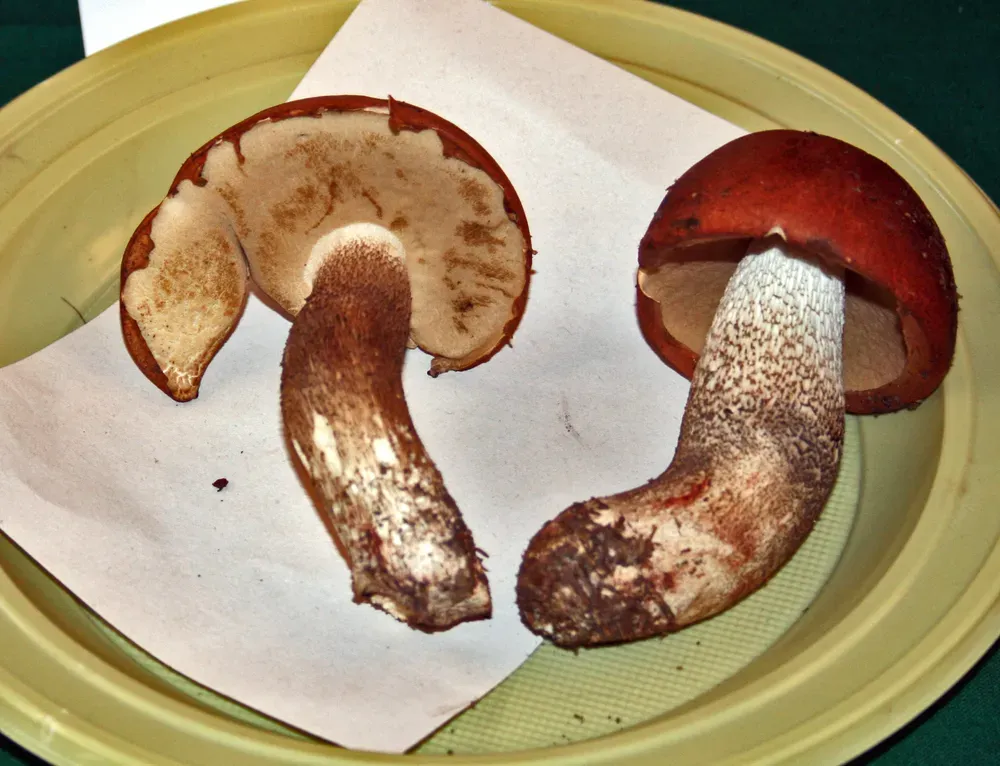
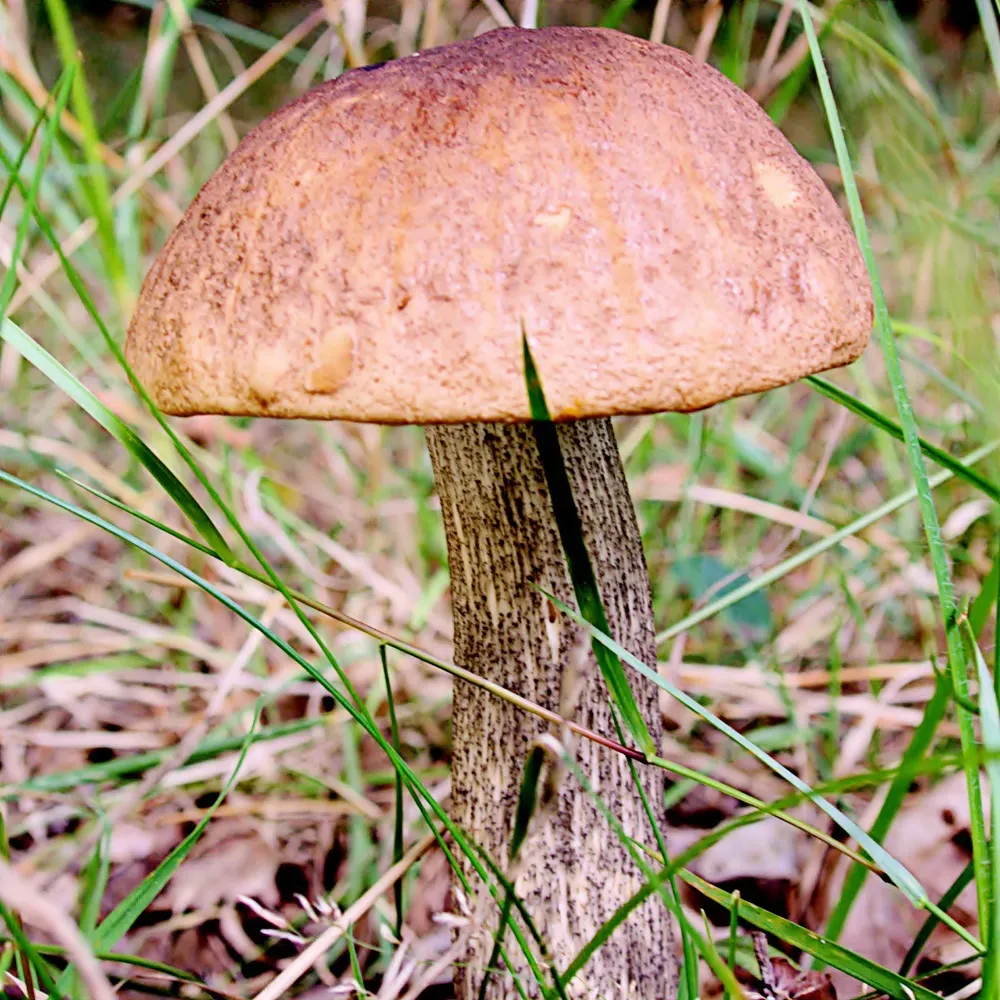
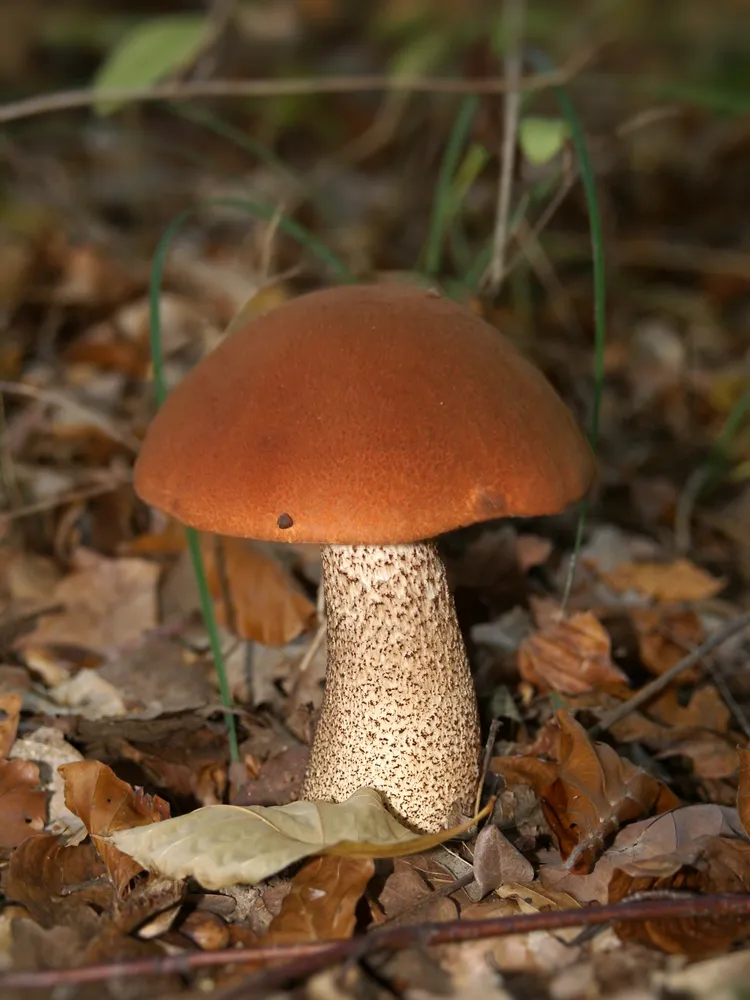
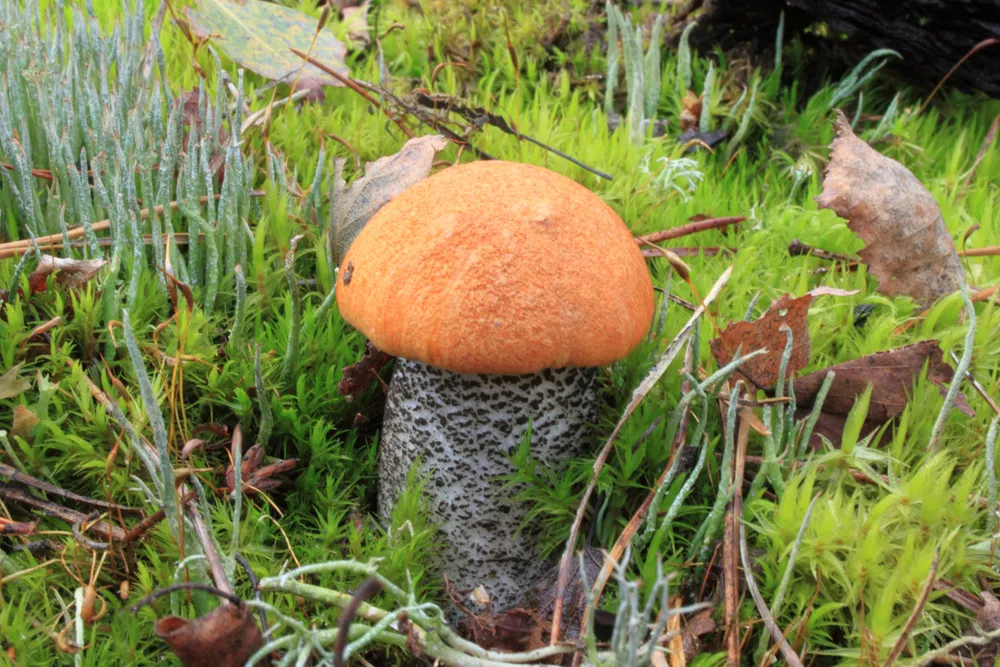
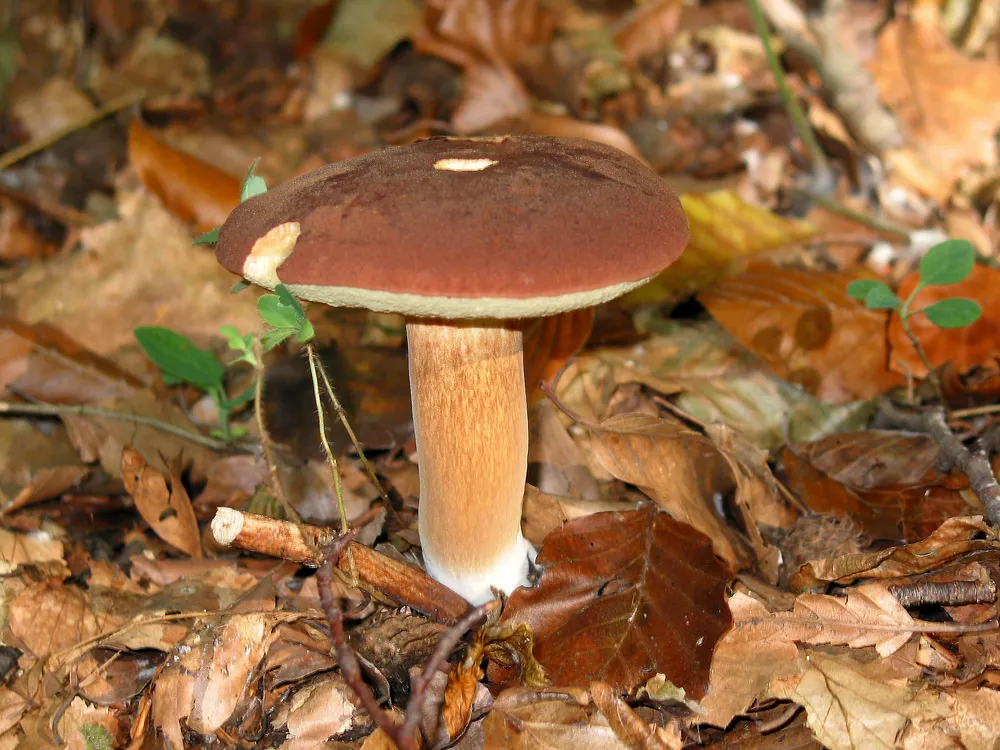
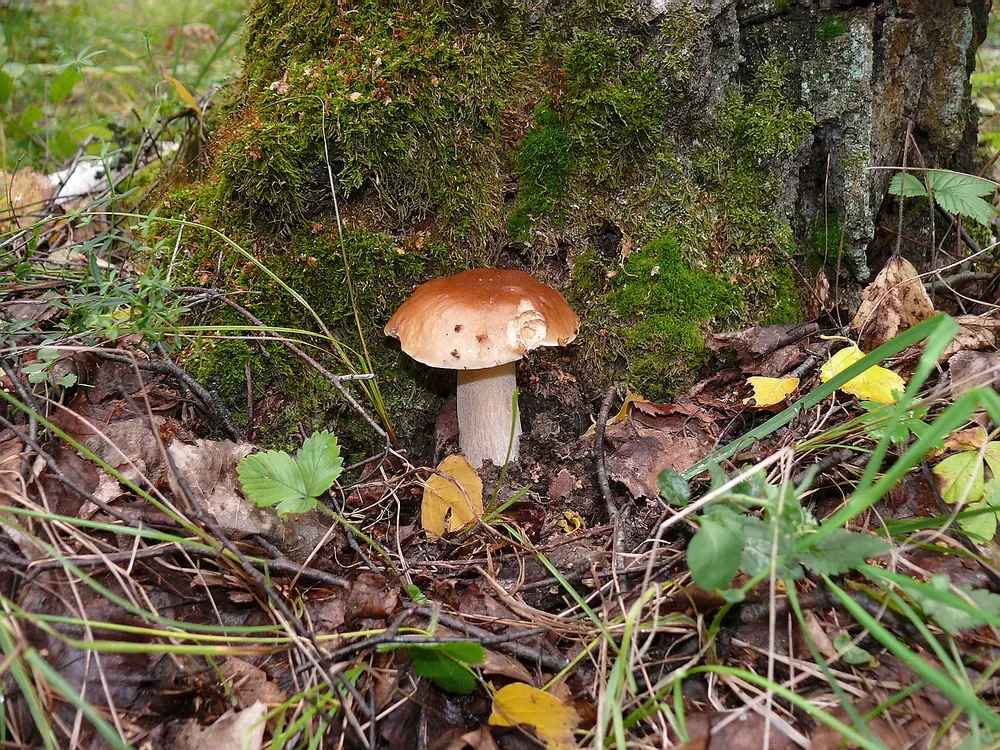
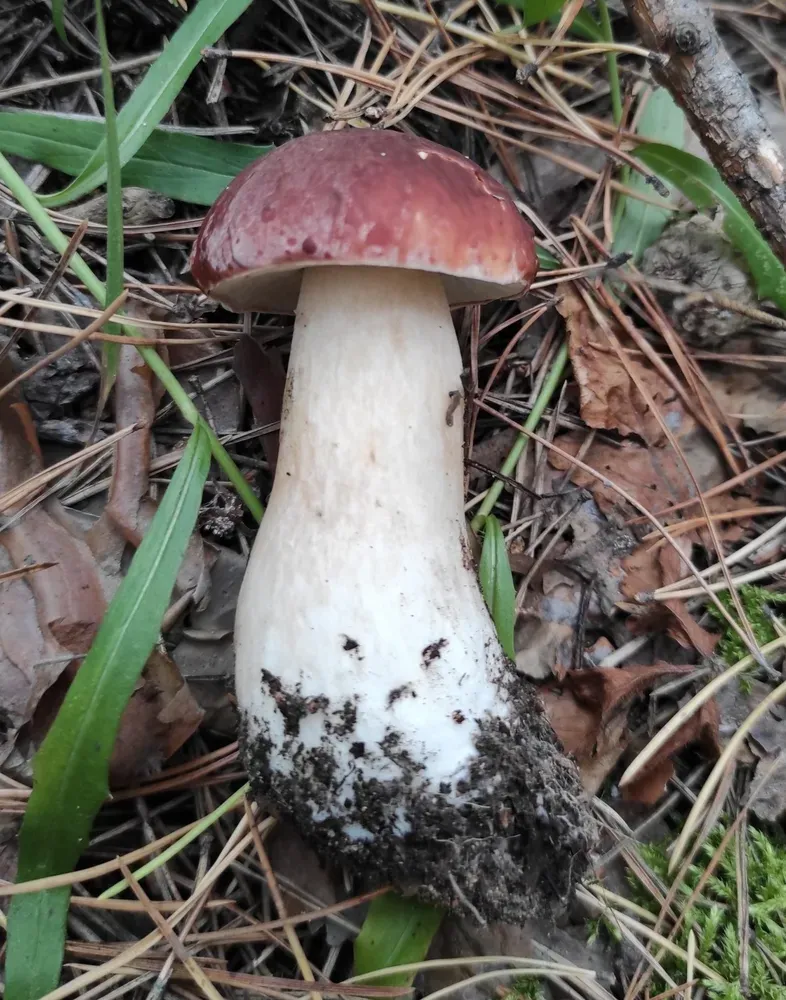
Mushrooms of the same genus and habitat — to study side by side and never mix up.
Related reading
.webp) Where & when to forage
Where & when to forageDamp spots in June: mushrooms by rivers, bogs, and ditches
When everything around is dry, damp spots save the day. Here’s why mushrooms grow near water even in the heat,…
June 2, 2026·3 min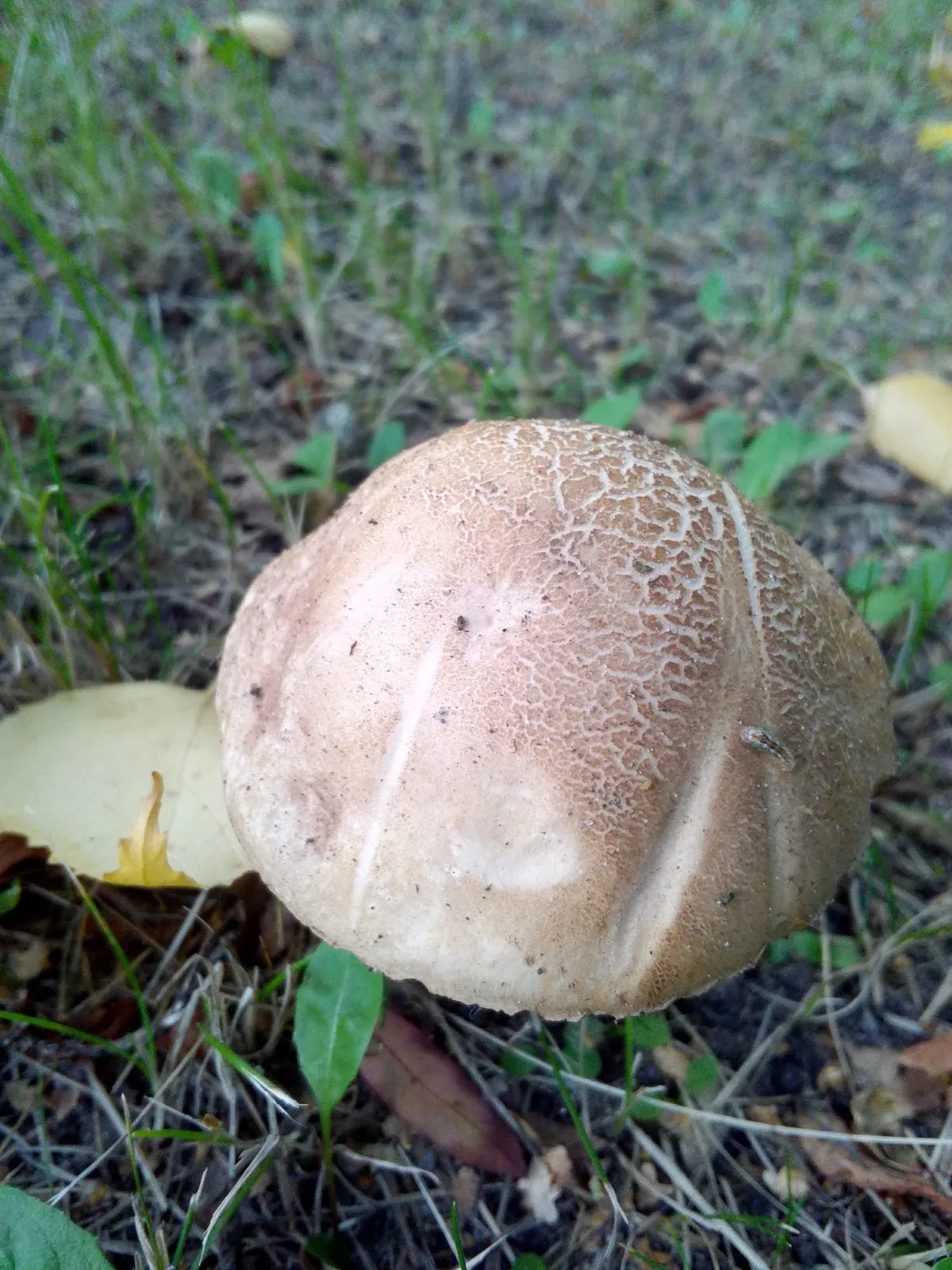 Where & when to forage
Birch boletes in June: when the season kicks off
The birch bolete is one of the first prized mushrooms of the year. Here's when the brown birch bolete appears…
June 2, 2026·3 min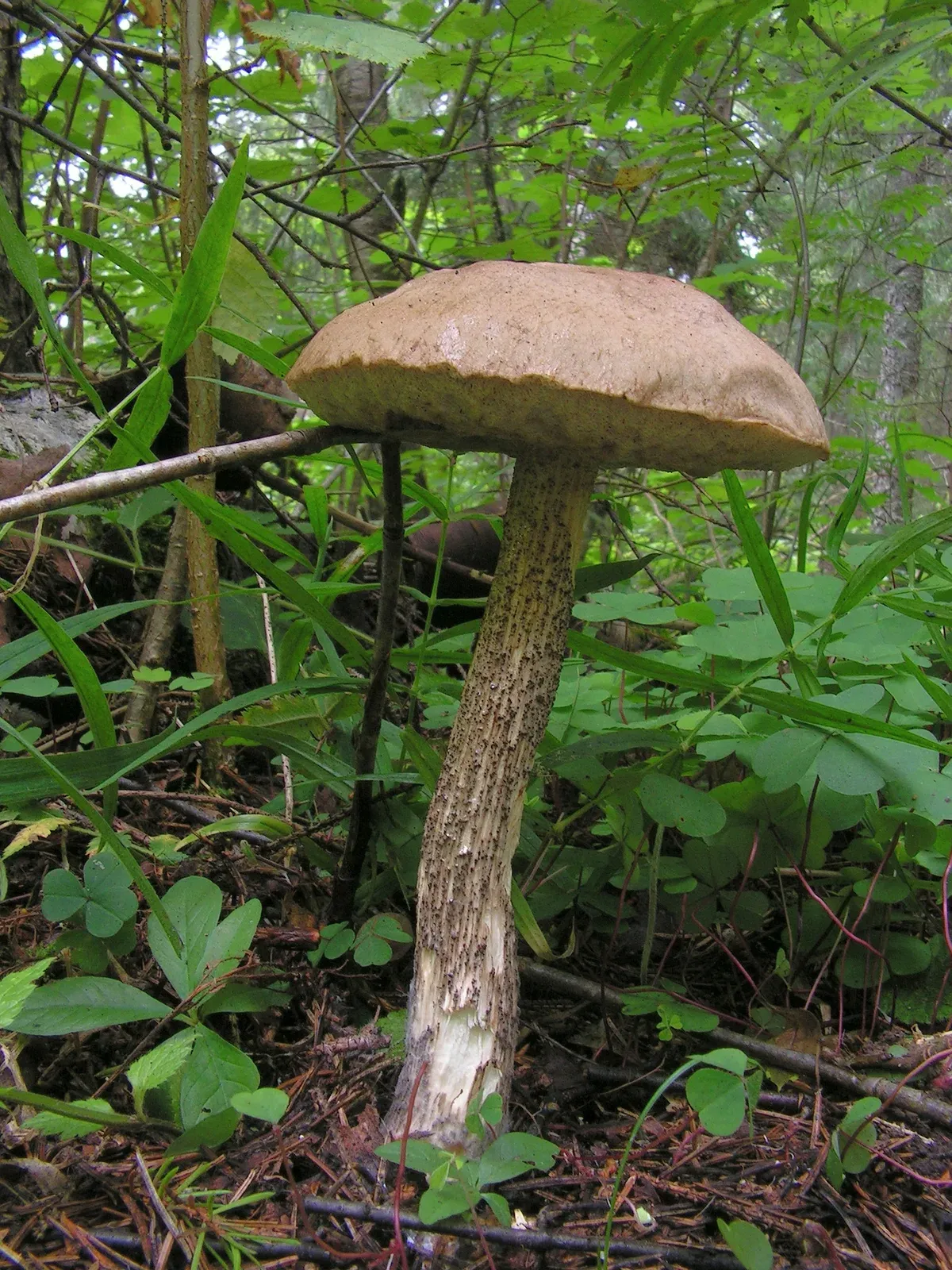 Where & when to forage
Where and when to pick birch boletes
The brown birch bolete is loyal to birch and has a predictable season. Here's which forests, which trees, and…
May 4, 2026·4 min
Frequently asked questions
Can it be confused with a white death cap?
No. The ghost bolete has a tubular hymenophore (pores), while white death caps have gills. That's a fundamental difference. Besides, death caps have a volva and a ring on the stem — birch boletes have nothing of the kind.
Are there dangerous lookalikes?
Among the boletes there are no dangerous lookalikes. It can be confused with Leccinum oxydabile, which grows in similar conditions and is also edible, but its flesh turns pink when cut. Both are safe.
Where to look in Ukraine?
In damp birch woods, on peat bogs, near swampy thickets. Polissia (Chernihiv, Kyiv and Zhytomyr regions), the Carpathians, Zakarpattia. It is almost never found in the dry birch plantations of the Forest-Steppe — it needs constant moisture.
When does it fruit?
From June to October, peaking in August–September after heavy rains. The season is longer than for many other birch boletes — the bog microclimate holds moisture longer.
How is it different from the common birch bolete?
The bog species is much paler — a white or pale gray cap (the common one's is gray or gray-brown). The stem is thinner and more elongated, and its scales are lighter. The flesh does not change color when cut (the common one sometimes turns slightly pink in the stem). It feels less firm in the hand.
Why does it grow only in damp places?
Acidic peaty soils and bog birch are its ecological niche. In dry birch woods it faces competition from other Leccinum species (the brown birch bolete, the mottled bolete), which crowd out holopus. Only in shady, damp, boggy birch stands does it find its space.
Can it be pickled?
Yes, but the result is mediocre: the flesh is very soft, quickly turns mushy in the jar and loses its shape. For pickling, choose only the youngest, firm specimens. This mushroom is best freshly fried with onions or in soup.
Is it ever plentiful?
Rarely abundant. Usually single fruit bodies or groups of 2–4. In very good wet years noticeable "flushes" can appear on peat bogs, but that's uncommon.
Is Ghost bolete edible or poisonous?
Does Ghost bolete have gills or pores?
What does the cap of Ghost bolete look like?
What does the stem of Ghost bolete look like?
Sources
- [1]Вікіпедія (українська)
- [2]Атлас грибів України, Зеров Д.К. (1979)
- [3]MycoBank Database
- [4]Index Fungorum
- [5]GBIF
- [6]iNaturalist Ukraine