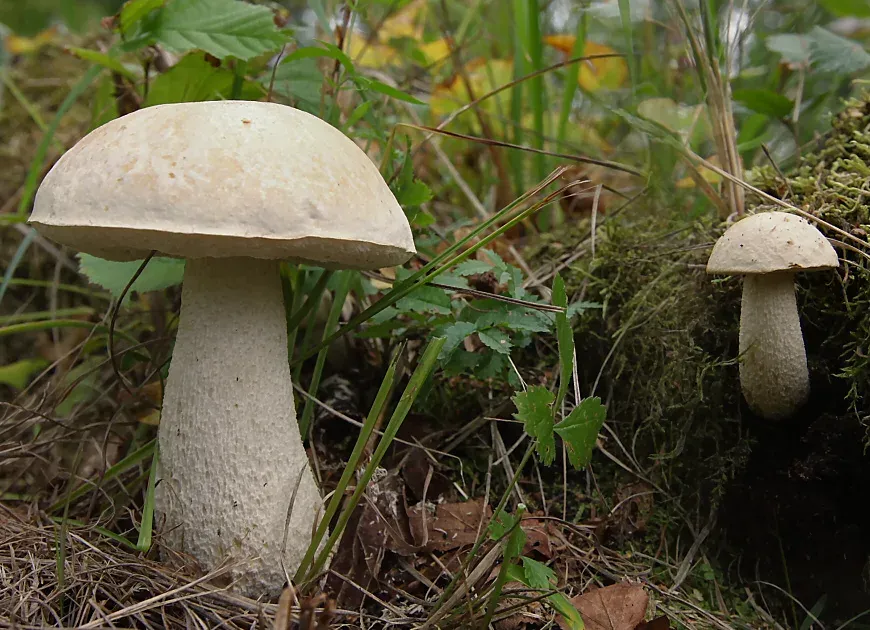
Among birch boletes there’s one you can spot at first glance: it’s almost white, as if faded. It’s the ghost bolete (Leccinum holopus), the pale birch bolete of wet places, at home in damp birch woods and along the edges of bogs.
It’s more delicate and watery than the brown birch bolete, so it’s valued a little less. But this species is worth knowing: it’s common, edible and often turns up where other mushrooms don’t grow. Let’s go over its features, habitats and quirks.
What the ghost bolete looks like
The main feature of this mushroom is its pale coloring. While the brown birch bolete is gray-brown, the ghost bolete is light, all the way to greenish white.
- Cap whitish, cream or with a slight greenish tint, slimy in wet weather.
- Tubes white, turning dingy gray-brown with age.
- Stem thin, white, with barely visible pale or grayish scales.
- Flesh very tender, watery, white, barely changing when cut.
With its thin stem and faint scales, the mushroom looks more fragile than the brown birch bolete. It’s like its pale, bog-dwelling sister.
Where to look for it
Its Ukrainian name, which means “bog birch bolete,” says it all: this mushroom loves moisture. It keeps to wet, soggy spots where the brown birch bolete no longer grows.
Look for it:
- in damp deciduous and mixed birch woods;
- along the edges of bogs, on mossy hummocks and in wet hollows;
- near forest puddles, ditches and streams, where the ground stays wet for a long time.
It often grows straight out of a carpet of moss, hiding among the green. Its season is shifted a little toward the second half of summer and fall, when there’s more moisture.
How it differs from the brown birch bolete
These two mushrooms are hard to confuse, especially by color, but the difference isn’t just the color.
- Color. The brown birch bolete is gray-brown, the ghost bolete pale, almost white.
- Flesh. In the ghost bolete it’s more tender and watery, and quickly turns mushy.
- Habitat. The brown birch bolete loves bright, dry forest edges; the ghost bolete, wet hollows and the mossy edges of bogs.
Its close relative, the mottled bolete, also grows in damp places, but has a blotchy cap and turns blue where the stem is cut. And the classic brown birch bolete is hard to mistake for anything, thanks to its firmer gray cap.
Is it worth picking?
The ghost bolete is edible, but it has a quirk: because of its watery flesh, it quickly turns mushy and darkens strongly during cooking.
So pick it only very young and firm, and cook it right after you get back from the forest. Old specimens fall apart completely and are of little use.
This mushroom is best in soup or fried together with other mushrooms, where its tenderness is less noticeable. It’s less suited to pickling and drying than the firmer brown birch bolete.
The weather will tell you when to go out for birch boletes. Keep an eye on moisture and warmth with our mushroom radar: it shows when conditions line up well for mushrooms to appear.
Sources
- “Identification Guide to the Fungi of Ukraine” (Kyiv, Naukova Dumka publishing house).
- Leccinum holopus on GBIF, the global biodiversity database.
- Leccinum on MycoBank, the international fungal nomenclature database.
- Leccinum holopus on Wikipedia.
Frequently asked questions
How do you recognize the ghost bolete?
By its very pale, almost white or greenish-white coloring, thin white stem with faint scales and tender, watery flesh. It grows in damp places under birches.
Where does the ghost bolete grow?
In wet and , along the edges of bogs, on mossy hummocks and in wet hollows, where the ground stays wet for a long time.
Is the ghost bolete edible?
Yes, it’s edible, but because of its watery flesh it quickly turns mushy and darkens strongly. Pick it only very young and cook it right after you get back from the forest.
How does the ghost bolete differ from the brown birch bolete?
It’s paler, almost white, has more tender, watery flesh and grows in damper places. is gray-brown, firmer and prefers drier forest edges.
When should you pick the ghost bolete?
Mainly in the second half of summer and in fall, when there’s more moisture. It turns up especially often during wet, rainy spells.
Why is the ghost bolete so watery?
Because it grows in damp places and has spongy, water-soaked flesh. That makes it fragile and quick to spoil, and it shrinks a lot during cooking.
Can you dry the ghost bolete?
You can, but it suits this less well than the firmer : being watery, it shrinks a lot and darkens. It’s better used fresh in soups and fried dishes.
Can the ghost bolete be confused with a poisonous mushroom?
It has no dangerous lookalikes. The only one to watch out for is the , but that one is darker and has pinkish tubes, so it’s hard to mix up with the pale ghost bolete.
Mushrooms in this article
Related articles
 How to identify
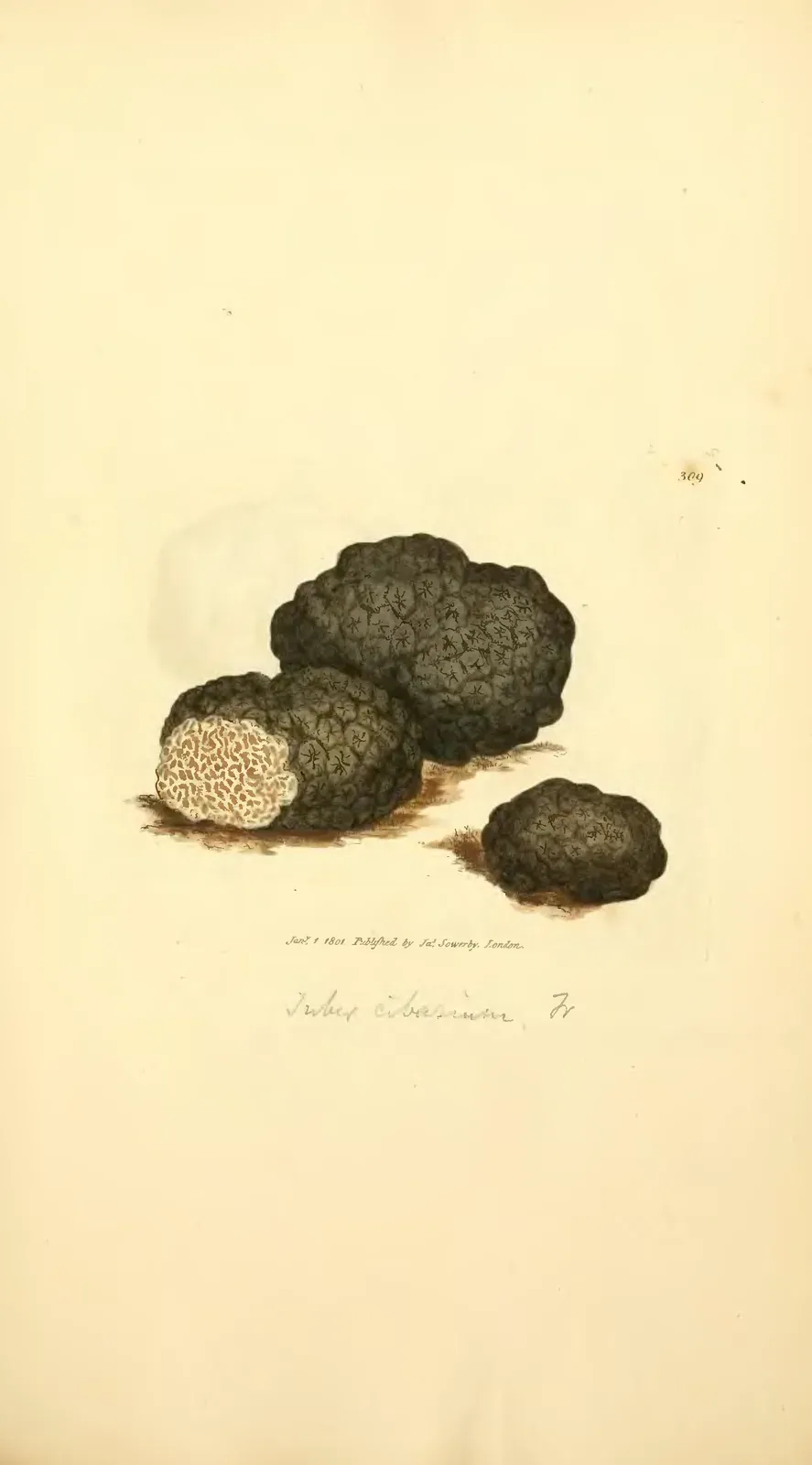
Truffles in Ukraine: do they grow here, and where to look
Truffles aren't just a French delicacy. Several species grow in Ukraine too. Here's which ones, where they occ…
August 24, 2026·2 min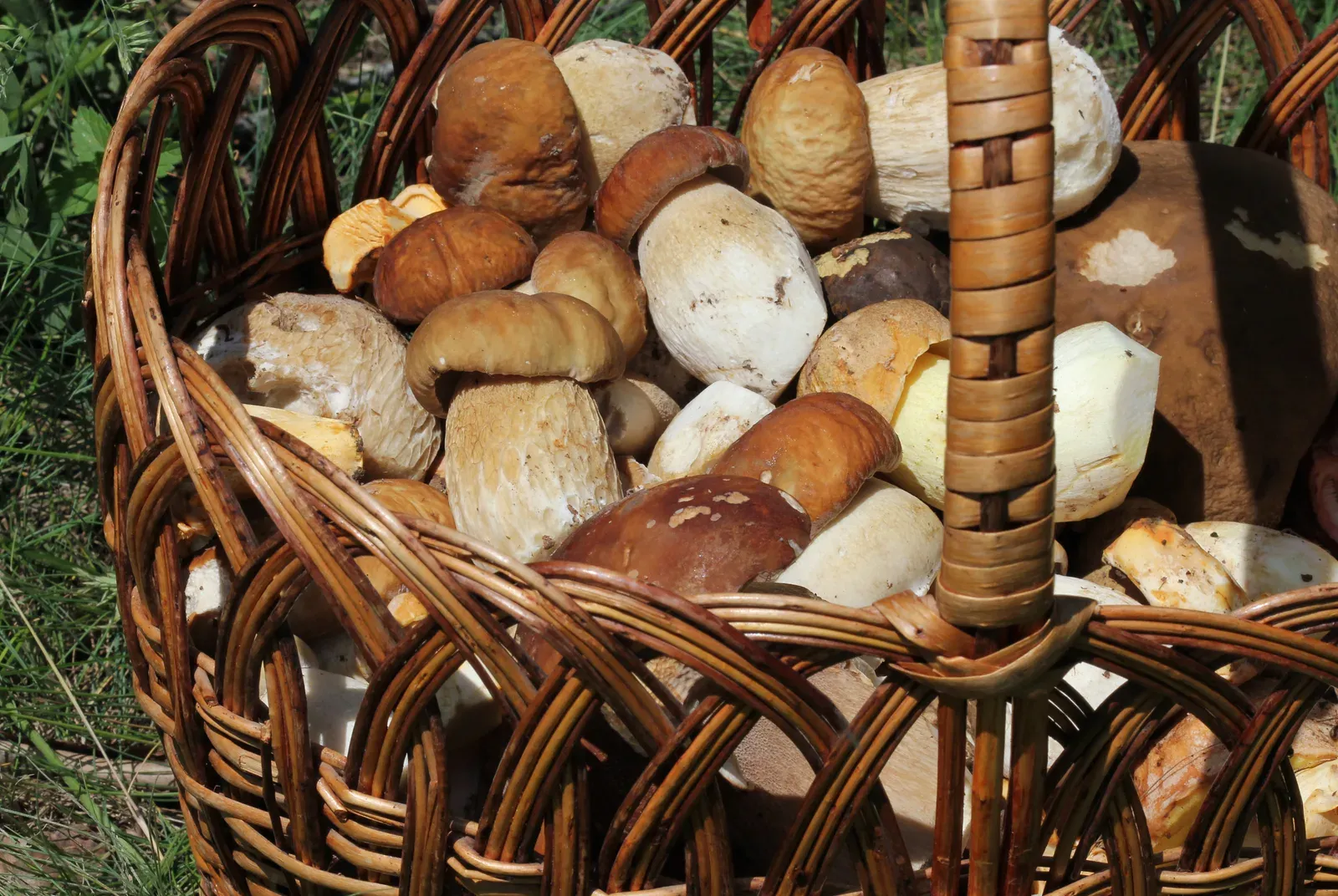 Recipes & cooking
How to store fresh mushrooms, and for how long
Fresh mushrooms spoil faster than you might think. Here's how long they keep in the fridge, how to store them…
August 21, 2026·4 min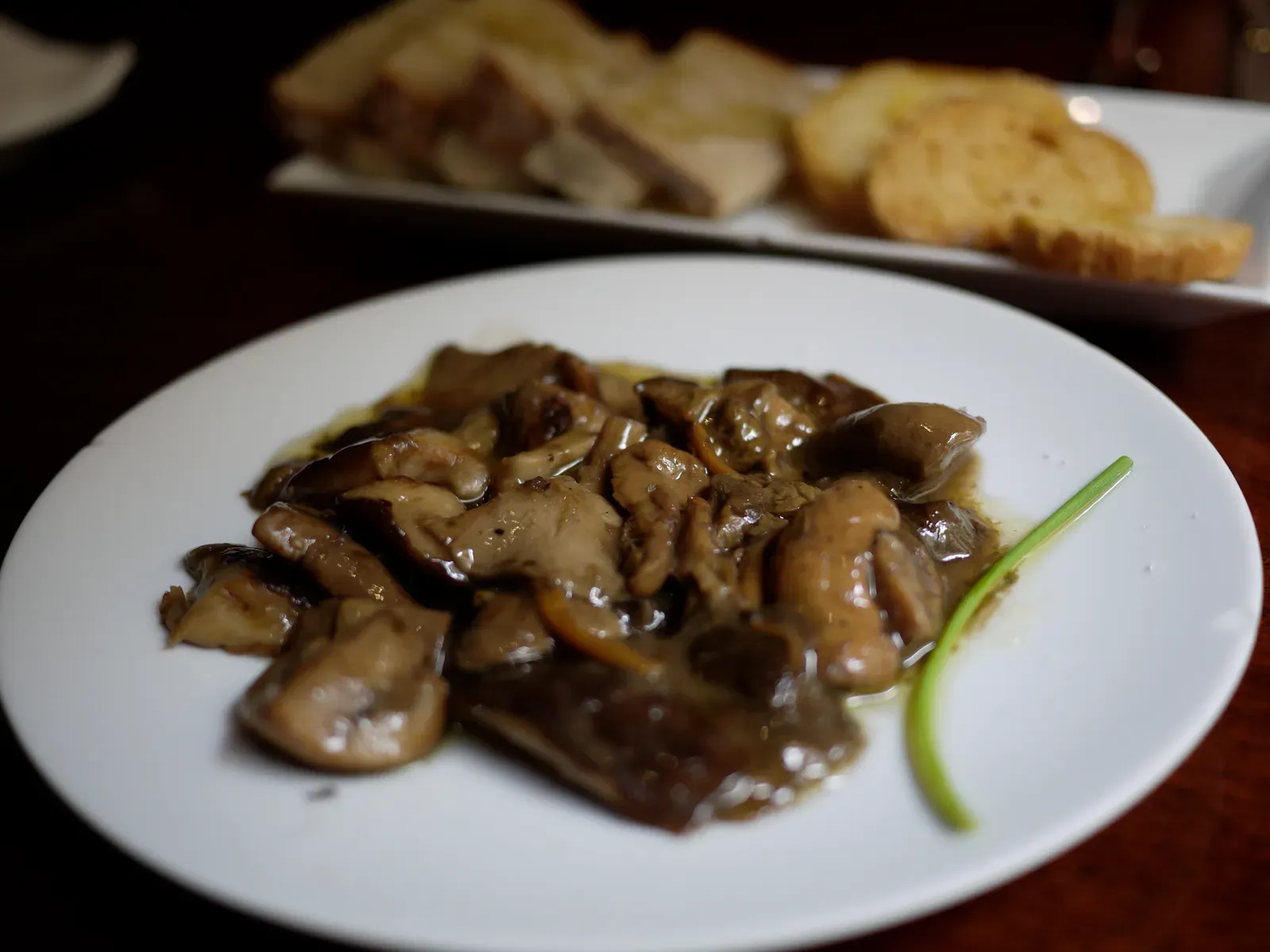 Recipes & cooking
How long to boil mushrooms
Boiling time depends on the type of mushroom and on what you're cooking next. Here's a clear cheat sheet: how…
August 22, 2026·4 min