.webp)
When June turns out dry and the forest stands silent, an experienced forager doesn’t go home empty-handed. They simply head to where the ground hasn’t had time to dry out: to the water. Riverbanks, the edges of bogs and even roadside ditches often save the outing in a drought.
Let’s look at why mushrooms grow in damp places even in the heat, what to look for there in June and what to keep in mind so your foraging stays safe.
Why mushrooms grow near water in the heat
Mycelium needs constant moisture. In an open, dry forest the topsoil quickly dries out under the sun, and the mycelium goes dormant. Near water, though, it’s a different story.
In lowlands and near rivers and bogs, groundwater lies close to the surface, so the soil stays moist even when everything around is dry. That’s why the mycelium here keeps fruiting in the heat, when a dry forest has no mushrooms at all.
So damp places are a forager’s insurance policy for a dry June. When the mushroom radar shows a lack of rain, that’s exactly where you should head.
What to look for by rivers and bogs
Damp ground has its own set of mushrooms that love the wet.
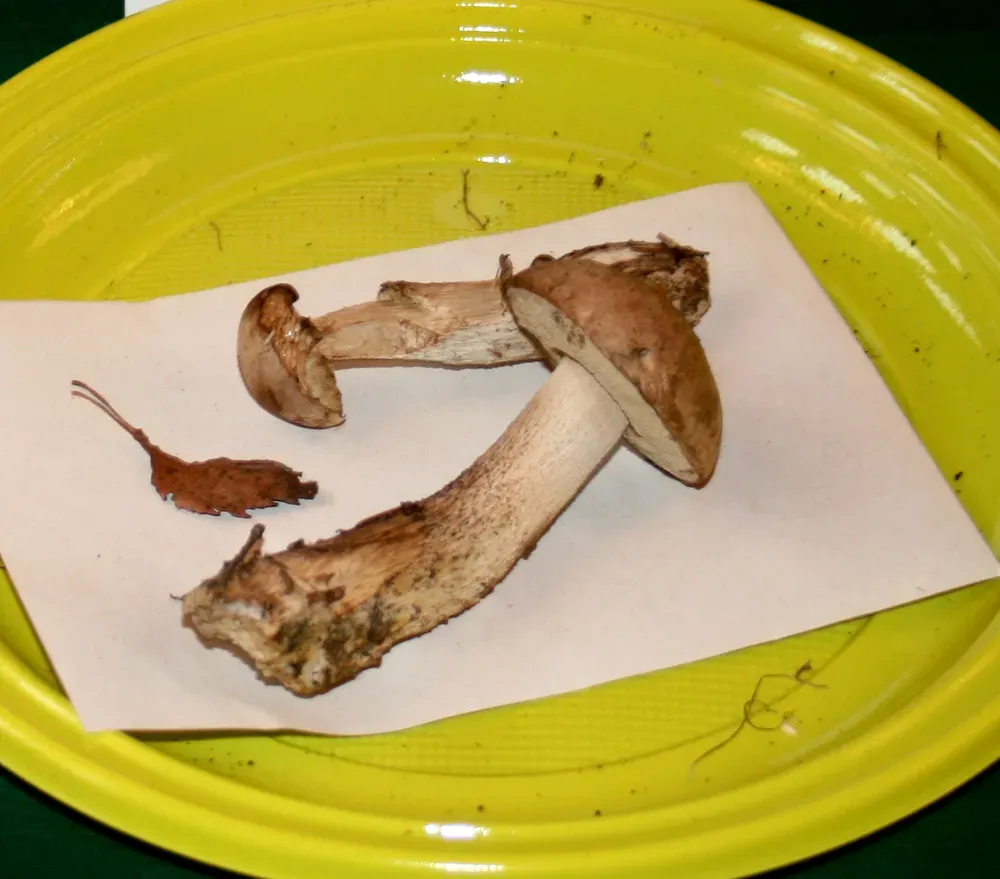
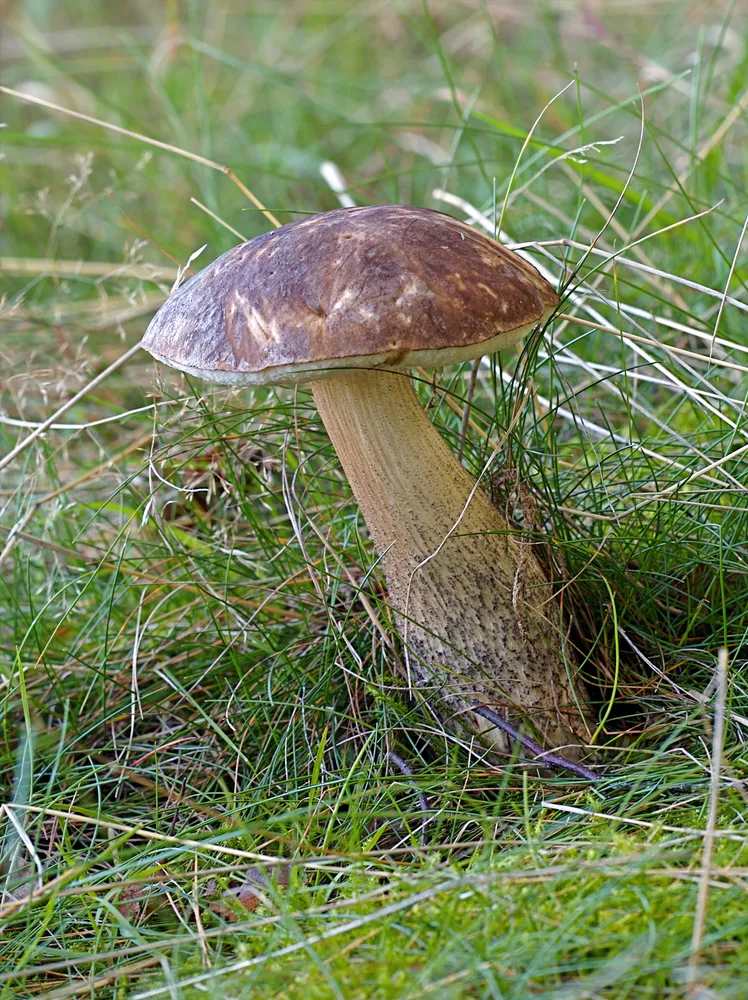
- **Ghost bolete.** A pale, slender birch bolete that grows in damp, boggy birch woods. The common brown birch bolete likes these spots too.
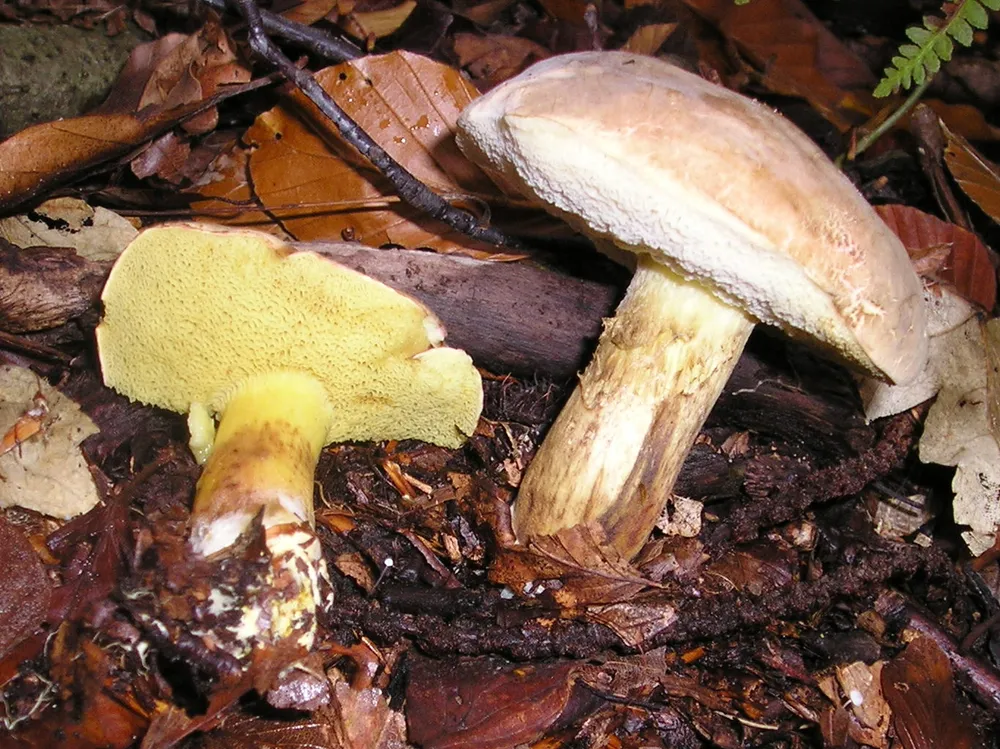
- **Xerocomus boletes.** They love moss, which is plentiful near water, so you’ll find them in damp hollows.
- Brittlegills. Undemanding mushrooms that also grow in damp patches of deciduous and mixed forest.
Look for mushrooms not in the water itself, of course, but on slightly raised spots that are damp but not flooded: on bank slopes, mossy hummocks and forest edges near floodplains.
What to watch out for to stay safe
Foraging in damp places has its own quirks worth keeping in mind.
- Mushrooms here are more watery. Bog specimens are often softer and more watery than forest ones, so take young, firm mushrooms and leave the overgrown ones.
- They spoil faster. Because of the excess moisture, these mushrooms keep less well, so process them the same day.
- Be careful where you pick. Don’t pick mushrooms near industrial discharges, landfills or sewage channels: mushrooms absorb everything from the soil, including harmful substances.
That last point is especially important. A clean forest floodplain or a natural bog is safe, but a ditch next to a factory or a highway is, on the contrary, a place to avoid.
How to find damp spots
If you don’t know such spots in advance, they’re easy to find.
- Go downhill. From any high ground, head down into lowlands and hollows: that’s exactly where moisture collects.
- Look for moisture-loving plants. Thick moss, ferns, sedge and alder tell you the soil here is moist.
- Stick to the banks. The edges of forest rivers, streams and oxbow lakes are almost always damp.
The bottom line is simple: in a dry June, water saves the forager. And to know when it’s worth heading to the forest at all, check the mushroom radar.
Sources
- “Identification Guide to the Fungi of Ukraine” (Kyiv, Naukova Dumka publishers).
- Leccinum holopus on GBIF, the global biodiversity database.
- Leccinum on MycoBank, the international fungal nomenclature database.
- Mushroom hunting on Wikipedia.
Frequently asked questions
Why do mushrooms grow near water even in the heat?
Because in lowlands and near water, groundwater lies close to the surface, and the soil stays moist when everything around is dry. The mycelium here fruits even in a drought.
What should you look for in damp places in June?
and the common birch bolete in damp birch woods, in damp hollows, and brittlegills in damp patches of forest.
Is it safe to pick mushrooms near water?
Near clean forest rivers and natural bogs, yes. But you must not pick mushrooms near industrial discharges, landfills or sewage channels, because they absorb harmful substances.
Why are bog mushrooms watery?
Because of the excess moisture in the soil, their flesh is softer and more watery. So take young, firm specimens, and it’s better to leave the overgrown ones.
How long do mushrooms from damp places keep?
Less than forest ones. Because of the excess moisture they spoil faster, so it’s best to process them the same day.
How do you find damp spots in the forest?
Head down into lowlands and hollows, stick to the banks of rivers and streams, and use moisture-loving plants as your guide: moss, ferns, sedge and alder.
Which trees grow in damp places?
Most often birch, alder and willow. Birches in wet spots are exactly where you look for the ghost bolete.
Is it worth heading to the water in a rainy June?
In a rainy year there are mushrooms in the ordinary forest too, so you don’t need to head for the water. Damp spots help most of all in a drought.
Mushrooms in this article
Related articles
 Recipes & cooking
How to store fresh mushrooms, and for how long
Fresh mushrooms spoil faster than you might think. Here's how long they keep in the fridge, how to store them…
August 21, 2026·4 min How to identify
Truffles in Ukraine: do they grow here, and where to look
Truffles aren't just a French delicacy. Several species grow in Ukraine too. Here's which ones, where they occ…
August 24, 2026·2 min Recipes & cooking
How long to boil mushrooms
Boiling time depends on the type of mushroom and on what you're cooking next. Here's a clear cheat sheet: how…
August 22, 2026·4 min