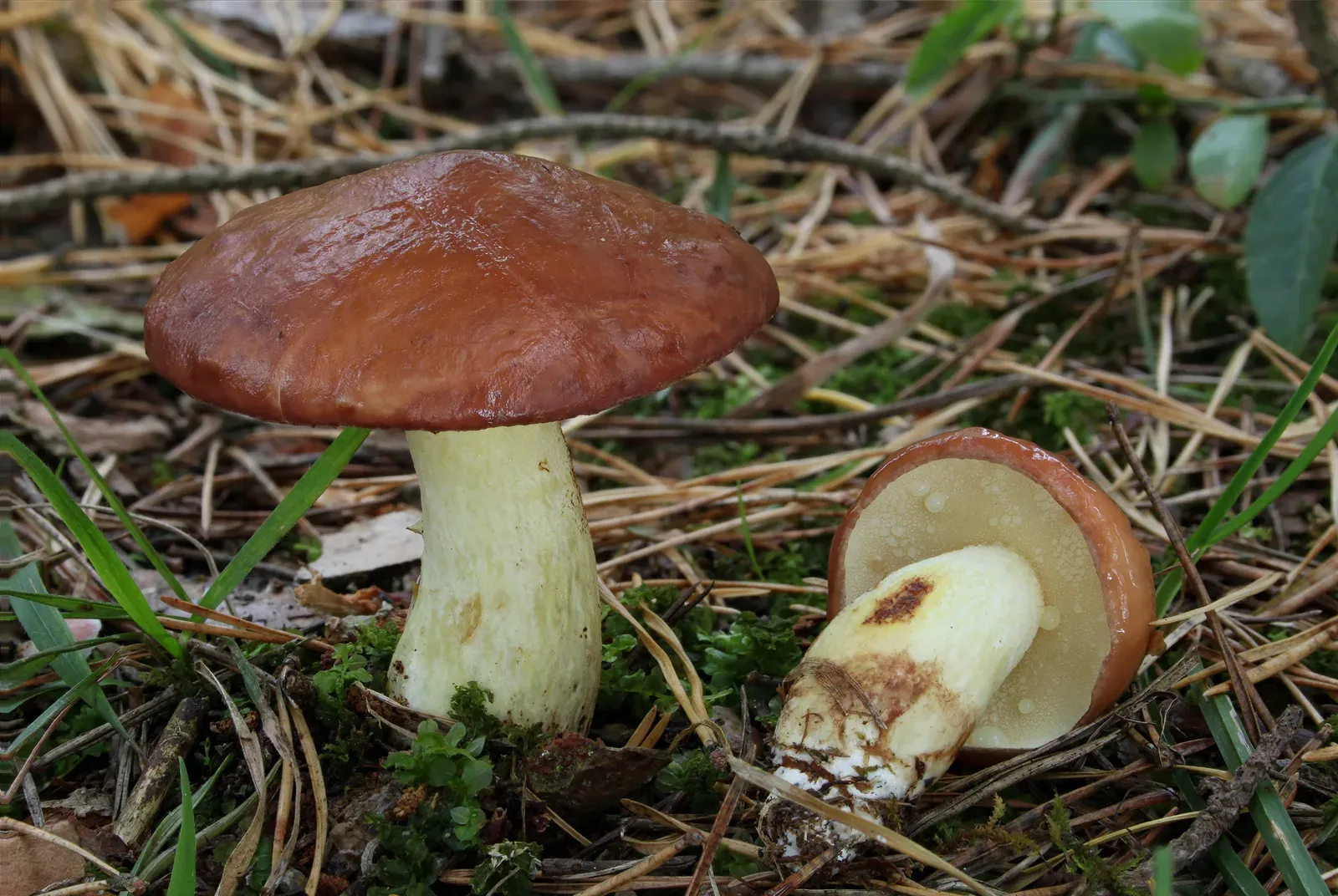
The slippery jack is one of the few mushrooms that keep a forager company through almost the whole warm half of the year. It comes up early, grows in flushes after every rain and hangs on right up to the first frosts. But “early” doesn't mean “by the calendar”: the exact date shifts every year and depends on the weather.
Let's look at when slippery jack season starts, what the first mushrooms depend on and when to expect the main flushes. That way you won't miss the early mushrooms or the generous autumn rush.
When the first slippery jacks appear
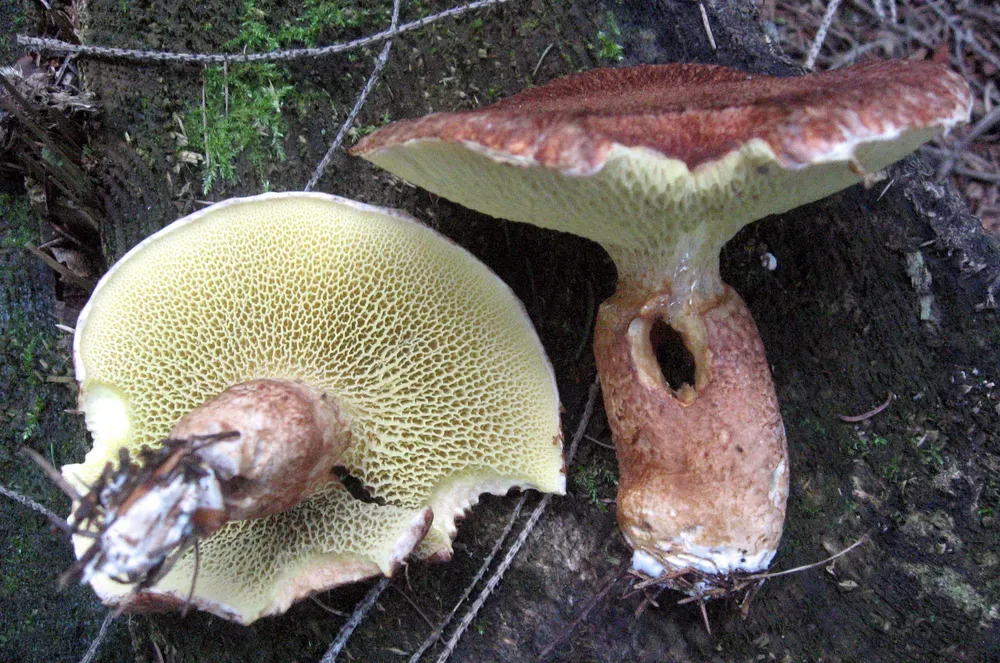
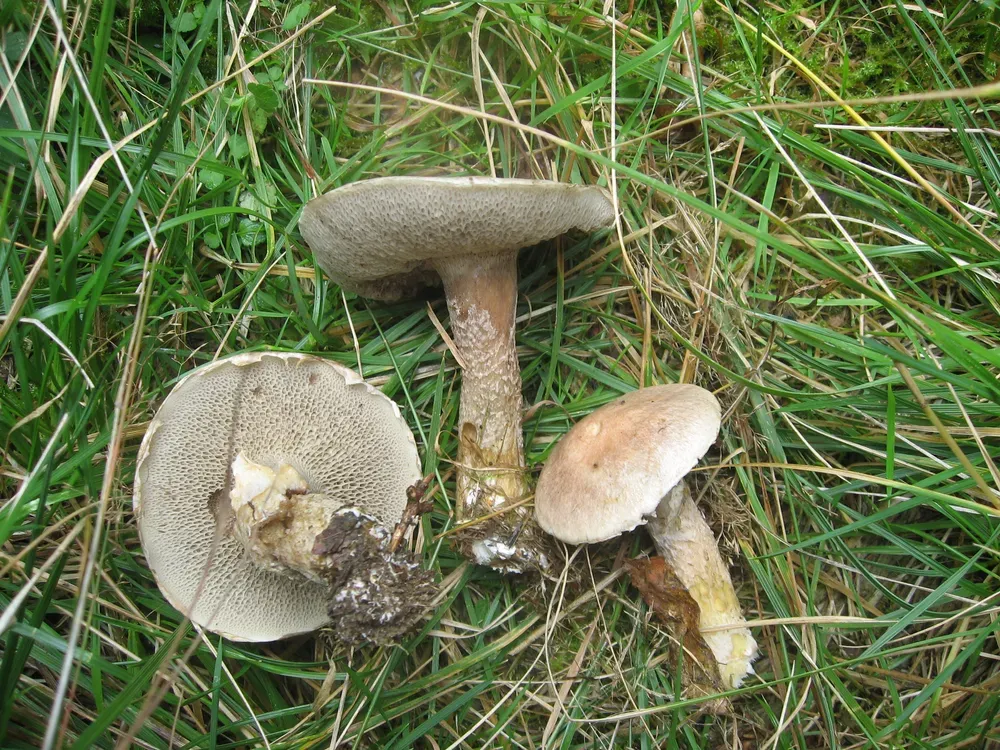
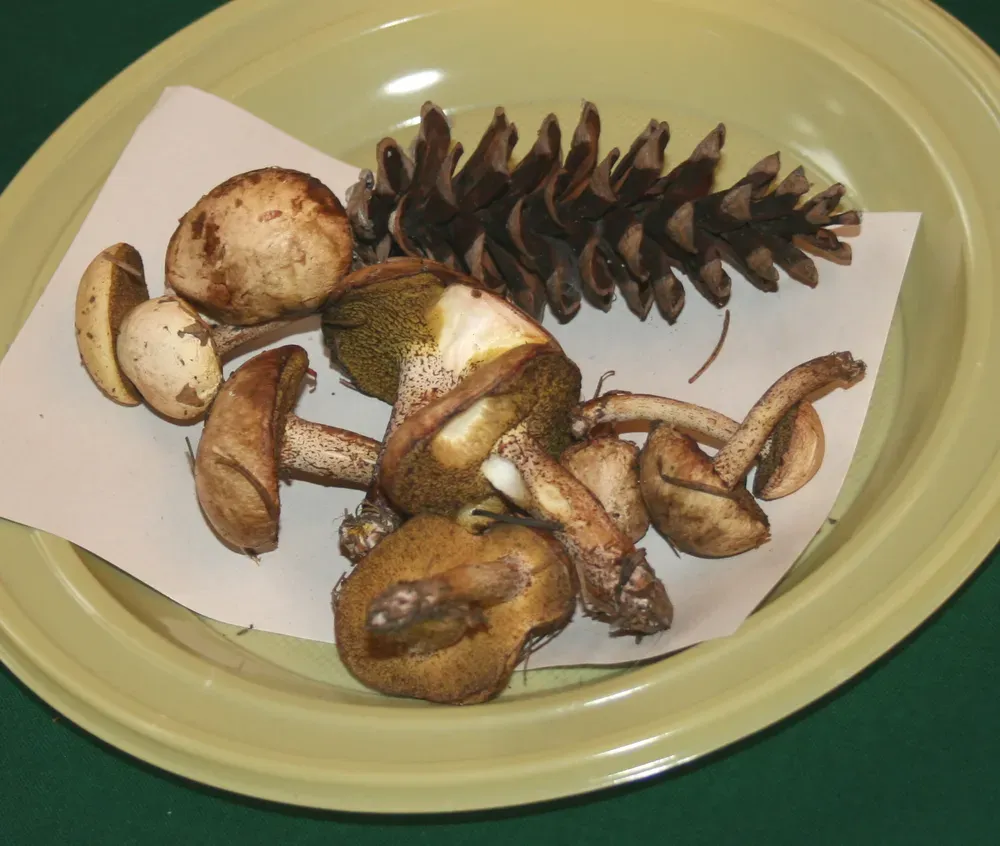
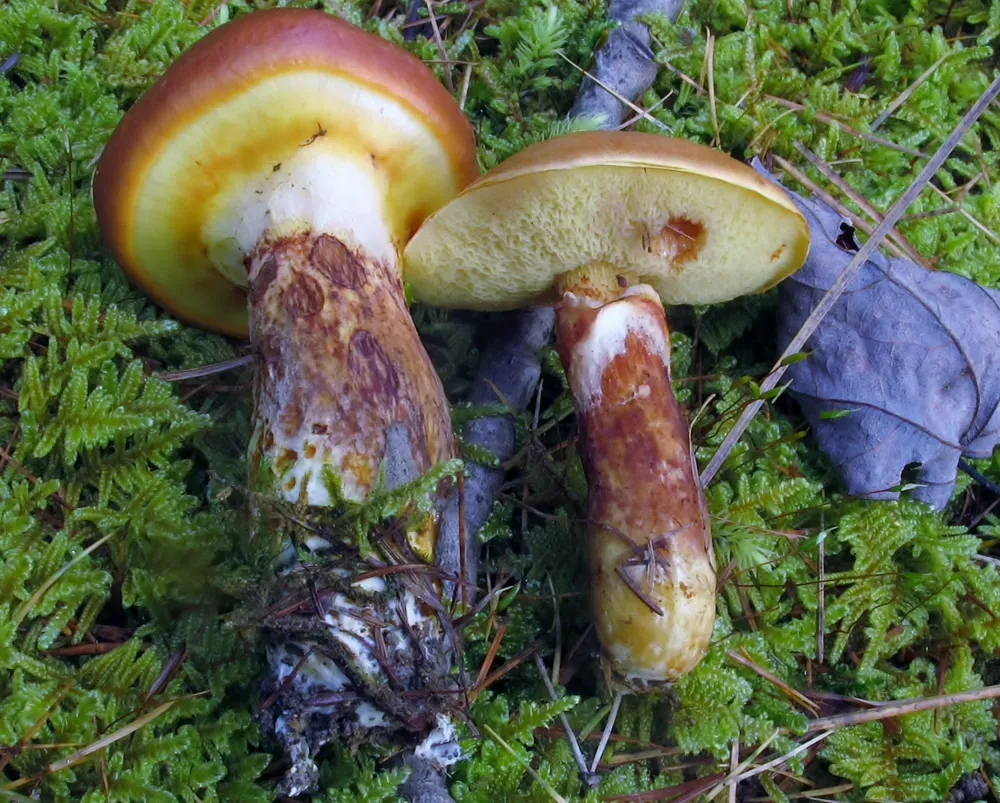
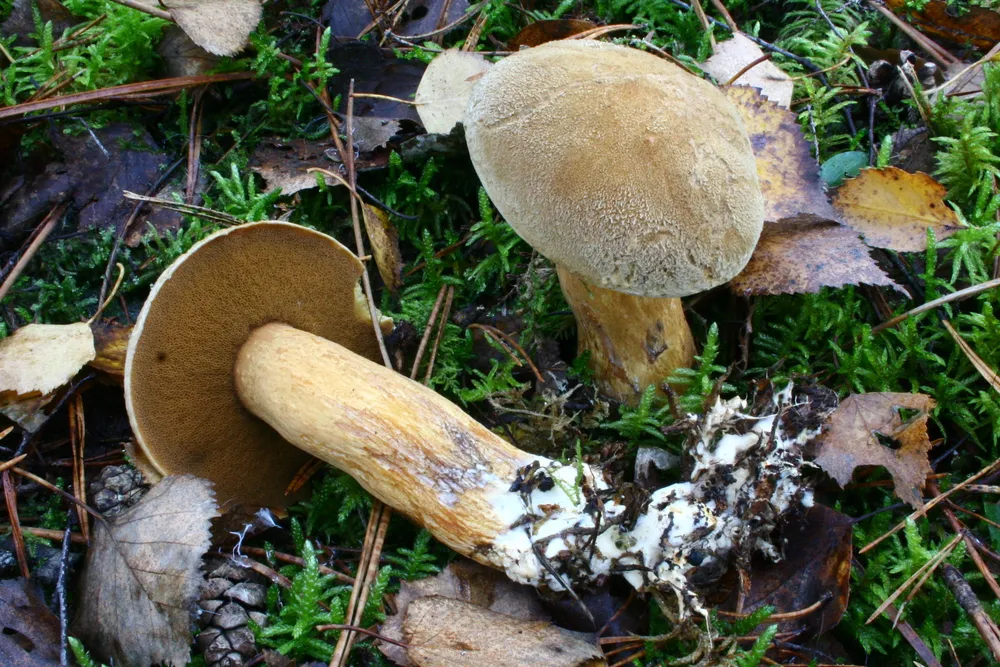
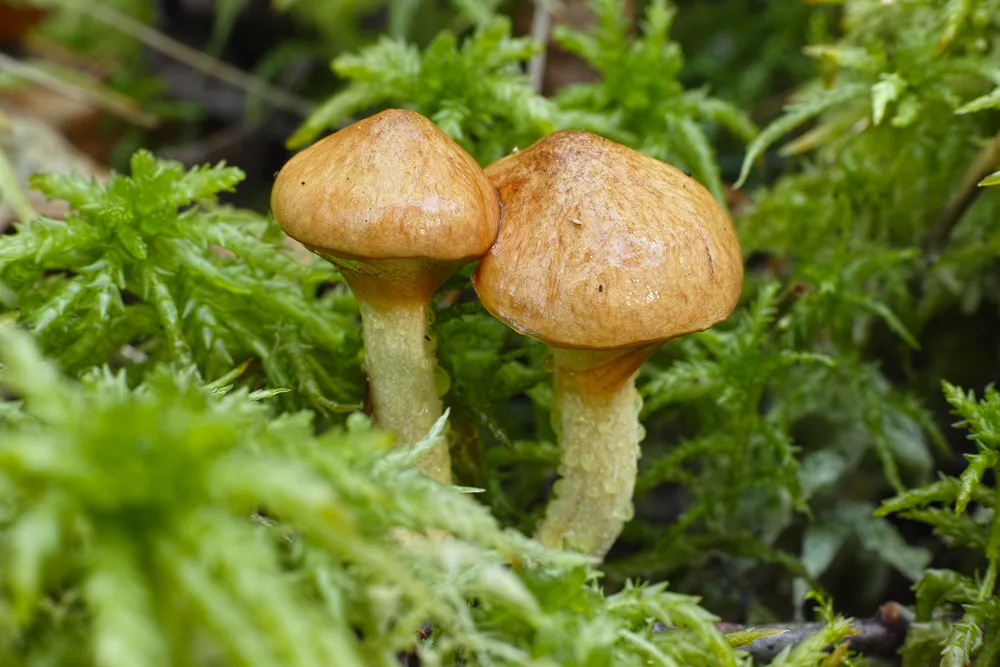
The first slippery jacks show up as early as late May, as soon as the sandy soil of the pine forest warms up. The earliest to appear is the weeping bolete, with the other species following close behind.
The rule of thumb is simple: when daytime temperatures hold at around twenty degrees Celsius and the nights are no longer cold, the soil warms up and the mycelium wakes. In warm years, the odd slippery jack is spotted as early as mid-May; in cool years, the start slips to June.
The calendar matters less here; what counts is soil warmth and moisture after rain.
The main flushes
The slippery jack doesn't have one continuous season; it grows in flushes. Each flush bursts out a day or two after a good warm rain and lasts about a week to a week and a half.
The most generous flushes come in:
- June and July the first big rush, especially of weeping boletes;
- August summer flushes after thunderstorms;
- September and October the main autumn harvest of slippery jacks, often the most abundant.
Many foragers consider autumn the best time for slippery jacks: the mushrooms are firm, clean and plentiful, right up to the first frosts.
What the start depends on
The start date isn't random; three things set it: warmth, moisture and forest type.
First, warmth. While the sandy soil is cold, the mycelium sleeps. Steady daytime warmth and warm nights are the main trigger.
Second, moisture. Slippery jacks love to come up a day or two after a good warm rain, when the sand has soaked up water and warmed up again. A dry May can push the season back by weeks.
Third, location. On sunny south-facing forest edges and warm sandy hills, slippery jacks appear earlier than in shaded, damp woodland. In young pine stands the start is usually earlier than in old, dense pine forests.
So you don't have to guess blindly, track the conditions with our mushroom radar: it shows when moisture and warmth line up well for mushrooms to appear. That's more accurate than any calendar.
How not to miss a flush
Slippery jacks grow fast, so timing matters. The first mushrooms are the most valuable: they're firm, clean and not yet touched by maggots.
Watch the weather. Saw a warm rain after a few fine days? Plan your trip for a day or two later, without delay. A slippery jack grows in just a few days and ages and gets wormy just as quickly.
Go to familiar spots. The slippery jack is loyal to its pines and comes back to the same places every year, so last year's spots in a young pine stand are the most reliable start. And don't rush off after one mushroom: there are often a few more from the same family nearby.
Sources
- “Key to the Fungi of Ukraine” (Kyiv, Naukova Dumka publishing house).
- Suillus granulatus in GBIF, the global biodiversity database.
- Suillus in MycoBank, the international fungal nomenclature database.
- Suillus luteus on Wikipedia.
Frequently asked questions
When does slippery jack season start?
Usually in late May or June, as soon as the sandy soil of the pine forest warms up. The earliest to appear is the . In warm years, the first mushrooms turn up as early as mid-May.
Which month is best for picking slippery jacks?
Generous flushes happen in June and July too, but many foragers consider September and October the best, when the main autumn harvest comes in for .
How many times per season do slippery jacks grow?
The slippery jack grows in flushes, each bursting out a day or two after a warm rain. Over the warm half of the year there can be several such flushes, from June to October.
How many days after rain should you wait for slippery jacks?
Usually one or two days after a good warm rain. Slippery jacks grow fast, so it pays to head out promptly. You can easily watch for these windows with the .
Can you find slippery jacks in May?
Yes, in warm years the odd slippery jack appears as early as the second half of May, as soon as the sand warms up. But the main flushes come in June and later.
Until what month are slippery jacks picked?
In a mild autumn, slippery jacks fruit until October, and sometimes right up to the first frosts. The autumn harvest is often the most abundant and the cleanest.
Why are there lots of slippery jacks one year and few the next?
It all comes down to warmth and moisture. A dry spell or cold nights push the season back and thin it out, while warmth with regular rain brings plentiful flushes. The calendar matters less here.
Where do the first slippery jacks appear earlier?
On sunny south-facing forest edges, warm sandy hills and in young . In shaded, damp woodland and old, dense pine forests, the start is usually later.
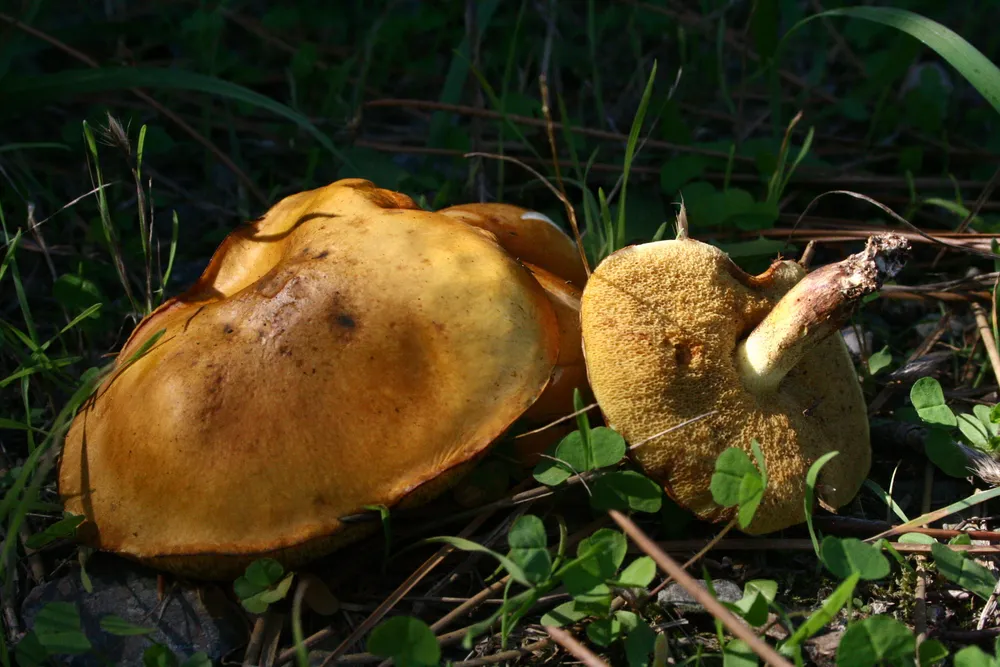
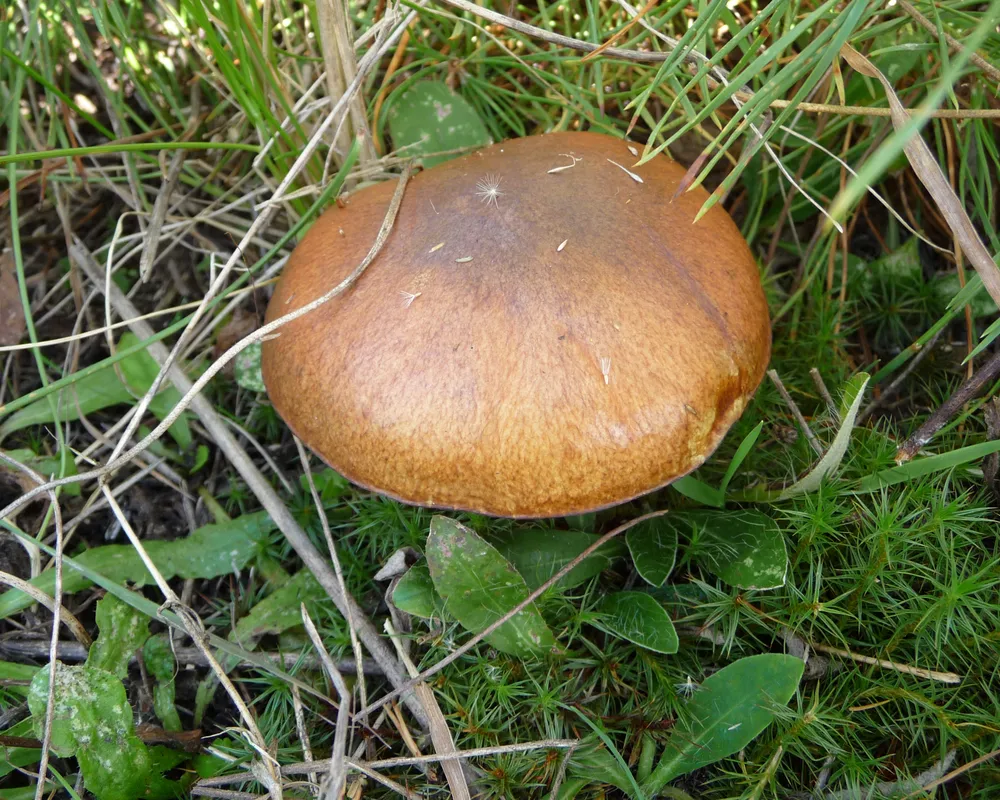
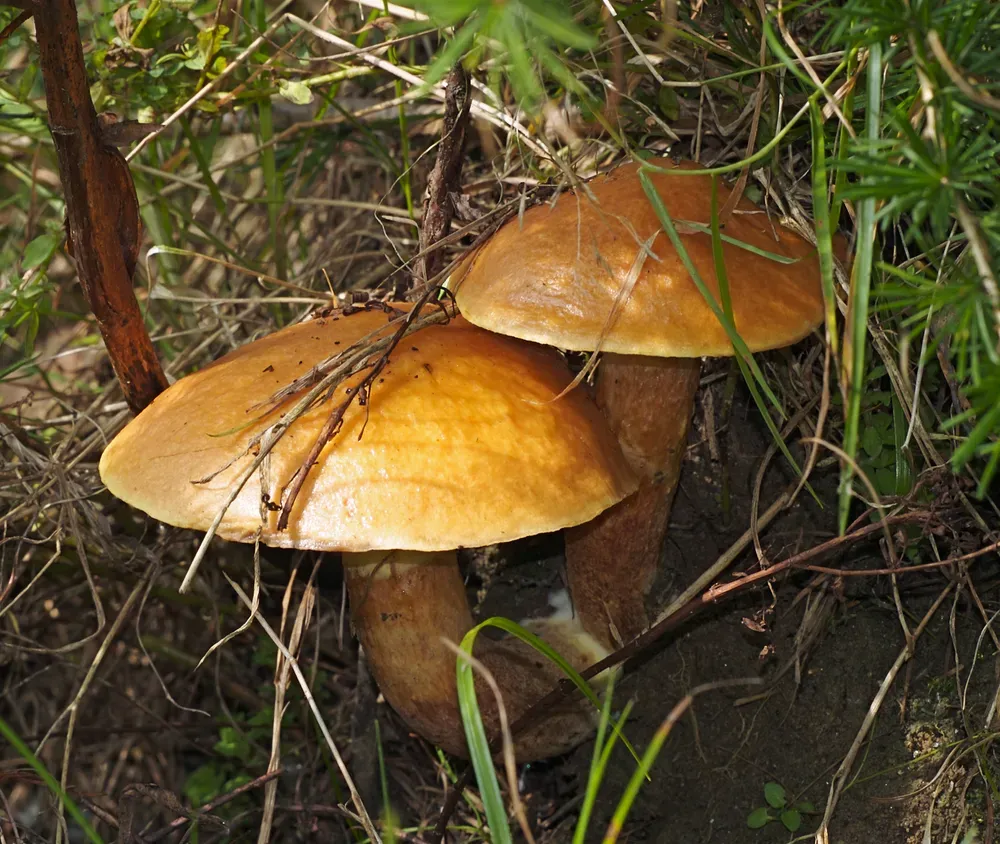
Mushrooms in this article
Related articles
 Recipes & cooking
How to store fresh mushrooms, and for how long
Fresh mushrooms spoil faster than you might think. Here's how long they keep in the fridge, how to store them…
August 21, 2026·4 min Recipes & cooking
How long to boil mushrooms
Boiling time depends on the type of mushroom and on what you're cooking next. Here's a clear cheat sheet: how…
August 22, 2026·4 min How to identify
Truffles in Ukraine: do they grow here, and where to look
Truffles aren't just a French delicacy. Several species grow in Ukraine too. Here's which ones, where they occ…
August 24, 2026·2 min