Oyster mushroomPleurotus ostreatus
Expert-verifiedUpdated October 3, 2026
Passport
- Edibility
- Edible
- Season
- Jan — Dec
- Hymenophore
- Gilled
- Cap color
- Grey
- Size
- Medium (5–15 cm)
- Smell
- Pleasant, mushroomy
- Reviewed
- Yes ✓
Quick answers
Where to look?
Deciduous forest, Mixed forest
When does it appear?
Jan — Dec
Active months: September, October, November, December, January, February, March.
How to recognize it? Three signs
- Cap color: Grey, Dark grey, Brown
- Cap shape: Irregular
- Smell: Pleasant, mushroomy
Fruiting season
January, February, March, September, October, November, December
Description
The oyster mushroom (Pleurotus ostreatus) is a widely cultivated edible mushroom, one of the most popular in commercial mushroom growing. In the wild it grows on trunks and stumps of broadleaf trees, breaking down dead wood. It appears in large numbers from October to April, tolerating light frosts.
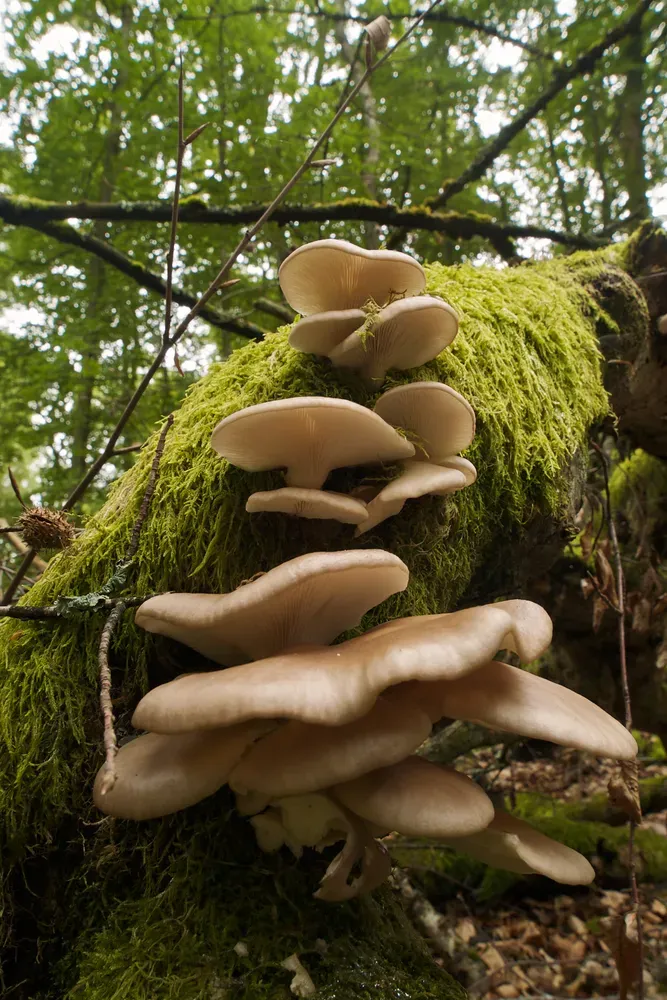
The fruit bodies grow in clusters that look like roof tiles or "bouquets". Prized in the kitchen for their tender texture and mild flavor. Easy to grow at home on straw or wood shavings.
Edible without restrictions. Widely used in Asian, Slavic and French cuisine: for frying, stewing, soups.
Cap
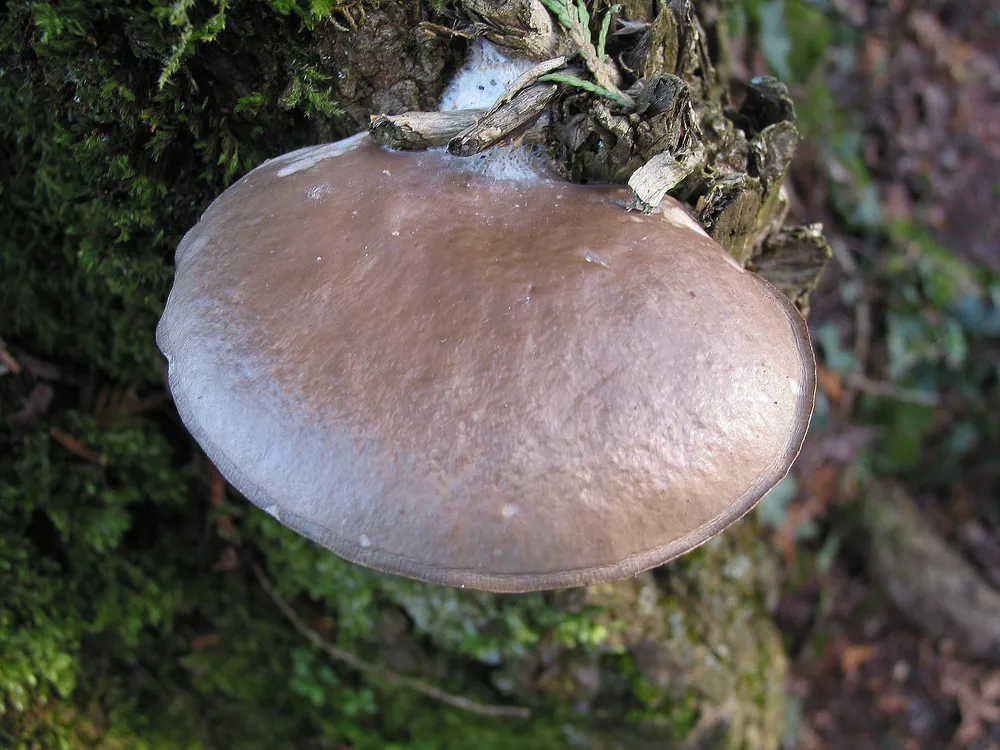
Cap 5–25 cm across, rounded or ear-shaped in young mushrooms, then fan-shaped or oyster-shaped (hence the English name oyster mushroom). Surface smooth, moist, from dark gray or gray-blue in young ones to pale gray or almost white in mature ones. Margin wavy, thin.
Hymenophore
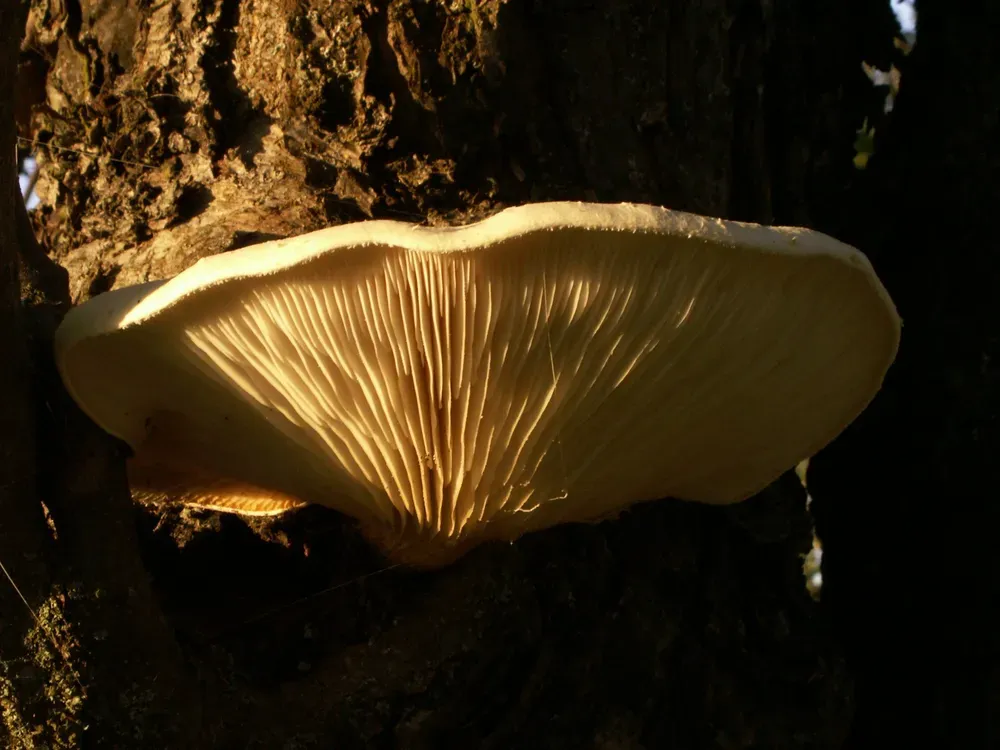
Gills crowded, whitish or cream, running from the cap down the stem. In young mushrooms the gills are tightly packed; in old ones they spread apart. Spore print white or pale lilac.
Stem
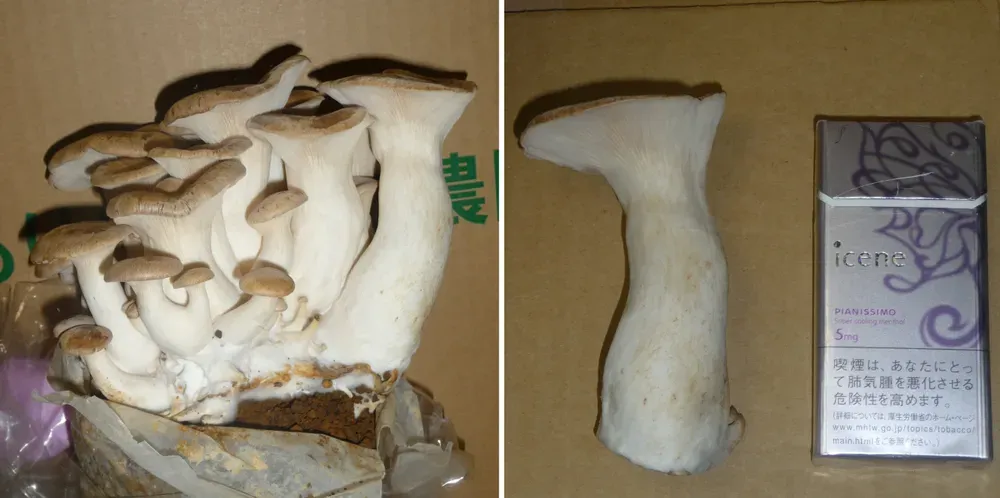
Stem 1–5 cm tall (or almost absent in side-attached mushrooms), 1–2.5 cm thick, firm, off-center or lateral, white or slightly gray. No ring and no volva.
Flesh
Flesh white, firm in young mushrooms, more fibrous and tough in mature ones — especially in the stem. Taste mild, slightly anise-like. Soaks up flavors well during cooking.
Smell
Smell pleasant, anise-mushroomy, subtle. Fresh oyster mushrooms smell soft and unobtrusive. When fried, the aroma becomes stronger and closer to the classic mushroom smell.
Lookalikes
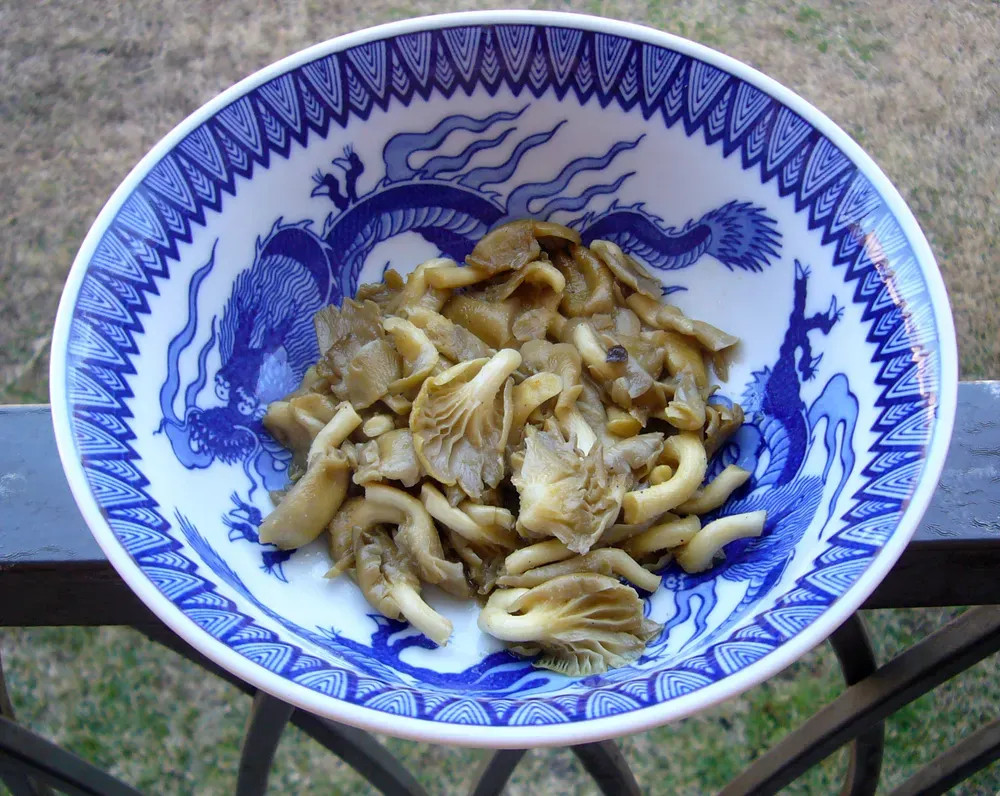
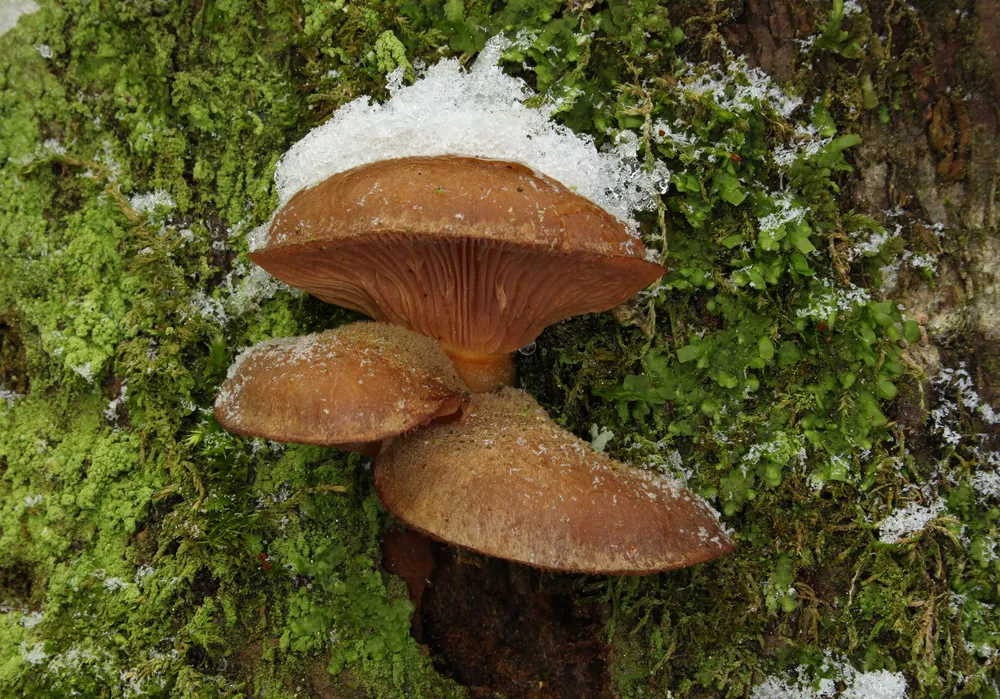
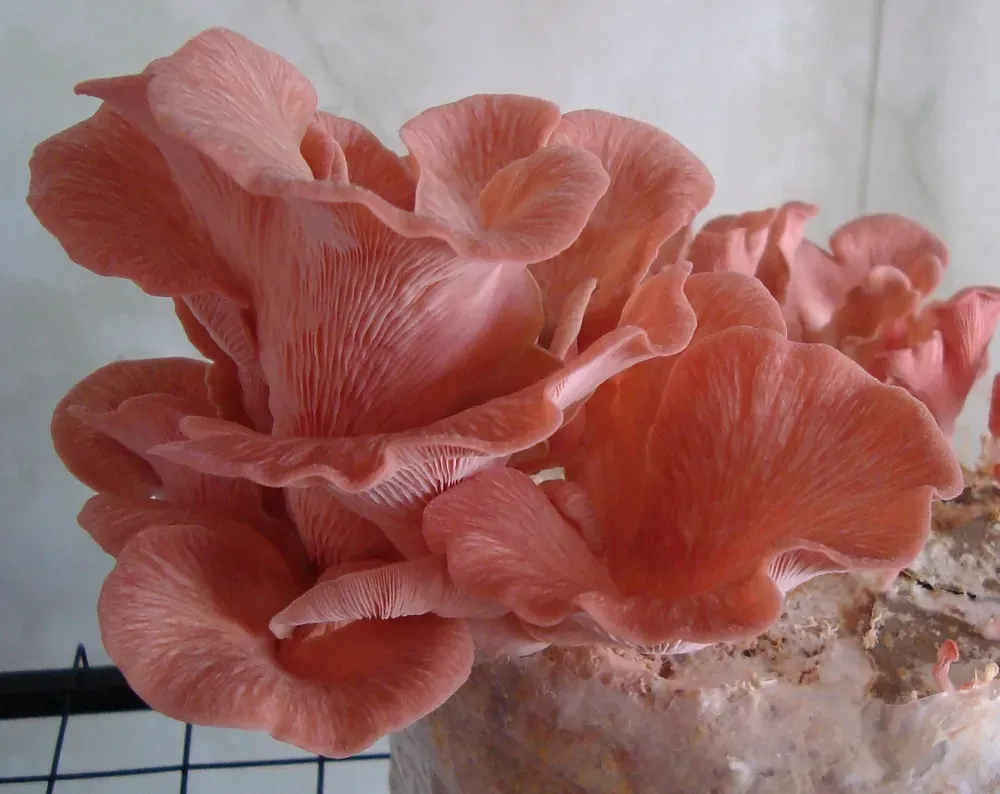
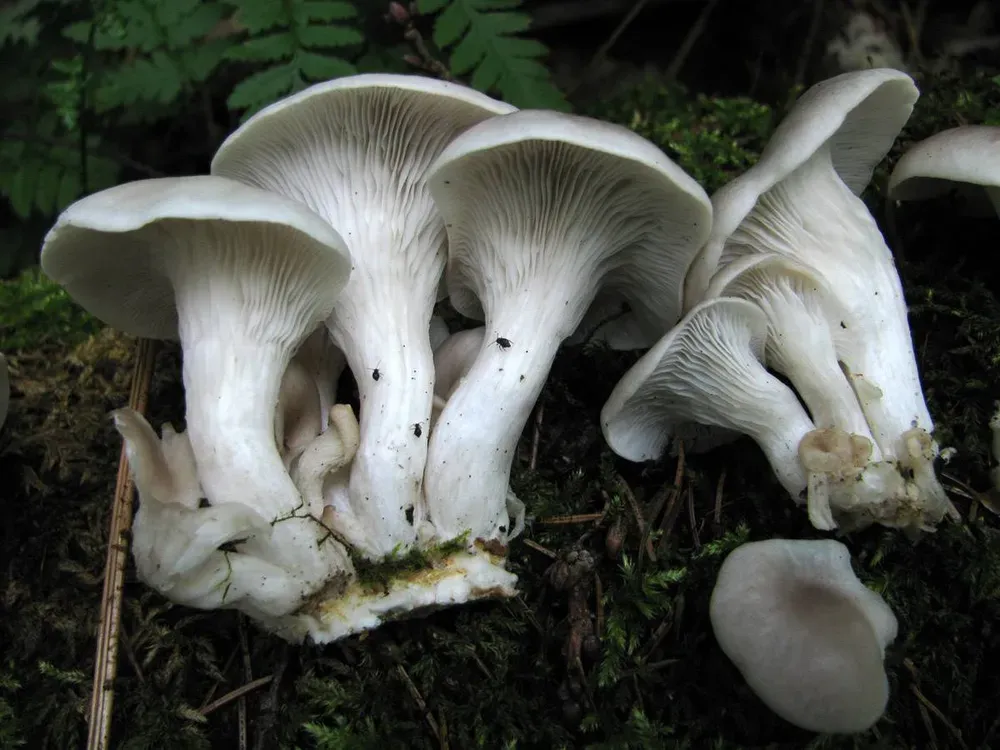
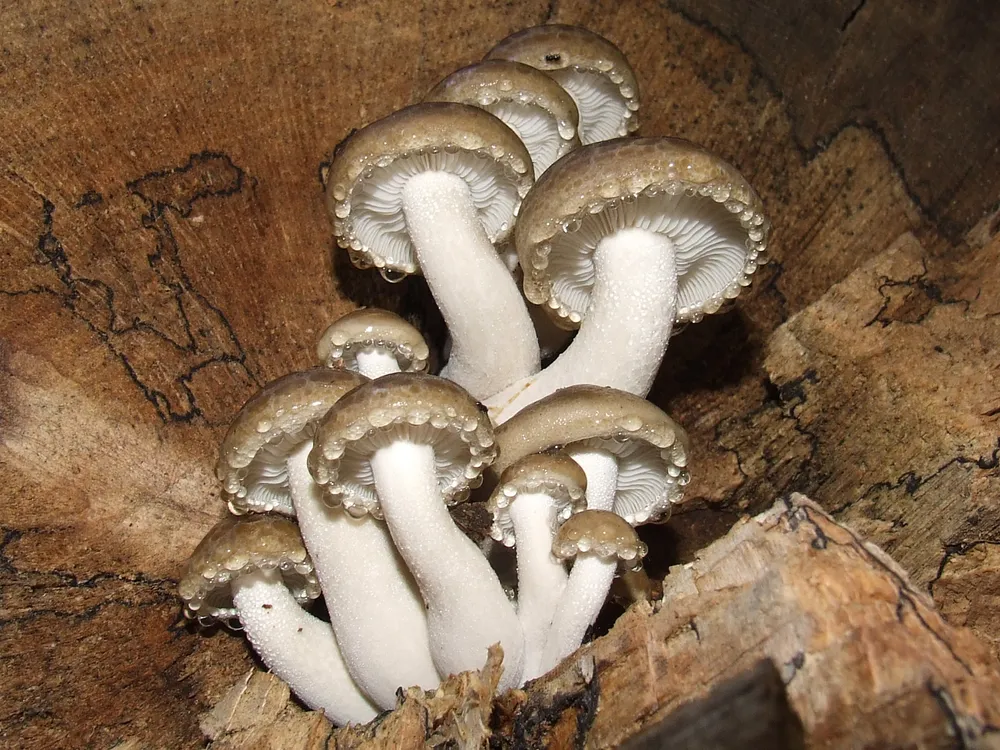
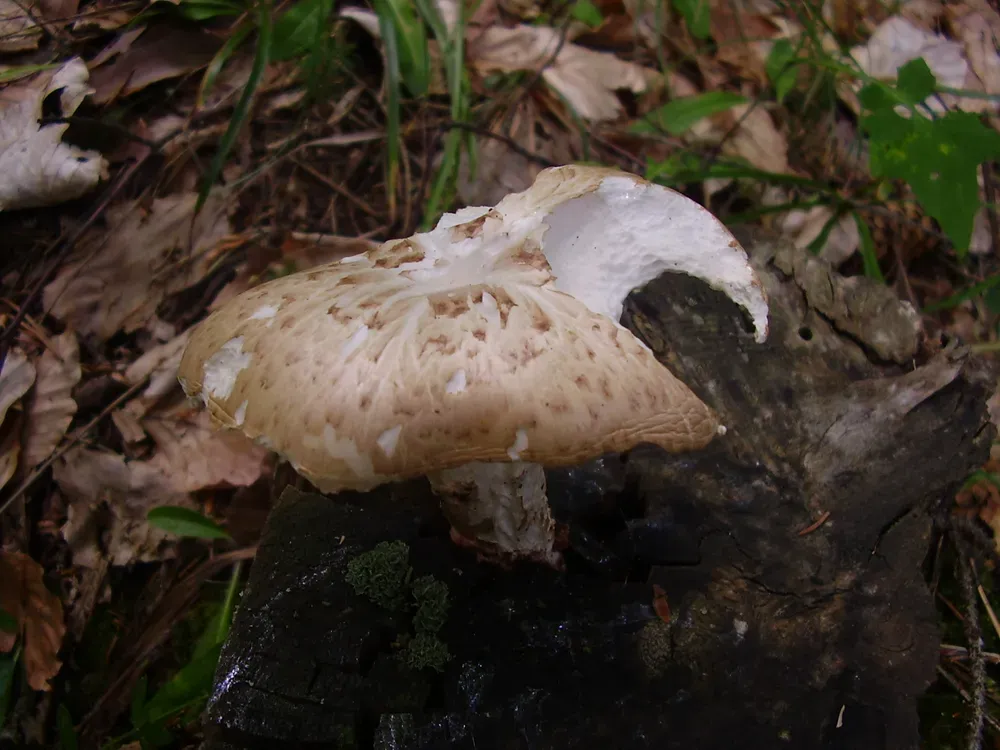
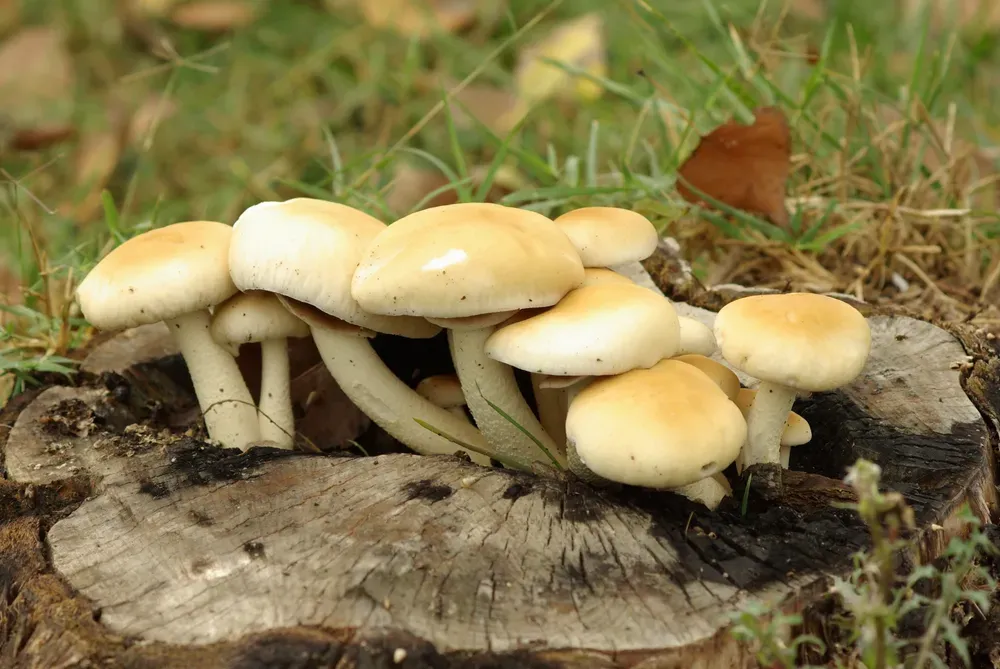
Related species
Mushrooms of the same genus and habitat — to study side by side and never mix up.
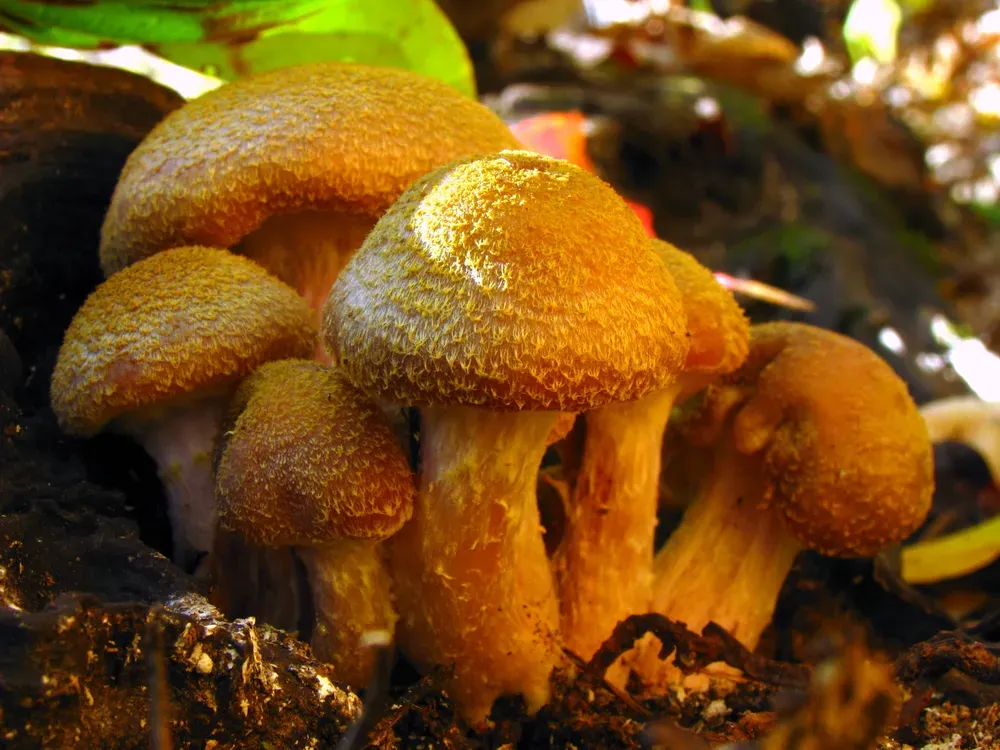
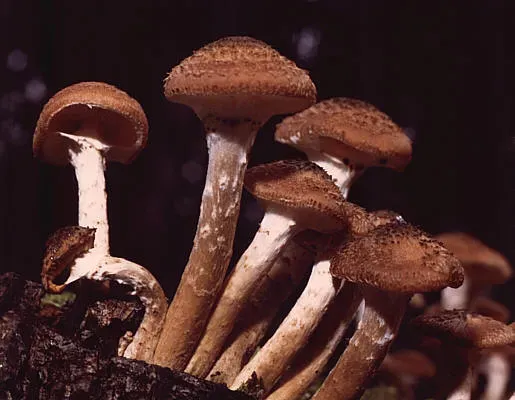
Bulbous honey fungus
Armillaria gallica
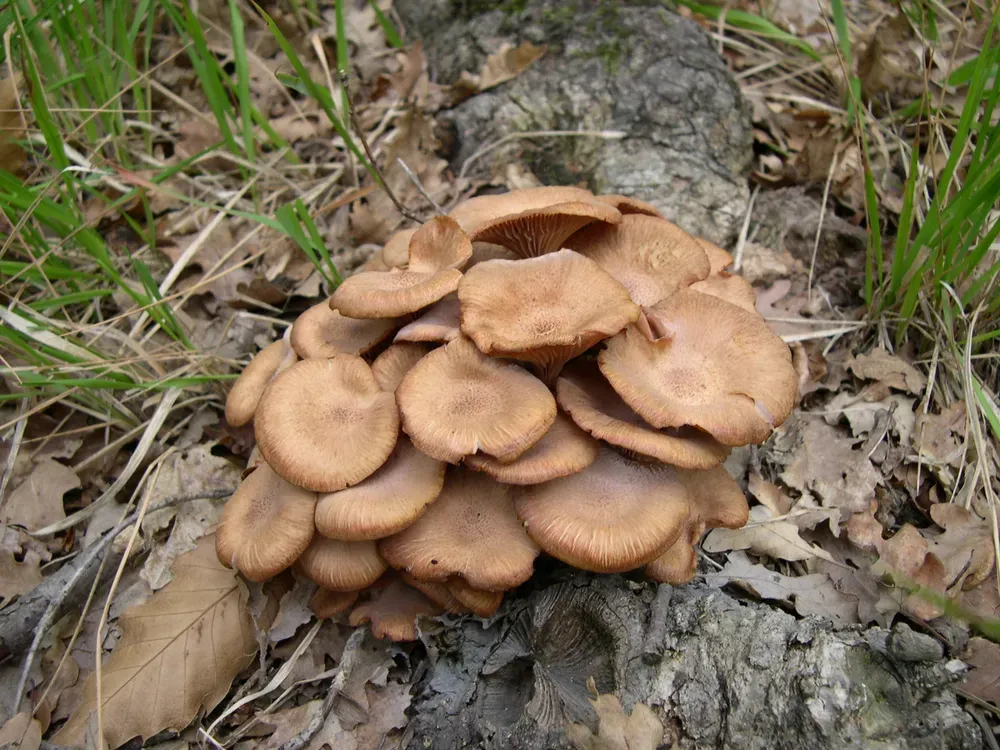
Dark honey fungus
Armillaria ostoyae
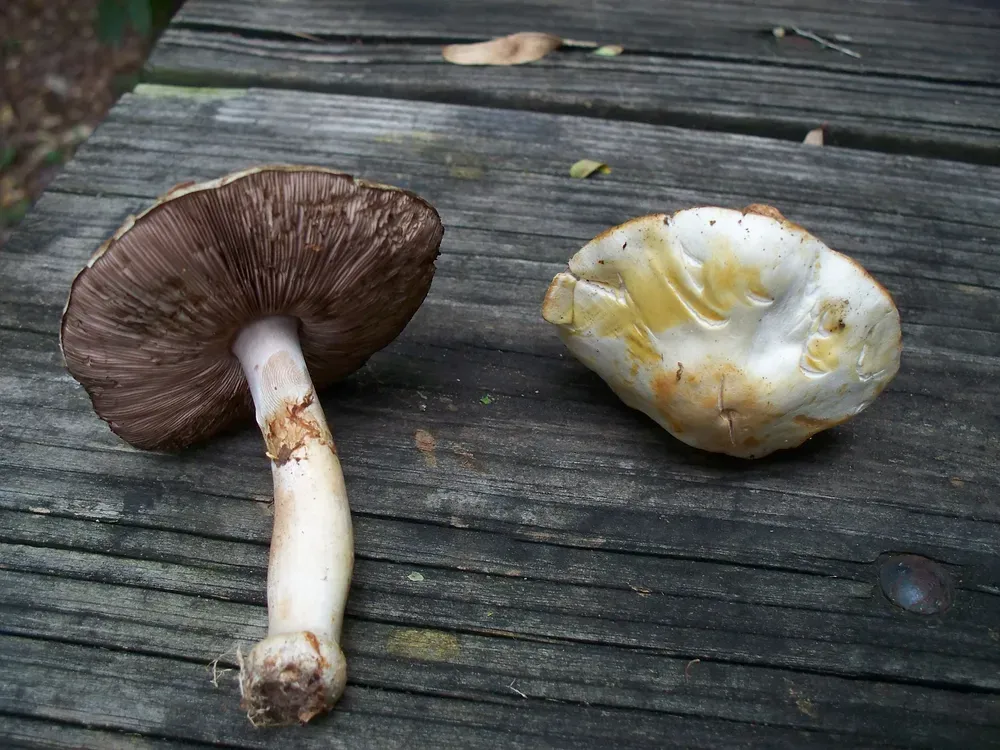
Ringless honey fungus
Desarmillaria tabescens
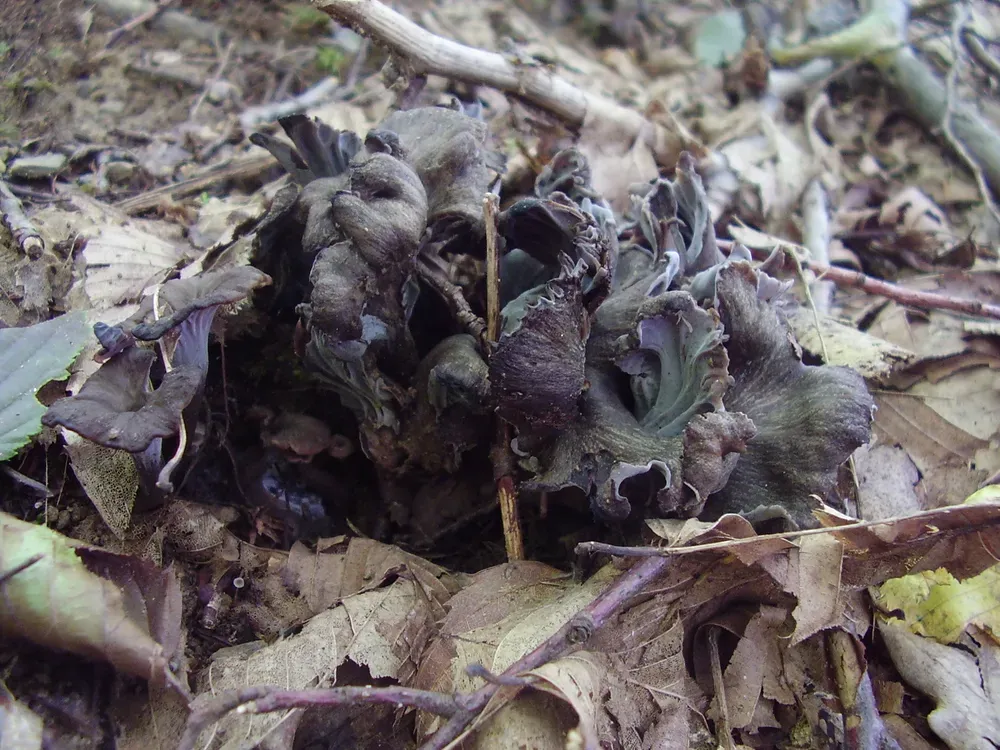
Agaricus abruptibulbus
Agaricus haemorrhoidarius
Agaricus haemorroidarius
Ashen chanterelle
Cantharellus cinereus
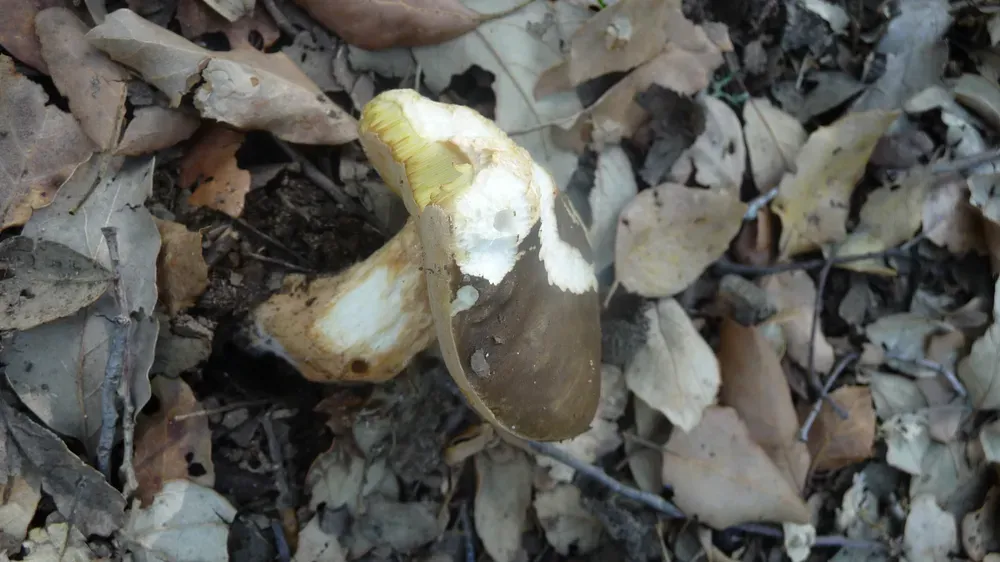
Blushing bolete
Leccinum roseofractum
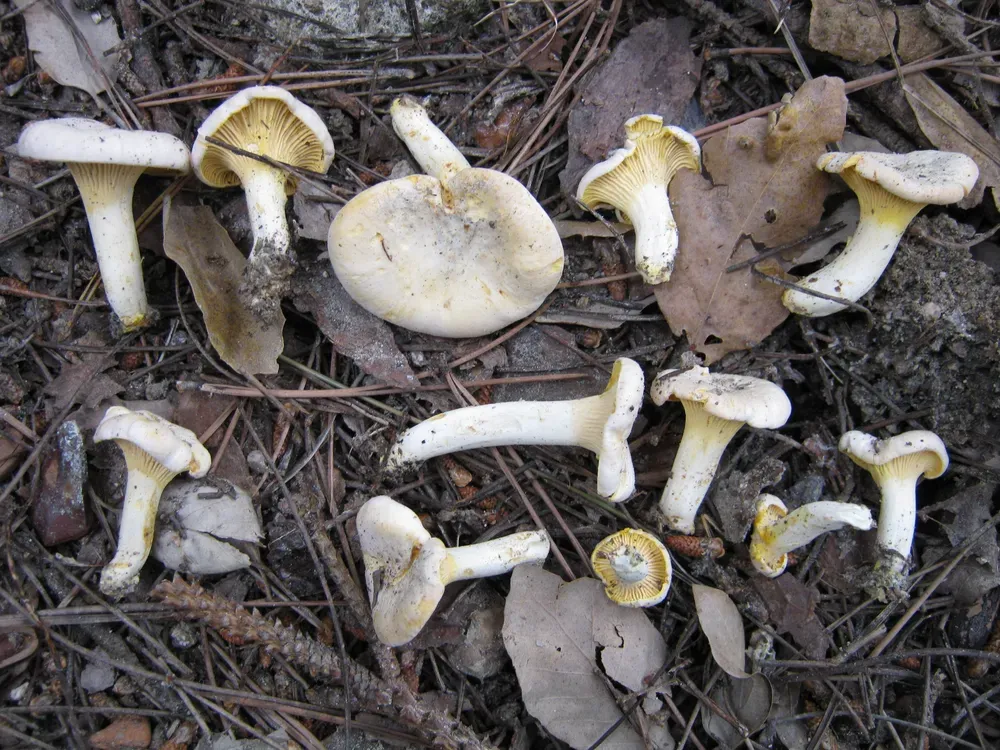
Cantharellus pallens
Related reading
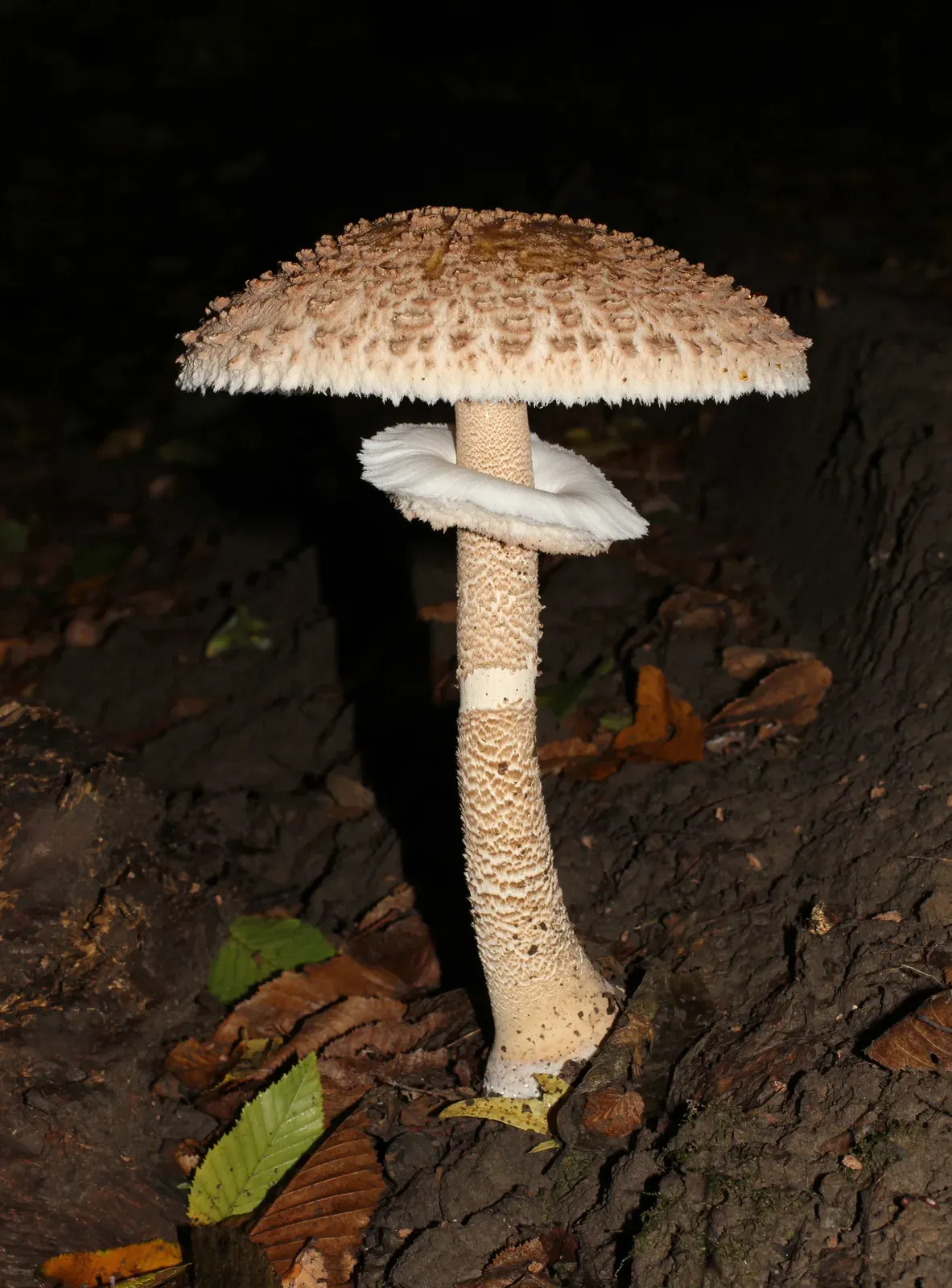 How to identify
Mushrooms for beginners: 7 safe species to start with
The best way to start foraging is to learn a few species that have no deadly lookalikes. We've gathered seven…
August 19, 2026·3 min._Paddenstoel_op_els_03.webp) Where & when to forage
Where & when to forageOyster mushroom, the one that grows even in winter
The oyster mushroom grows on trees in clusters and isn't afraid of the cold. Here's what it looks like, where…
June 11, 2026·3 min.webp) Safety
SafetyBrown roll-rim: why a once-edible mushroom is now considered poisonous
Brown rollrim used to be salted by the bucketful, and now it's on the list of poisonous mushrooms. Here's what…
June 7, 2026·3 min
Frequently asked questions
Is Oyster mushroom edible or poisonous?
Does Oyster mushroom have gills or pores?
What does the cap of Oyster mushroom look like?
What does the stem of Oyster mushroom look like?
What do Oyster mushroom smell and taste like?
Where does Oyster mushroom grow?
Which trees does Oyster mushroom grow under?
When should you pick Oyster mushroom?
What can Oyster mushroom be confused with?
How do you cook Oyster mushroom?
Can you dry Oyster mushroom?
What is the scientific name of Oyster mushroom?
Sources
- [1]Атлас грибів України, Зеров Д.К. (1979)
- [2]GBIF