THIS DATA HAS NOT BEEN VERIFIED BY AN EXPERT. Use at your own risk.
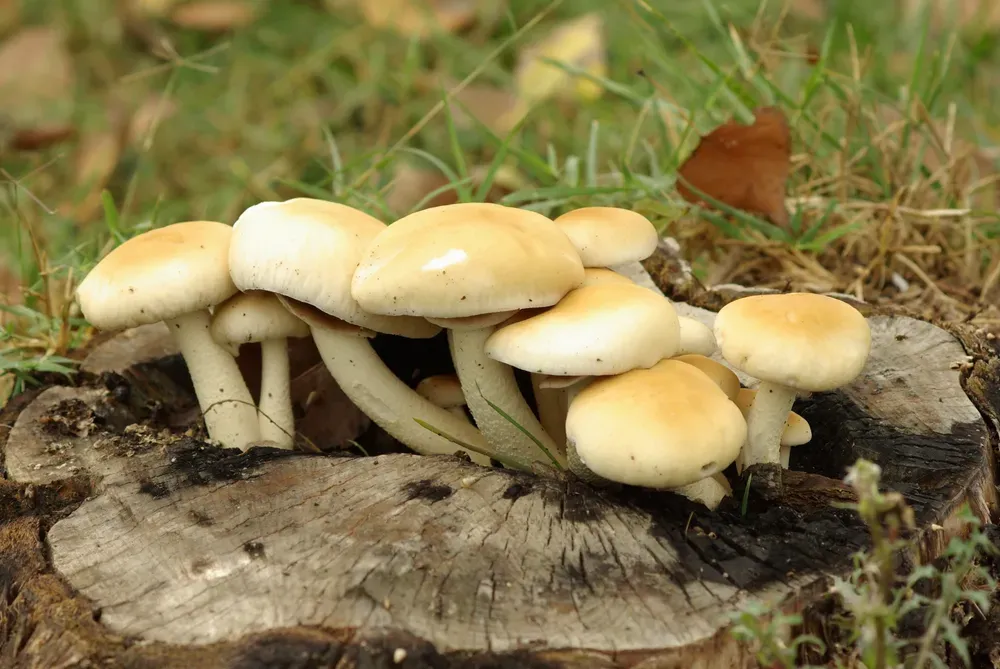
Poplar fieldcapCyclocybe aegerita
Under reviewUpdated October 3, 2026
Passport
- Edibility
- Edible
- Season
- Apr — Oct
- Hymenophore
- Gilled
- Cap color
- Brown
- Size
- Medium (5–15 cm)
- Smell
- Pleasant
- Reviewed
- Under review
Quick answers
Where to look?
Deciduous forest, Mixed forest
When does it appear?
Apr — Oct
Active months: April, May, June, July, August, September, October.
How to recognize it? Three signs
- Cap color: Brown, Cream, White
- Cap shape: Convex, Flat
- Smell: Pleasant
Fruiting season
April – October
Description
The poplar fieldcap, known to science as Cyclocybe aegerita (formerly Agrocybe aegerita or cylindracea), is a tasty wood-dwelling mushroom that, despite its Ukrainian name calling it a kind of honey fungus, is not a true honey fungus — it only looks like one. Italians call it pioppino and have been growing it for over two thousand years. It is a saprotroph that settles in clusters on the trunks, stumps and fallen wood of broadleaf trees — most often poplar (hence the name), but also willow, elder and elm — breaking down the wood.
In Ukraine, the poplar fieldcap is found in broadleaf forests, floodplains, parks and shelterbelts where poplars and willows grow, preferring the warmer southern regions. Its fruiting season is long — from spring to autumn, April through October, often in two flushes, in spring and in autumn. It appears in tight clusters on living and dead trunks.
The poplar fieldcap is a good, highly valued edible mushroom with a pleasant nutty, mushroomy taste and firm flesh. Young caps are the tastiest; the tough stems are usually discarded. You can fry it, stew it, or add it to pasta, risotto and soups, and it is also successfully cultivated on sawdust and straw, so it's easy to grow at home. Thanks to its firm flesh, it holds its shape well when cooked.
Cap
The cap of the poplar fieldcap is 4 to 10, occasionally up to 15 centimeters across. When young it is hemispherical; with age it opens to convex and flat, often with fine radial cracks across the surface in dry weather. The surface is smooth, dry and matte. The color is dark brown or chestnut at first, fading with age and from center to edge to light ochre, cream or nearly white; the center is usually darker.
Hymenophore
The spore-bearing surface is made of gills. The gills are attached to the stem and fairly crowded, whitish or pale gray at first, turning tobacco-brown, rusty-brown from the spores as they mature. The spore print is tobacco-brown. Pale gills that brown with age, together with the ring on the stem, help you recognize this species.
Stem
The stem is cylindrical, fairly long and firm, 5 to 12 centimeters tall, white or cream, often browning toward the base. Near the top there is a persistent white membranous ring — a remnant of the veil — on which brown spore dust often settles. Several stems fuse together in a cluster at the base. There is no volva. The stem flesh is tougher than the cap, so mostly the caps are eaten.
Flesh
The flesh is white, firm and springy — fleshy in the cap and fibrous-tough in the stem. It does not change color when cut. The taste is pleasant, nutty and mushroomy, sometimes with a light winey note. Thanks to its firmness, the flesh holds its shape when cooked and doesn't turn mushy, which is why the mushroom is so valued in the kitchen.
Smell
The smell is pleasant and mushroomy, with a distinctive winey-mealy or cedar-like note. The aroma is quite pronounced and helps you recognize the mushroom, along with its clustered growth on poplar, pale cap and white ring on the stem.
›Scientific synonyms (3)
Agrocybe aegerita (V. Brig.) Singer (1951), Agrocybe cylindracea (DC.) Maire, Pholiota aegerita (V. Brig.) Quél. (1872)
Lookalikes
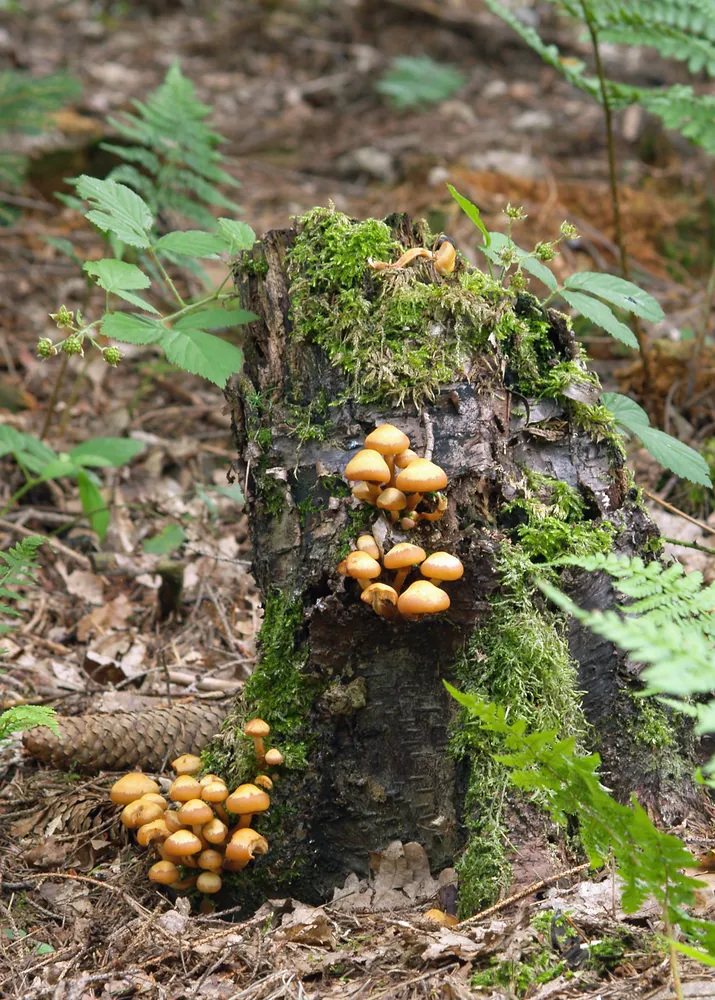
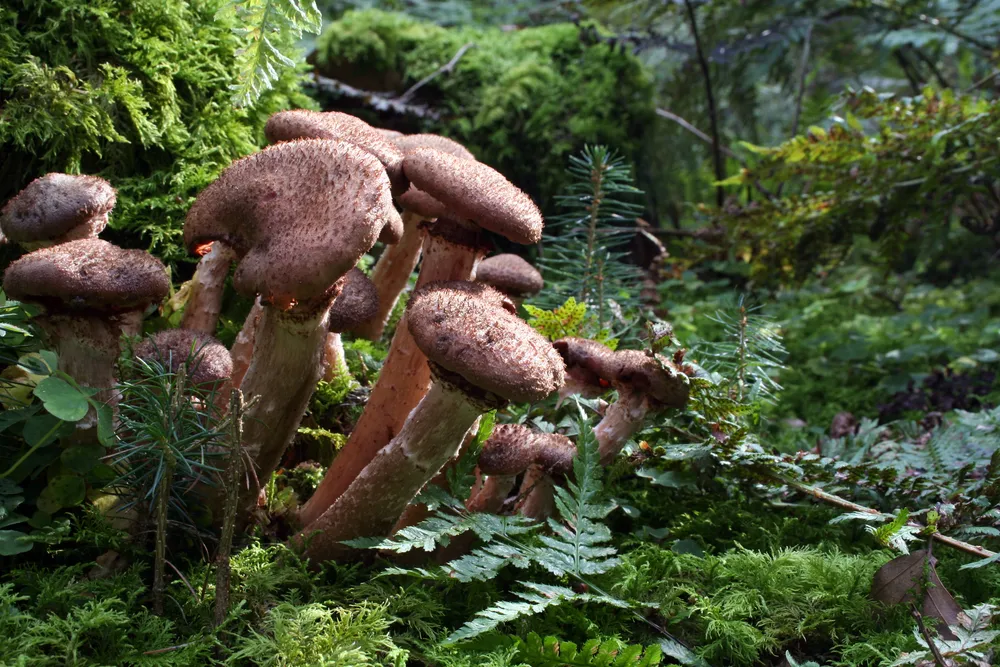
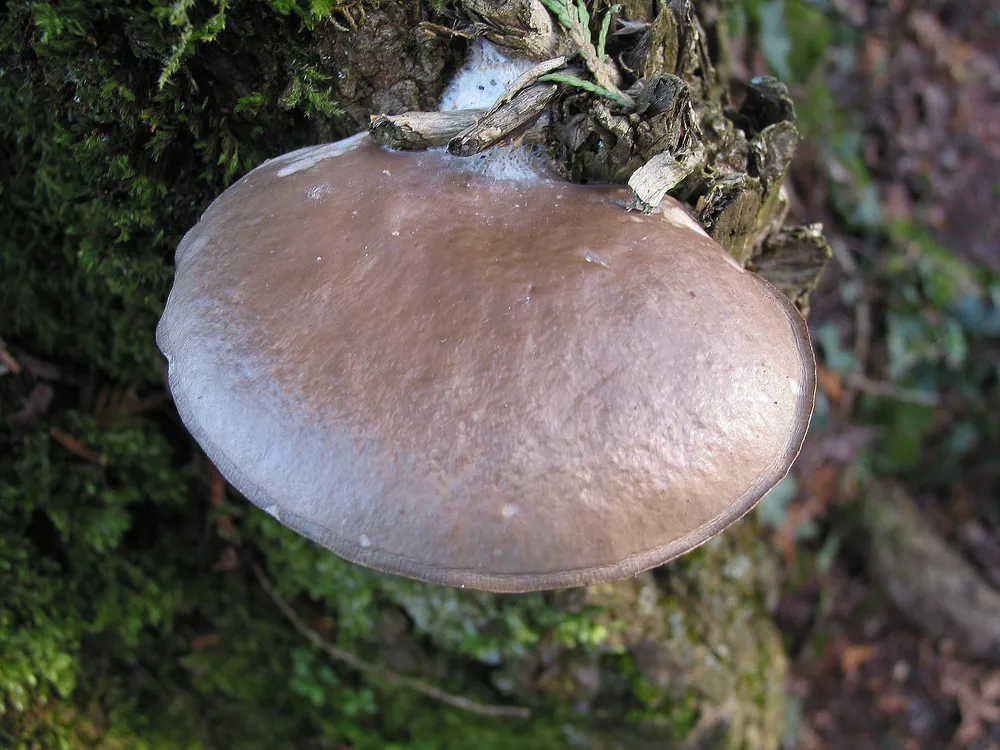
Related species
Mushrooms of the same genus and habitat — to study side by side and never mix up.
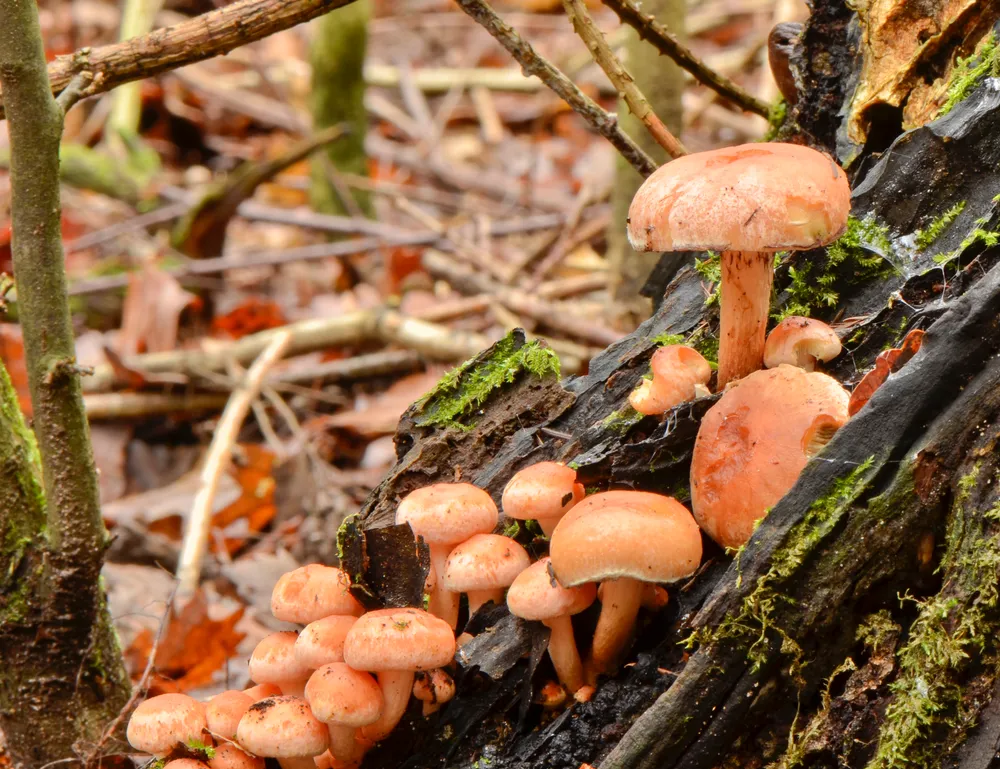
Brick tuft
Hypholoma lateritium
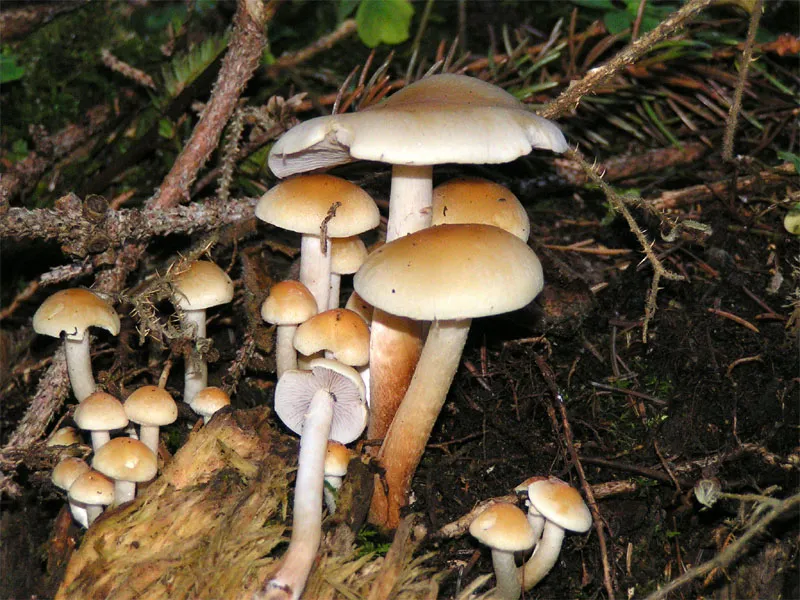
Conifer tuft
Hypholoma capnoides
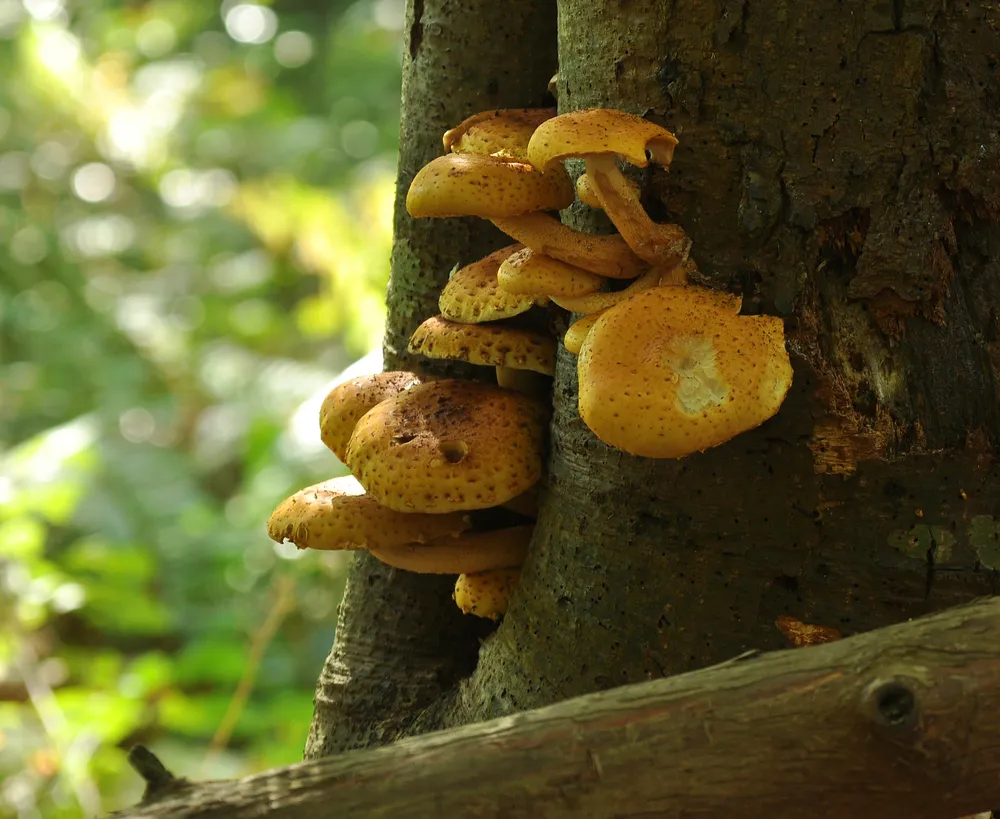
Golden scalycap
Pholiota aurivella
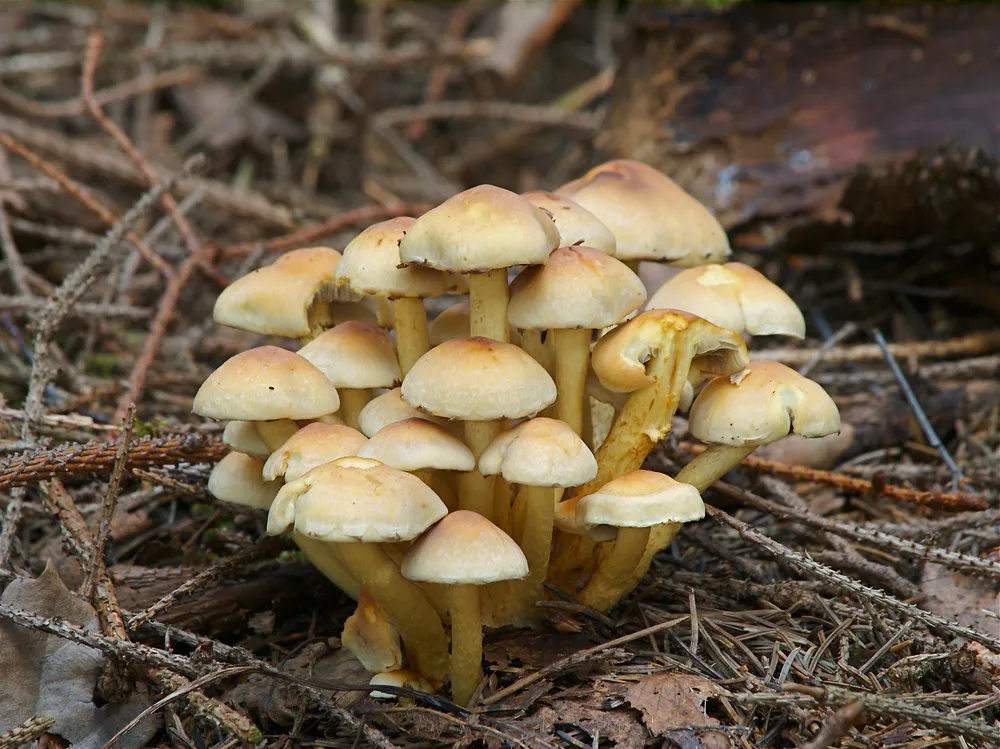
Sulphur tuft
Hypholoma fasciculare

Agrocybe arvalis
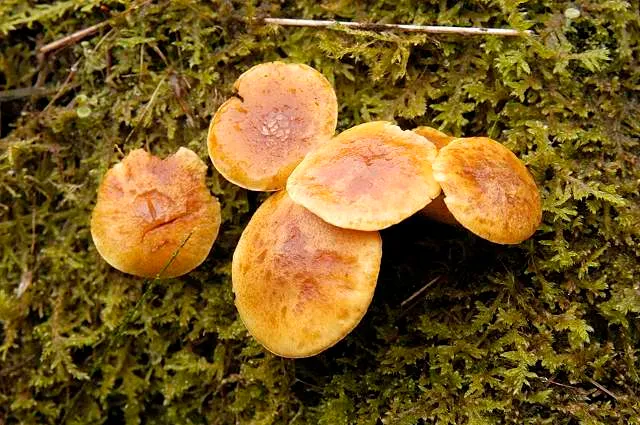
Slender pholiota
Pholiota spumosa
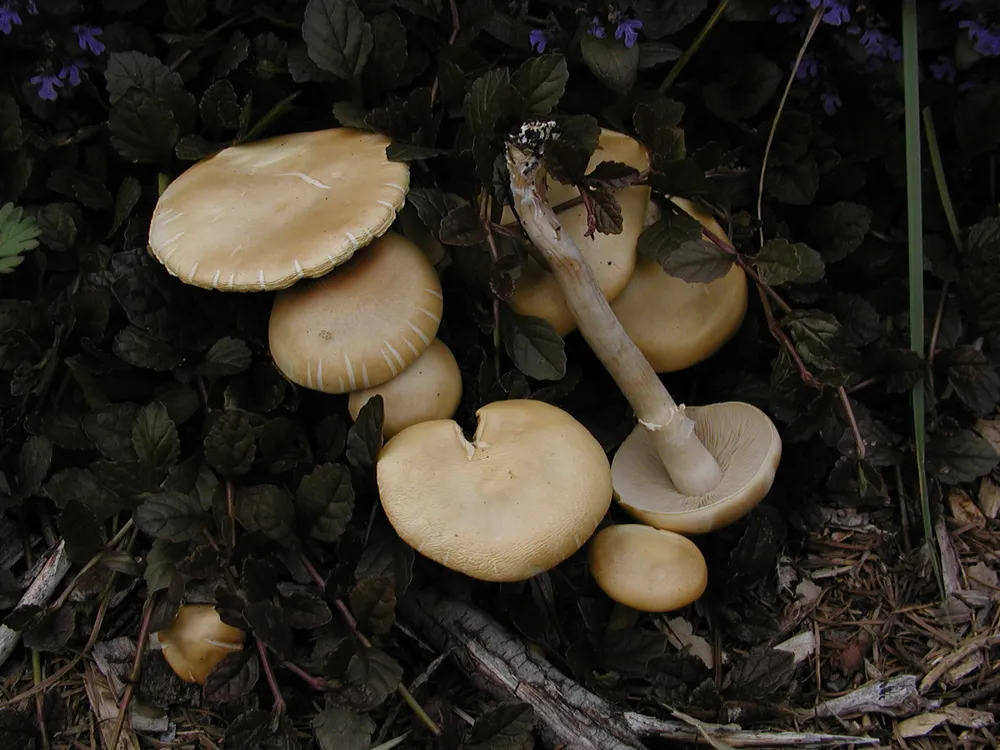
Spring fieldcap
Agrocybe praecox
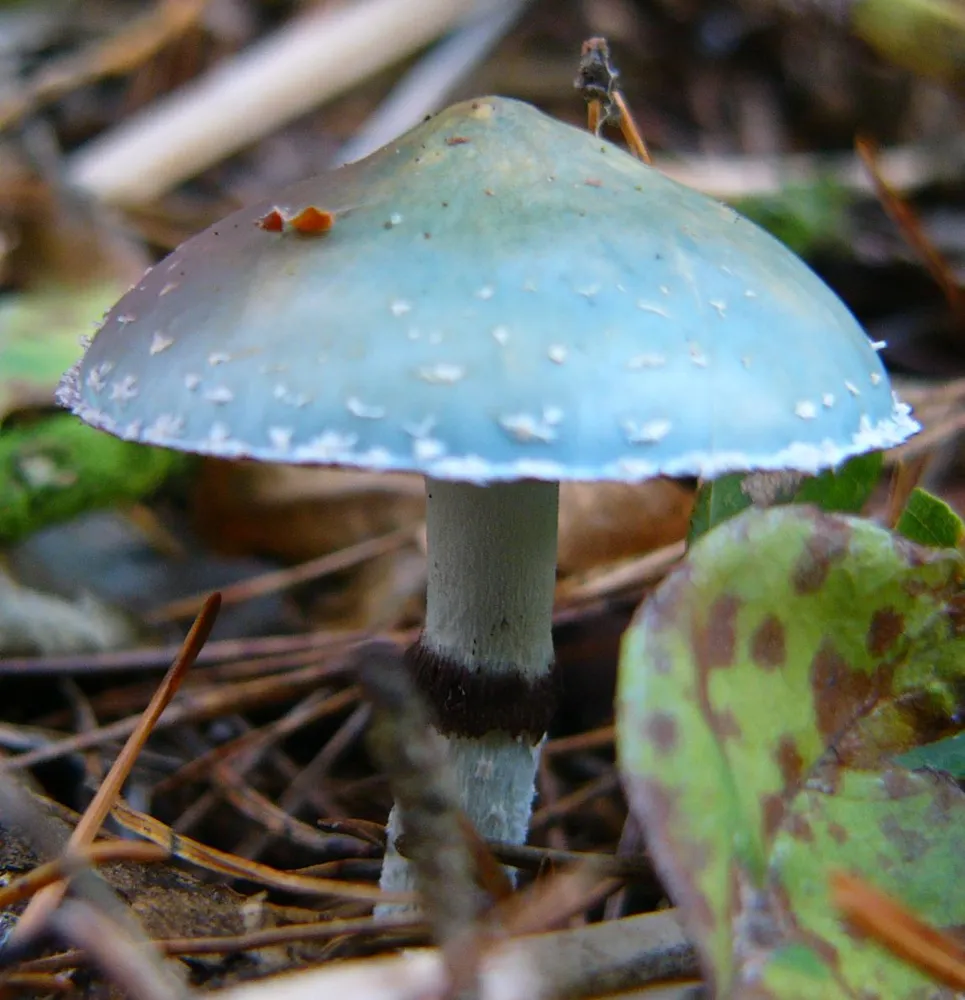
Verdigris agaric
Stropharia aeruginosa
Frequently asked questions
Is Poplar fieldcap edible or poisonous?
Does Poplar fieldcap have gills or pores?
What does the cap of Poplar fieldcap look like?
What does the stem of Poplar fieldcap look like?
What do Poplar fieldcap smell and taste like?
Where does Poplar fieldcap grow?
Which trees does Poplar fieldcap grow under?
When should you pick Poplar fieldcap?
What can Poplar fieldcap be confused with?
How do you cook Poplar fieldcap?
Can you dry Poplar fieldcap?
What is the scientific name of Poplar fieldcap?
Sources
- [1]Вікіпедія (українська)
- [2]Атлас грибів України, Зеров Д.К. (1979)
- [3]MycoBank Database
- [4]Index Fungorum
- [5]GBIF
- [6]iNaturalist Ukraine