
Agrocybe arvalis
Expert-verifiedUpdated October 3, 2026
Passport
- Edibility
- Inedible
- Season
- Jun — Oct
- Hymenophore
- Gilled
- Cap color
- Brown
- Size
- Very small (<3 cm)
- Smell
- Odorless
- Reviewed
- Yes ✓
Quick answers
When does it appear?
Jun — Oct
Active months: June, July, August, September, October.
How to recognize it? Three signs
- Cap color: Brown
- Cap shape: Convex
- Smell: Odorless
Fruiting season
June – October
Description
Agrocybe arvalis is a small, delicate mushroom from the Strophariaceae family that sticks to open places: meadows, pastures, the edges of field tracks. You won't find it in conifer or broadleaf oak woods — it likes grass, damp soil and open sky overhead.
In size and looks it's more of an inconspicuous pasture dweller than a basket-worthy find. The cap barely reaches 3 cm, on a thin, threadlike stem with a little bulb at ground level. You're most likely to spot it in the morning, when dew glistens on the carpet of grass.
In Ukraine, Agrocybe arvalis occurs mostly in Left-bank Ukraine. It has no culinary value — the mushroom is considered inedible, so walk on by and leave it to the insects.
Cap
Small, 1.5–3 cm across. Bell-shaped in young mushrooms, opening wider with age. Light brown, evenly colored, with no distinctive spots or zoning. Surface smooth and dry.
Hymenophore
Gilled hymenophore. Gills narrow, attached to the stem, pale at first, turning brownish-rusty as they mature — from the color of the spore print.
Stem
Thin and tall for such a small mushroom: 4–7 cm high but only 2–3 mm thick. Threadlike, with a noticeable bulb-like swelling at the base. No ring, no volva.
Flesh
flesh thin, brittle, without any distinct color. No characteristic changes when cut.
Smell
No distinct smell. The fresh mushroom lacks the strong notes that help you recognize other species — just an ordinary plant-like, mushroomy tone.
›Scientific synonyms (1)
Agaricus arvalis Fr.
Lookalikes
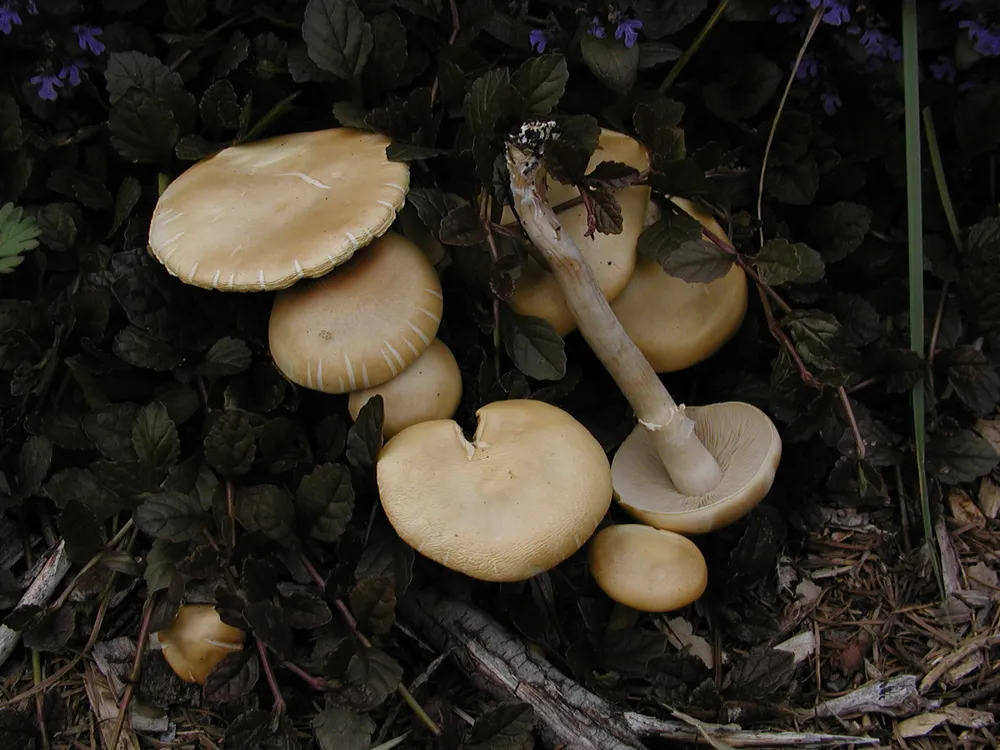
Related species
Mushrooms of the same genus and habitat — to study side by side and never mix up.
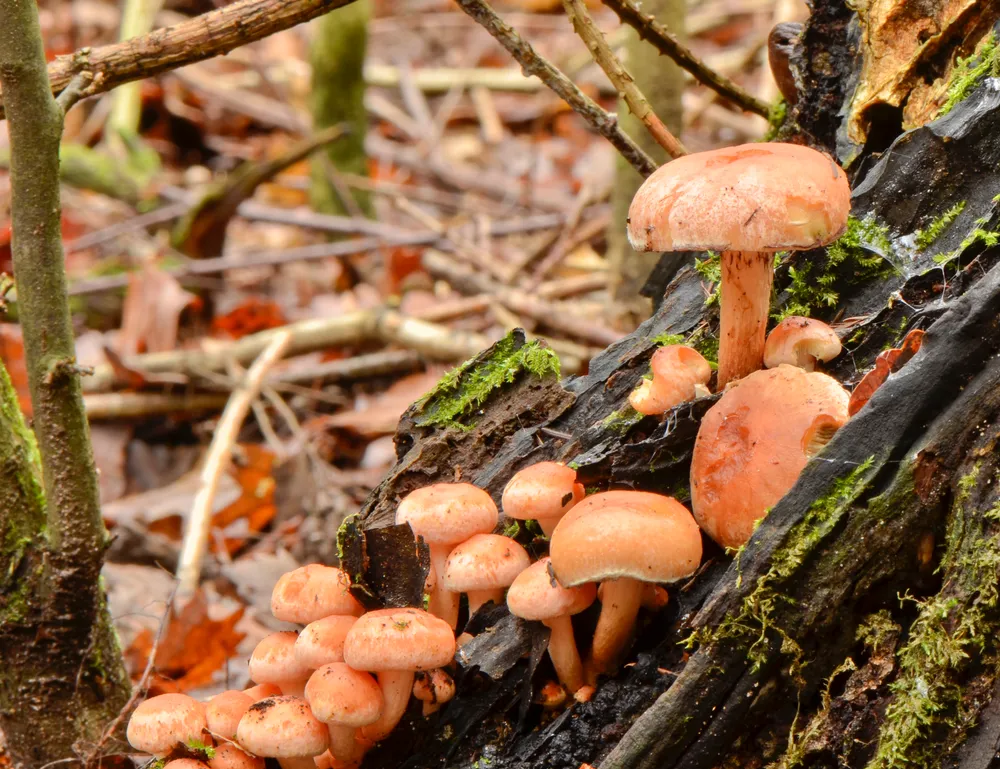
Brick tuft
Hypholoma lateritium
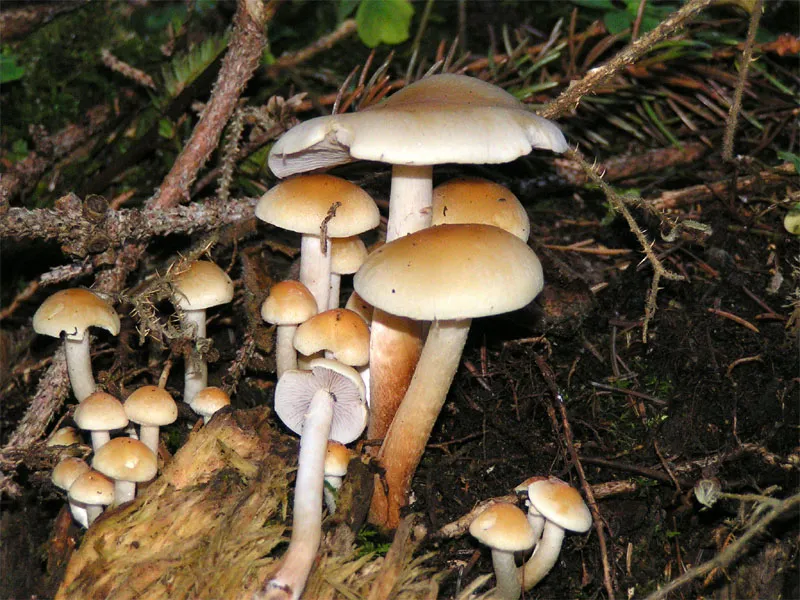
Conifer tuft
Hypholoma capnoides
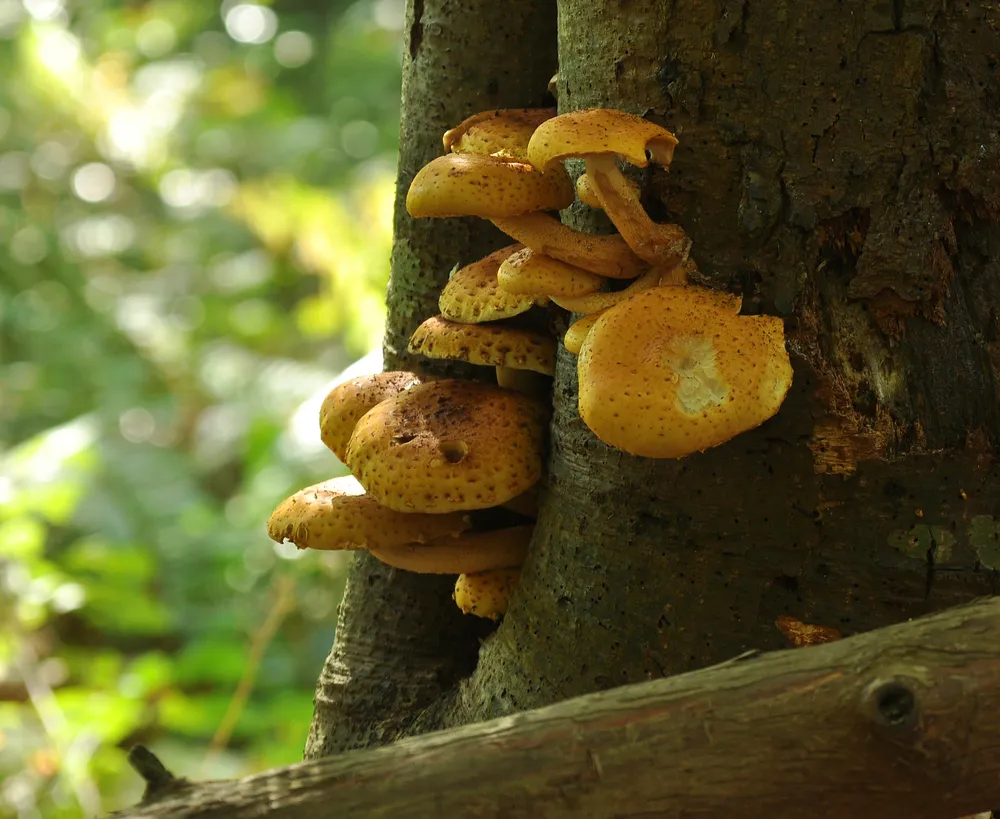
Golden scalycap
Pholiota aurivella
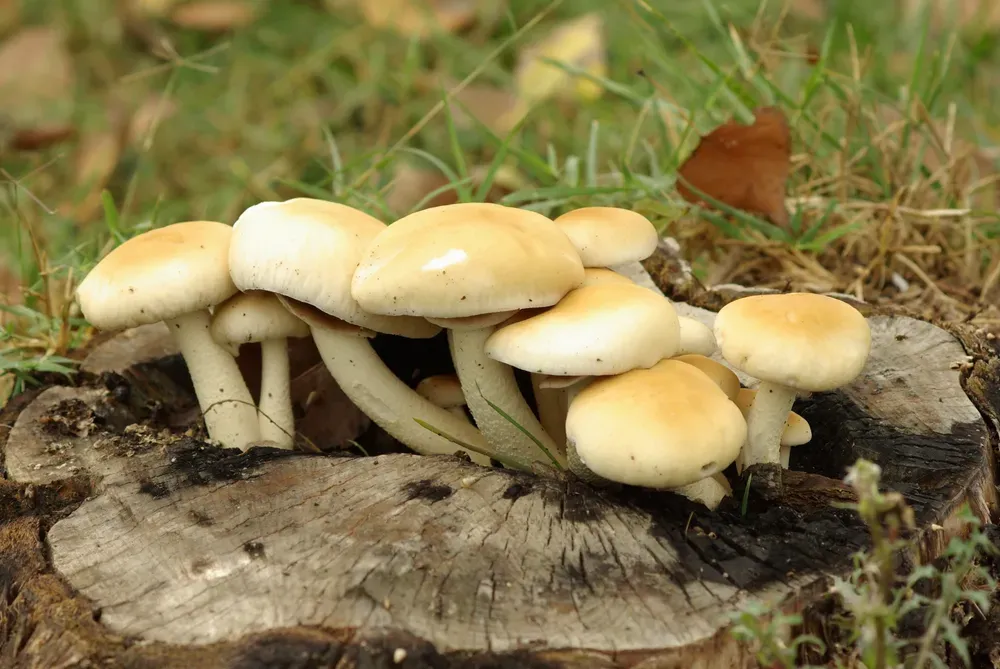
Poplar fieldcap
Cyclocybe aegerita
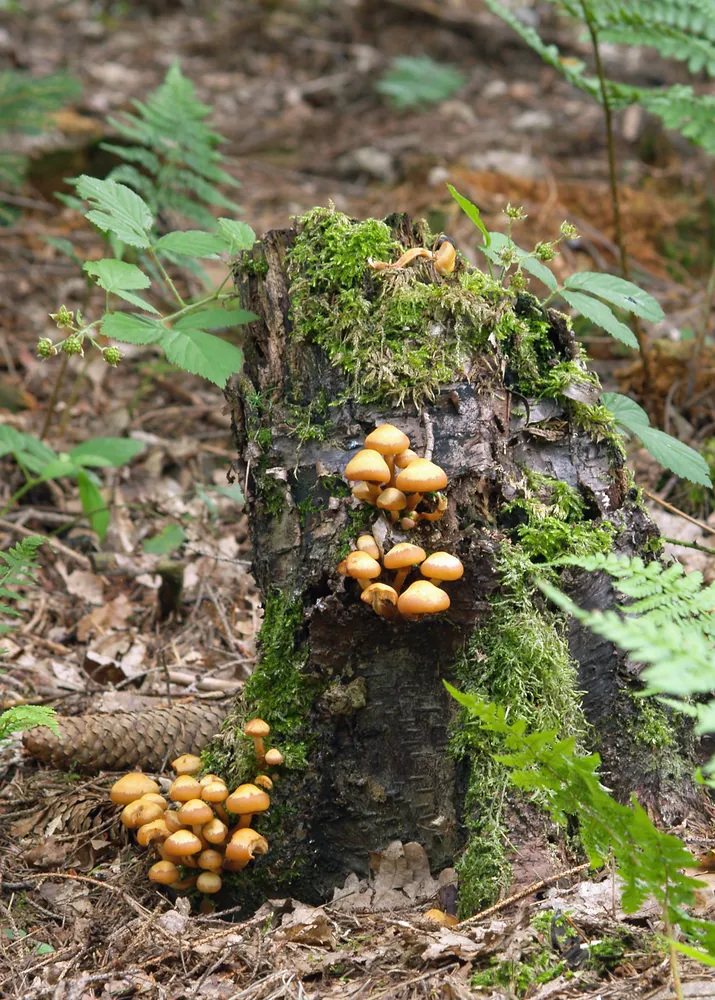
Sheathed woodtuft
Kuehneromyces mutabilis
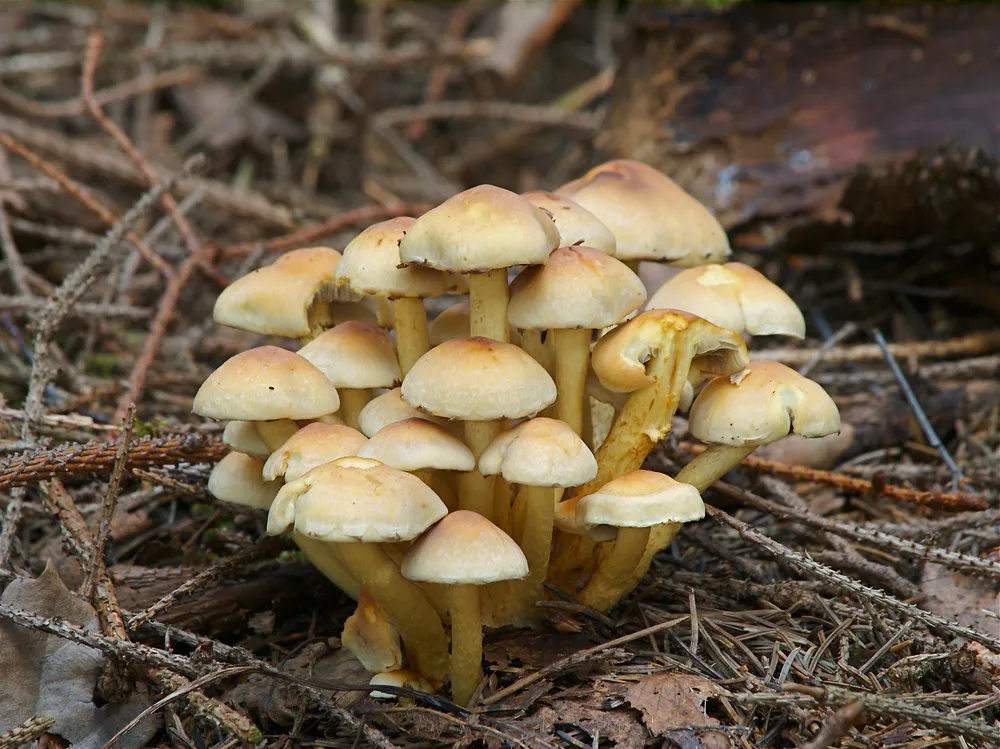
Sulphur tuft
Hypholoma fasciculare
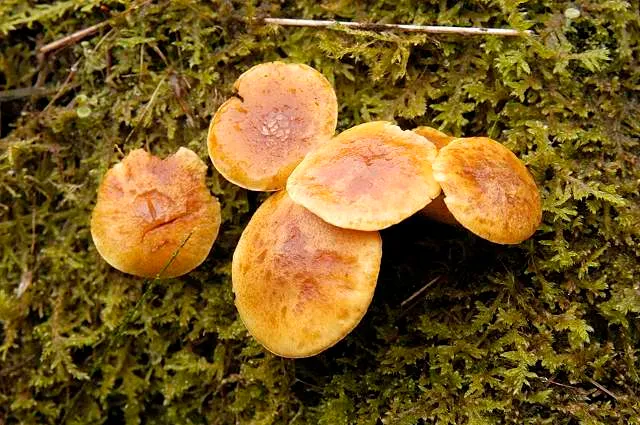
Slender pholiota
Pholiota spumosa
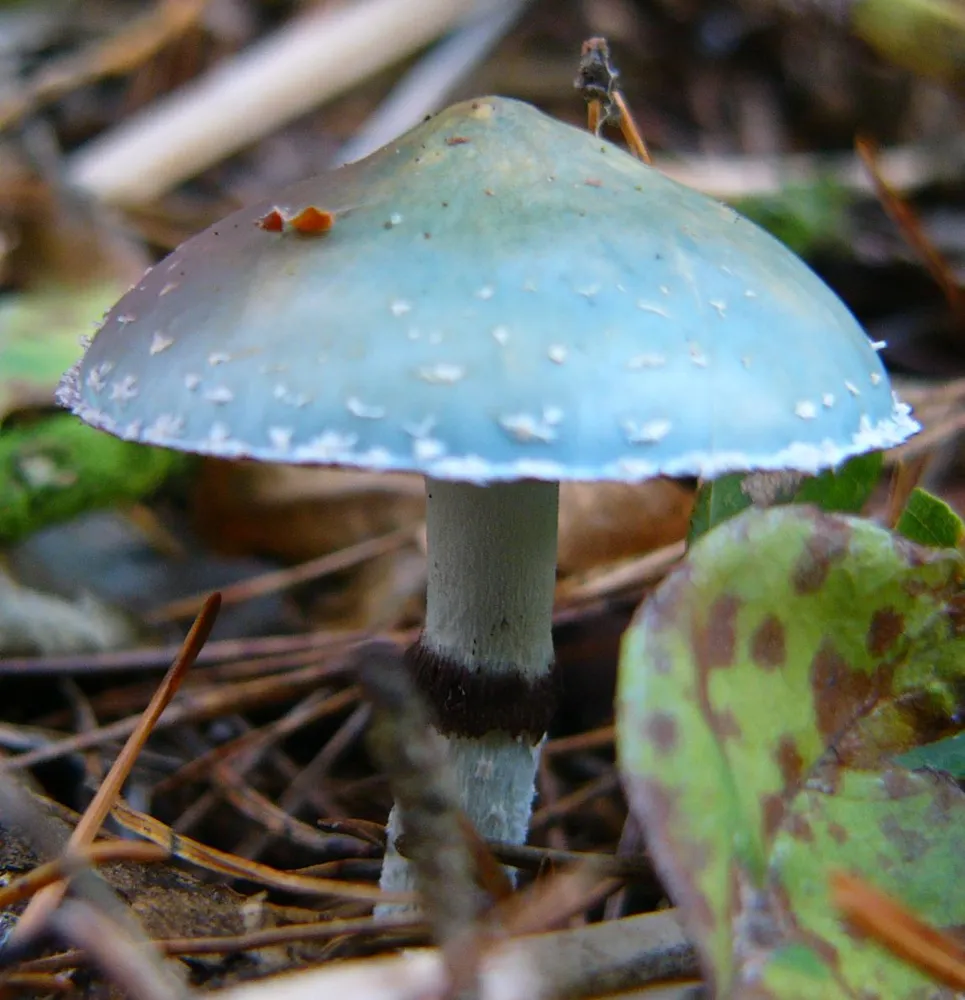
Verdigris agaric
Stropharia aeruginosa
Frequently asked questions
Can you eat Agrocybe arvalis?
No, the mushroom is considered inedible. No strongly poisonous toxins have been described in it, but it has no food value, and given its tiny size and brittle flesh it isn't worth picking at all.
Can it be confused with a dangerous mushroom?
No specific dangerous lookalikes have been described, but pastures and meadows are home to many small Strophariaceae and dung-loving mushrooms, some of them inedible. If you're a beginner, it's simpler to walk on by.
Where should you look for it?
In meadows, pastures, along the edges of field tracks, in the grass. It loves open spaces with damp soil — you won't see it in the woods.
Does it grow in Ukraine?
Yes, but mostly in Left-bank Ukraine. It isn't a common species — you won't come across it every year.
When does it appear?
The sources don't record exact months, but as is typical for its Agrocybe relatives, it's the warm half of the year, from late spring to autumn.
Is it worth hunting for?
As an edible mushroom — no. As an interesting nature find — why not, if you spot it.
What is it confused with?
Among small grassland mushrooms there are many similar members of the genus Agrocybe and related genera. Exact identification is made from the spores under a microscope.
What sets it apart from other Agrocybe species?
Small size (up to 3 cm), a threadlike stem with a little bulb at the base, and no ring — a combination typical of this particular field species.
Is Agrocybe arvalis edible or poisonous?
Does Agrocybe arvalis have gills or pores?
What does the cap of Agrocybe arvalis look like?
What does the stem of Agrocybe arvalis look like?
Sources
- [1]Вікіпедія (українська)
- [2]Атлас грибів України, Зеров Д.К. (1979)
- [3]MycoBank Database
- [4]Index Fungorum
- [5]GBIF
- [6]iNaturalist Ukraine