THIS DATA HAS NOT BEEN VERIFIED BY AN EXPERT. Use at your own risk.
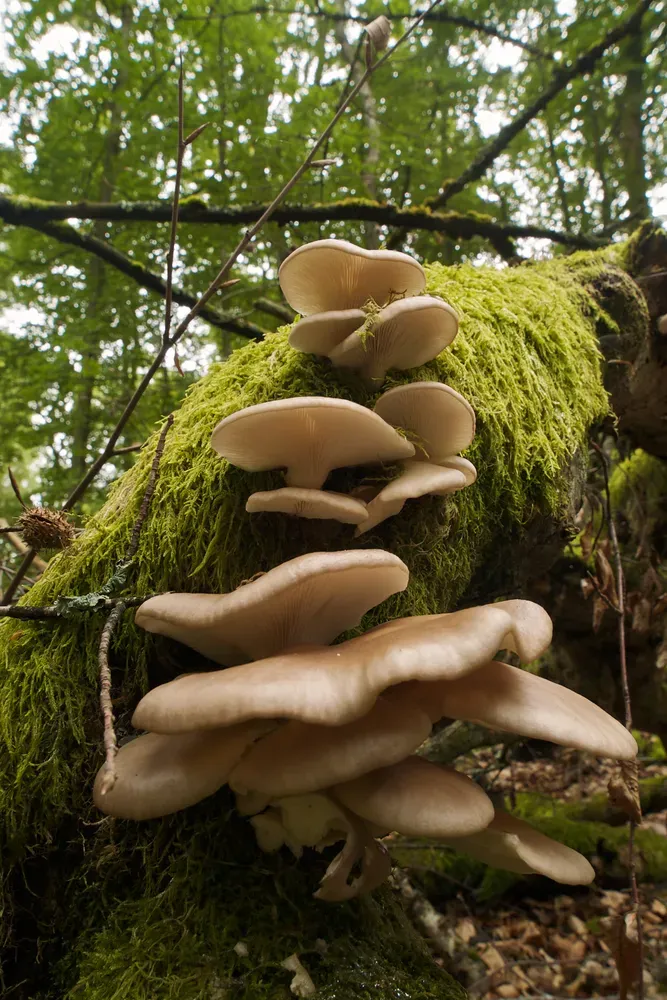
Pale oysterPleurotus pulmonarius
Under reviewUpdated October 3, 2026
Passport
- Edibility
- Edible
- Season
- May — Oct
- Hymenophore
- Gilled
- Cap color
- White
- Size
- Medium (5–15 cm)
- Smell
- Pleasant
- Reviewed
- Under review
Quick answers
Where to look?
Deciduous forest, Mixed forest
When does it appear?
May — Oct
Active months: May, June, July, August, September, October.
How to recognize it? Three signs
- Cap color: White, Cream, Grey
- Cap shape: Flat, Irregular
- Smell: Pleasant
Fruiting season
May – October
Description
The pale oyster, known to science as Pleurotus pulmonarius, is a close relative of the well-known oyster mushroom, from which it differs by its paler, almost whitish-gray coloring and its habit of fruiting mainly in the warm season. Like all oyster mushrooms, it grows in groups on wood, forming clusters of fan-shaped caps joined at the stems that stack up in tiers on trunks and stumps. It's a saprotroph and occasionally a facultative parasite: it settles on dead or weakened hardwood, breaking it down and returning nutrients to the forest cycle.
In Ukraine, the pale oyster occurs in broadleaf and mixed forests throughout the country, preferring the wood of beech, birch, aspen and other hardwoods, and less often conifers. Unlike the oyster mushroom, which fruits in late fall and winter, the pale oyster appears from late spring and throughout the warm season, from May to October, responding eagerly to summer rains.
In terms of edibility, the pale oyster is a good edible mushroom. Its tender, pale flesh has a pleasant mushroomy flavor, and it's excellent fried, stewed and in soups. Young caps are the tastiest, because with age the flesh, especially near the stem, becomes tough and fibrous. This species is easy to cultivate, so you'll often find it in stores next to the oyster mushroom.
Cap
The cap of the pale oyster reaches 4 to 8, occasionally up to 15 centimeters across. It is fan-shaped, tongue-shaped or almost semicircular, with a thin, often wavy or slightly split margin. The surface is smooth, dry and matte. The coloring is pale: whitish-gray, cream or pale ocher, often darker where it attaches to the wood; with age and in sunlight the cap turns noticeably yellow. It's this pale, almost white color that sets the species apart from the grayish-brown oyster mushroom.
Hymenophore
The underside has gills. The gills are white or cream, fairly distant and thick, running noticeably down the stem, and where there is no stem, running all the way down to where the cap attaches. The spore print is white or with a barely noticeable lilac tinge. Decurrent white gills that stay pale for a long time are a characteristic feature of oyster mushrooms.
Stem
The stem is short or almost absent, usually lateral or off-center, up to 4 centimeters long, dirty white, downy-hairy at the base. Several mushrooms often grow together at the stems in a single cluster. The stem flesh is tough, especially in mature specimens, so mostly the caps are eaten. There is no ring and no volva.
Flesh
The flesh is white, tender and juicy in young mushrooms, becoming firmer and fibrous with age, especially closer to the stem. It does not change color when cut. The taste is mild and pleasant, with no bitterness. For the table, choose young caps with tender flesh.
Smell
The smell is pleasant and mushroomy, sometimes with a barely perceptible hint of anise or flour. The aroma is fresh and not sharp, so for identification rely first of all on the pale fan-shaped cap, the decurrent white gills and growth in clusters on hardwood.
›Scientific synonyms (2)
Agaricus pulmonarius Fr., Pleurotus araneosus P. Karst.
Lookalikes
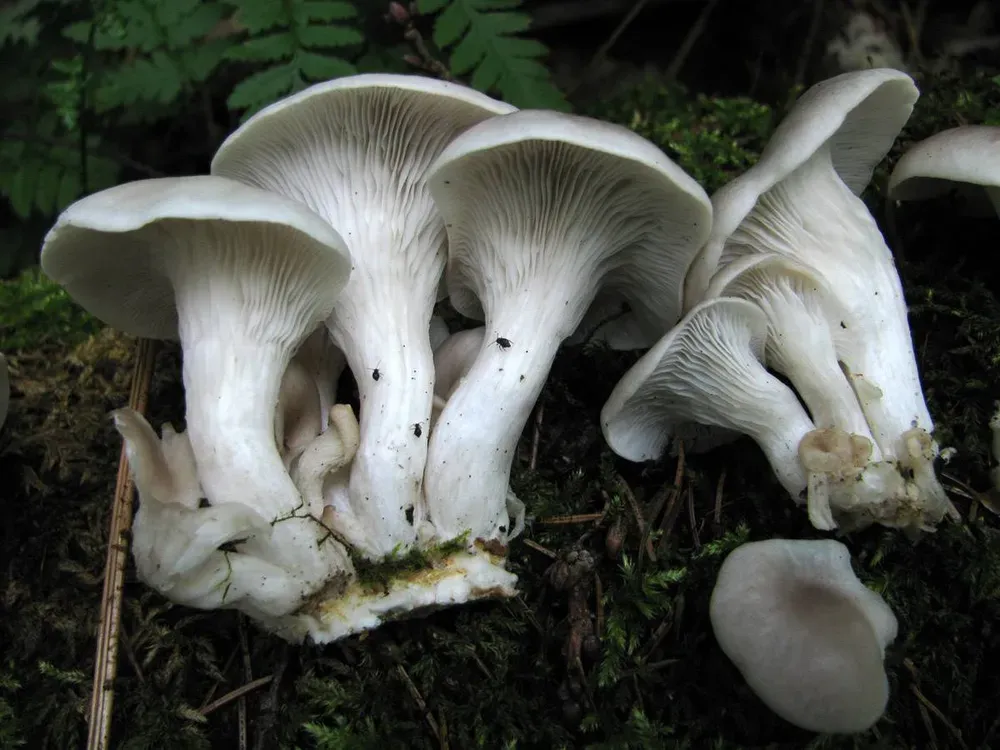
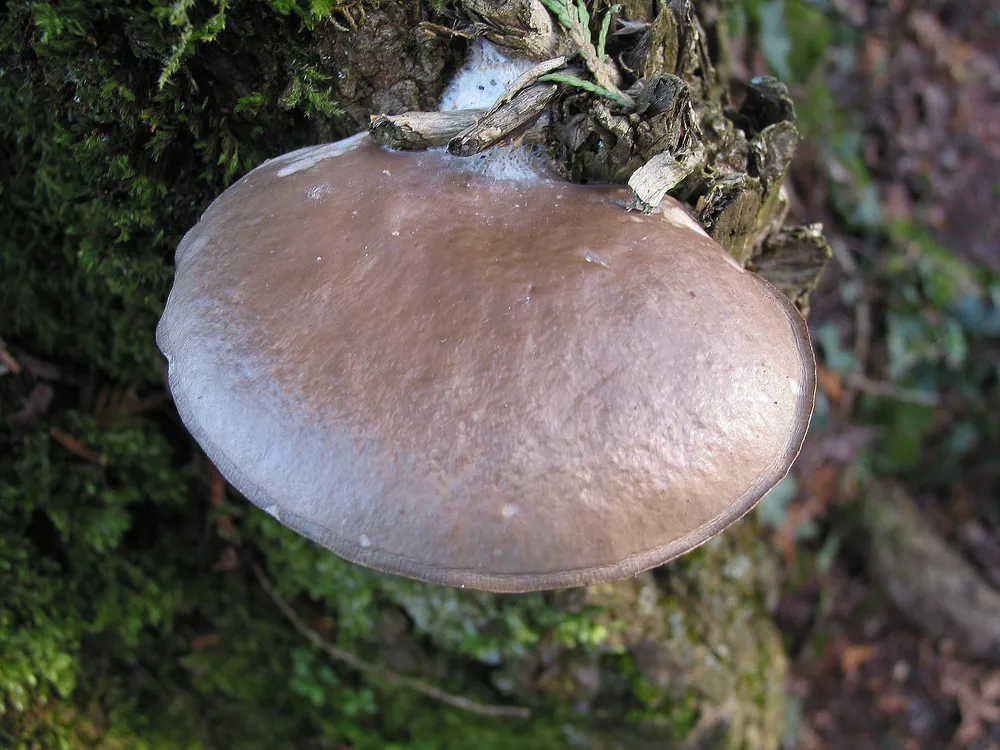
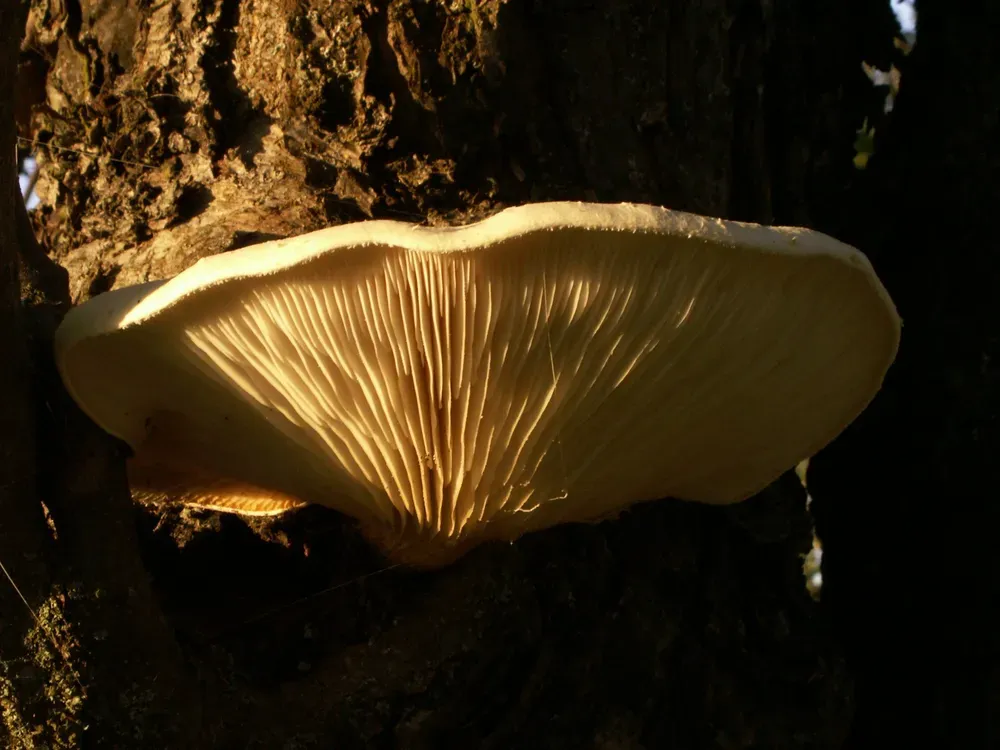
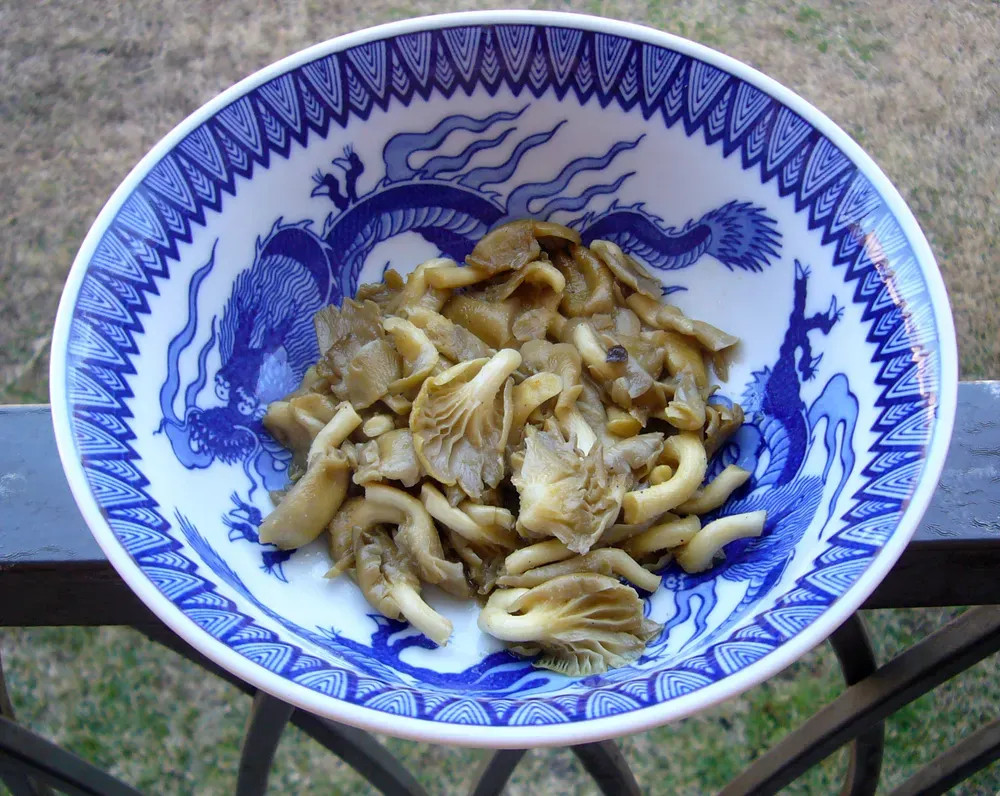
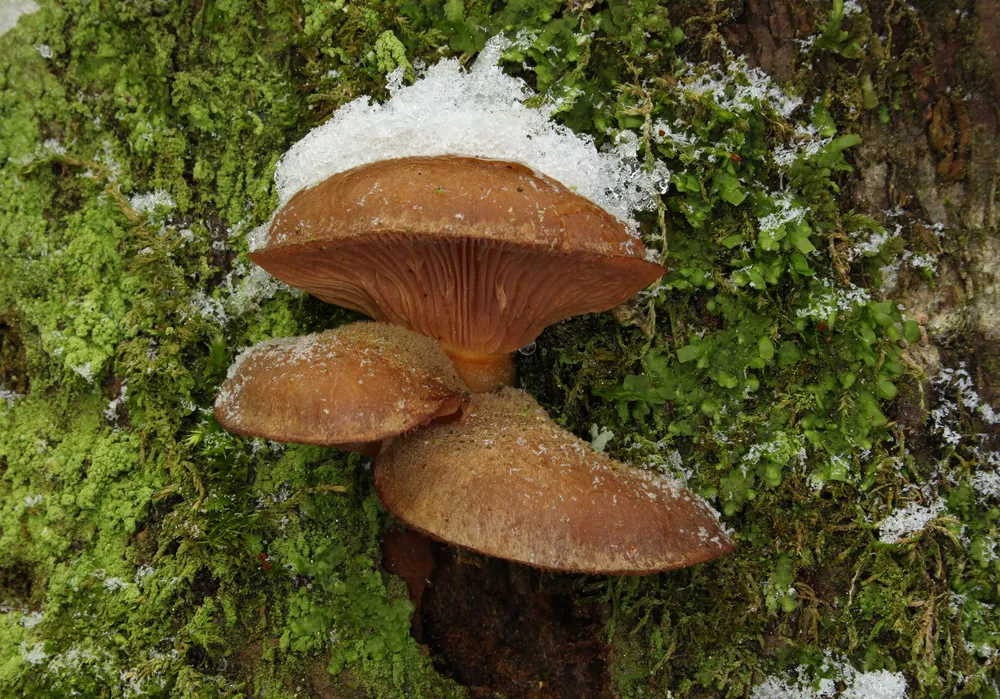
Related species
Mushrooms of the same genus and habitat — to study side by side and never mix up.
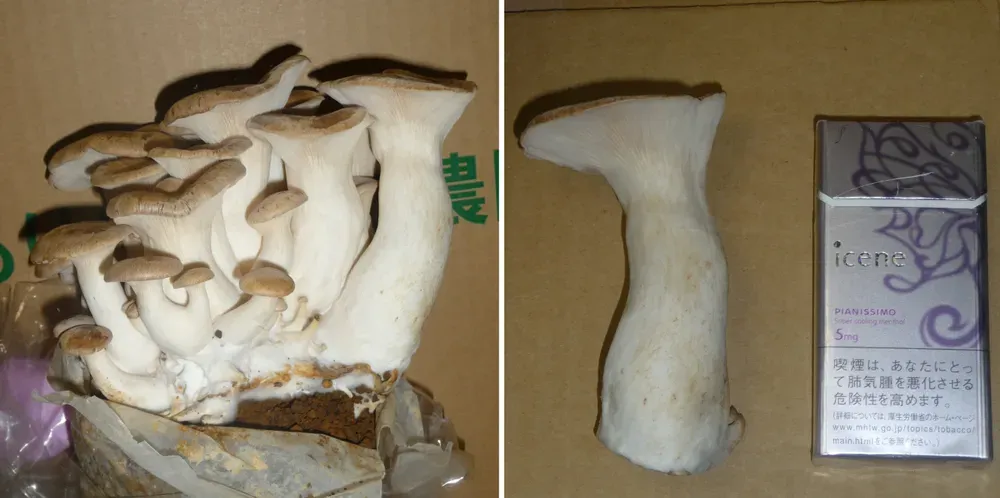
King oyster
Pleurotus eryngii
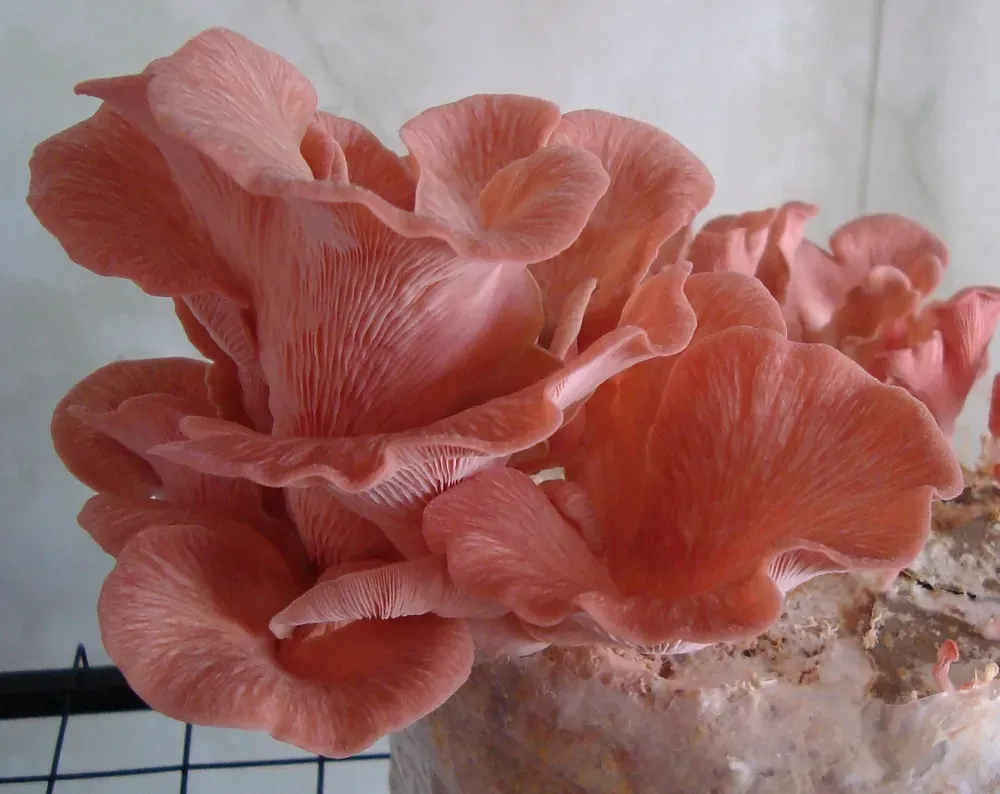
Pink oyster mushroom
Pleurotus djamor
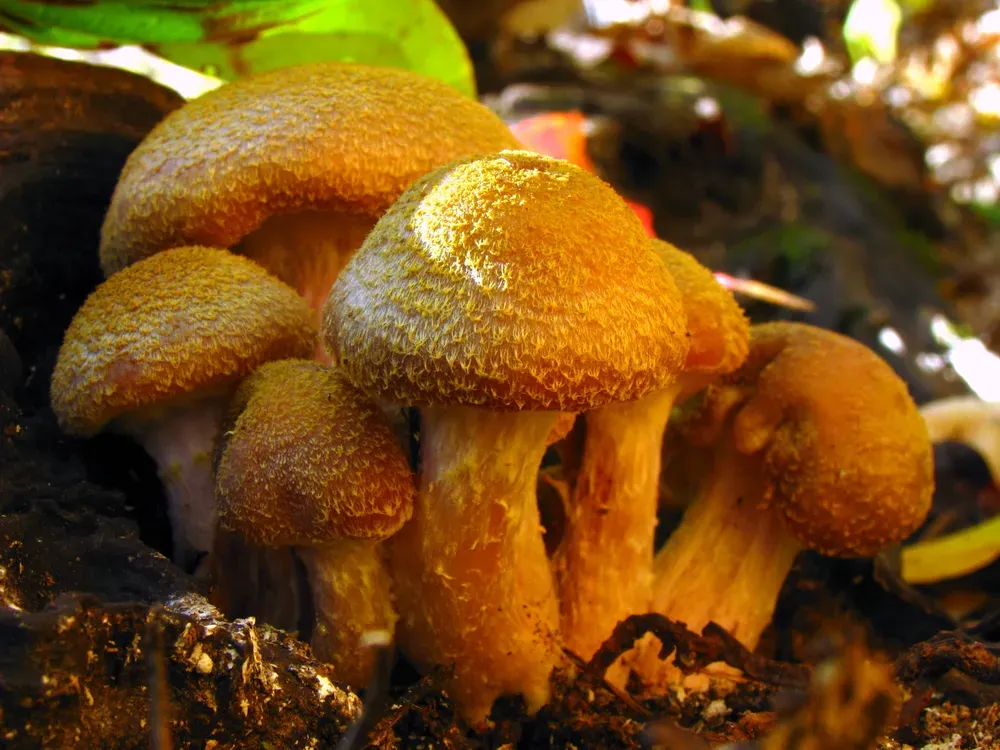
Bulbous honey fungus
Armillaria gallica
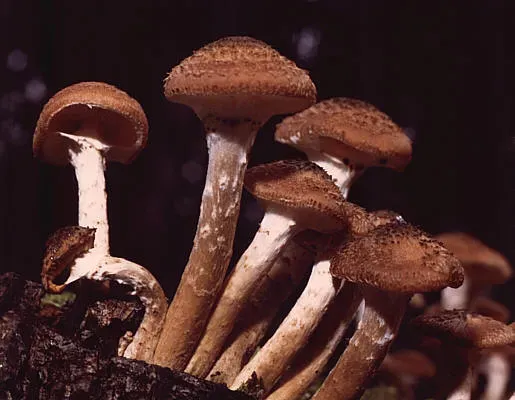
Dark honey fungus
Armillaria ostoyae
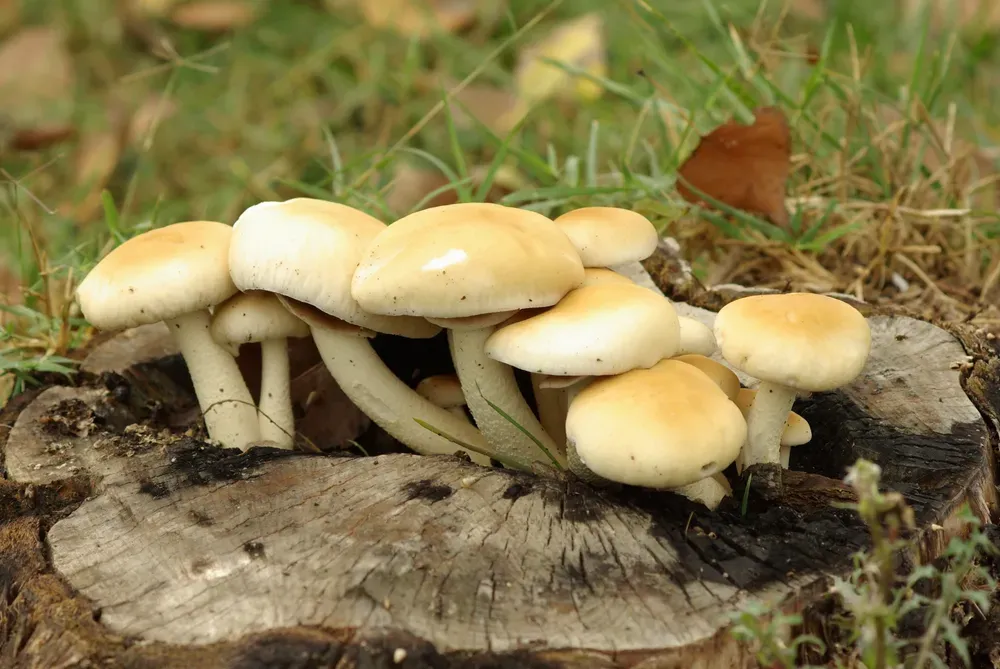
Poplar fieldcap
Cyclocybe aegerita
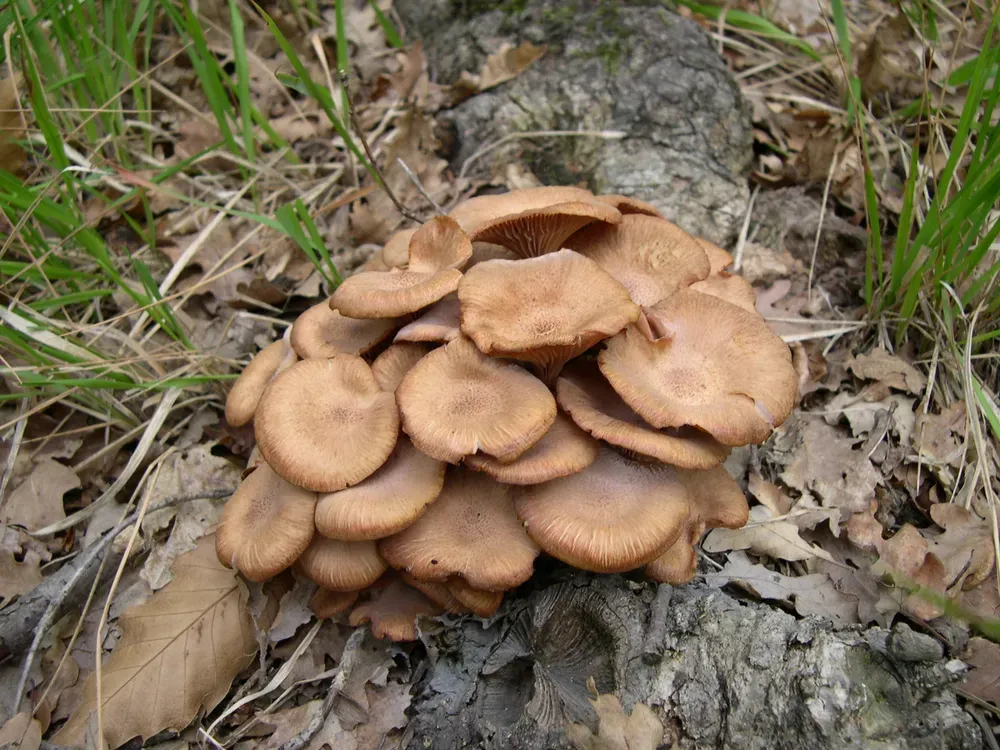
Ringless honey fungus
Desarmillaria tabescens
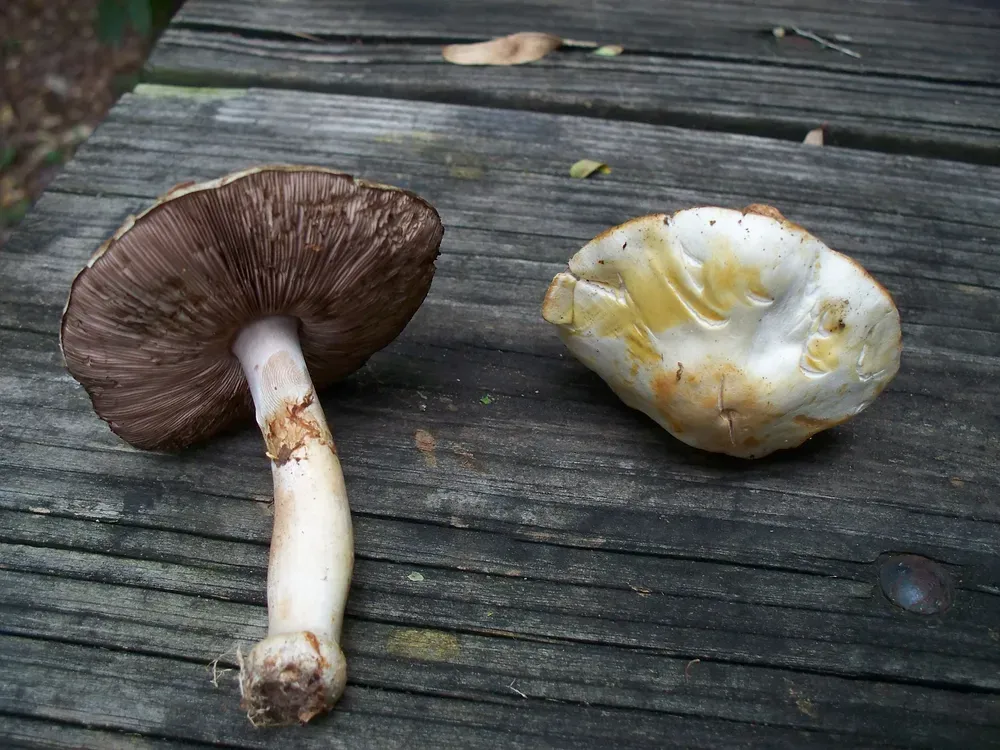
Agaricus abruptibulbus
Agaricus haemorrhoidarius
Agaricus haemorroidarius
Frequently asked questions
Is Pale oyster edible or poisonous?
Does Pale oyster have gills or pores?
What does the cap of Pale oyster look like?
What does the stem of Pale oyster look like?
What do Pale oyster smell and taste like?
Where does Pale oyster grow?
Which trees does Pale oyster grow under?
When should you pick Pale oyster?
What can Pale oyster be confused with?
How do you cook Pale oyster?
Can you dry Pale oyster?
What is the scientific name of Pale oyster?
Sources
- [1]Вікіпедія (українська)
- [2]Атлас грибів України, Зеров Д.К. (1979)
- [3]MycoBank Database
- [4]Index Fungorum
- [5]GBIF
- [6]iNaturalist Ukraine