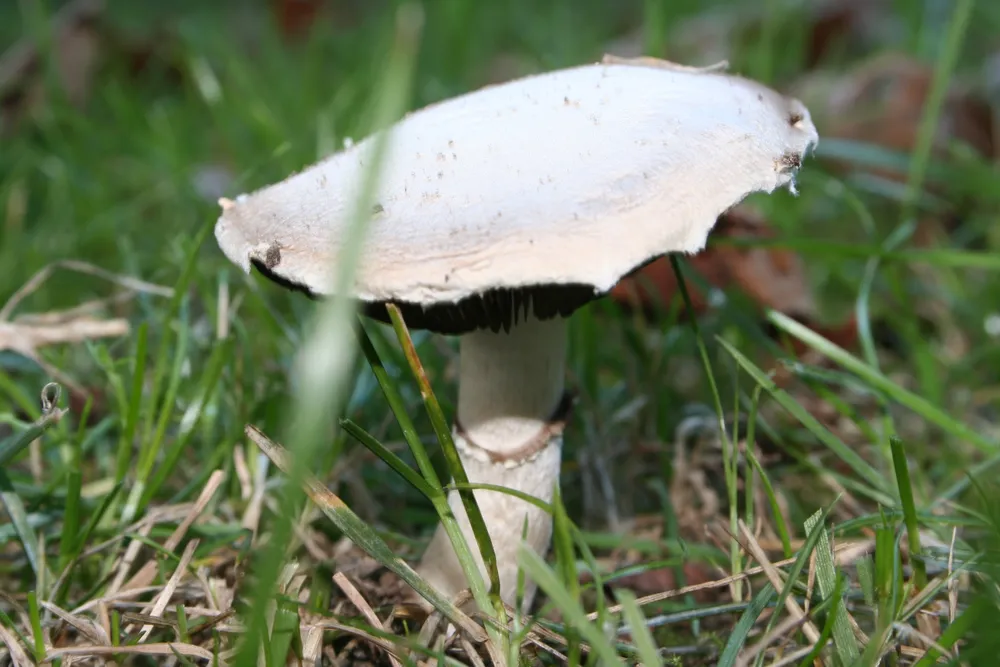
Field mushroomAgaricus campestris
Expert-verifiedUpdated October 3, 2026
Passport
- Edibility
- Edible
- Season
- May — Oct
- Hymenophore
- Gilled
- Cap color
- White
- Size
- Medium (5–15 cm)
- Smell
- Pleasant, mushroomy
- Reviewed
- Yes ✓
Quick answers
Where to look?
Meadow, Field
When does it appear?
May — Oct
Active months: May, June, July, August, September, October.
How to recognize it? Three signs
- Cap color: White, Cream
- Cap shape: Convex, Flat
- Smell: Pleasant, mushroomy, Anise
Fruiting season
May – October
Description
The field mushroom (Agaricus campestris) is a wild relative of the cultivated button mushroom, widespread in meadows, pastures and fields of Eurasia and the Americas. It does not form mycorrhiza; instead, it breaks down organic matter in the soil.
It fruits from August to October, abundantly after rain, often in large fairy rings. It is considered one of the best wild edible mushrooms thanks to its firm flesh and pronounced flavor.
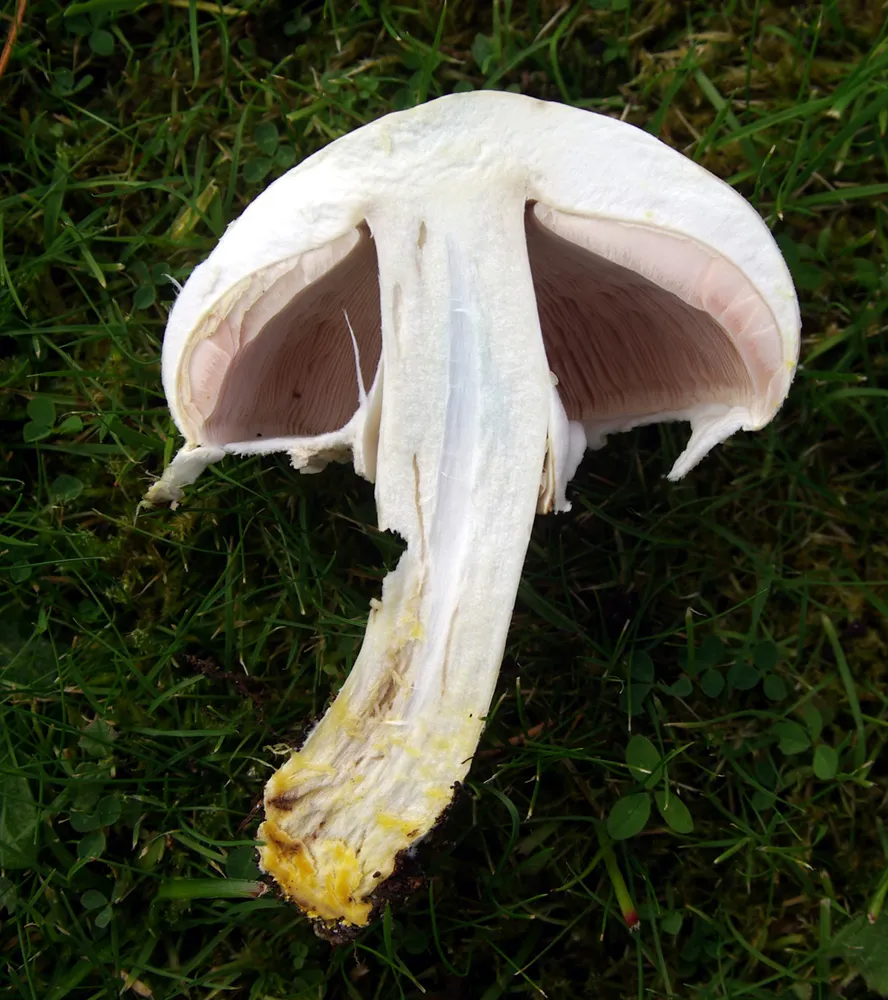
Edible raw, fried, boiled and pickled. It is important not to confuse it with poisonous amanitas (whose gills are white, not pink) or with poisonous Agaricus species that turn yellow when cut.
Cap
Cap 5–15 cm across, spherical in young mushrooms, then flat or slightly umbonate. The surface is white or slightly creamy and cracks in dry weather. Fibrous scales may appear as it matures. The margin is inrolled at first, then straight.
Hymenophore
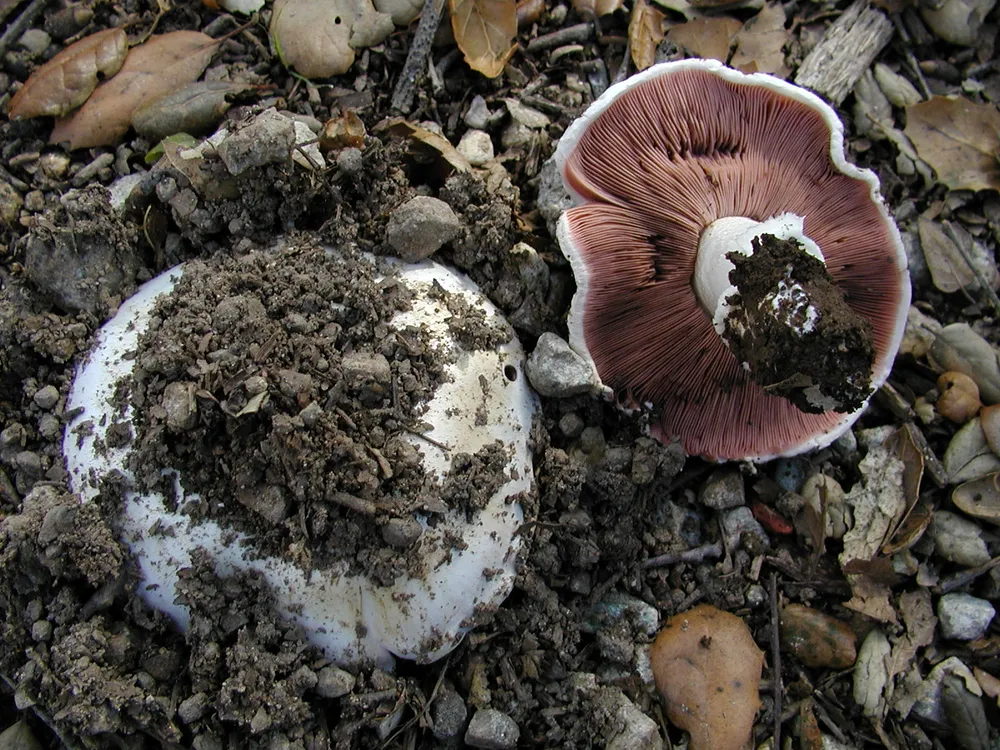
Gills free (not reaching the stem), crowded, delicate pink at first, then bright pink, and chocolate-brown or blackish in mature mushrooms. The pink color of the gills is a key safety feature that distinguishes the field mushroom from poisonous species with white gills.
Stem
Stem 4–8 cm tall, 1–2 cm thick, cylindrical, solid, straight. White in color. A characteristic firm membranous ring in the middle of the stem. No volva.
Flesh
Flesh firm, white, turns slightly pink when cut or stays unchanged. It does not turn yellow (yellowing is a sign of poisonous species). The taste is pleasant and richly mushroomy.
Smell
Smell pronounced, anise-almond with mushroomy notes. This is one of the most aromatic wild mushrooms. With cooking the aroma intensifies and can dominate the dish.
Lookalikes
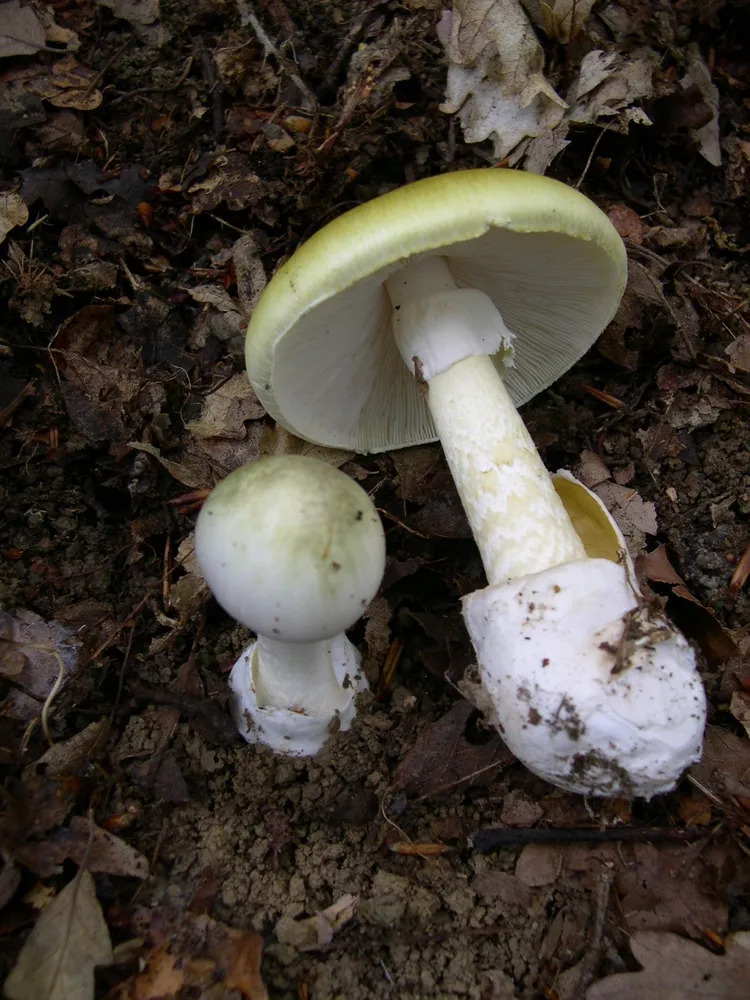
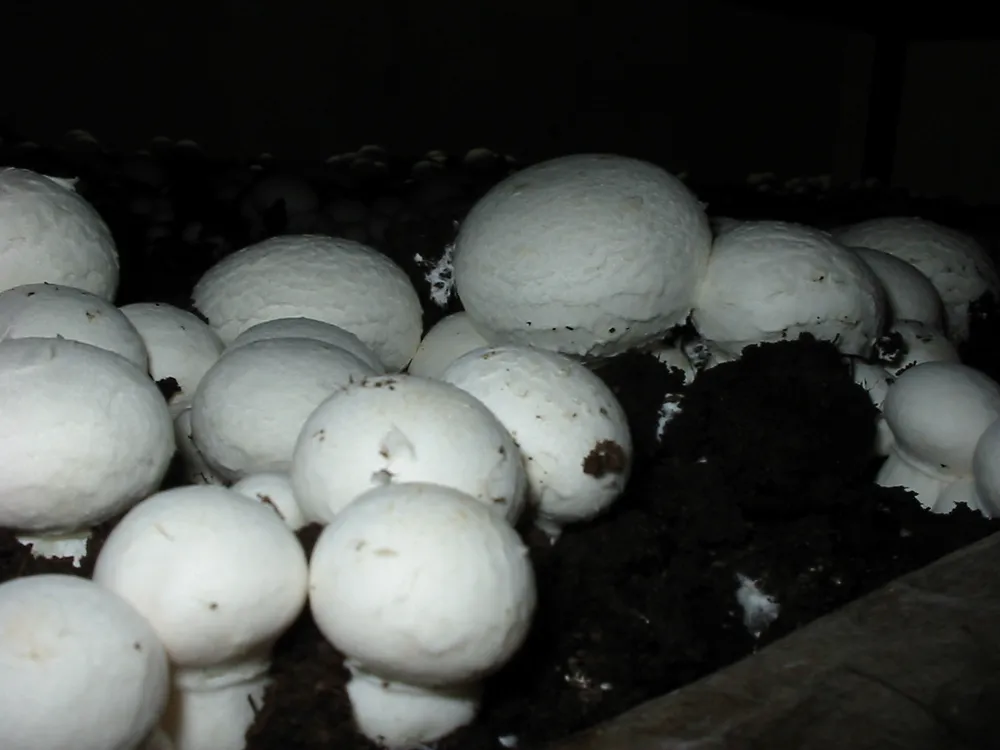
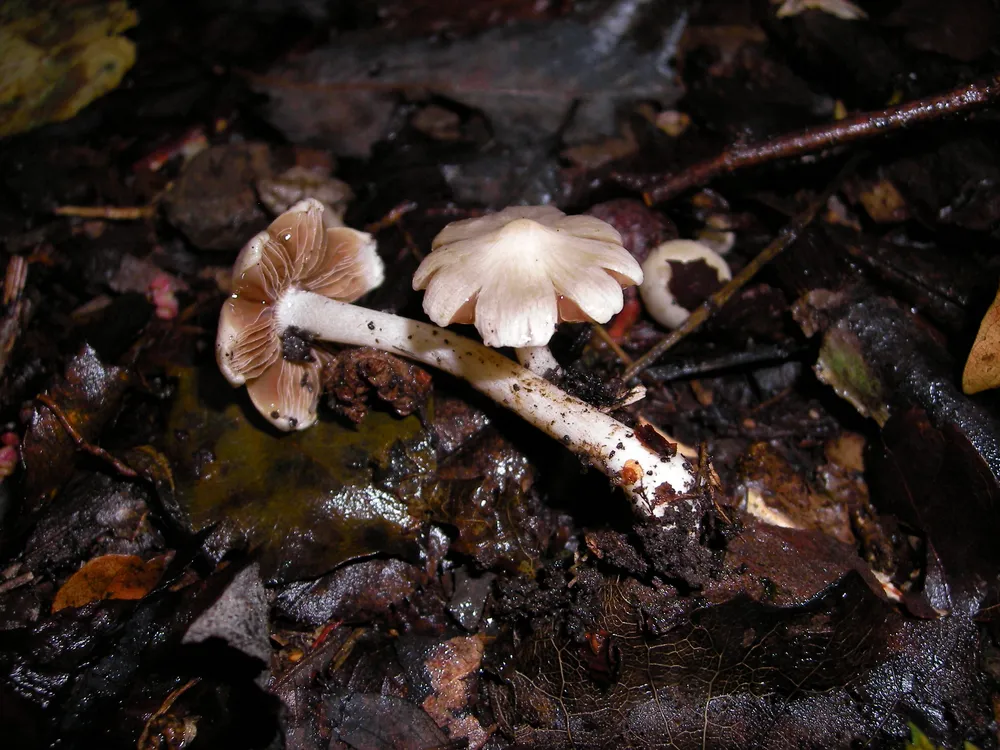
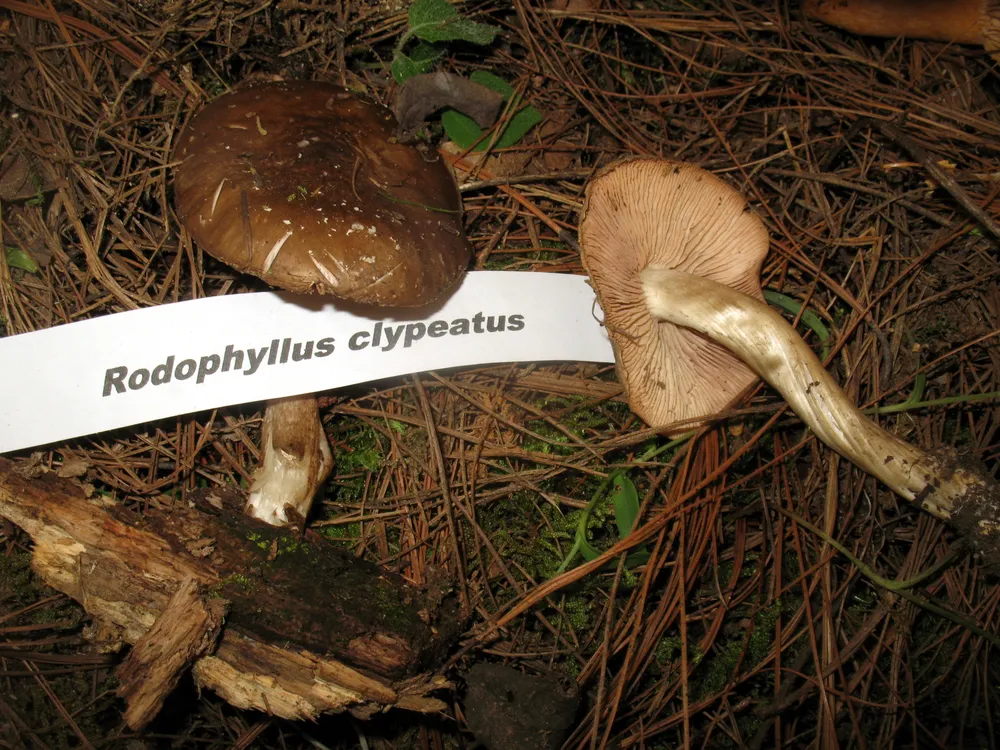
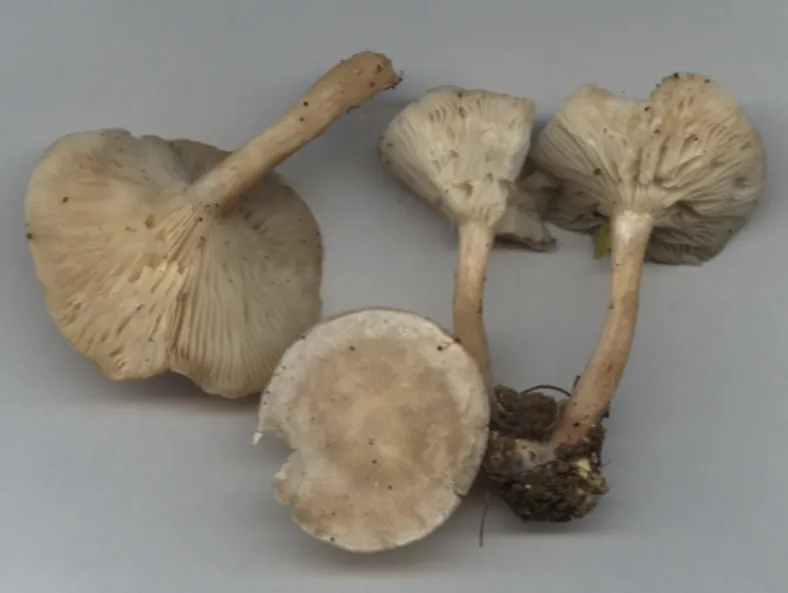
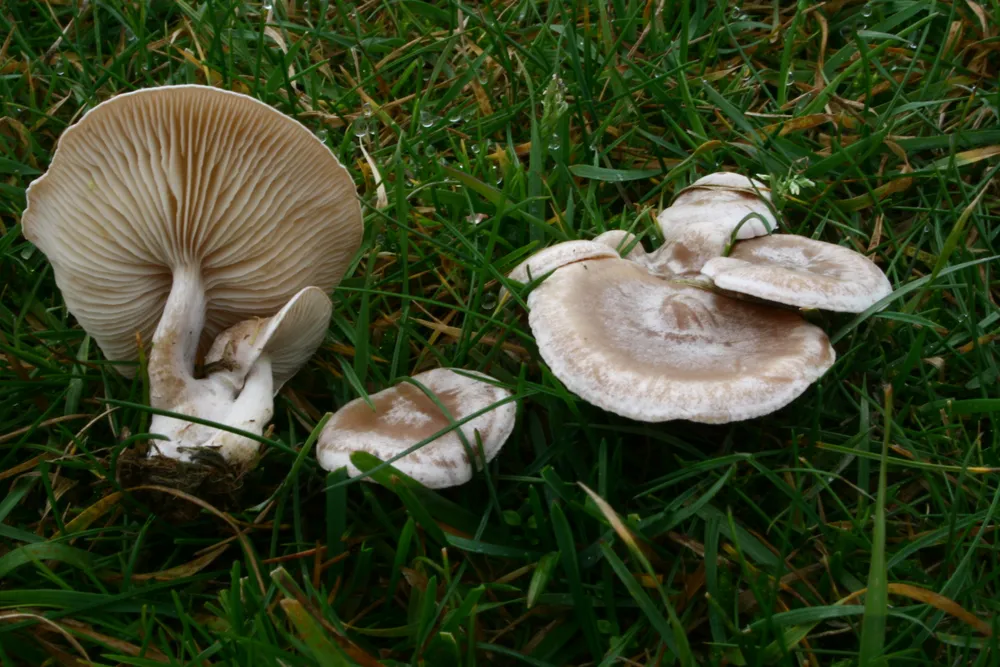
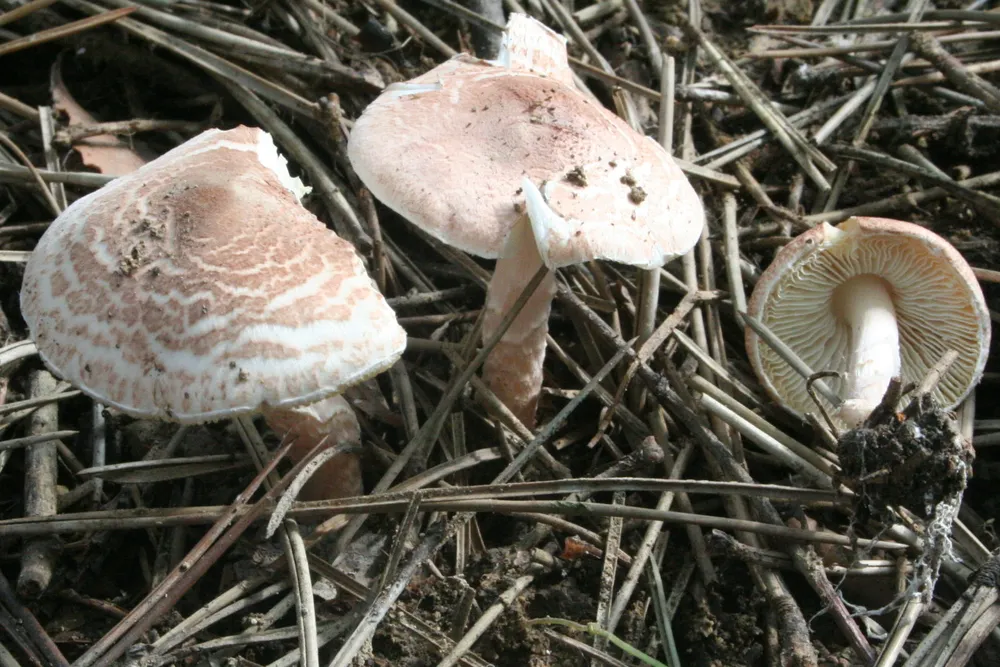
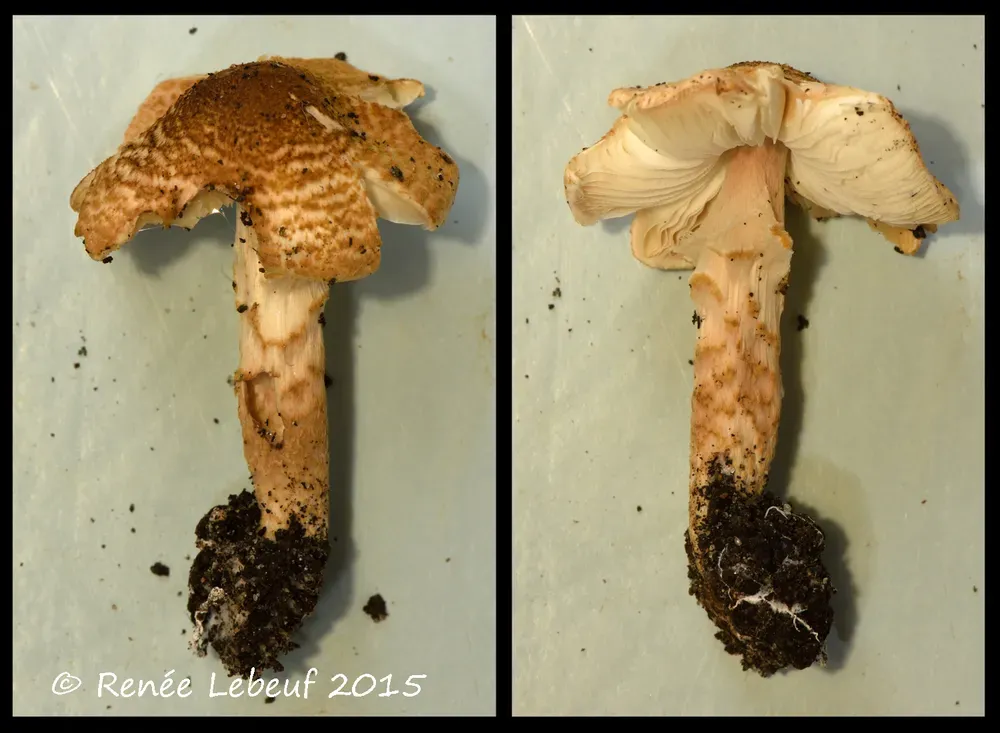
_M.M._Moser_ex_Bon_61894_crop.webp)
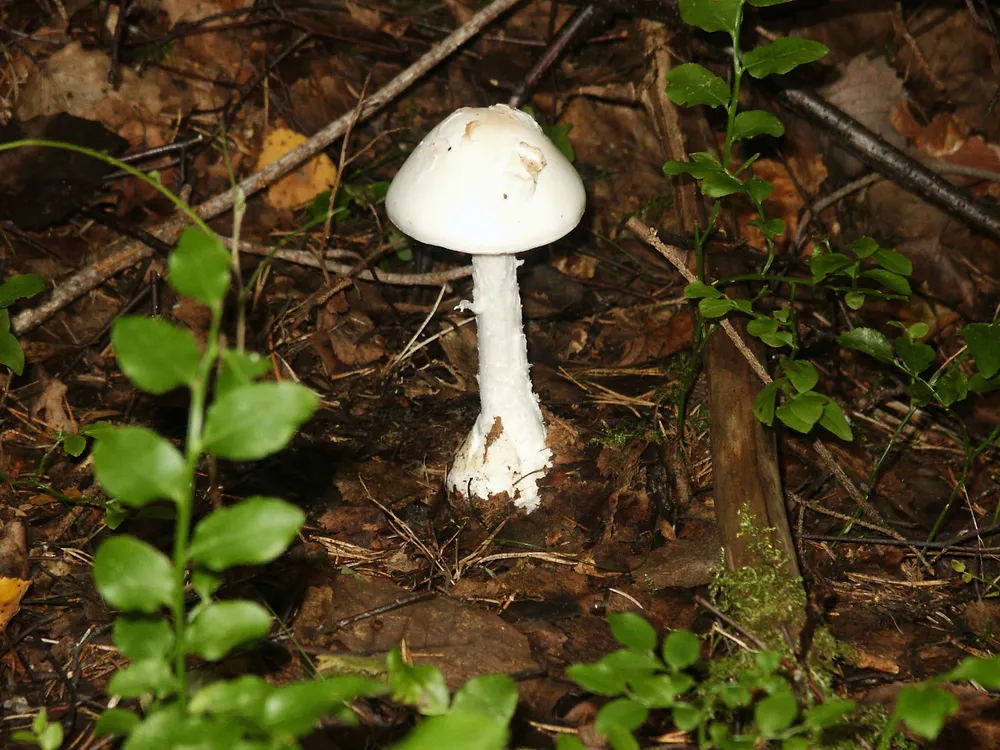
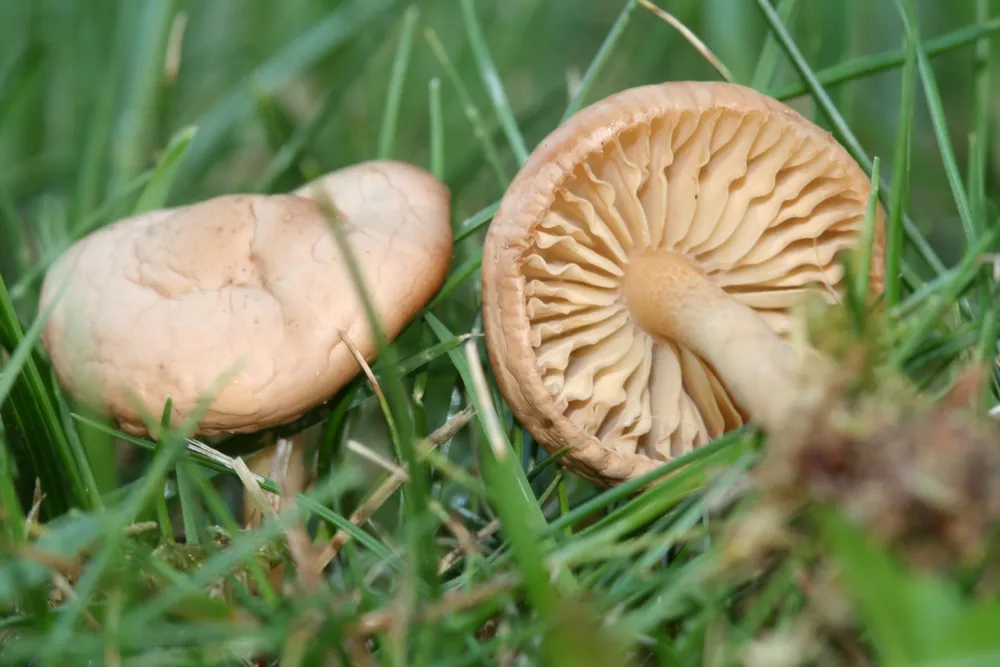
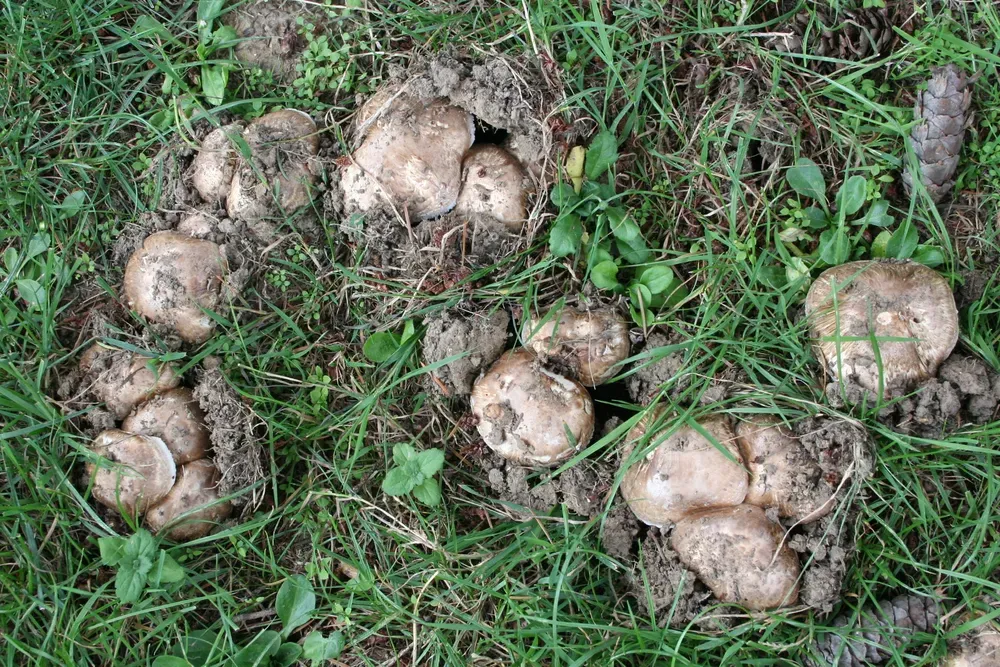
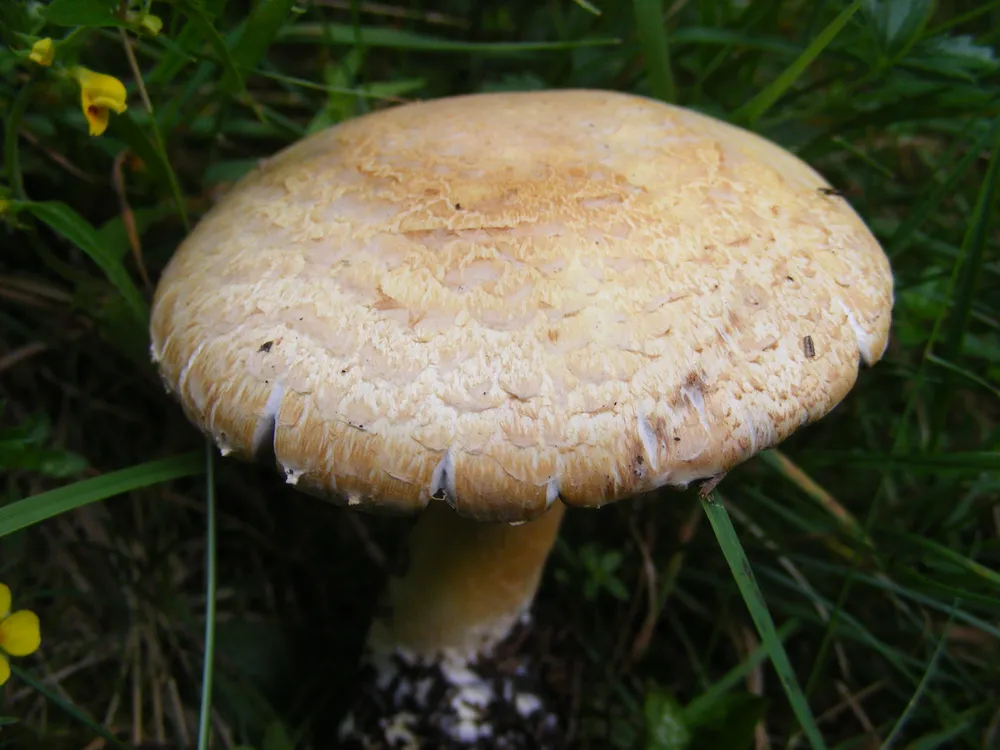
.webp)
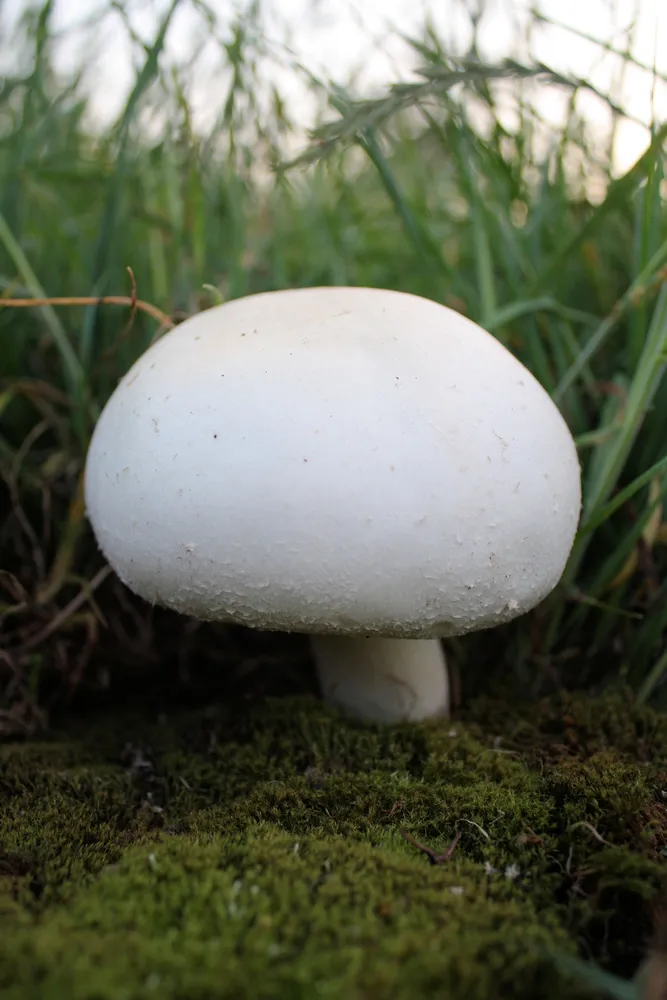
_Fr._4948278370-2.webp)
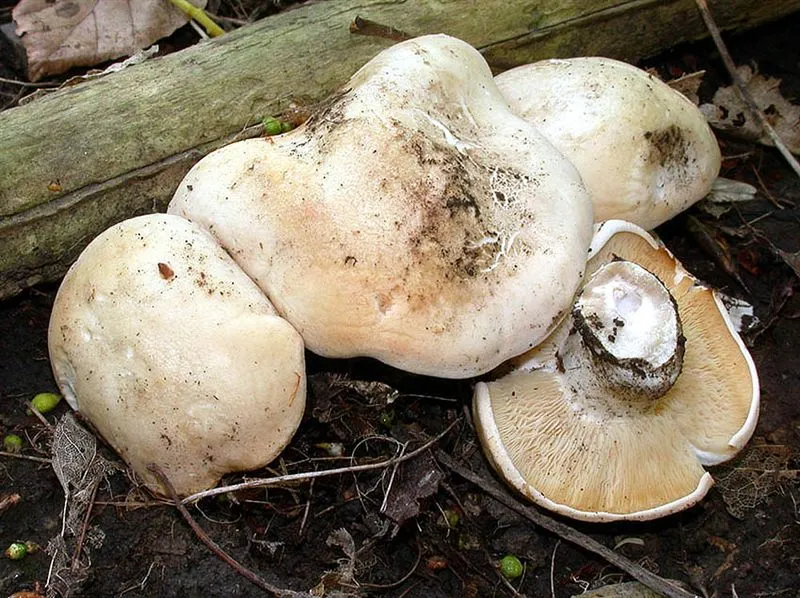
Related species
Mushrooms of the same genus and habitat — to study side by side and never mix up.
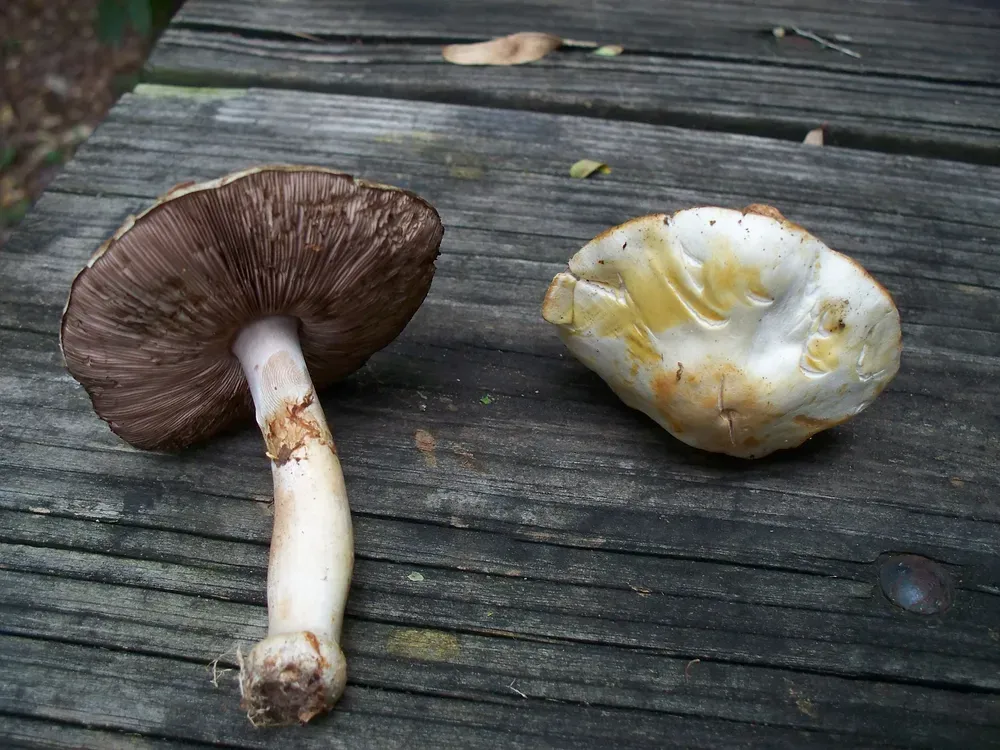
Agaricus abruptibulbus
Agaricus haemorrhoidarius
Agaricus haemorroidarius
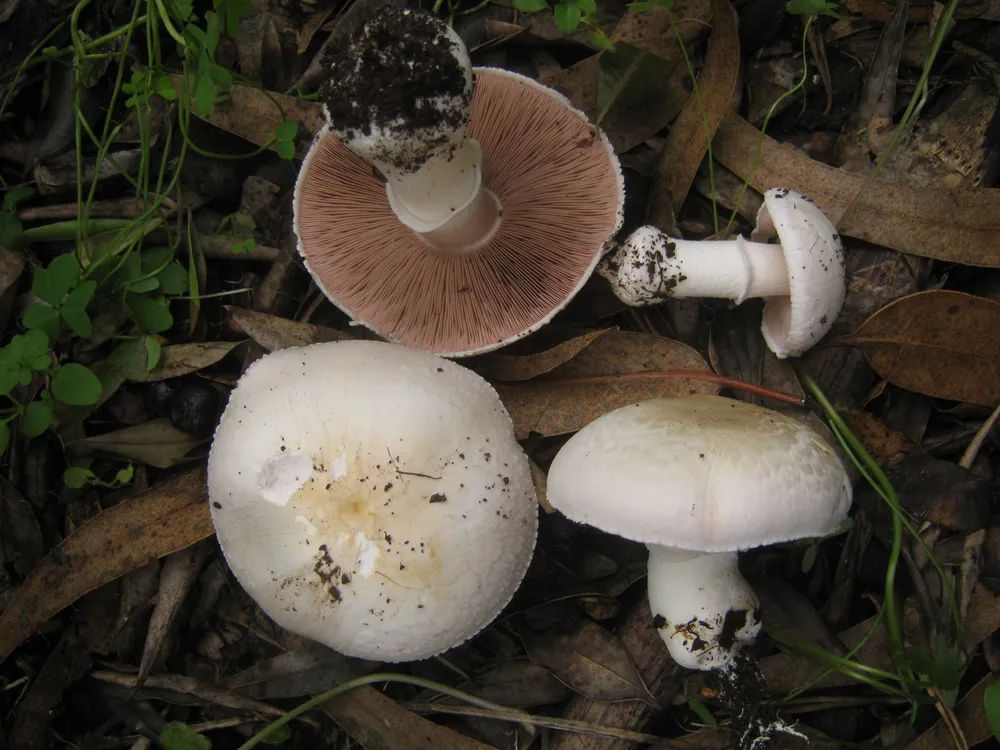
Agaricus romagnesii
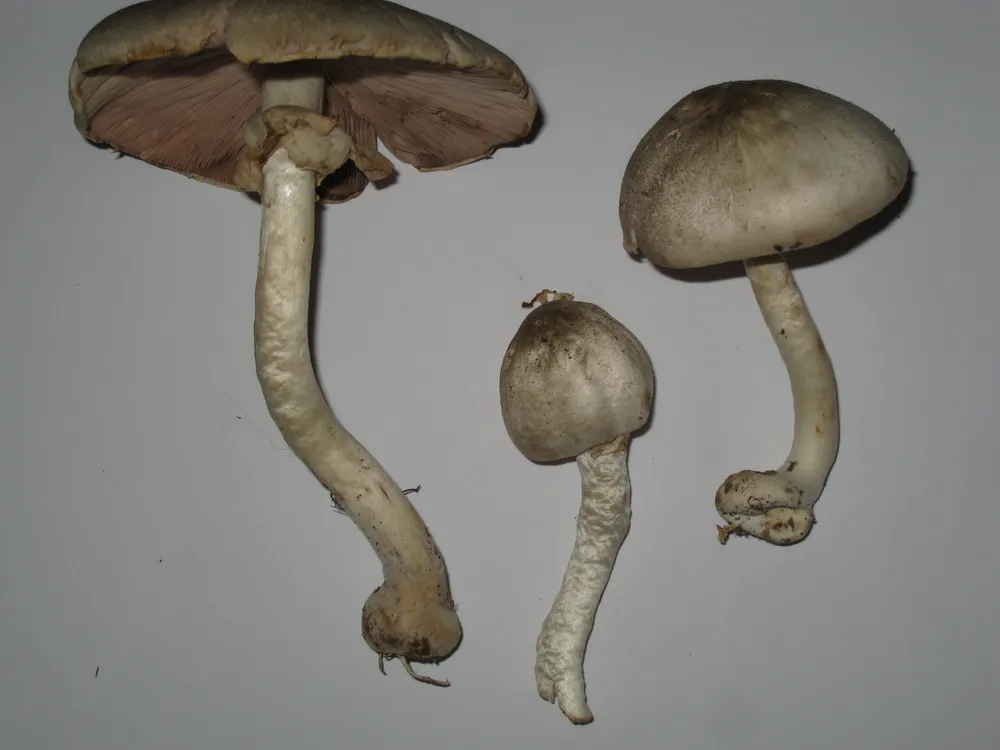
Inky mushroom
Agaricus placomyces
.webp)
Macro mushroom
Agaricus crocodilinus
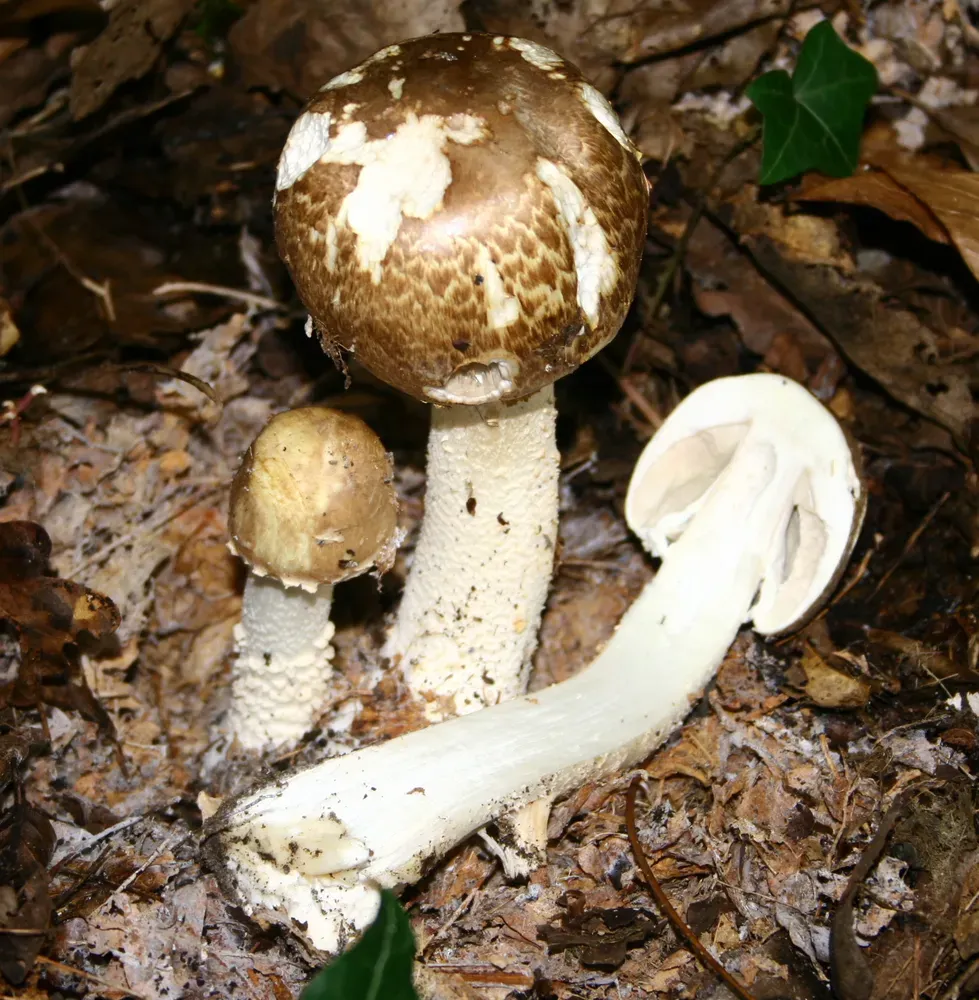
The prince
Agaricus augustus
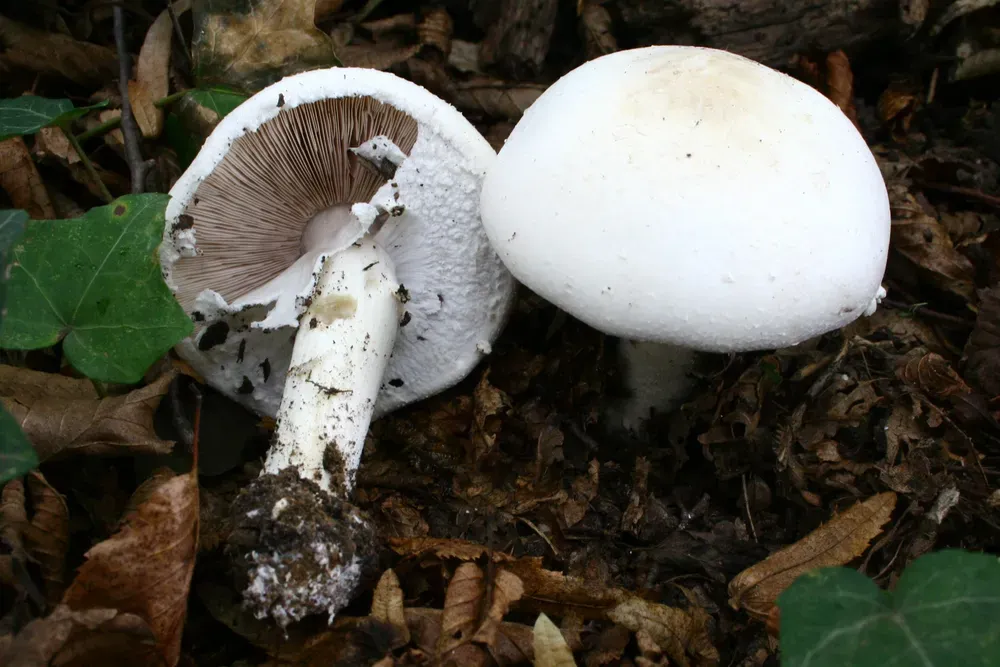
Wood mushroom
Agaricus sylvicola
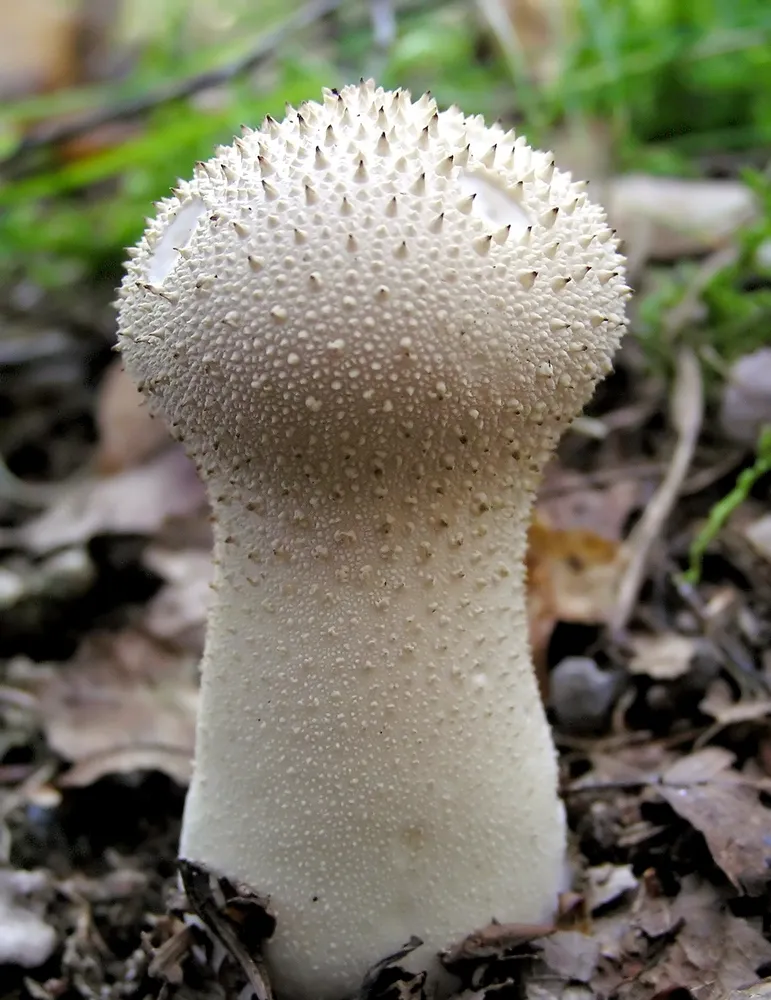
Common puffball
Lycoperdon perlatum
Related reading
 Safety
Can you pick mushrooms in cities and parks?
Mushrooms grow on city lawns, in parks and yards too, but you shouldn't eat them. Here's why urban mushrooms a…
August 22, 2026·3 min How to identify
Types of Agaricus: wood, field, and cultivated mushrooms
Agaricus isn't just the mushroom from the supermarket: several edible species grow in the wild, from the field…
July 29, 2026·2 min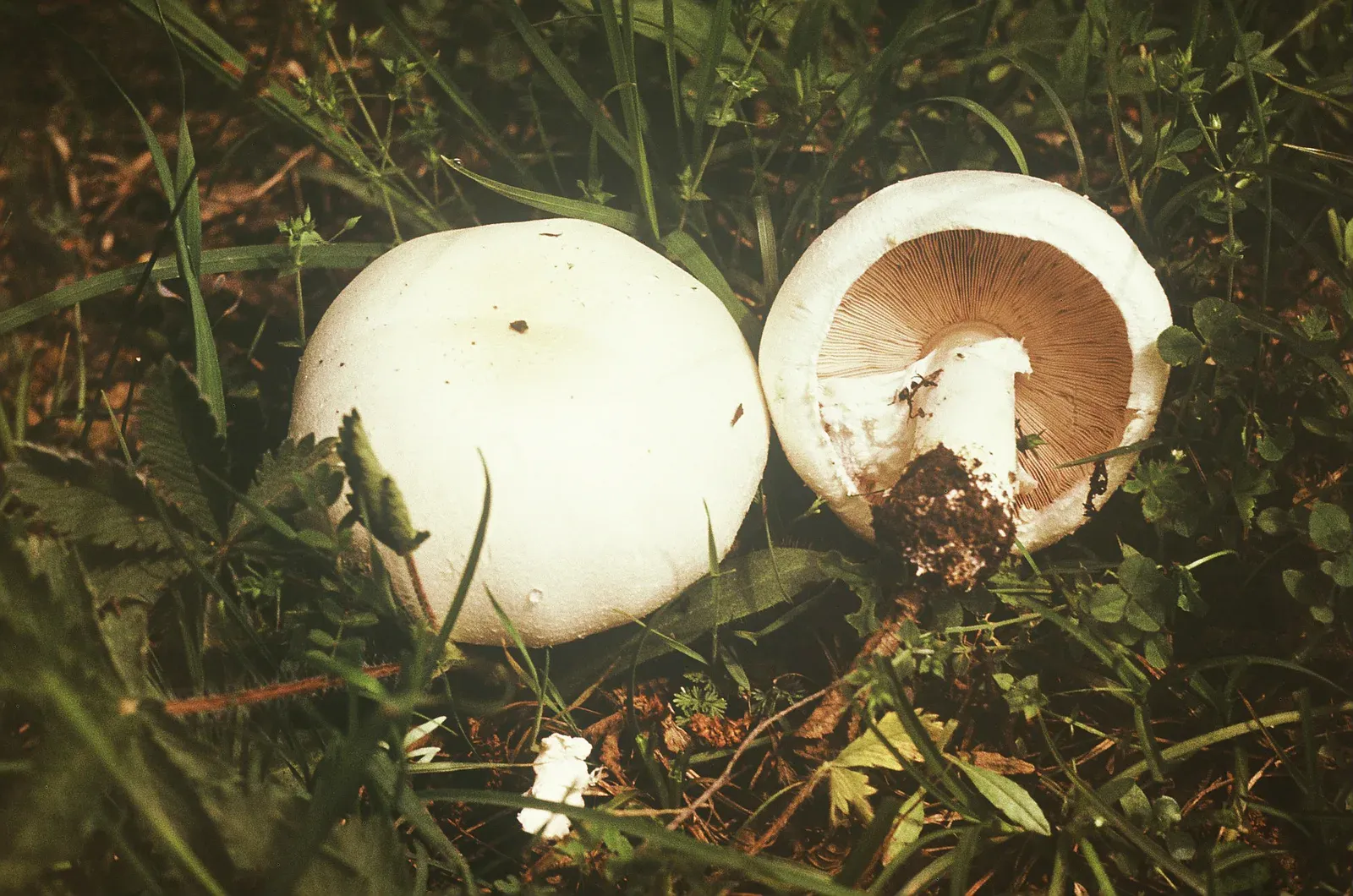 How to identify
"Pecherytsia" or champignon: are they the same thing?
The store-bought champignon and the wild forest *pecherytsia* — relatives or different mushrooms? We explain w…
July 17, 2026·2 min
Frequently asked questions
Is Field mushroom edible or poisonous?
Does Field mushroom have gills or pores?
What does the cap of Field mushroom look like?
What does the stem of Field mushroom look like?
What do Field mushroom smell and taste like?
Where does Field mushroom grow?
When should you pick Field mushroom?
What can Field mushroom be confused with?
How do you cook Field mushroom?
Can you dry Field mushroom?
What is the scientific name of Field mushroom?
Sources
- [1]Атлас грибів України, Зеров Д.К. (1979)
- [2]GBIF