Shield pinkgillEntoloma clypeatum
Expert-verifiedUpdated October 3, 2026
Passport
- Edibility
- Conditionally edible
- Season
- Apr — Jun
- Hymenophore
- Gilled
- Cap color
- Brown
- Size
- Medium (5–15 cm)
- Smell
- Floury
- Reviewed
- Yes ✓
Quick answers
Where to look?
Deciduous forest, Mixed forest
When does it appear?
Apr — Jun
Active months: April, May, June.
How to recognize it? Three signs
- Cap color: Brown, Grey
- Cap shape: Convex
- Smell: Floury
Fruiting season
April – June
Description
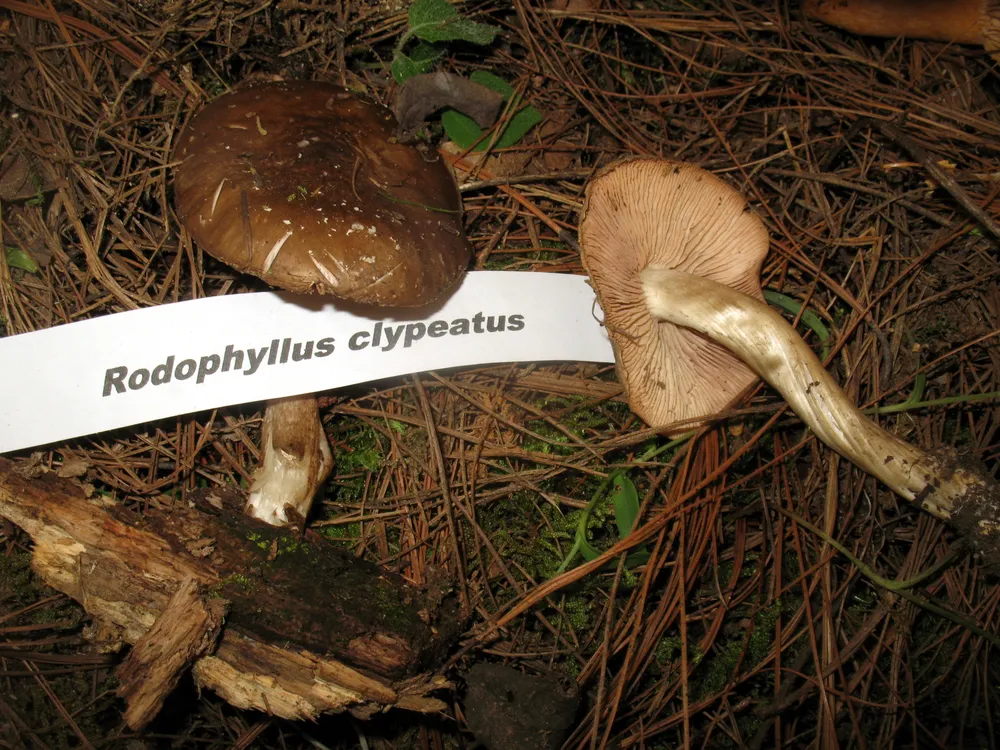
Shield pinkgill (Entoloma clypeatum) is a rare, pleasant exception in the mostly poisonous genus Entoloma. A large, fleshy spring mushroom with a grayish brown cap that appears in May–June strictly under trees and shrubs of the rose family: apple, plum, pear, hawthorn, dog rose, blackthorn. Hence the "garden" in its Ukrainian name — its typical habitat is old orchards, forest edges and hedgerows. In the folk cuisines of Western Europe it is prized as one of the first spring mushrooms — fleshy, with a pleasant mealy-cucumber smell and taste.
This is a conditionally edible category 4 mushroom — it is eaten after boiling for 15-20 minutes. Raw or undercooked, you must not eat it — it causes gastrointestinal upset. Good for frying, stewing and adding to soups after preliminary boiling. Because it is closely related to dangerous species of the genus Entoloma (especially the poisonous Livid pinkgill), this mushroom is NOT for beginners. Check every specimen against the full set of features: habitat (only under rose-family trees and shrubs), season (May–June), size (medium — 5-12 cm), gills (whitish → pink), spore print (pinkish brown).
In Ukraine it is an uncommon mushroom, found in the forest-steppe and forest zones. It grows in old orchards, parks, shelterbelts with rose-family trees, and forest edges with hawthorn and blackthorn. Forms mycorrhiza with the roots of rose-family plants. The season is strictly spring: April–June, peaking in May.
Cap
Cap 5-12 cm across, hemispherical in young mushrooms, then convex to flattened, with a broad, low bump in the center. Color grayish brown, mouse-brown, chocolate gray; darker and slightly slimy in wet weather, lighter and silky-shiny in dry weather. The surface is smooth, sometimes with fine radial streaks in the center. The cap margin is thin and, in young mushrooms, rolled under.
Hymenophore
Gilled hymenophore. The gills are broad, with a notched attachment to the stem. In young mushrooms they are whitish gray, and with age they take on the pinkish salmon color typical of Entoloma. Spore print pinkish brown — the key feature of the genus.
Stem
Stem 5-12 cm tall, 1-2 cm thick, cylindrical, sturdy, slightly thickened toward the base. Color white to dirty white. The surface is lengthwise-fibrous, with no ring. The flesh of the stem is firm, hollow in old mushrooms.
Flesh
The flesh is thick, white, fleshy. It doesn't change color when cut. The smell and taste of the raw flesh are pleasant, mealy-cucumber.
Smell
Mealy-cucumber — typical of Entoloma. After boiling — a mild mushroomy smell. The taste is delicate.
›Scientific synonyms (7)
Agaricus clypeatus (L. (1753), Agaricus prunarii Schulzer (1878), Rhodophyllus clypeatus (L.) Quél. (1886), Entoloma fertile Sacc. (1887), Hyporrhodius clypeatus (L.) J. Schröt. (1889), Rhodophyllus aprilis f. hybridus Romagn. (1947), Entoloma clypeatum f. hybridum (Romagn.) Noordel. (1981)
Lookalikes
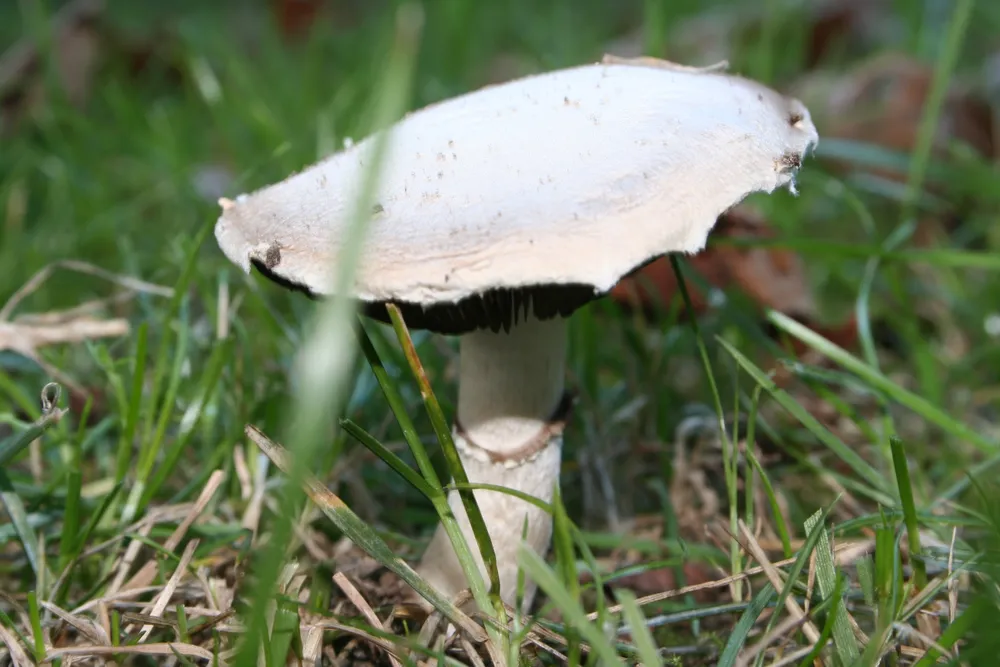
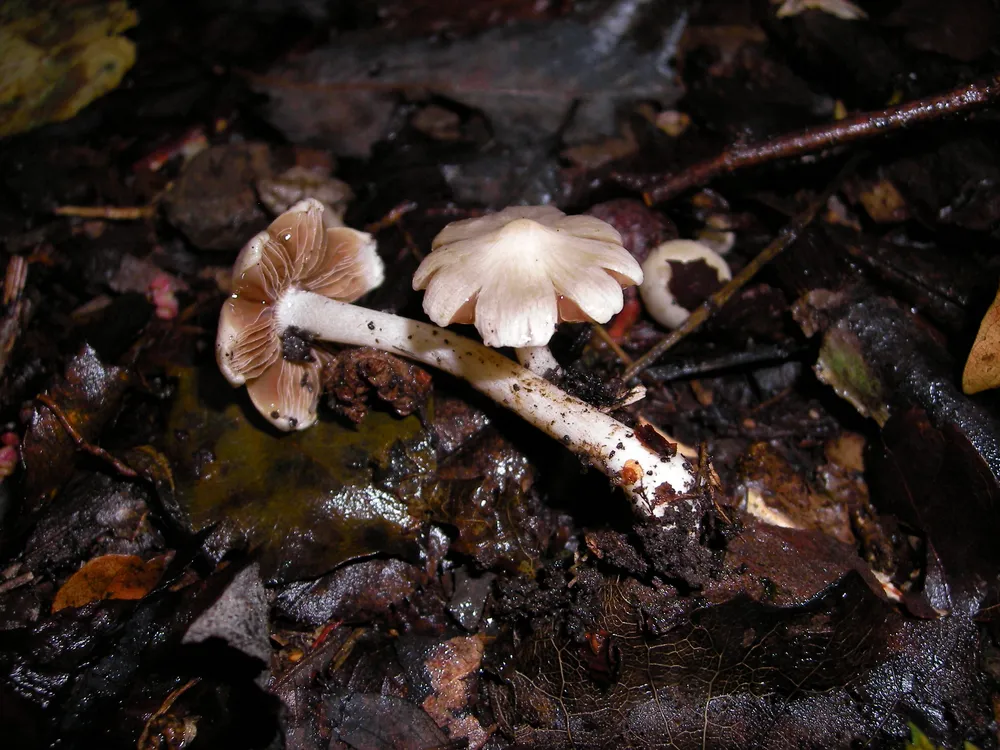
Related species
Mushrooms of the same genus and habitat — to study side by side and never mix up.
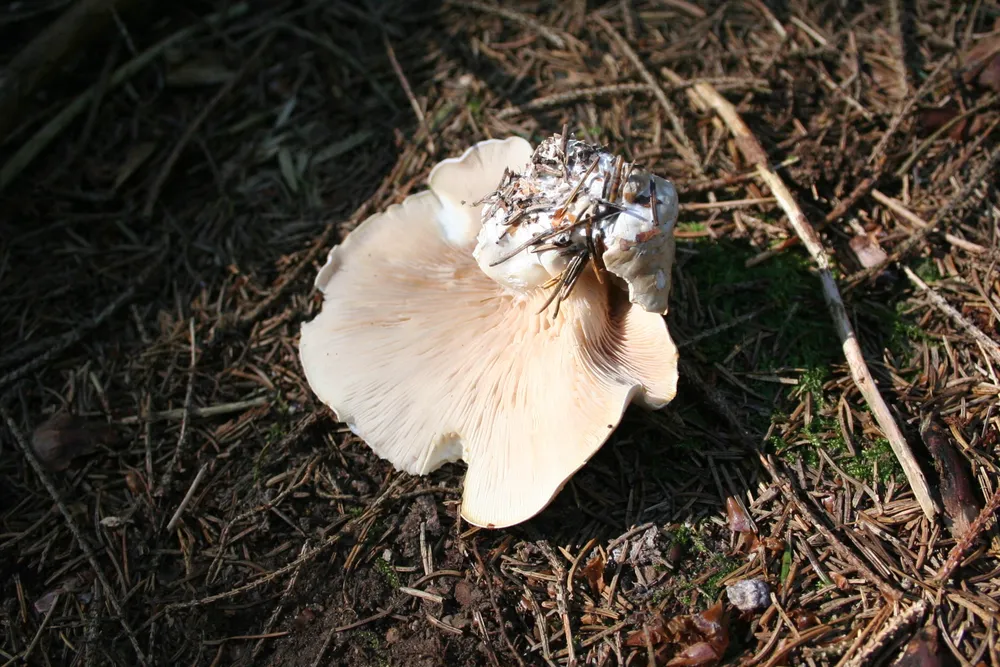
The miller
Clitopilus prunulus
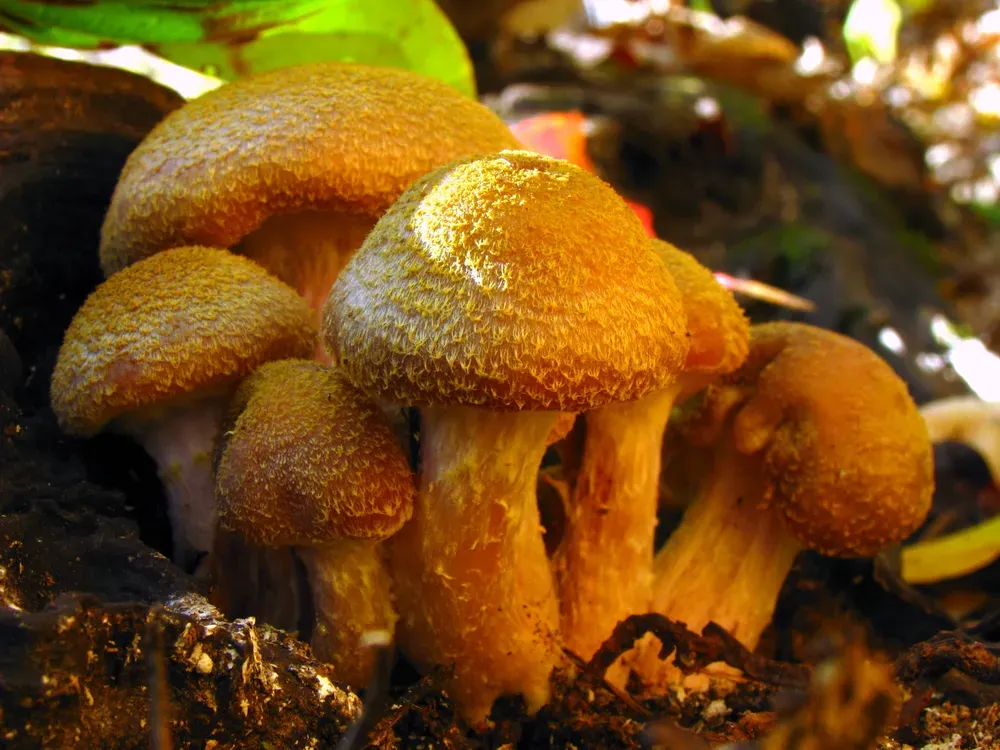
Bulbous honey fungus
Armillaria gallica
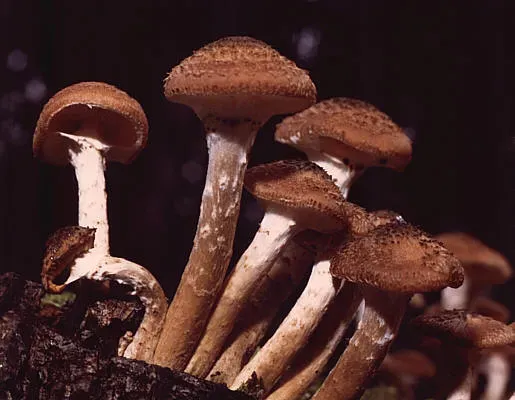
Dark honey fungus
Armillaria ostoyae
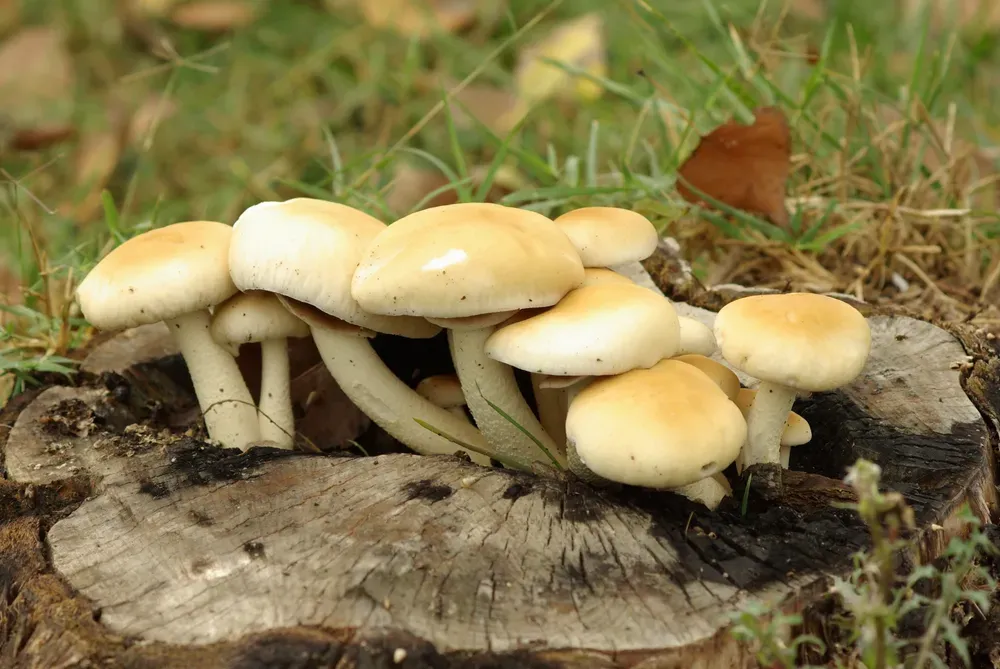
Poplar fieldcap
Cyclocybe aegerita
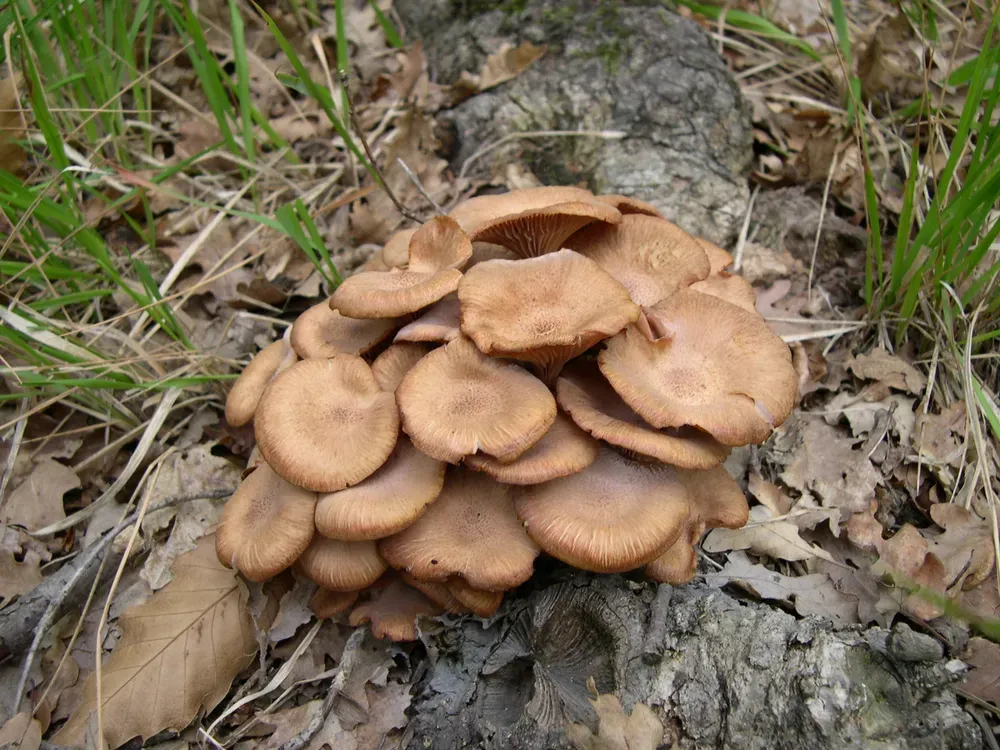
Ringless honey fungus
Desarmillaria tabescens
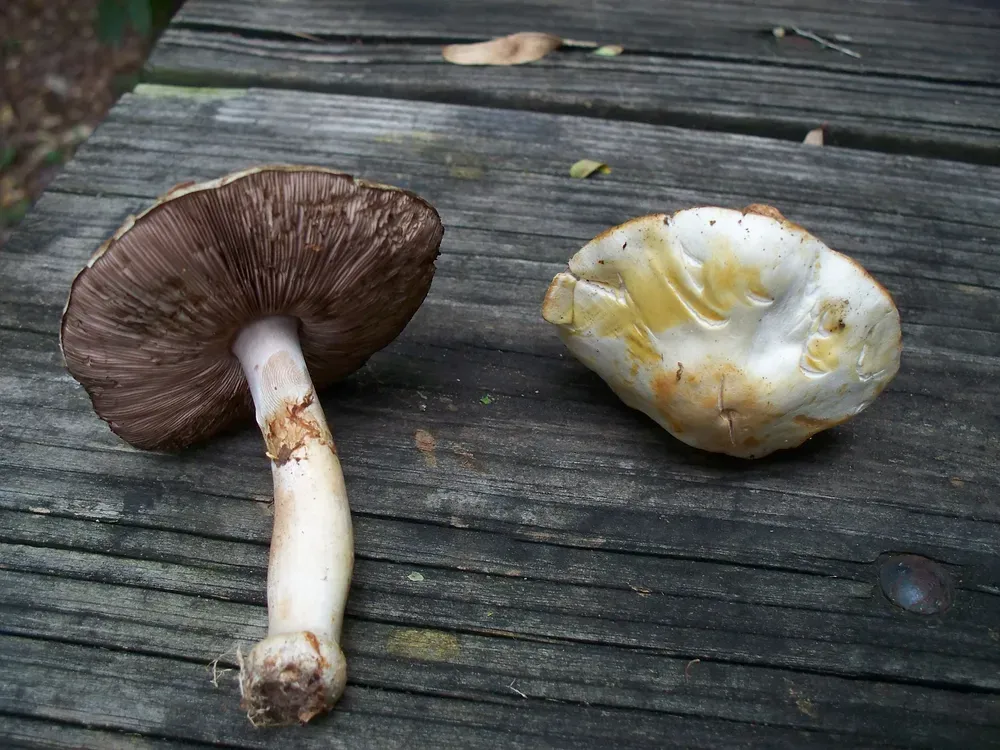
Agaricus abruptibulbus
Agaricus haemorrhoidarius
Agaricus haemorroidarius
Ashen chanterelle
Cantharellus cinereus
Frequently asked questions
How should you cook it?
Clean, slice, boil for 15-20 minutes in salted water and drain the water. Then fry, stew, add to soups or pickle. Raw or undercooked — do not eat it — it causes stomach upset. Keeps fresh in the fridge for up to 2 days.
Why is this mushroom "not for beginners"?
The genus Entoloma is mostly poisonous — among its 200+ species, several dozen cause serious gastrointestinal poisoning. Confusing E. clypeatum with a dangerous relative is a real risk. If you have no experience telling E. clypeatum apart from E. sinuatum, E. rhodopolium and others — do NOT pick this mushroom. It's safer to walk on by.
How do you make a spore print?
Cut a mature mushroom, remove the stem and place the cap gills down on clean paper (half white, half black — for contrast). Cover it with a glass. After 4-8 hours, check the color of the print. In Entoloma it's pinkish brown. In similar Tricholoma (knights) — white. In Agaricus mushrooms — chocolate brown. This is the most reliable test for the genus.
Where should you look for it?
Strictly under rose-family trees and shrubs — apple (garden and wild), plum, pear, hawthorn, dog rose, blackthorn, bird cherry, rowan. Typical spots: old orchards, country gardens and yards, forest edges with hawthorn bushes, shelterbelts with blackthorn, parks with old fruit trees. It often grows in groups of 3-10 mushrooms. It does not grow under oak, pine or birch — this is an important diagnostic feature.
Which regions of Ukraine is it found in?
The Forest-Steppe (Western, Right-Bank, Left-Bank) — especially in the orchards of Podillia, in Polissia, and in the Carpathians and Prykarpattia. Less often — in the ravine woods of the Steppe and in ravine shrub belts.
When should you look for it?
April — June, peaking in May. One of the first spring mushrooms, along with morels and false morels. It coincides with the blossoming of apple trees and hawthorn. In July–September this species usually no longer fruits — any "E. clypeatum" found in late summer should make you suspicious.
What is it most often confused with?
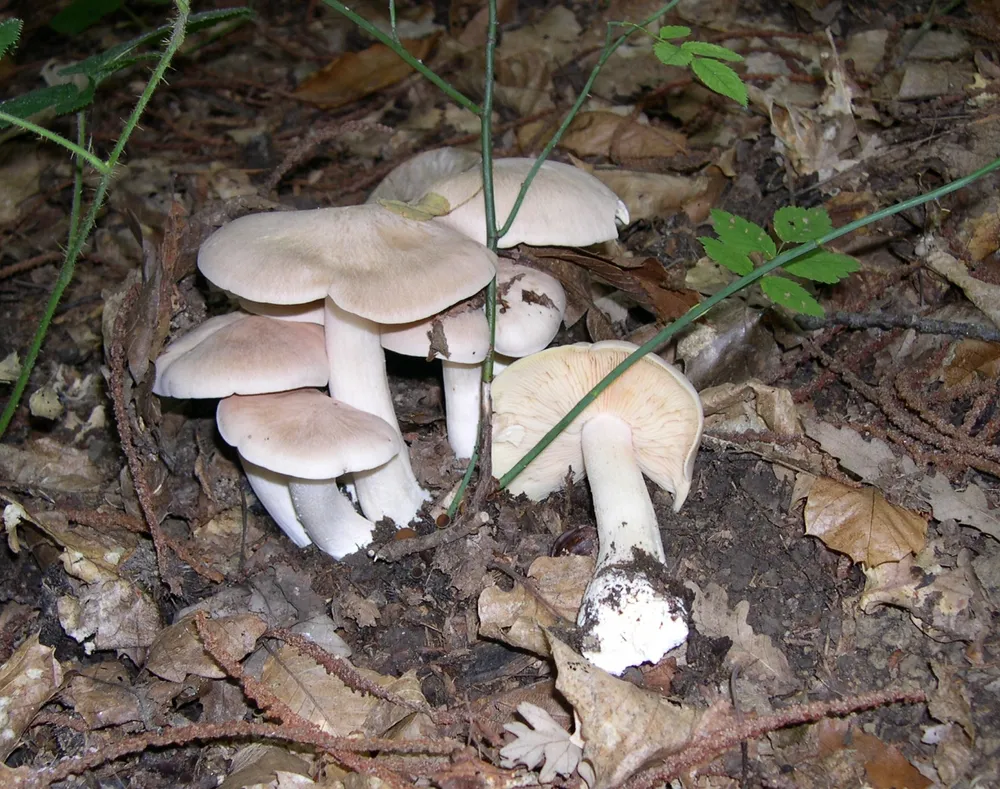
The worst case is the poisonous Livid pinkgill (Entoloma sinuatum): large, with a whitish cap, but it grows in deciduous forests under oak/beech, from July. How to tell them apart: the garden one — under rose-family trees, in spring, grayish brown; the poisonous one — under oak, in autumn, whitish yellow. It is also confused with St George's mushroom (Calocybe gambosa): also edible, also under rose-family trees, but it has a white spore print (not pink) and a white cap. And it is the safer choice — if in doubt, take the Calocybe, not the Entoloma.
Could something similar and poisonous grow under an apple tree?
Yes — other Entoloma species can grow in the same area, mostly small ones (E. vernum, E. rhodopolium). Remember: E. clypeatum is large (5-12 cm), fleshy, with a white stem. If the mushroom is smaller than 5 cm or has a thin gray stem, it's a different Entoloma species — leave it alone.
Is Shield pinkgill edible or poisonous?
Does Shield pinkgill have gills or pores?
What does the cap of Shield pinkgill look like?
What does the stem of Shield pinkgill look like?
Sources
- [1]Вікіпедія (українська)
- [2]Атлас грибів України, Зеров Д.К. (1979)
- [3]MycoBank Database
- [4]Index Fungorum
- [5]GBIF
- [6]iNaturalist Ukraine