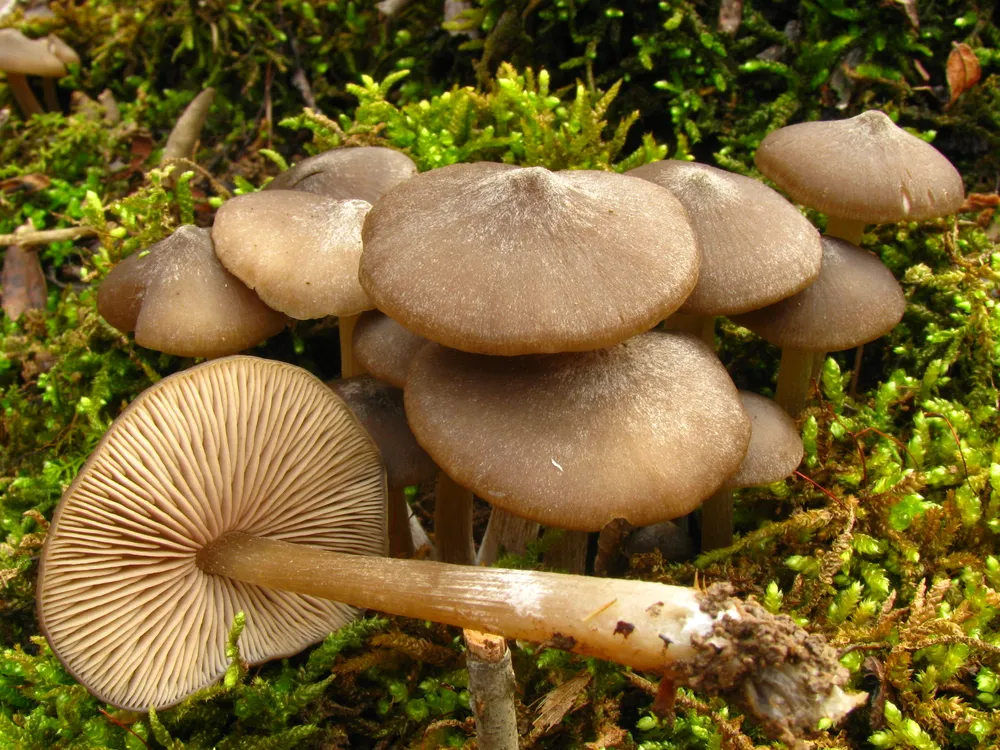
Spring pinkgillEntoloma vernum
Expert-verifiedUpdated October 3, 2026
Passport
- Edibility
- Poisonous
- Season
- Apr — Jun
- Hymenophore
- Gilled
- Cap color
- Brown
- Size
- Small (up to 5 cm)
- Smell
- Floury
- Reviewed
- Yes ✓
POISONOUS
Eating it causes poisoning. Do not pick it unless you have identified it with certainty.
Toxins: gastrointestinal, not fully identified. Symptoms begin 30 minutes — 2 hours after the meal: nausea, repeated vomiting, watery diarrhea, abdominal pain. They last 24-48 hours. The outlook is good if you see a doctor and get rehydrated. Especially dangerous for children, the elderly and pregnant women — because of the risk of dehydration. Heat treatment does NOT neutralize the toxins. If you suspect poisoning — call 112 or your local emergency number immediately and keep the remains of the mushroom for identification.
If you suspect poisoning, call an ambulance immediately: 112 (the European emergency number) or your local emergency number
Quick answers
Where to look?
Conifer forest, Mixed forest
When does it appear?
Apr — Jun
Active months: April, May, June.
How to recognize it? Three signs
- Cap color: Brown, Dark brown, Grey
- Cap shape: Conical
- Smell: Floury
Fruiting season
April – June
Description
The spring pinkgill (Entoloma vernum) is a small, inconspicuous pinkgill that appears among the very first, back when there are hardly any other mushrooms in the forest. A dark grayish-brown little cap with an umbo in the center, a thin stem, the modest look of a forest "inkcap". And it's exactly in this spring vacuum that it's dangerous: a forager looking for the first catch of the season sees a little group of small brown mushrooms — and puts them in the basket, mistaking them for early edible species such as young funnels or early knights.
This is a poisonous mushroom with a gastrointestinal effect. The symptoms are typical of the genus Entoloma: nausea, repeated vomiting, watery diarrhea 30 minutes — 2 hours after the meal. They last 1-2 days, and the outlook is good if you get help in time. Not fatal, but exhausting and unpleasant — and in children and the elderly dehydration can become dangerous. No preparation neutralizes it: the toxins are heat-stable. It has no culinary value at all — it's a small mushroom with scanty flesh that people reach for only out of ignorance.
In Ukraine it is widespread in deciduous, mixed and coniferous forests, most often on sandy and acidic soils, in pine forests and young plantations. Season — April-June, peaking in May. It often grows singly or in small groups of 3-7 fruiting bodies among moss and conifer litter.
Cap
Cap 1.5-5 cm across, bell-shaped or conical with a sharp umbo in the center, opening out with age. Color dark grayish-brown, chocolate-brown, with a characteristic metallic-gray tint in wet weather. The surface is hygrophanous (darker when wet, lighter in dry weather), fibrous, sometimes with tiny scales in the center. The cap margin often has fine radial striations.
Hymenophore
Gills. The gills are fairly sparse, notched where they meet the stem; in young mushrooms they are whitish-gray, with age pinkish-brown (the typical pink tone of Entoloma). Spore print pinkish-brown — the main feature of the genus.
Stem
Stem 3-8 cm tall, 0.2-0.5 cm thick, thin, cylindrical, often wavy. Color grayish-brown to dark gray, paler toward the top, with a whitish mealy bloom. The surface is lengthwise-fibrous, with no ring. At the base — a faint white mycelial fuzz.
Flesh
Flesh is thin, grayish, watery, almost translucent in wet weather. Does not change color when cut.
Smell
Faint, mealy or mealy-musty — typical of the genus Entoloma. In old mushrooms it's sourish. The taste is mild, bland, like raw flour.
›Scientific synonyms (5)
Rhodophyllus vernus (S. Lundell) Romagn. (1947), Rhodophyllus cucullatus J. Favre (1955), Nolanea cucullata (J. Favre) P.D.Orton (1960), Nolanea verna S. Lundell) Kotl. & Pouzar (1972), Entoloma cucullatum (Favre) Cetto (1987)
Lookalikes
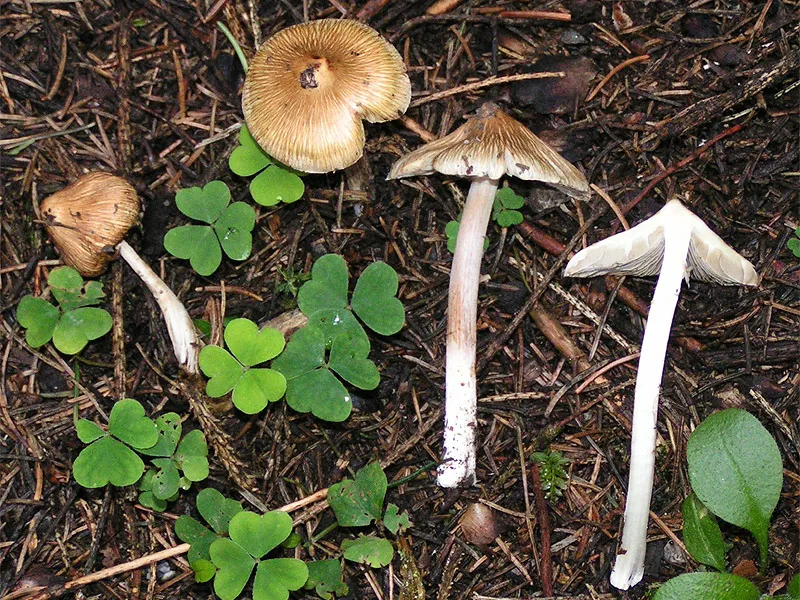
Related species
Mushrooms of the same genus and habitat — to study side by side and never mix up.
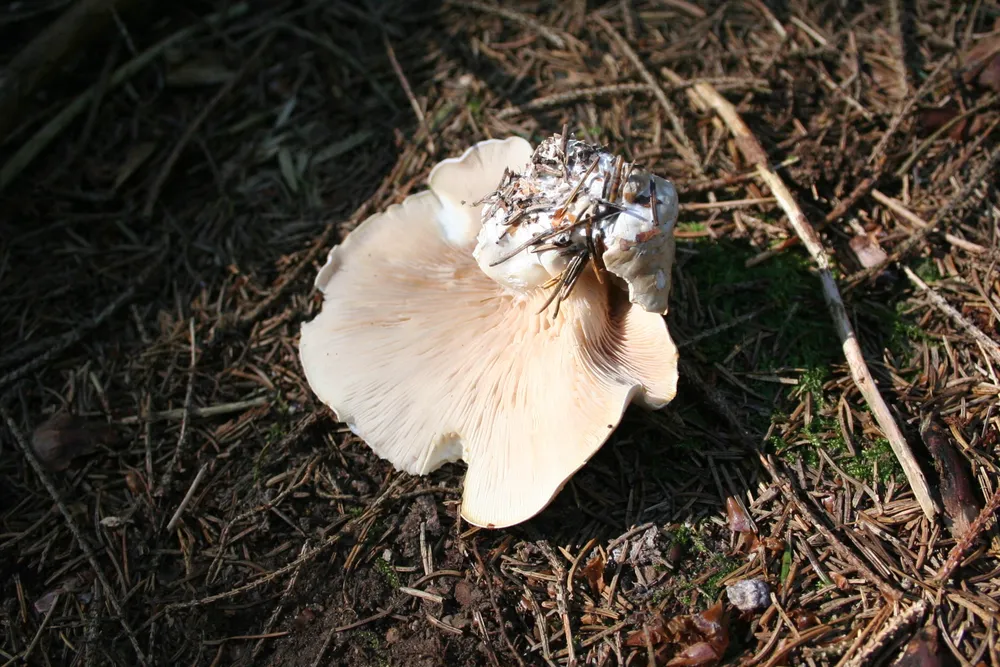
The miller
Clitopilus prunulus
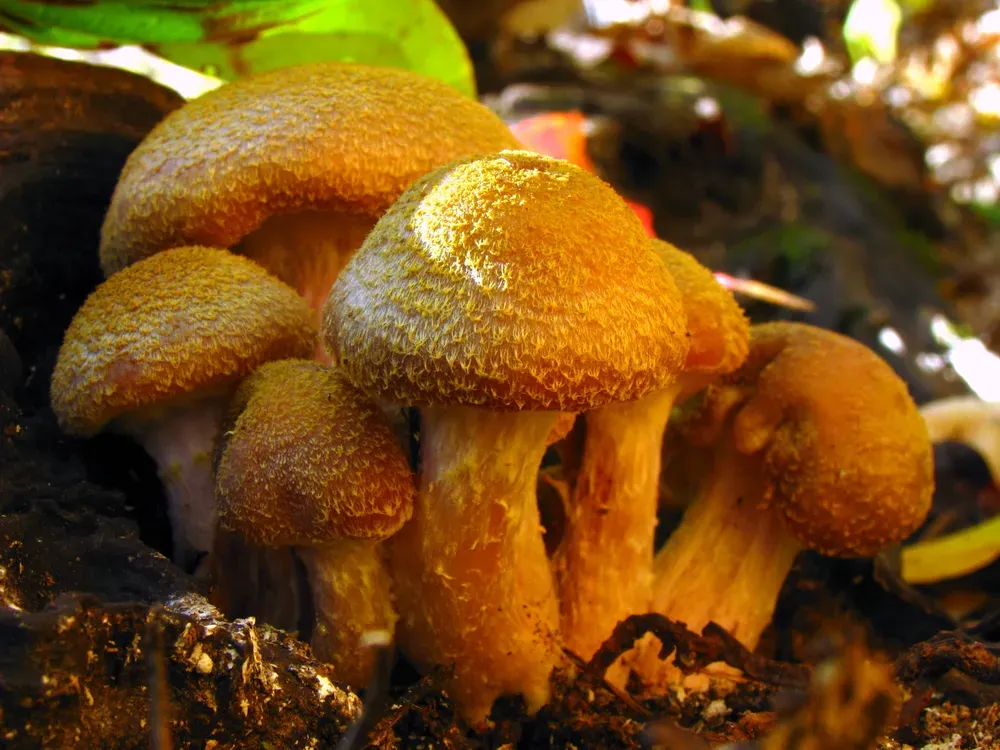
Bulbous honey fungus
Armillaria gallica
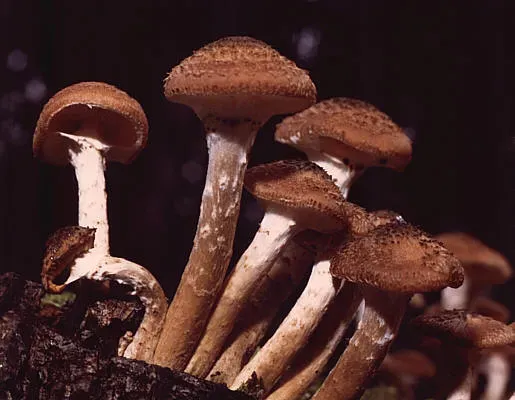
Dark honey fungus
Armillaria ostoyae
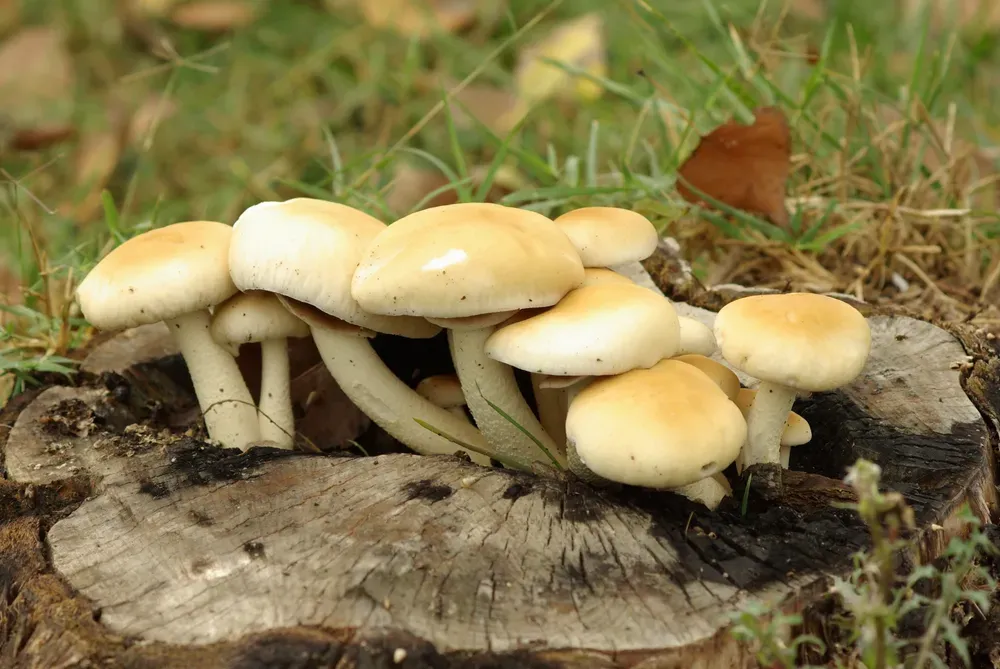
Poplar fieldcap
Cyclocybe aegerita
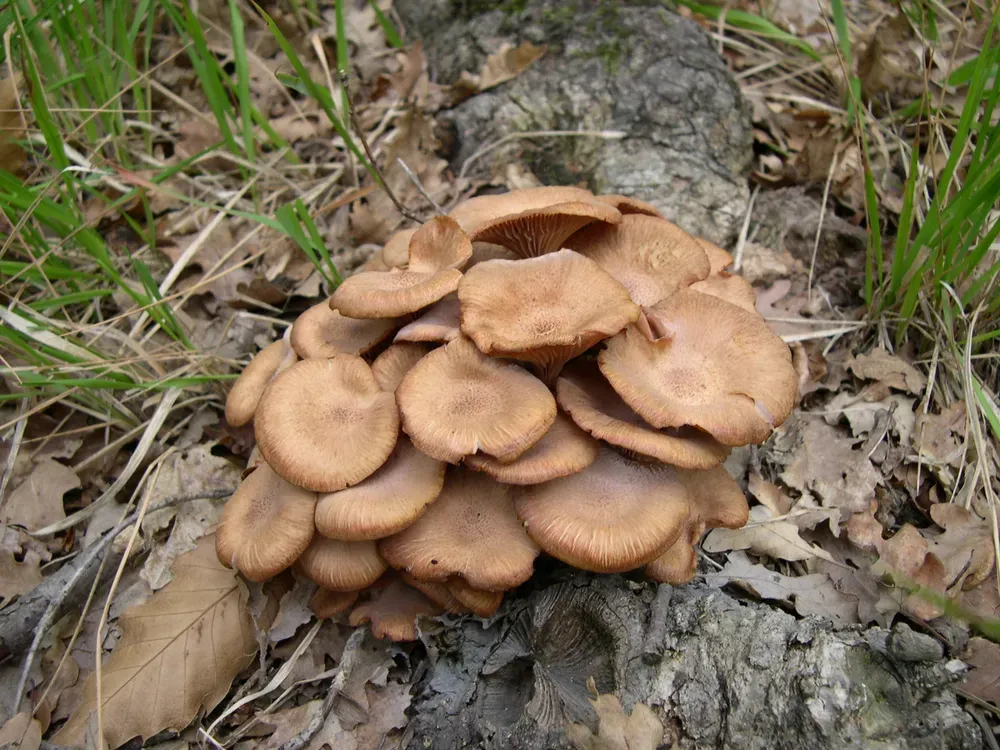
Ringless honey fungus
Desarmillaria tabescens
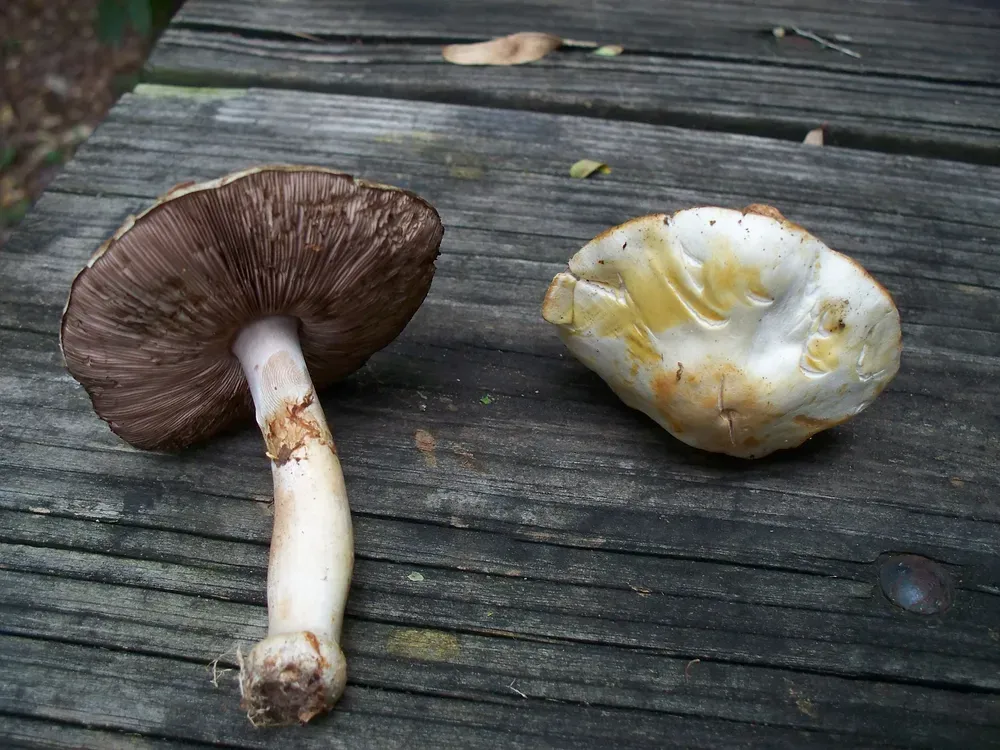
Agaricus abruptibulbus
Agaricus haemorrhoidarius
Agaricus haemorroidarius
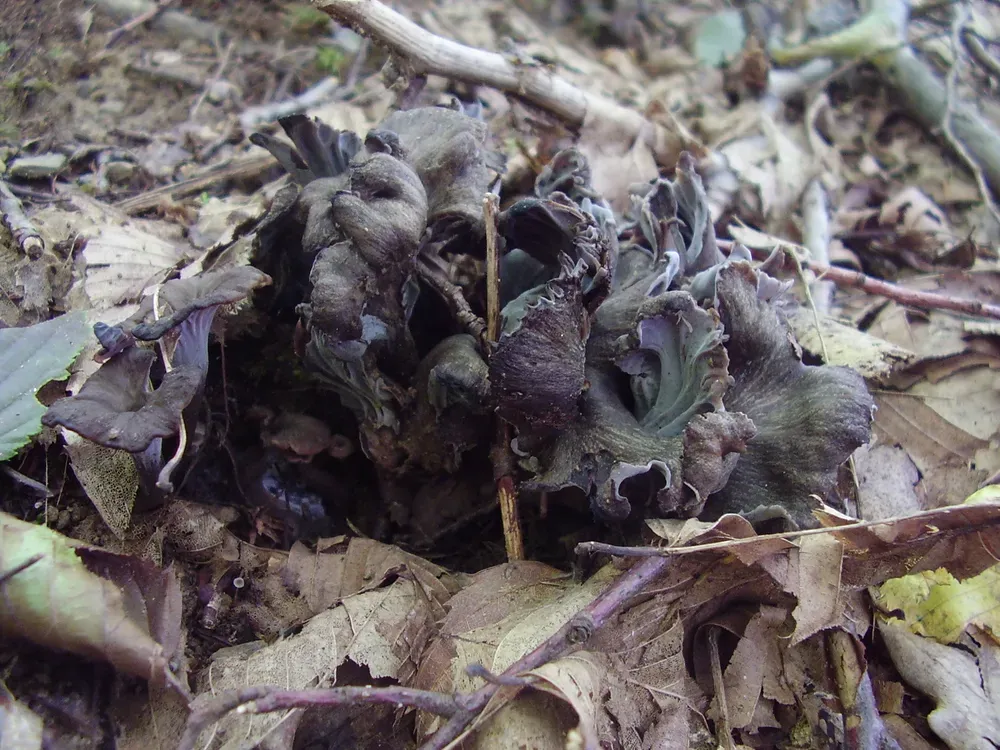
Ashen chanterelle
Cantharellus cinereus
Frequently asked questions
What happens if you eat it by accident?
After 30 minutes — 2 hours — severe nausea, repeated vomiting, watery diarrhea, abdominal pain. Acute symptoms last 1-2 days. Call 112 or your local emergency number and put the remains of the mushroom in a bag — the doctor needs them for identification. Drink water in small sips, no self-medication. Take special care with children and the elderly because of the risk of dehydration.
Can you eat it after boiling?
NO. The toxins are heat-stable — boiling, pickling, drying and freezing do not neutralize them. This mushroom is not edible in any form.
Why is a spring mushroom so dangerous?
Not "because it's a spring mushroom", but because it looks like safe spring species (young funnels, early knights) and appears when there are few other mushrooms around — so the temptation to put it in the basket grows. The rule: don't take a small brown mushroom with a thin stem without a precise identification.
Where does it usually grow?
In coniferous and mixed forests, mostly on sandy and acidic soils, in pine forests, among moss and conifer litter, in young plantations. Occasionally in deciduous forests. Singly or in groups of 3-7 mushrooms.
Which regions of Ukraine is it found in?
Throughout the forest zone — Polissia, the Carpathians, Prykarpattia, the Western and Left-Bank Forest-Steppe. Especially in the pine forests of Polissia. It does not grow in the steppe.
When to look for it... that is, to avoid it?
April — June, peaking in May. It's one of the first mushrooms of the season. It coincides with the time when foragers are looking for early edible species — hence the risk of mix-ups. This species does not fruit in August-September.
What is it confused with?
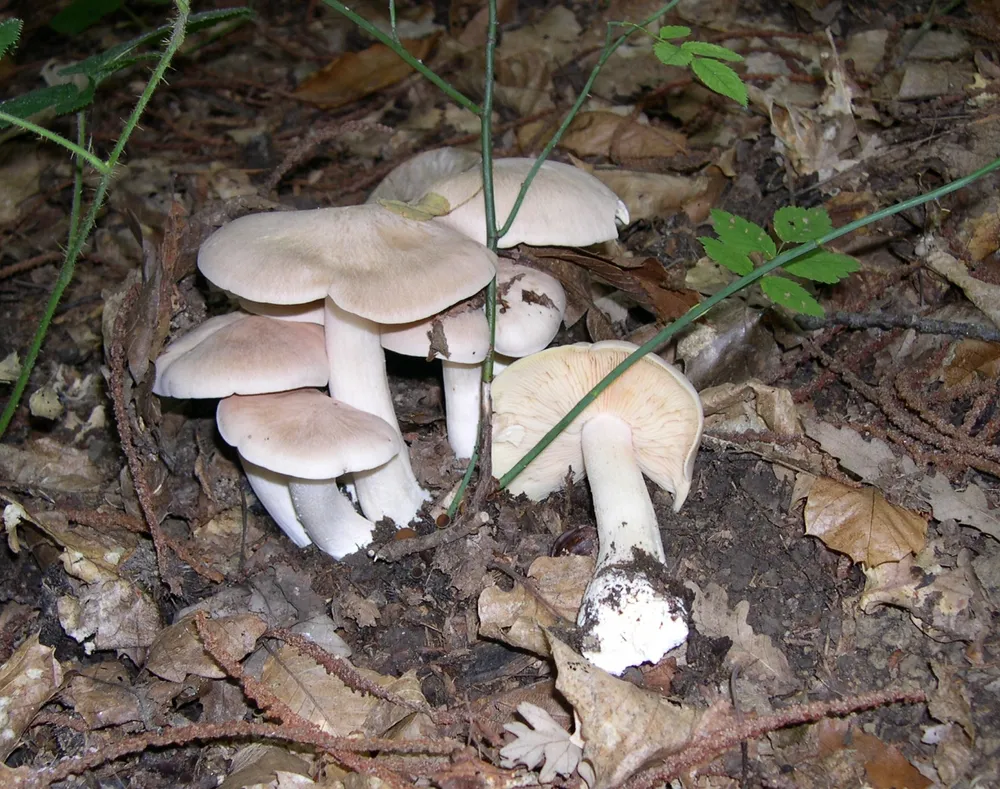
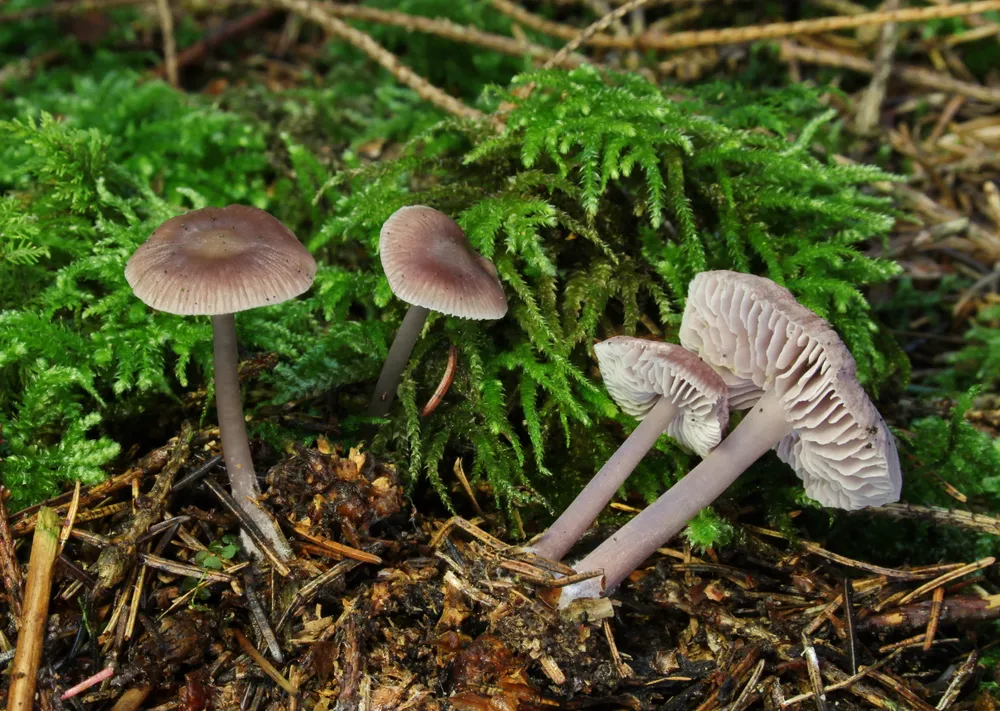
With spring brown mushrooms of a similar size: young funnels (Clitocybe), early knights (Tricholoma), some bonnets. The key difference is the pink spore print of Entoloma (in funnels and knights it's white or cream). A spore print is the most reliable test.
Is this the same species as the shield pinkgill?
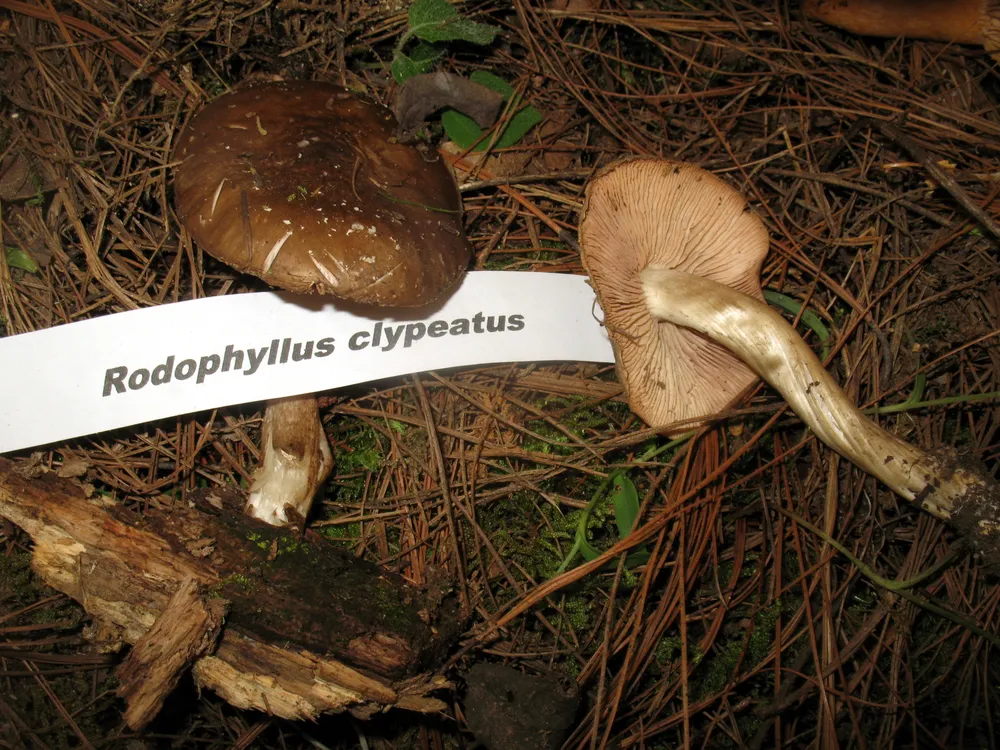
NO. The shield pinkgill (Entoloma clypeatum) is an edible relative that grows in May-June under rosaceous trees and shrubs (apple, plum, hawthorn, dog rose). It is much larger (5-12 cm versus 2-5 cm for the spring pinkgill), meatier, and grows on alkaline soils. The spring pinkgill is smaller, thinner, and grows in coniferous forests. But since they share a genus, caution is a must — don't pick either without a precise identification.
Is Spring pinkgill edible or poisonous?
Does Spring pinkgill have gills or pores?
What does the cap of Spring pinkgill look like?
What does the stem of Spring pinkgill look like?
Sources
- [1]Вікіпедія (українська)
- [2]Атлас грибів України, Зеров Д.К. (1979)
- [3]MycoBank Database
- [4]Index Fungorum
- [5]GBIF
- [6]iNaturalist Ukraine