.webp)
"Are there poisonous slippery jacks?" is one of the questions beginners ask most. The answer is reassuring, but it needs a few caveats. In short: there are no deadly poisonous slippery jacks, but there are some nuances worth knowing.
The slippery jack (Suillus luteus and its close relatives) is rightly considered one of the safest mushrooms. But even the safest mushroom can harm you if it's picked or cooked the wrong way. Let's go through it all honestly.
No slippery jack is deadly poisonous
Let's start with the main point. The genus Suillus, which includes all true slippery jacks, has no deadly poisonous species. All of them are edible or conditionally edible, meaning they simply need proper preparation.
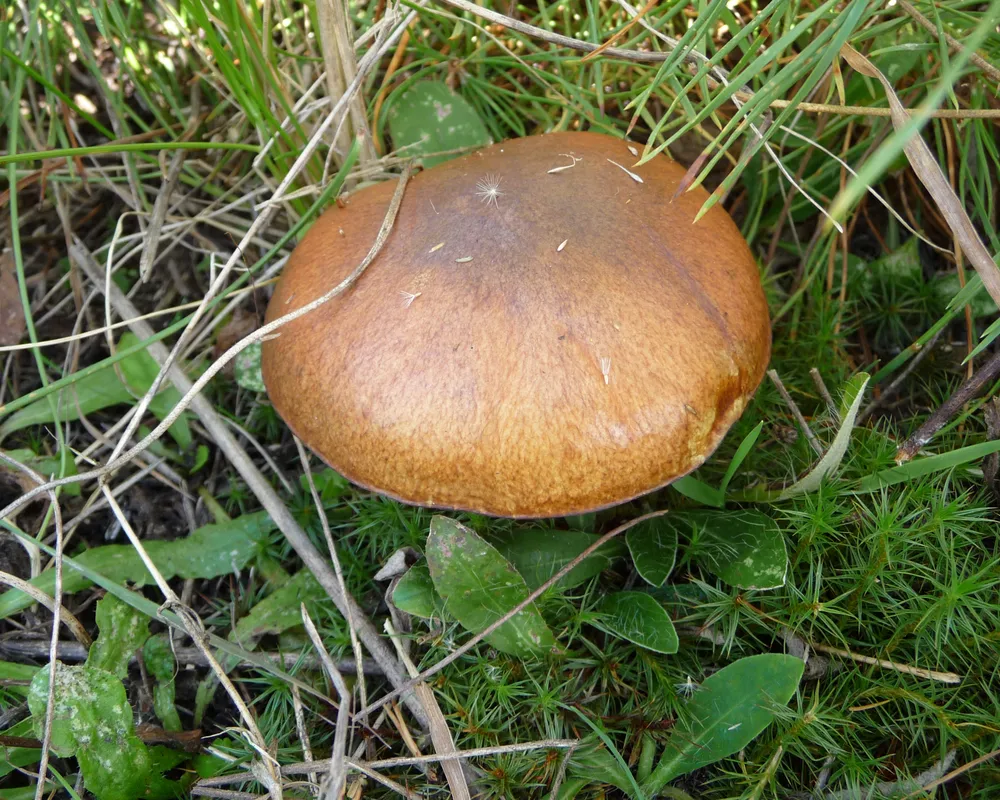
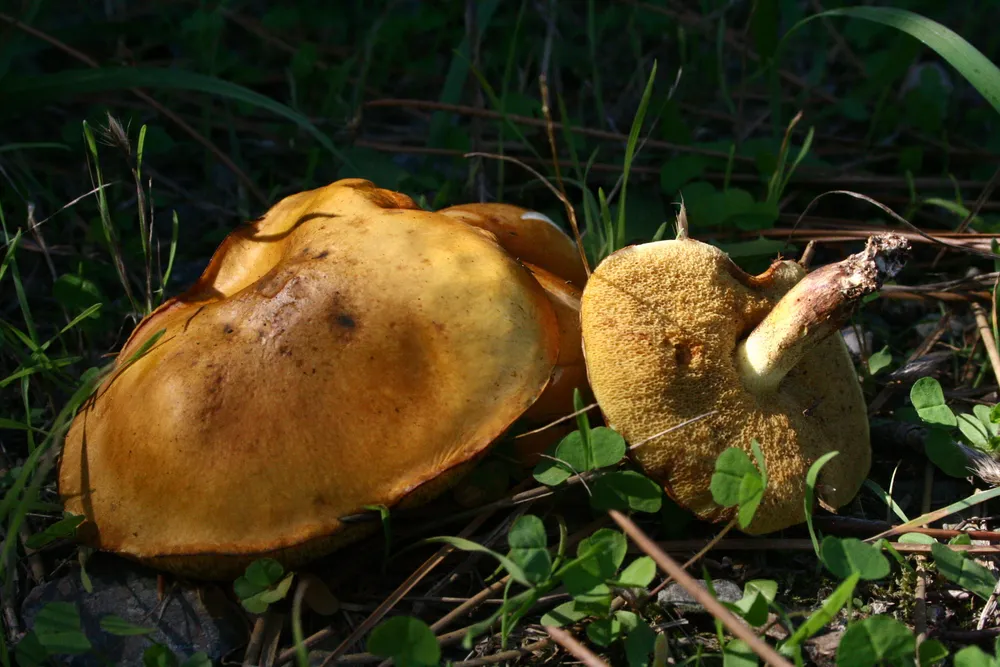
That makes the slippery jack a great mushroom for anyone still learning. Unlike gilled mushrooms, which include the deadly amanitas, the pored slippery jack has no dangerous lookalike in Ukrainian forests.
So if you've confidently identified a slippery jack by its slimy cap and spongy underside, poisoning yourself with it is practically impossible. Danger comes only from a mistake in identification or from mishandling the mushroom.
When even an edible slippery jack does harm
Now for the nuances. Even a safe mushroom can cause trouble in a few situations.
- Old mushrooms. Overmature slippery jacks with a darkened pore surface build up breakdown products and are hard to digest. Take only young, firm specimens.
- Wormy mushrooms. Slippery jacks infested with maggots spoil quickly. It's better to leave them in the forest.
- Mushrooms near roads and factories. Slippery jacks soak up heavy metals from the soil like a sponge. Don't pick them near highways or industrial zones.
- The slimy skin. In some people it causes a mild stomach upset, which is why it's usually peeled off.
As you can see, it's not the slippery jack itself that does harm, but careless picking or cooking. That goes for any mushroom, even the very best.
"False slippery jacks": should you be afraid?
You may sometimes hear about "false slippery jacks." This usually doesn't mean poisonous mushrooms, just less tasty relatives or neighbors in the pine woods.
- **Bovine bolete** is often called a "false slippery jack" because of its drier cap, but it's perfectly edible.
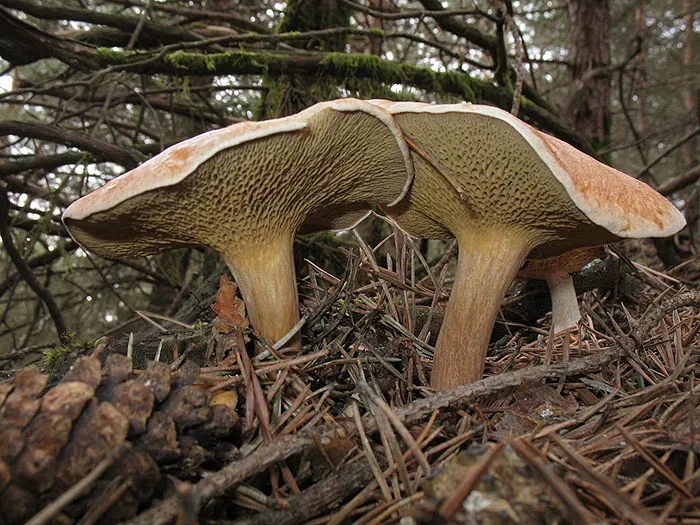
- Peppery bolete is a small pored mushroom with a burning, bitter taste. It isn't poisonous, but it ruins a dish with its flavor.
None of these mushrooms is life-threatening. The worst that can happen is a bitter peppery bolete in your pot. So a "false slippery jack" is a matter of taste, not safety.
How to pick slippery jacks safely
To keep your forays worry-free, follow a few simple rules.
- Take only mushrooms with a spongy underside, not gills.
- Choose young, firm specimens with light-colored pores.
- Avoid roadsides, factories and dumps.
- Don't mix mushrooms you've confidently identified with doubtful ones.
The best time to look for slippery jacks is a day or two after a warm rain in coniferous and mixed forests. An easy way to track good windows is our mushroom radar: it shows when moisture and warmth line up well for mushrooms to appear.
Caution never hurts
The slippery jack is safe, but the golden rule stays the same for any mushroom: if in doubt, leave it out. The habit of checking for a spongy underside and taking only young, clean mushrooms will make the slippery jack what it should be: a reliable and tasty find.
Sources
- "Field Guide to the Fungi of Ukraine" (Kyiv, Naukova Dumka publishing house).
- Suillus luteus on GBIF, the global biodiversity database.
- Suillus on MycoBank, the international fungal nomenclature database.
- Suillus luteus on Wikipedia.
Frequently asked questions
Are there poisonous slippery jacks?
There are no deadly poisonous slippery jacks. All species of the genus Suillus are edible or conditionally edible. Danger is possible only through a mistake in identification or mishandling the mushroom.
Can a slippery jack poison you?
A true slippery jack, properly picked and cooked, no. Harm can come from old or wormy mushrooms, ones picked near roads, or a completely different mushroom taken by mistake.
What is a "false slippery jack"?
That's what people usually call less tasty relatives or neighbors: or the peppery bolete. They aren't poisonous, so a "false slippery jack" is a matter of taste, not safety.
Why is the slippery jack considered a safe mushroom?
Because no slippery jack species is deadly poisonous, and their spongy underside is easy to tell apart from dangerous gilled mushrooms. That's why the slippery jack is often recommended to beginners.
When can even an edible slippery jack do harm?
When it's old, wormy, or picked near highways and factories, where mushrooms soak up heavy metals. Also, in some people the slimy skin causes a mild stomach upset.
Should you peel a slippery jack for safety?
Usually, yes. The slimy skin is hard to digest and gives some people a mild stomach upset. It's easier to peel from a dry cap, before you wash the mushroom.
Is the peppery bolete dangerous?
No, it isn't poisonous. But its burning bitterness can ruin a whole dish, so it's better to skip small pored mushrooms with rusty-colored pores.
How do you pick slippery jacks without harming yourself?
Take only young mushrooms with a spongy underside and light-colored pores, avoid roadsides and industrial zones, and don't mix them with doubtful mushrooms. Keep an eye on the weather with our .
Mushrooms in this article
Related articles
 Recipes & cooking
How to store fresh mushrooms, and for how long
Fresh mushrooms spoil faster than you might think. Here's how long they keep in the fridge, how to store them…
August 21, 2026·4 min Recipes & cooking
How long to boil mushrooms
Boiling time depends on the type of mushroom and on what you're cooking next. Here's a clear cheat sheet: how…
August 22, 2026·4 min How to identify
Truffles in Ukraine: do they grow here, and where to look
Truffles aren't just a French delicacy. Several species grow in Ukraine too. Here's which ones, where they occ…
August 24, 2026·2 min