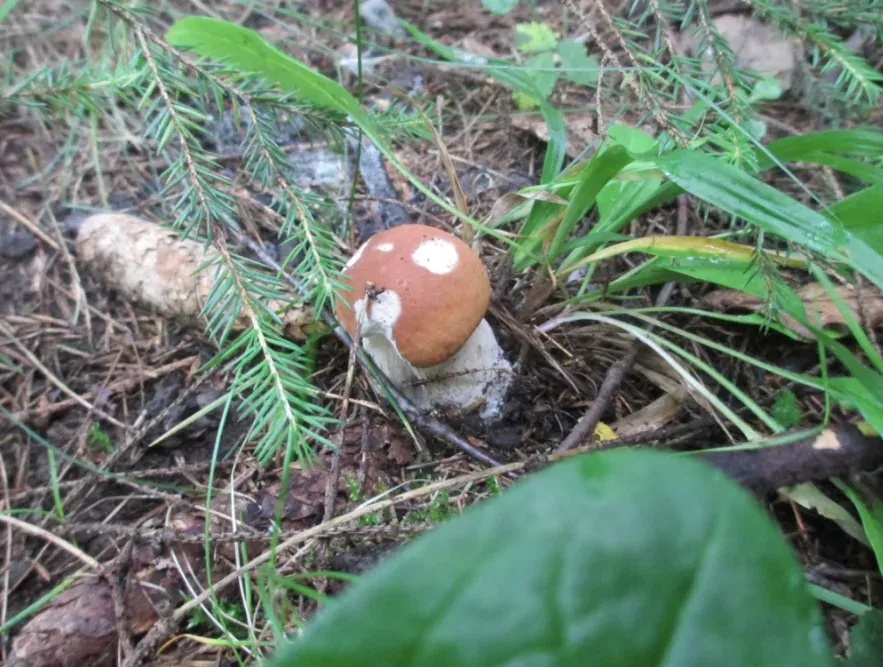
Few foragers haven't felt the disappointment when a good-looking porcini turns out to be riddled with tunnels inside. "Worms" in mushrooms are a normal part of foraging, and the question is less "do they happen" and more "what do you do with a mushroom like that."
Let's look at what these larvae are, when a wormy mushroom can still be eaten and when it's better to leave it.
What are these "worms"
In fact, they're not worms but the larvae of fungus gnats and flies that lay eggs in fruiting bodies. They feed on the flesh, leaving tunnels behind. It's a natural process, especially in warm weather: in July heat, mushrooms get wormy faster than in cool fall.
The larvae aren't poisonous and don't make a mushroom dangerous by themselves — it's more a question of quality and appearance.
When a mushroom is still fine
- A few tunnels in the stem. If only the lower part of the stem is affected, cut it off and keep the rest of the mushroom.
- A clean cap. A young mushroom with a few tunnels at the base is usually still good.
- Soaking. Mushrooms are submerged in cold salted water for 15–20 minutes — the larvae come out.
When it's better to throw a mushroom away
- Flesh riddled through and through. If the cap and stem are tunneled all the way through, the mushroom is already tasteless and has hardly any flesh left.
- Signs of spoilage. A soggy, slimy, bad-smelling mushroom can't be saved by cleaning or soaking.
- Old mushrooms. They're both wormy and accumulate more unwanted substances; on why you shouldn't pick old and wormy mushrooms, we wrote separately.
How to avoid wormy mushrooms
- Go out in the cool season — in fall there are fewer wormy mushrooms; on why fall mushrooms are cleaner, we have an article too.
- Pick young mushrooms and check the cut stem right there in the forest.
- Process your haul quickly — within a few hours in the warmth, the larvae crawl all over the basket.
Sources
- "Field Guide to the Mushrooms of Ukraine" (Kyiv, Naukova Dumka publishing house).
- Fungus gnat on Wikipedia.
- Edible mushroom on Wikipedia.
Frequently asked questions
Can you eat mushrooms with worms?
If only part of the stem is affected, cut it off and keep the rest of the mushroom. Mushrooms that are riddled throughout or spoiled get thrown away.
What are the "worms" in mushrooms?
They're the larvae of fungus gnats and flies that feed on the flesh. They aren't poisonous, but they spoil the mushroom and its looks.
How do you clean worms out of mushrooms?
Soak the mushrooms for 15–20 minutes in cold salted water — the larvae come out. Badly riddled parts are cut away.
Is it dangerous to eat a larva in a mushroom?
The larvae themselves aren't poisonous, but a mushroom that's wormy throughout is usually already tasteless and may be spoiled, so it isn't eaten.
Why do mushrooms get wormy?
Fungus gnats and flies lay eggs in the fruiting bodies, and the larvae feed on the flesh. In warm weather this happens faster.
Why are there more wormy mushrooms in summer?
In the heat there are lots of insects, and the larvae develop quickly. In fall, when it's cool, mushrooms are cleaner.
How do you get fewer wormy mushrooms in your basket?
Pick young mushrooms, check the stem right in the forest, and process your haul quickly before the larvae crawl around.
Can you dry wormy mushrooms?
No, only clean young mushrooms are used for drying. It's best to sort out wormy ones while still in the forest or at the cleaning stage.
Related articles
 Safety
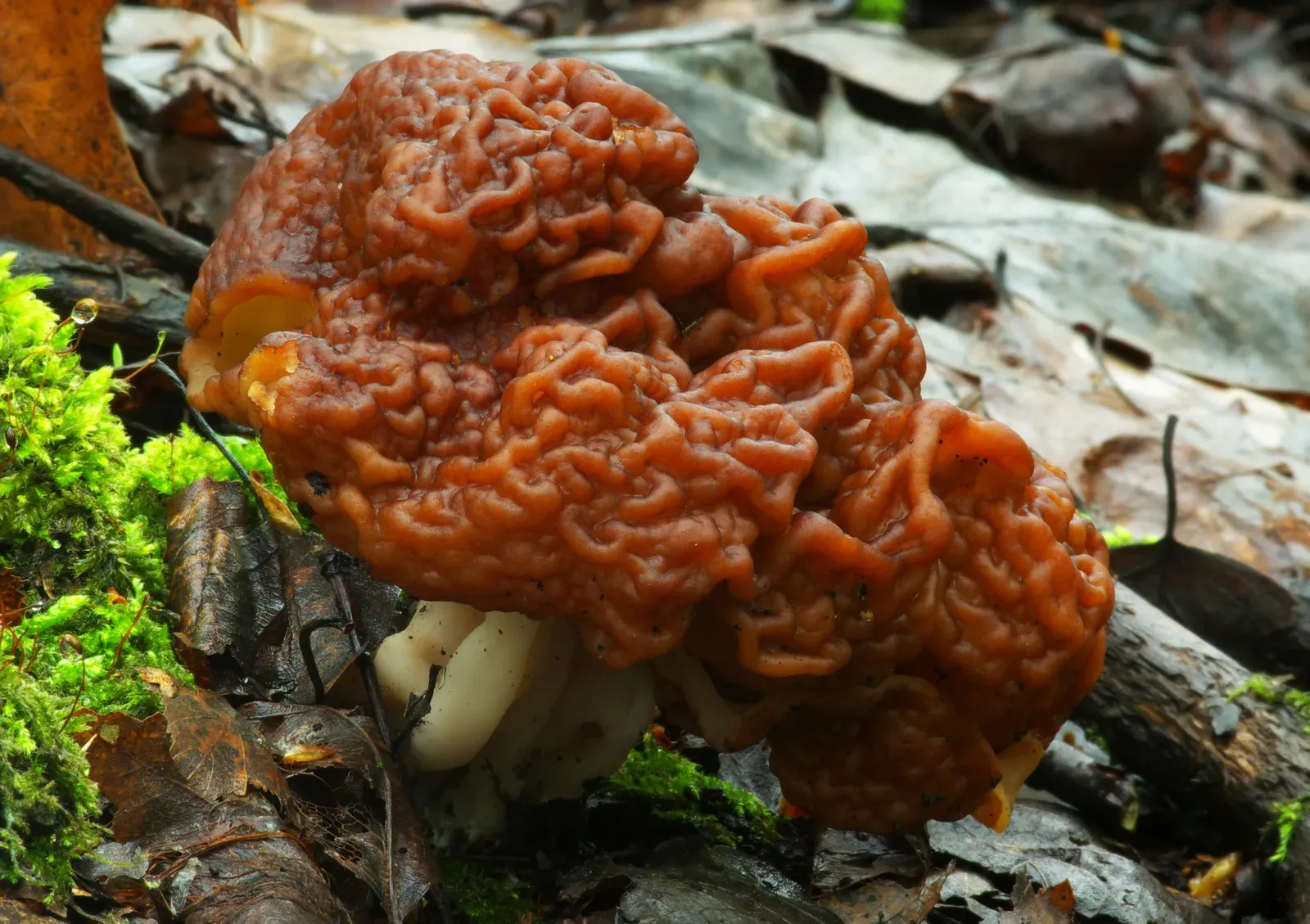
False morel: why this spring mushroom is dangerous
The false morel looks like a morel, but it contains a poison. Here's how to recognize it, why it's dangerous a…
August 24, 2026·2 min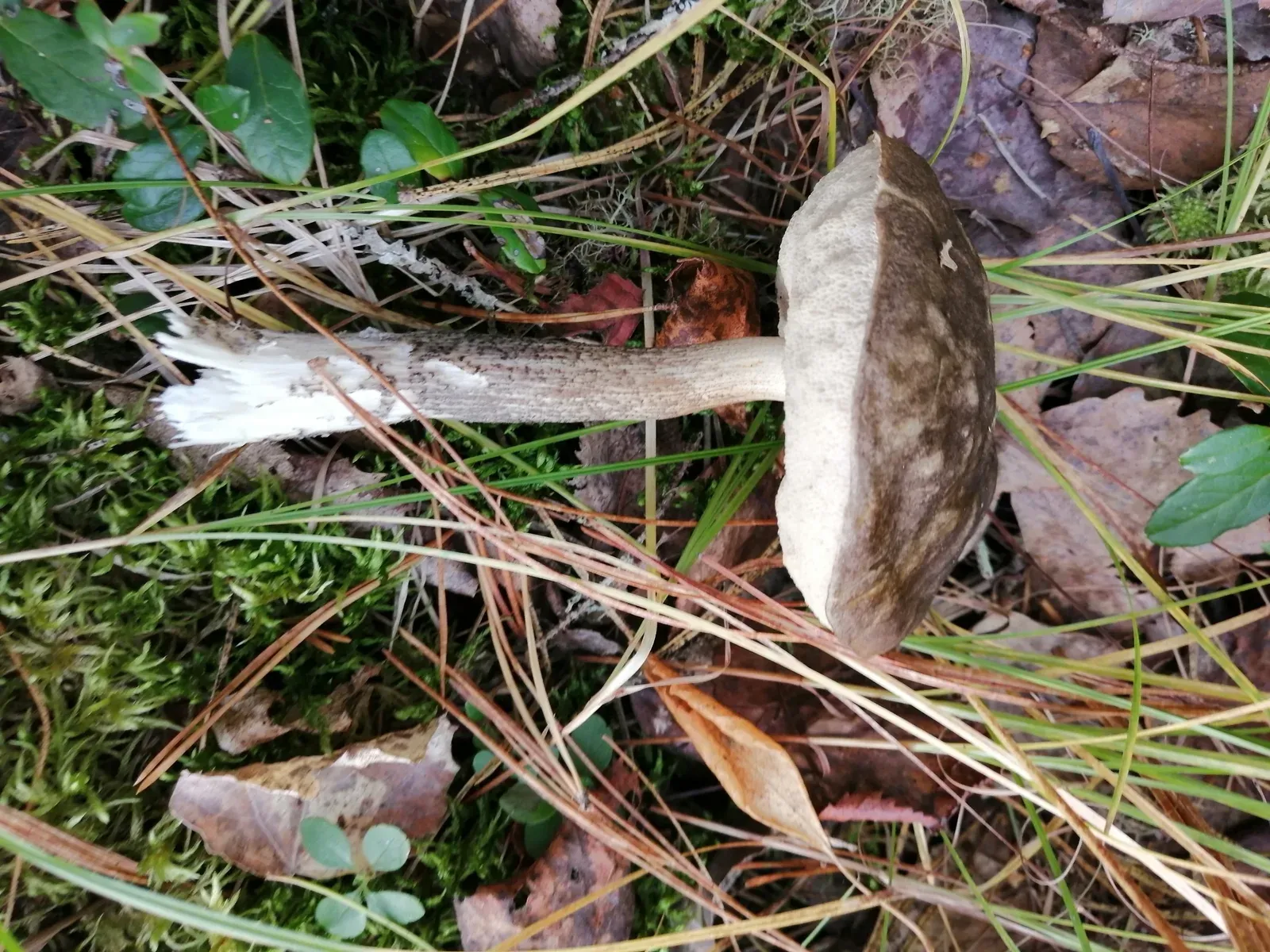 Safety
Is the birch bolete poisonous?
The brown birch bolete is a safe edible mushroom — there are no poisonous birch boletes. We explain why the qu…
August 19, 2026·2 min Safety
Can you pick mushrooms in cities and parks?
Mushrooms grow on city lawns, in parks and yards too, but you shouldn't eat them. Here's why urban mushrooms a…
August 22, 2026·3 min