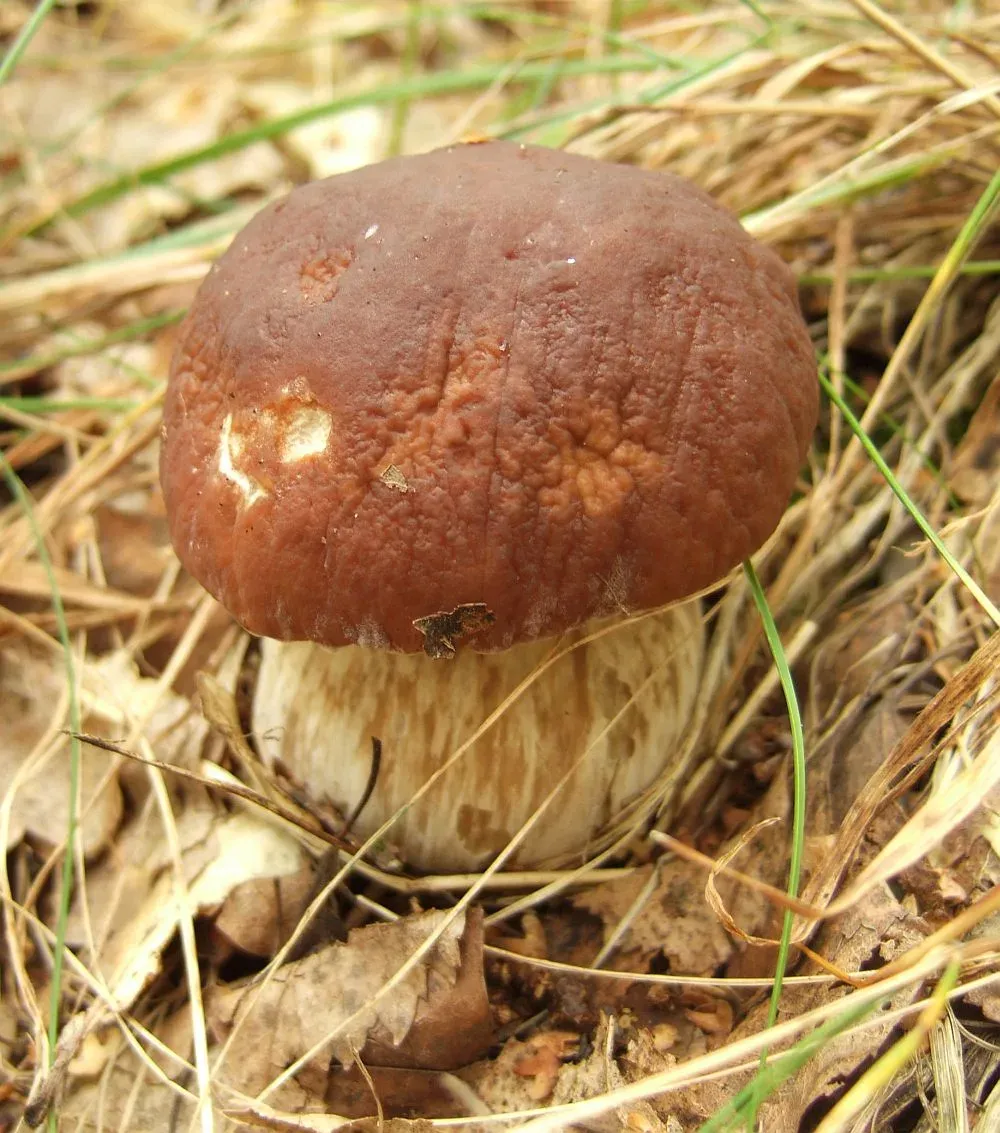
Experienced foragers know that porcini don't grow “a little at a time, all the time”. They come up in flushes, and between them the forest can be almost empty. The first, summer flush falls in June–July, and the most powerful one — the second — arrives at the end of summer.
Let's look at when the second porcini flush begins, why it's richer than the summer one, and where to find porcini in autumn.
What porcini “flushes” are
Mycelium doesn't fruit continuously but in bursts — whenever moisture and temperature are right. Between flushes it “rests”, which is why the forest is either full or empty. For more on why mushrooms grow in flushes, see our separate article.
Porcini have two or three distinct flushes per season:
- Summer — June–July, often cut short by heat.
- Autumn (second) — late August and September, the richest.
- Sometimes a third — in a warm October, before the first frosts.
When the second flush begins
The second flush starts when the July heat breaks: the soil still holds plenty of warmth, while cool nights and morning fog add moisture. In most regions that's late August, with the peak in September.
The trigger is rain during a cool spell. After a good August rain, porcini pop up together within a few days. To catch that moment, check the mushroom radar: it shows good windows for your region.
Why autumn porcini beat summer ones
The second flush is prized for more than just quantity.
- Fewer worms. In the cooler weeks of August–September there are fewer insects, so autumn porcini are more often clean than July ones.
- Firmer flesh. Autumn porcini are denser and hold up better when dried or pickled.
- Bigger groups. The second flush is usually more abundant, so your basket fills up faster.
We've written separately about how summer porcini differ from autumn ones — the difference isn't just in when they appear.
Where to look for porcini in autumn
Porcini grow in both conifer and deciduous forests, forming mycorrhiza with a range of trees.
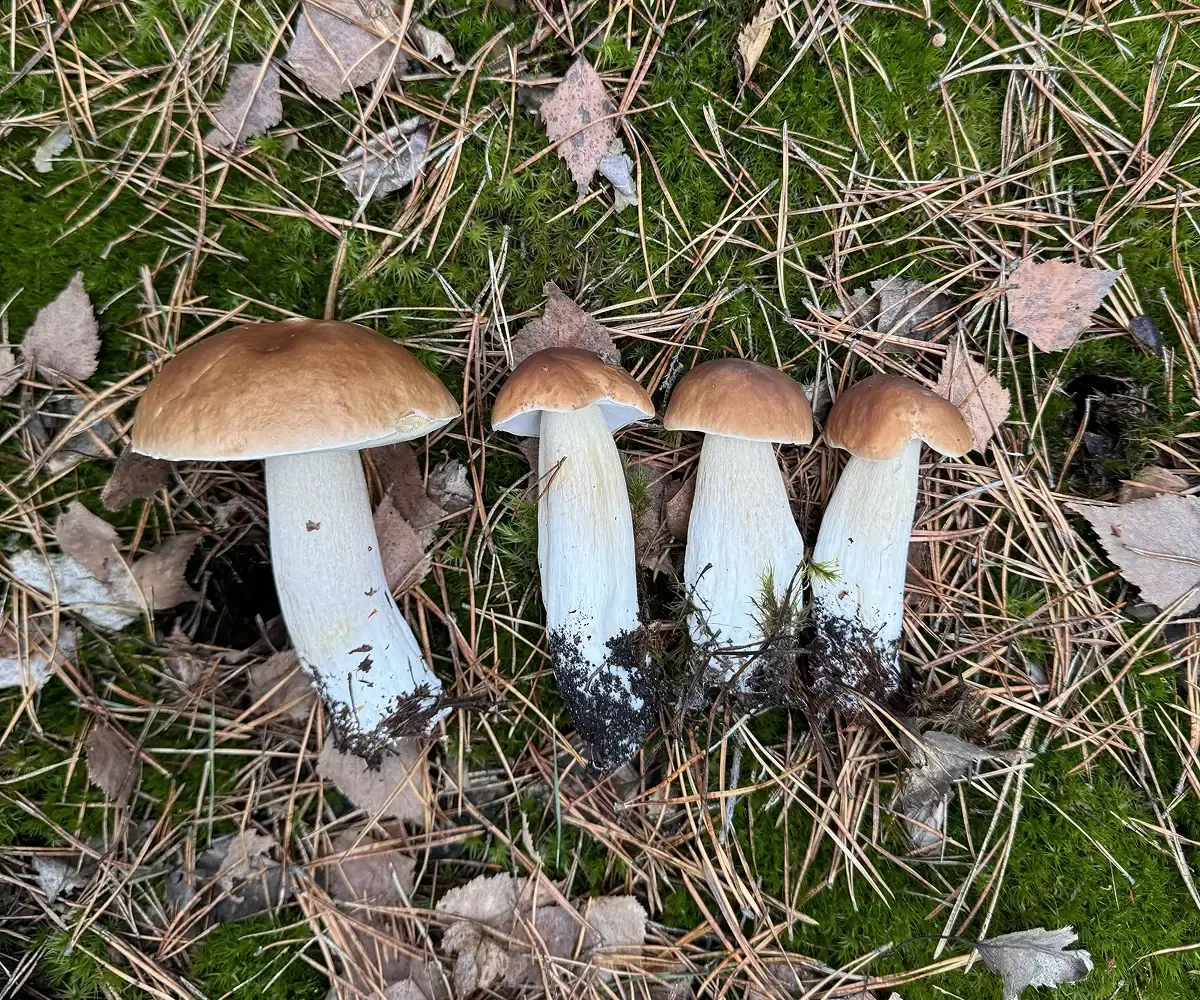
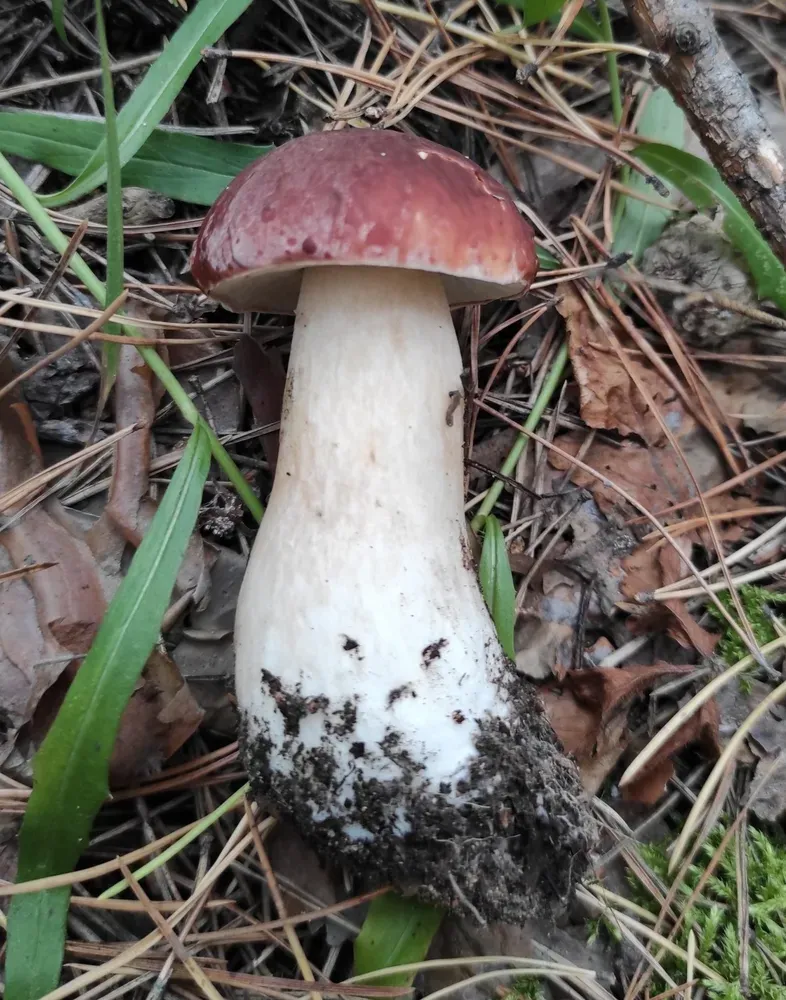
- Pine forests. The pine bolete loves sandy soil under pines, often along forest edges and in clearings.
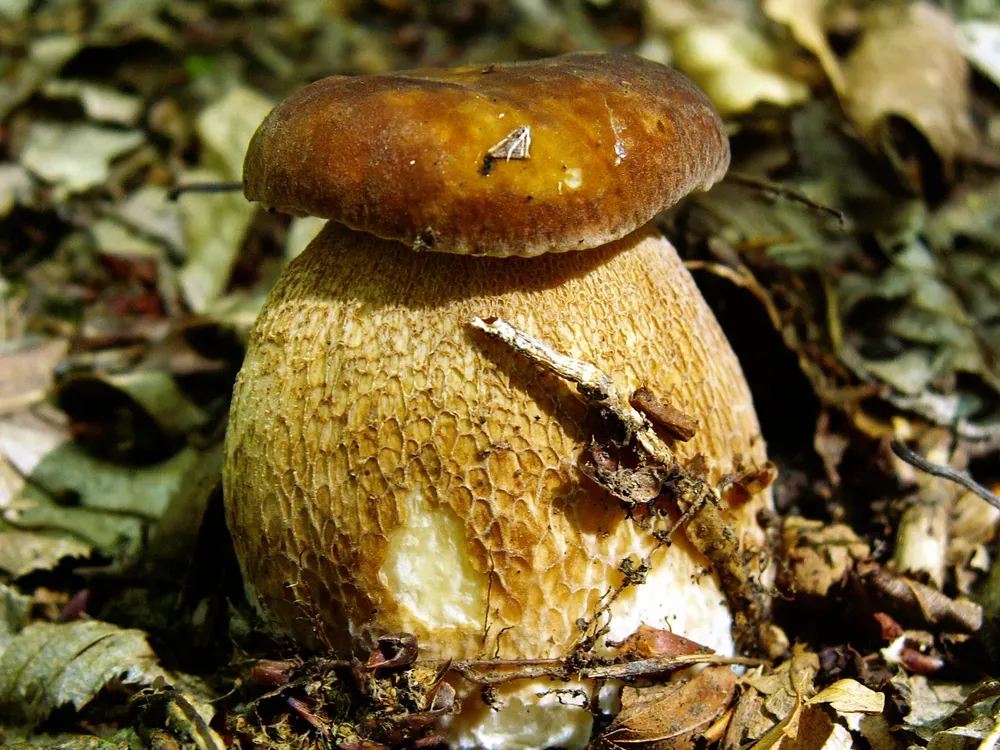
- Oak and beech woods. This is home to the summer bolete (Boletus reticulatus), also called the reticulated bolete.
- Birch woods. Boletus betulicola keeps company with birches.
- Edges of clearings and paths. Warm but not parched spots with more light.
Look for porcini where you found them last year: the mycelium lives for years, and good spots repeat.
Sources
- “Key to the Fungi of Ukraine” (Kyiv, Naukova Dumka publishing house).
- Boletus edulis in GBIF, the Global Biodiversity Information Facility.
- Boletus edulis in MycoBank, the international fungal nomenclature database.
- Boletus edulis on Wikipedia.
Frequently asked questions
What is the second porcini flush?
It's the autumn flush of porcini that follows the summer one. Porcini fruit in bursts, and the second flush — in late August and September — is usually the richest of the season.
When does the second porcini flush begin?
In most regions, in late August, with the peak in September. The start depends on rain during a cool spell.
Why do porcini grow in flushes?
The mycelium only fruits when moisture and temperature are right, and “rests” between bursts. That's why the forest is either full or empty.
Why are autumn porcini better than summer ones?
They're less wormy because there are fewer insects in autumn, they have firmer flesh and grow more abundantly. Autumn porcini hold up better when dried or pickled.
Where to look for porcini in autumn?
In pine forests, oak woods, beech forests and birch woods — porcini form mycorrhiza with a range of trees. Check the edges of clearings and paths.
How many porcini flushes are there per season?
Usually two or three: summer (June–July), autumn (late August — September), and sometimes a third in a warm October before the frosts.
How do you catch the second flush?
Watch for rain and cool spells, and head out two or three days after a good rain. The mushroom radar shows good windows.
Can you find porcini in the same spot as last year?
Yes, the mycelium lives for many years, and good spots repeat. Remember where you found your porcini.
Mushrooms in this article
Related articles
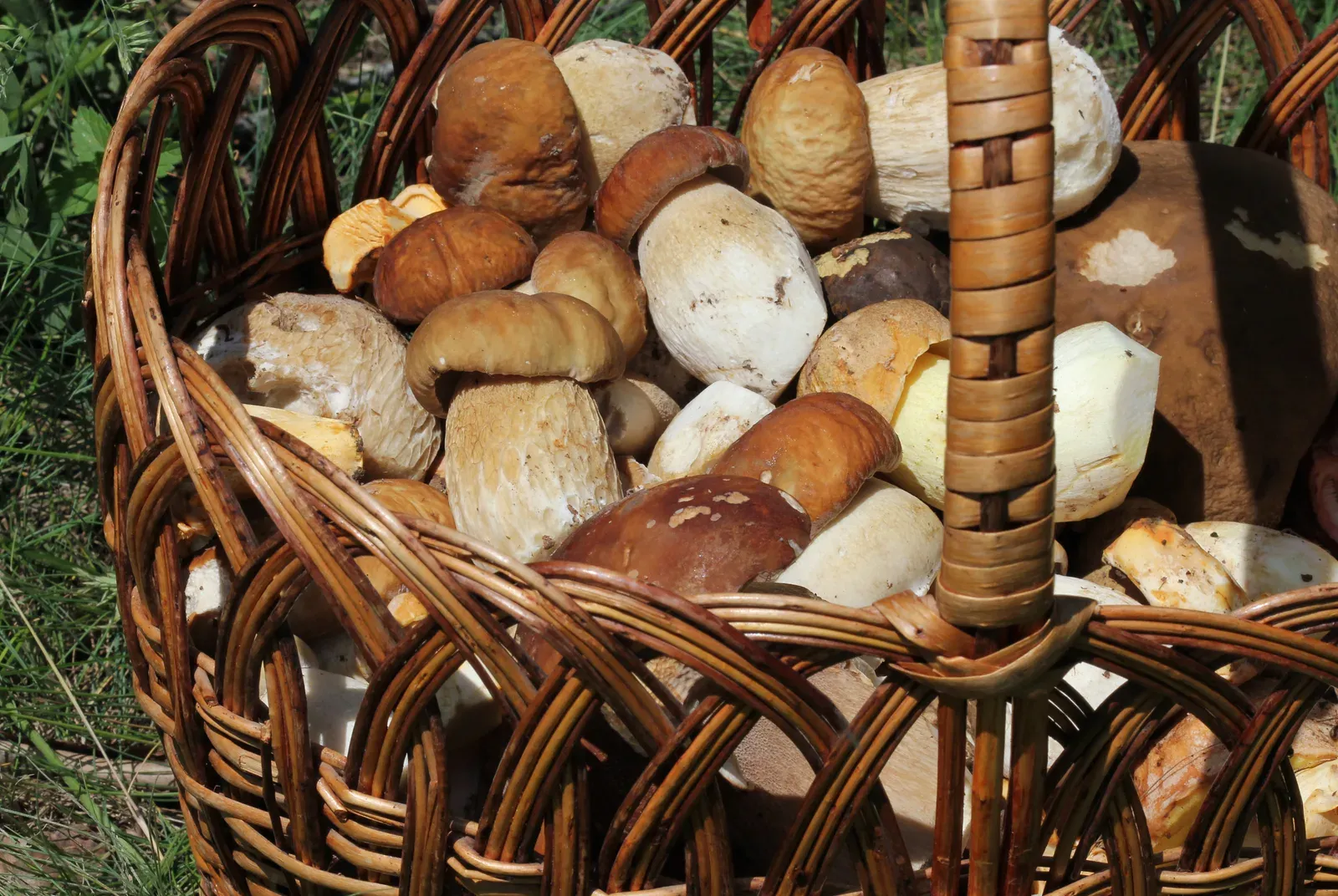 Recipes & cooking
How to store fresh mushrooms, and for how long
Fresh mushrooms spoil faster than you might think. Here's how long they keep in the fridge, how to store them…
August 21, 2026·4 min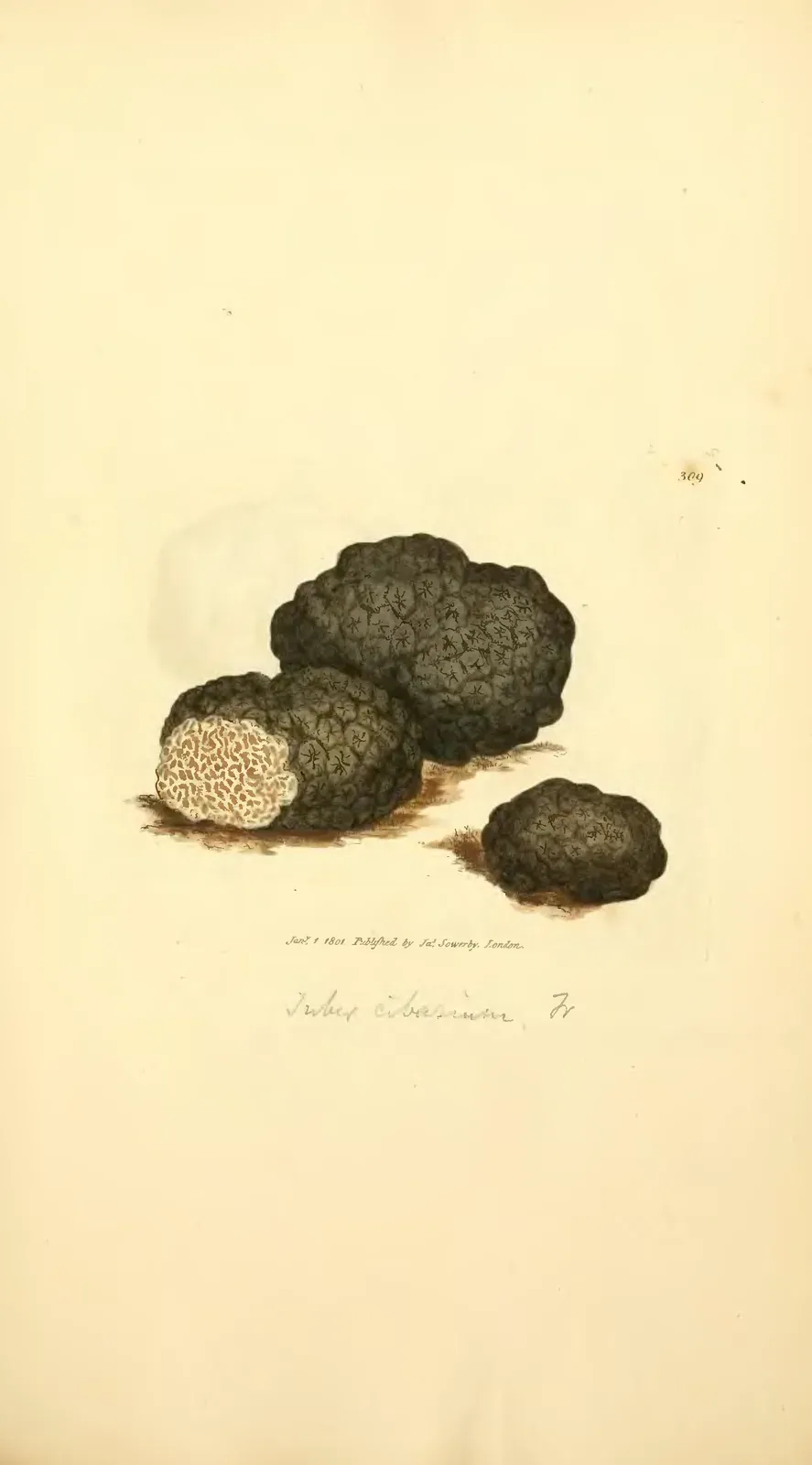 How to identify
Truffles in Ukraine: do they grow here, and where to look
Truffles aren't just a French delicacy. Several species grow in Ukraine too. Here's which ones, where they occ…
August 24, 2026·2 min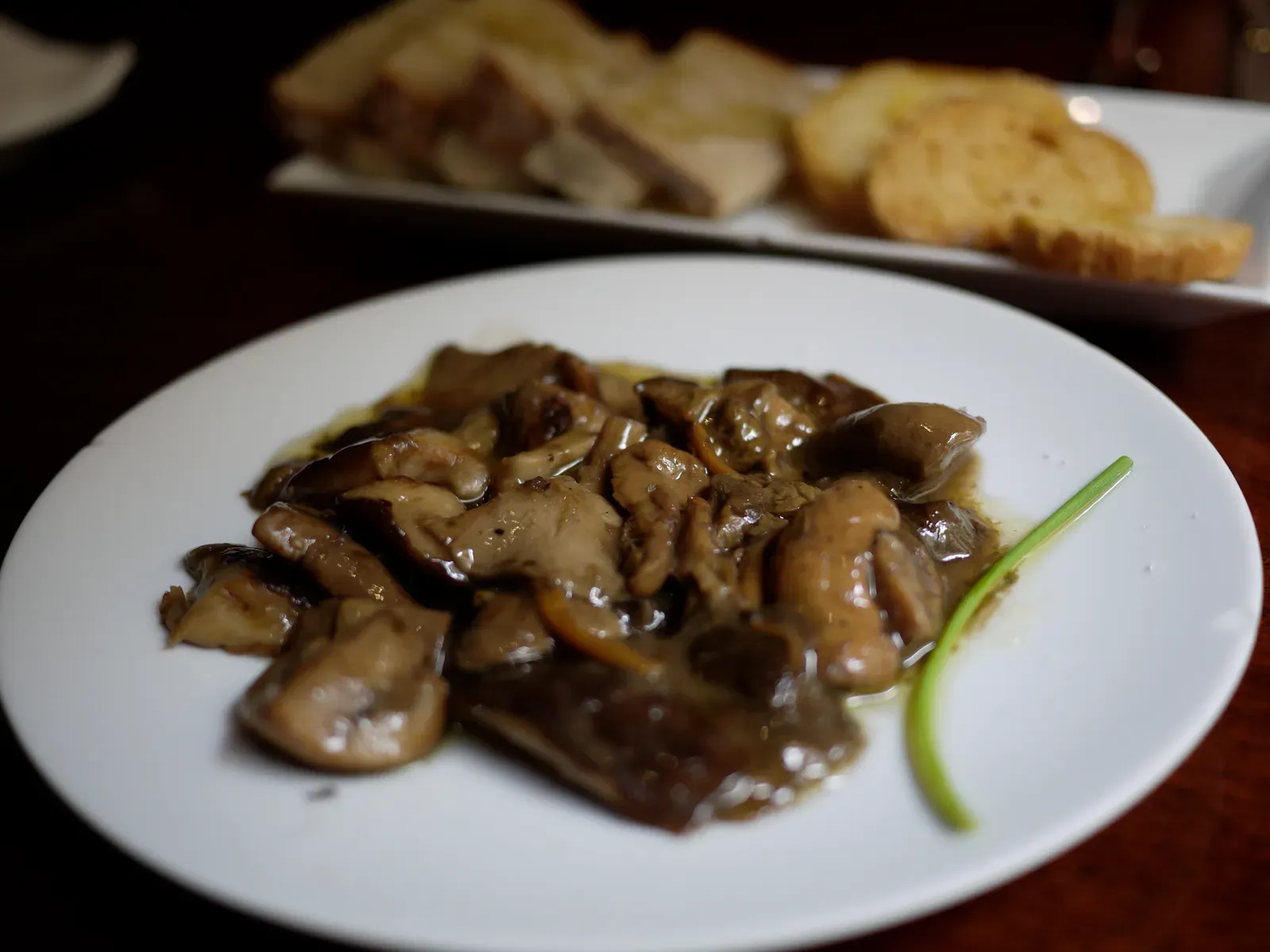 Recipes & cooking
How long to boil mushrooms
Boiling time depends on the type of mushroom and on what you're cooking next. Here's a clear cheat sheet: how…
August 22, 2026·4 min