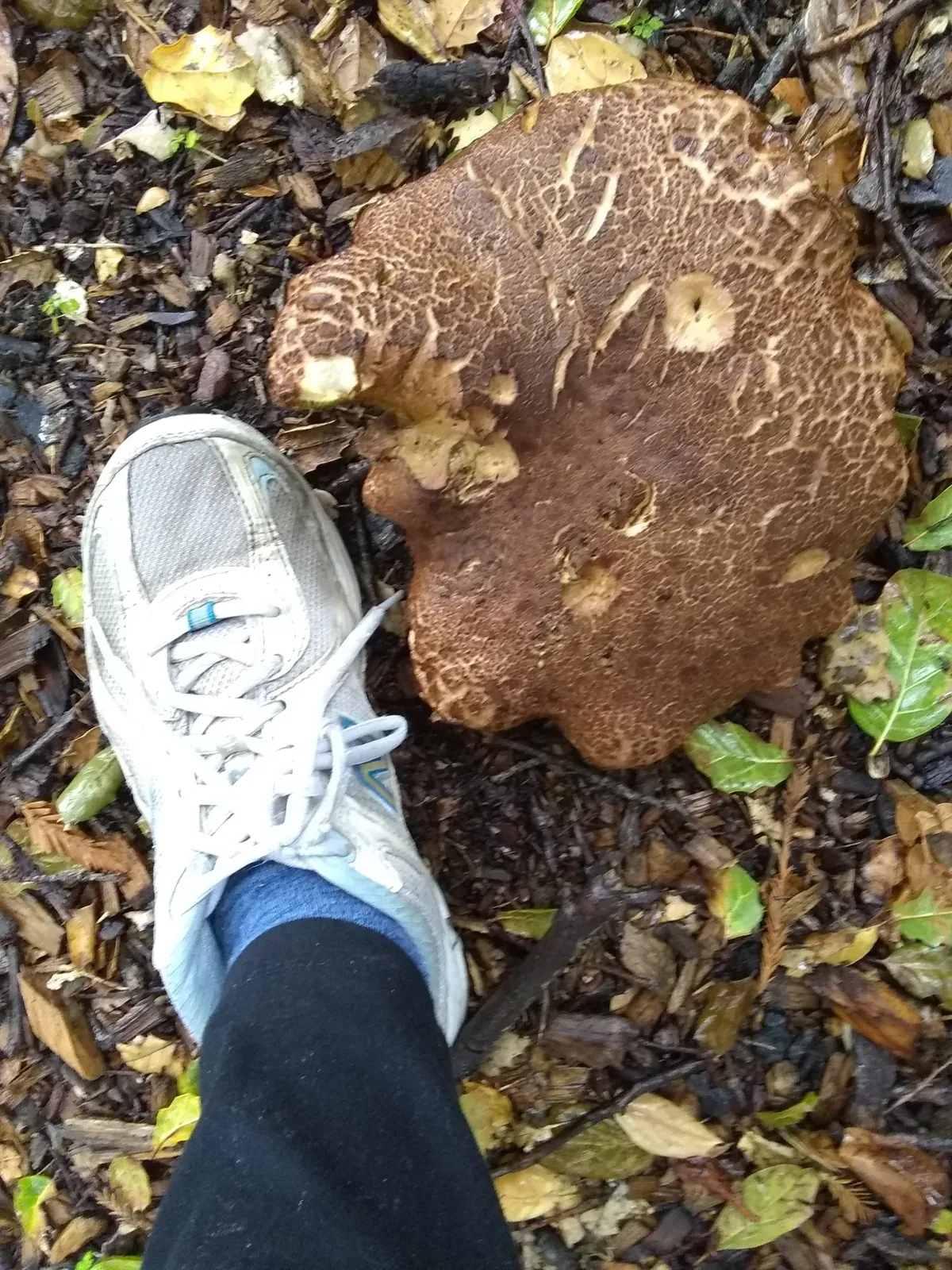
Every forager has noticed this strange pattern. For a week the forest is empty, then suddenly there are mushrooms everywhere, as if they grew overnight. A few days pass, and the forest goes quiet again. Foragers have long called these sudden bursts flushes, or waves. And behind them is simple natural logic.
Let's look at why mushrooms appear in waves, why the forest goes quiet between them, and how to predict the next burst.
What a mushroom wave is
A mushroom wave, or flush, is a mass appearance of mushrooms over a large area within a short time. It looks as if the whole forest conspired to push up fruiting bodies all at once.
And that's essentially true, except it's the weather, not the forest, doing the conspiring. Mycelium responds to the same conditions, so when moisture and warmth line up well, it starts fruiting almost in sync across the whole area.
That's why experienced foragers don't head into the forest at random but try to catch the wave. To predict it, use the mushroom radar, which tracks the combination of moisture and warmth.
Why mushrooms appear in waves
A wave is born from a chain of events that repeats every time.
- The trigger. A good rain soaks the soil, and warm weather settles in after it.
- Ripening underground. For several days the mycelium forms fruiting bodies while they're still out of sight.
- The mass emergence. Mushrooms appear almost simultaneously because they responded to the same trigger.
- The decline. The fruiting bodies age, the mycelium uses up its moisture reserve, and the wave fades.
That's why there's always a pause between rain and harvest, and why mushrooms come in crowds rather than one by one every day.
Why the forest is empty between waves
After a wave, the mycelium needs time to recover and build up moisture again. Until that happens, it won't produce new fruiting bodies, no matter how long you wander the forest.
How long the pause lasts depends on the weather:
- In warm, damp weather waves come often, one to two weeks apart.
- In a drought the pause stretches out because the mycelium is waiting for new rain.
- In autumn, when moisture lingers, waves can be especially abundant and long-lasting.
So an empty forest between bursts is no reason to be disappointed; it's a natural part of the cycle.
How to catch the next wave
To avoid wasted trips, it's worth learning to predict the burst.
- Count the days from the rain. Most mushrooms come up two to five days after a good warm rain.
- Consider the species. Slippery jack responds fastest, porcini a little slower, while the autumn wave of honey fungus depends on cool weather.
- Don't rush out after the first rain in a drought. The first moisture often goes into restoring the soil, so the wave will come after the next rain.
- Watch the weather as a whole. The mushroom radar combines moisture and warmth, so it tells you when a new wave is ripening.
Once you catch the rhythm of the waves, you'll head into the forest not at random but exactly when the mushrooms are really there.
Sources
- “Key to the Fungi of Ukraine” (Kyiv, Naukova Dumka publishing house).
- Xerocomus subtomentosus in GBIF, the global biodiversity database.
- Fungi in MycoBank, the international fungal nomenclature database.
- Mushroom on Wikipedia.
Frequently asked questions
Why do mushrooms grow in waves?
Because mycelium across the whole area responds to the same conditions. When warmth sets in after rain, it starts fruiting almost in sync, so mushrooms appear en masse within a short time.
What is a mushroom flush?
A flush, or wave, is a mass appearance of mushrooms over a large area within a few days. The folk term describes exactly that burst when the forest is suddenly covered in mushrooms.
Why is the forest empty between waves?
After a wave, the mycelium needs time to recover and build up moisture again. Until that happens, it won't produce new fruiting bodies, so the forest stays quiet.
How long is it from rain to a wave?
Usually two to five days. First the mycelium spends several days forming fruiting bodies underground, and then they emerge almost simultaneously.
How often do mushroom waves come?
In warm, damp weather, roughly once every one to two weeks. In a drought the gaps stretch out, while in autumn, when moisture lingers, waves can be abundant and long-lasting.
Why is there no wave after the first rain in a drought?
The first moisture after a long hot spell goes into restoring the parched soil. A full wave only comes after the next rain, once a moisture reserve has built up.
Do all mushrooms come in one wave?
No. responds fastest, slower, and has its own autumn wave, tied to cool weather.
How can you predict the next wave?
Count a few days from a good rain and keep warmth in mind. The easiest way is the , which combines moisture and temperature and tells you when a wave is ripening.
Mushrooms in this article
Related articles
 Recipes & cooking
How to store fresh mushrooms, and for how long
Fresh mushrooms spoil faster than you might think. Here's how long they keep in the fridge, how to store them…
August 21, 2026·4 min How to identify
Truffles in Ukraine: do they grow here, and where to look
Truffles aren't just a French delicacy. Several species grow in Ukraine too. Here's which ones, where they occ…
August 24, 2026·2 min Recipes & cooking
How long to boil mushrooms
Boiling time depends on the type of mushroom and on what you're cooking next. Here's a clear cheat sheet: how…
August 22, 2026·4 min