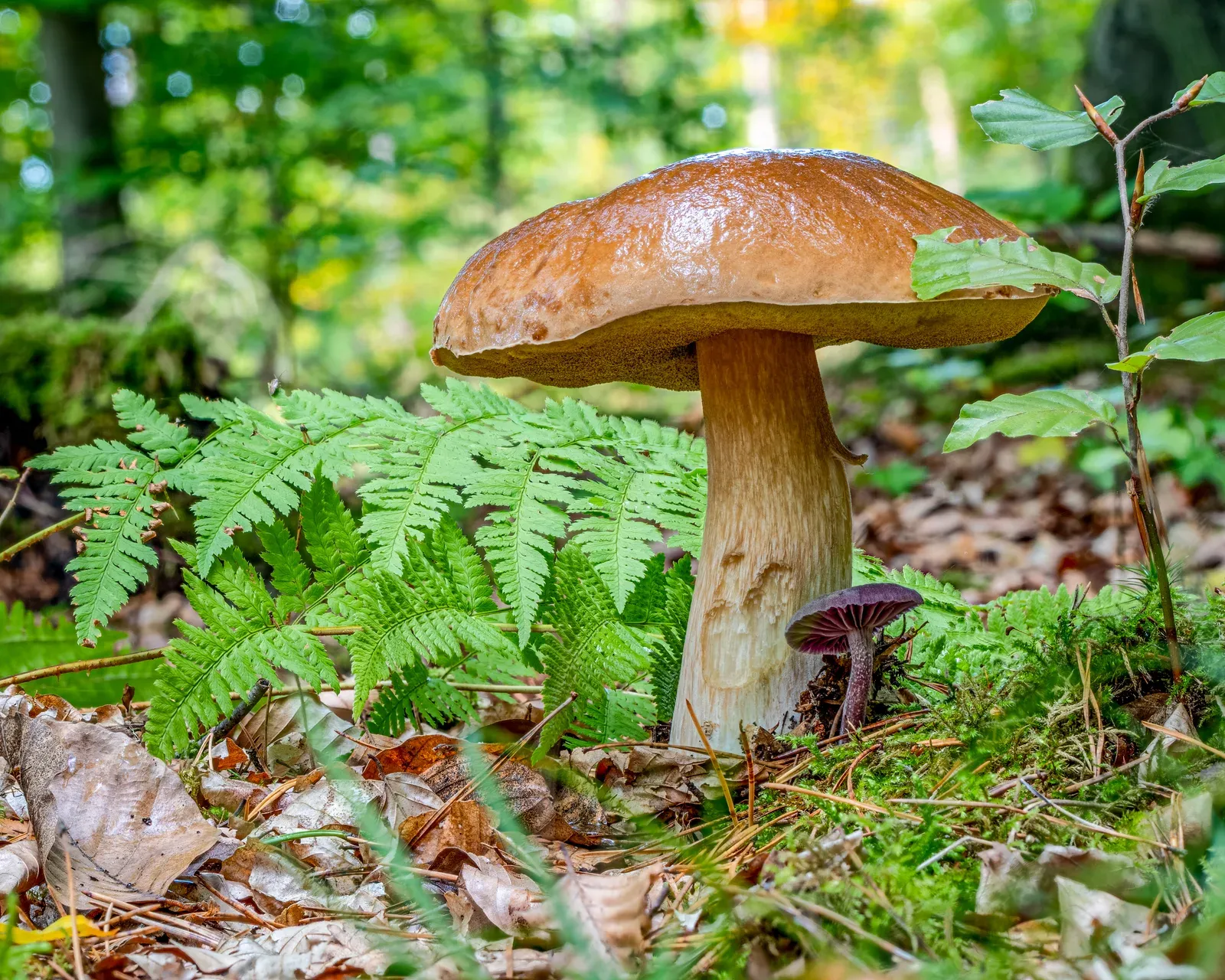
Many foragers believe the main thing is to identify the species correctly, and after that any mushroom will do. In fact, that's not true. Even a perfectly edible mushroom can cause poisoning if it's old, wormy or waterlogged. Freshness matters here just as much as the species.
Let's look at why overripe mushrooms are dangerous, how to tell a good specimen from a spoiled one and which mushrooms you should leave in the forest, even if they're edible.
Why old mushrooms are dangerous
As a mushroom ages, the same processes begin in it as in any organic food.
An overripe mushroom gradually decomposes while it's still standing. Protein breakdown products build up in its flesh and affect the body much like spoiled meat or fish. A dish like that can upset your digestion even if the species is safe.
On top of that, old mushrooms often soak up more moisture, turn spongy and watery, and also accumulate harmful substances from the soil more actively. So even the beloved porcini is better left alone if it's past its prime.
Why wormy mushrooms are dangerous
Worms aren't just a cosmetic flaw. As insect larvae tunnel through the flesh, they speed up its spoilage.
The tunnels are left full of the larvae's waste, and the flesh itself starts to decompose faster than in an intact mushroom. A badly wormy mushroom is effectively already rotting from the inside, even if it looks decent on the outside.
Small tunnels in a young, firm mushroom can be cut out, but if there are lots of worm holes, it's better not to take that specimen. Interestingly, some mushrooms hardly ever get wormy: we write about this in our piece on why June mushrooms aren't wormy.
How to tell a fresh mushroom from a spoiled one
A few simple signs will tell you whether a mushroom is worth taking.
- Firmness. A fresh mushroom is dense and springy. Soft, limp or mushy means it's old.
- Color of the cut. Pale, clean flesh is good. Darkened, browned or with signs of rot is a reason to pass.
- Smell. A pleasant mushroomy aroma in a fresh one, sourish or musty in a spoiled one.
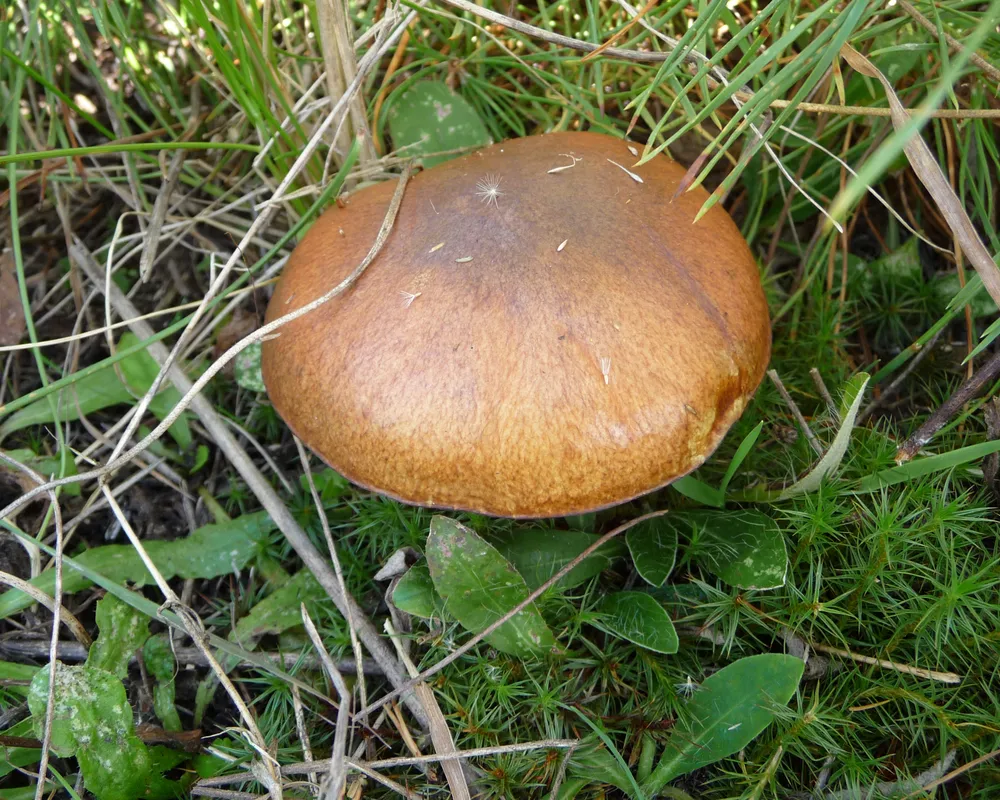
- Underside of the cap. In old pored mushrooms such as the slippery jack, the pore layer becomes spongy, dark and slimy.
If a mushroom is limp, dark when cut or smells unpleasant, leave it, even if it's a prized species.
Which mushrooms to leave in the forest
To keep yourself safe, stick to a few simple habits.
- Pick young, firm mushrooms. They're tastier, denser and safer.
- Pass over overripe specimens. A big, spongy mushroom with a spongy pore layer is better left behind.
- Don't take badly wormy mushrooms. A few tunnels can be cut out, but a mushroom riddled right through isn't worth the risk.
- Don't pick mushrooms that have gone soggy after rain. Watery flesh spoils quickly, even while still in the basket.
What's more, old mushrooms left in the forest get to spread their spores and give rise to new mycelia. So caution here benefits both you and the forest. You'll find more advice in our safe foraging rules.
Sources
- “Key to the Fungi of Ukraine” (Kyiv, Naukova Dumka publishing house).
- Boletus edulis in GBIF, the global biodiversity database.
- Fungi in MycoBank, the international fungal nomenclature database.
- Edible mushroom on Wikipedia.
Frequently asked questions
Why shouldn't you eat old mushrooms if they're edible?
Because an overripe mushroom decomposes while still standing, and protein breakdown products build up in its flesh. They act like spoiled food and can cause poisoning even from a safe species.
Can you eat wormy mushrooms?
Small tunnels in a young, firm mushroom can be cut out. But a badly wormy mushroom is effectively rotting from the inside and spoils quickly, so it's better not to take that specimen.
How do you tell a fresh mushroom from a spoiled one?
A fresh one is springy, with pale, clean flesh and a pleasant smell. A mushroom that's limp, dark when cut or sourish-smelling has spoiled. In old pored mushrooms, the pore layer becomes spongy, dark and slimy.
Why is it better not to take mushrooms that are soggy after rain?
Because they absorb a lot of water, become watery and spoil quickly while still in the basket. Flesh like that keeps poorly and can cause an upset stomach.
Which mushrooms are best to pick?
Young, firm, springy and clean ones. They're tastier, keep better and are safer than overripe ones. Big, spongy specimens with a dark pore layer are better left behind.
Why leave old mushrooms in the forest?
Besides safety, it's good for the forest: old mushrooms get to spread their spores and give rise to new mycelia. So caution works for both you and future harvests.
Do all mushrooms get wormy equally fast?
No. Some species, such as the , are almost never wormy. We explain why in our piece on .
How can you tell a pored mushroom is past its prime?
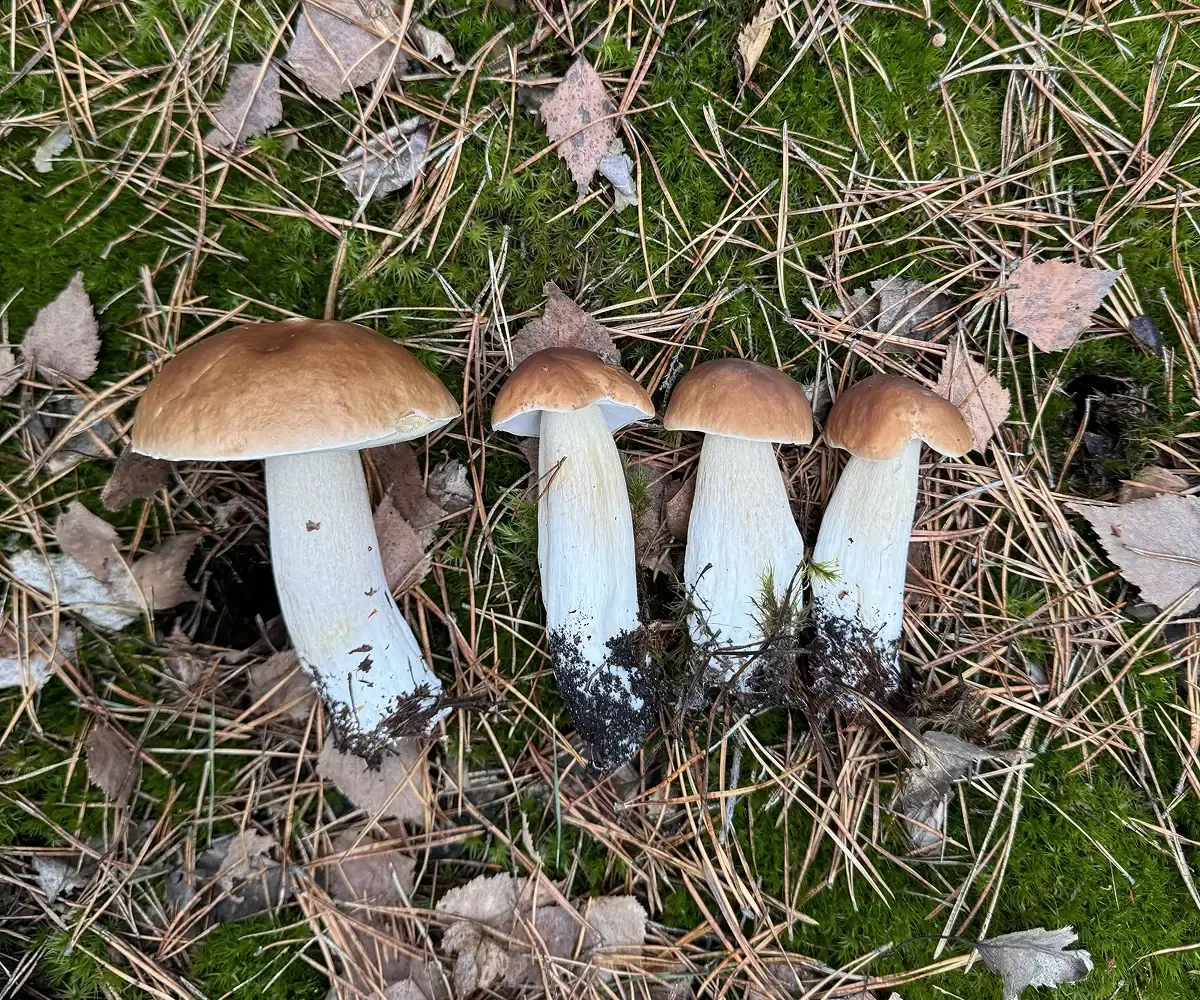
In an old or , the pore layer under the cap becomes spongy, dark, often greenish and slimy. That's a sign the mushroom isn't worth taking anymore.
Mushrooms in this article
Related articles
 Recipes & cooking
How to store fresh mushrooms, and for how long
Fresh mushrooms spoil faster than you might think. Here's how long they keep in the fridge, how to store them…
August 21, 2026·4 min How to identify
Truffles in Ukraine: do they grow here, and where to look
Truffles aren't just a French delicacy. Several species grow in Ukraine too. Here's which ones, where they occ…
August 24, 2026·2 min Safety
False morel: why this spring mushroom is dangerous
The false morel looks like a morel, but it contains a poison. Here's how to recognize it, why it's dangerous a…
August 24, 2026·2 min