.webp)
Picking mushrooms is easy and a real joy, but it calls for respect for a few simple safety rules. Most poisonings don't happen through rare accidents but through the same typical beginner mistakes. The good news is that they're easy to avoid if you keep a few clear guidelines in mind.
We've gathered the seven key rules that safe foraging rests on. Follow them, and your first trips to the forest will be calm and joyful.
Rule 1. Pick only the mushrooms you know for certain
This is the most important rule, and all the others follow from it. If you aren't one hundred percent sure of the species, the mushroom stays in the forest.
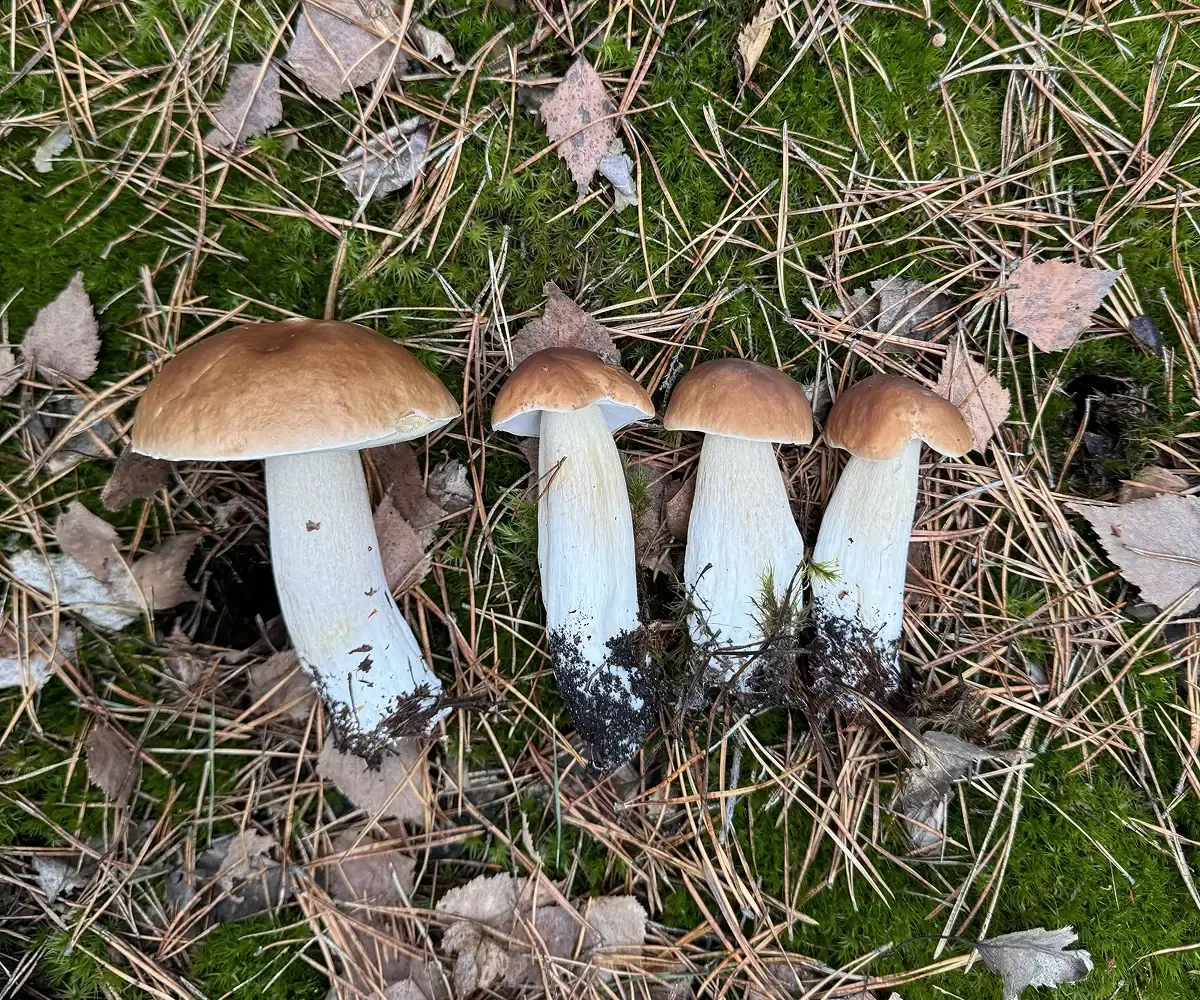
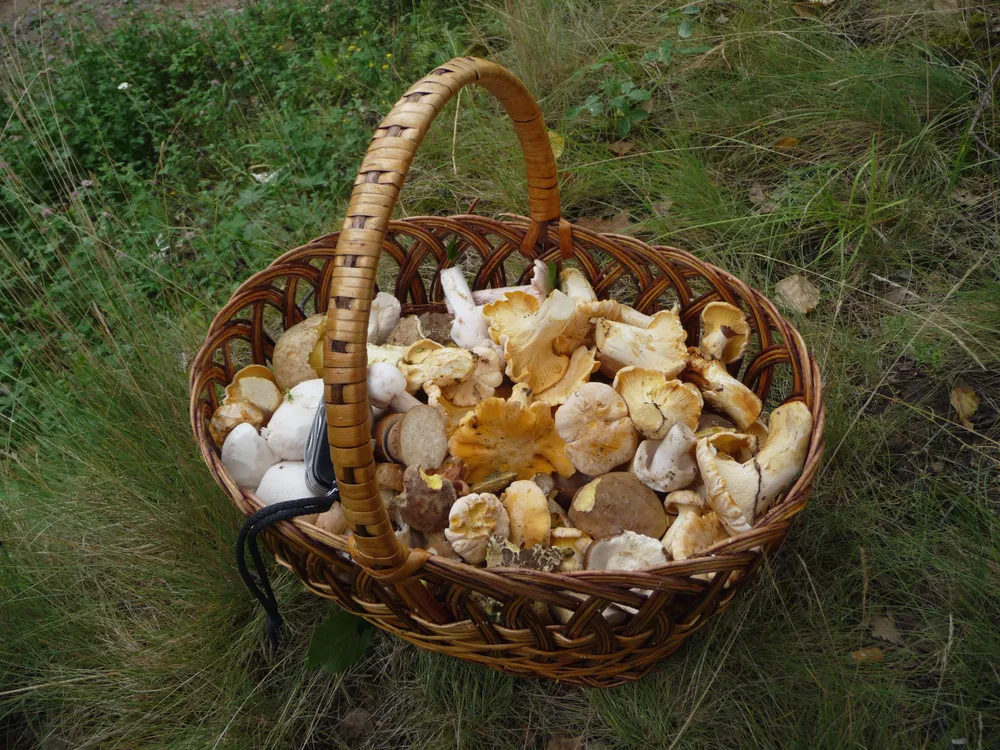
It's best to start with a few familiar, safe mushrooms, such as porcini or chanterelle, which have no deadly lookalikes. Expand your list gradually, learning one new species at a time.
Rule 2. Always look at the base of the stem
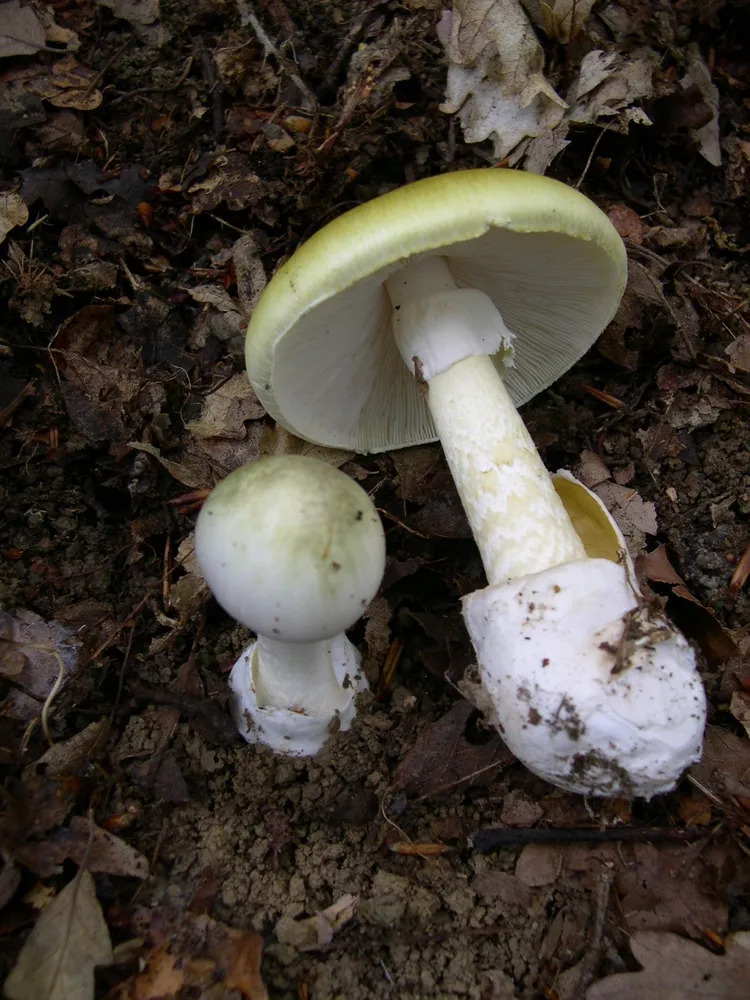
The most dangerous mushrooms, including the death cap, have a sac or a swelling at the base of the stem. Often you can't see it because it's hidden in the soil.
So dig suspicious mushrooms out whole instead of cutting them. If you see a sac, a skirt on the stem and white gills together, leave the mushroom in the forest without hesitation.
Rule 3. Don't taste raw mushrooms
Taste won't help you tell an edible mushroom from a poisonous one. The death cap tastes pleasant, and you won't sense any danger.
Tasting a raw tip is acceptable at most to check for bitterness in well-known species, and even then you spit it out immediately. Never swallow anything raw under any circumstances.
Rule 4. Don't pick old, wormy or spoiled mushrooms
Even an edible mushroom that's past its prime builds up breakdown products and can cause stomach upset. Wormy and rotting specimens are also best left behind.
Take young, firm, clean mushrooms. We go into more detail in our piece on why you shouldn't pick old and wormy mushrooms.
Rule 5. Forage far from roads and cities
Mushrooms soak up heavy metals and pollution from soil and air. Picked near highways, factories or in town, they can be dangerous even if the species is edible.
Head to clean forests, away from roads and industry. We explain why this matters so much in our article on mushrooms near roads and cities.
Rule 6. Put mushrooms in a basket, not a bag
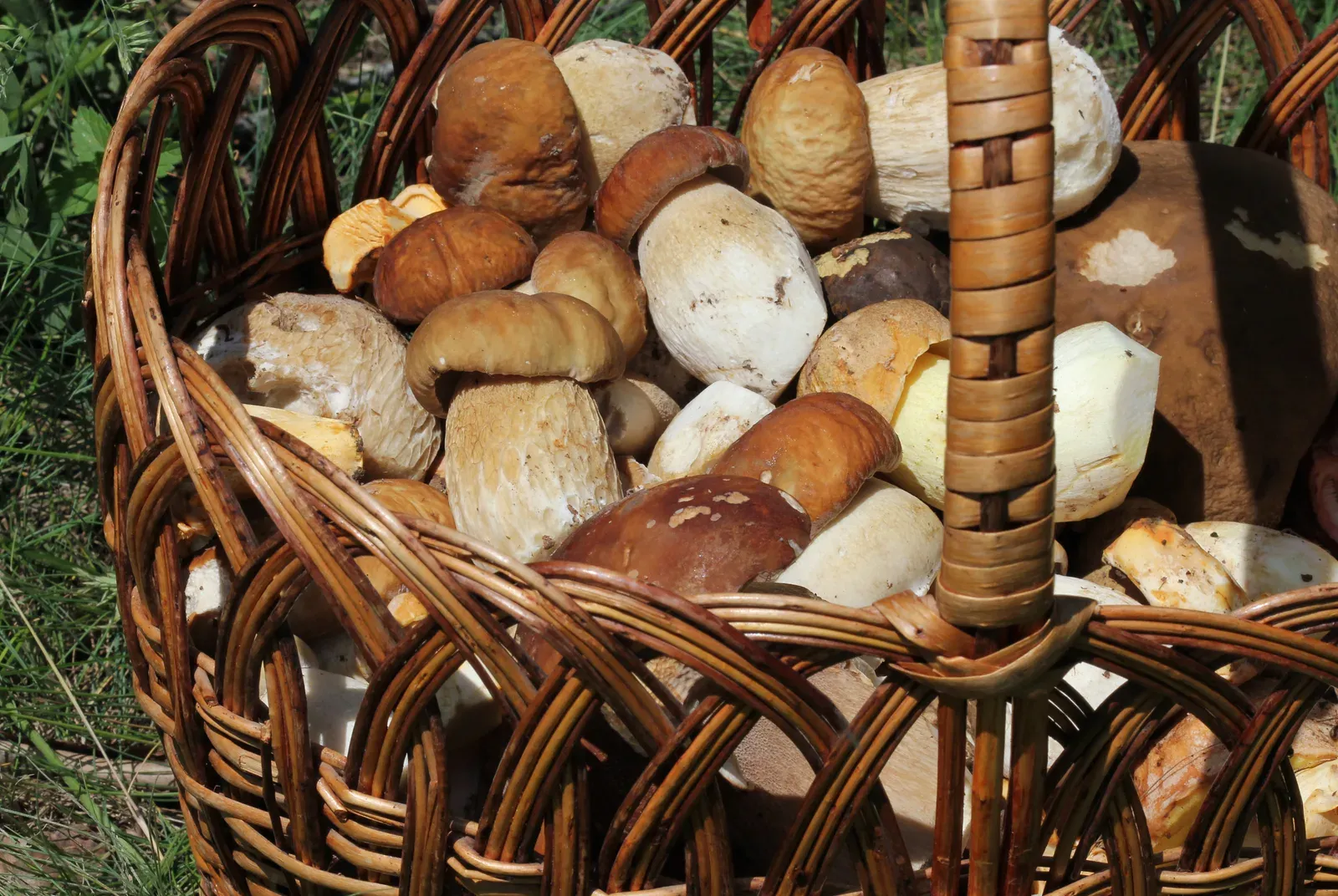
In a basket, mushrooms get air and don't get crushed, while in a plastic bag they quickly sweat and spoil within just a few hours.
Mushrooms that have gone bad from lack of air become unfit to eat, even if you picked them fresh. So a traditional wicker basket isn't just about looks, it's about safety too.
Rule 7. When in doubt, always choose caution
If you're unsure whether a mushroom is edible, the answer is always the same: don't take it. One doubtful mushroom isn't worth risking your whole family's health.
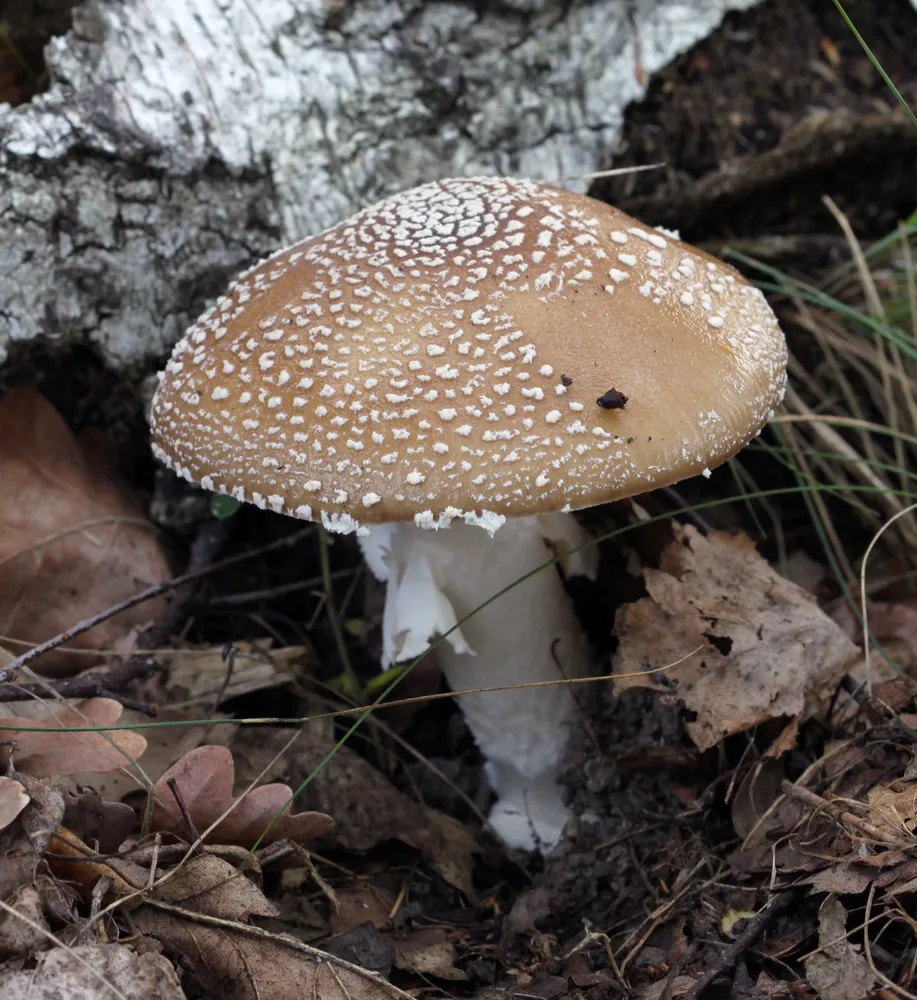
This rule sums up all the previous ones. By following it, you'll never put a dangerous mushroom in your basket, such as the panther cap. And if trouble does happen, follow our first aid guide.
Sources
- “Field Guide to the Fungi of Ukraine” (Kyiv, Naukova Dumka publishing house).
- Boletus edulis on GBIF, the global biodiversity database.
- Fungi on MycoBank, the international fungal nomenclature database.
- Mushroom hunting on Wikipedia.
Frequently asked questions
What's the most important rule of safe foraging?
Take only the mushrooms you know for certain. If you aren't one hundred percent sure of the species, the mushroom stays in the forest. All the other rules follow from this one.
Which mushrooms should a beginner start with?
With a few safe species that have no deadly lookalikes, such as and . It's best to expand your list gradually, learning one new mushroom at a time.
Why look at the base of the stem?
Because the most dangerous mushrooms, including the , have a sac at the base hidden in the soil. That's why suspicious mushrooms are dug out whole, not cut.
Why shouldn't you taste raw mushrooms?
Because taste doesn't reveal poison. The death cap tastes pleasant, yet it's deadly. Tasting a raw tip is acceptable only to check for bitterness in known species, spitting it out immediately.
Why is it better to carry mushrooms in a basket?
In a basket they get air and don't get crushed, while in a bag they quickly sweat and turn mushy within just a few hours. Mushrooms spoiled from lack of air become unfit to eat and dangerous.
Why shouldn't you pick mushrooms near roads?
Because mushrooms accumulate heavy metals and pollution from soil and air. Picked near highways and factories, they're dangerous even if the species is edible. Details in .
What should I do if I'm unsure about a mushroom?
Don't take it. When in doubt, always choose caution. One doubtful mushroom isn't worth risking your health, so leave it in the forest without hesitation.
What should I do if I suspect poisoning?
Call 112 or your local emergency number right away and follow the . Keep any leftover mushrooms so doctors can identify the cause.
Mushrooms in this article
Related articles
 Recipes & cooking
How to store fresh mushrooms, and for how long
Fresh mushrooms spoil faster than you might think. Here's how long they keep in the fridge, how to store them…
August 21, 2026·4 min How to identify
Truffles in Ukraine: do they grow here, and where to look
Truffles aren't just a French delicacy. Several species grow in Ukraine too. Here's which ones, where they occ…
August 24, 2026·2 min Safety
False morel: why this spring mushroom is dangerous
The false morel looks like a morel, but it contains a poison. Here's how to recognize it, why it's dangerous a…
August 24, 2026·2 min