.webp)
Mushroom poisoning is one of those cases where hesitating costs far too much. Unlike an ordinary upset stomach, here the clock often runs in hours, and the most dangerous toxins work with a treacherous delay. That's why every forager and every family should know the simple warning signs and a clear plan of action.
Let's go through it without needless fear, but frankly: how to recognize poisoning, why you can't wait, and what to do before the medics arrive. This knowledge is simple, and it can save a life.
The first signs of poisoning
Symptoms depend on the mushroom, but there are common warning signals that appear after a mushroom meal.
- Stomach and gut. Nausea, vomiting, abdominal pain, diarrhea. These are the most common early signs.
- General condition. Weakness, dizziness, cold sweat, intense thirst.
- Nervous system. Confusion, delirium, vision problems, heavy salivation or, on the contrary, a dry mouth.
If any of this appears within a day of eating mushrooms, you need to act, even if the signs seem mild.
Why a delay is the most dangerous
This is the main trap of mushroom poisoning. When the signs appear often points to how serious it is.
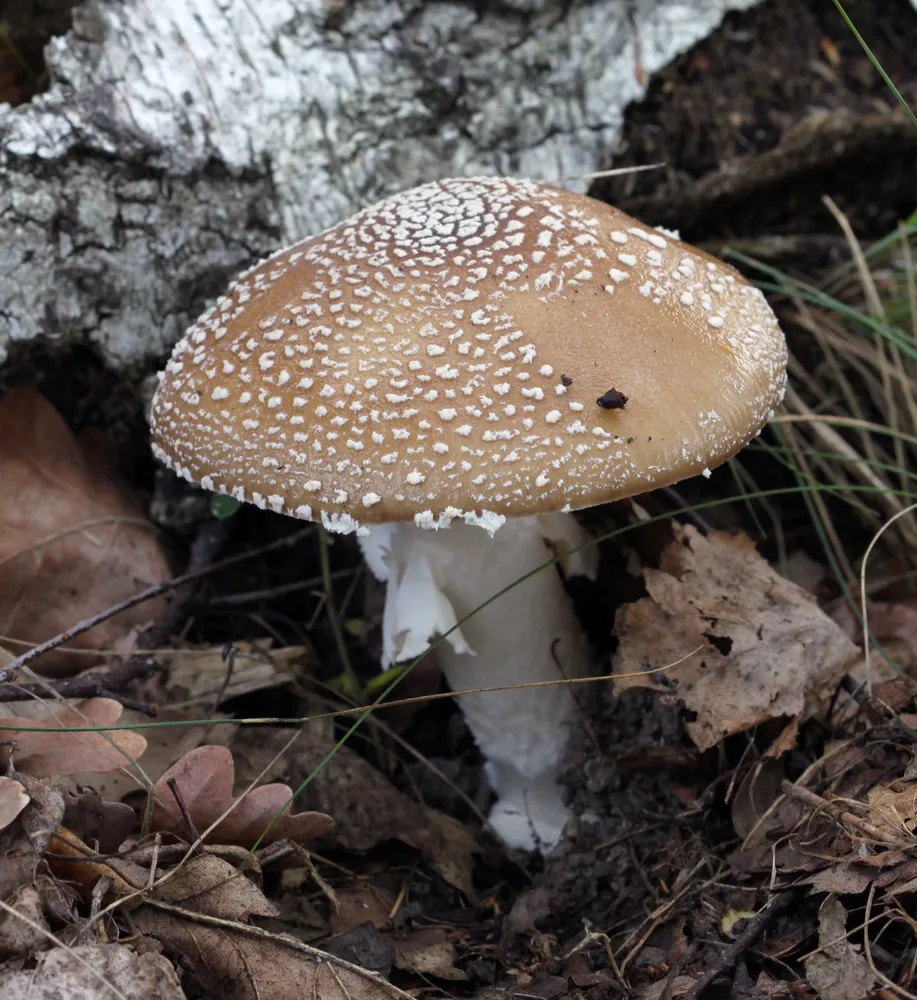
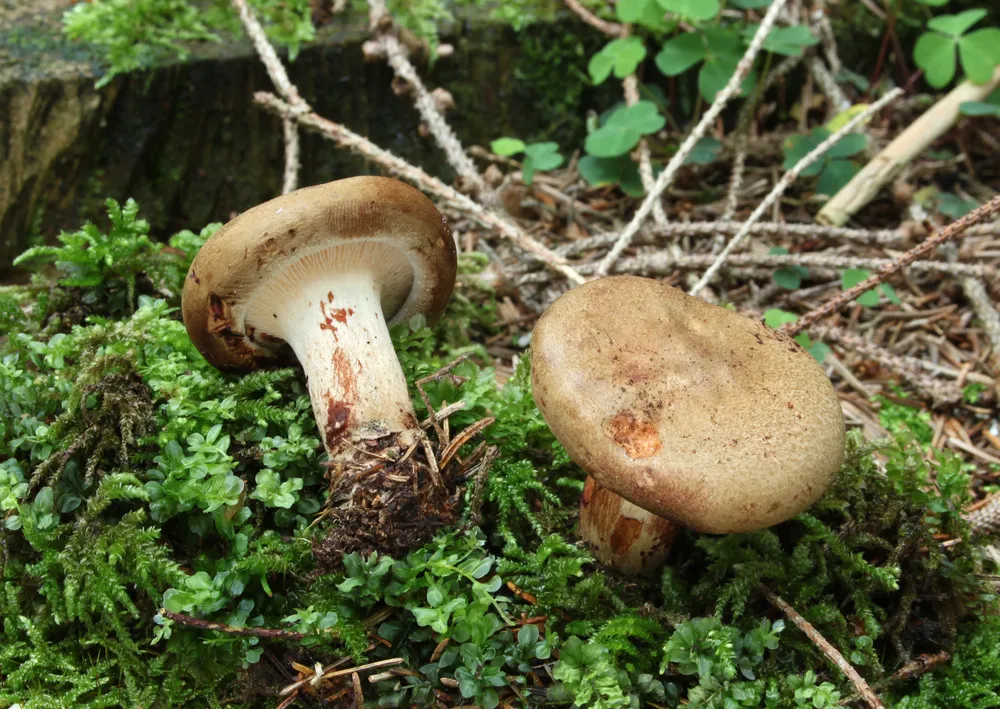
- Early signs (from half an hour to two hours) are usually caused by less dangerous mushrooms, such as some amanitas or the brown rollrim. The condition is serious, but the poison is less often fatal.
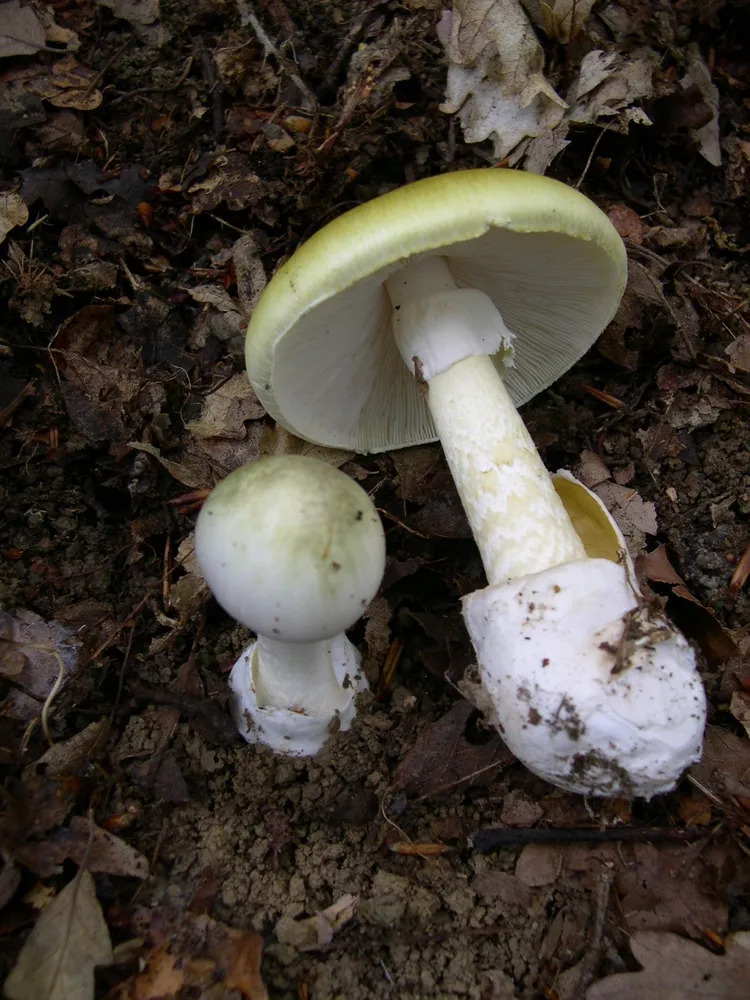
- Late signs (after six hours or more) are the most alarming situation. This is exactly how the death cap works: first stomach symptoms, then a deceptive relief, and then damage to the liver and kidneys.
Because of that delay, people don't connect feeling unwell with mushrooms and lose precious time. So any signs that appear many hours after eating mushrooms are a signal for special alarm. We write more about the most dangerous mushroom in our article on the death cap.
What to do in case of poisoning
The steps are simple; the main thing is not to panic and not to delay.
- Call 112 or your local emergency number right away. Don't wait until it gets worse, and don't try to sit it out at home.
- Describe the situation. Say that you suspect mushroom poisoning, when the mushrooms were eaten, and when the signs appeared.
- Drink clean water. In small sips, so you don't get dehydrated from vomiting and diarrhea.
- Keep the leftover mushrooms. Even peelings or an unfinished dish will help doctors identify the toxin.
- Don't give alcohol. It speeds up the absorption of many mushroom toxins.
If the person is losing consciousness, lay them on their side so they don't choke, and stay with them until the ambulance arrives.
What not to do
Some folk advice is not just useless but harmful.
- Don't wait for it to “go away by itself.” With severe poisoning, early help is decisive.
- Don't treat yourself. Medication doses and the help needed are decided by a doctor.
- Don't trust “antidotes” from the internet. Milk, oil or vodka do not neutralize mushroom toxins.
- Don't leave home instead of calling. Time spent on a random trip is better given to the ambulance.
Still, the most reliable first aid is prevention. Pick only mushrooms you know well, check every single one, and don't put doubtful ones in your basket. We've gathered how to avoid mistakes in our rules for safe foraging.
Sources
- “Key to the Fungi of Ukraine” (Kyiv, Naukova Dumka publishing house).
- Amanita phalloides on GBIF, the global biodiversity database.
- Fungi on MycoBank, the international fungal nomenclature database.
- Mushroom poisoning on Wikipedia.
Frequently asked questions
What are the first signs of mushroom poisoning?
Most often nausea, vomiting, abdominal pain and diarrhea, as well as weakness and dizziness. Sometimes confusion, vision problems and heavy salivation join in.
How long does it take for poisoning to show?
It varies. Less dangerous mushrooms cause signs within half an hour to two hours. But the only after six hours or more, and it's exactly this delay that is the most dangerous.
What should you do first in case of mushroom poisoning?
Call 112 or your local emergency number right away, describe the situation, drink clean water in small sips and keep the leftover mushrooms for the doctors. Don't delay or try to wait it out at home.
Can you wait if the signs are mild?
No. With mushroom poisoning, a mild start doesn't mean a mild course. The death cap's toxin first causes only stomach symptoms and then damages the liver. So seek help right away.
Why must you not give alcohol in case of poisoning?
Alcohol speeds up the absorption of many mushroom toxins and puts extra strain on the liver. It makes things worse, so it must never be given.
Do milk or oil help against mushroom poison?
No. It's a common myth. Milk, oil or vodka don't neutralize toxins, and the time spent on such remedies is better spent calling an ambulance.
Why keep the leftover mushrooms?
They let doctors identify which mushroom caused the poisoning and choose the right treatment. Even peelings or an unfinished dish will do.
How can you avoid mushroom poisoning?
Pick only species you know well, check every mushroom, don't take young ones still in the egg stage, and don't put doubtful ones in your basket. We've gathered all the rules in our article on .
Mushrooms in this article
Related articles
 Recipes & cooking
How to store fresh mushrooms, and for how long
Fresh mushrooms spoil faster than you might think. Here's how long they keep in the fridge, how to store them…
August 21, 2026·4 min How to identify
Truffles in Ukraine: do they grow here, and where to look
Truffles aren't just a French delicacy. Several species grow in Ukraine too. Here's which ones, where they occ…
August 24, 2026·2 min Safety
False morel: why this spring mushroom is dangerous
The false morel looks like a morel, but it contains a poison. Here's how to recognize it, why it's dangerous a…
August 24, 2026·2 min