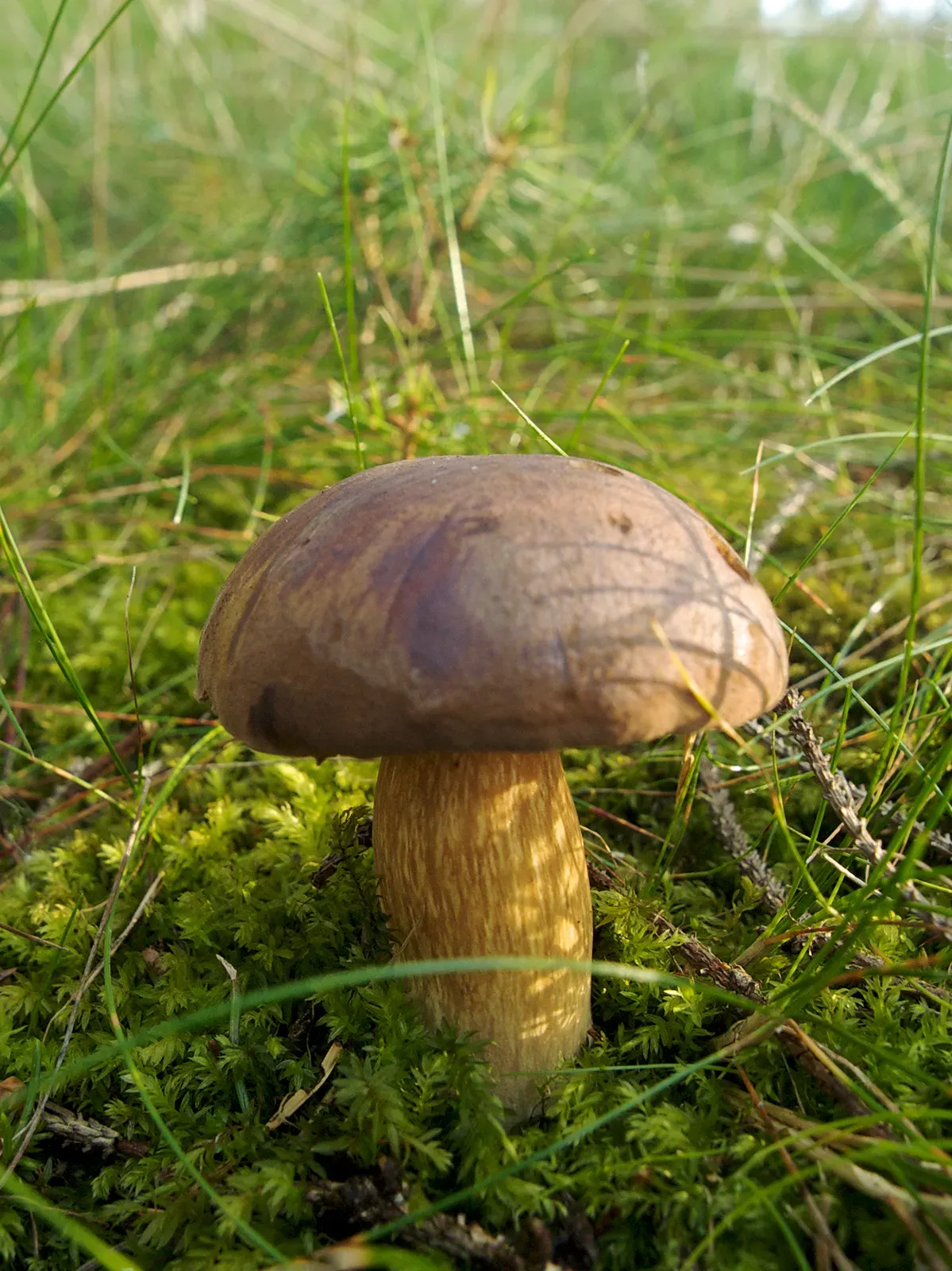
You can know mushrooms inside out and take only young, firm specimens, yet still harm yourself if you pick them in the wrong place. Mushrooms near roads, factories and within city limits can be dangerous even when they belong to a perfectly edible species. The reason lies in how a mushroom is built.
Let's look at why the picking spot matters so much, how mushrooms accumulate harmful substances, and how far from roads and cities you can pick with peace of mind.
Why mushrooms soak up pollution
A mushroom is above all a huge mycelium in the soil, and the fruiting body we pick works like a sponge.
Threading through the ground with fine filaments, the mycelium absorbs water along with everything dissolved in it. If the soil contains heavy metals or toxic compounds, they end up in the mushroom too. Unlike plants, mushrooms are especially prone to accumulating such substances, and the fruiting body often holds more of them than the soil itself.
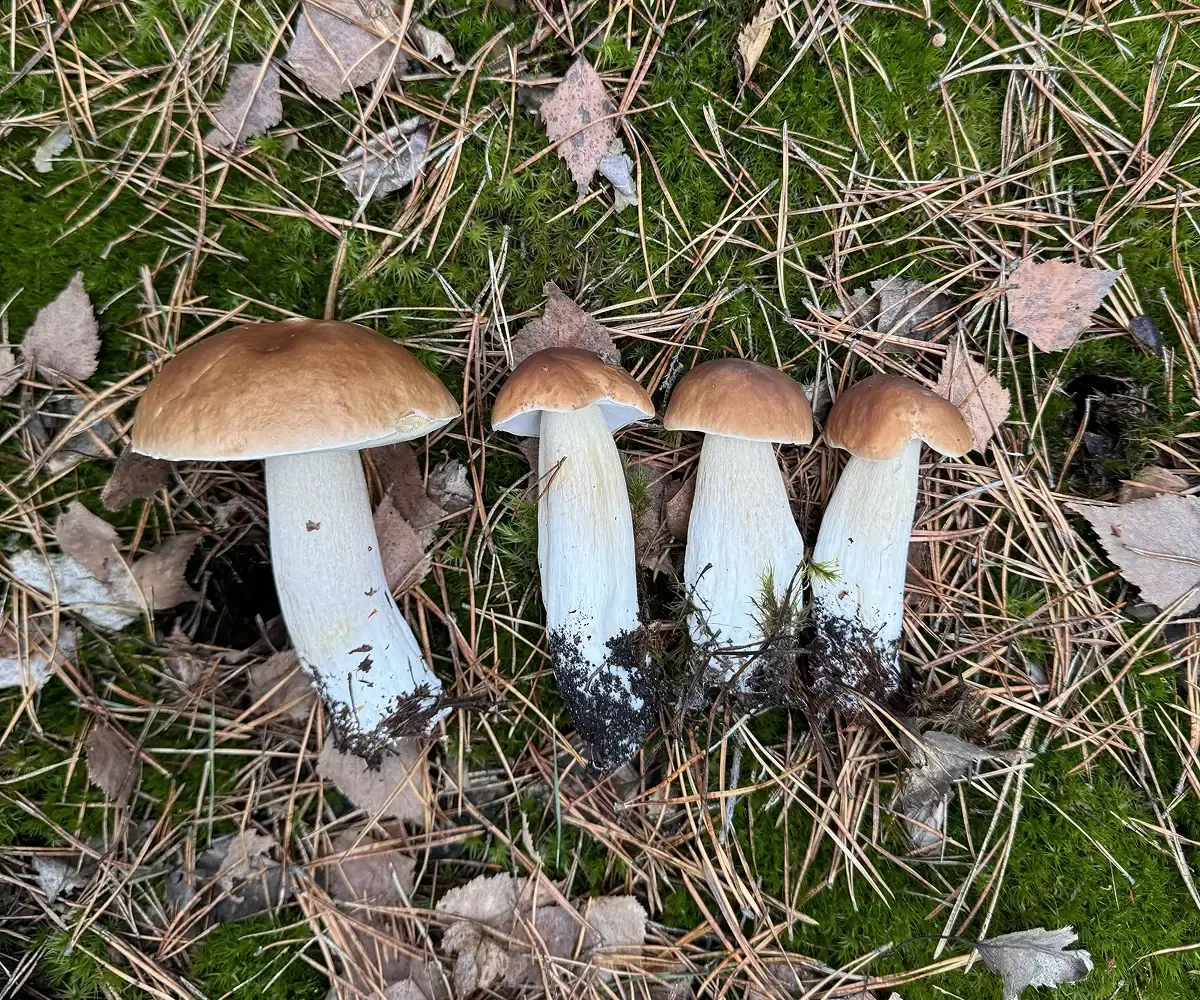
That's why even a beloved porcini that grew next to a highway can contain a dangerous dose of lead or cadmium, even though it looks no different from one from the forest.
Where the pollution comes from
Harmful substances build up most in a few typical places.
- Roadsides. For decades, exhaust fumes have been settling into roadside soil, leaving lead and other metals behind.
- Around factories and landfills. Industrial emissions and runoff saturate the ground with heavy metals and chemicals.
- City parks and squares. Here you get traffic emissions, chemical treatments and contaminated soil all at once.
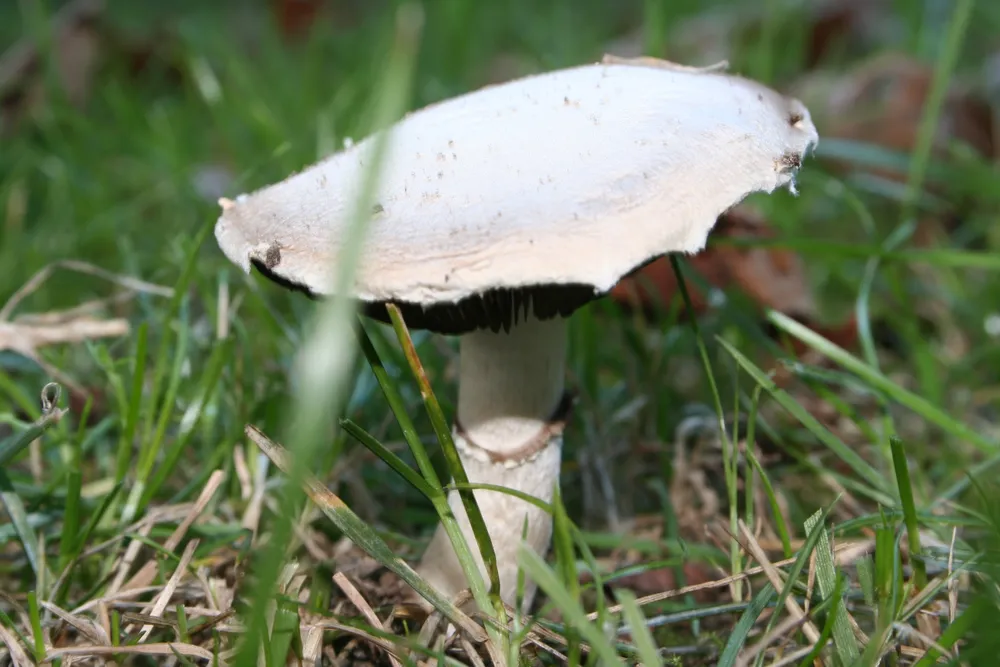
- Fields after chemical treatment. Meadow mushrooms, such as the field mushroom, can absorb pesticides.
What these places have in common: the mushroom grows not in clean forest soil but in a polluted environment.
How far away is safe to pick
There's no exact boundary, but there are practical guidelines worth sticking to.
- Move at least several hundred meters away from major highways. The deeper into the forest, the cleaner the soil.
- Avoid the surroundings of factories and landfills. Don't pick here at all.
- Don't pick in the city. Parks and squares, however green, are no place for a mushroom basket.
- Avoid fields treated with chemicals. Meadow mushrooms from such places can't be trusted.
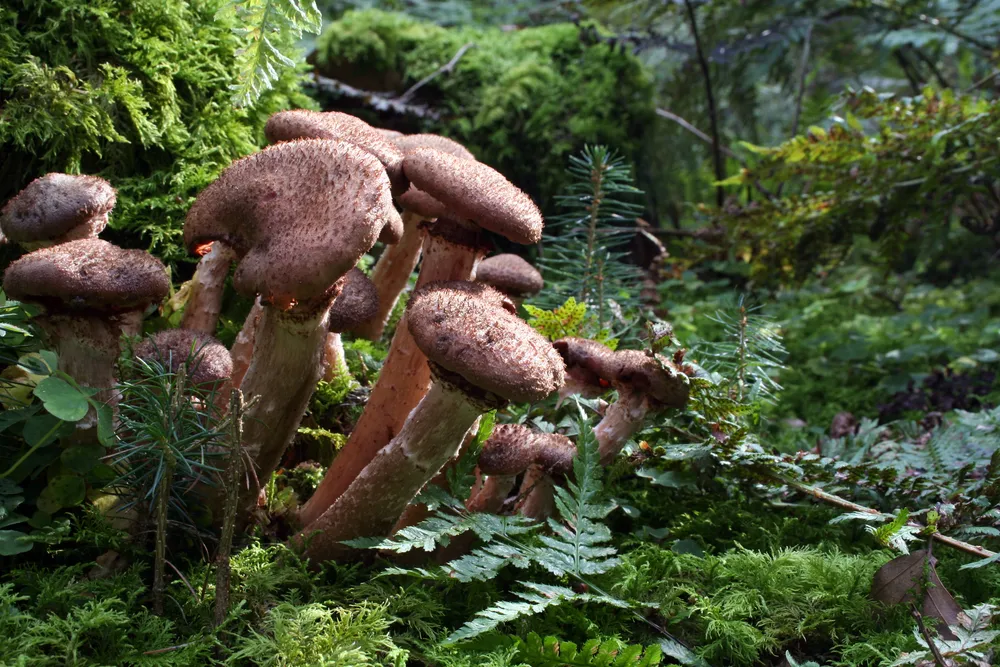
It's best to pick deep in clean forests, far from roads and human activity. That's where mushrooms such as honey fungus grow in clean soil.
Why it doesn't depend on the species
It's important to understand that the accumulation of pollutants has nothing to do with whether a mushroom is edible or not.
The most wholesome and tasty species, picked in a dirty place, becomes dangerous. And the other way around, the same care about where you pick is needed for all mushrooms without exception.
So choosing a clean forest is just as basic a rule as being able to recognize a mushroom. Together with the other guidelines, it's part of our safe foraging rules. And we look at the freshness and quality of the mushrooms themselves in the article on why you shouldn't take old and wormy mushrooms.
Sources
- "Vyznachnyk hrybiv Ukrainy" (Key to the Fungi of Ukraine; Kyiv, Naukova Dumka).
- Boletus edulis on GBIF, the global biodiversity database.
- Fungi on MycoBank, the international fungal nomenclature database.
- Bioaccumulation on Wikipedia.
Frequently asked questions
Why shouldn't you pick mushrooms near roads?
Because mushrooms absorb heavy metals from the soil, including lead, which has been settling into roadside ground from exhaust fumes for decades. Even an edible mushroom from the roadside can be dangerous.
Is it true that mushrooms accumulate heavy metals?
Yes. The mycelium absorbs water with everything dissolved in it, and mushrooms are especially prone to accumulating heavy metals. The fruiting body often holds more of them than the soil itself.
How far from a highway can you pick mushrooms?
There's no clear boundary, but it's worth going at least several hundred meters deep into the forest. The farther from the road, the cleaner the soil and the safer the mushrooms.
Can you pick mushrooms in city parks?
No. In parks and squares the soil is polluted by traffic emissions and chemical treatments. Even if mushrooms grow there in abundance, you shouldn't pick them.
Does peeling or boiling protect against pollution?
No. Heavy metals accumulate in the mushroom's flesh itself, and neither peeling nor boiling removes them. The only protection is picking in clean places.
Does the accumulation of pollutants depend on the species?
Hardly at all. Any mushroom picked in a dirty place becomes dangerous, no matter how edible it is. That's why the clean-place rule applies to all species.
Where is it safe to pick mushrooms?
Deep in clean forests, far from roads, factories, landfills and cities. That's where mushrooms grow in unpolluted soil and stay safe.
Are meadow mushrooms from fields safe?
Not always. Fields are often treated with pesticides, which meadow mushrooms such as the can accumulate. Only pick in clean, untreated meadows.
Mushrooms in this article
Related articles
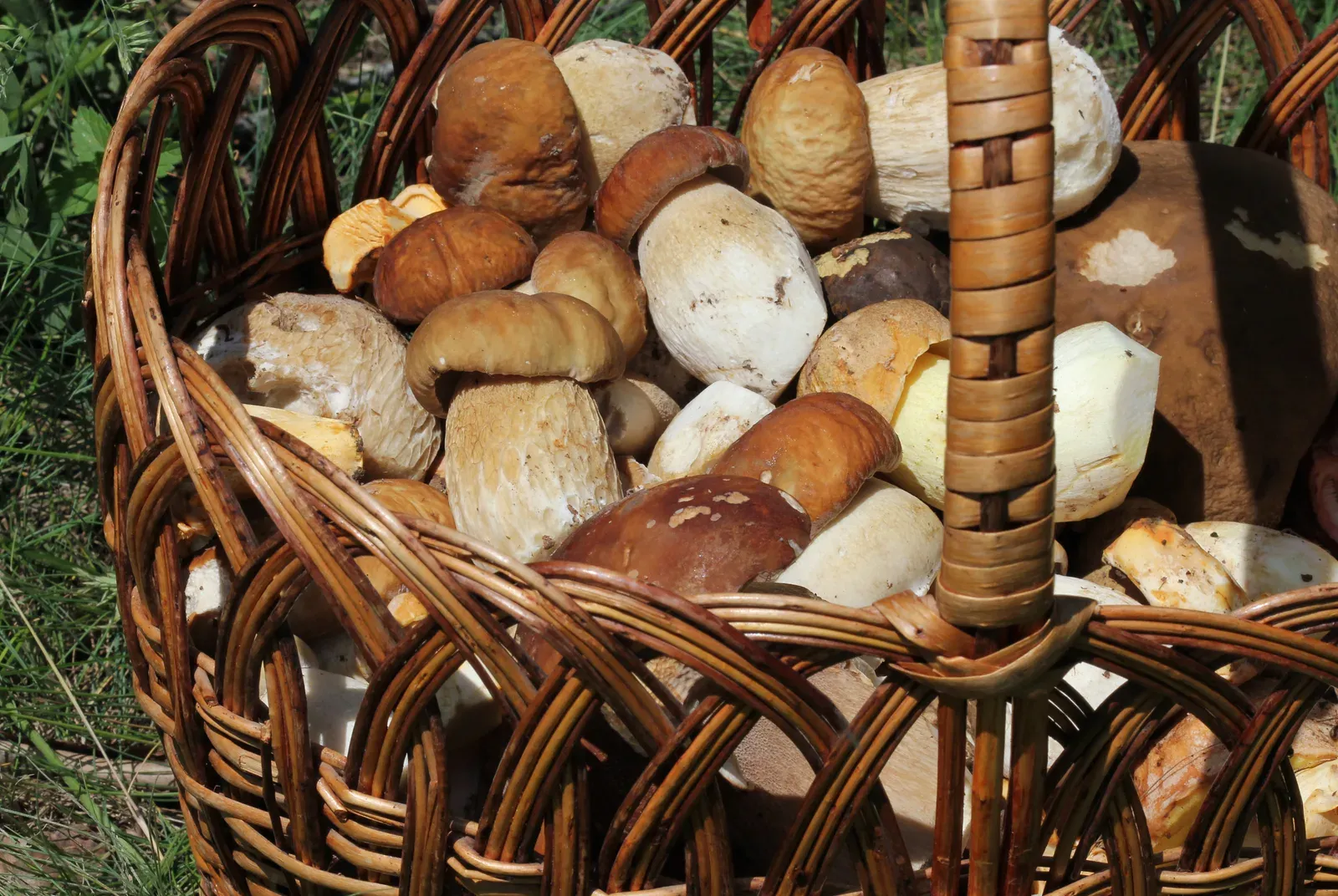 Recipes & cooking
How to store fresh mushrooms, and for how long
Fresh mushrooms spoil faster than you might think. Here's how long they keep in the fridge, how to store them…
August 21, 2026·4 min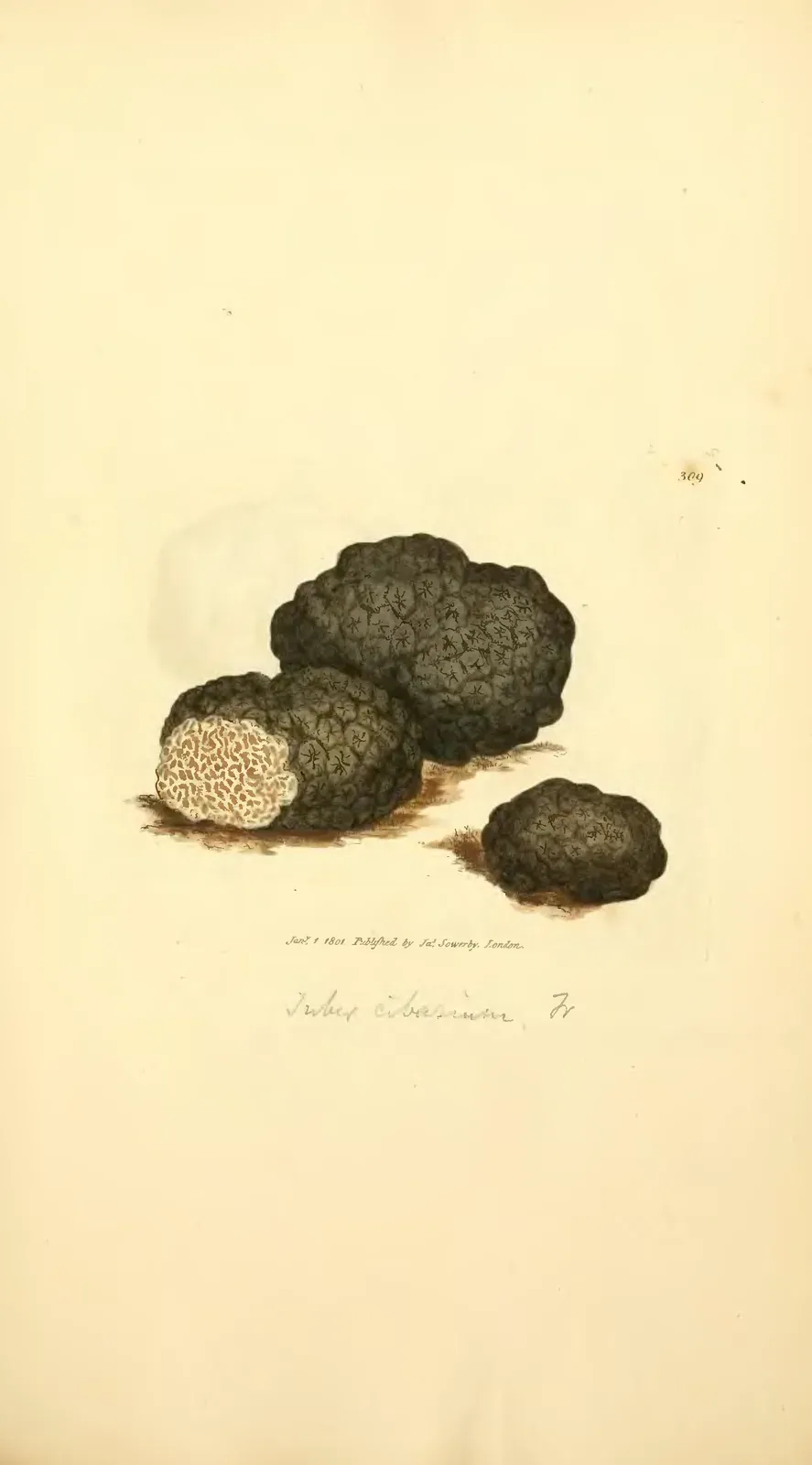 How to identify
Truffles in Ukraine: do they grow here, and where to look
Truffles aren't just a French delicacy. Several species grow in Ukraine too. Here's which ones, where they occ…
August 24, 2026·2 min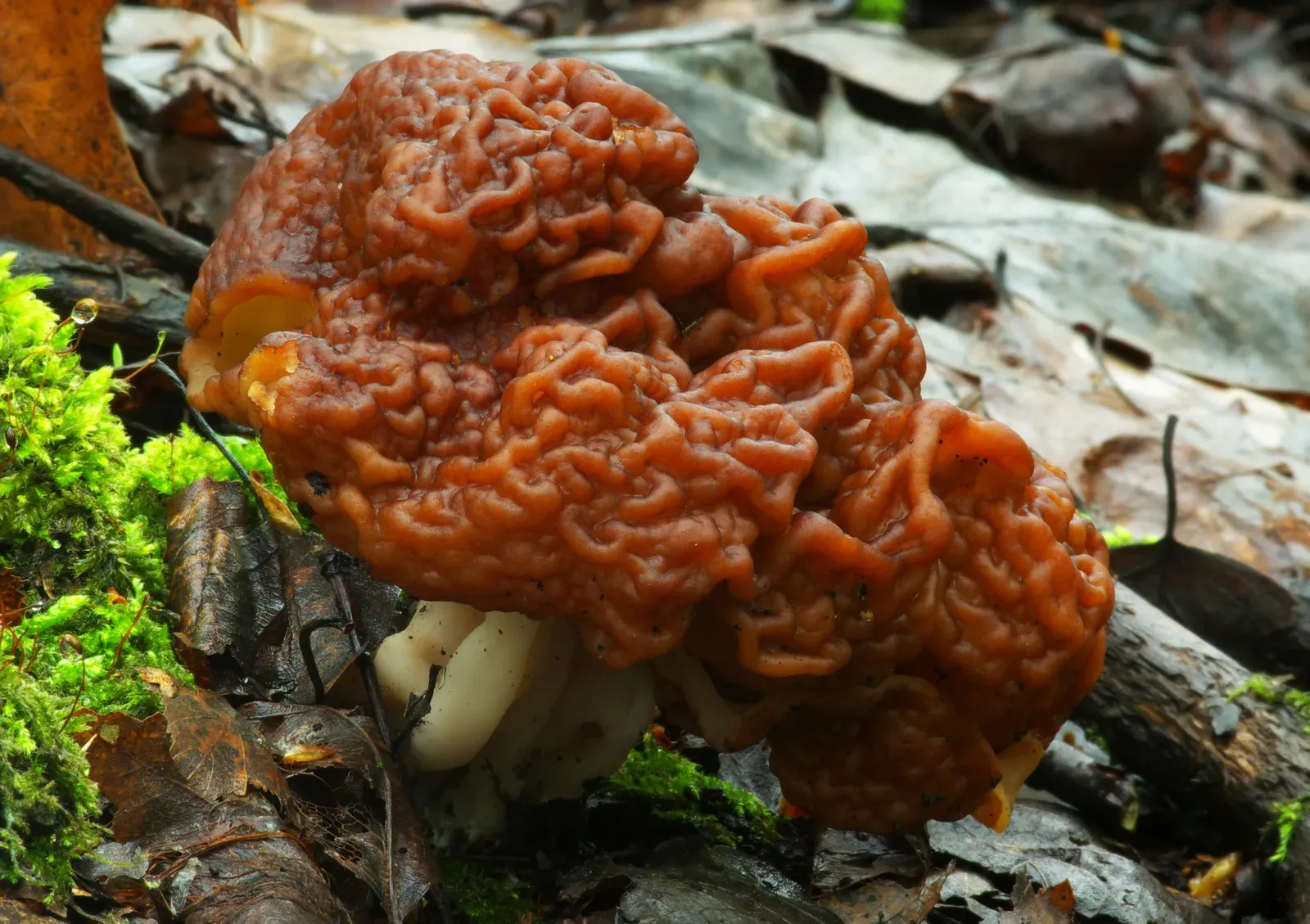 Safety
False morel: why this spring mushroom is dangerous
The false morel looks like a morel, but it contains a poison. Here's how to recognize it, why it's dangerous a…
August 24, 2026·2 min