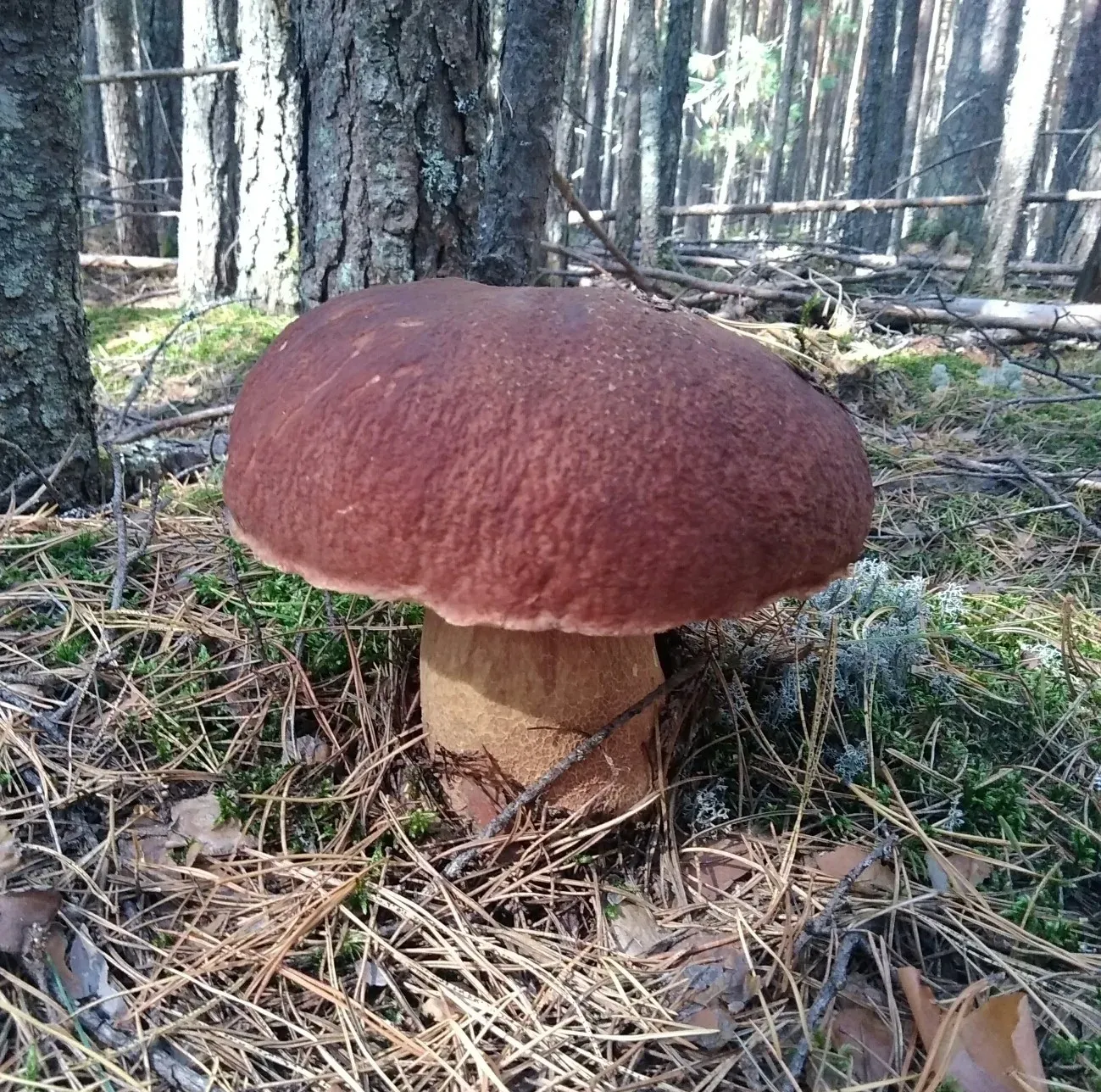
The first mushroom outing of the season brings the most joy when you're prepared for it. After all, a good trip starts not in the forest but at home, with packing. The right basket, comfortable clothes, and a few small things in your pocket turn the walk into an easy pleasure rather than an ordeal.
Let's go over what to bring to the June forest, what to carry mushrooms in, and what to take care of so your trip is both pleasant and safe.
What to carry mushrooms in
The very first question is the container. It decides what shape your mushrooms will be in when they get home.
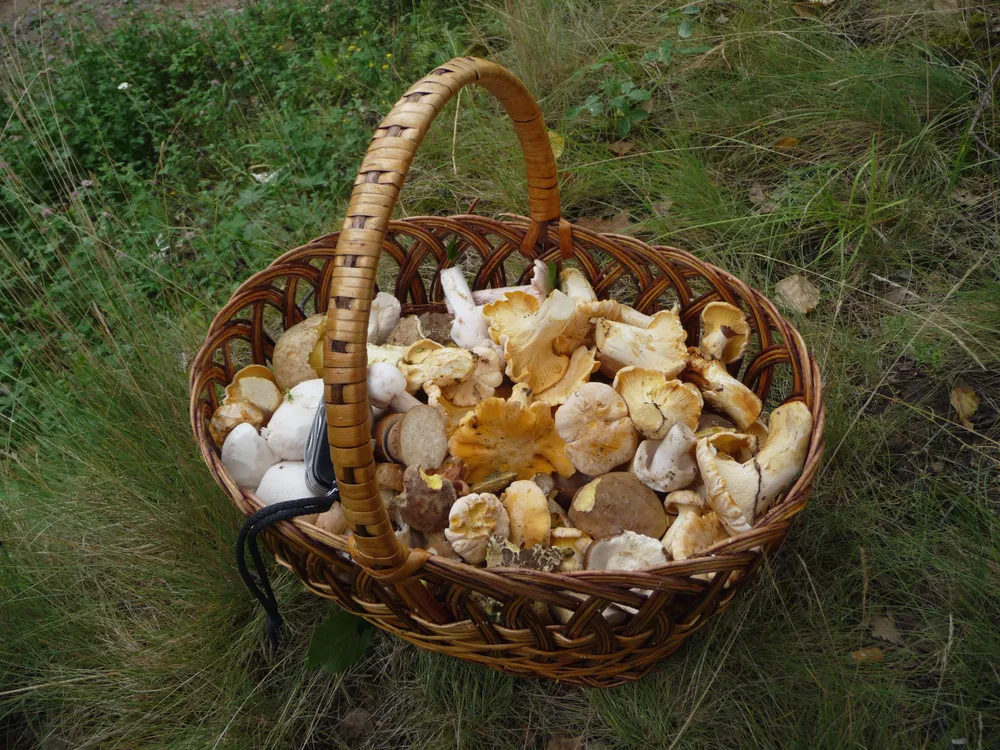
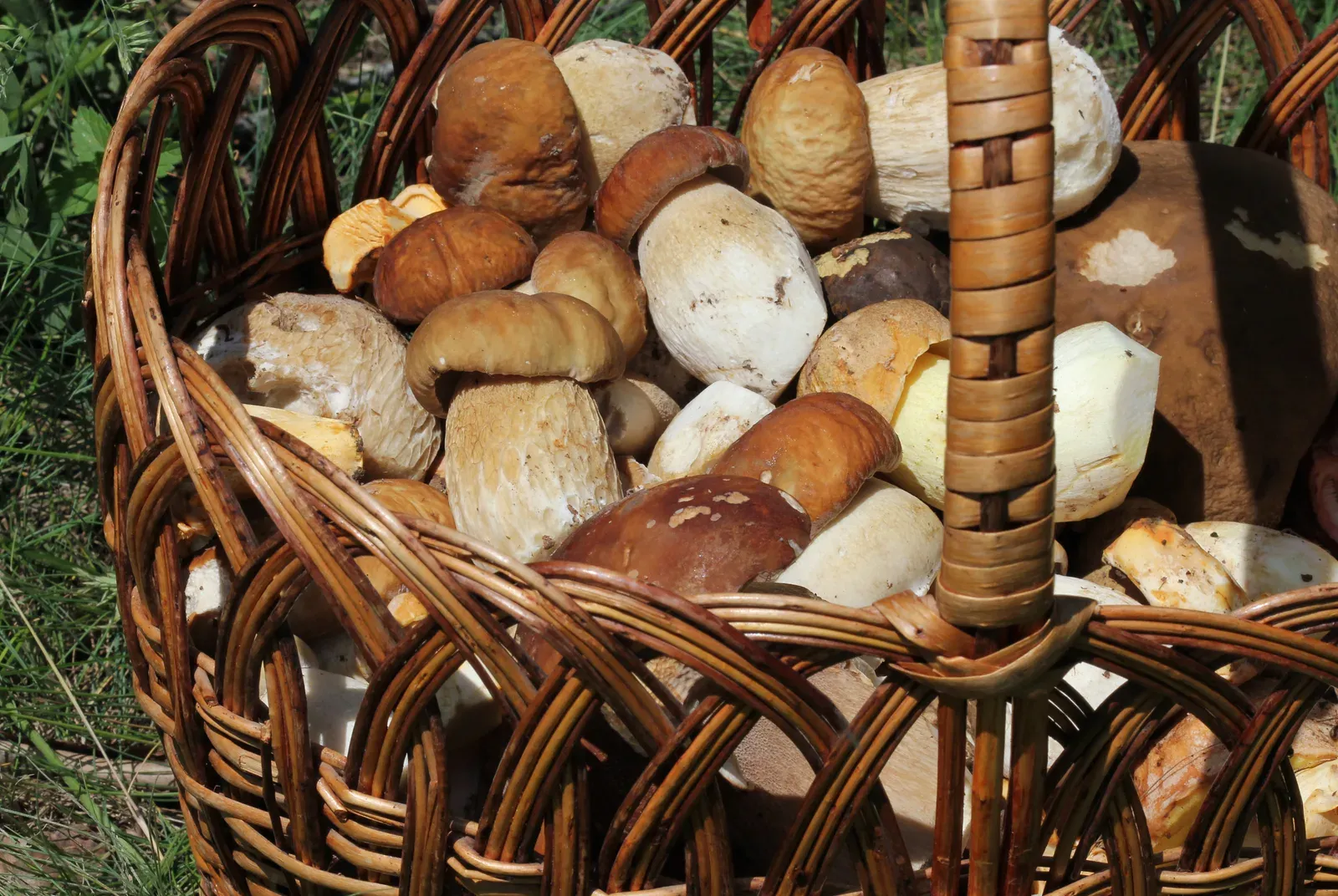
- A basket or a bucket, not a bag. In a plastic bag, mushrooms get crushed, sweat, and quickly go sour. In a wicker basket they get air and stay intact.
- A rigid container for fragile mushrooms. Chanterelles and brittlegills are best placed on top in the basket so the heavier boletes don't crush them.
- A separate container for unknowns. If you want to take an unknown mushroom home to identify it, keep it separate so it doesn't touch the edible ones.
Pick a container with some room to spare, but not too big: an overfull, heavy basket quickly wears you out, especially in the heat.
What knife you need
The second important thing is a mushroom knife. It isn't essential, but it makes picking easier and gentler on the forest.
Any small, sharp knife will do, ideally with a curved blade. Many mushroom knives have a little brush on the handle that's handy for sweeping soil and needles off the caps right there in the forest.
By the way, the old debate over whether to cut a mushroom or twist it out has no clear-cut answer. Unfamiliar mushrooms are best taken out whole so you can see the base of the stem, while familiar ones can be cut. We cover this in detail in our article on how to pick mushrooms properly.
How to dress for the June forest
June is deceptive: it's warm during the day, but in the forest the mornings are cool, damp, and full of insects. The right clothes save you from a lot of trouble.
- Covered arms and legs. Long sleeves and pants protect you from ticks, insects, and scratches.
- Comfortable waterproof footwear. In the morning the grass is wet with dew and the hollows are damp, so rubber boots or waterproof shoes come in handy.
- A hat. It protects you from ticks and from the sun at the forest edges.
- Light-colored clothes. It's easier to spot a tick on them.
When you get home, be sure to check yourself for ticks: in June they're especially active.
What else to take care of for safety
A few small things in your pocket will make the trip calmer, especially if you're heading into an unfamiliar forest.
- A charged phone. To stay in touch and not get lost. It's useful to have an offline map of the area.
- Water and a snack. Even a short outing in the heat calls for water.
- Insect repellent. The June forest is generous with mosquitoes and midges.
- Landmarks before you set off. Remember which side you entered from, and don't go too deep into the forest alone.
And the main rule: don't take unfamiliar mushrooms for the table. If you're unsure of the species, leave the mushroom in the forest. And to head out right when the mushrooms are coming up, check the mushroom radar: it will tell you when moisture and warmth are coming together just right.
Sources
- “Key to the Fungi of Ukraine” (Kyiv, Naukova Dumka publishing house).
- Boletus pinophilus in GBIF, the global biodiversity database.
- Fungi in MycoBank, the international fungal nomenclature database.
- Mushroom hunting on Wikipedia.
Frequently asked questions
What should you bring on a mushroom outing?
A basket or bucket for mushrooms, a small sharp knife, comfortable waterproof clothes and footwear, water, insect repellent, and a charged phone with an offline map.
Why shouldn't you carry mushrooms in a bag?
In a plastic bag, mushrooms get crushed, sweat, and quickly go sour without air. In a wicker basket they get air and make it home intact.
Do you need a mushroom knife?
Not necessarily, but it makes things easier. A small sharp knife with a curved blade will do; it's even better if the handle has a brush for cleaning soil off the caps.
Should you cut mushrooms or twist them out?
Unfamiliar mushrooms are best taken out whole so you can see the base of the stem, while familiar ones can be cut. More on this in our article on .
How should you dress for the forest in June?
In covered, light-colored clothes with long sleeves and pants, comfortable waterproof footwear, and a hat. This protects you from ticks, insects, dew, and sun.
Are ticks dangerous in June?
Yes, ticks are especially active in June. So dress in covered clothing, use repellent, and be sure to check yourself after you come back from the forest.
How do you avoid getting lost in an unfamiliar forest?
Take a charged phone with an offline map, remember which side you entered from, and don't go deep into the forest alone. Use visible roads and clearings as landmarks.
When is the best time for your first outing?
A few days after a warm rain, preferably in the morning. The best moment for your region is shown by the .
Mushrooms in this article
Related articles
 Recipes & cooking
How to store fresh mushrooms, and for how long
Fresh mushrooms spoil faster than you might think. Here's how long they keep in the fridge, how to store them…
August 21, 2026·4 min How to identify
Truffles in Ukraine: do they grow here, and where to look
Truffles aren't just a French delicacy. Several species grow in Ukraine too. Here's which ones, where they occ…
August 24, 2026·2 min Recipes & cooking
How long to boil mushrooms
Boiling time depends on the type of mushroom and on what you're cooking next. Here's a clear cheat sheet: how…
August 22, 2026·4 min