._Locatie,_De_Kruidhof_Buitenpost_02.webp)
Perhaps the oldest debate among foragers goes like this: should you cut a mushroom with a knife or twist it out of the ground? Some are sure the knife saves the mycelium, others that cutting means ruining the mushroom. So who's right?
The short answer may surprise you: for the mycelium itself, it makes little difference. But for your basket, the cleanliness of your mushrooms and your safety, the method does matter. Let's go through it step by step.
Where the debate came from
Many of us heard it from our elders as children: “Don't pull the mushroom out, or you'll destroy the mycelium.” That's where the belief came from that the only right way is to carefully cut the stem with a knife.
Supporters of the opposite camp reply: if you cut it, a stump of the stem is left in the ground, which rots and supposedly harms the mycelium even more. So they advise twisting the mushroom out whole.
In fact, both camps exaggerate a little. Modern mycology takes a calmer view, and you'll soon see why.
What really matters for the mycelium
The main thing to remember: the mushroom we pick is only the fruiting body. The mycelium itself hides in the soil and wood and stretches for meters all around.
For the mycelium, picking a mushroom is roughly like picking an apple from a tree. The fruiting body has done its job, the spores have already ripened or are ripening, and neither cutting nor twisting out a single mushroom kills the mycelium.
What really harms the mycelium is something else entirely:
- loosening and digging up the forest litter in search of “hidden” mushrooms;
- stripping moss and litter with a rake or a stick;
- trampling large areas and compacting the soil.
These are the actions that expose and dry out the mycelium. So the main rule isn't whether to cut or twist, but not to damage the ground around the mushroom.
When it's better to cut with a knife
Cutting is handy when the mushroom is firmly rooted, clean and growing in a group. A sharp knife gives you several advantages.
- A clean basket. A cut mushroom has no soil or sand left on its stem, so the rest of your haul doesn't get dirty.
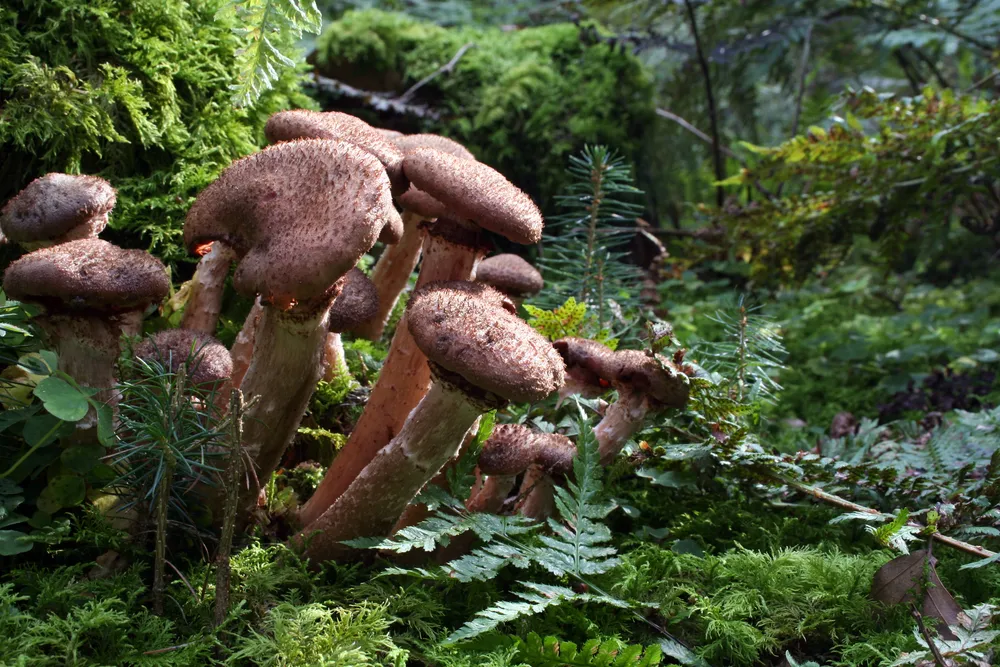
- Speed. When you come across a cluster of honey fungus or slippery jacks, a knife is noticeably faster.
- Care for the moss. You don't tug at the litter but leave it intact.
Cut as low as possible, right at the ground. And the stump left behind doesn't rot to the detriment of the mycelium; it simply dries up, like any dead fruiting body.
When it's better to twist a mushroom out
Twisting, that is, gently rotating the mushroom until it comes away from the soil, has its strengths too.
- Safer identification. When you take out the whole mushroom, you see the base of the stem. This is critical, because that's where the key feature of deadly poisonous mushrooms hides: a bulb-like swelling with a sac (volva), as in the Death cap.
- Less left behind. No stump is left in the ground, which sometimes grows mold.
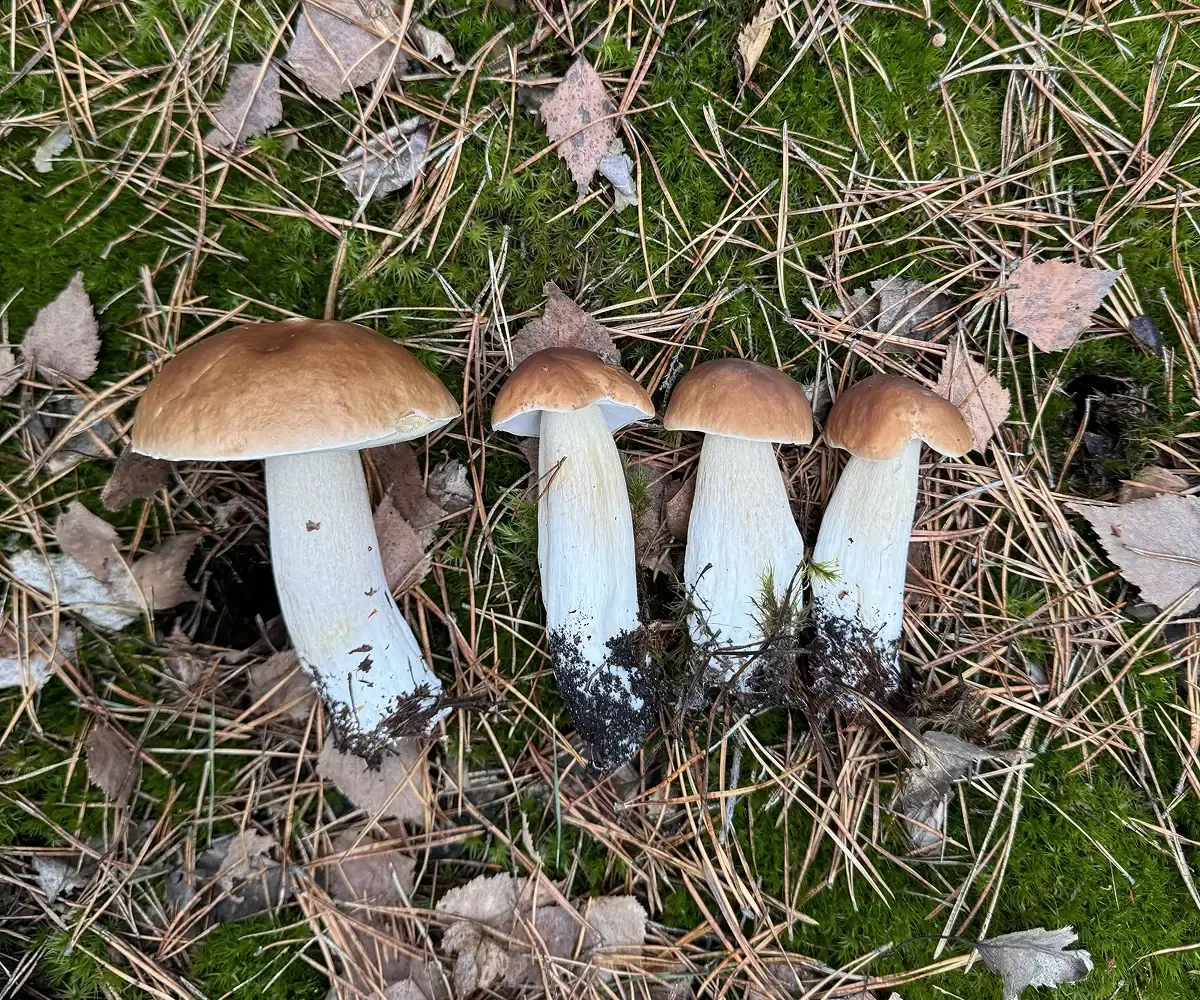
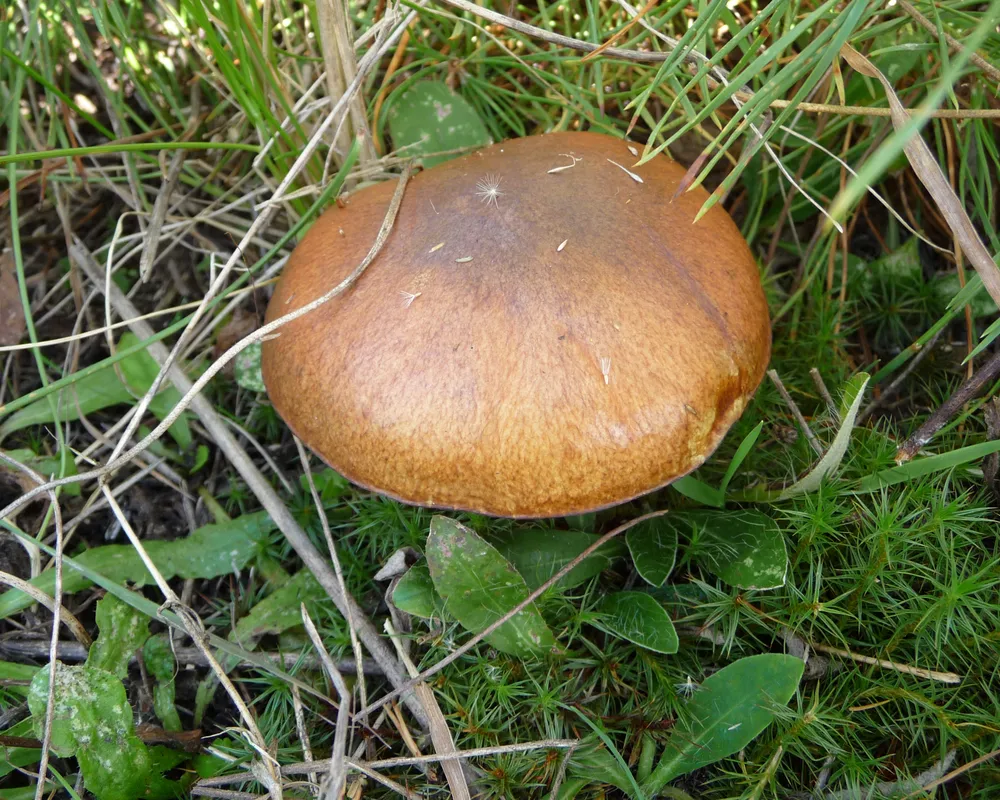
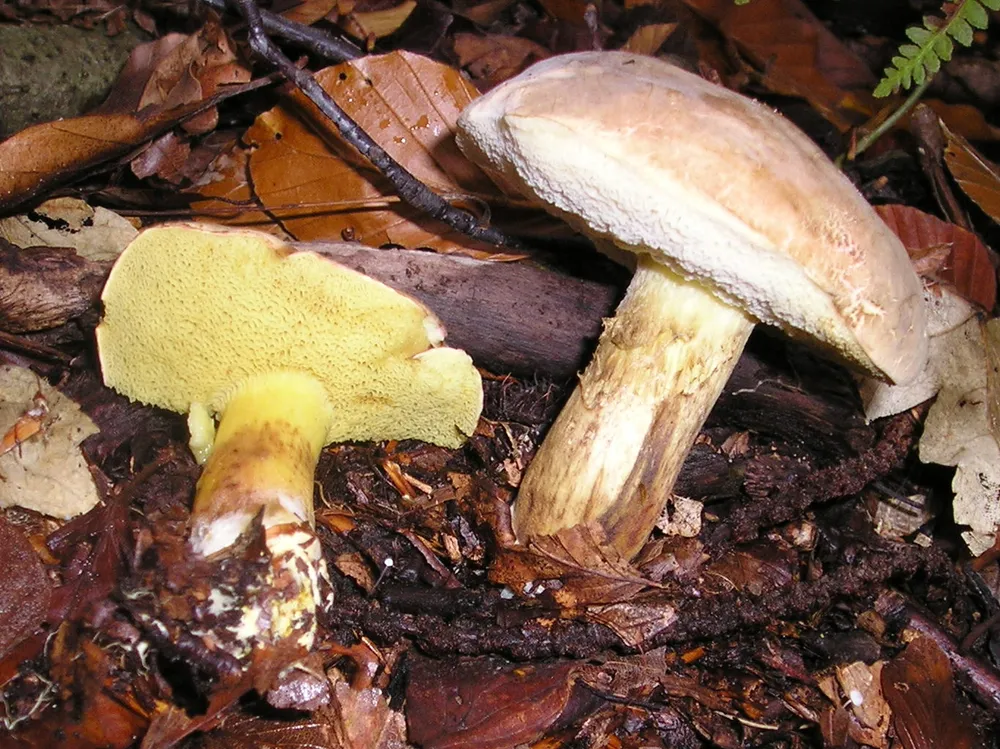
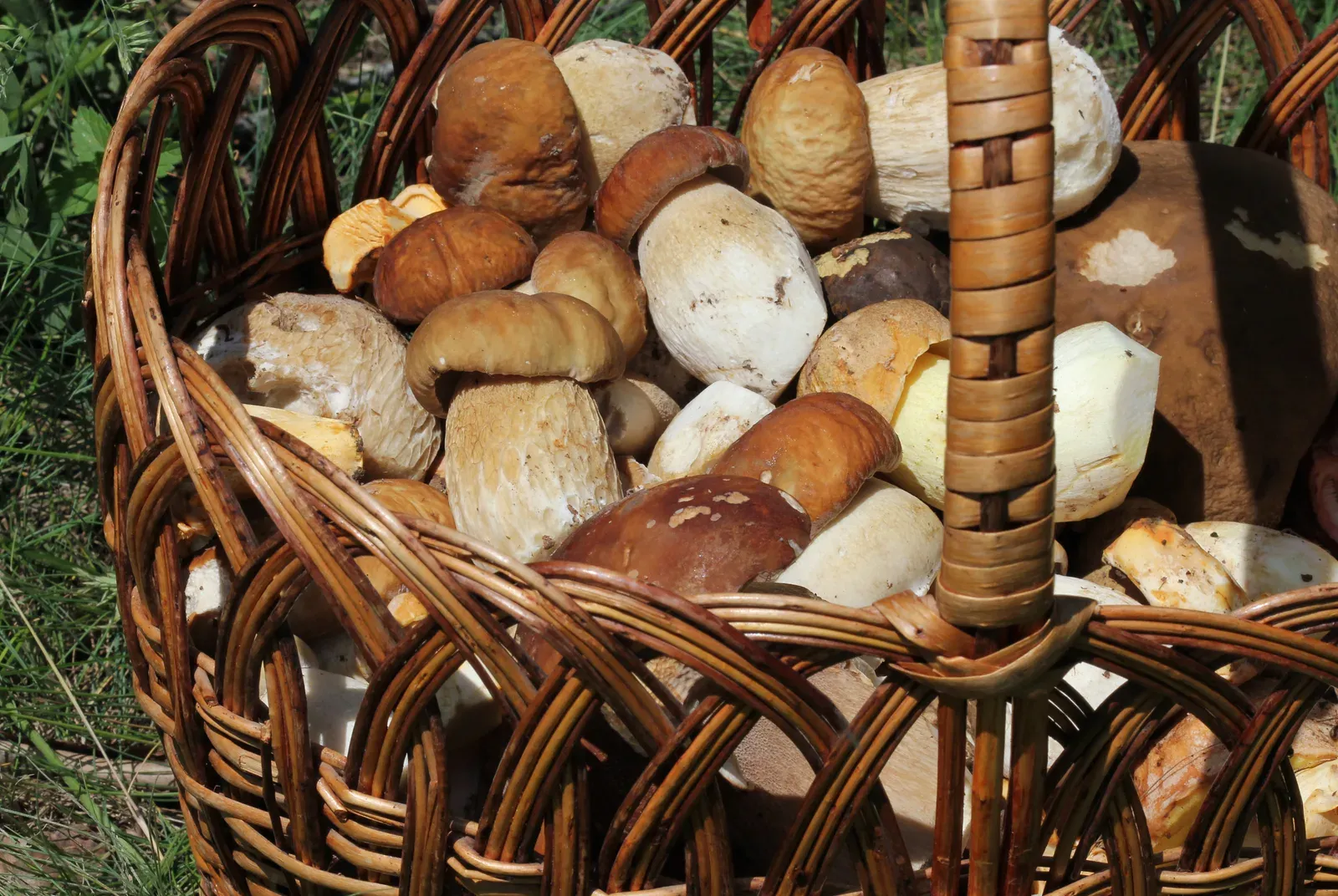
- Handy for boletes. Porcini, Xerocomus boletes or slippery jacks often come out of the soil whole with ease.
After you twist a mushroom out, it's worth covering the hole with moss or leaves. That way the mycelium underneath won't dry out.
The happy medium: how to pick the right way
Experienced foragers usually don't stick to one method but act according to the situation. Here are simple rules that combine the best of both approaches.
- Twist out an unfamiliar mushroom whole. Only then will you see the base of the stem and not miss the signs of a poisonous lookalike.
- A familiar, clean mushroom can be cut. Especially when it grows in a group and is firmly rooted.
- Don't dig up the litter. Don't rake through moss and leaves looking for small mushrooms; this harms the mycelium most of all.
- Cover the hole. After twisting a mushroom out, sprinkle the spot with moss or leaves to keep the moisture in.
- Take only what you've identified with confidence. In doubt? Leave the mushroom in the forest.
As you can see, the “cut or twist” debate is mostly far-fetched. It's more important to take care of the forest as a whole and leave alone anything you're not sure about.
And to head into the forest exactly when the mushrooms are up, use our mushroom radar: it shows when moisture and warmth line up well for mushrooms to appear in mixed, coniferous and deciduous forests.
Sources
- “Key to the Fungi of Ukraine” (Kyiv, Naukova Dumka publishing house).
- Boletus edulis on GBIF, a global biodiversity database.
- Fungi on MycoBank, an international fungal nomenclature database.
- Mushroom hunting on Wikipedia.
Frequently asked questions
Is it better to cut or twist out mushrooms?
For the mycelium there's almost no difference: we pick only the fruiting body, and the mycelium stays in the ground. Unfamiliar mushrooms are best twisted out whole so you can see the base of the stem, while familiar, clean ones can be cut.
Is it true that cutting kills the mycelium?
No, that's a myth. A cut mushroom is to the mycelium what a picked apple is to the tree. What harms the mycelium isn't cutting but digging up the litter and stripping the moss.
Why are you advised to twist out unfamiliar mushrooms?
Because only with the whole mushroom can you see the base of the stem, where the key feature of deadly poisonous species hides: a bulb with a sac-like volva, as in the Death cap. A cut mushroom hides this feature.
Does the stem stump rot after cutting?
The stump left behind doesn't harm the mycelium; it simply dries up, like any dead fruiting body. So cutting mushrooms right at the ground is completely safe for the forest.
What harms the mycelium most?
The most harm comes from loosening and digging up the forest litter, stripping moss with a rake or a stick and trampling the soil. That's what exposes and dries out the mycelium, not picking individual mushrooms.
Should you cover the hole after picking a mushroom?
Yes, it's a useful habit. After twisting a mushroom out, sprinkle the spot with moss or leaves so the mycelium underneath doesn't dry out in the sun and wind.
What kind of knife is handy for picking mushrooms?
Any small, sharp knife will do, ideally with a curved blade and a brush on the handle for cleaning caps. The main thing is that the blade cuts the stem easily right at the ground.
Can you pick mushrooms by hand without a knife?
Yes. Many mushrooms twist out easily and whole with your fingers. A knife just speeds up picking mushrooms that grow in groups and leaves less dirt on the stem. Both methods are fine.
Mushrooms in this article
Related articles
 Recipes & cooking
How to store fresh mushrooms, and for how long
Fresh mushrooms spoil faster than you might think. Here's how long they keep in the fridge, how to store them…
August 21, 2026·4 min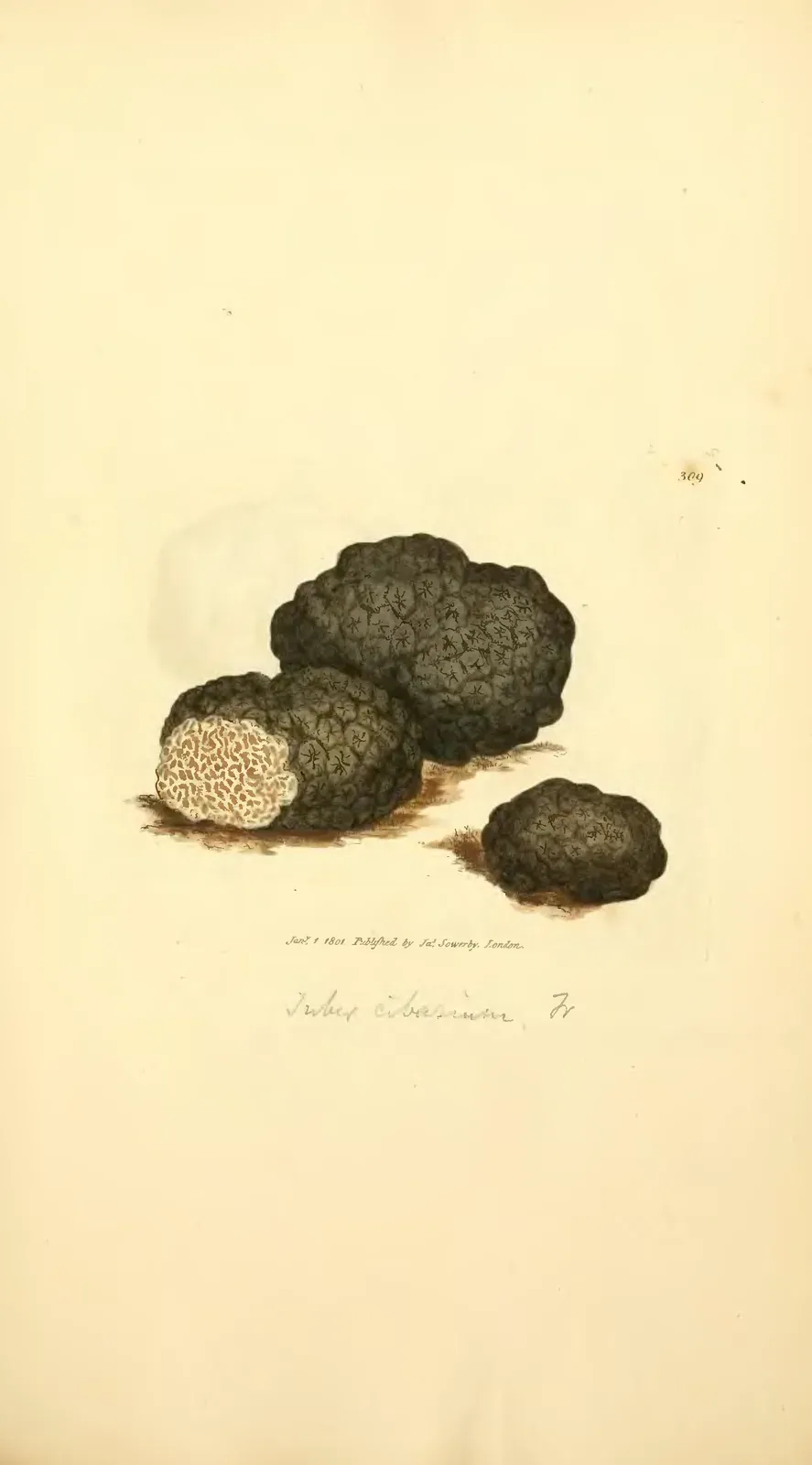 How to identify
Truffles in Ukraine: do they grow here, and where to look
Truffles aren't just a French delicacy. Several species grow in Ukraine too. Here's which ones, where they occ…
August 24, 2026·2 min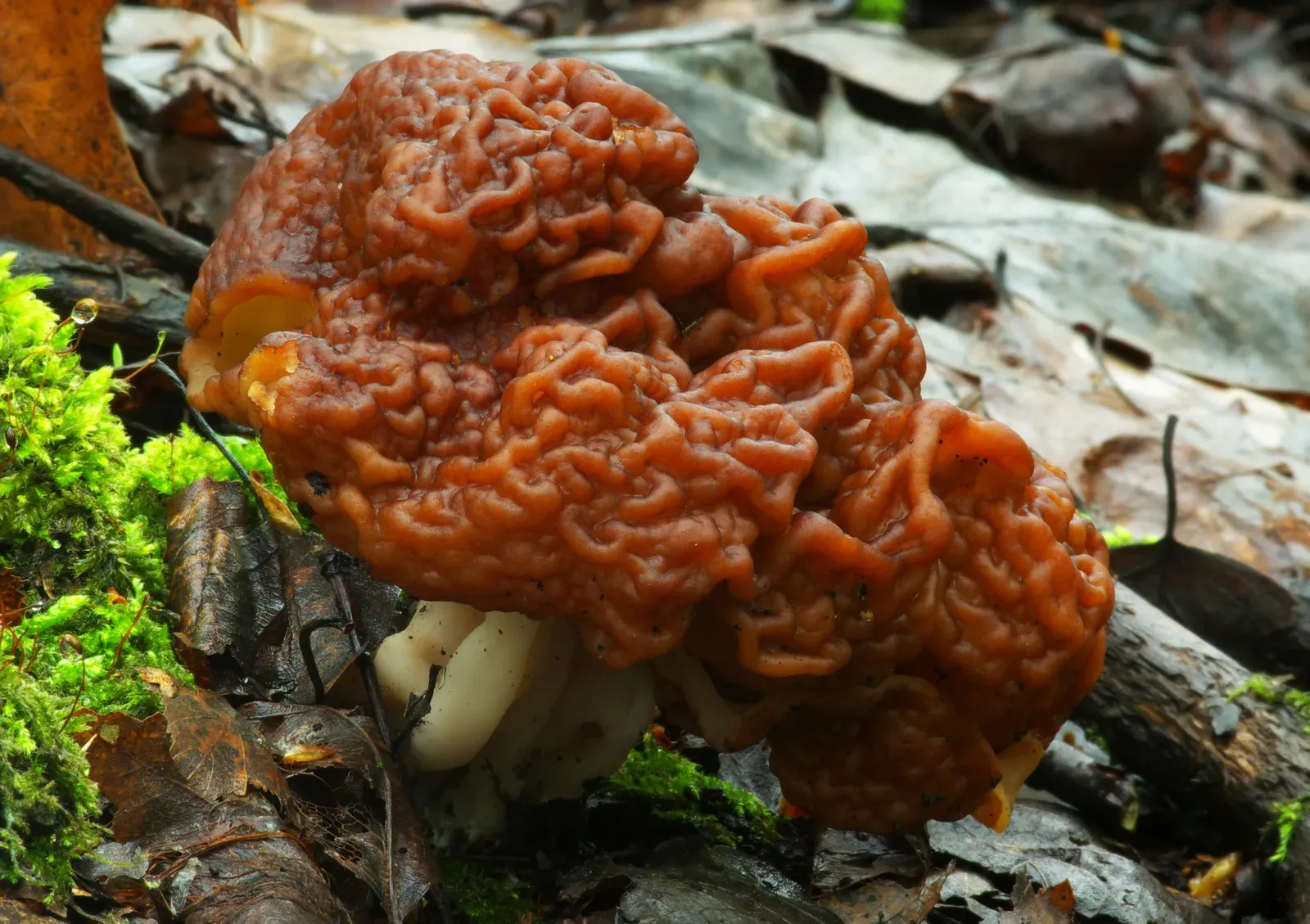 Safety
False morel: why this spring mushroom is dangerous
The false morel looks like a morel, but it contains a poison. Here's how to recognize it, why it's dangerous a…
August 24, 2026·2 min