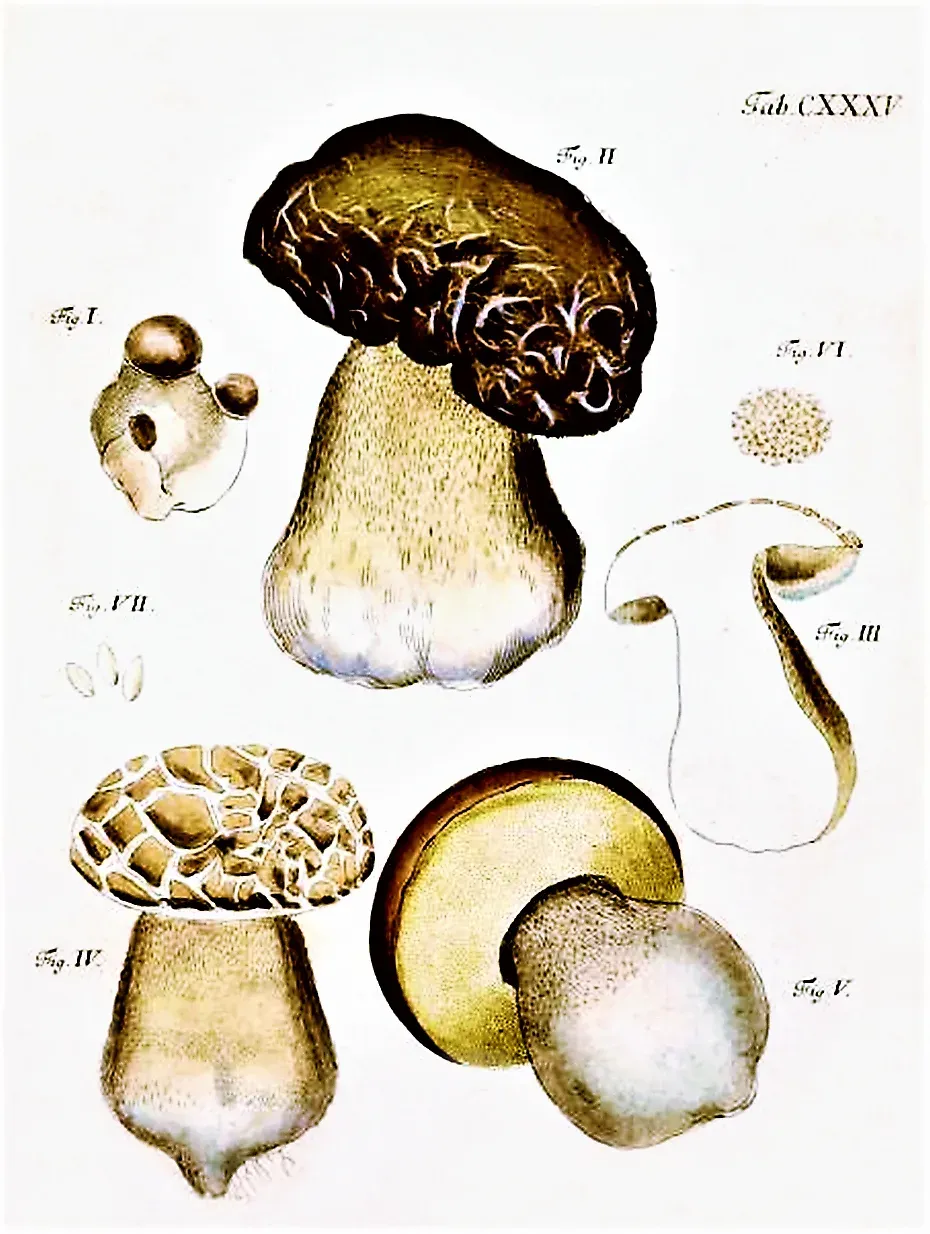
Finding a bolete is only half the job. The other half is honestly judging whether it's worth taking. The summer bolete (Boletus reticulatus, in our catalog the summer bolete) loses flavor with age, soaks up water and is almost always maggoty. A mushroom like that gets left in the forest, and not just out of squeamishness.
Being able to tell a young, firm bolete from an overripe one is the mark of an experienced forager. Let's look at what to check and why an old mushroom does more good where it stands than in your basket.
How to recognize an old mushroom
A few details give away a bolete's age, and the most reliable of them is the underside of the cap. Nature made the tube layer, or sponge, a handy ripeness indicator.
- white sponge a young mushroom, the best choice;
- yellowish sponge mature, still perfectly good;
- olive-green, soft, swollen sponge an old mushroom, one you no longer take.
Other signs of age: the cap has turned spongy and spread wide open, the stem has gone woody or, on the contrary, soft, and the mushroom itself is noticeably heavier than its size suggests because it has soaked up water. Press it with your finger: if the flesh springs back, the mushroom is young; if a dent stays, it's already overripe.
Maggots, the main reason to walk on by
Old boletes are almost always infested with larvae. The maggots often work their way up from below, through the stem, so the mushroom may look whole on the outside but be tunneled right through inside.
The check is simple: cut the mushroom lengthwise. A few tunnels in a young mushroom are no reason to throw it out; you just trim off the damaged part. But if the flesh is riddled with tunnels like a sponge, leave the mushroom in the forest. No dish will save it, and a mushroom like that won't do much for your appetite either.
Why an old mushroom is hard on the stomach
Even if an old bolete isn't maggoty, you shouldn't eat it. As a mushroom ages, protein breakdown products build up in it, and the flesh itself becomes limp and watery.
Mushrooms are fairly heavy food as it is, and overripe ones are even harder to digest and can cause digestive upset. The same rule applies as with doubtful mushrooms: if you're not sure it's fresh, don't take it. Your health matters more than one extra mushroom in the basket.
By the way, don't confuse an overripe bolete with the bitter bolete. An old bolete spoils because of age, while the bitter bolete is always bitter, even when young. These are different problems with the same result: an inedible dish.
Why leave old mushrooms in the forest
An overripe bolete is no use to us, but the forest really needs it. It's the old mushrooms that scatter the spores from which new mycelium grows.
A mature bolete releases millions of spores a day. By cutting or trampling every old mushroom, we rob the forest of its next harvest. That's why experienced foragers deliberately leave overripe specimens standing: it's an investment in next season.
A few simple habits of a caring forager:
- take only young and mature mushrooms, leave old ones where they are;
- don't kick over or trample what you're not taking;
- cut or twist the mushroom out carefully, without tearing the mycelium;
- don't dig up the litter looking for hidden mushrooms.
That way the spot will keep producing for years. And to come back exactly when the mushrooms are young and firm, keep an eye on the weather with our mushroom radar and head out in the first two or three days after a warm rain, while the boletes in deciduous forests are still fresh.
Sources
- “Identification Guide to the Fungi of Ukraine” (Kyiv, Naukova Dumka publishing house).
- Boletus reticulatus on GBIF, the global biodiversity database.
- Boletus reticulatus on MycoBank, the international fungal nomenclature database.
- Boletus reticulatus on Wikipedia.
Frequently asked questions
How can you tell a porcini is old?
The easiest way is the underside of the cap: an olive-green, soft sponge is a sign of an old mushroom. Age also shows in a spongy, wide cap, a limp or woody stem, and a mushroom that's heavier than it should be because it has soaked up water.
Can you eat an old bolete?
Better not. An old mushroom is watery, almost always maggoty and harder to digest, because protein breakdown products build up in it. It can upset your stomach, so a mushroom like that is left in the forest.
Why are old mushrooms almost always maggoty?
Because larvae move into a mushroom as it ages, often from below, through the stem. The longer a bolete stands, the more tunnels there are inside. Young mushrooms are clean, and that's exactly why they're prized.
What does a green cap underside on a bolete mean?
An olive-green sponge is a sign the mushroom is old. On a young one it's white, on a mature one yellowish. A soft green sponge is a signal that the mushroom is overripe and not worth taking.
Why leave old mushrooms in the forest?
Old boletes scatter the spores from which new mycelium and future harvests grow. If you cut or trample them all, the forest will produce less. That's why overripe mushrooms are deliberately left where they are.
How do you check a bolete for maggots?
Cut the mushroom lengthwise. A few tunnels in a young mushroom are nothing to worry about; just trim off the damaged part. But if the flesh is riddled with tunnels all the way through, leave the mushroom in the forest.
How is an old bolete different from a bitter bolete?
An old bolete spoils because of age: it turns watery and maggoty. , on the other hand, is always bitter, even when young and clean. They're different mushrooms, but both make a dish inedible.
How do you cut a mushroom properly without harming the mycelium?
Carefully cut the stem near the base or gently twist the mushroom out without tearing up the litter. Don't dig up the ground or kick over old mushrooms, and the spot will keep producing for years.
Mushrooms in this article
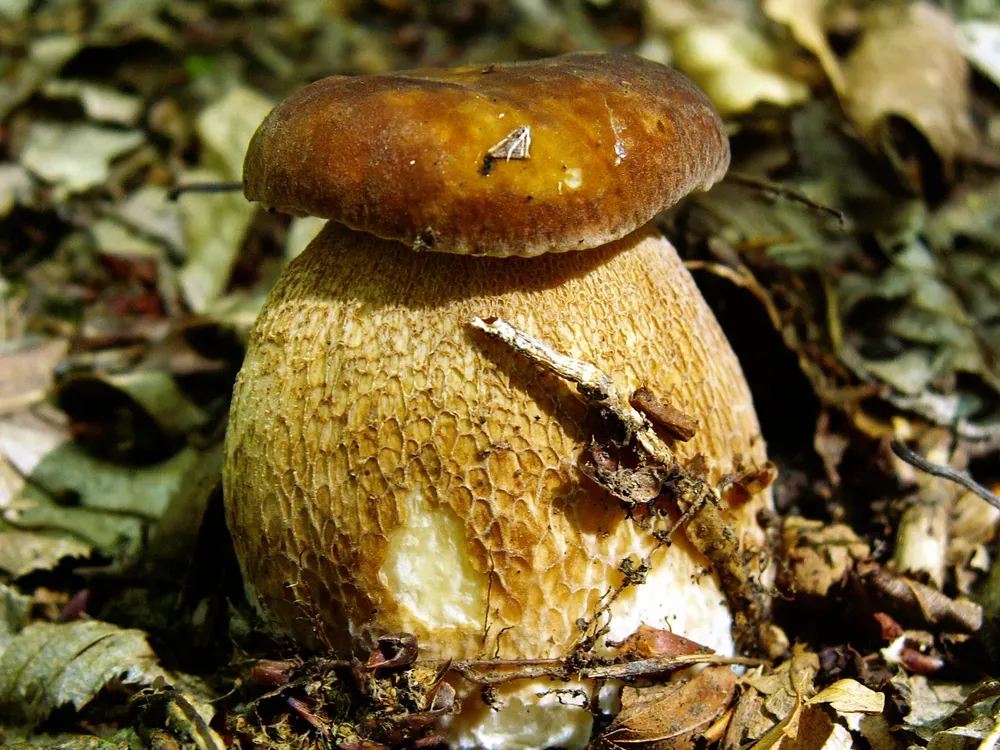
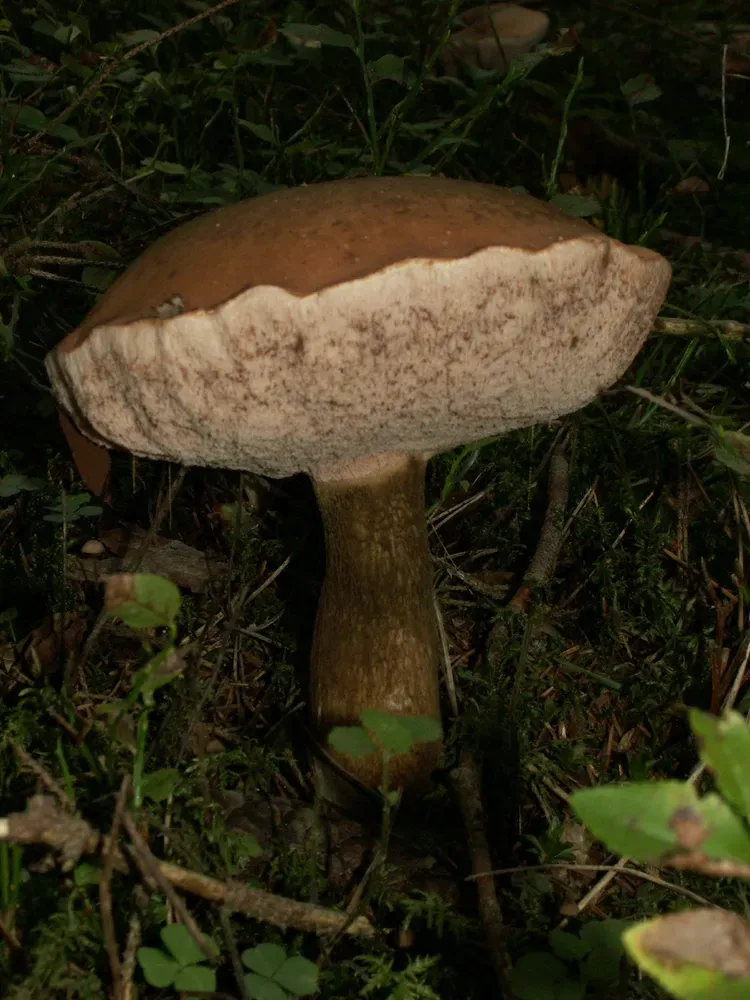
Related articles
 Recipes & cooking
How to store fresh mushrooms, and for how long
Fresh mushrooms spoil faster than you might think. Here's how long they keep in the fridge, how to store them…
August 21, 2026·4 min How to identify
Truffles in Ukraine: do they grow here, and where to look
Truffles aren't just a French delicacy. Several species grow in Ukraine too. Here's which ones, where they occ…
August 24, 2026·2 min Safety
False morel: why this spring mushroom is dangerous
The false morel looks like a morel, but it contains a poison. Here's how to recognize it, why it's dangerous a…
August 24, 2026·2 min