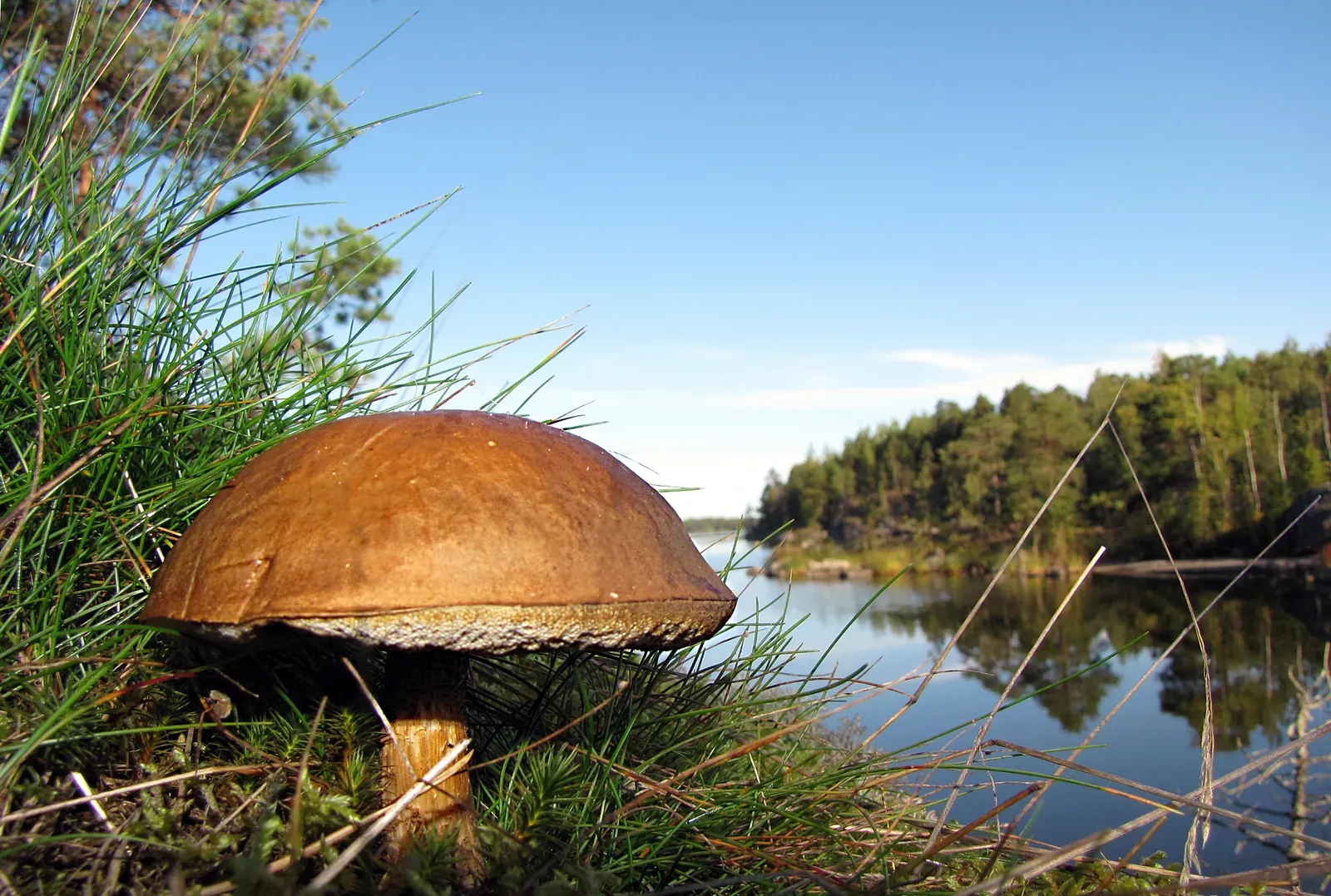
Bay bolete is a close relative of porcini, and nutritionally it comes very close to the “king of mushrooms.” It's a firm, meaty and fragrant mushroom, prized for both its taste and its benefits. Let's look at what makes the bay bolete good for you and whether it can do any harm.
> This article is for general information only and does not replace advice from a doctor or dietitian.
Why the bay bolete is good for you
Protein. Like porcini, the bay bolete is rich in plant protein, so it's filling and nourishing.
Few calories. Despite its firm flesh, it contains almost no fat, so it suits a light diet.
Vitamins and minerals. The bay bolete contains B vitamins, precursors of vitamin D, as well as potassium, selenium and phosphorus.
Aroma. It has a distinct mushroom aroma that grows stronger when dried, which makes it valuable for soups and sauces.
For an overview of the health benefits of mushrooms in general, see the article why mushrooms are good for you.
Can the bay bolete do any harm
Like all mushrooms, the bay bolete is a food that's hard to digest because of chitin. So:
- eat it in moderation;
- always cook it thoroughly — it is not eaten raw;
- pick it only in clean places, because mushrooms absorb heavy metals.
The bluing of the flesh where it's cut, which frightens beginners, has no effect on its benefits or safety — it's a normal reaction. Why the bay bolete turns blue and whether it's edible — see the article bay bolete: edible or poisonous.
Who should be careful
Because it's hard to digest, the bay bolete is not given to young children, and people with stomach, liver or kidney conditions should consult a doctor. For everyone else it's good for you in moderation and when well cooked. How fast it grows and when it appears — see the article how long it takes a bay bolete to grow.
Sources
- “Key to the Fungi of Ukraine” (Kyiv, Naukova Dumka publishing house).
- Imleria badia in GBIF, the global biodiversity database.
- Edible mushroom on Wikipedia.
Frequently asked questions
Why is the bay bolete good for you?
The bay bolete is rich in plant protein, B vitamins and precursors of vitamin D, as well as potassium, selenium and phosphorus — all for few calories. Nutritionally it comes very close to porcini.
Is the bay bolete healthier than porcini?
They're similar in composition and benefits: both are rich in protein, vitamins and minerals. The bay bolete is slightly less aromatic than porcini, but it's an excellent and nourishing alternative.
Can the bay bolete do any harm?
Like all mushrooms, it's hard to digest because of chitin, so it's easy to overeat. Pick it only in clean places, away from roads, because mushrooms absorb heavy metals.
Does the bluing affect the mushroom's benefits?
No. The bluing of the flesh where it's cut is a normal, harmless reaction to air. It affects neither the benefits nor the taste, and it disappears during cooking.
Who shouldn't eat the bay bolete?
Wild mushrooms are not given to young children, and people with stomach, liver or kidney conditions should consult a doctor. For everyone else the bay bolete is good for you in moderation and when well cooked.
Do dried bay boletes keep their benefits?
Yes, dried bay boletes keep plenty of protein and minerals, and the aroma even gets stronger. That's why, like porcini, they're prized for soups and sauces.
Can you eat bay boletes often?
Better in moderation. It's a nourishing but hard-to-digest food, so it's eaten as an addition to a dish rather than the basis of your diet, and always well cooked.
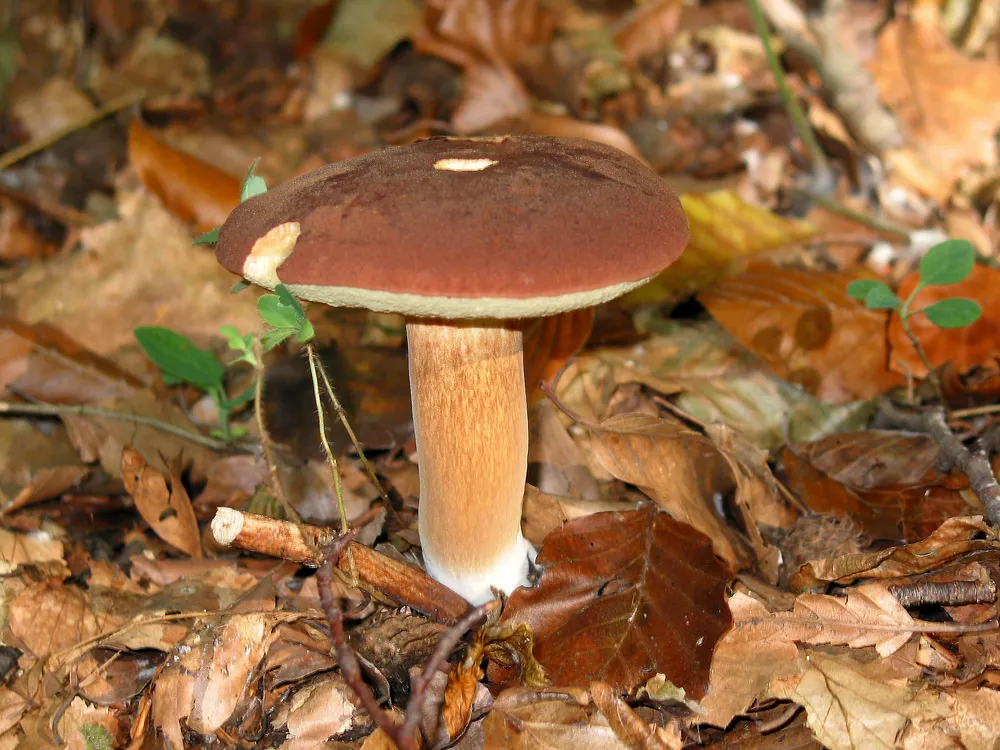
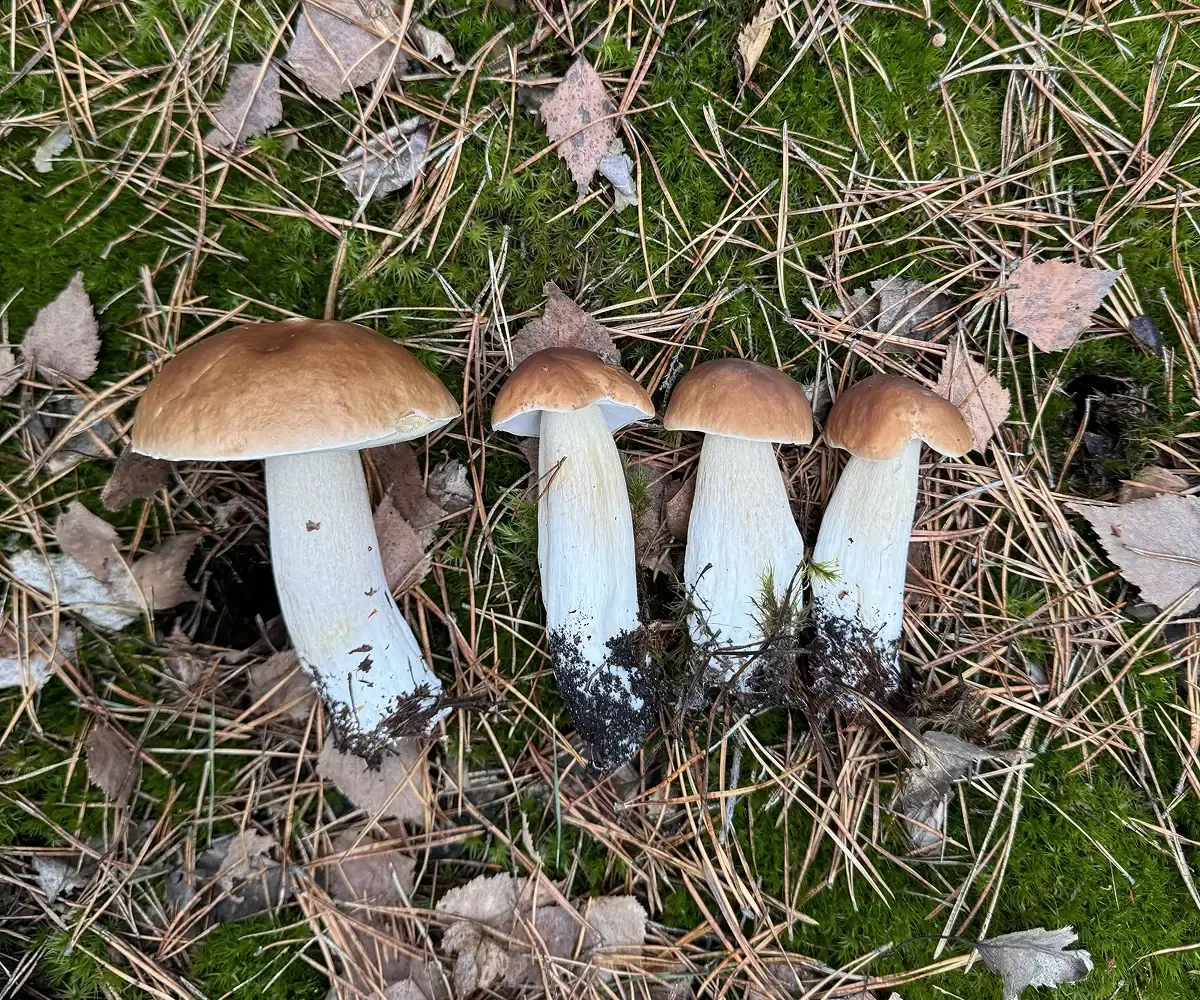
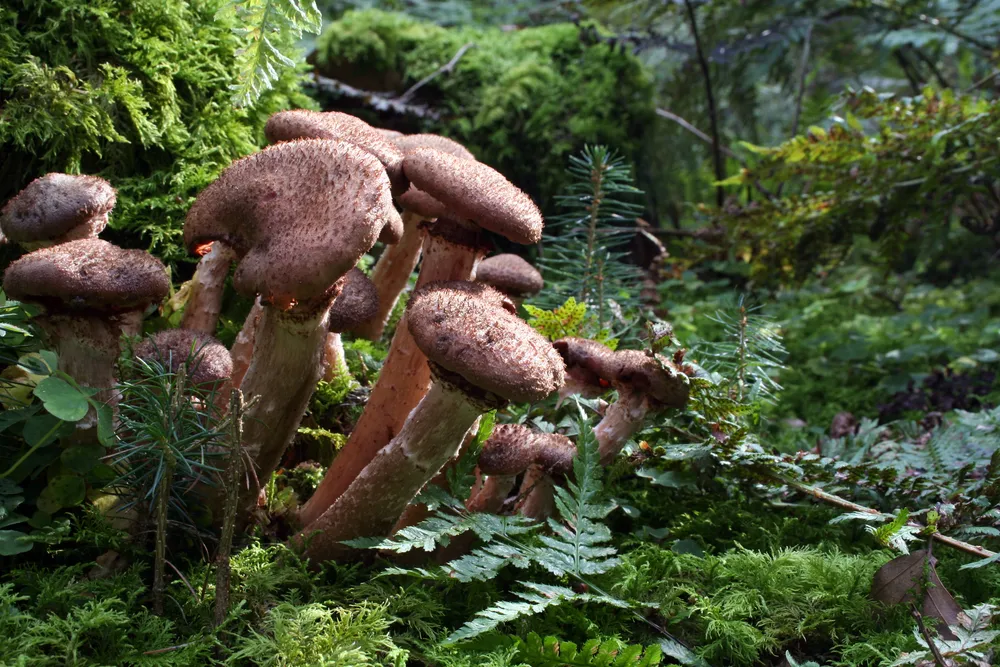
Mushrooms in this article
Related articles
 Science & taxonomy
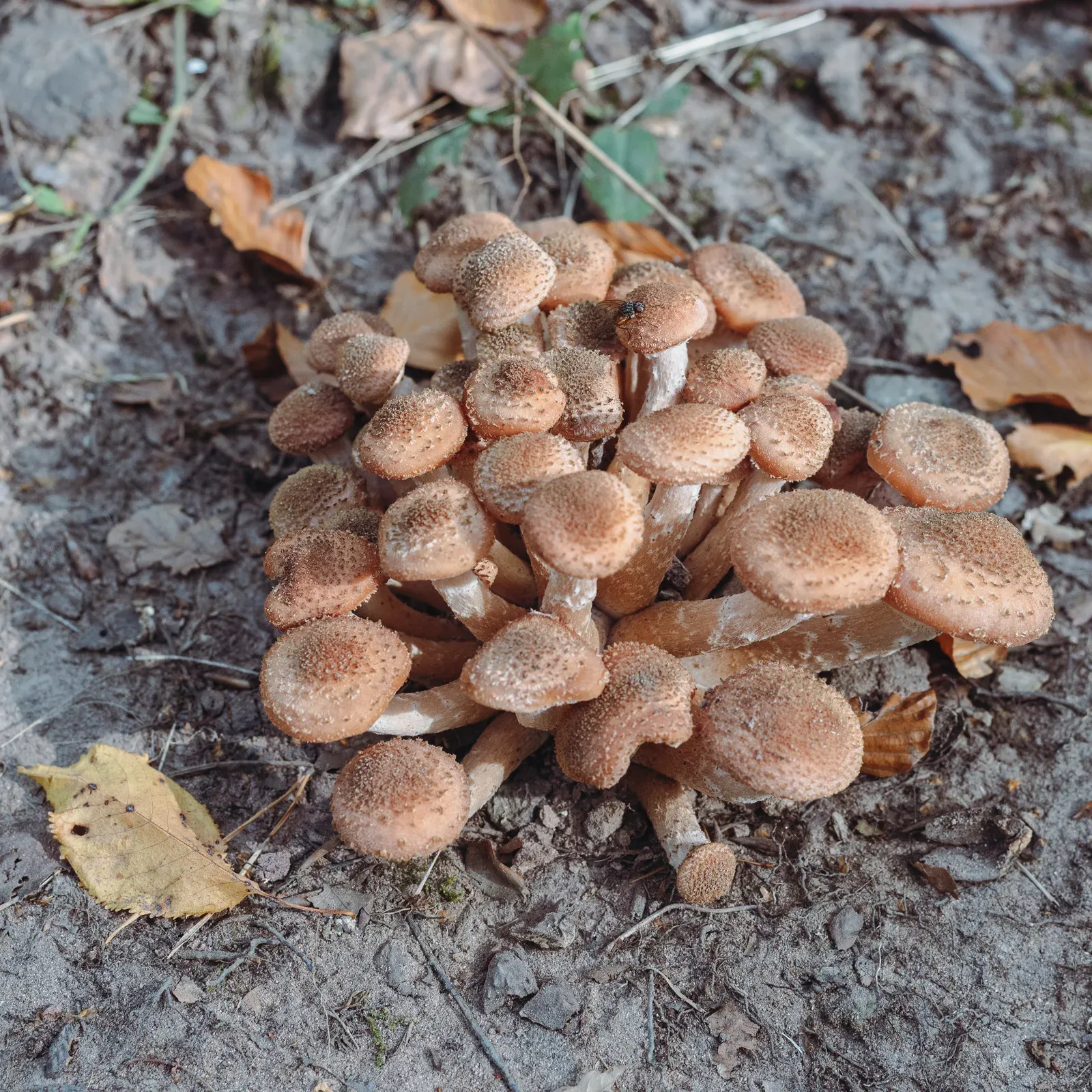
Honey fungus: health benefits and risks
Honey fungus is a nourishing autumn mushroom, rich in protein and minerals. Here's why honey fungus is good fo…
August 20, 2026·2 min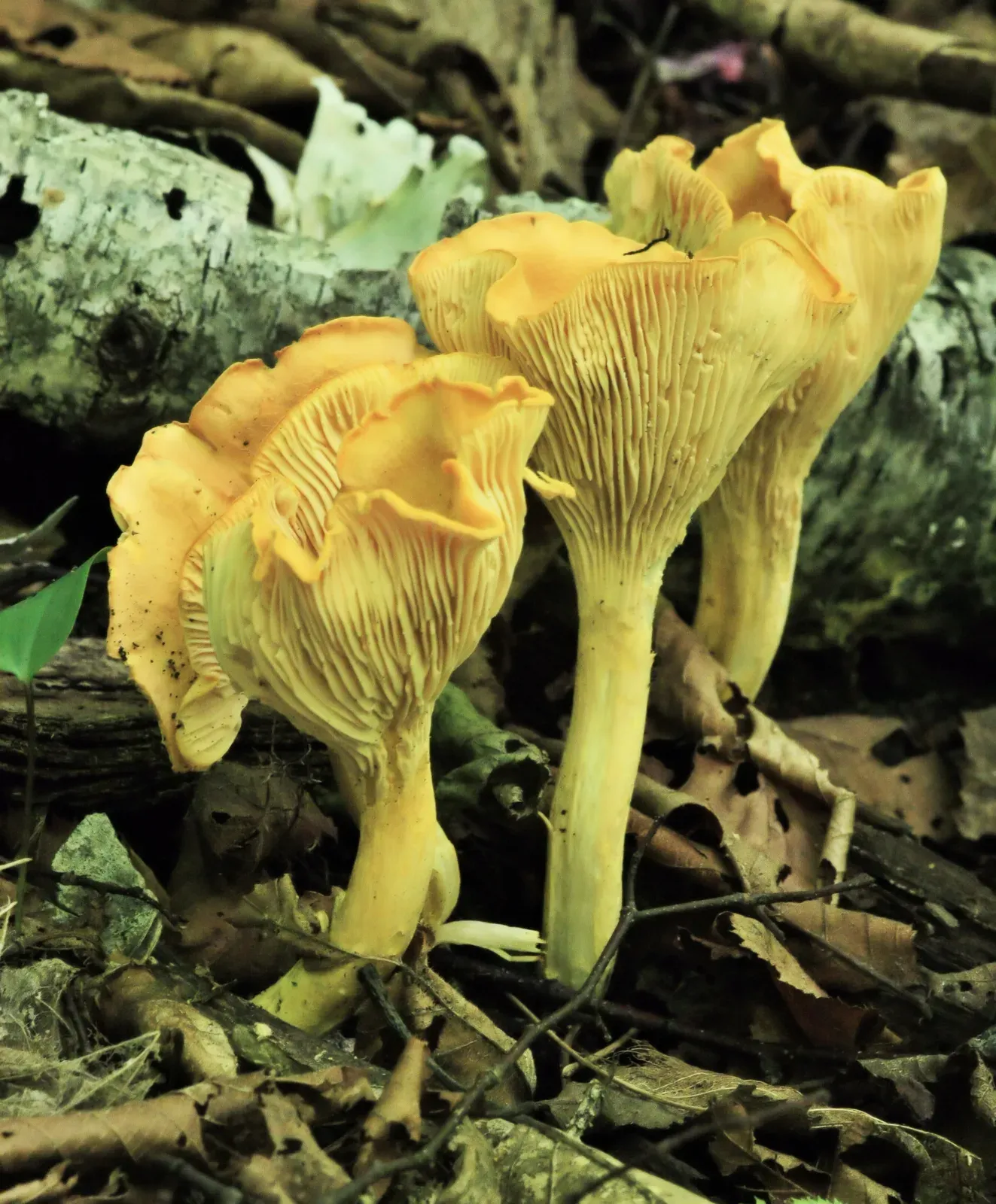 Science & taxonomy
Chanterelles: medicinal properties and health benefits
Chanterelles are credited with plenty of health-giving properties. Here's what really makes them valuable, wha…
August 23, 2026·2 min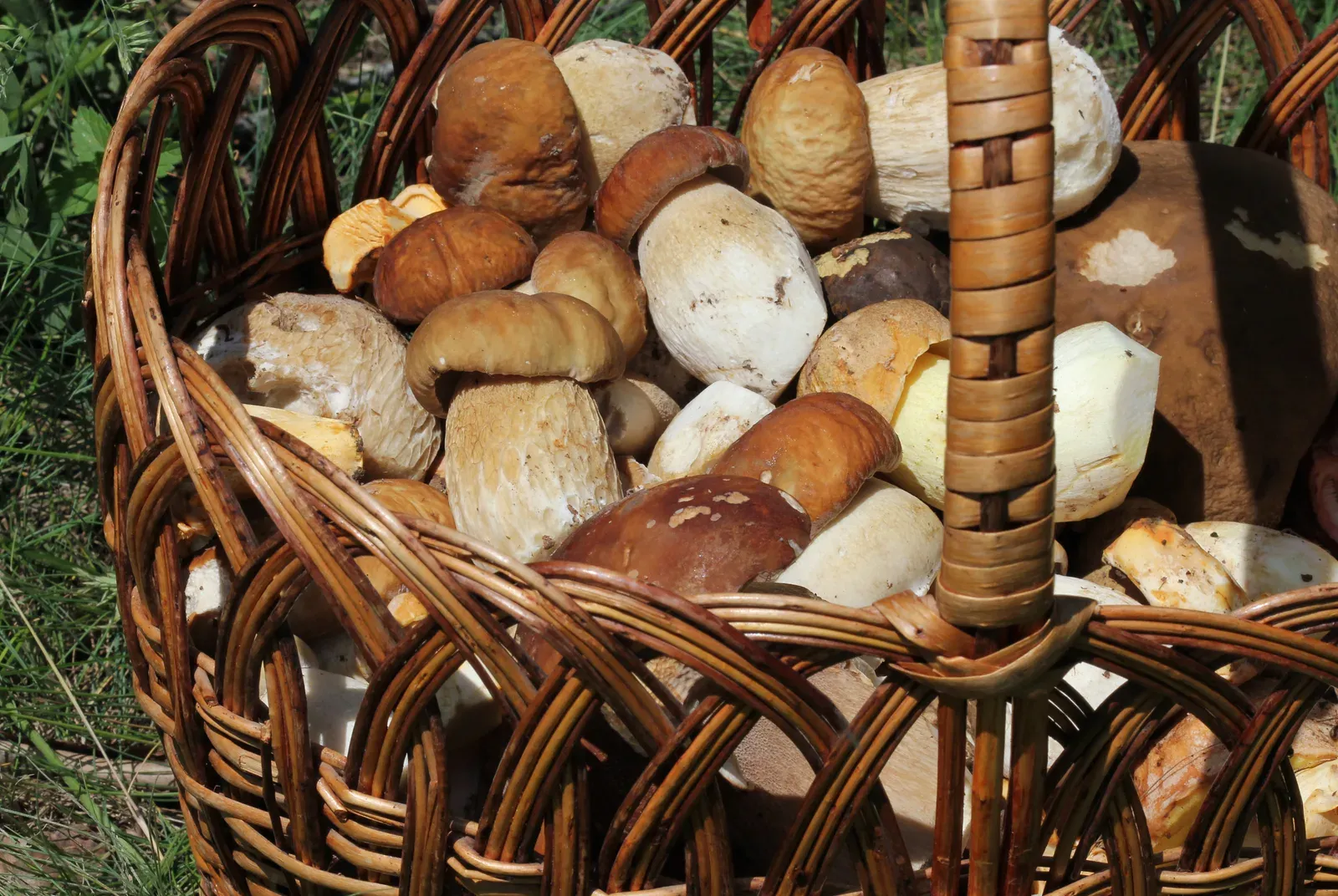 Recipes & cooking
How to store fresh mushrooms, and for how long
Fresh mushrooms spoil faster than you might think. Here's how long they keep in the fridge, how to store them…
August 21, 2026·4 min