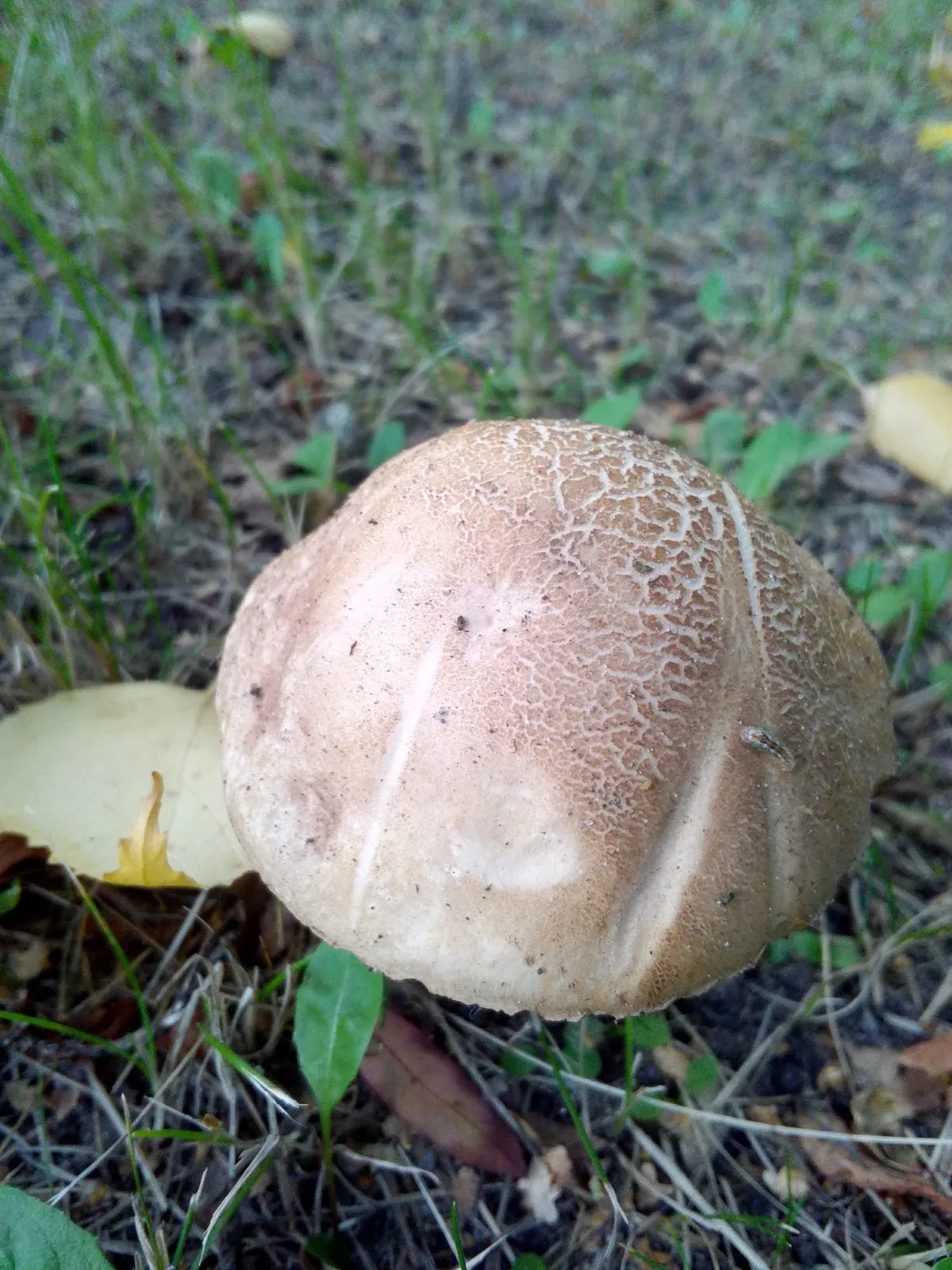
The brown birch bolete, affectionately nicknamed “babka” in Ukraine, is one of the first prized mushrooms to open the summer. As early as June, its slender gray-brown caps appear under birches, and that's a sign the real season has begun. It's tasty, common, and perfect for beginners.
Let's look at exactly when the birch bolete gets going, where to find it in the June woods, and what to watch for so you bring home firm young mushrooms.
When the brown birch bolete appears in June
The brown birch bolete responds to warmth and moisture together. After the May rains and the first truly warm days, it shows up as early as the beginning of June, and after June thunderstorms it comes up in masses.
The birch bolete keeps fruiting in several flushes all the way into autumn, but the first one, in June, is especially rewarding. There are plenty of mushrooms, they're young and mostly clean, free of the maggots that spoil later specimens.
To keep track of moisture, use the mushroom radar: it shows when warmth and rainfall line up just right. We've gathered general tips on the birch bolete season in our article on where and when to pick brown birch boletes.
Where to look for birch boletes near birches
The brown birch bolete lives in symbiosis with birch, so look for it first and foremost wherever this tree grows.
- **Deciduous forest.** Bright birch groves and forest edges with plenty of grass and sunshine.
- **Mixed forest.** Patches where birch grows among pines or oaks are very generous with birch boletes.
- Roadsides and clearings. Lone birches in a field or at the edge of a path often reward you with the biggest specimens.
In damper, boggy birch woods you can also find the ghost bolete, a paler, slimmer relative of the common birch bolete. The rule is simple: no birch nearby, no birch bolete.
How to recognize a young brown birch bolete
The birch bolete is easy to recognize by a few features, but for your basket it matters to pick young, firm mushrooms.
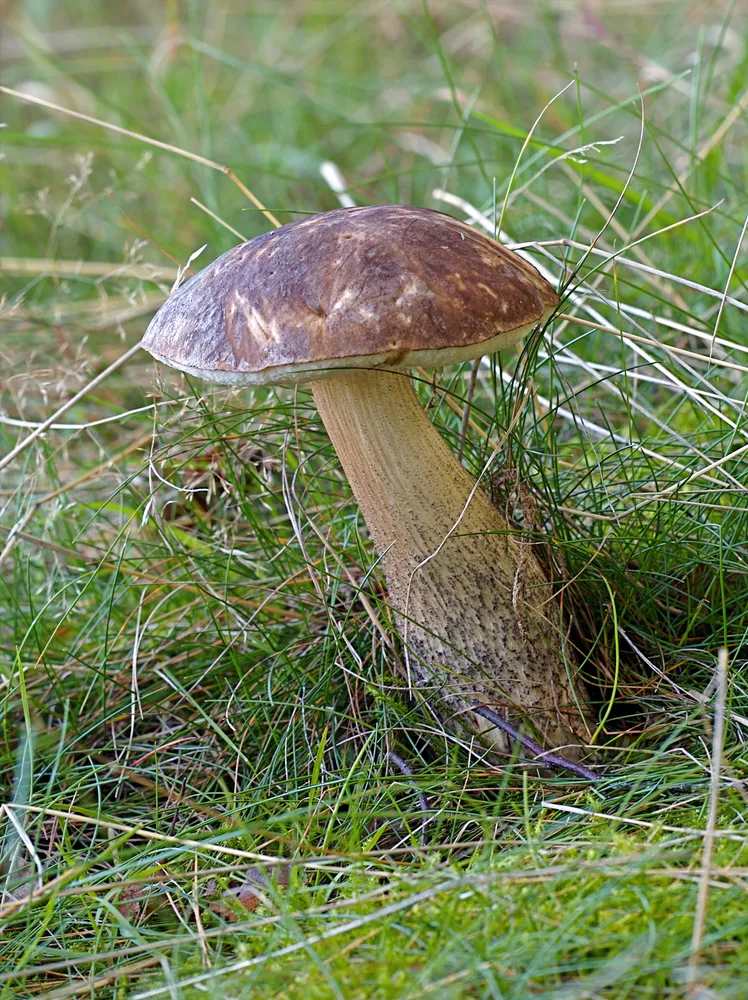
- Cap. Hemispherical in young mushrooms, gray-brown or brown; with age it opens up and becomes cushion-shaped.
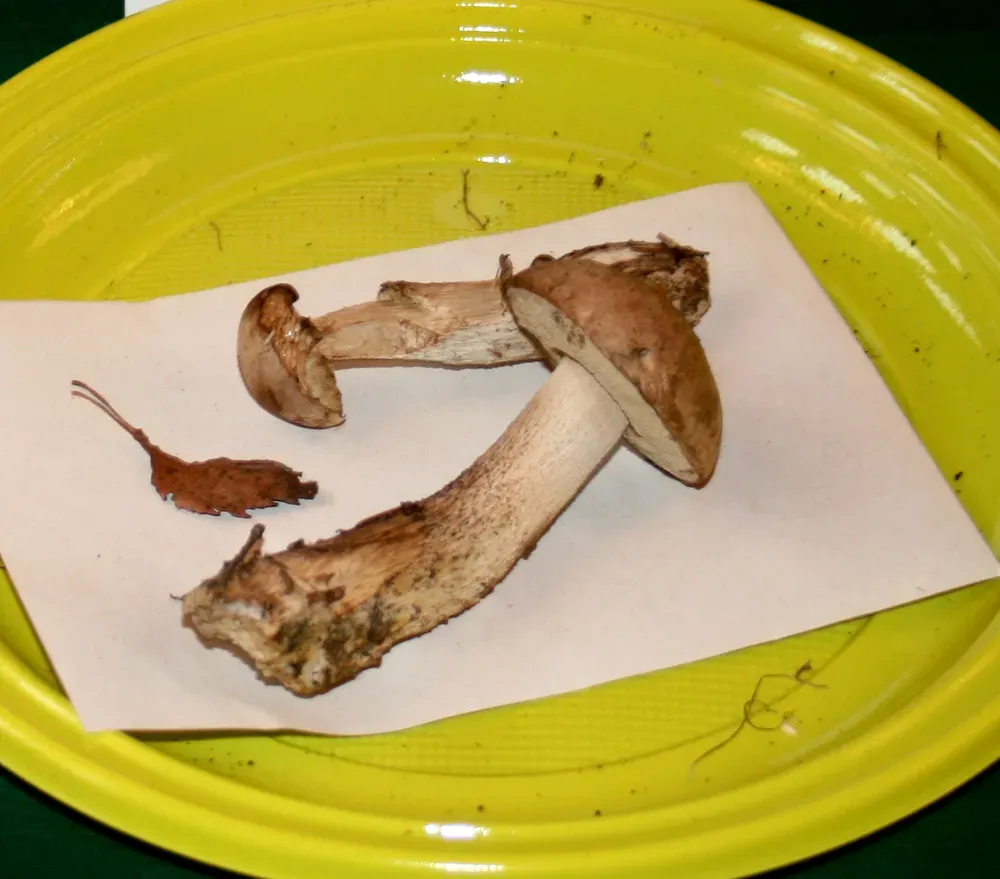
- Stem. Slender, tall, white or grayish, covered with small dark scales, a bit like birch bark.
- Pore surface. Whitish or grayish; in old mushrooms it turns gray and becomes spongy and soft.
A young brown birch bolete is springy and holds its shape. Overgrown specimens with a soggy cap are best left behind: they're watery, darken quickly, and are the most likely to have maggots.
What weather to go out for brown birch boletes
The June birch bolete depends entirely on moisture. A few pointers will make your outing a success.
- Follow the rain. Best of all, two or three days after a warm rain, when the soil is soaked with moisture.
- Look for bright birch woods. On sun-warmed forest edges, the birch bolete appears earlier than in dense thickets.
- Head out in the morning. Young mushrooms are fresher and firmer in the morning, before the heat dries out the caps.
If you want to confidently tell the birch bolete apart from other mushrooms, check out our separate article on the key features of the brown birch bolete. And the best moment to head out will be shown by the mushroom radar.
Sources
- “Field Guide to the Fungi of Ukraine” (Kyiv, Naukova Dumka publishing house).
- Leccinum scabrum on GBIF, the global biodiversity database.
- Leccinum on MycoBank, the international fungal nomenclature database.
- Leccinum scabrum on Wikipedia.
Frequently asked questions
Does the brown birch bolete grow in June?
Yes. is one of the first prized mushrooms to appear, as early as the beginning of June after warm days and rain, and after thunderstorms it comes up in masses.
Where should you look for birch boletes in June?
Near birches in and , on bright forest edges, in clearings and along roads. Without a birch nearby, there's no brown birch bolete.
Why does the brown birch bolete grow specifically near birches?
The birch bolete lives in symbiosis with birch, exchanging nutrients with its roots. That's why this tree is your main landmark when searching.
How do you recognize a young brown birch bolete?
By its hemispherical gray-brown cap, tall white stem with small dark scales, and pale pore surface. A young mushroom is springy and holds its shape.
Why are brown birch boletes so often maggoty?
The birch bolete has tender flesh that insect larvae quickly move into. So it's best to leave overgrown specimens and pick young, firm mushrooms during the June flush.
How is the ghost bolete different?
is paler, slimmer and more watery than the common birch bolete, and grows in damp, boggy birch woods. It's edible too, but less prized.
When is the best time to go out for brown birch boletes?
Two or three days after a warm rain, ideally in the morning. The best moment for your region will be shown by the .
Is the brown birch bolete good for beginners?
Yes, it's one of the best mushrooms for a newcomer: common, easy to recognize by the scales on its stem, and it grows next to a tree everyone knows, the birch.
Mushrooms in this article
Related articles
 Recipes & cooking
How to store fresh mushrooms, and for how long
Fresh mushrooms spoil faster than you might think. Here's how long they keep in the fridge, how to store them…
August 21, 2026·4 min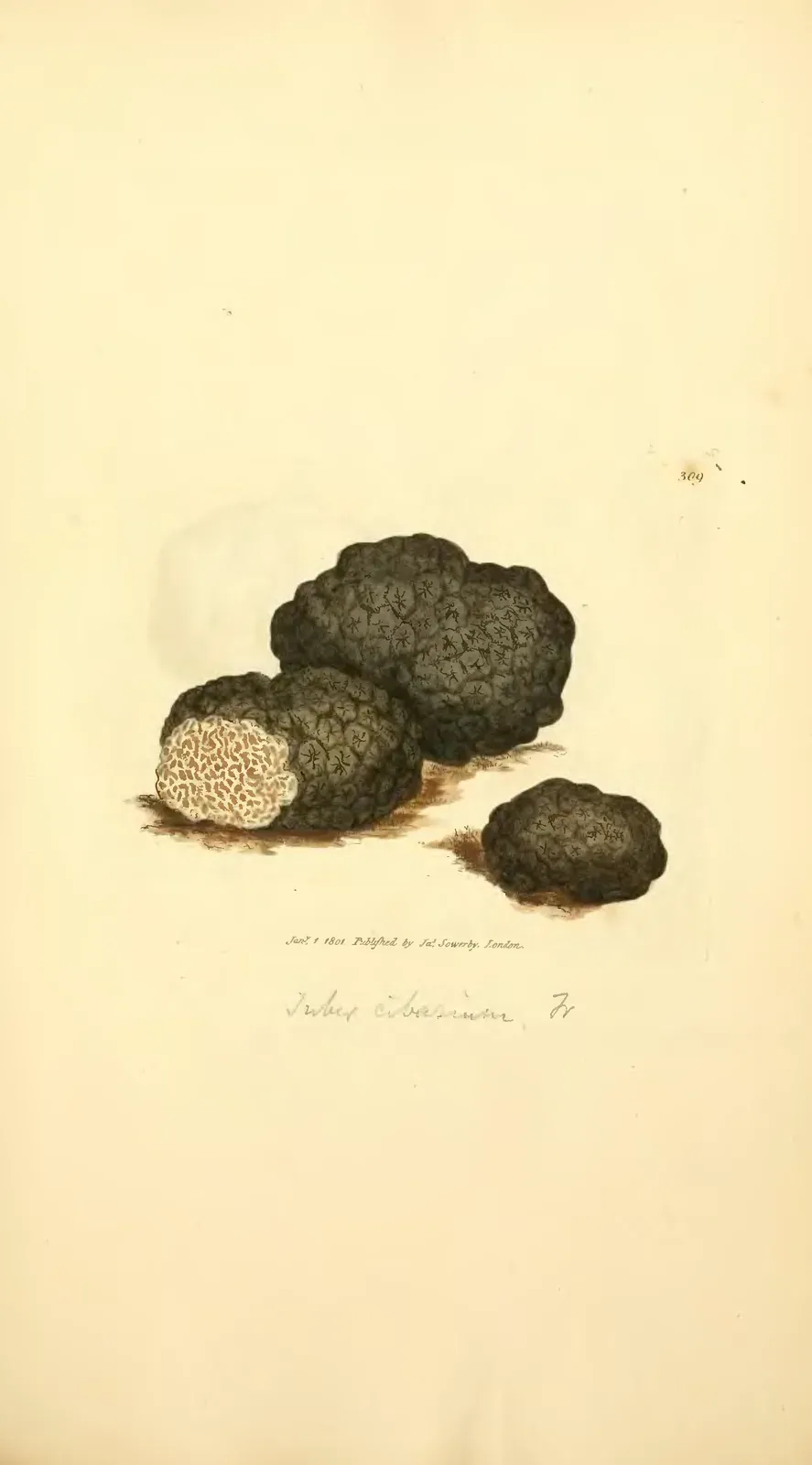 How to identify
Truffles in Ukraine: do they grow here, and where to look
Truffles aren't just a French delicacy. Several species grow in Ukraine too. Here's which ones, where they occ…
August 24, 2026·2 min Recipes & cooking
How long to boil mushrooms
Boiling time depends on the type of mushroom and on what you're cooking next. Here's a clear cheat sheet: how…
August 22, 2026·4 min