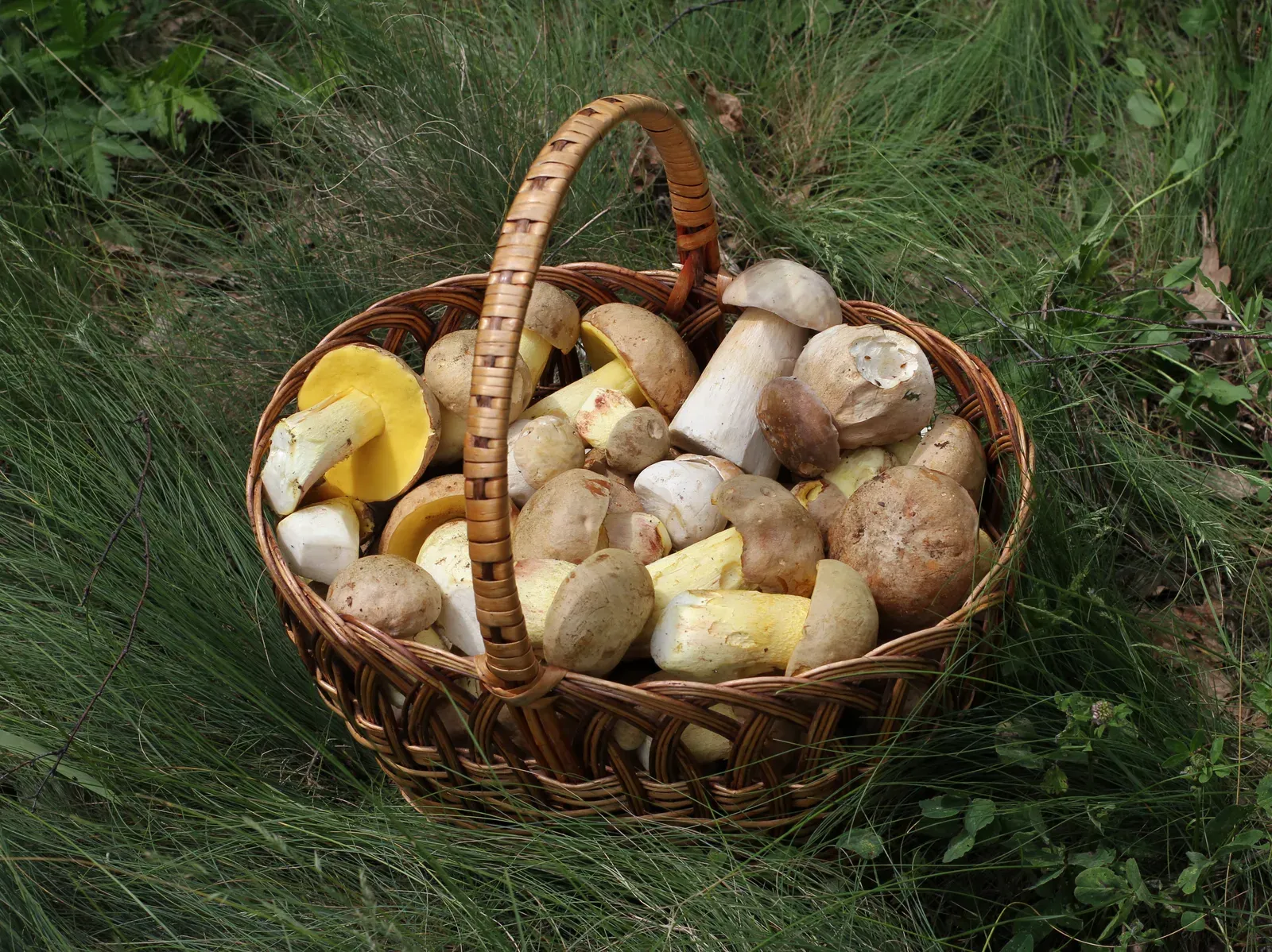
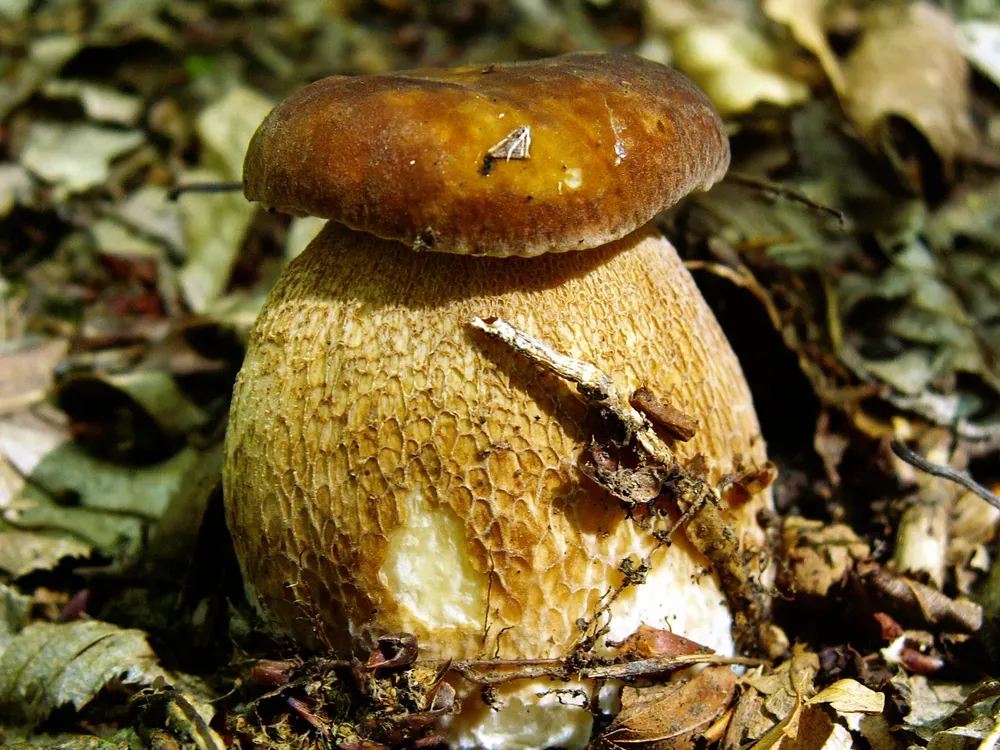
The summer porcini (Boletus reticulatus, in our catalog Summer bolete) is one of the most prized edible boletes in our forests. In flavor and aroma it's a match for its autumn relative, and sometimes even better, because it arrives first, still clean and firm.
Porcini sit at the top of the mushroom hierarchy for good reason. They're richly fragrant, hold their shape well when cooked and don't darken. Let's look at what exactly makes the summer bolete so valuable and which specimens are worth putting in your basket.
Why porcini are so prized
Porcini are the gold standard of flavor among mushrooms. The flesh is firm and white, with a distinct nutty smell that grows even richer when dried.
Unlike many other species, porcini don't darken when cut and keep their shape in a dish. They're just as good fresh, dried or frozen, and they make a clear, fragrant broth. It's this versatility that made them a kitchen favorite.
Why it's good for you
Mushrooms are about more than flavor. Porcini are mostly water, but their dry matter carries quite a lot of goodness.
- Protein. Mushrooms aren't called forest meat for nothing: they contain noticeably more protein than most vegetables.
- Fiber. Supports digestion and keeps you feeling full for a long time.
- Minerals and vitamins. Porcini contain potassium, phosphorus, zinc and B vitamins.
- Few calories. A fresh mushroom is light food that fits nicely into any menu.
Remember moderation. Mushrooms are fairly heavy on the stomach, so even the most wholesome porcini are eaten in sensible amounts and not given to young children.
Which mushrooms to put in your basket
The tastiest and most wholesome are young, firm specimens. They have springy white flesh and pale pores underneath, and the mushroom hasn't been touched by maggots yet.
Go by the color of the tube layer under the cap; it tells you the age:
- white pores a young mushroom, the best choice;
- yellowish pores mature, still perfectly good;
- soft olive-green pores old, these are no longer picked.
Old mushrooms turn watery, lose their flavor and are often maggoty. Leave them in the forest: they spread spores and give life to new mushrooms.
Don't mistake the edible for the bitter
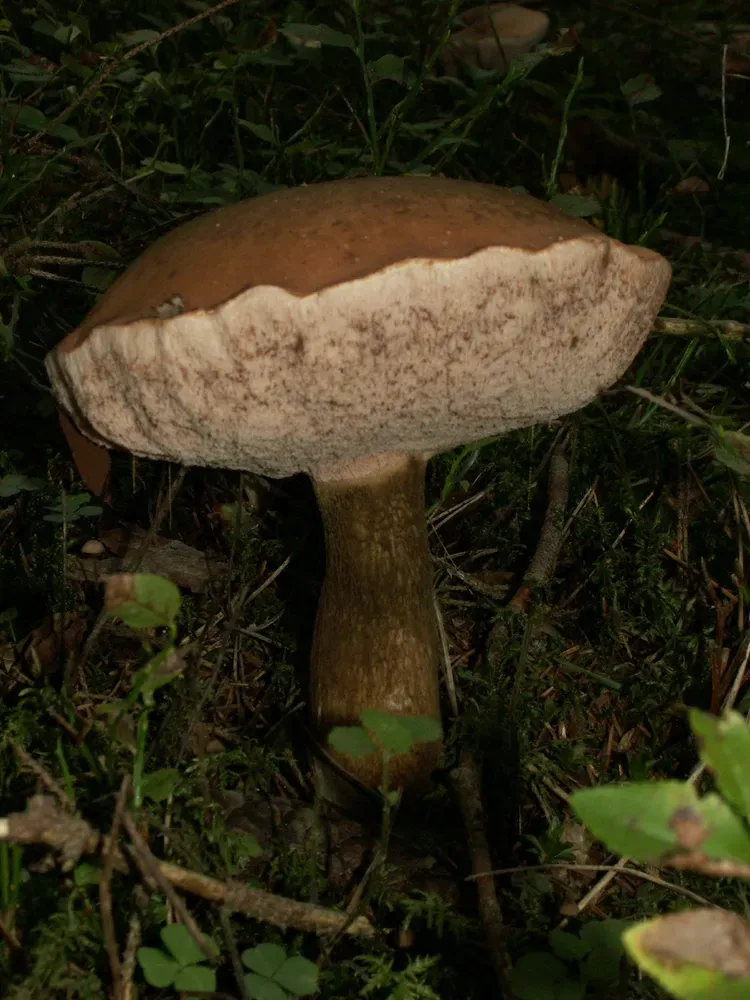
The most frustrating mistake is confusing porcini with the bitter bolete. The bitter bolete isn't poisonous, but it's so bitter that a single mushroom ruins a whole pot, and no amount of boiling will fix it.
So before you put a mushroom in your basket, do three simple checks:
- underside of the cap on porcini it's white or yellow, never pink;
- the cut on porcini it stays white, without turning blue or red;
- taste a tiny piece of porcini is mild and nutty, not bitter.
If all three point to porcini, the mushroom is edible and tasty. To lock in the difference, take a look at the porcini vs. bitter bolete comparison side by side.
A tip from experience: only forage where you're sure the place is clean. Mushrooms absorb whatever is in the soil, so it's best to avoid the edges of busy roads and industrial areas. Look for porcini in clean broadleaf and mixed forests, and for when to go, check the mushroom radar.
Sources
- “Field Guide to the Fungi of Ukraine” (Kyiv, Naukova Dumka publishing house).
- Boletus reticulatus in GBIF, the global biodiversity database.
- Boletus reticulatus in MycoBank, the international fungal nomenclature database.
- Boletus reticulatus on Wikipedia.
Frequently asked questions
Is the summer porcini edible?
Yes, it's one of the most prized edible boletes. It's used fresh, dried and frozen. Pick young, firm specimens with white or pale yellow pores.
Why are porcini good for you?
Porcini are rich in non-animal protein, fiber, potassium, phosphorus, zinc and B vitamins, while being low in calories. They're nourishing but fairly heavy food, so eat them in moderation.
Which porcini taste best?
Young ones, with springy white flesh and white pores underneath. Such a mushroom hasn't been touched by maggots yet and has the most pronounced nutty flavor and aroma.
Why aren't old porcini picked?
Old mushrooms turn watery, lose their flavor and are often maggoty. Besides, they spread spores and give life to new mushrooms, so they're left in the forest.
How do you tell edible porcini from a bitter mushroom?
Check the underside of the cap (on porcini it's not pink), the cut (it stays white) and the taste (mild and nutty, not bitter). Bitterness gives away the , the unpalatable look-alike of porcini.
Can you eat porcini raw?
Better not. Mushrooms are hard to digest, so porcini are boiled or fried. Mushrooms aren't eaten raw, not even the most prized edible species.
What color is a porcini, the mushroom Ukrainians call the “white mushroom”?
The porcini cap is a warm nutty chestnut, but the flesh and the Ukrainian name point to the color of the cut: it stays white and doesn't darken. It's this white flesh that doesn't turn blue that sets a true porcini apart.
How many porcini can you eat?
There's no specific limit, but mushrooms are eaten in moderation because they're heavy on the stomach. Mushroom dishes aren't given to young children, and adults shouldn't overdo the portions.
Mushrooms in this article
Related articles
 Safety
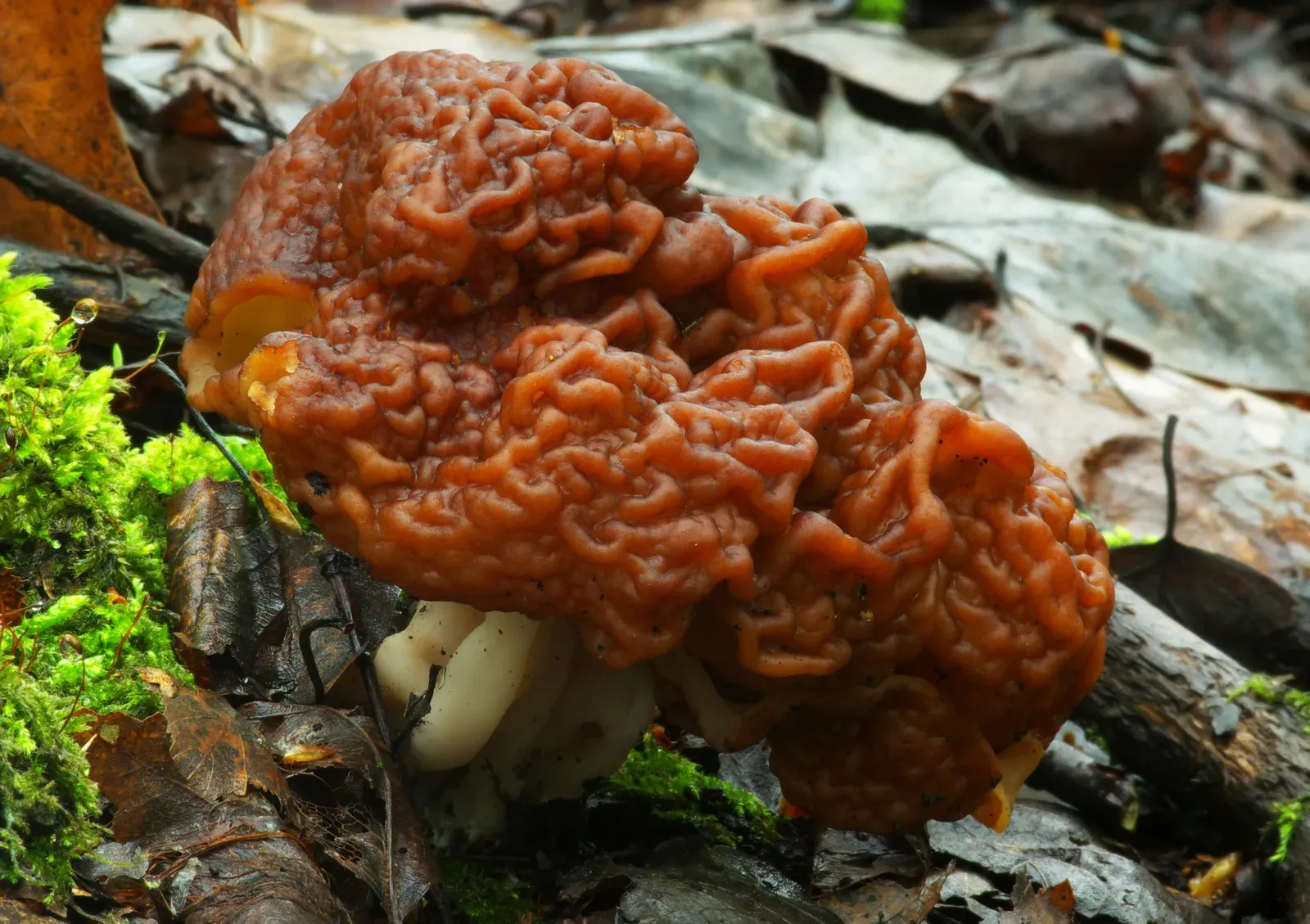
False morel: why this spring mushroom is dangerous
The false morel looks like a morel, but it contains a poison. Here's how to recognize it, why it's dangerous a…
August 24, 2026·2 min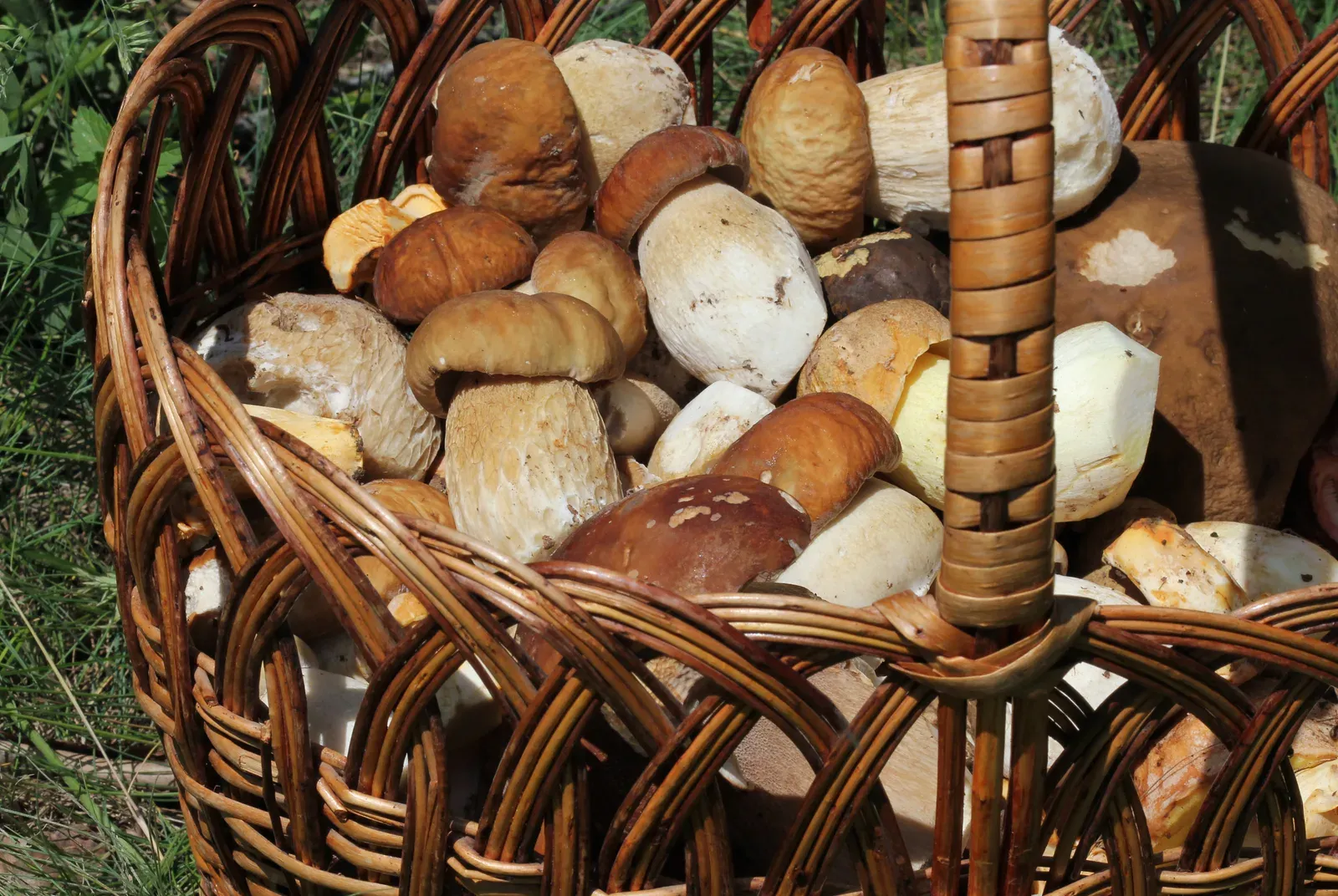 Recipes & cooking
How to store fresh mushrooms, and for how long
Fresh mushrooms spoil faster than you might think. Here's how long they keep in the fridge, how to store them…
August 21, 2026·4 min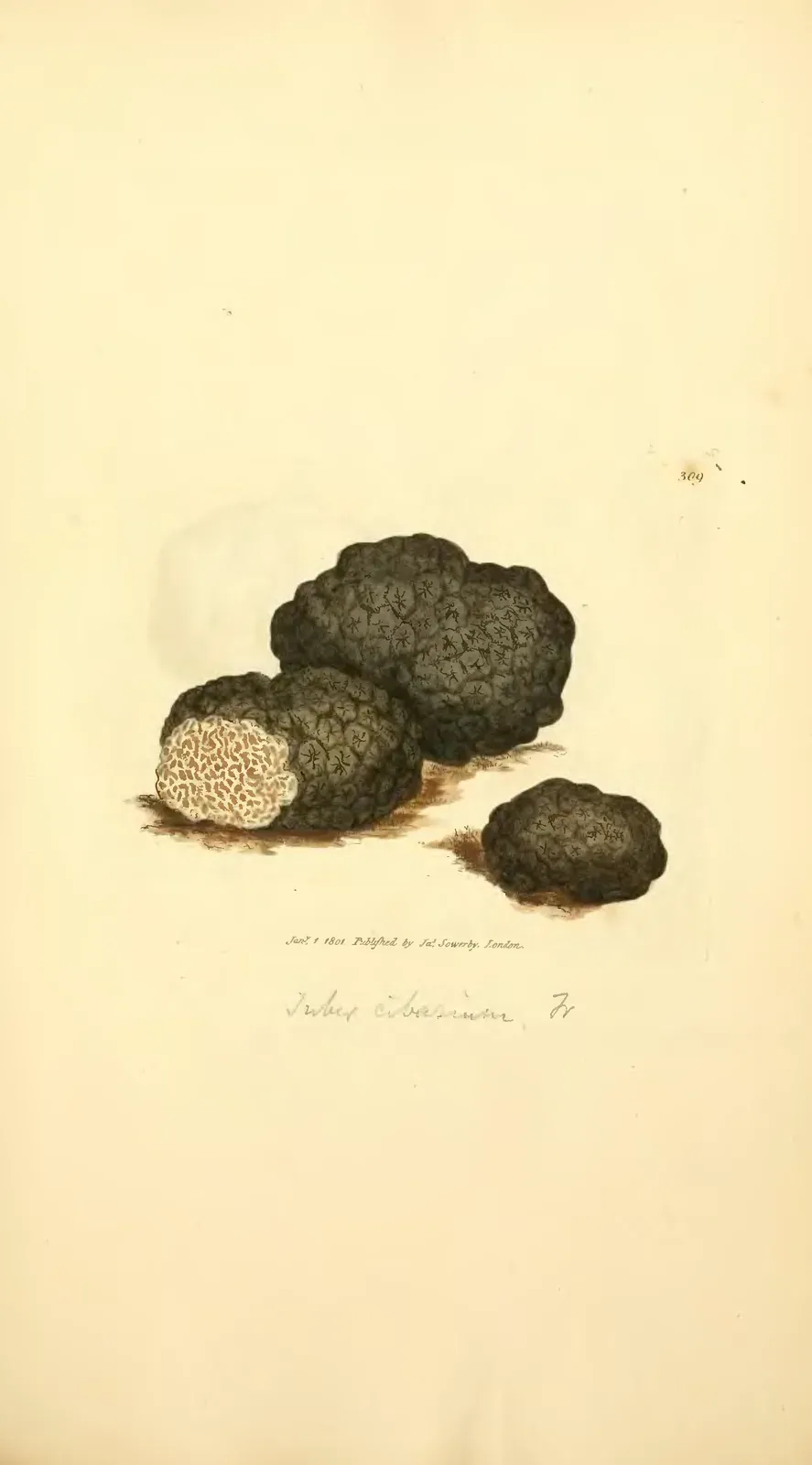 How to identify
Truffles in Ukraine: do they grow here, and where to look
Truffles aren't just a French delicacy. Several species grow in Ukraine too. Here's which ones, where they occ…
August 24, 2026·2 min