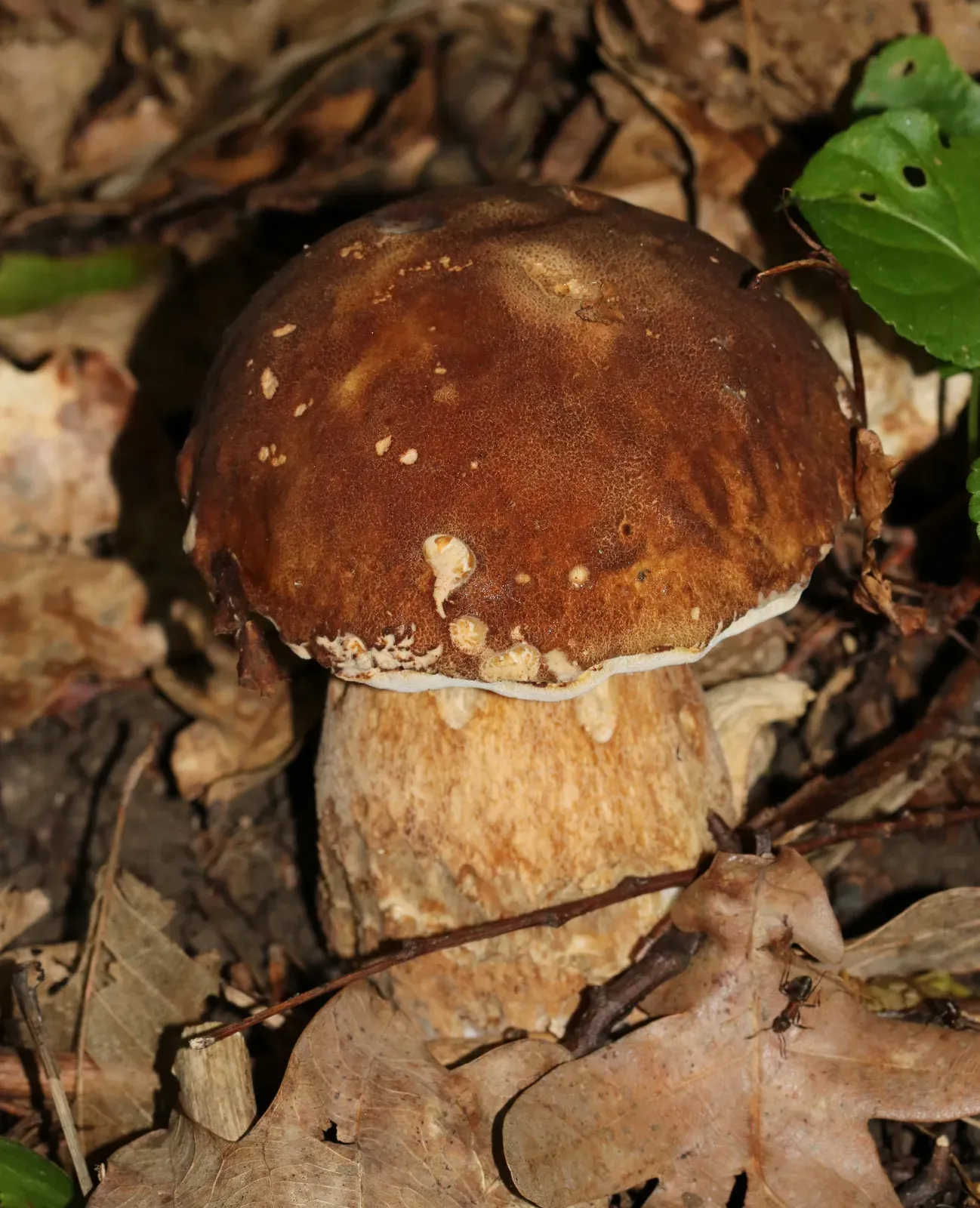
Every forager knows this sad time: the heat sets in, there's no rain for weeks, and the forest seems to die. No matter how long you wander, your basket stays empty. This is the mushroom drought, a period when the mycelium goes dormant and waits for moisture.
Let's look at what really happens to mushrooms during a drought, why even the first rain often doesn't help, and when it's worth heading back into the forest.
What happens to the mycelium during a drought
The mycelium, a fine lace of threads in the soil, depends heavily on moisture. When the leaf litter dries out, these threads don't die, but they switch into survival mode: they stop growing and don't form fruiting bodies.
Put simply, in the heat a mushroom has nothing to grow from and no reason to grow. All of the mycelium's energy goes into keeping itself from drying out, not into a harvest for us.
That's why, even in a forest with seemingly healthy mycelium, it's empty during a drought. The mushrooms haven't gone for good; they're just waiting for better conditions. To track when the moisture returns, use the mushroom radar.
Why the first rain after a heat wave is often useless
You'd think: it's rained, time to go mushroom hunting. But after a long drought the first rain usually brings nothing, and that's to be expected.
- The moisture goes into recovery. Parched leaf litter soaks up the first water like a sponge, and there's nothing left over for the mycelium yet.
- The mycelium needs time. Even once it has had a drink, it doesn't fruit right away; fruiting bodies take several days to form.
- One rain isn't enough. After a long heat wave you need two or three rounds of rain for the soil to get truly soaked.
So the disappointment of "it rained, but there are no mushrooms" after a drought is perfectly normal. The forest simply hasn't come back to life yet.
When the mushrooms come back
For a drought to turn into a harvest, you need two things together: steady moisture and moderate warmth. Here's roughly how the mushrooms return.
- The first rain wets the leaf litter, but there's no harvest yet.
- The second rain a few days later builds up a reserve of moisture in the soil.
- Two to four days after that, the mycelium starts fruiting, and the first flush begins.
If cooler, damp weather follows the heat, the mushrooms come back in force. The first to respond are slippery jacks, followed by chanterelles and porcini.
What a forager can do during a drought
Even in the dry season, there are ways not to be left completely without mushrooms.
- Look for damp spots. In lowlands, hollows, shady mixed and deciduous forests and near water, moisture lasts longer, so the odd mushroom turns up even in the heat.
- Head out in the morning. At night the dew moistens the leaf litter, so your chances are a little better early in the morning.
- Wait for the second rain. Don't waste your energy on a trip right after the first rain; give the forest a chance to drink.
- Watch the weather as a whole. The mushroom radar takes stored moisture and warmth into account, so it will tell you when the drought is finally letting go.
And if we're talking about the hot summer months, it's also worth reading our separate article on whether to go to the forest in the heat.
Sources
- “Identification Guide to the Fungi of Ukraine” (Kyiv, Naukova Dumka publishers).
- Boletus reticulatus on GBIF, the global biodiversity database.
- Fungi on MycoBank, the international fungal nomenclature database.
- Mushroom on Wikipedia.
Frequently asked questions
Why are there no mushrooms in hot weather without rain?
During a drought, dried-out leaf litter forces the mycelium into survival mode. It doesn't die, but it stops growing and doesn't form fruiting bodies, so the forest is empty.
Does the mycelium die during a drought?
Usually not. The mycelium survives a drought in a dormant state and starts fruiting again as soon as the soil is soaked with enough moisture.
Why don't mushrooms appear after the first rain?
The first rain after a long heat wave goes into moistening the parched leaf litter and doesn't build a reserve for the mycelium. You need another one or two rains and a few days' time.
How long should you wait for mushrooms after a drought?
Roughly speaking, mushrooms appear two to four days after the second or third rain has soaked the soil. So from the first rain to the harvest, it usually takes more than a week.
Where should you look for mushrooms in dry weather?
In damper places: lowlands, hollows, shady and , near water. The odd mushroom turns up there even during a drought.
Which mushrooms are the first to come back after a drought?
The quickest to respond are , followed by and , especially if cooler, damp weather follows the heat.
Does dew help during a drought?
Dew moistens the leaf litter a little at night, so your chances of finding the odd mushroom are better early in the morning. But only rain, not dew, brings a full harvest.
How can you tell the drought is over?
The easiest way is the : it takes stored moisture and warmth into account, so it will tell you when conditions are favorable for mushrooms again.
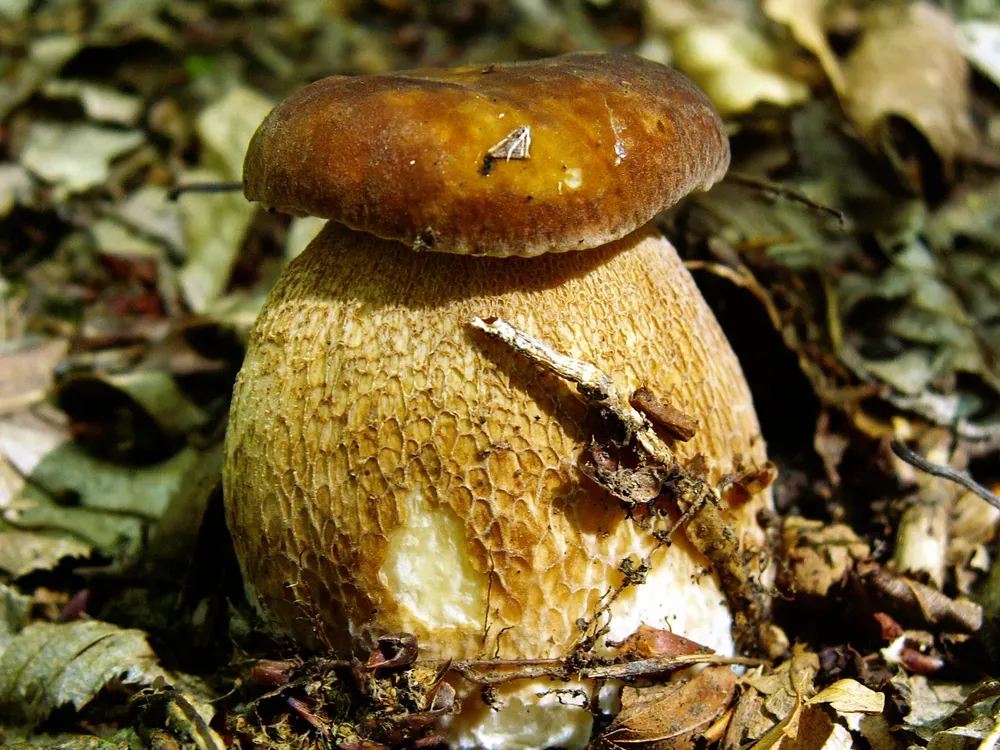
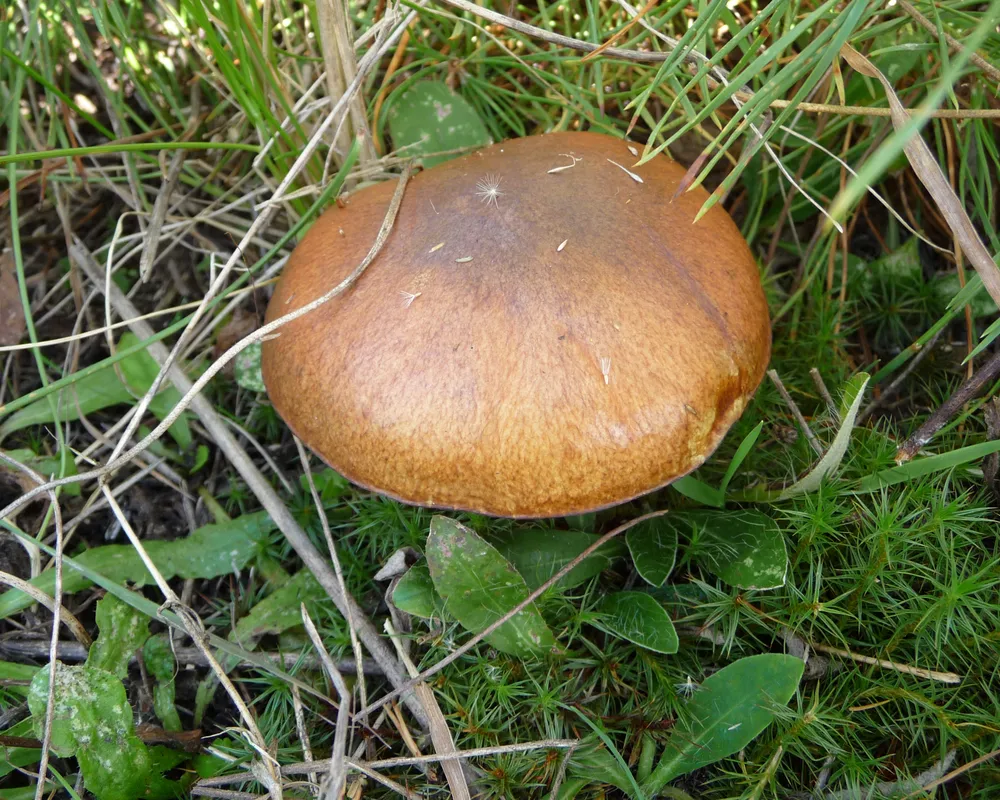
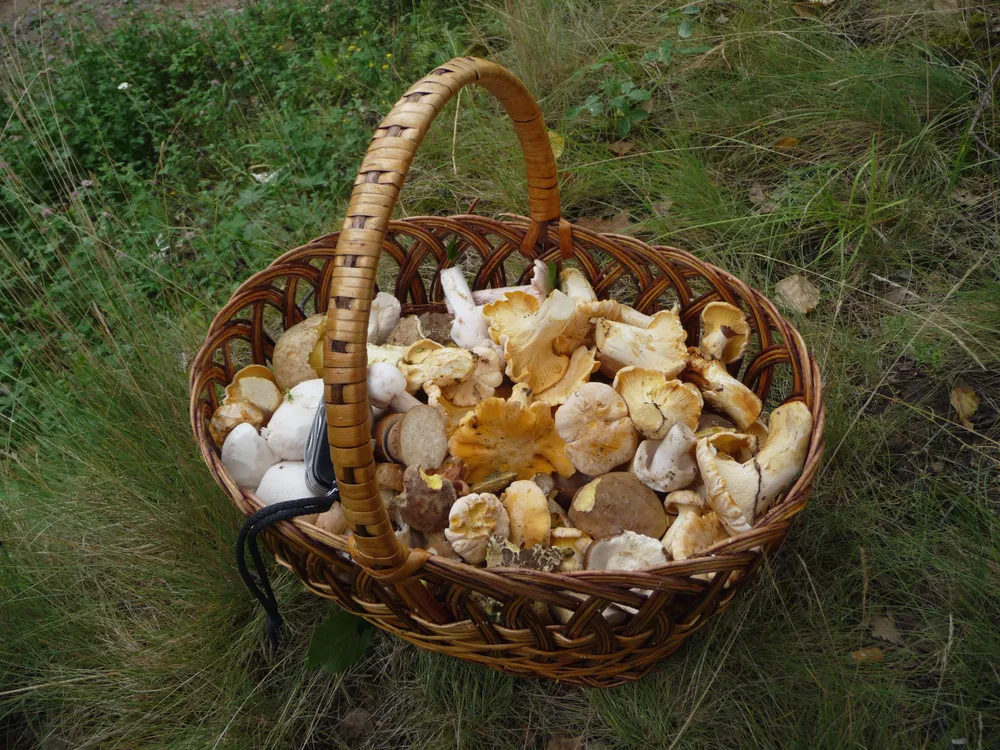
Mushrooms in this article
Related articles
 Recipes & cooking
How to store fresh mushrooms, and for how long
Fresh mushrooms spoil faster than you might think. Here's how long they keep in the fridge, how to store them…
August 21, 2026·4 min How to identify
Truffles in Ukraine: do they grow here, and where to look
Truffles aren't just a French delicacy. Several species grow in Ukraine too. Here's which ones, where they occ…
August 24, 2026·2 min Recipes & cooking
How long to boil mushrooms
Boiling time depends on the type of mushroom and on what you're cooking next. Here's a clear cheat sheet: how…
August 22, 2026·4 min