_Boletus_edulis.webp)
Experienced foragers don't head into the forest at random; they keep a close eye on the sky. In June, rain decides everything: as soon as a good thunderstorm soaks the warm ground, within a few days the forest gives up its first generous flush. The key is knowing how long to wait and where to go.
Let's look at why mushrooms depend so much on rain, how many days after a thunderstorm they appear, and exactly what kind of rain sets off a mushroom flush.
Why mushrooms come up right after rain
What we call a mushroom is only the fruiting body. The mycelium itself lives in soil and wood all year round. To put up mushrooms, it needs two conditions at once: moisture and warmth.
In June there's plenty of warmth, but moisture comes from rain. When dried-out soil soaks up water, the mycelium gets the signal and starts to grow. That's why mushrooms sit out dry, hot weather underground and then come up en masse after rain.
To predict that moment, use our mushroom radar: it takes rainfall and temperature into account and shows when conditions are right for mushrooms in your region.
How many days to wait after a thunderstorm
There's no single number for all mushrooms, but there are reliable guidelines.
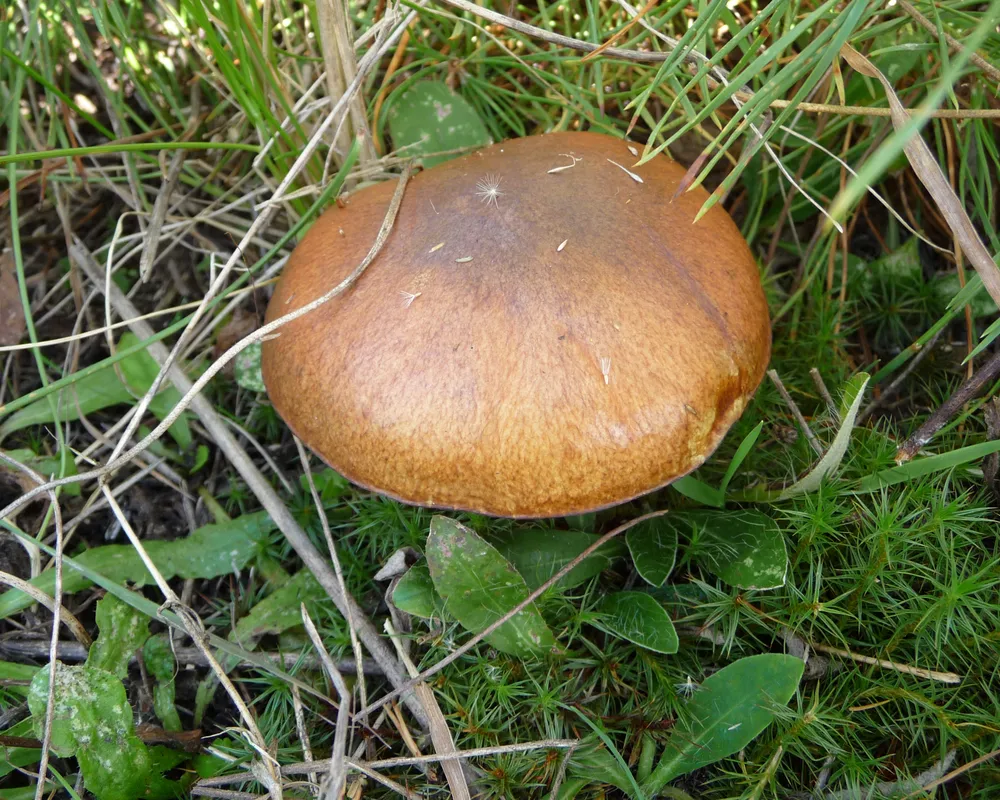
- Two to three days. The fastest mushrooms, slippery jacks, appear as soon as two or three days after a good warm rain.
- Three to five days. Most pored mushrooms, including porcini and chanterelles, come up on day three to five.
- Up to a week. Sometimes, when the rain was moderate or it turned cooler, the flush stretches out and lasts for up to seven to ten days.
So the golden rule is simple: after a good thunderstorm, plan your trip for day three or four. Go too early and there won't be any mushrooms yet; too late and others will have picked them or worms will have gotten to them.
Which rain is best for mushrooms
Not every rain is equally useful. A mushroom flush is set off by a particular kind of rainfall.
- Warm and lasting. It's best when warm water has time to soak deep into the soil rather than just wetting the surface.
- Onto warm ground. In June the soil is already warm, so rain works fast. Cold downpours at the start of the month work less well.
- No sharp cold snap afterward. If cold hits after the rain, the mycelium slows down and the flush is delayed.
A short, light shower in the heat is often useless: the moisture evaporates before it reaches the mycelium. A steady warm rain or a good nighttime thunderstorm, on the other hand, is the best signal to get ready for the forest.
Where to go first after rain
After a thunderstorm, not all parts of the forest come alive at the same time.
- First, forest edges and clearings. Sun-warmed forest edges are the first to produce mushrooms.
- Then young, open woods. In young pine stands and open birch woods the mycelium responds faster than in a dense thicket.
- Hollows hold moisture longer. If there hasn't been much rain, look in dells and near streams, where the ground doesn't dry out.
Check different forest types: mixed, deciduous and coniferous forests come alive at different paces. And so you don't have to guess the day to go, check the mushroom radar.
Sources
- “Key to the Fungi of Ukraine” (Kyiv, Naukova Dumka publishing house).
- Boletus edulis in GBIF, the global biodiversity database.
- Fungi in MycoBank, the international fungal nomenclature database.
- Mushroom hunting on Wikipedia.
Frequently asked questions
How many days after rain should you wait for mushrooms in June?
The fastest mushrooms, slippery jacks, appear in two to three days; most pored mushrooms, including porcini and chanterelles, on day three to five. So it's best to plan your trip for day three or four after a thunderstorm.
Why do mushrooms appear right after rain?
To grow fruiting bodies, the mycelium needs moisture and warmth together. In June there's enough warmth, and rain provides the moisture. So after rain the mycelium wakes up and mushrooms come up en masse.
Which rain is best for mushrooms?
A warm, lasting rain that soaks deep into warm soil. A short, light shower in the heat is often useless, because the moisture evaporates before reaching the mycelium.
Will mushrooms come up after a cold rain?
They will, but more slowly. A cold downpour or a sharp cold snap after rain slows the mycelium down, so the flush is delayed by a few days.
Where should you go first after a thunderstorm?
First to sun-warmed forest edges and clearings, then to young, open woods. If there hasn't been much rain, look in hollows and near streams, where moisture lasts longer.
Can you be too late for a mushroom flush?
Yes. If you go too late, mushrooms get overgrown, worms get to them, or others pick them. So after a good rain, don't wait more than a few days.
How do you know whether the rain was enough?
Go by our : it takes rainfall amounts and temperature into account and shows whether conditions are right for mushrooms.
Why do mushrooms come up after one rain but not another?
It all comes down to a combination of factors: whether the water was warm or cold, how warm the soil is, and whether it turned cold afterward. Warm rain on warm ground gives the best result.
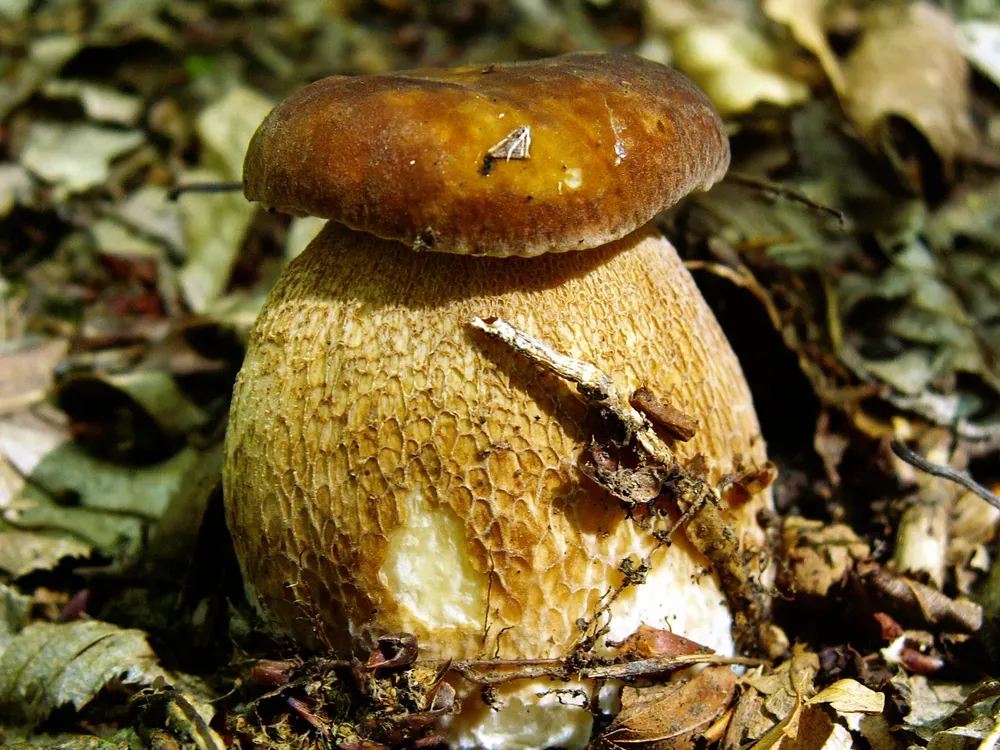
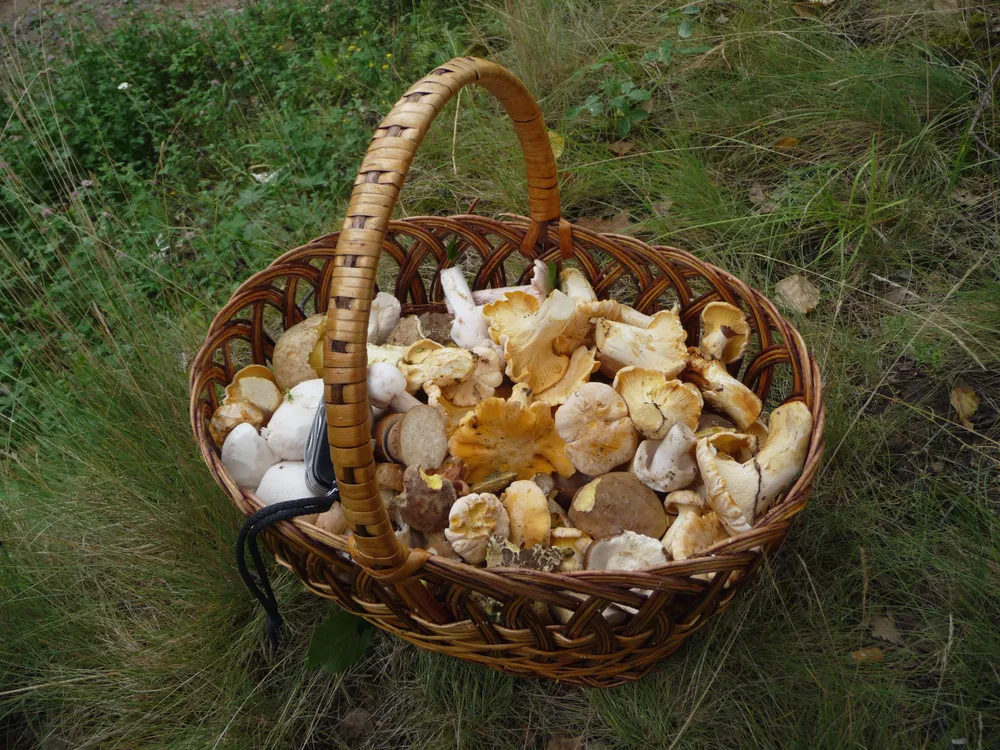
Mushrooms in this article
Related articles
 Recipes & cooking
How to store fresh mushrooms, and for how long
Fresh mushrooms spoil faster than you might think. Here's how long they keep in the fridge, how to store them…
August 21, 2026·4 min How to identify
Truffles in Ukraine: do they grow here, and where to look
Truffles aren't just a French delicacy. Several species grow in Ukraine too. Here's which ones, where they occ…
August 24, 2026·2 min Recipes & cooking
How long to boil mushrooms
Boiling time depends on the type of mushroom and on what you're cooking next. Here's a clear cheat sheet: how…
August 22, 2026·4 min