> Important: this article is for information only and does not replace a consultation with a pediatrician. Make decisions about your child's diet together with your doctor.
Mushrooms are rich in protein and minerals, but for a child's body they're a difficult food. That's why the question "at what age can children eat mushrooms" deserves its own discussion: digestion, the risk of poisoning and the cooking method all matter here.
Let's go over the main precautions for parents.
Why mushrooms are given to children with caution
Mushrooms contain chitin — a substance a child's digestive system has a hard time absorbing. Because of this, even safe mushrooms can cause heaviness, bloating or an upset stomach in little ones. And most importantly, in case of poisoning from a misidentified species, a child suffers more than an adult because of their lower body weight.
From what age
Many pediatricians advise not to rush with mushrooms: little ones usually aren't given them at all, and they're introduced more around school age, in small portions and only well cooked. The exact age and amount depend on the child, so go by your doctor's recommendation.
Which mushrooms are more suitable
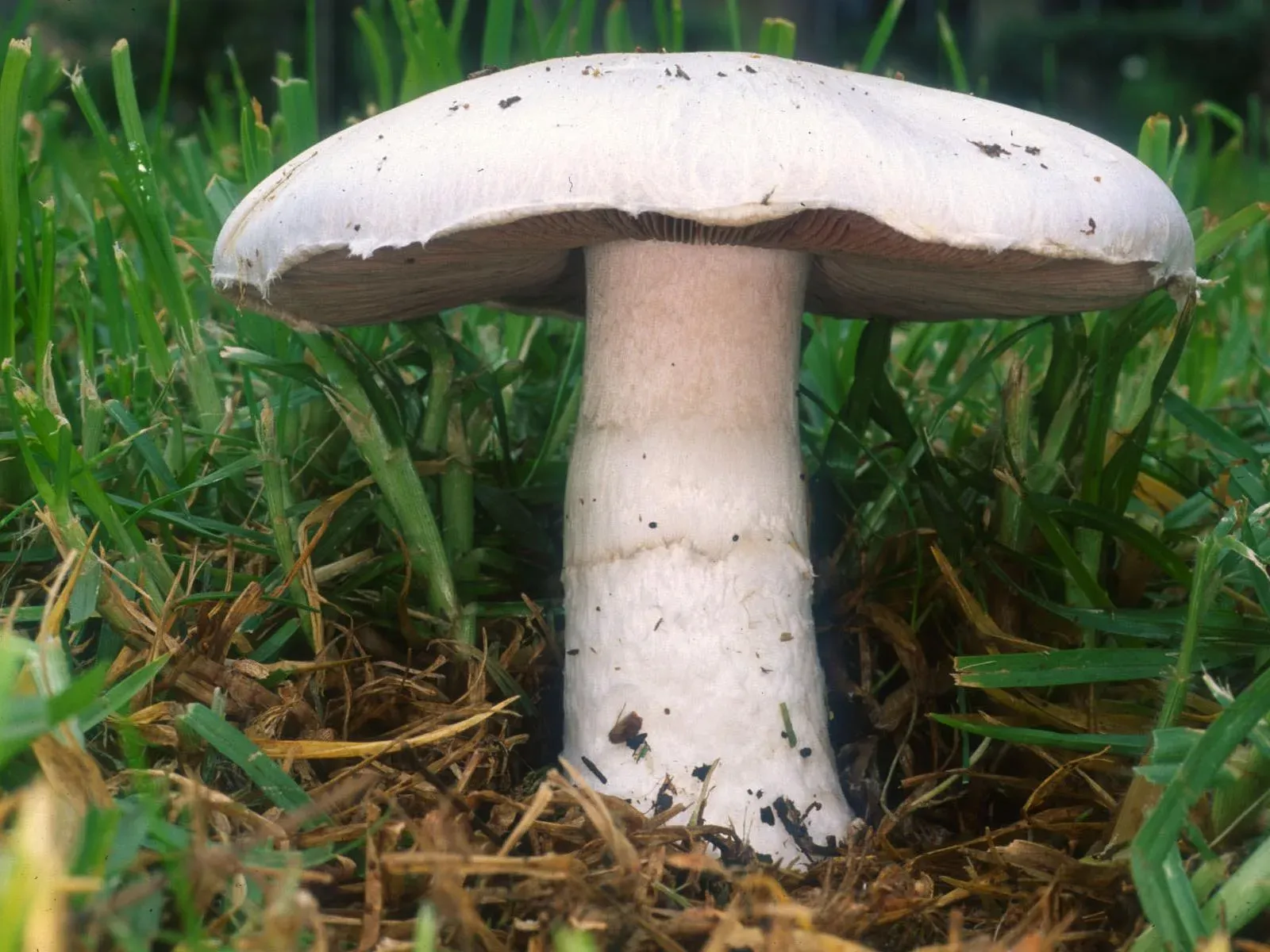
- Store-bought button mushrooms and oyster mushrooms — safer than wild ones, because there's no risk of mixing up the species.
- Well boiled or stewed — not raw.
- Small portions as an addition to a dish, not its basis.
What to avoid for children
- Wild mushrooms with a doubtful identification.
- Raw mushrooms in salads.
- Pickled and salted preserves — because of the vinegar, salt and the risk of botulism.
- Large portions of even safe mushrooms.
On dangerous lookalike pairs and the most poisonous mushroom in Ukraine we wrote separately — it's the main reason for caution.
Sources
- "Field Guide to the Mushrooms of Ukraine" (Kyiv, Naukova Dumka publishing house).
- Edible mushroom on Wikipedia.
- Mushroom poisoning on Wikipedia.
Frequently asked questions
At what age can children eat mushrooms?
Little ones usually aren't given mushrooms; they're introduced more around school age, in small portions and well cooked. Agree on the exact age with your pediatrician.
Why is it hard for children to eat mushrooms?
Mushrooms contain chitin, which a child's digestive system has a hard time absorbing. That's why even safe mushrooms can cause heaviness and an upset stomach.
Which mushrooms are safer for children?
Store-bought button mushrooms and oyster mushrooms — because there's no risk of mixing up the species. They're given well cooked and in small amounts.
Can children eat wild mushrooms?
Because of the risk of poisoning from a misidentified species, wild mushrooms are riskier for children. If you do give them, only reliably identified and well-boiled ones.
Can children eat pickled mushrooms?
Better not: vinegar, salt and the risk of botulism make homemade preserves a poor choice for a child.
Why is mushroom poisoning more dangerous for children?
Because of their lower body weight, a child gets a bigger dose of toxin per kilogram of body weight, so the poisoning is more severe.
How many mushrooms can a child have?
Only a small portion as an addition to a dish. Your pediatrician will advise on the exact amount based on the child's age and health.
What should you do if a child is poisoned by mushrooms?
Seek medical help immediately, without delay, and keep any leftover mushrooms for identification.
Related articles
 Safety
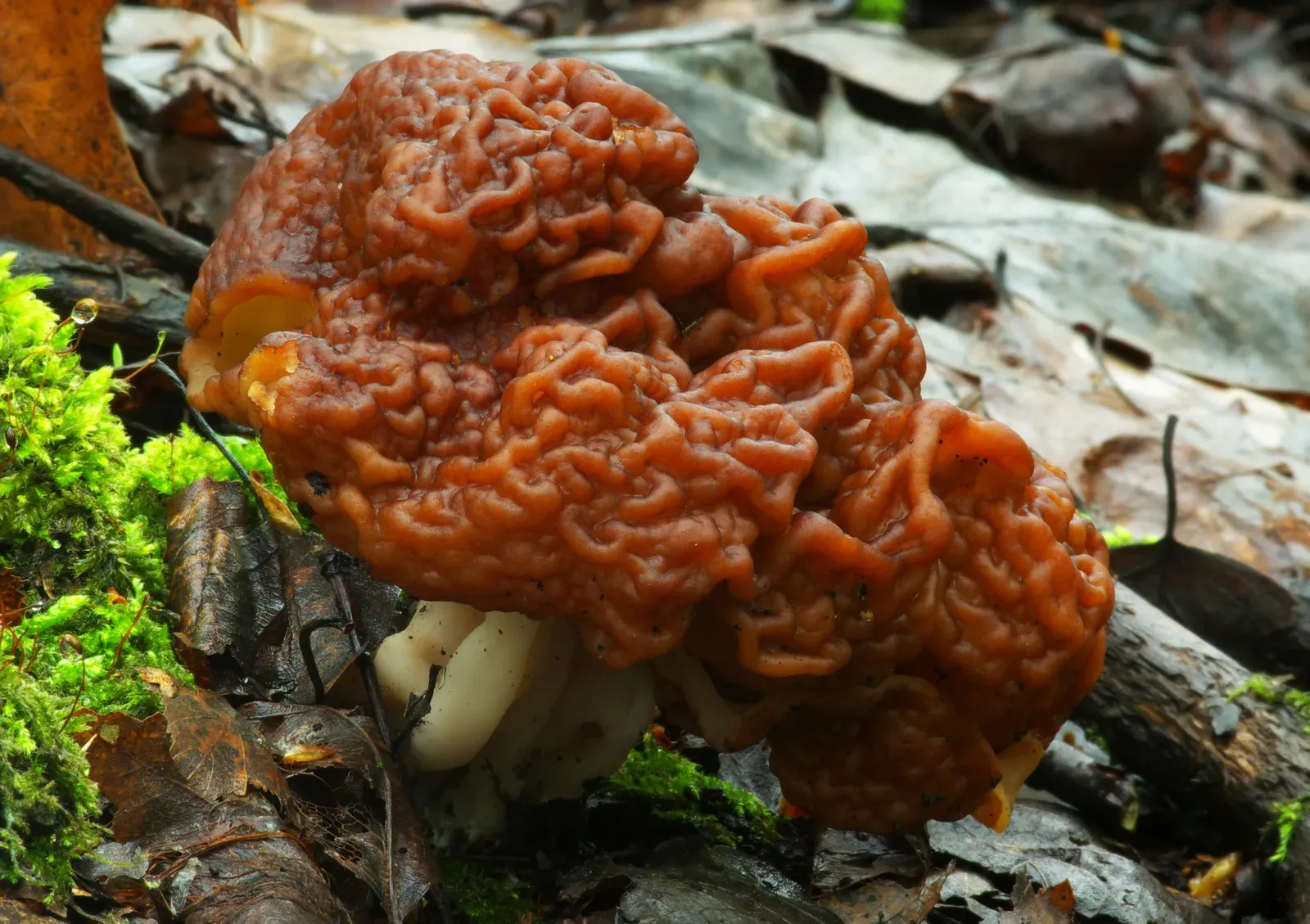
False morel: why this spring mushroom is dangerous
The false morel looks like a morel, but it contains a poison. Here's how to recognize it, why it's dangerous a…
August 24, 2026·2 min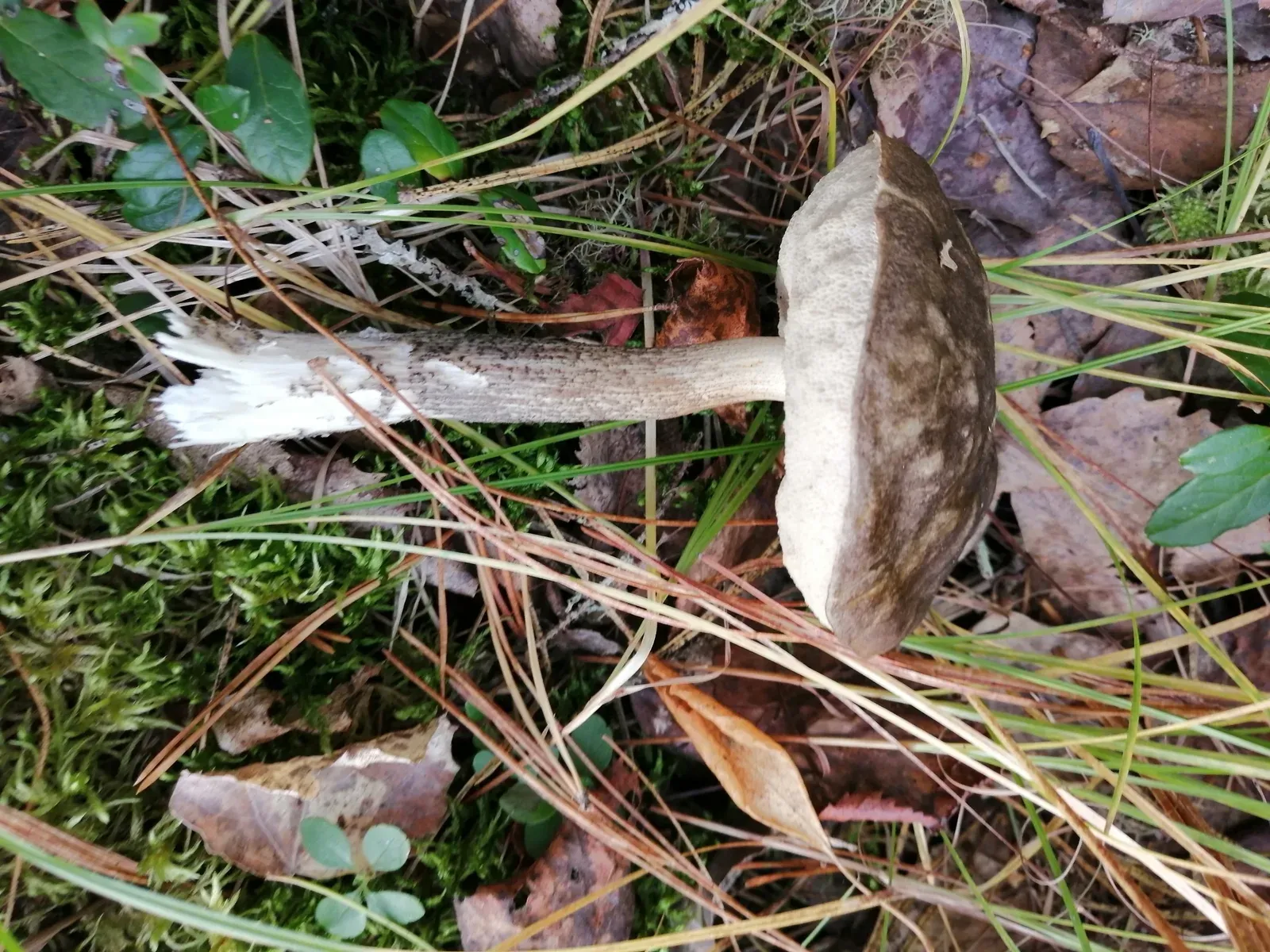 Safety
Is the birch bolete poisonous?
The brown birch bolete is a safe edible mushroom — there are no poisonous birch boletes. We explain why the qu…
August 19, 2026·2 min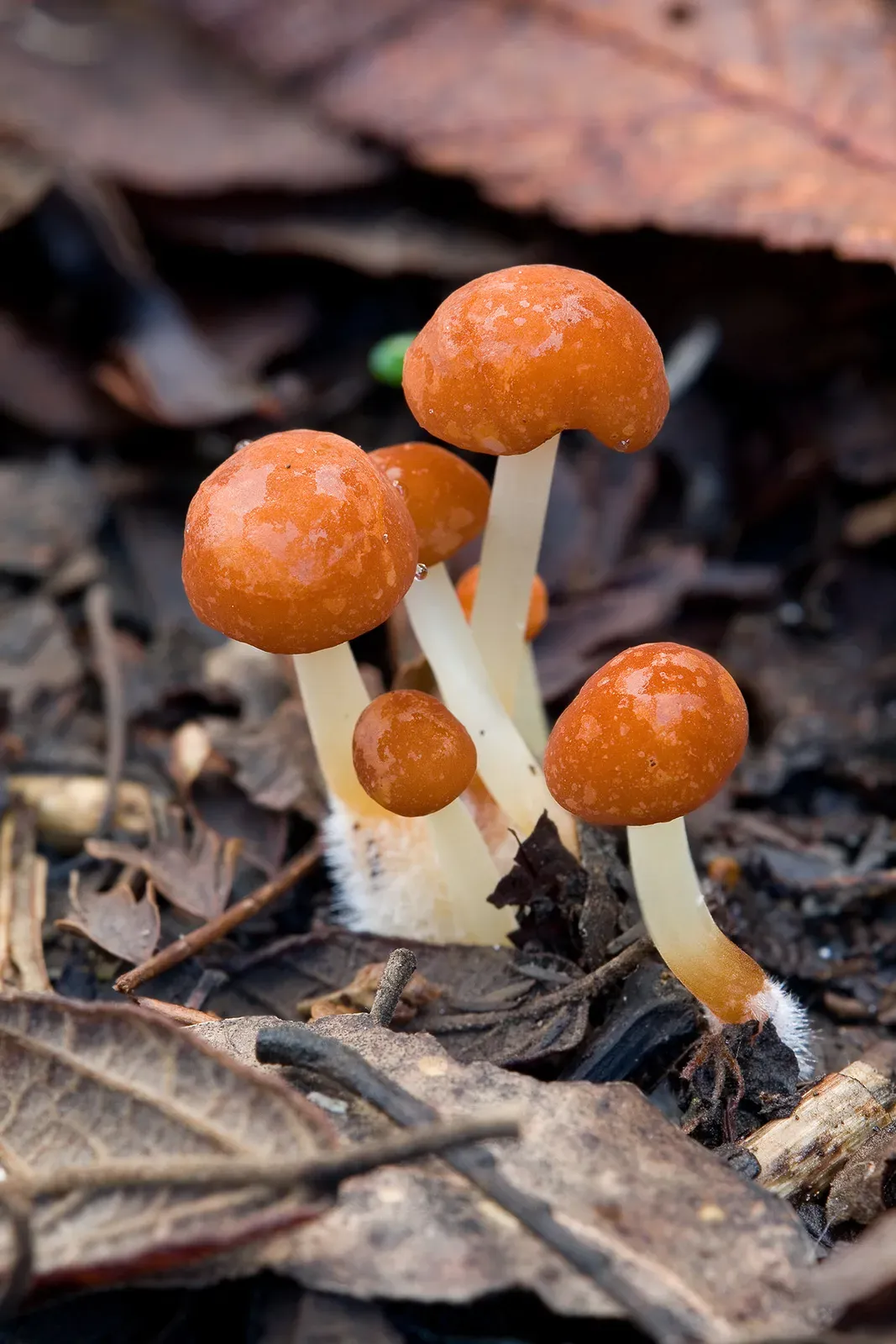 Safety
Can you pick mushrooms in cities and parks?
Mushrooms grow on city lawns, in parks and yards too, but you shouldn't eat them. Here's why urban mushrooms a…
August 22, 2026·3 min