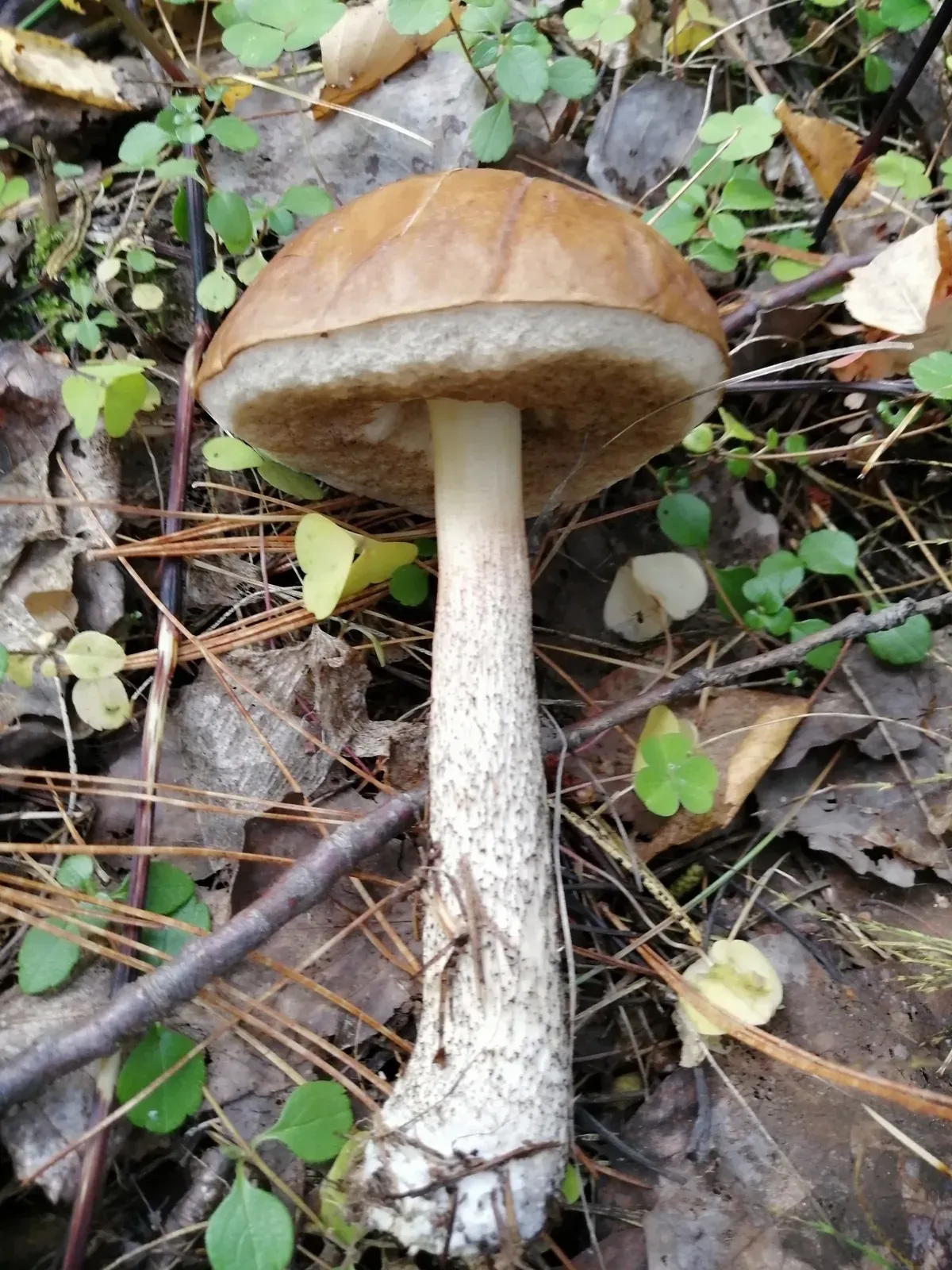
Many foragers time their outings simply: it rained, so a few days later I head to the forest. This approach works, but it's incomplete. Because what really feeds the mycelium isn't the rain itself, but the moisture that has built up in the soil. And those aren't the same thing.
Let's look at how soil moisture differs from fresh rainfall, why mushrooms sometimes come up without any rain at all, and how to take this into account when planning a trip.
Rain and soil moisture: what's the difference
Rainfall is a one-off event: so many millimeters fell, and that's it. Soil moisture, on the other hand, is a stored reserve that depends not only on the last rain, but also on what came before it.
Picture a sponge. How much water it holds depends not only on how much you've just poured on, but also on whether it was dry or damp beforehand. The forest floor is the same: the same rain on damp soil and on parched soil gives completely different results.
That's why experienced foragers look beyond the rain forecast. The mushroom radar also considers not just the last rain but the moisture over the previous days, so it predicts more accurately when the forest will give mushrooms.
Why mushrooms come up even without fresh rain
If the soil is already well soaked, the mycelium can fruit even when there's been no rain for several days. The moisture reserve in the leaf litter is enough for a whole flush of mushrooms.
This is especially noticeable in conditions like these:
- After prolonged rain. When the forest has been soaking up water for several days, it stays damp for a long time and produces mushrooms even in the dry days that follow.
- In shady, damp forests. Dense mixed and deciduous forests give off moisture more slowly, so they hold it longer than open clearings.
- In lowlands and hollows. Water drains there, so these spots stay damp when the hills have already dried out.
So the saying "no rain, no mushrooms" isn't always true. If the soil has kept its reserve, mushrooms may well grow.
When there's rain but no mushrooms
It can also go the other way: it rained, but the forest is empty. This too comes down to the state of the soil.
If there was a long heat wave before the rain, the first moisture goes into saturating the parched leaf litter. It doesn't yet build a reserve big enough for the mycelium to fruit. You need a second, or even a third, rain for the soil to get truly soaked.
That's why, after a long drought, the first rain is often useless for a forager. But when moisture has built up and held, even a small extra shower can set off an abundant flush.
How to factor in soil moisture in practice
To avoid going into the forest at random, it helps to keep a few guidelines in mind.
- Look at the weather history, not just the last rain. What matters is whether the forest was damp over the previous week or two.
- Remember the heat. A few hot, sunny days quickly dry out the topsoil, even if it had been pouring before.
- Choose damper spots. In the dry season, look for mushrooms in lowlands, shady forests and near water, where moisture lasts longer.
- Check the radar. The mushroom radar combines rainfall, stored moisture and temperature, so it shows the real picture, not just the fact that it rained.
This approach saves you from two typical disappointments: a pointless trip right after a downpour on dry soil, and a missed flush when mushrooms came up "without rain."
Sources
- “Identification Guide to the Fungi of Ukraine” (Kyiv, Naukova Dumka publishers).
- Leccinum scabrum on GBIF, the global biodiversity database.
- Fungi on MycoBank, the international fungal nomenclature database.
- Soil moisture on Wikipedia.
Frequently asked questions
What matters more for mushrooms, rain or soil moisture?
Stored soil moisture is what decides. Fresh rain only tops it up, but whether the mycelium has enough moisture to fruit depends on how well soaked the leaf litter was beforehand.
Can mushrooms grow without fresh rain?
Yes. If the soil is already well soaked from earlier rains, the mycelium fruits even through several dry days in a row, especially in shady, damp forests and lowlands.
Why are there no mushrooms after rain during a drought?
The first rain after a long heat wave goes into moistening the parched leaf litter and doesn't build a reserve for the mycelium. You need a second or third rain for the soil to get soaked.
Where does moisture last longest in the forest?
In dense and , in lowlands, hollows and near water. You can find mushrooms there even when open areas are already dry.
How quickly does heat dry out the soil?
A few hot, sunny days can dry out the top layer of leaf litter, where the mycelium lies, even if it rained just before. That's why the harvest drops off quickly in the heat.
How can you find out the real soil moisture?
The easiest way is the : it takes into account rainfall, stored moisture over the previous days and temperature, so it gives a more accurate picture than a rain forecast.
Is it true that there are no mushrooms without rain?
Not always. If the soil has kept its moisture reserve, mushrooms grow even without fresh rain. But after a drought, even rain doesn't guarantee a harvest right away.
Which spots should you choose in dry weather?
Damper ones: lowlands, shady forests, stream banks and hollows. Water drains there and stays longer, so the mycelium fruits there when the hills have already dried out.
Mushrooms in this article
Related articles
 Recipes & cooking
How to store fresh mushrooms, and for how long
Fresh mushrooms spoil faster than you might think. Here's how long they keep in the fridge, how to store them…
August 21, 2026·4 min How to identify
Truffles in Ukraine: do they grow here, and where to look
Truffles aren't just a French delicacy. Several species grow in Ukraine too. Here's which ones, where they occ…
August 24, 2026·2 min Safety
False morel: why this spring mushroom is dangerous
The false morel looks like a morel, but it contains a poison. Here's how to recognize it, why it's dangerous a…
August 24, 2026·2 min