_Fr_228138_crop.webp)
Of all the moss boletes, the suede bolete (Xerocomus subtomentosus) is the best known. It's what most people picture when they hear “moss bolete”: a velvety yellow-brown mushroom somewhere in a mossy clearing or on a forest edge.
It's a common, reliable and tasty mushroom that people rarely get wrong. Let's look at what it looks like, where and when to find it, why it's good in the kitchen and why it's often called “yellow” too.
What the suede bolete looks like
It's a classic moss bolete with a few easy-to-spot features.
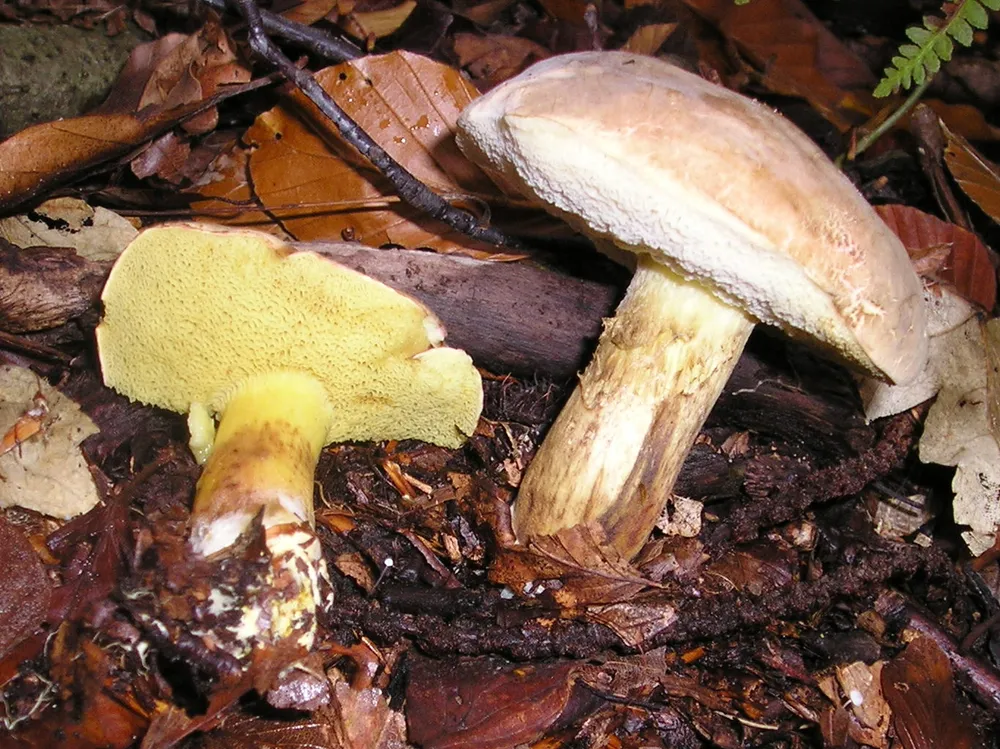
- Cap 4–12 cm, olive-green, yellow-brown or grayish brown, dry and velvety to the touch.
- Tube layer with large pores, golden yellow or greenish yellow.
- Stem even, thinner than the cap, yellowish brown, with no net pattern.
- Flesh yellowish or whitish; when cut, it turns slightly blue or barely changes at all.
The most reliable sign is a dry, velvety cap combined with large yellow pores. Unlike many of its relatives, the suede bolete turns only slightly blue, or not blue at all.
Why it's called “yellow”
Because of its yellow-brown cap and bright yellow pores, the suede bolete is often called the “yellow moss bolete.” It's the same species, just named for its color.
Its cap really is often more yellow-brown than green, especially in dry, sunny spots. So don't be surprised if the names “green” and “yellow” turn out to mean one and the same mushroom.
The key thing is not to confuse the cap color with the pore color: yellow pores are a normal, typical moss bolete feature, not a reason to worry.
Where and when to look for it
The suede bolete loves moss and bright forests, so it's worth searching for in several types of woodland.
- in mixed forests, where conifers grow alongside broadleaf trees;
- in coniferous forests and pine forests on mossy patches;
- in deciduous forests, on forest edges, in clearings and along paths.
Its season is long, from June to October. It fruits most abundantly in the second half of summer and early autumn, especially a few days after warm rains.
Why it's good on the table
The suede bolete is a good edible mushroom and one of the best of the moss boletes. When young, it's firm and fragrant.
It's fried with potatoes, added to soups, pickled and dried. Because it turns blue less than its relatives, dishes made with it come out lighter and neater-looking.
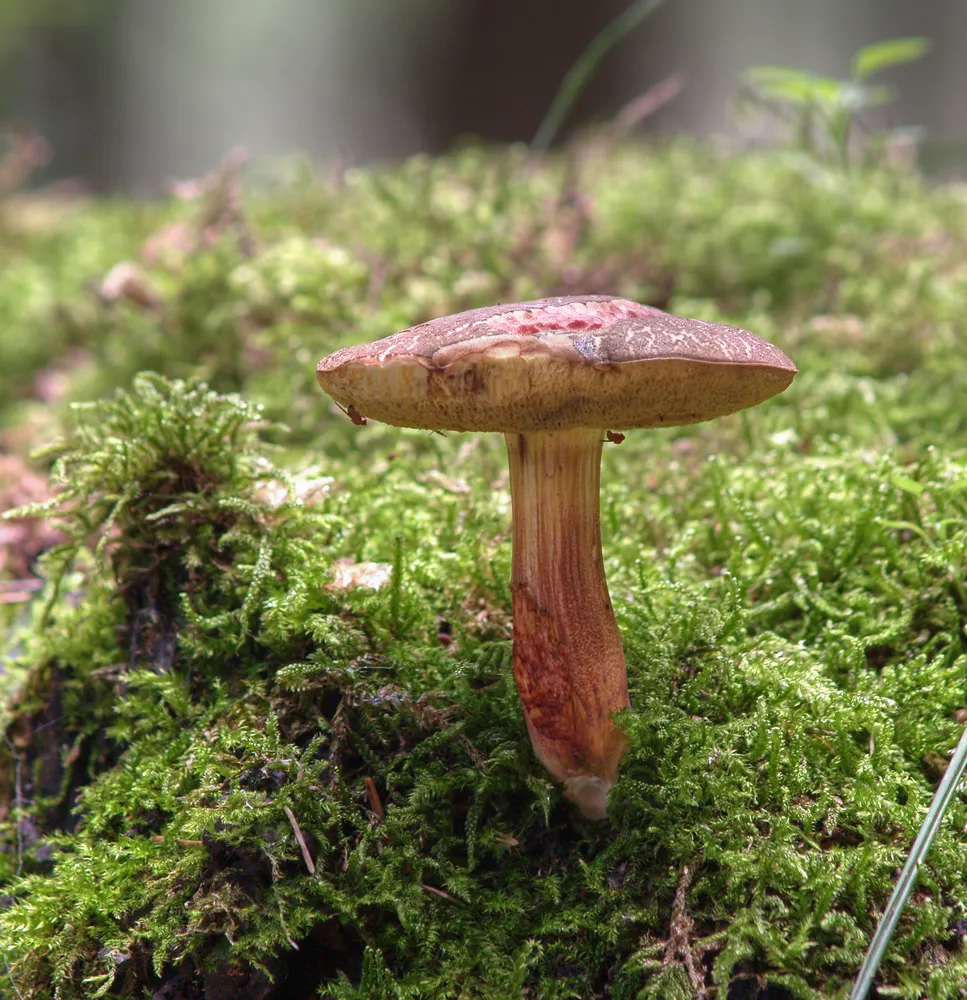
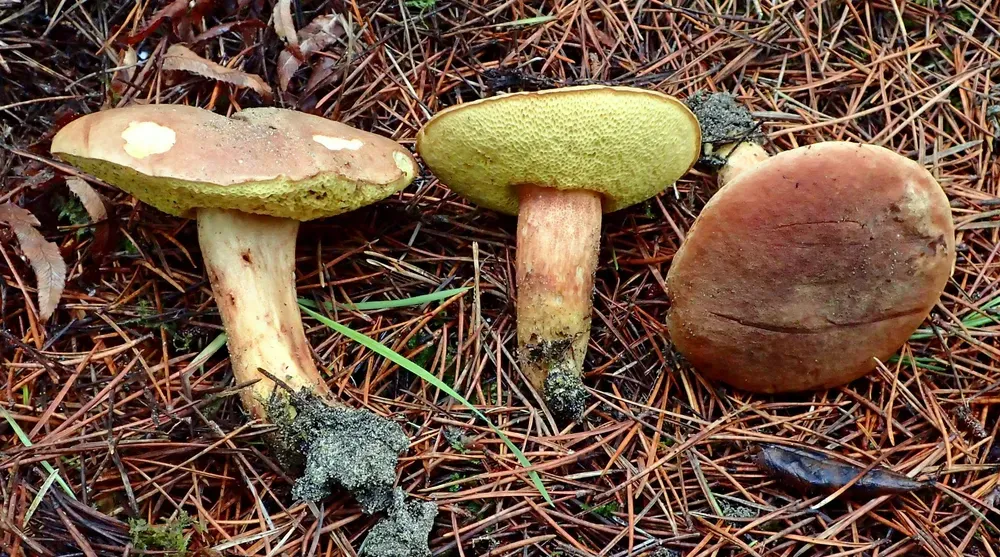
Like all moss boletes, it's best picked young for the table. Older specimens with spongy, watery flesh are better left in the forest. Compared with the similar red cracking bolete, the suede bolete has a whole, uncracked cap, and compared with Xerocomus ferrugineus, a lighter color, but all of them are edible.
The only unpleasant lookalike is the fiery peppery bolete, which stands out with its reddish pores and hot taste. To know when to head out for moss boletes, check our mushroom radar: it shows when moisture and warmth line up well for mushrooms to appear.
Sources
- “Field Guide to the Fungi of Ukraine” (Kyiv, Naukova Dumka Publishing).
- Xerocomus subtomentosus on GBIF, a global biodiversity database.
- Xerocomus on MycoBank, an international fungal nomenclature database.
- Xerocomus subtomentosus on Wikipedia.
Frequently asked questions
How do you recognize the suede bolete?
By its dry, velvety cap in olive-green or yellow-brown, large golden-yellow pores underneath and an even stem with no net pattern. The flesh turns slightly blue or not blue at all.
Why is the suede bolete called “yellow”?
Because of its yellow-brown cap and bright yellow pores. It's the same mushroom, just named for its color. The cap is often more yellow than green.
Where does the suede bolete grow?
In , and on mossy forest edges, in clearings and along paths. It loves bright, moss-covered spots.
Is the suede bolete edible?
Yes, it's a good edible mushroom, one of the best of the moss boletes. It's fried, boiled, pickled and dried, and is best when young.
Why does the suede bolete barely turn blue?
It's a trait of the species: unlike many of its relatives, it turns only slightly blue or not blue at all. That's normal and doesn't affect its edibility.
When should you pick the suede bolete?
The season runs from June to October. It fruits most abundantly in the second half of summer and early autumn, especially after warm rains.
How is the suede bolete different from the red cracking bolete?
has an intact, velvety cap, while the becomes covered with little cracks as it ages, with pinkish flesh showing deep inside. Both are edible.
Can you confuse the suede bolete with a poisonous mushroom?
It has no poisonous lookalikes. The only one to watch out for is the fiery , which stands out with its reddish pores and hot, peppery taste.
Mushrooms in this article
Related articles
 How to identify
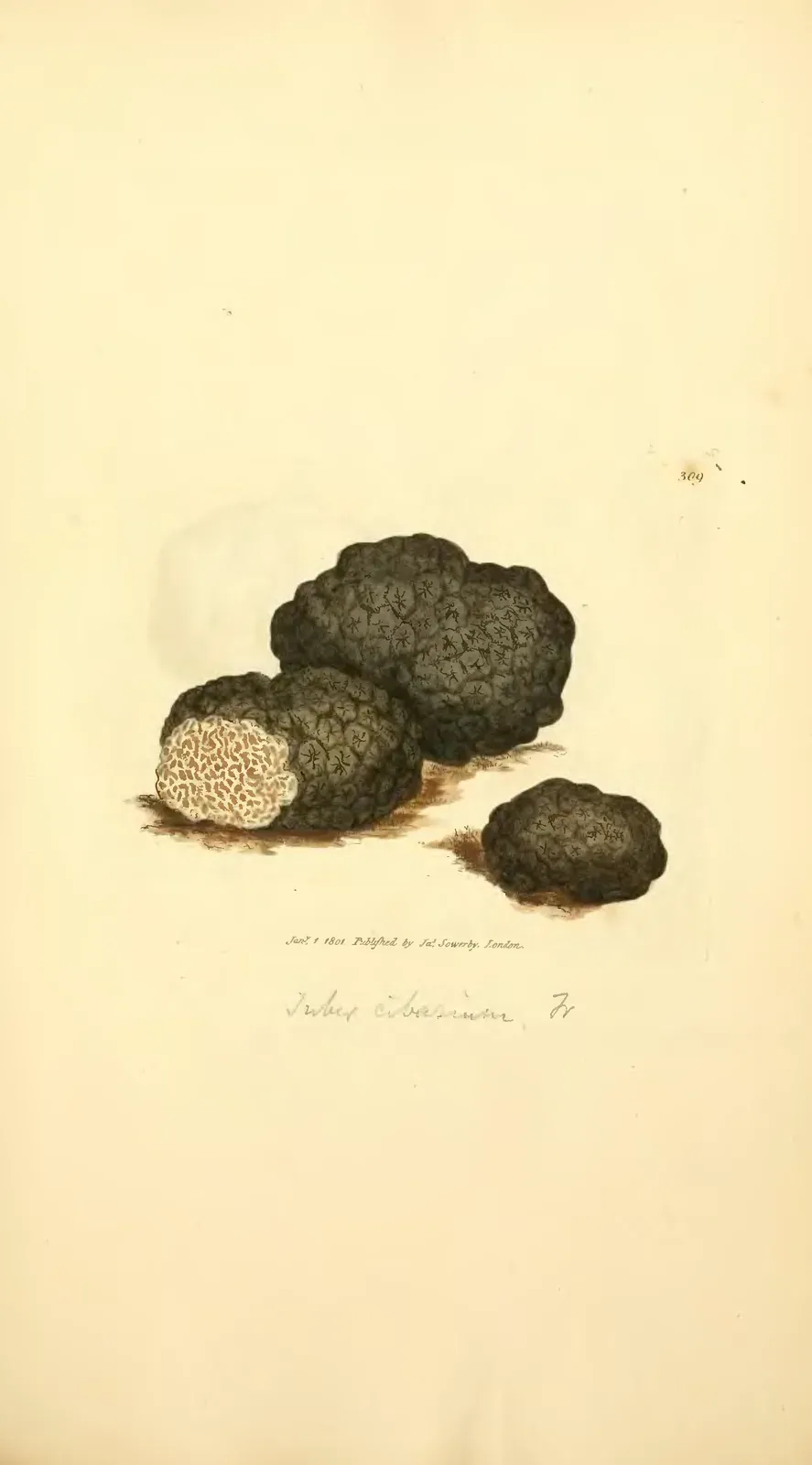
Truffles in Ukraine: do they grow here, and where to look
Truffles aren't just a French delicacy. Several species grow in Ukraine too. Here's which ones, where they occ…
August 24, 2026·2 min Recipes & cooking
How to store fresh mushrooms, and for how long
Fresh mushrooms spoil faster than you might think. Here's how long they keep in the fridge, how to store them…
August 21, 2026·4 min Recipes & cooking
How long to boil mushrooms
Boiling time depends on the type of mushroom and on what you're cooking next. Here's a clear cheat sheet: how…
August 22, 2026·4 min