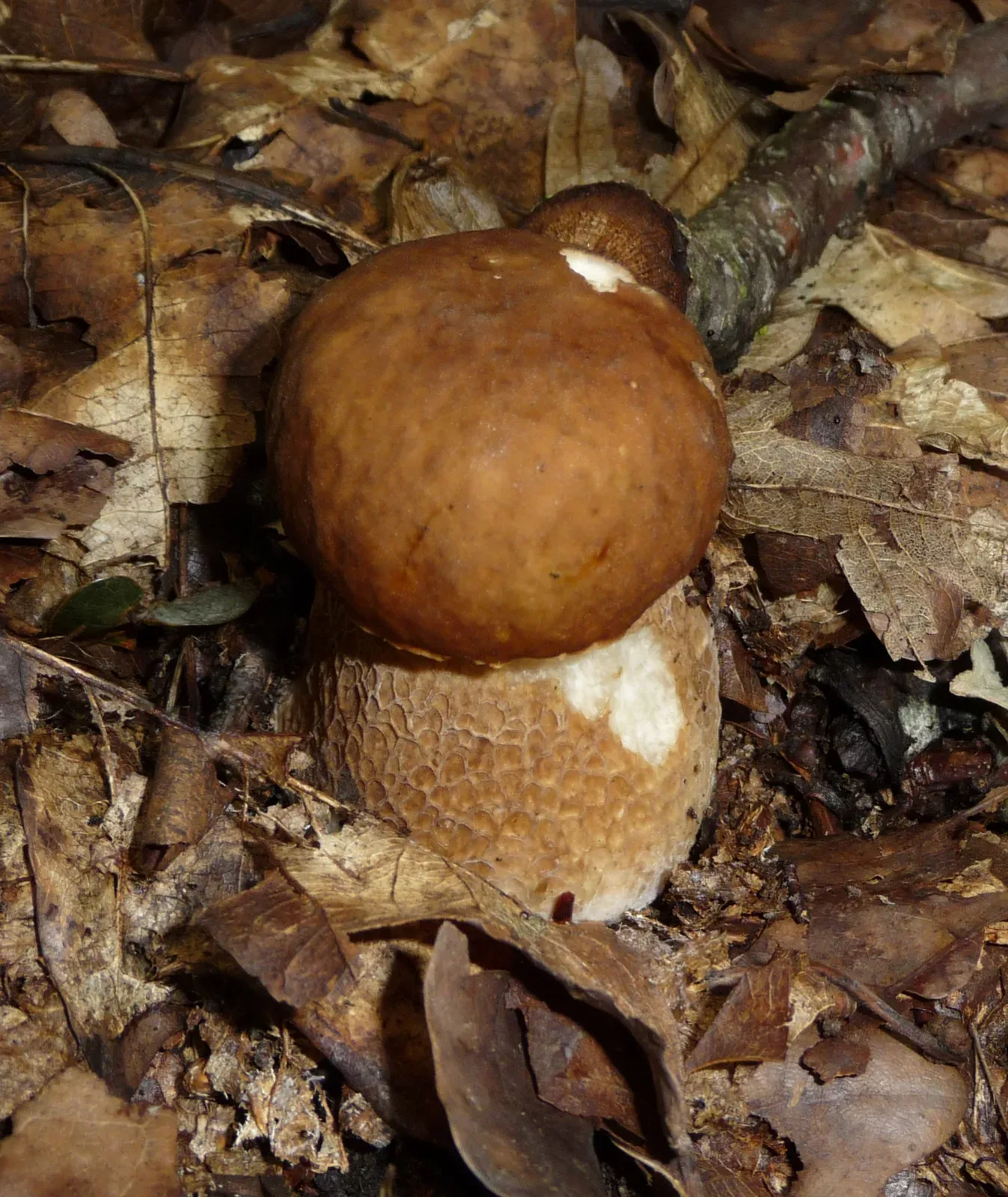
Of all the porcini family, the summer bolete (Boletus reticulatus, listed in our catalog as the summer bolete) wakes up earliest. While the other boletes are still gathering strength under the leaf litter, it is already standing on a sun-warmed forest edge, sturdy and dark-capped.
That's why foragers call it the "summer" one: it opens the season while your basket is still empty. In taste and aroma it is every bit as good as an autumn porcini, and sometimes even wins simply because it arrives first.
The first bolete of the season
Its Latin name, "reticulatus" (netted), points straight to its key feature, and that feature is what most often saves you from a mistake. Before we get to it, take a good look at the mushroom from top to bottom, because you recognize it by a combination of features, not by any single one.
Good news for beginners: this species is large, easy to spot and quite "distinctive." Remember a few details, and you'll find it hard to confuse with anything dangerous.
What catches your eye first
First your eye catches the cap. On a young mushroom it is hemispherical and sits snugly on the stem; with time it flattens out into a cushion shape. Size varies, from 7 to 25 or even 30 centimeters, depending on age and moisture.
The color is warm, hazel to chestnut, with no shine. The surface is matte and slightly velvety to the touch. In hot weather it typically cracks into small "squares," like dried-out clay. This cracked mosaic often throws beginners off, but it is actually a normal trait of the species, not a sign of a spoiled mushroom.
The net on the stem: the key evidence
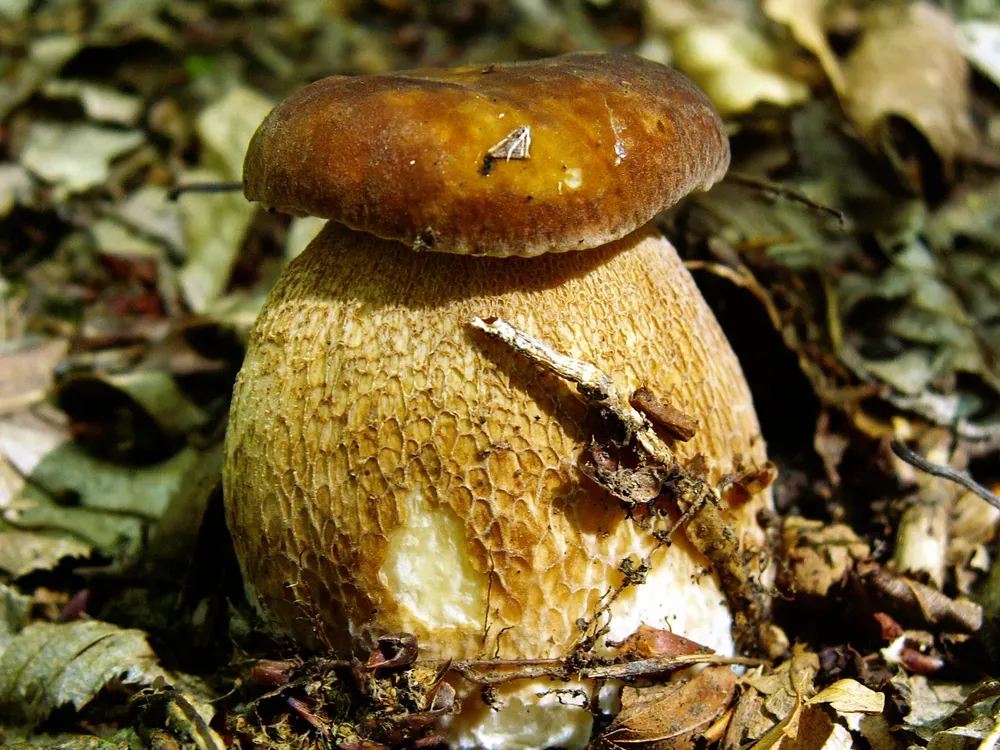
Now for the most important part. Turn the mushroom over and look at the stem. On the summer bolete it is covered with a pale, raised net that runs almost all the way down to the base. This is the "fingerprint" that identifies the species with confidence.
The stem itself is firm, often barrel-shaped, light brown in tone. In young specimens it is especially thick, sometimes wider than the cap. If the net runs the whole length, you're on the right track.
A simple safety check
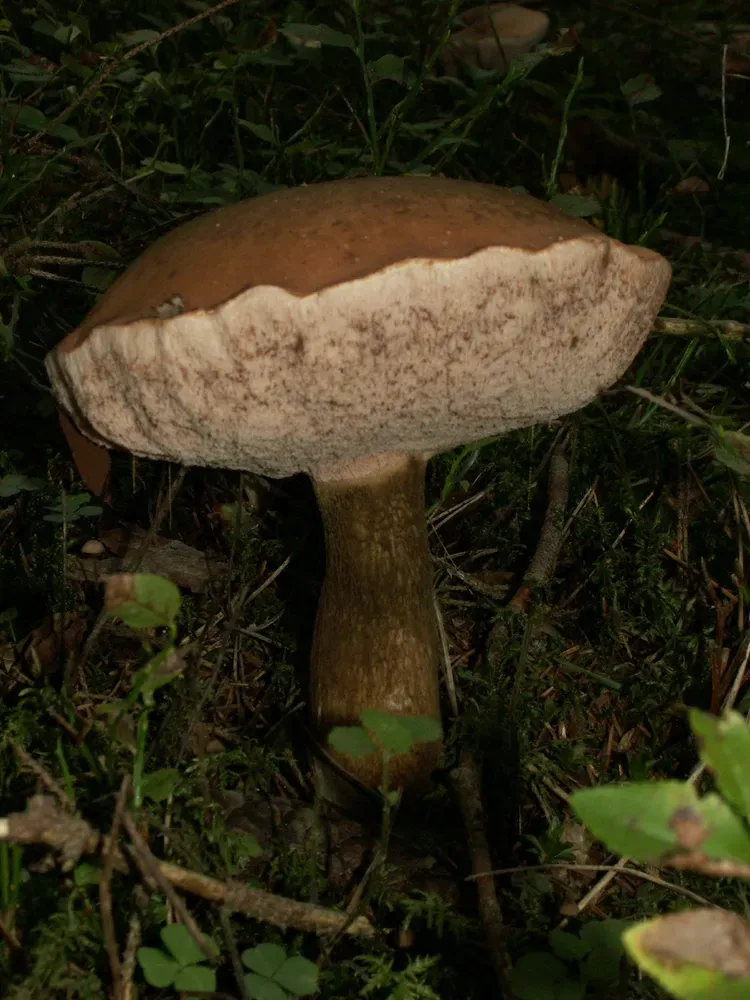
Under the cap is the tube layer, or sponge. Its color changes with age, which makes it a handy indicator of maturity:
- on a young mushroom the sponge is white;
- on a mature one, yellowish;
- on an old one, olive green and soft.
It is never pinkish. If the underside turns pink, you are most likely looking at the bitter bolete, a harmless but very bitter look-alike that ruins the whole dish. To learn the difference once and for all, check out our side-by-side comparison of porcini and bitter bolete.
The flesh is firm and white, with a pleasant nutty smell. The most reliable check is this: cut the stem and look at the cut surface. In a true porcini the flesh stays white; it does not turn blue or red. Bluing or reddening means it's a different mushroom, and you shouldn't take it.
Let's sum the features up in a short rule:
- a pale net along the whole stem;
- a white or yellow sponge, never pink;
- the cut stays white.
All three match? Then there's practically no doubt.
Where it really grows
This species is linked to trees through mycorrhiza, meaning it lives in a mutually beneficial partnership with their roots. So you shouldn't look for it "anywhere in the forest," but near specific tree species:
- oak, its most frequent companion;
- beech and hornbeam, especially in western Ukraine and the Carpathians;
- occasionally birch and linden on bright forest edges.
A dense, damp thicket is not its place. It is drawn to warmth and light: the edges of deciduous forest, grassy clearings, south-facing slopes, the verges of old forest roads.
From experience: the best time to go is two or three days after a warm rain, once the ground has warmed up again. Rather than guessing, keep an eye on conditions with our mushroom radar: it shows when moisture and warmth line up well for boletes to appear. Found one mushroom? Don't rush off. Boletes grow in families, and there are often a few more standing nearby.
When to go looking for it
The first specimens appear as early as late May, as soon as the soil warms up steadily. The main flush comes in June and July, and in a mild autumn the species keeps fruiting right through September.
It's exactly this early appearance that makes it a favorite for so many. While others wait for the August porcini, those who know the summer bolete are already carrying home full baskets.
Sources
- "Field Guide to the Fungi of Ukraine" (Kyiv, Naukova Dumka publishing house).
- Boletus reticulatus on GBIF, the global biodiversity database.
- Boletus reticulatus on MycoBank, the international fungal nomenclature database.
- Boletus reticulatus on Wikipedia.
Frequently asked questions
Why is this porcini called the summer bolete?
Because it appears earliest of the whole family, right at the start of summer. Its scientific name, "reticulatus" (netted), refers to the net covering the stem.
How can you identify the summer bolete for sure?
A pale net along the whole stem, a matte brown cap that cracks in hot weather, a white sponge underneath and a cut that doesn't change color. If all four details match, that's it.
Does porcini turn blue when cut?
No. The flesh stays white. If the cut turns blue, compare the mushroom with the or the on our comparison pages.
What color is the underside of a porcini cap?
White when young, yellowish when mature, olive green when old. It is never pinkish; a pink sponge more likely belongs to the .
Where should you look for the summer bolete?
In bright under oak, beech and hornbeam. On forest edges, in clearings and on sun-warmed slopes, ideally a few days after a warm rain.
When does porcini season start?
In late May or June, with the main flush in summer. In a warm autumn it turns up until September. A handy guide is our .
Is the summer bolete edible?
Yes, it is one of the most prized edible boletes. Pick young, firm specimens with a white or pale yellow sponge.
How is the summer bolete different from the autumn porcini?
It comes up earlier and has a matte, cracked cap and a net along the whole stem. grows mostly under conifers, its cap is smooth and moist, and the net covers only the upper part of the stem.
Why does a porcini cap crack into little squares?
It's a normal reaction to dry, hot weather, not spoilage. The cracked mosaic on the cap even helps you recognize the summer bolete.
Mushrooms in this article
Related articles
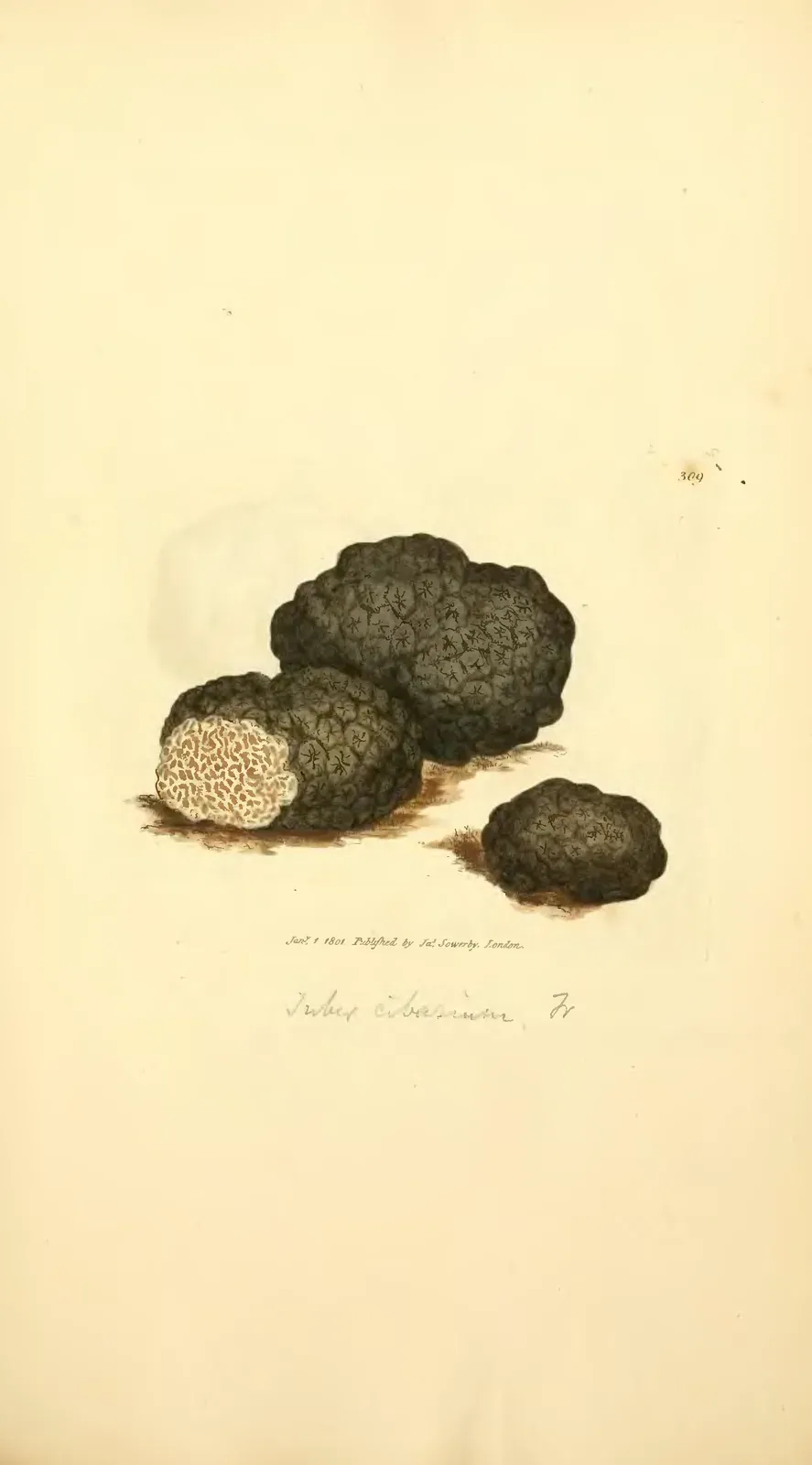 How to identify
Truffles in Ukraine: do they grow here, and where to look
Truffles aren't just a French delicacy. Several species grow in Ukraine too. Here's which ones, where they occ…
August 24, 2026·2 min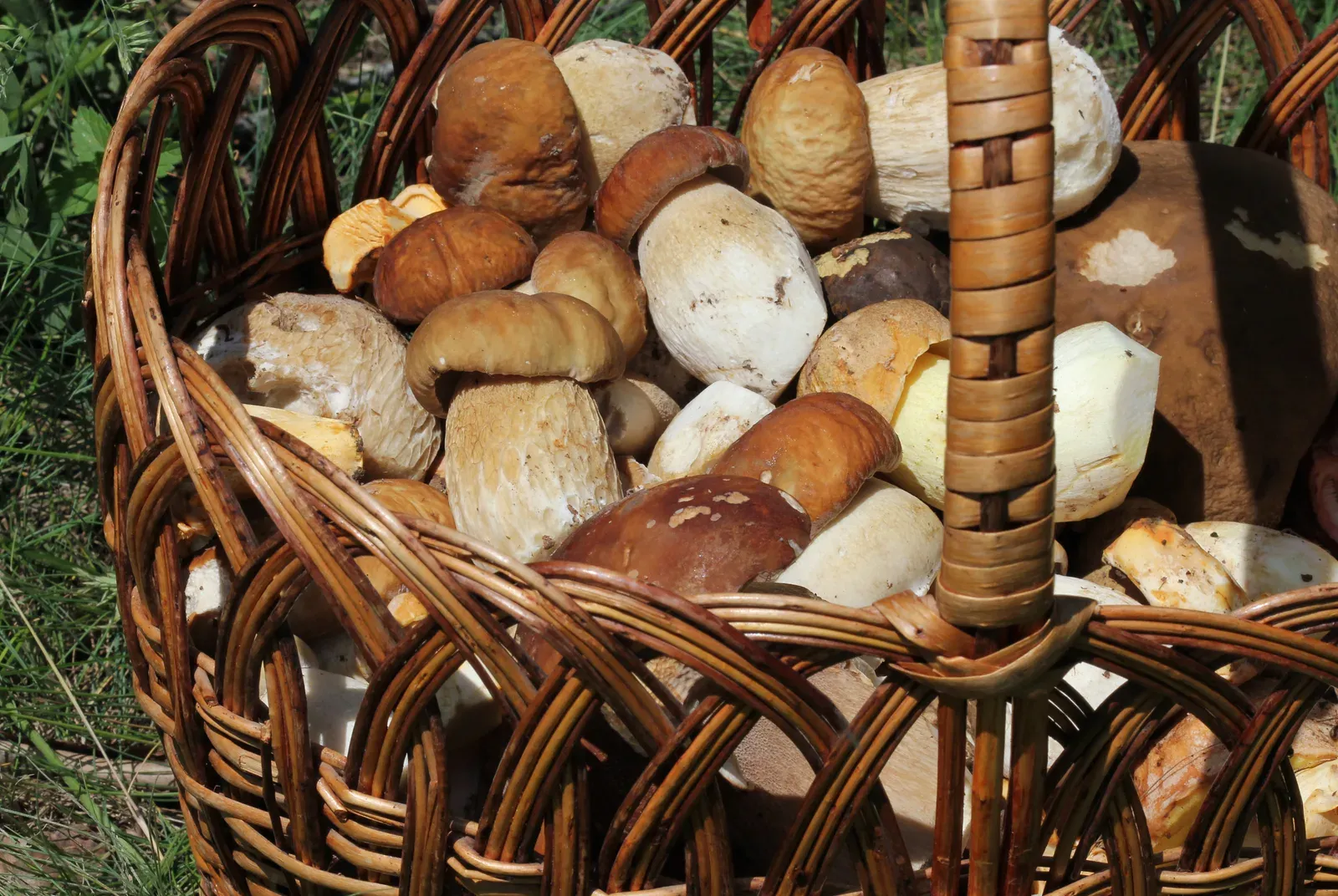 Recipes & cooking
How to store fresh mushrooms, and for how long
Fresh mushrooms spoil faster than you might think. Here's how long they keep in the fridge, how to store them…
August 21, 2026·4 min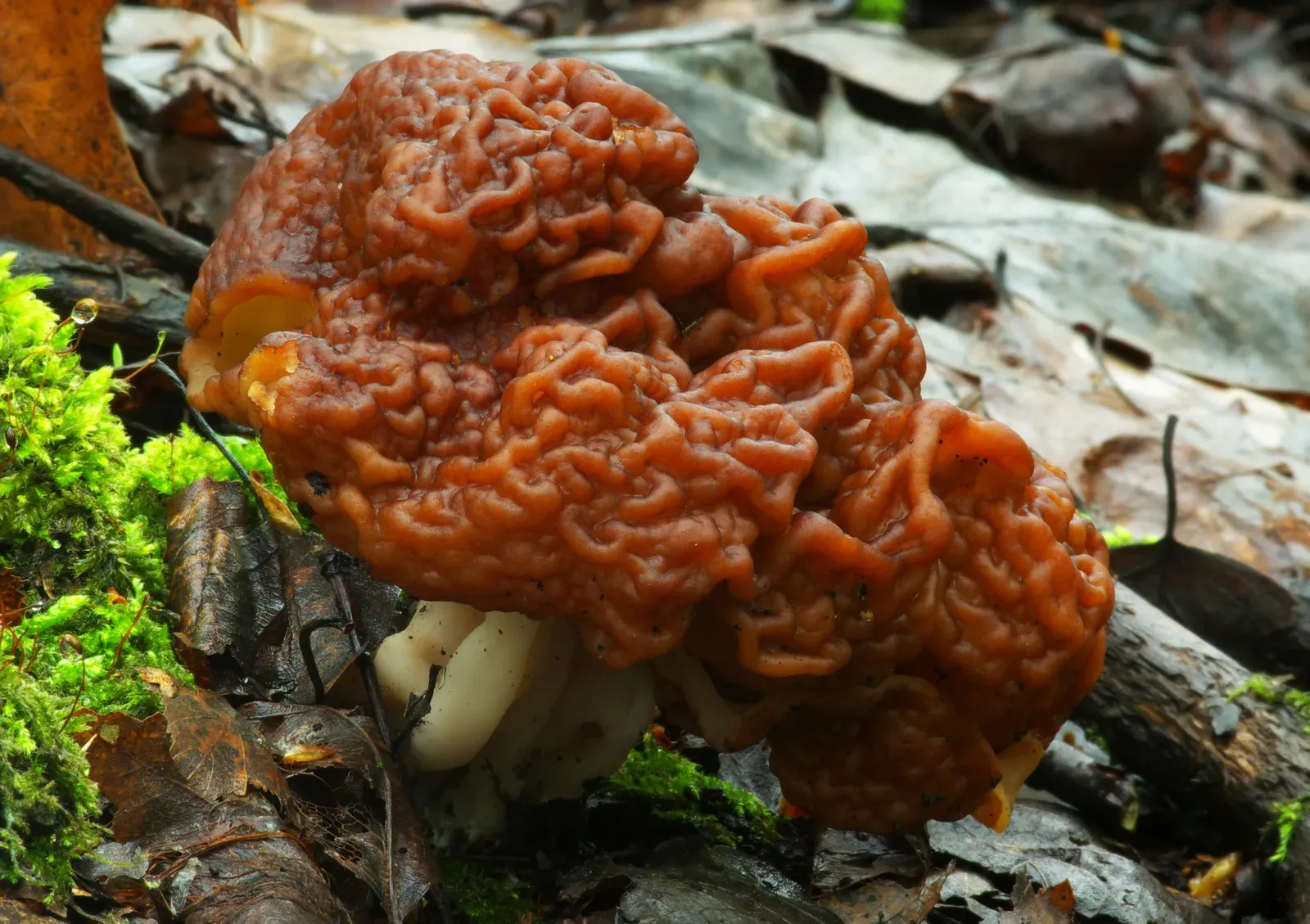 Safety
False morel: why this spring mushroom is dangerous
The false morel looks like a morel, but it contains a poison. Here's how to recognize it, why it's dangerous a…
August 24, 2026·2 min