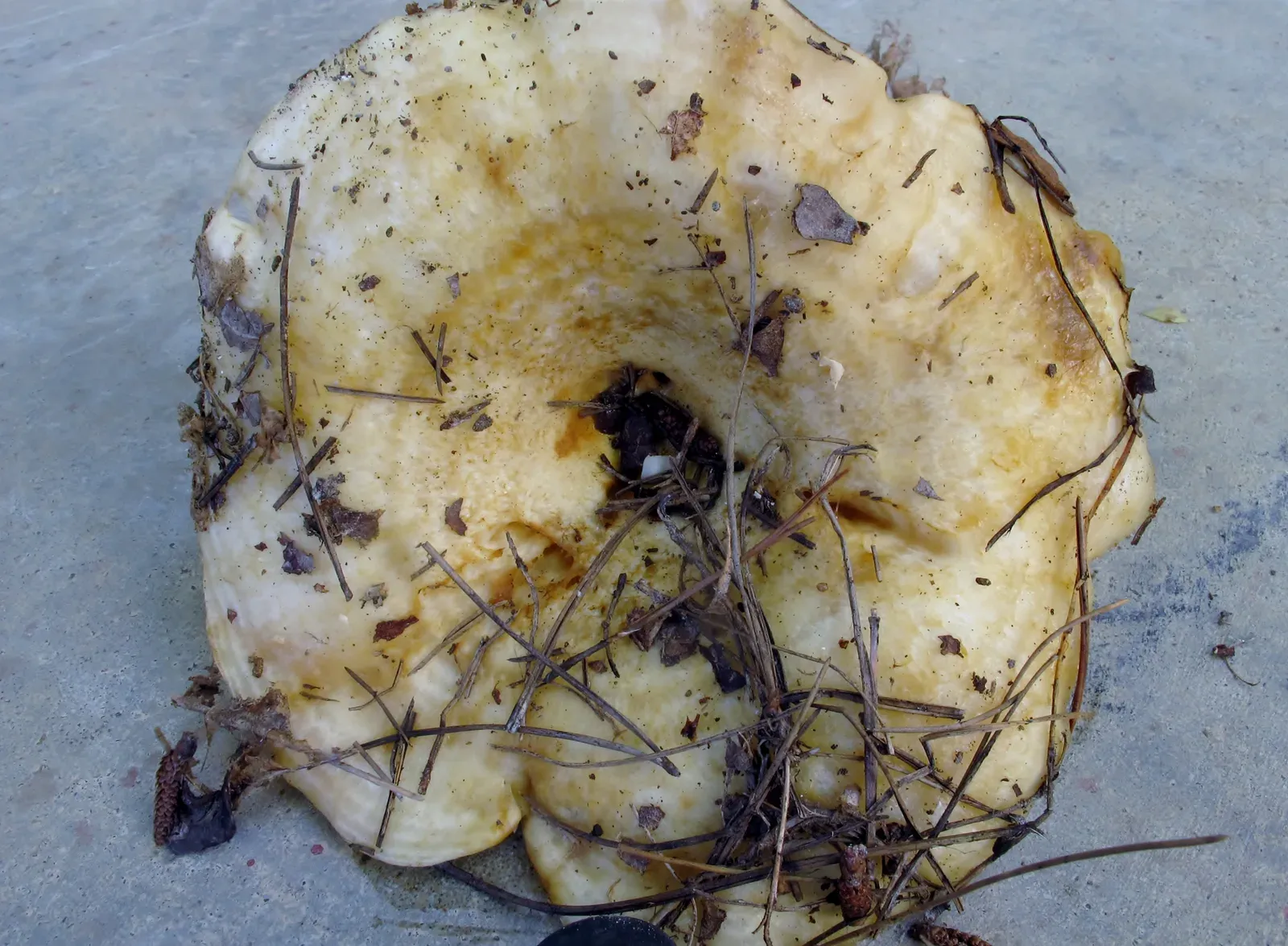
Mushroom names sometimes puzzle even seasoned foragers. In Ukrainian, “hruzd bilyi” (white milk cap) and “bilyi hryb” (white mushroom, that is, porcini) sound almost the same, so beginners often think they're the same thing, or at least close relatives. In fact, these are two completely different mushrooms, alike only in the word “white” in their names.
Lactarius resimus (Lactarius resimus), popularly called the white milk cap, is a gilled mushroom with milky latex. And porcini is a bolete with a spongy underside to its cap. Let's look at where the confusion comes from and how to tell them apart at first glance.
Where the confusion comes from
The root of the misunderstanding is a single word: “white.” For the milk cap it refers to color: the cap, flesh and milky latex are pale, almost white. For the bolete, “white” is also about color, but of the flesh, which stays pale even after drying.
Two different logics, the same word, and a beginner is already lost. Adding to the confusion, both mushrooms are highly prized, so they often come up side by side in talk about “the best mushrooms in the forest.”
But see them side by side just once, and the question disappears: these mushrooms come from different worlds.
Milk cap and bolete: two different builds
The quickest way to tell them apart is to look under the cap.
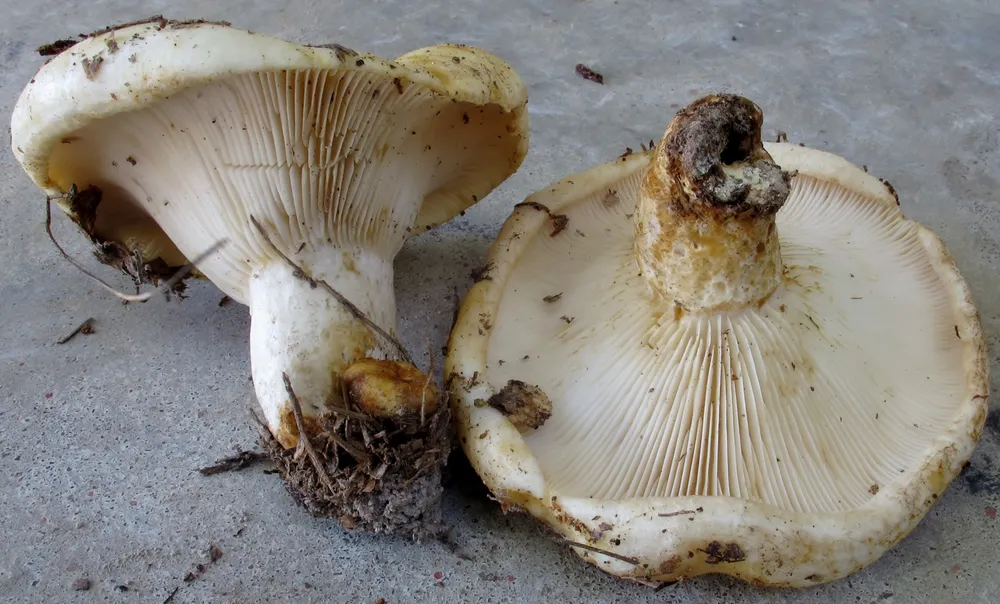
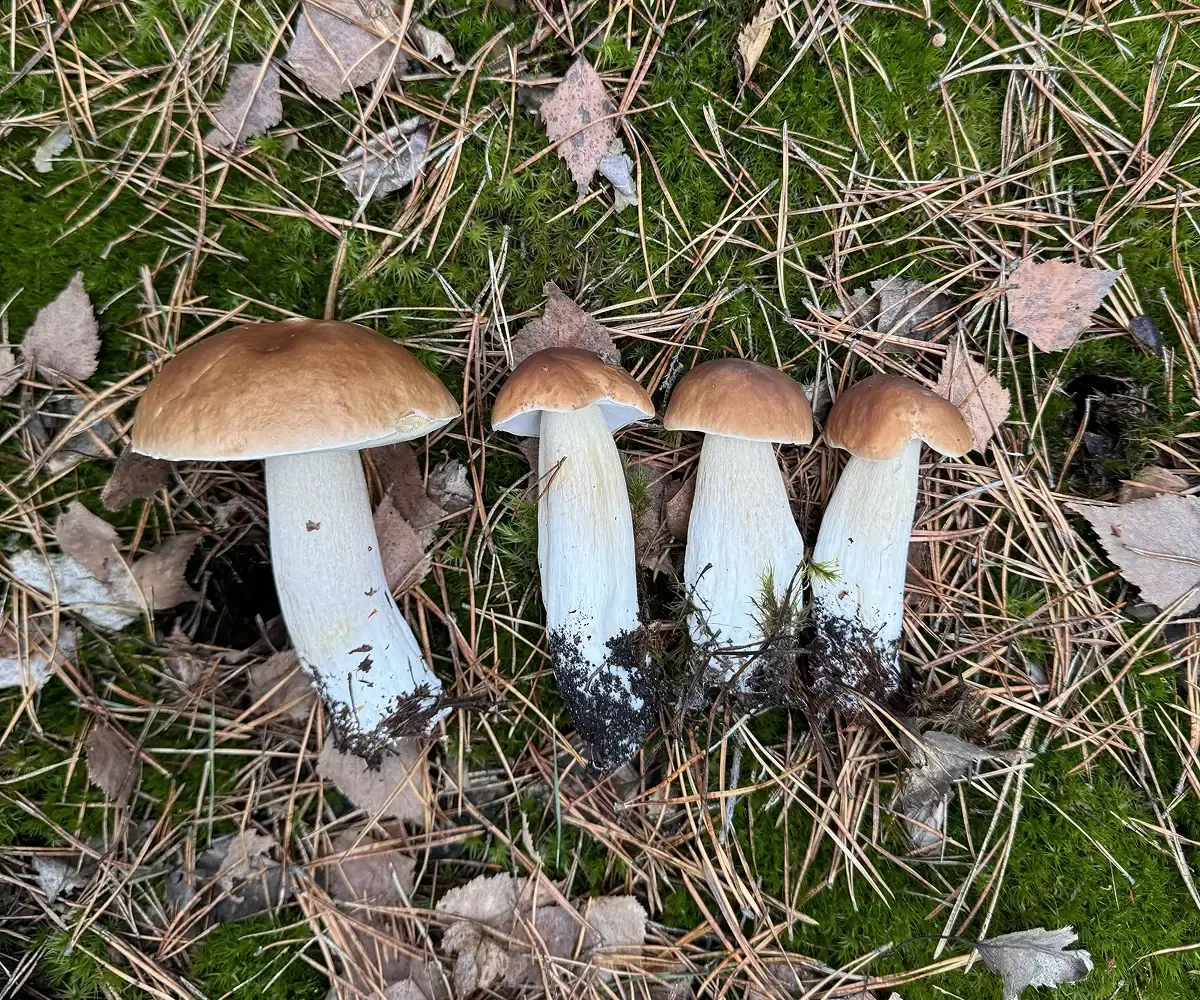
- Underside of the cap. A milk cap has crowded white gills there. In porcini, it's a spongy, tubular layer that looks like a fine sponge.
- Milky latex. Break a milk cap, and white, acrid latex will ooze from the break (hence the genus name, Lactarius, the milk caps). A bolete gives no latex at all.
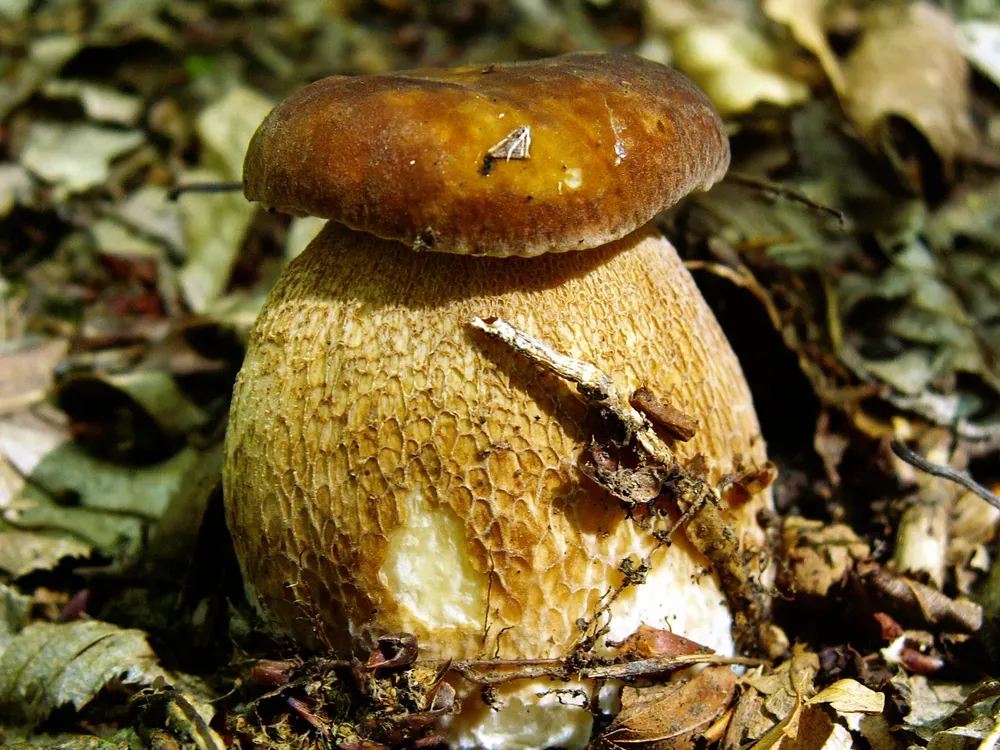
- Shape. The milk cap is squat, its cap sunken like a funnel, with a fluffy, inrolled margin. The bolete is shapely, with a domed cap on a thick stem.
- Color. The milk cap is almost white, sometimes with creamy concentric zones. The bolete is hazel to chestnut brown.
One look at the underside of the cap, gills or sponge, is enough to never mix up these mushrooms again.
How they differ in the kitchen
A different build also means a different fate in the kitchen.
Porcini are versatile: you can fry, boil, dry or pickle them just as they are, with no prep. Their aroma is mild and nutty, so this bolete is good in almost any dish.
The milk cap, on the other hand, is conditionally edible because of its acrid milky latex. It isn't eaten raw or simply fried: first it's soaked for several days, changing the water, and then salted. The classic fate of a milk cap is a strong salt cure, not the frying pan. So even on the table, these mushrooms hardly ever cross paths.
Where and when to look for them
They overlap in timing rather than in build.
Lactarius resimus grows in groups in deciduous and mixed forests, often under birch, hiding under leaves and moss, so you have to search carefully. Porcini keep to oaks, beeches, birches and pines, and usually stand out more.
The season for both falls in the second half of summer and in autumn, from July to October, in flushes after warm rains. The best time to go out is two or three days after rain. An easy way to keep track of these windows is our mushroom radar: it shows when moisture and warmth line up just right for mushrooms to appear.
What to remember in the end
The milk cap and porcini share only the word “white.” Gills and milky latex mean a milk cap; a spongy underside and no latex mean a bolete. The first is salted after soaking; the second is good in any dish right away.
And finally, the usual rule: whatever mushroom you find, if you're not sure, don't pick it. One doubtful mushroom isn't worth the risk.
Sources
- “Field Guide to the Fungi of Ukraine” (Kyiv, Naukova Dumka publishing house).
- Lactarius resimus in GBIF, the global biodiversity database.
- Lactarius resimus in MycoBank, the international fungal nomenclature database.
- Lactarius resimus on Wikipedia.
Frequently asked questions
Are the milk cap and porcini the same thing?
No. These are two completely different mushrooms. has gills and milky latex, and it's salted. are boletes with a spongy underside to the cap, eaten without soaking. All they have in common is the word “white” in their Ukrainian names.
Why is the milk cap called white?
Because of its color: the milk cap's cap, flesh and milky latex are pale, almost white. For porcini, the word “white” is also about color, but it refers to the flesh, which stays pale even after drying.
How do you tell a milk cap from porcini?
Look under the cap. A milk cap has white gills there and oozes acrid milky latex; the mushroom is squat with a sunken cap. Porcini have a spongy, tubular underside, no latex, and a thick stem with a pale net pattern.
Is the white milk cap edible?
Yes, but conditionally: because of its acrid milky latex, it isn't eaten raw or simply fried. The milk cap is first soaked for several days, changing the water, and then salted. It's a classic mushroom for salting.
Can you fry a milk cap like porcini?
No, not without prep, because the acrid latex will make it bitter. are fried straight away, while the milk cap is first soaked and salted. These are different mushrooms with different prep.
Where does the white milk cap grow?
In groups in , often under birch, hiding under leaves and moss. You have to search carefully, because it barely rises above the forest litter.
When should you pick milk caps and porcini?
The season for both falls in the second half of summer and in autumn, from July to October, in flushes after warm rains. An easy way to follow the weather is the .
Which is more prized, the milk cap or porcini?
Both are highly prized, but in different ways. are a versatile delicacy for any dish, while the milk cap is the king of salting. It's hard to compare them directly, because they serve different culinary purposes.
Mushrooms in this article
Related articles
 How to identify
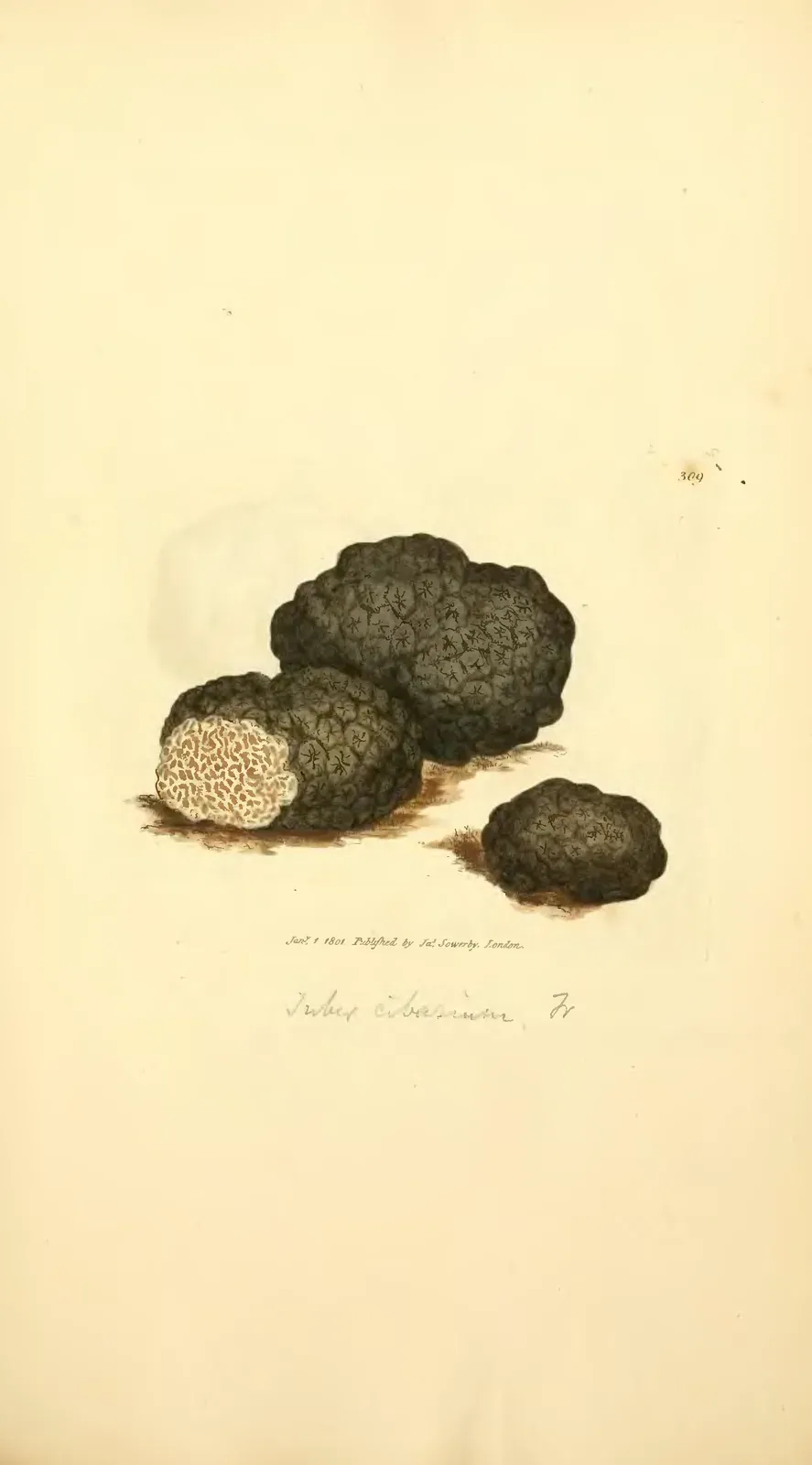
Truffles in Ukraine: do they grow here, and where to look
Truffles aren't just a French delicacy. Several species grow in Ukraine too. Here's which ones, where they occ…
August 24, 2026·2 min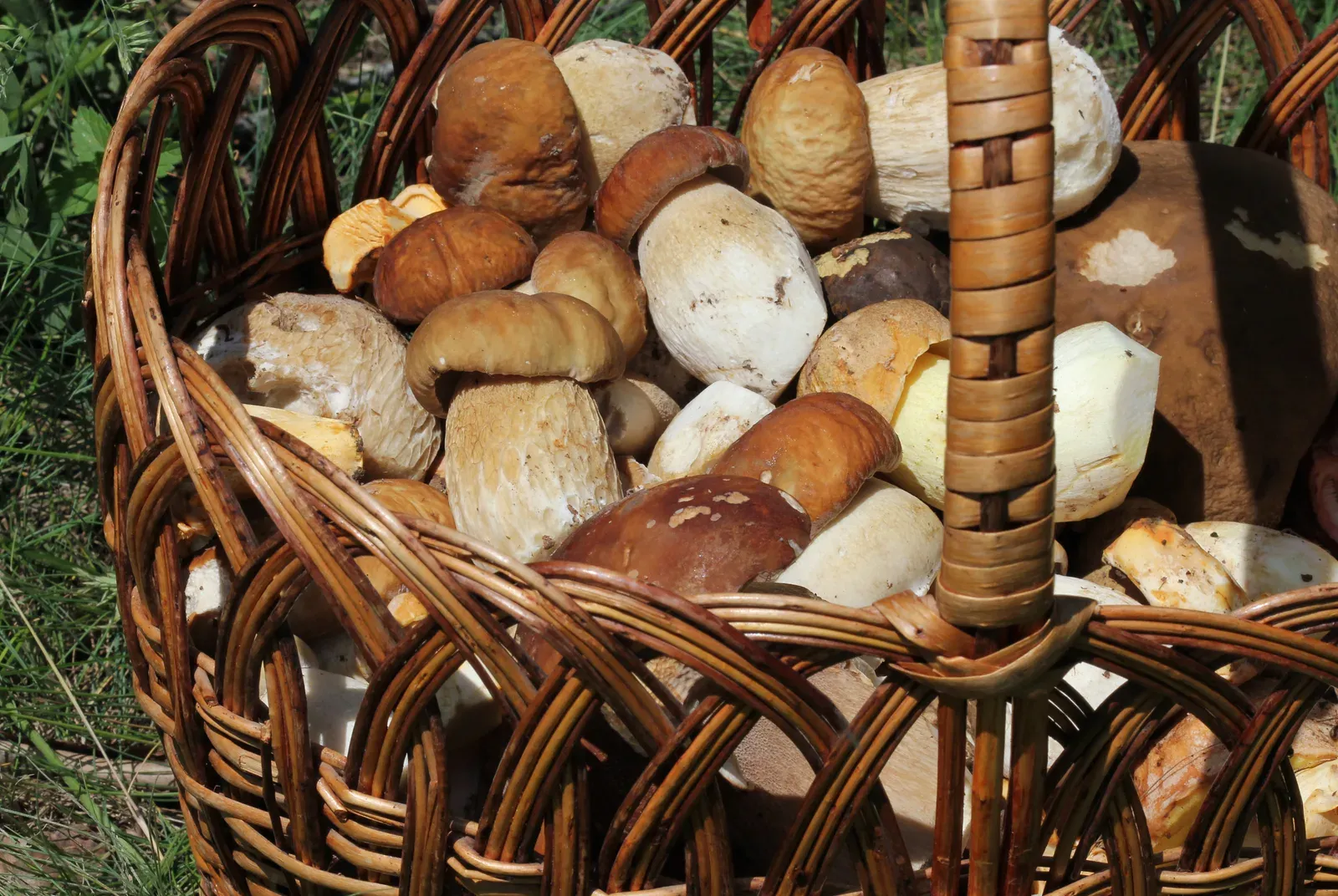 Recipes & cooking
How to store fresh mushrooms, and for how long
Fresh mushrooms spoil faster than you might think. Here's how long they keep in the fridge, how to store them…
August 21, 2026·4 min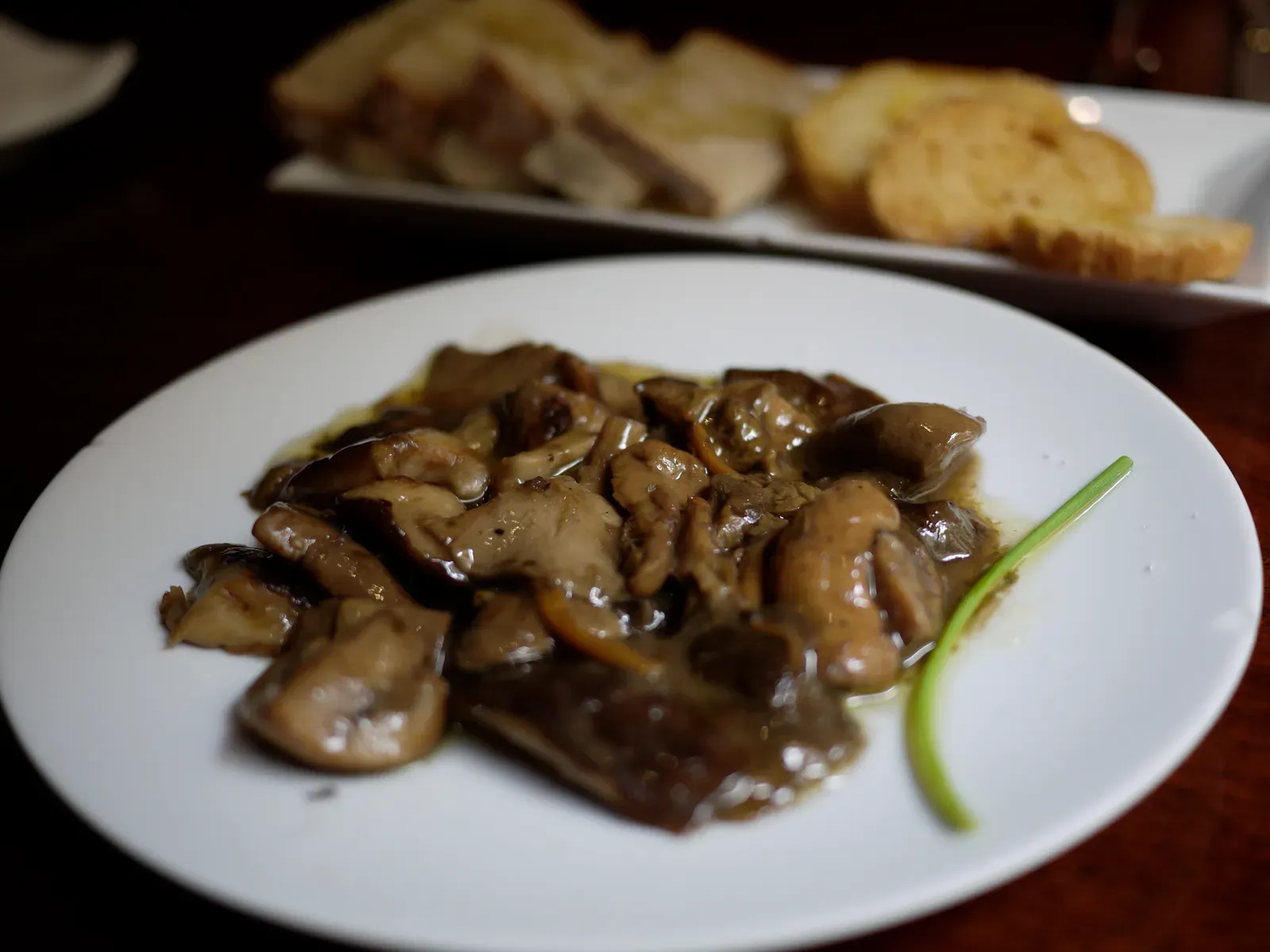 Recipes & cooking
How long to boil mushrooms
Boiling time depends on the type of mushroom and on what you're cooking next. Here's a clear cheat sheet: how…
August 22, 2026·4 min