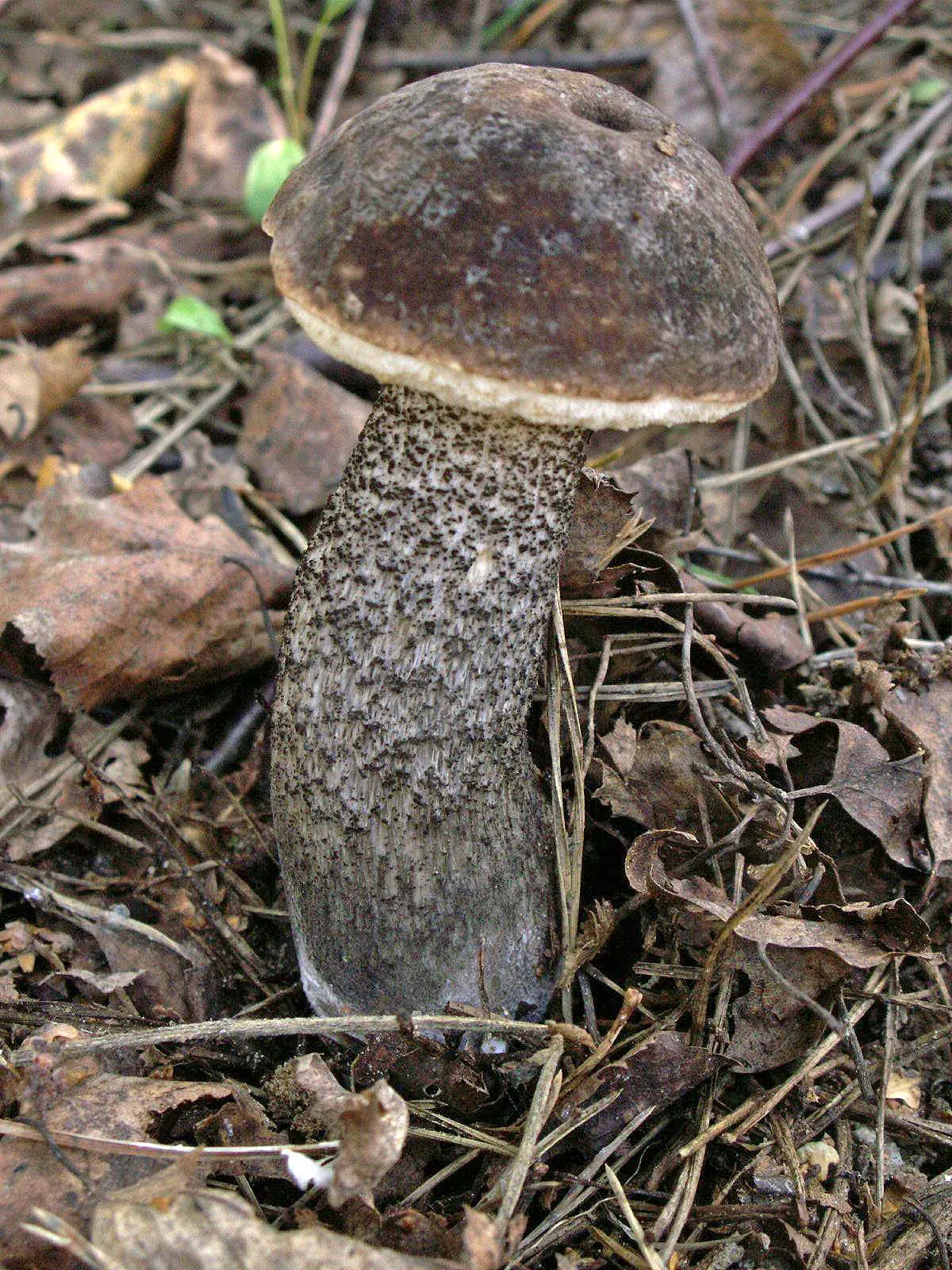
If you come across a birch bolete with an almost black cap, it’s most likely Leccinum melaneum (Leccinum melaneum), the darkest of our birch boletes. Folk names call it simply “the black mushroom.”
It’s less known than the brown birch bolete, but valued even more highly for its firmer flesh. Let’s see how to recognize it, where to look for it and what it’s good for in the kitchen.
How to recognize it
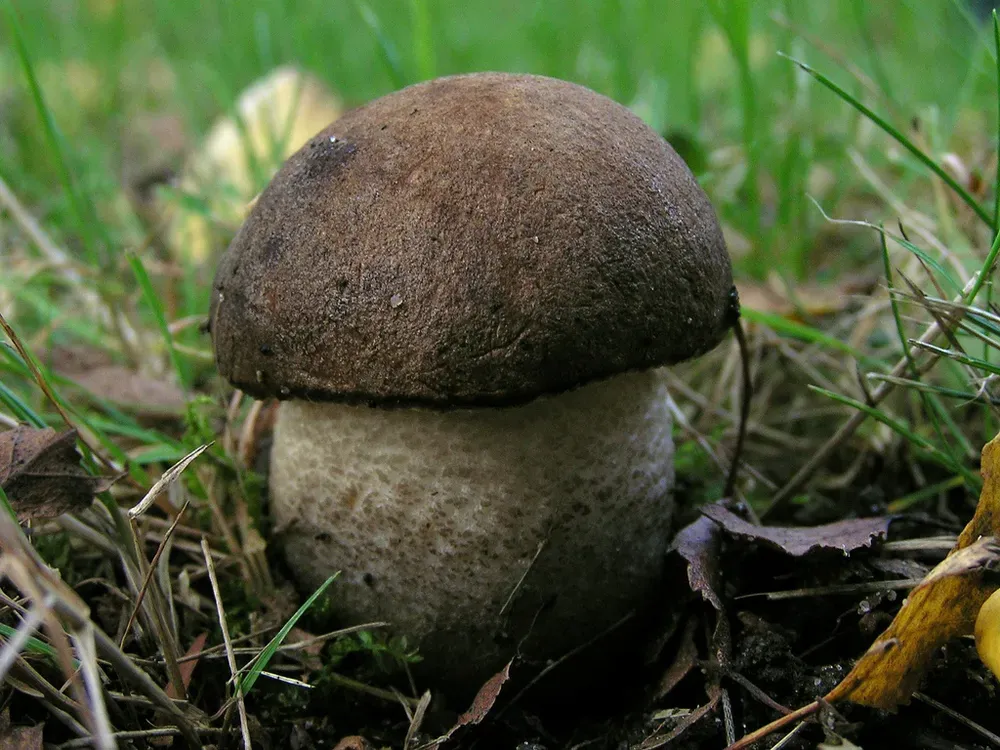
The main feature of Leccinum melaneum is right in its name: a very dark cap, from dark brown to almost black.
- Cap dark brown, chestnut-black, matte or slightly velvety.
- Tubes whitish, turning gray with age.
- Stem white or grayish, with dark, almost black scales.
- Flesh white, firmer than in other birch boletes, barely changing when cut.
The dark cap combined with the typical scales on the stem and a birch nearby make this mushroom recognizable. Among birch boletes, it’s like a dignified dark relative.
Where it grows
Like all birch boletes, Leccinum melaneum lives under birch, but it has its own favorite spots.
Look for it:
- in deciduous and mixed birch woods on poorer, sandy soils;
- where birch grows next to pine;
- at bright forest edges and in clearings with drier soil.
Unlike the ghost bolete, which loves damp ground, Leccinum melaneum leans toward drier, sandier spots. Its season falls mainly in the second half of summer and fall.
Why it’s good on the table
Leccinum melaneum is one of the tastiest birch boletes, precisely because of its firm flesh. It holds its shape better than its watery relatives.
It’s fried, boiled, pickled and dried. Like all birch boletes, it darkens during cooking, but in its case it’s less noticeable, since it’s dark to begin with.
Thanks to its density, it’s well suited to pickling and drying, where springy flesh matters. For the table, take young, firm mushrooms, and leave old ones with a sagging pore layer in the forest.
How it differs from the brown birch bolete
Mixing up these two mushrooms is no big deal, since both are edible, but the difference is worth knowing.
- Color. The brown birch bolete is gray-brown, Leccinum melaneum dark brown, right down to black.
- Flesh. In Leccinum melaneum it’s firmer and holds its shape better.
- Soil. Leccinum melaneum is more often found on drier sandy soils.
Far more important is not to confuse any birch bolete with the bitter bolete. It stands out with its pinkish tubes, the dark net on its stem and its unbearable bitterness, so even one such mushroom will ruin a dish.
The weather will tell you when to go out for birch boletes. Keep an eye on moisture and warmth with our mushroom radar: it shows when conditions line up well for mushrooms to appear.
Sources
- “Identification Guide to the Fungi of Ukraine” (Kyiv, Naukova Dumka publishing house).
- Leccinum melaneum on GBIF, the global biodiversity database.
- Leccinum on MycoBank, the international fungal nomenclature database.
- Leccinum scabrum on Wikipedia.
Frequently asked questions
How do you recognize Leccinum melaneum?
By its very dark, almost black-brown cap, white stem with dark scales and firm white flesh. It grows under birches, more often on drier sandy soils.
Why is this birch bolete called the black mushroom?
Because of the very dark, almost black color of its cap. It’s a folk name for , the darkest of all birch boletes.
Where does Leccinum melaneum grow?
In and on poorer sandy soils, often where birch grows next to pine. It prefers drier spots than the ghost bolete.
Is Leccinum melaneum edible?
Yes, and it’s even one of the tastiest birch boletes thanks to its firm flesh. It’s fried, boiled, pickled and dried, and best when young.
How does Leccinum melaneum differ from the brown birch bolete?
By its darker cap and firmer flesh. is gray-brown and a little softer, while Leccinum melaneum holds its shape better during cooking.
Can Leccinum melaneum be confused with a poisonous mushroom?
It has no poisonous lookalikes. The only one to watch out for is the , but it has pinkish tubes and a dark net on the stem, and it tastes unbearably bitter.
Is Leccinum melaneum good for drying?
Yes, thanks to its firm flesh it suits drying and pickling better than the watery birch boletes. For preserves, take young, firm mushrooms.
When should you pick Leccinum melaneum?
Mainly in the second half of summer and in fall. Like all birch boletes, it fruits more actively after warm rains, when the soil is well moistened.
Mushrooms in this article
Related articles
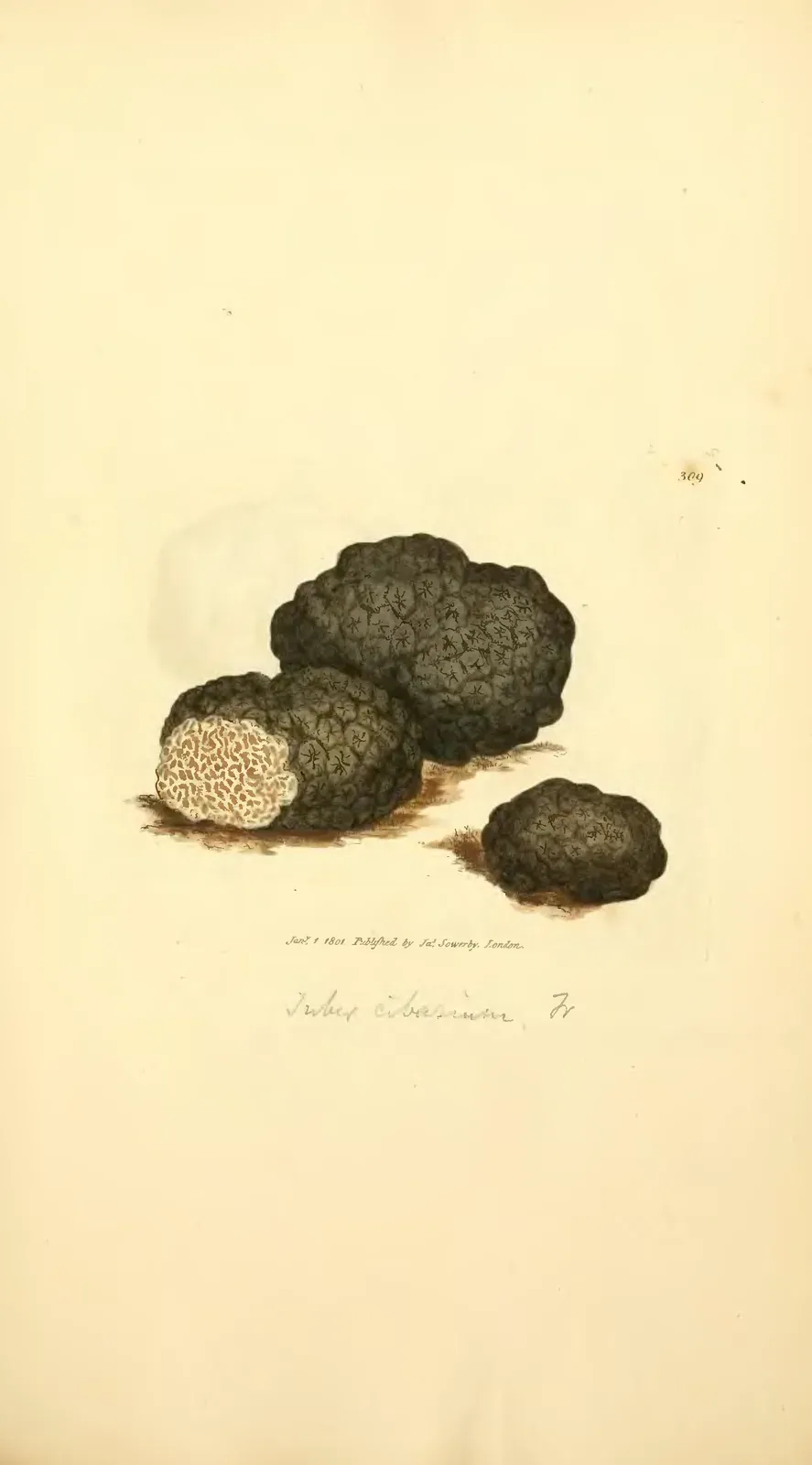 How to identify
Truffles in Ukraine: do they grow here, and where to look
Truffles aren't just a French delicacy. Several species grow in Ukraine too. Here's which ones, where they occ…
August 24, 2026·2 min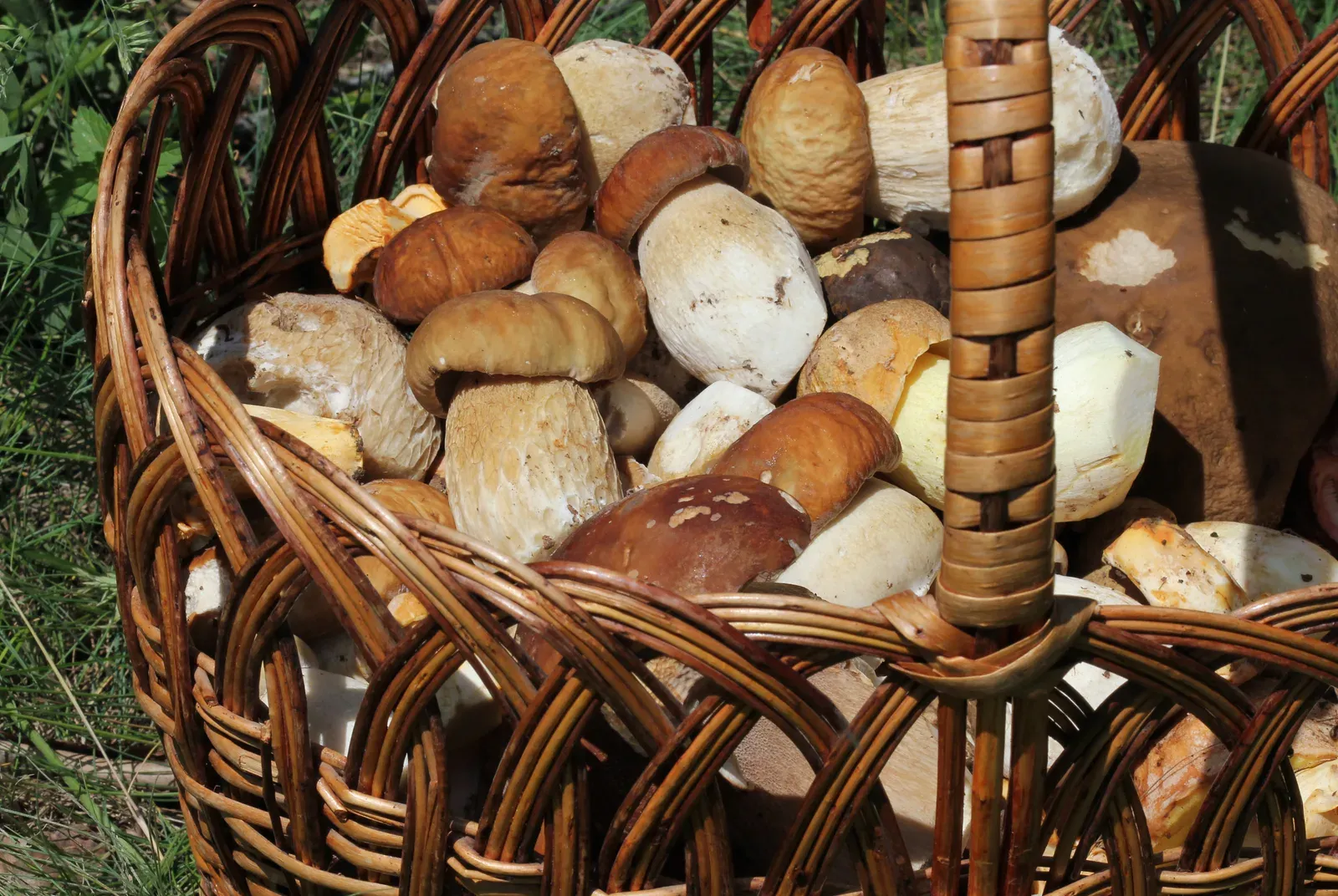 Recipes & cooking
How to store fresh mushrooms, and for how long
Fresh mushrooms spoil faster than you might think. Here's how long they keep in the fridge, how to store them…
August 21, 2026·4 min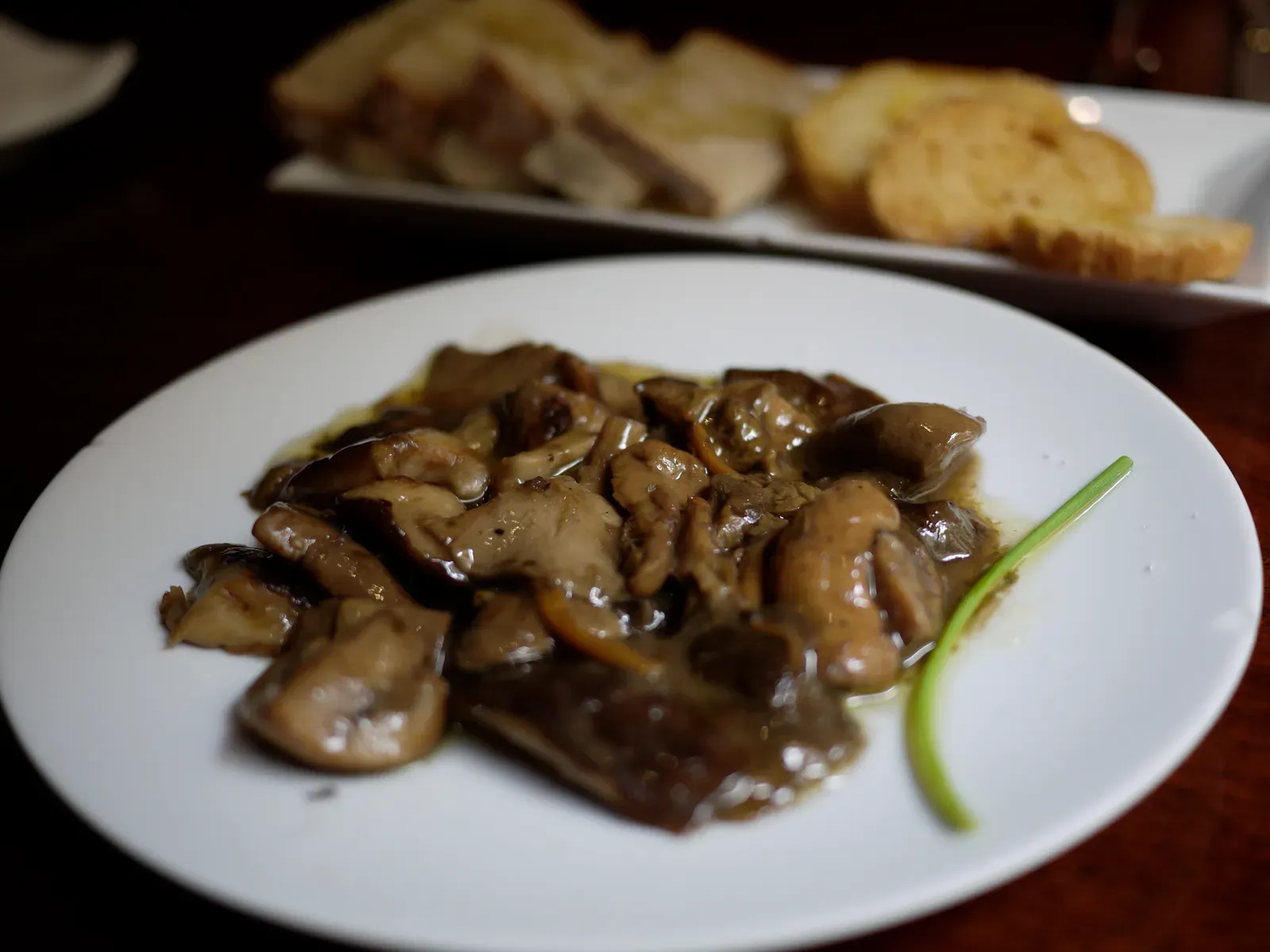 Recipes & cooking
How long to boil mushrooms
Boiling time depends on the type of mushroom and on what you're cooking next. Here's a clear cheat sheet: how…
August 22, 2026·4 min