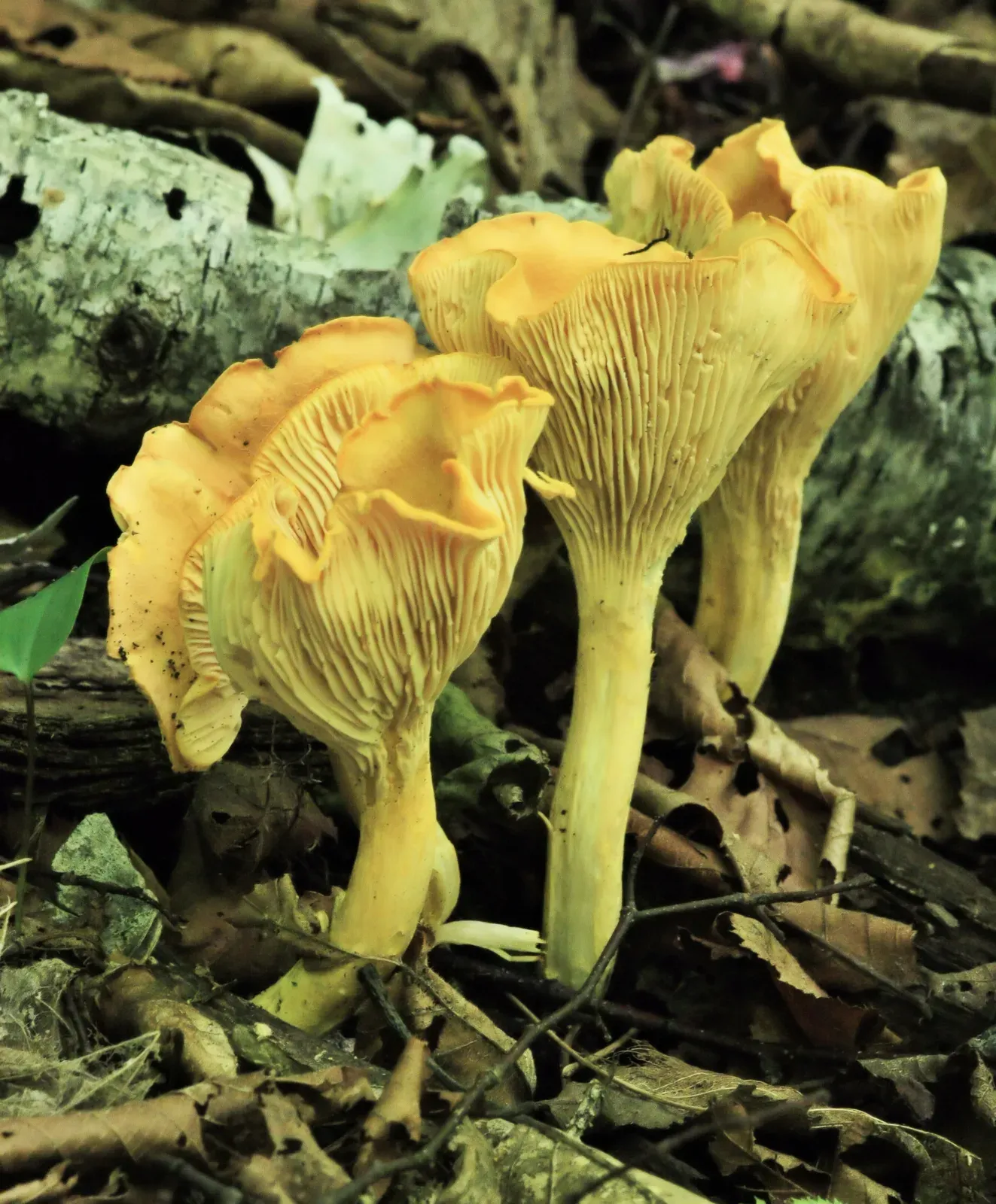
The chanterelle is not only tasty, it's one of the most beneficial mushrooms in our forests. It has traditionally been credited with many medicinal properties. Let's be honest about what's really valuable in chanterelles, what is known about the substances they contain and why mushrooms still shouldn't be considered medicine.
> This article is for general information only and is not medical advice. Chanterelles are food, not treatment; for any health questions, please see a doctor.
Why chanterelles are good for you
Vitamins. Chanterelles are rich in vitamin A (from beta-carotene, which also gives them their yellow color), B vitamins and precursors of vitamin D.
Minerals. They contain copper, zinc, potassium and iron.
Few calories. Like other mushrooms, chanterelles are filling yet light, so they suit a healthy diet.
Almost never wormy. Thanks to natural substances in their flesh, chanterelles are rarely attacked by larvae — which is why they stay clean. More in the article why the chanterelle is good for you and why it's never wormy.
What is known about the “medicinal” substances
In folk medicine, chanterelles are credited with an antiparasitic effect — it's linked to a natural substance that repels insects and makes the mushroom resistant to worm damage. The same substance is said to be why larvae avoid chanterelles.
It's important to understand: these are traditional beliefs, not a proven treatment. Folk “chanterelle remedies for parasites” do not replace diagnosis and medication prescribed by a doctor. What's more, the substances credited with this effect break down when heated, and eating raw mushrooms is dangerous — more on that in the article which mushrooms can be eaten raw.
Fresh or dried
Both fresh and dried chanterelles keep their vitamins and minerals. Dried ones are easy to store, and their aroma becomes more concentrated. But in whatever form, the chanterelle remains first and foremost a healthy food, not a medicine.
For an overview of the health benefits of mushrooms in general, see the article why mushrooms are good for you.
Who should be careful
Like all mushrooms, chanterelles are rather hard to digest, so they are not given to young children, and people with a sensitive stomach should eat them in small portions and well cooked.
Sources
- “Key to the Fungi of Ukraine” (Kyiv, Naukova Dumka publishing house).
- Cantharellus cibarius in GBIF, the global biodiversity database.
- Chanterelle on Wikipedia.
Frequently asked questions
Why are chanterelles good for you?
Chanterelles are rich in vitamin A (from beta-carotene), B and D vitamins, as well as copper, zinc and potassium — all for few calories. On top of that, they're almost never wormy.
Is it true that chanterelles cure parasites?
Chanterelles are traditionally credited with an antiparasitic effect, but that's a folk belief, not a proven treatment. Mushrooms don't replace a doctor's diagnosis and medication, so don't rely on them alone.
Are raw chanterelles healthier?
No. Eating raw mushrooms is dangerous, and the substances credited with an effect break down when heated. Chanterelles, like all mushrooms, must be cooked — it's a matter of safety.
Do dried chanterelles keep their benefits?
Yes, dried chanterelles keep their vitamins and minerals, and their aroma becomes more concentrated. Even so, they're first and foremost a healthy food, not a medicine, so don't expect a healing effect from them.
Why are chanterelles never wormy?
The chanterelle's flesh contains natural substances that repel insects and their larvae. So even a mature chanterelle stays clean — one of the reasons it's so highly prized.
Who shouldn't eat chanterelles?
Mushrooms are not given to young children, and people with sensitive digestion should eat chanterelles in small portions and well cooked. For everyone else they're good for you in moderation.
Can chanterelles be considered medicine?
No. The chanterelle is a healthy, nourishing food, but not a medicinal product. Any health problems call for a doctor's consultation, not self-treatment with mushrooms.
Mushrooms in this article
Related articles
 Science & taxonomy
Bay bolete: health benefits and nutritional value
The bay bolete is a match for porcini in both flavor and nutrition. Here's why the bay bolete is good for you,…
August 20, 2026·2 min Science & taxonomy
Honey fungus: health benefits and risks
Honey fungus is a nourishing autumn mushroom, rich in protein and minerals. Here's why honey fungus is good fo…
August 20, 2026·2 min Recipes & cooking
How to store fresh mushrooms, and for how long
Fresh mushrooms spoil faster than you might think. Here's how long they keep in the fridge, how to store them…
August 21, 2026·4 min