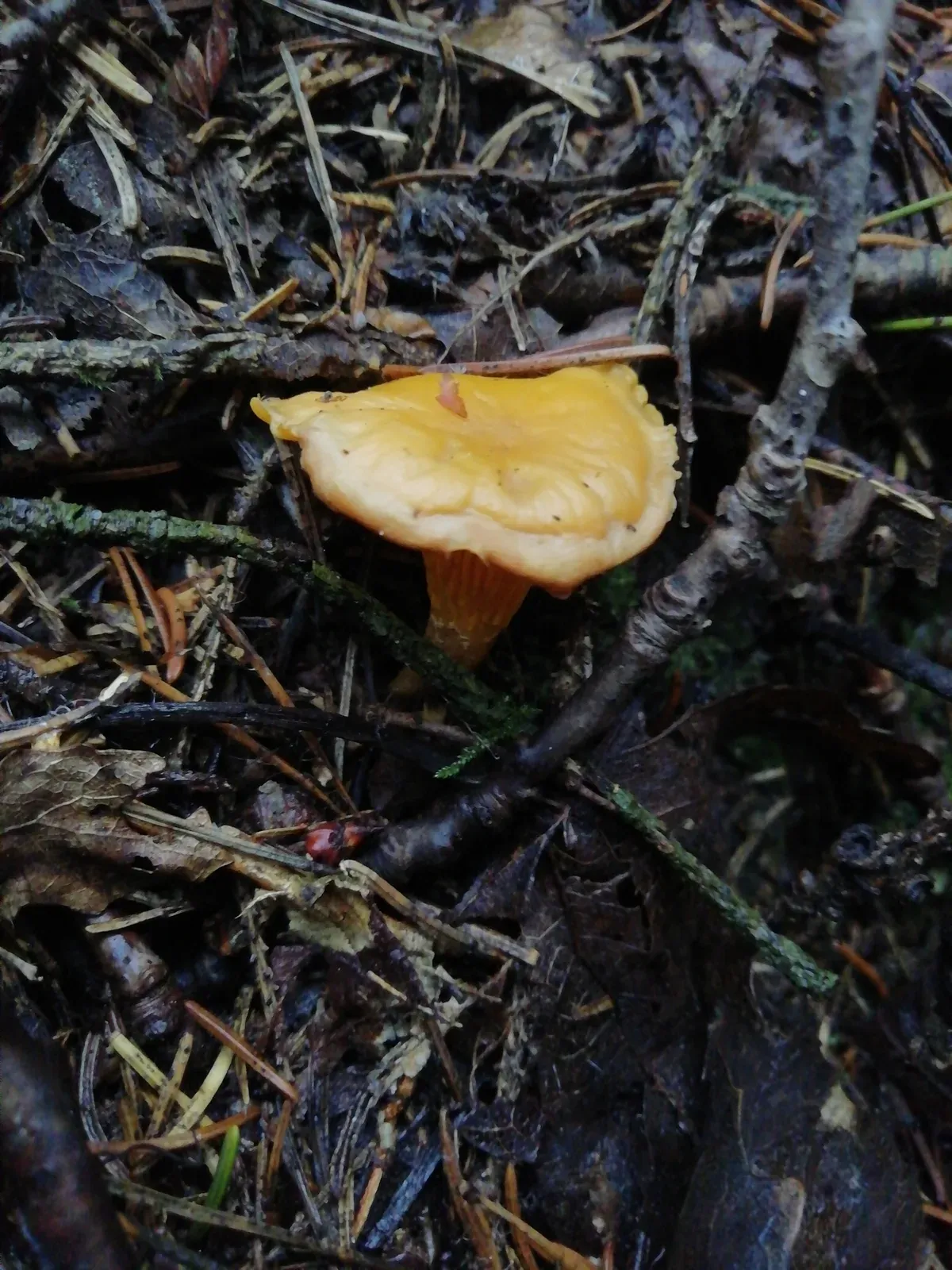
People love the chanterelle above all for its taste and aroma, but this mushroom is also valuable for its health benefits. It contains vitamins, trace elements and special substances that keep the chanterelle almost never wormy. That last trait surprises foragers the most, and it has a perfectly scientific explanation.
Let's look at why the chanterelle is good for you, what's hidden in its firm flesh and why worms give this mushroom a wide berth.
What's in a chanterelle
Like most mushrooms, the chanterelle is largely water, but it also has a valuable set of nutrients.
- Vitamins. The chanterelle is rich in provitamin A, which is what gives it its yellow color, and it also contains B vitamins and vitamin D.
- Trace elements. It contains copper, zinc and potassium, which your body needs to work properly.
- Protein and fiber. The mushroom provides plant protein and dietary fiber, which are good for digestion.
- Low in calories. At the same time, the chanterelle has few calories, so it suits light dishes well.
This combination makes the chanterelle not just tasty but a nice addition to your diet, especially in season when there are plenty of them.
Why the chanterelle isn't wormy
The chanterelle's best-known trait has a specific cause, and it lies in the chemistry of its flesh.
The chanterelle contains natural substances that act as a repellent to insect larvae and tiny parasites. To fungus gnats and worms this flesh is unpalatable and unsuitable, so they lay their eggs elsewhere. That's why the chanterelle stays clean even when the mushrooms next to it are already riddled with holes.
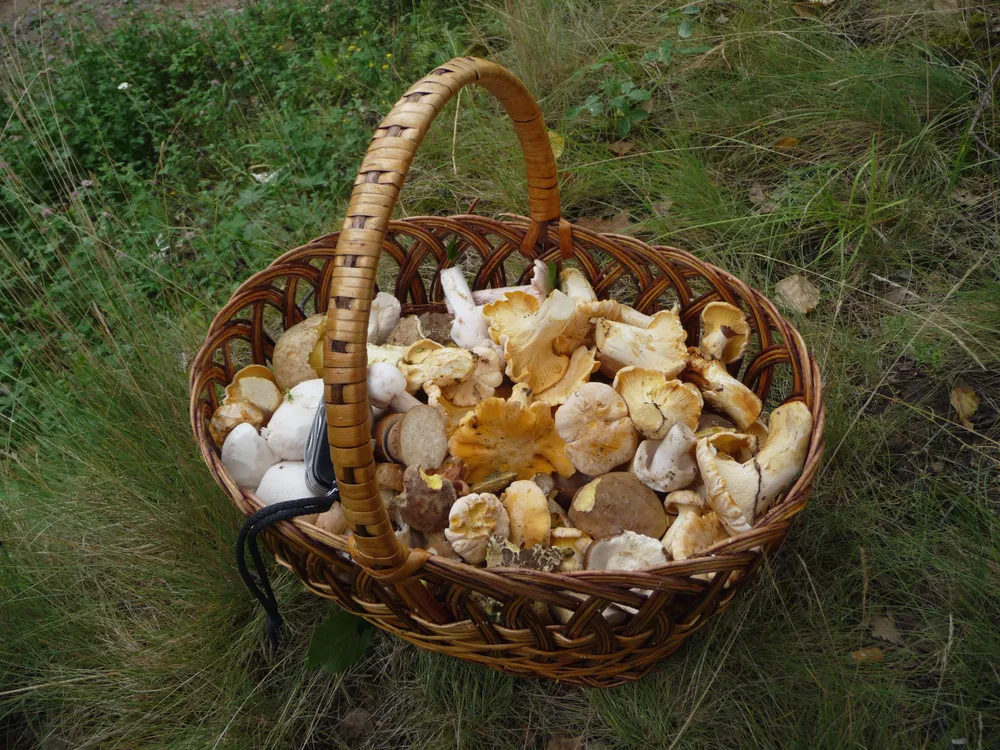
This same property is handy for the forager: you hardly ever have to throw out anything from a basket of chanterelles, and at home the mushrooms don't need lengthy sorting. We write more about worm-free mushrooms in a separate article.
How to keep the chanterelle's benefits
To get the most benefit and flavor from the mushroom, you need to handle it right.
- Cook them fresh. Freshly picked chanterelles are the most nutritious, so don't put off cooking them.
- Don't overcook. Long cooking destroys some of the vitamins and makes the mushroom itself rubbery.
- Store them properly. Fresh chanterelles keep for a few days in the fridge; for longer storage, freeze or dry them.
- Pair them with fat. Provitamin A is better absorbed with oil or butter, so fried chanterelles are not just tasty but good for you too.
We explain in detail exactly how to cook and preserve chanterelles in a separate article.
Are all chanterelles the same?
The classic yellow chanterelle isn't the only one with health benefits.
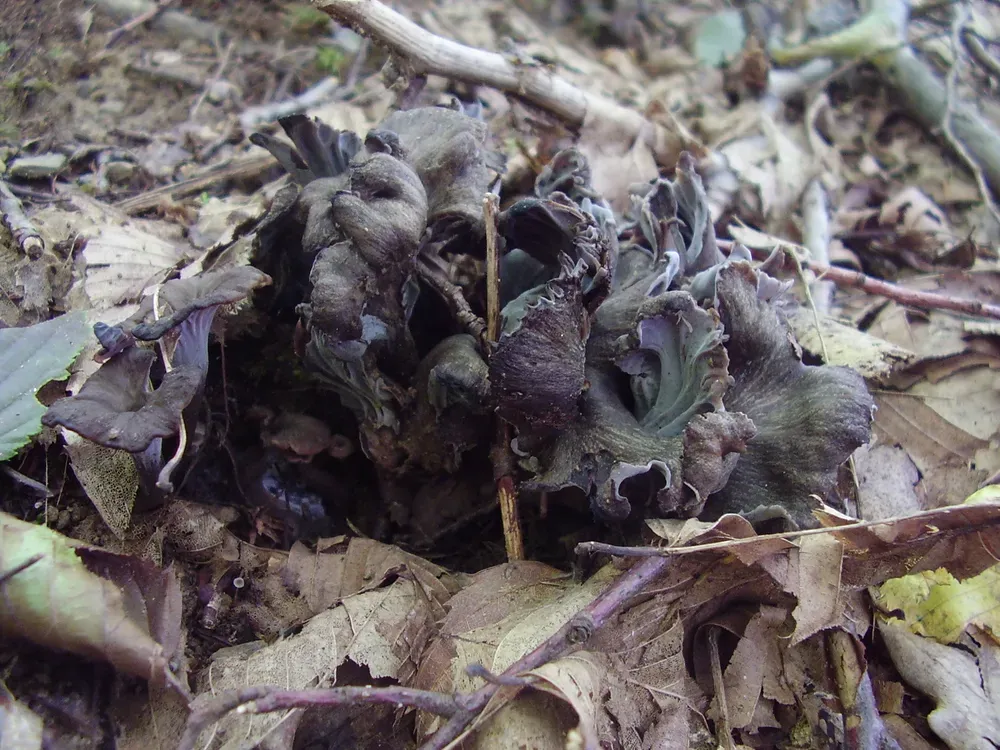
The ashen chanterelle, though darker, is also edible and fragrant, with similar firm flesh. The false chanterelle, however, doesn't make it to the table, so there's no point talking about its benefits.
The main thing to remember is that even the healthiest mushroom only does you good when it's fresh, properly cooked and picked in a clean place. Then the chanterelle becomes both a tasty and a healthy highlight of the season.
Sources
- “Key to the Fungi of Ukraine” (Kyiv, Naukova Dumka publishing house).
- Cantharellus cibarius in GBIF, the global biodiversity database.
- Cantharellus cibarius in MycoBank, the international fungal nomenclature database.
- Cantharellus cibarius on Wikipedia.
Frequently asked questions
Why is the chanterelle good for you?
The chanterelle contains provitamin A, B vitamins and vitamin D, the trace elements copper, zinc and potassium, plus plant protein and fiber. It's also low in calories, so it's a healthy part of your diet.
Why is the chanterelle almost never wormy?
Because its flesh contains natural substances that repel insect larvae. To worms and fungus gnats this flesh is unsuitable, so they avoid the chanterelle and lay their eggs elsewhere.
Which vitamins are in chanterelles?
Mostly provitamin A, which gives the mushroom its yellow color. The chanterelle also contains B vitamins and vitamin D, which are good for your nervous system and bones.
Is the chanterelle good for digestion?
Yes, thanks to its dietary fiber. The chanterelle's fiber helps your gut work. At the same time, mushrooms in general are heavy on the stomach, so it's wise not to overdo it.
How do you keep the chanterelle's benefits when cooking?
Cook them fresh, don't overcook them and pair them with oil or butter, because provitamin A is better absorbed with fat. Long cooking destroys vitamins and makes the mushroom rubbery.
Do dried and frozen chanterelles keep their benefits?
Partly, yes. Freezing and drying keep most of the nutrients, though some vitamins are lost. It's a great way to have chanterelles out of season.
Is the ashen chanterelle good for you?
Yes. is darker than the classic one, but it's also edible and fragrant, with similar firm, nutritious flesh. Because of its color, nobody mistakes it for the true chanterelle.
Can you eat chanterelles every day?
Mushrooms, chanterelles included, are heavy food for the stomach, so you shouldn't overindulge. In moderate amounts and in season, the chanterelle makes a healthy and tasty addition to your table.
Mushrooms in this article
Related articles
 Recipes & cooking
How to store fresh mushrooms, and for how long
Fresh mushrooms spoil faster than you might think. Here's how long they keep in the fridge, how to store them…
August 21, 2026·4 min How to identify
Truffles in Ukraine: do they grow here, and where to look
Truffles aren't just a French delicacy. Several species grow in Ukraine too. Here's which ones, where they occ…
August 24, 2026·2 min Recipes & cooking
How long to boil mushrooms
Boiling time depends on the type of mushroom and on what you're cooking next. Here's a clear cheat sheet: how…
August 22, 2026·4 min