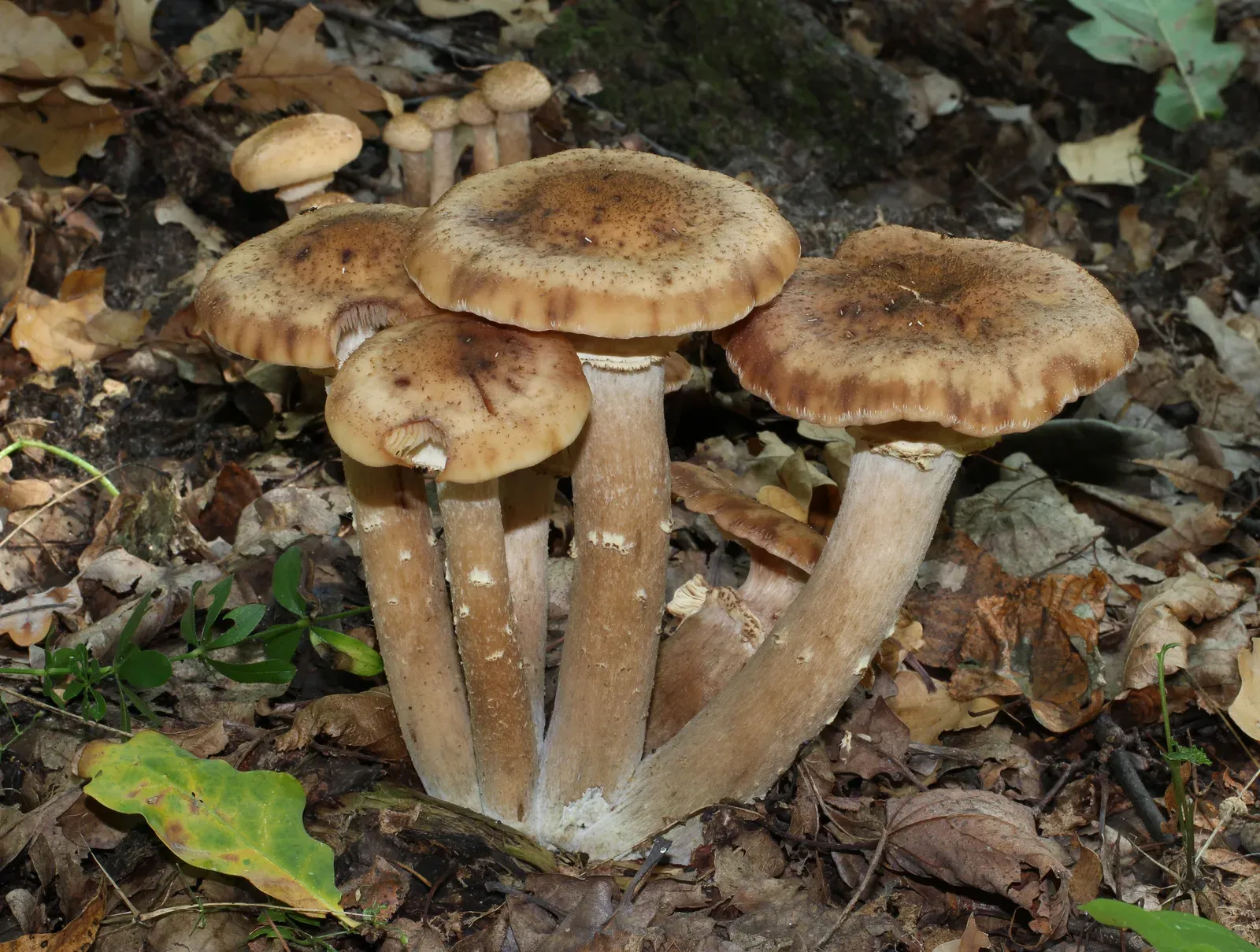
When summer warmth fades and warmth-loving mushrooms leave the stage, many people think the season is over. It isn't. The cold wakes up a special group of mushrooms that love chilly, damp days and tolerate even light frosts. Thanks to them, the forest keeps producing right up to winter.
Let's look at which mushrooms wait for the cold, how they react to the first frosts, and when it's worth heading out for them.
Why some mushrooms love the cold
Just as warmth-loving species wait for warm soil, cold-hardy ones do the opposite and wake up when the warmth fades. Their mycelium is active at low temperatures, so they fruit in late autumn, when the competition is gone.
There's natural logic to this. The late, damp, cool season with frequent rain, dew and fog is ideal for these mushrooms, and light night frosts don't scare them.
So the end of the season isn't a cliff edge, just a change in what fills your basket. To track when late mushrooms are coming up, use the mushroom radar.
The main cool-weather mushrooms
Here's who keeps the season going when it turns cold.
- **Honey fungus.** The classic mushroom of a cool autumn. It pops up en masse on stumps and roots just as the first cool, damp days set in.
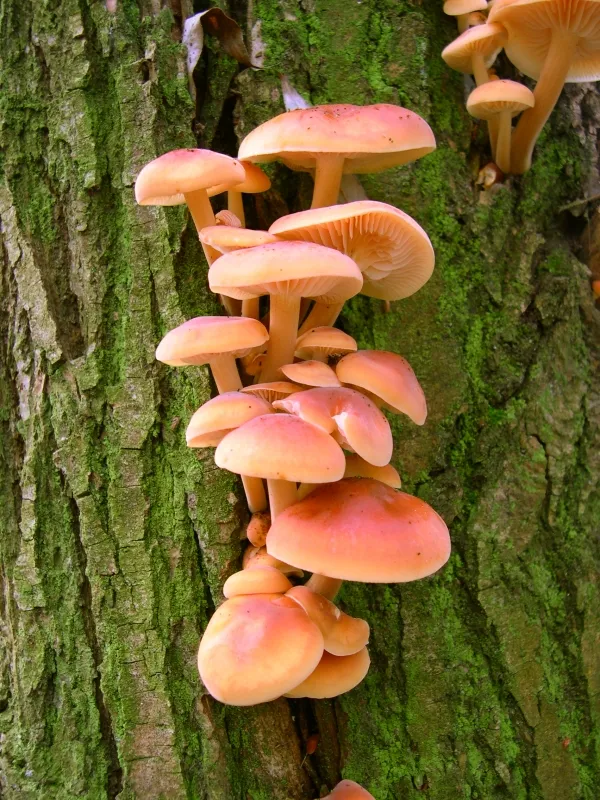
- **Velvet shank.** A true record-holder for cold hardiness: it grows in late autumn and even during winter thaws, on the trunks of broadleaf trees.
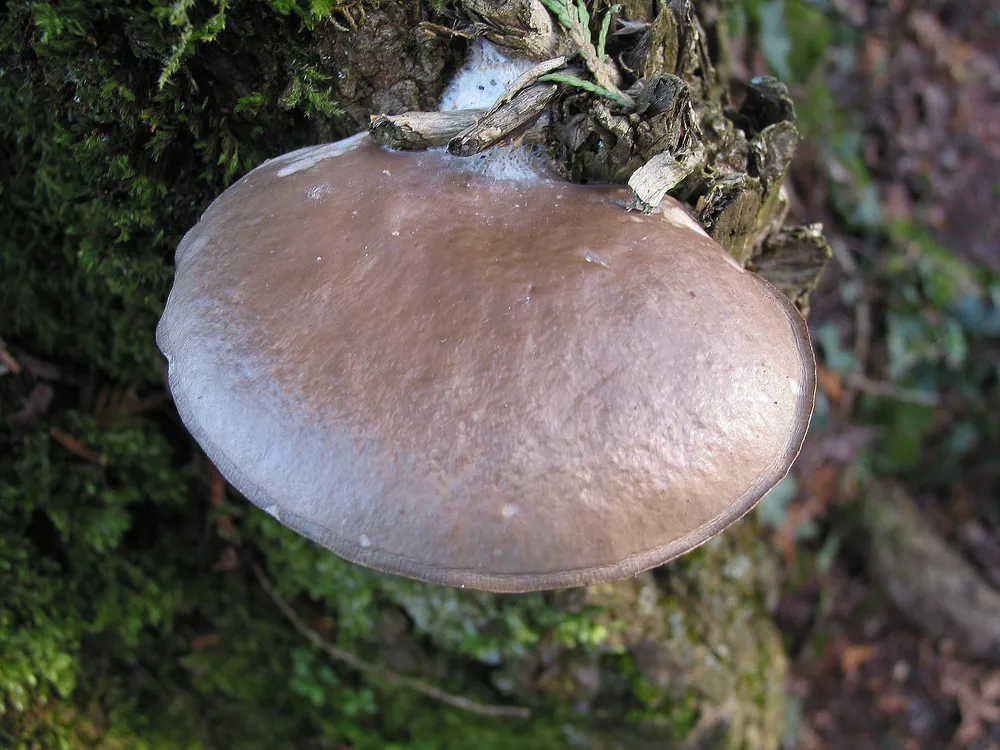
- **Oyster mushroom.** Also unafraid of the cold, it fruits on wood from autumn into winter and copes well with frosts.
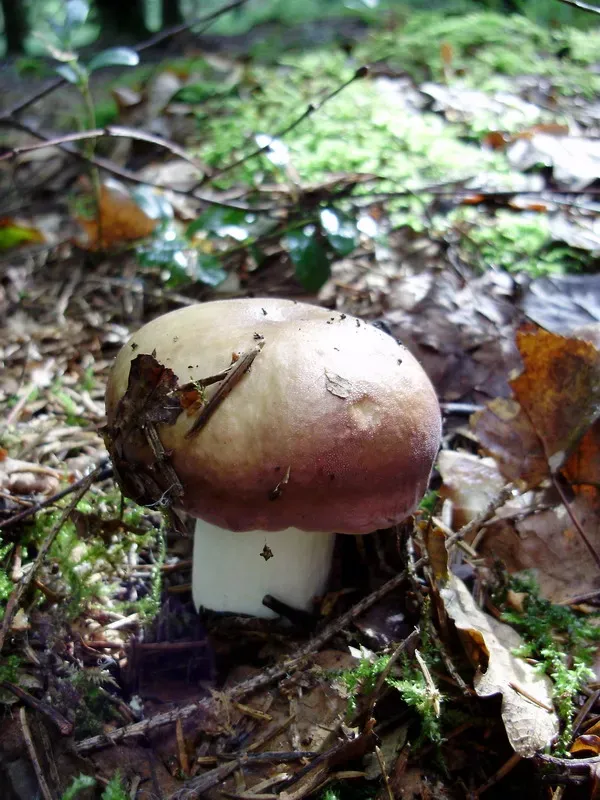
- **Late brittlegills.** Some brittlegills hang on until deep autumn, rounding out the late harvest.
What they all share is a love of cool, damp weather, so for them fading warmth is a signal to grow.
How the first frosts affect mushrooms
Light frosts affect different mushrooms in different ways.
- Warmth-loving species quickly turn black, go mushy and end their season after the first frosts.
- Cold-hardy species take a light frost in stride. Honey fungus and oyster mushroom often stand after a thaw as if nothing had happened.
- **Velvet shank** actually wakes up in the cold and can grow between frosts all winter long.
Just don't pick frost-damaged, mushy mushrooms: after a hard freeze and thaw the flesh spoils, so it's better to leave such specimens.
When and where to look for late mushrooms
A few tips will make your late-autumn foraging a success.
- Wait for cool, damp days. Frequent rain, dew and moderate cold together are best for late mushrooms.
- Look at wood. Honey fungus, oyster mushrooms and velvet shank grow on stumps, fallen branches and trunks, not in the forest litter.
- Don't let a light frost stop you. After a thaw, cold-hardy mushrooms are often intact and fine to pick.
- Skip frost-damaged mushrooms. It's better not to take specimens that have gone mushy after a hard freeze.
If you'd like to compare with the opposite camp, take a look at our piece on which mushrooms love warmth. And for the right moment for a late outing, check the mushroom radar.
Sources
- “Key to the Fungi of Ukraine” (Kyiv, Naukova Dumka publishing house).
- Armillaria mellea in GBIF, the global biodiversity database.
- Fungi in MycoBank, the international fungal nomenclature database.
- Flammulina velutipes on Wikipedia.
Frequently asked questions
Which mushrooms grow in cool weather?
Cold-hardy species: , , and some late . They wake up when summer warmth fades.
Can you pick mushrooms after the first frosts?
Yes, cold-hardy mushrooms tolerate light frosts. and often stand intact after a thaw. Just don't take frost-damaged, mushy specimens.
Which mushroom is the most cold-hardy?
. It wakes up in the cold and grows in late autumn and during winter thaws on the trunks of broadleaf trees.
Why do warmth-loving mushrooms disappear in autumn?
Once steady cool weather sets in, their mycelium goes dormant, and the first frosts quickly spoil any fruiting bodies already up. Cold-hardy species take their place.
Where should you look for late autumn mushrooms?
Mostly on wood: stumps, fallen branches and trunks. That's where you'll find , and , not in the forest litter.
Does frost spoil mushrooms?
A hard freeze followed by a thaw turns the flesh mushy and unusable. A light frost, however, does cold-hardy mushrooms no harm.
When is the best time to go for cool-weather mushrooms?
On cool, damp days with frequent rain, dew and fog. That weather is ideal for late mushrooms. For the right moment, check the .
How long does the mushroom season last?
Thanks to cold-hardy species, the forest keeps producing right up to winter. and turn up even during winter thaws, so the season has no sharp end.
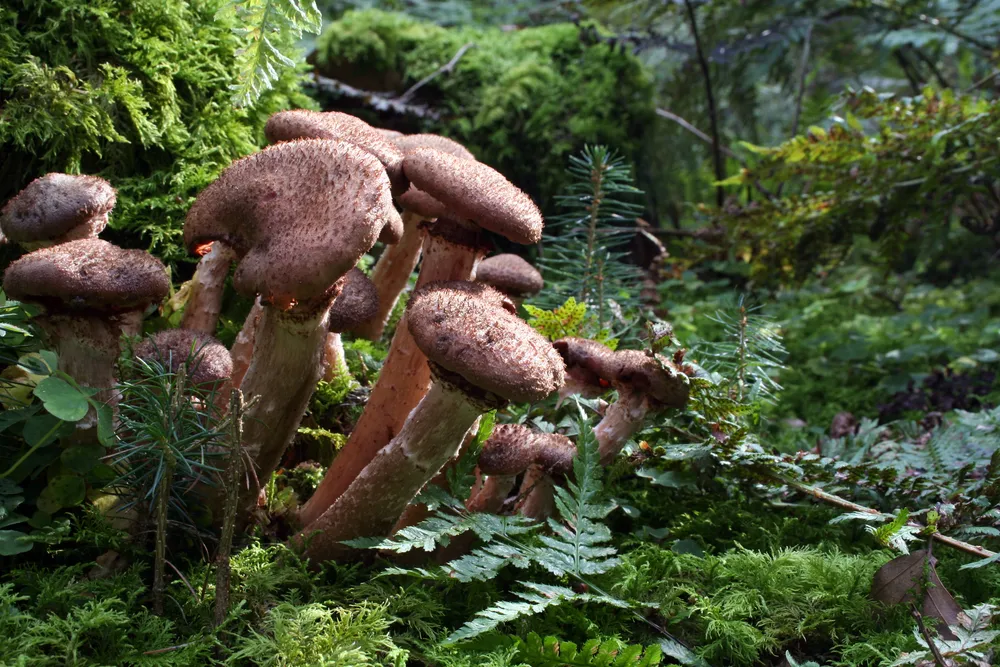
Mushrooms in this article
Related articles
 Recipes & cooking
How to store fresh mushrooms, and for how long
Fresh mushrooms spoil faster than you might think. Here's how long they keep in the fridge, how to store them…
August 21, 2026·4 min How to identify
Truffles in Ukraine: do they grow here, and where to look
Truffles aren't just a French delicacy. Several species grow in Ukraine too. Here's which ones, where they occ…
August 24, 2026·2 min Recipes & cooking
How long to boil mushrooms
Boiling time depends on the type of mushroom and on what you're cooking next. Here's a clear cheat sheet: how…
August 22, 2026·4 min