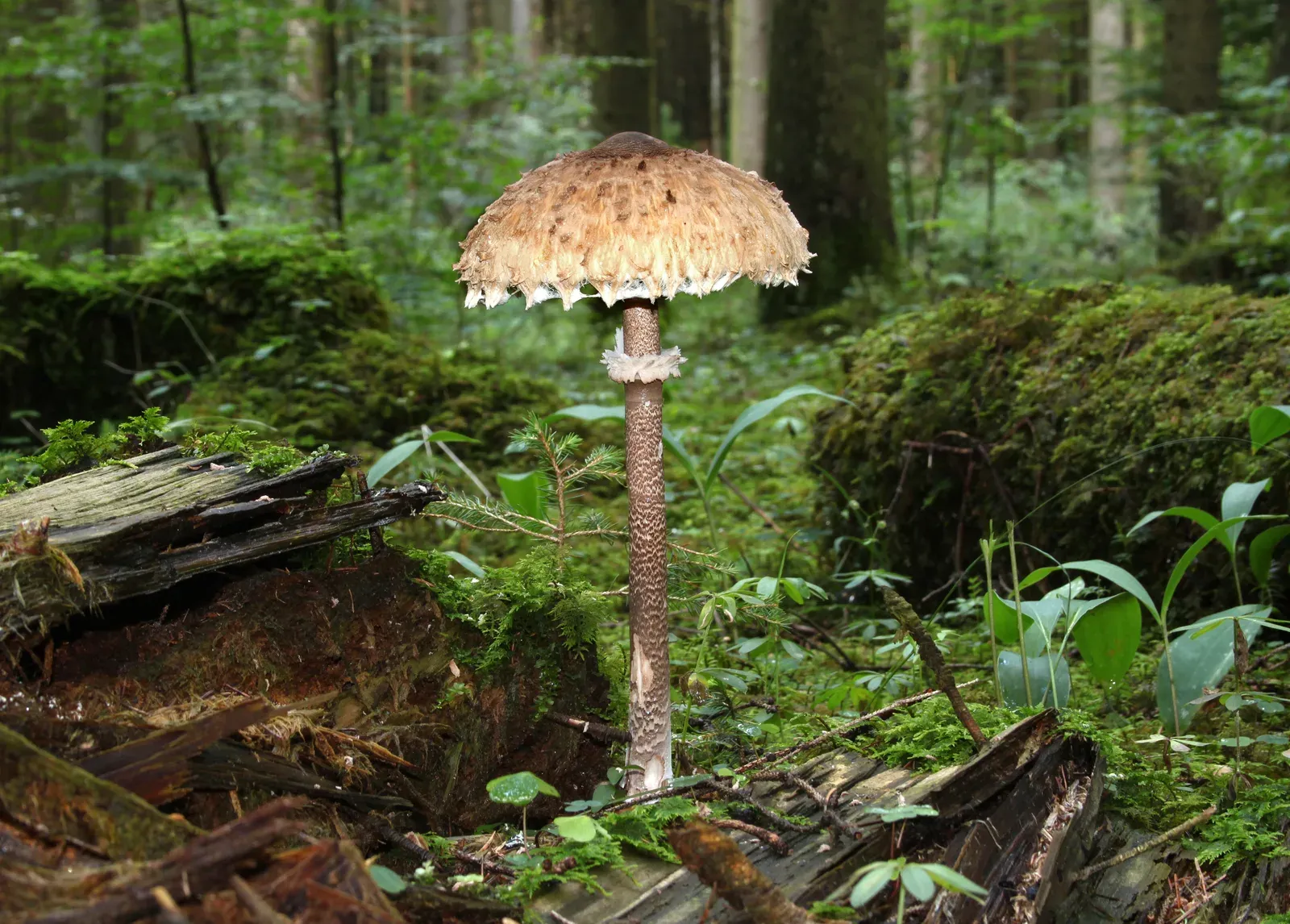
It happens: there's been no rain for several days, yet mushrooms keep popping up in the forest. The secret is often the quiet night moisture, the dew and fog that support the mycelium while there's no rain. It's a hidden helper that foragers sometimes overlook.
Let's look at exactly how dew and fog help mushrooms, why autumn mornings can be especially generous, and when you can count on this moisture.
How night moisture supports mushrooms
During the day the forest gives off moisture, and at night, as the temperature drops, water condenses out of the air. It settles as dew on grass, leaves and the forest floor, and gathers as fog in low-lying spots.
This moisture isn't as powerful as rain, but it noticeably slows the drying of the topsoil, where the mycelium lives. Thanks to dew, the leaf litter stays a little damp for longer between rains, and the mycelium doesn't shut down as quickly.
That's why, in dry spells, it's often night moisture that decides whether you'll find anything in the forest at all. Together with the moisture stored in the soil, it's also taken into account by the mushroom radar.
Why autumn mornings are especially generous
In autumn, dew and fog get thicker than in summer, and that's no accident. The days are still warm, but the nights are already long and cool, so the temperature difference is large and a lot of moisture condenses.
This kind of weather is ideal for many mushrooms:
- Daytime warmth keeps the mycelium active.
- Cool, damp nights keep the leaf litter from drying out.
- Thick morning fog gives the forest extra moisture.
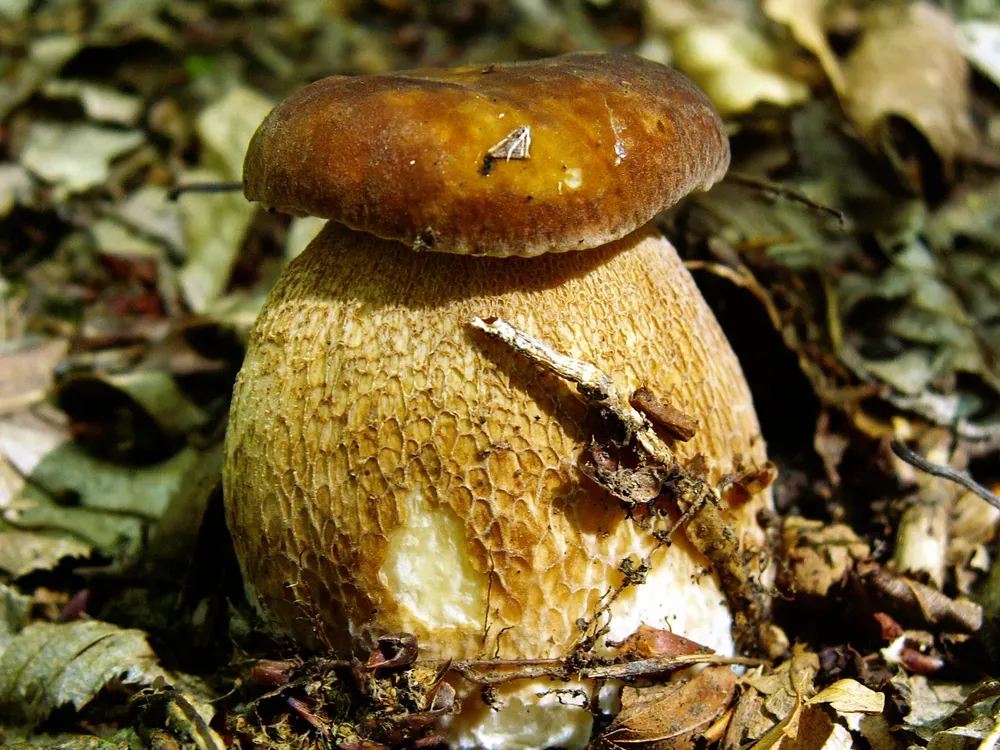
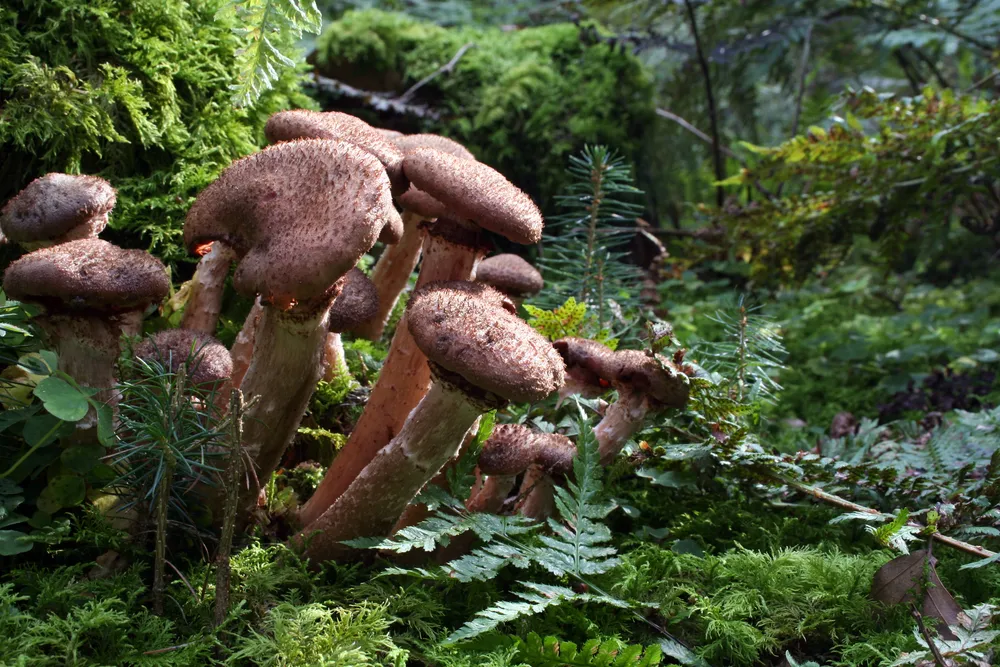
That's why golden autumn, the Indian summer, brings the richest flushes of mushrooms, including honey fungus and porcini. We talk about this period in more detail in our article on Indian summer.
When dew won't save the day
It's important not to overestimate night moisture. It's only a helper, not a substitute for rain.
- After a long drought dew won't help, because parched soil needs real rainfall, and a thin layer of night moisture isn't enough for that.
- In windy, dry weather hardly any dew forms, so it's of no use.
- In open, sunny spots morning moisture evaporates quickly as soon as the sun comes up.
So dew works well as a supplement while the soil still holds a reserve of moisture. But when the forest has dried out completely, you need a proper rain.
How to use night moisture in practice
A few simple habits will help you make the most of this hidden helper.
- Head out early in the morning. Until the dew evaporates, the leaf litter is damp and the mushrooms are fresh and firm.
- Search in low-lying spots and near water. That's where the most fog and dew gather at night.
- Value cool, damp nights. After them, even without rain, you're more likely to find something in the forest.
- Don't rely on dew during a drought. If there's been no rain for weeks, it's better to wait for it.
The combination of warm days and damp nights is one of the best signals for a forager. To keep track of such periods, use the mushroom radar.
Sources
- “Identification Guide to the Fungi of Ukraine” (Kyiv, Naukova Dumka publishers).
- Macrolepiota procera on GBIF, the global biodiversity database.
- Fungi on MycoBank, the international fungal nomenclature database.
- Dew on Wikipedia.
Frequently asked questions
Does dew help mushrooms grow?
Yes, night moisture slows the drying of the leaf litter between rains, so the mycelium stays active longer. Dew doesn't replace rain, but it supports mushrooms during dry spells.
Why is there so much dew and fog in autumn?
In autumn the days are still warm, while the nights are long and cool. The big temperature difference leads to heavy condensation, so dew and fog get thicker than in summer.
Why are autumn mornings so rich in mushrooms?
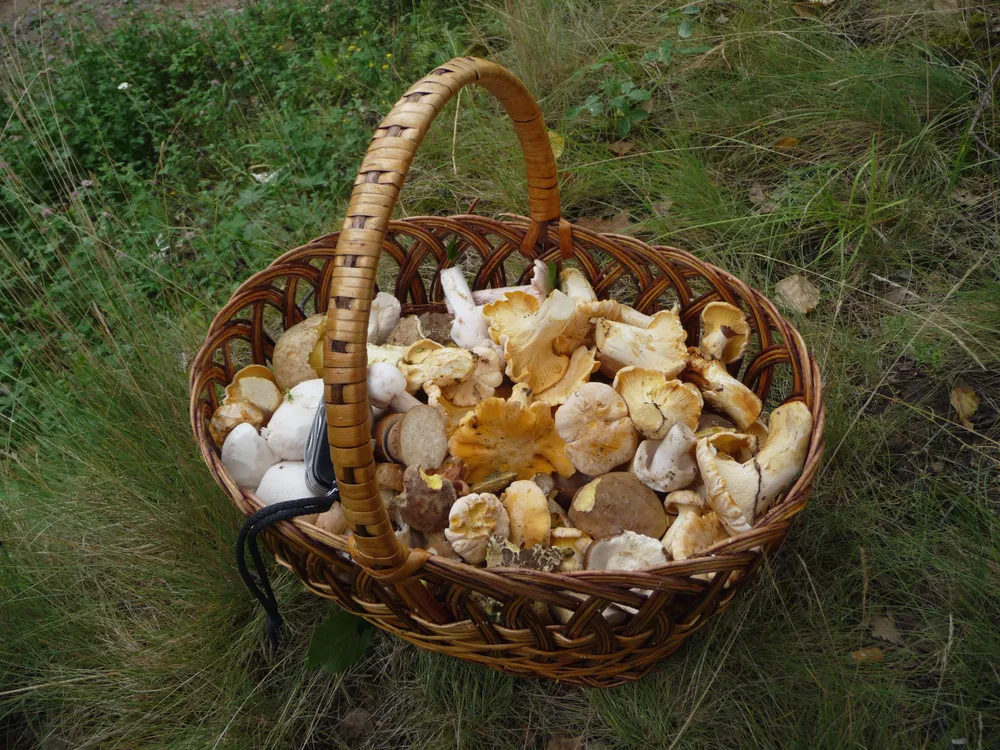
Because they combine daytime warmth, cool damp nights and thick fog. These conditions are ideal for many species, including and .
Can mushrooms grow on dew alone, without rain?
If the soil still holds a reserve of moisture, dew helps mushrooms hold on. But after a long drought, night moisture alone isn't enough; you need a proper rain.
When is the best time to go out and take advantage of the dew?
Early in the morning, before the dew evaporates. That's when the leaf litter is damp and the mushrooms are fresh. The best places are low-lying spots and areas near water, where fog gathers at night.
Why doesn't dew help during a drought?
Parched soil needs real rainfall, and a thin layer of night moisture isn't enough to soak it. On top of that, in dry, windy weather hardly any dew forms.
Where are dew and fog heavier?
In lowlands, hollows, meadows and near water. Cool, moist air drains down there, so that's where the most moisture condenses, unlike on open, sunny slopes.
How do you factor in night moisture when planning a trip?
Watch for the combination of warm days and cool, damp nights; it's a good sign. To keep track of such periods, use the , which takes stored moisture into account.
Mushrooms in this article
Related articles
 Recipes & cooking
How to store fresh mushrooms, and for how long
Fresh mushrooms spoil faster than you might think. Here's how long they keep in the fridge, how to store them…
August 21, 2026·4 min How to identify
Truffles in Ukraine: do they grow here, and where to look
Truffles aren't just a French delicacy. Several species grow in Ukraine too. Here's which ones, where they occ…
August 24, 2026·2 min Recipes & cooking
How long to boil mushrooms
Boiling time depends on the type of mushroom and on what you're cooking next. Here's a clear cheat sheet: how…
August 22, 2026·4 min