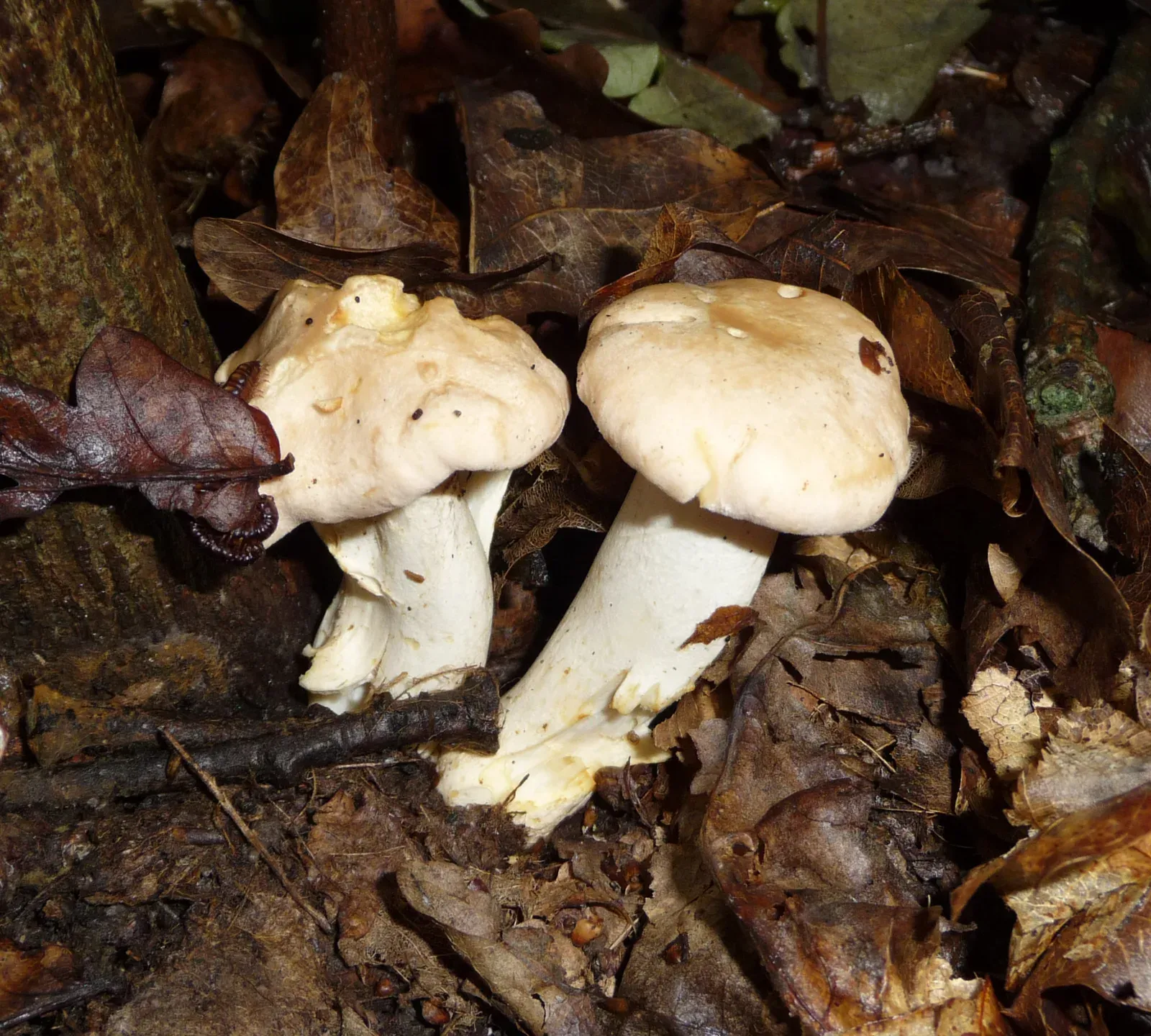
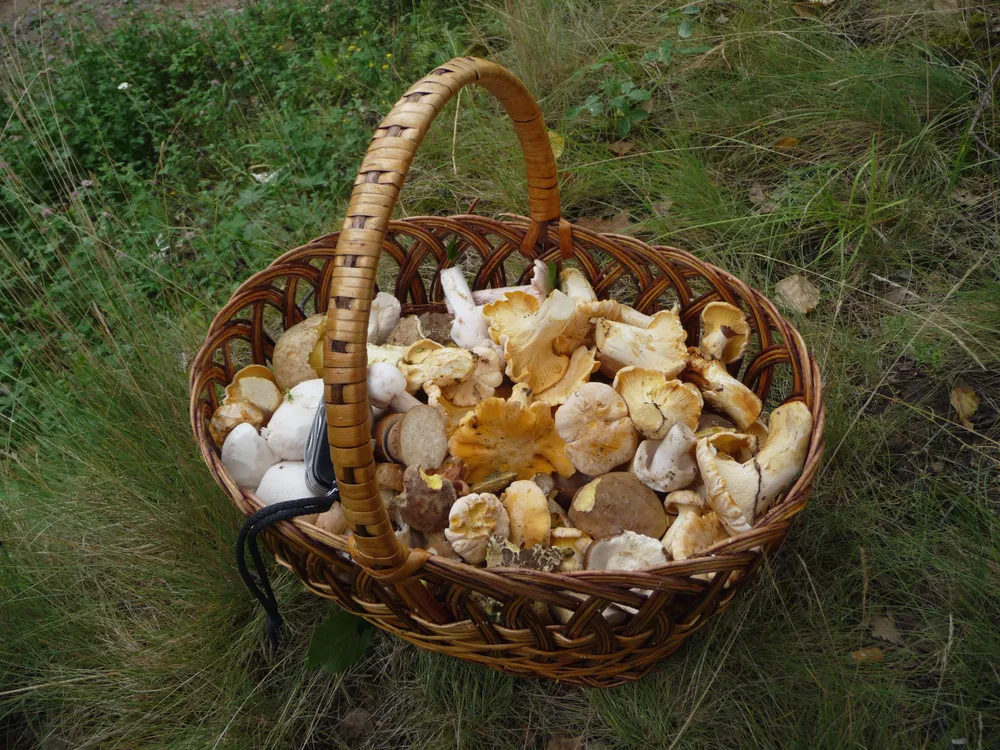
For many foragers, June is above all the month of chanterelles. As soon as the forest drinks in the warm rains, bright yellow clusters light up among the moss, and you simply can't walk past them. It's one of the first truly generous flushes of summer.
Let's look at exactly when the first chanterelles appear, which forests to search, and why beginners love these mushrooms so much.
When the first chanterelles appear
The chanterelle gets going right after the warm June rains, most often in the second half of the month. It needs warmth and moisture together, so it waits out a dry, cold spring underground, but after the first thunderstorms it pops up all at once.
Once it appears, the chanterelle sticks around for a long time, right up to the autumn frosts. But it's the first flush, in June, that's especially rewarding: there are plenty of mushrooms, and they're young, springy and clean.
So you don't have to guess when moisture and warmth will line up, rely on the mushroom radar: it will show you the best moment for an outing.
Where to look for chanterelles in June
The chanterelle loves moderately damp, slightly shaded spots with moss and fallen leaves. It's worth looking for it in different types of forest.
- **Deciduous forest.** Under oaks and beeches, chanterelles grow in large clusters, especially in grassy patches.
- **Mixed forest.** Great spots are where birch grows alongside pine, among the moss on forest edges.
- **Coniferous forest.** You'll find chanterelles in pine forests too, most often in mossy hollows where moisture lingers longer.
Here's one useful habit. When you find one cluster, don't rush off: chanterelles grow in groups, and there are almost always a few more patches hiding nearby.
Why chanterelles aren't maggoty
Perhaps the main reason people love chanterelles, besides the flavor, is that they're almost never maggoty. Chanterelle flesh contains natural substances that repel insect larvae, so they simply leave it alone.
In June, that's priceless. Even in warm weather, when other mushrooms are quickly ruined by maggots, you bring chanterelles home clean. You don't have to sort through them meticulously and cut out the spoiled bits.
Another plus: chanterelles travel well. Thanks to their dense, springy flesh, they don't crumble or get crushed in the basket, so they make it home intact even after a long walk.
How to recognize a true chanterelle
The classic chanterelle is easy to recognize, but it's worth knowing its features so you don't confuse it with mushrooms that only look similar.
- Color. An even egg-yolk yellow or light orange, the same on both the cap and the stem.
- Underside of the cap. Not gills, but thick, forked ridges that run down onto the stem.
- Flesh. Dense, springy, with a light fruity smell, not bitter in taste.
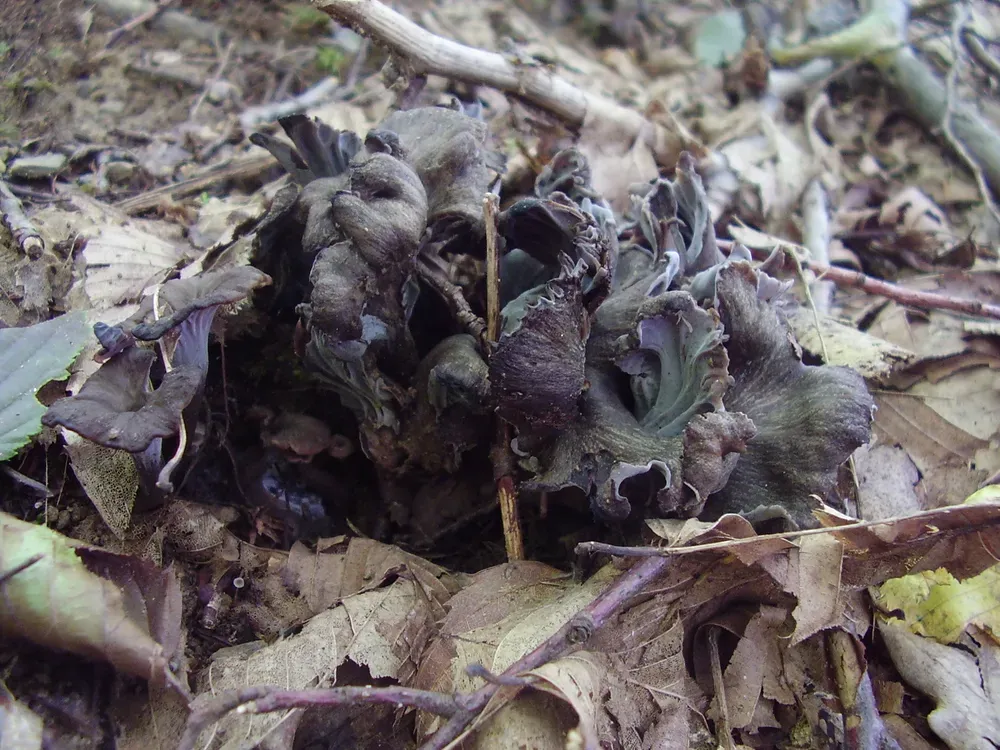
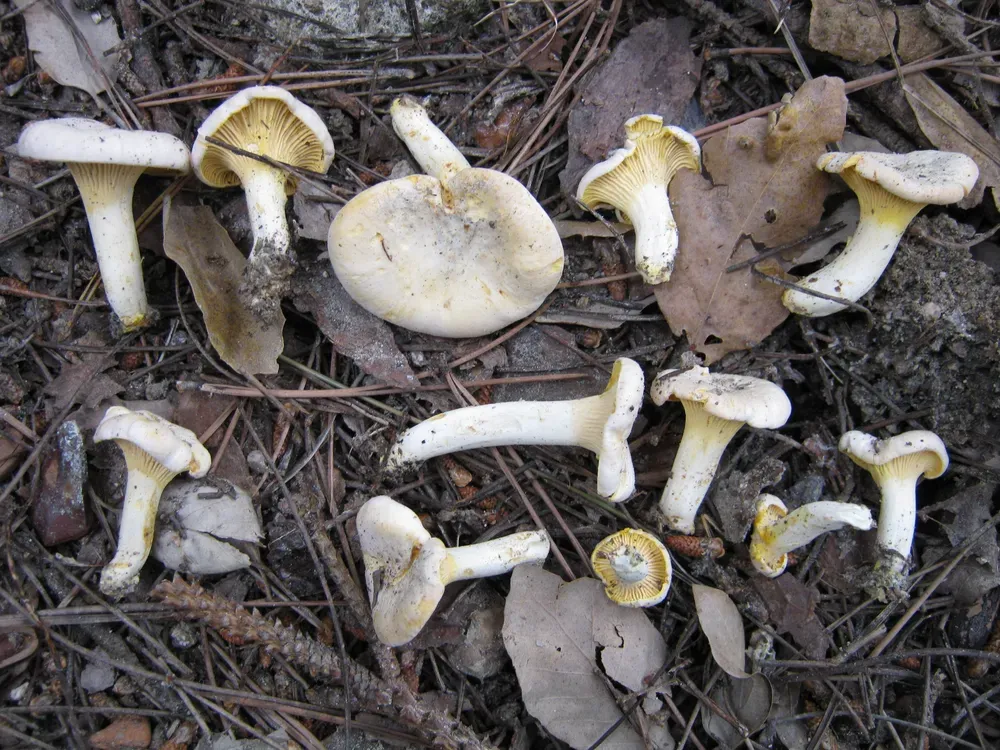
Besides the common one, Ukrainian forests are also home to the ashen chanterelle and Cantharellus pallens. They're all edible and differ mainly in color.
The false chanterelle: what to watch for
The most common source of doubt is the false chanterelle. It's a separate, reddish-orange mushroom that grows in the same forests, and beginners sometimes pick it instead of the true chanterelle.
Telling them apart is actually easy if you know the key features:
- Underside of the cap. The true chanterelle has thick, forked ridges running down onto the stem. The false one has real, thin, crowded gills.
- Color. The true chanterelle is an even egg-yolk yellow. The false one is brighter, reddish-orange, with a darker center to the cap.
- Flesh. In the true one it's dense and springy; in the false one it's thinner and softer.
The false chanterelle isn't deadly, but it gives some people an upset stomach, so it's not worth picking. Go by the main feature: ridges instead of gills under the cap. If you're unsure of the species, it's better to leave the mushroom in the forest.
Sources
- “Field Guide to the Fungi of Ukraine” (Kyiv, Naukova Dumka publishing house).
- Cantharellus cibarius on GBIF, the global biodiversity database.
- Cantharellus on MycoBank, the international fungal nomenclature database.
- Cantharellus cibarius on Wikipedia.
Frequently asked questions
When do the first chanterelles appear?
The first come up after the warm June rains, most often in the second half of the month. They need warmth and moisture together, so after the first thunderstorms they pop up all at once.
Where should you look for chanterelles in June?
In , and , among moss and fallen leaves, in slightly damp, shaded spots. Chanterelles grow in clusters, so search nearby.
Why aren't chanterelles maggoty?
Chanterelle flesh contains natural substances that repel insect larvae. So even in warm weather the chanterelle stays clean, unlike many other mushrooms.
How do you recognize a true chanterelle?
By its even egg-yolk yellow color, thick forked ridges instead of thin gills under the cap, and dense, springy flesh with no bitterness.
Are all chanterelles edible?
The common, and chanterelles are edible. But if a mushroom has real thin gills and a reddish cap, it may be an inedible lookalike, so it's better not to pick it.
How long do chanterelles keep fruiting?
A long time: once it appears in June, the chanterelle sticks around until the autumn frosts. But the first summer flush is especially generous and gives the cleanest young mushrooms.
Do chanterelles travel well?
Very well. Thanks to their dense, springy flesh, chanterelles don't crumble or get crushed in the basket, so they make it home intact even after a long outing.
When is the best time to go for chanterelles?
Two or three days after a warm rain, when the soil is soaked with moisture. The best moment for your region will be shown by the .
Mushrooms in this article
Related articles
 Recipes & cooking
How to store fresh mushrooms, and for how long
Fresh mushrooms spoil faster than you might think. Here's how long they keep in the fridge, how to store them…
August 21, 2026·4 min How to identify
Truffles in Ukraine: do they grow here, and where to look
Truffles aren't just a French delicacy. Several species grow in Ukraine too. Here's which ones, where they occ…
August 24, 2026·2 min Recipes & cooking
How long to boil mushrooms
Boiling time depends on the type of mushroom and on what you're cooking next. Here's a clear cheat sheet: how…
August 22, 2026·4 min