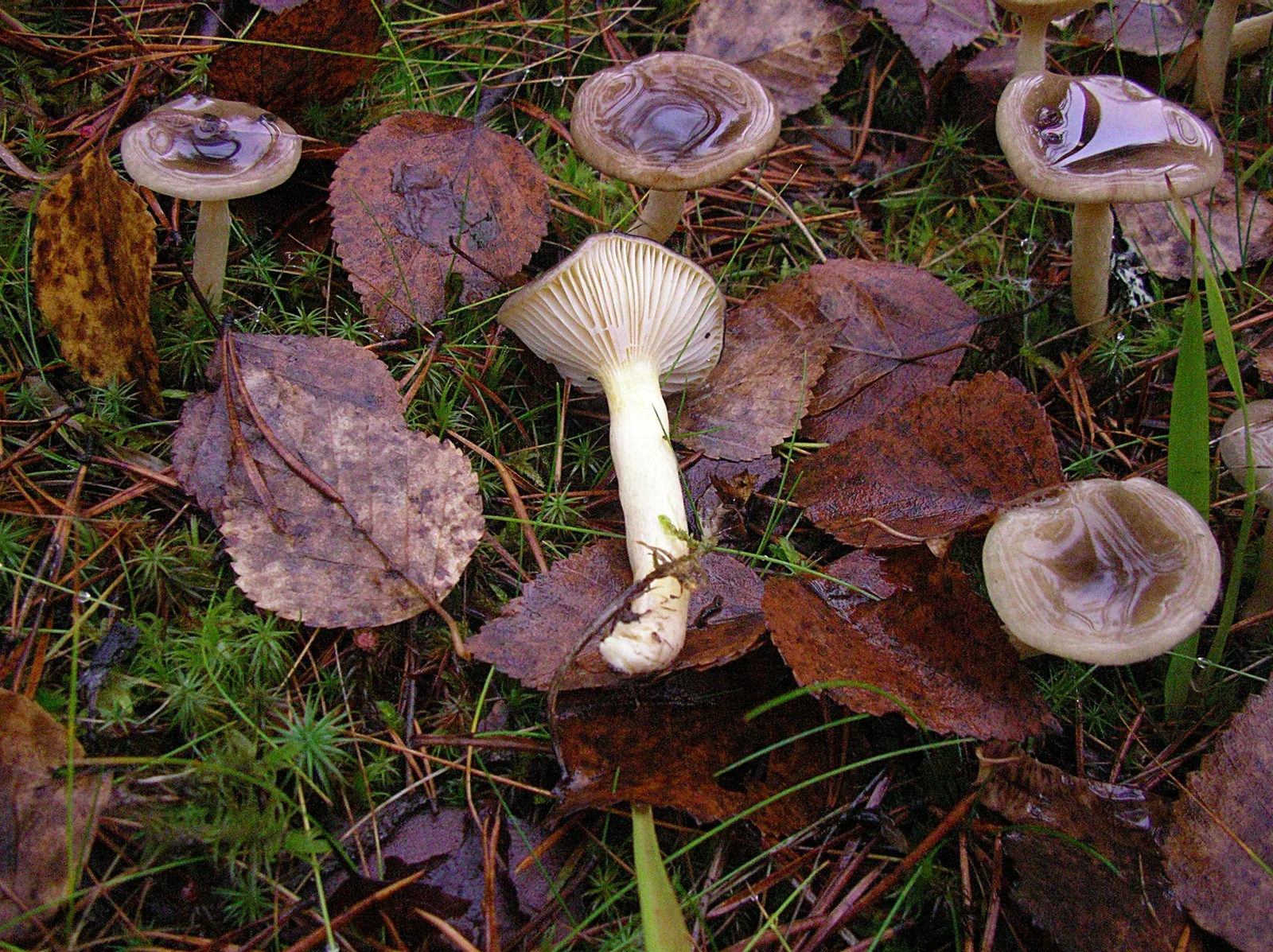
The herald of winter is a mushroom for those in no hurry to close the season. It comes out when boletes and honey fungus are already gone and the first cold has gripped the forest. Its slimy olive cap turns up in pine forests long after the first frosts, so for an attentive forager it's the last autumn find.
Let's look at how to recognize the herald of winter, where it grows and whether it's worth a place in your basket.
How to recognize the herald of winter
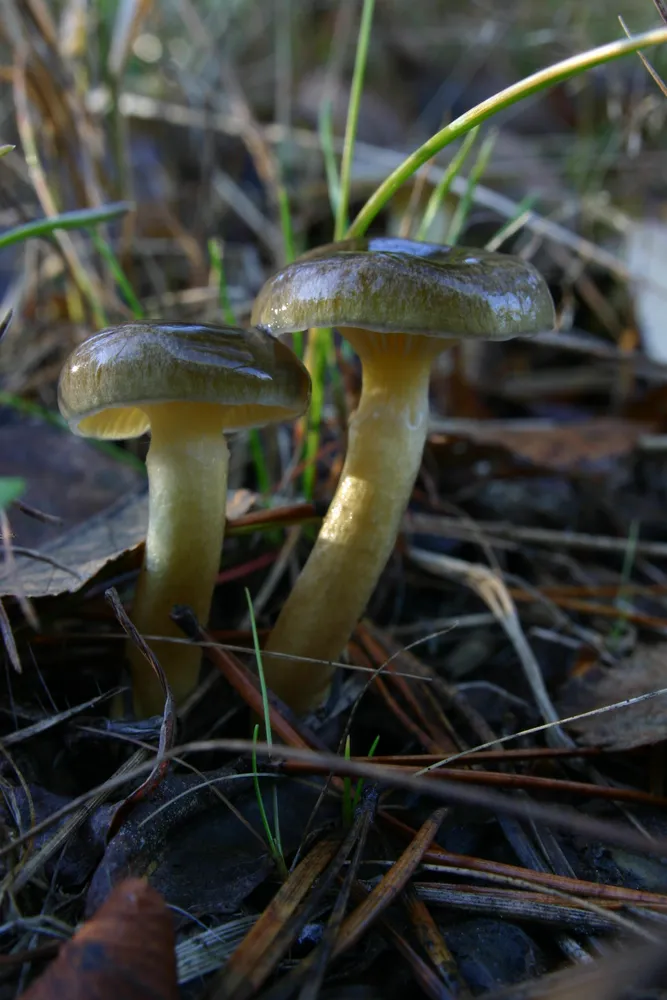
- Cap 3–6 cm, olive-brown or gray-olive, very slimy, with a darker center and a paler margin.
- Gills widely spaced, thick, waxy to the touch, whitish-yellowish, running down the stem.
- Stem yellowish, also slimy, often with a ring-like zone left by the slime.
- Flesh whitish-yellow, with no particular taste or smell.
Gills that feel waxy to the touch are the genus trait of woodwaxes (Hygrophorus), the one they're recognized by.
Where and when it grows
The herald of winter is closely tied to pine and grows in pine and mixed forests on sandy soils. It's one of the latest mushrooms: it appears in October and keeps going all through November, often after the frosts have already come, when there's almost nothing left in the forest. For more on other mushrooms that grow in November, see our separate article.
Its relative, Hygrophorus leucophaeus, is found in broadleaf forests under beeches.
Is it edible
The herald of winter is edible, though not highly valued. Because of the slime it's washed before cooking, and sometimes the skin is peeled off the cap; then it's fried or pickled along with other autumn mushrooms. Its main value is precisely its late season, when there's almost nothing else to choose from.
What to keep in mind
- A slimy cap is normal. It's a feature of woodwaxes, not a sign of spoilage.
- Pick in clean pine forests. Late mushrooms stand for a long time, so choose young, sturdy specimens.
- Wash off the sand and slime before cooking.
Sources
- “Identification Guide to the Fungi of Ukraine” (Kyiv, Naukova Dumka publishing house).
- Hygrophorus hypothejus in GBIF, the global biodiversity database.
- Hygrophorus in MycoBank, the international fungal nomenclature database.
- Hygrophorus on Wikipedia.
Frequently asked questions
How do you recognize the herald of winter?
By its slimy olive-brown cap, widely spaced waxy gills running down the stem, and slimy yellowish stem. It grows in pine forests in late autumn.
When does the herald of winter grow?
From October through November, often after the first frosts. It's one of the latest mushrooms of the season.
Where should you look for the herald of winter?
In pine and mixed forests on sandy soils, under pines. Its relative Hygrophorus leucophaeus grows in broadleaf forests under beeches.
Is the herald of winter edible?
Yes, it's edible, though not highly valued. It's washed of slime, sometimes peeled, and cooked along with other autumn mushrooms.
Why is the herald of winter's cap slimy?
Slime is a natural feature of many woodwaxes that helps the mushroom hold on to moisture. It's not a sign of spoilage.
What does the name “Hygrophorus” mean?
It points to a “love of moisture”: woodwaxes are often slimy and grow in damp conditions. And “herald of winter” because it fruits at the end of the season.
Can you confuse the herald of winter with a poisonous mushroom?
It has no dangerous deadly look-alikes, but you should identify the mushroom by the full set of features — the slimy olive cap and waxy gills are quite distinctive.
How is the herald of winter cooked?
It's washed, the slimy skin is peeled off if you like, and it's fried or pickled along with other late autumn mushrooms.
Mushrooms in this article
Related articles
 How to identify
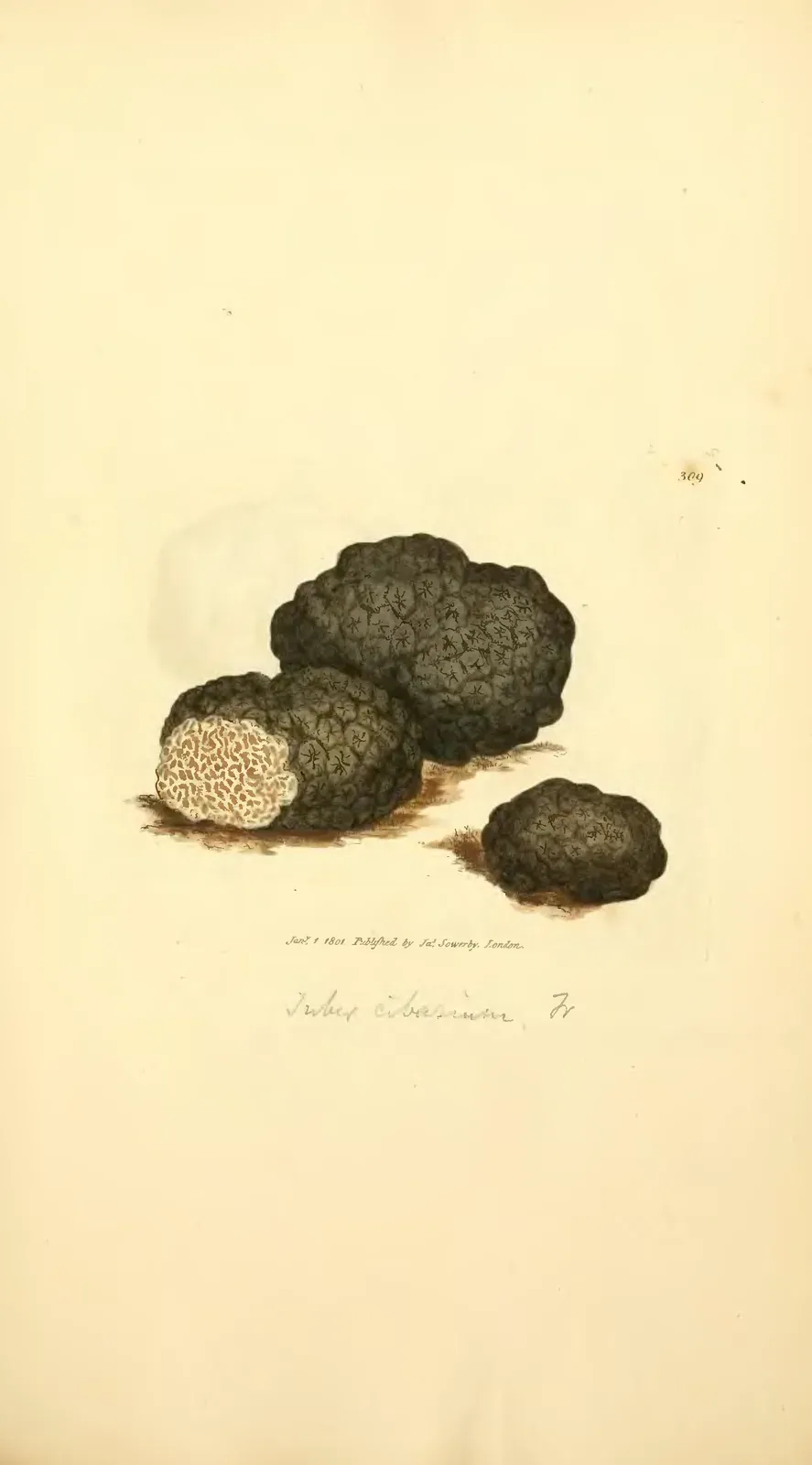
Truffles in Ukraine: do they grow here, and where to look
Truffles aren't just a French delicacy. Several species grow in Ukraine too. Here's which ones, where they occ…
August 24, 2026·2 min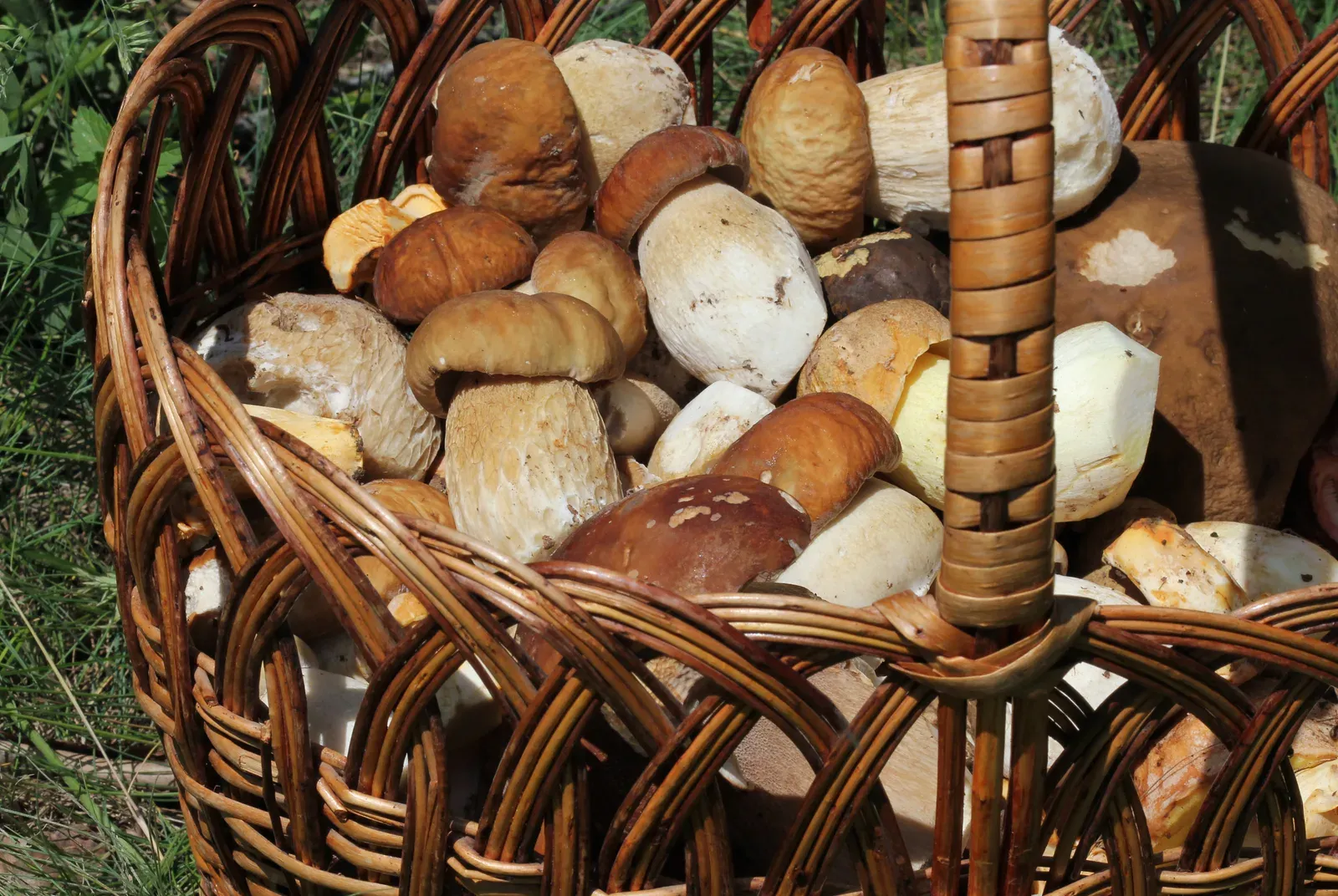 Recipes & cooking
How to store fresh mushrooms, and for how long
Fresh mushrooms spoil faster than you might think. Here's how long they keep in the fridge, how to store them…
August 21, 2026·4 min Recipes & cooking
How long to boil mushrooms
Boiling time depends on the type of mushroom and on what you're cooking next. Here's a clear cheat sheet: how…
August 22, 2026·4 min