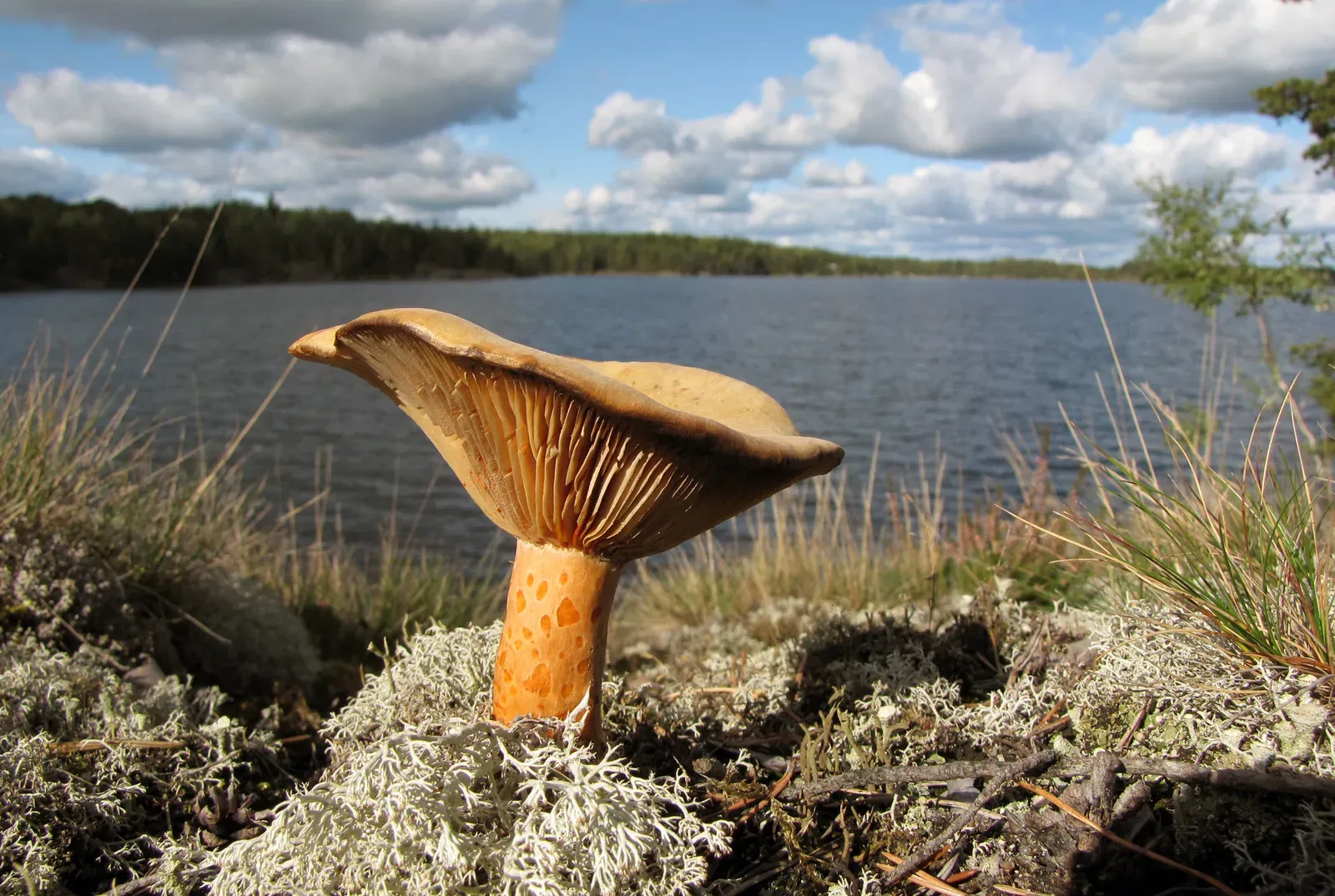
Among foragers, the saffron milk cap and Lactarius resimus have a special reputation: they are the best mushrooms for salting. Salted saffron milk caps and crunchy Lactarius resimus have long graced the holiday table, and many people still pick these mushrooms precisely for a jar for the winter. Both belong to the milk caps (Lactarius), and both release a distinctive milk when broken.
Let's look at how the saffron milk cap and Lactarius resimus differ, why they're so special, and how to salt each one properly.
Saffron milk cap, the mushroom you can salt raw
The saffron milk cap is one of the few mushrooms so good that it's salted with almost no preparation.
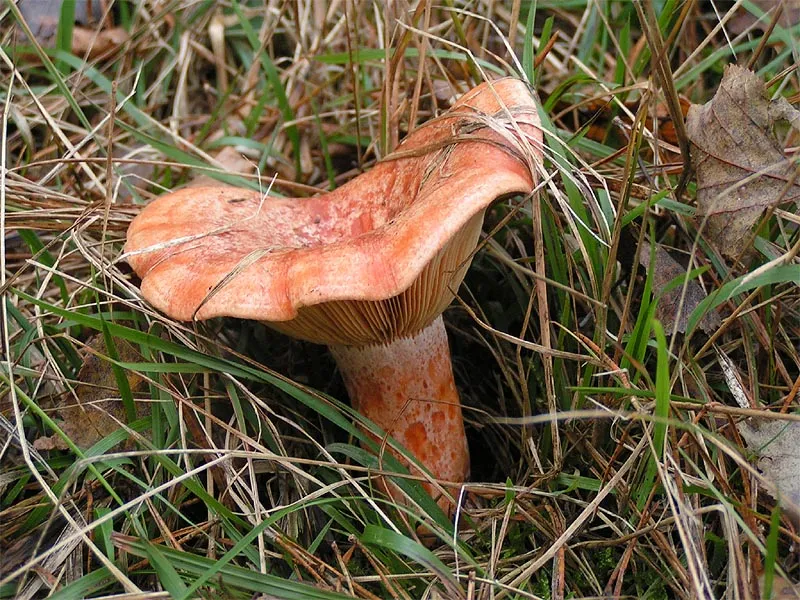
- Appearance. An orange or ginger funnel-shaped cap with concentric rings, turning green when pressed.
- Milk. When broken it releases an orange milk that isn't bitter.
- Where it grows. In coniferous forests, under pines and spruces, from late summer into autumn.
- What's special. The saffron milk cap's milk isn't acrid, so the mushroom doesn't need soaking.
Thanks to its non-bitter milk, the saffron milk cap can be dry-salted, simply layered with salt. This is the quickest and most aromatic way of salting, and it keeps the mushroom's natural flavor.
Lactarius resimus, the mushroom that needs soaking
Lactarius resimus is also excellent for salting, but it needs to be handled differently.
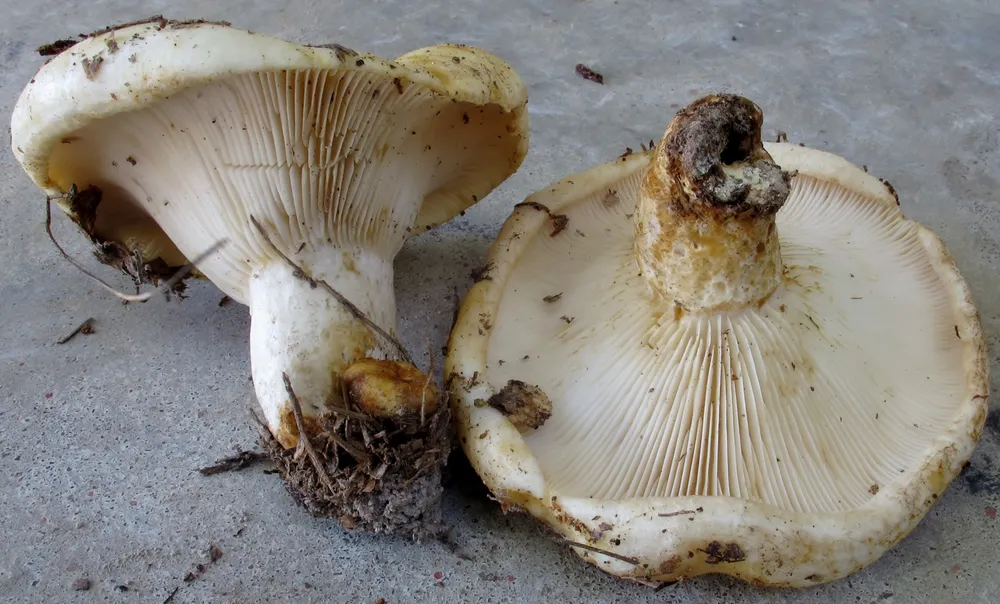
- Appearance. A white or cream funnel-shaped cap with a fluffy inrolled margin, often with faint rings.
- Milk. When broken it releases a white milk that turns yellow in the air and tastes acrid.
- Where it grows. In deciduous and mixed forests, under birches, often in groups under the leaf litter.
- What's special. Because of its acrid milk, Lactarius resimus must always be soaked before salting.
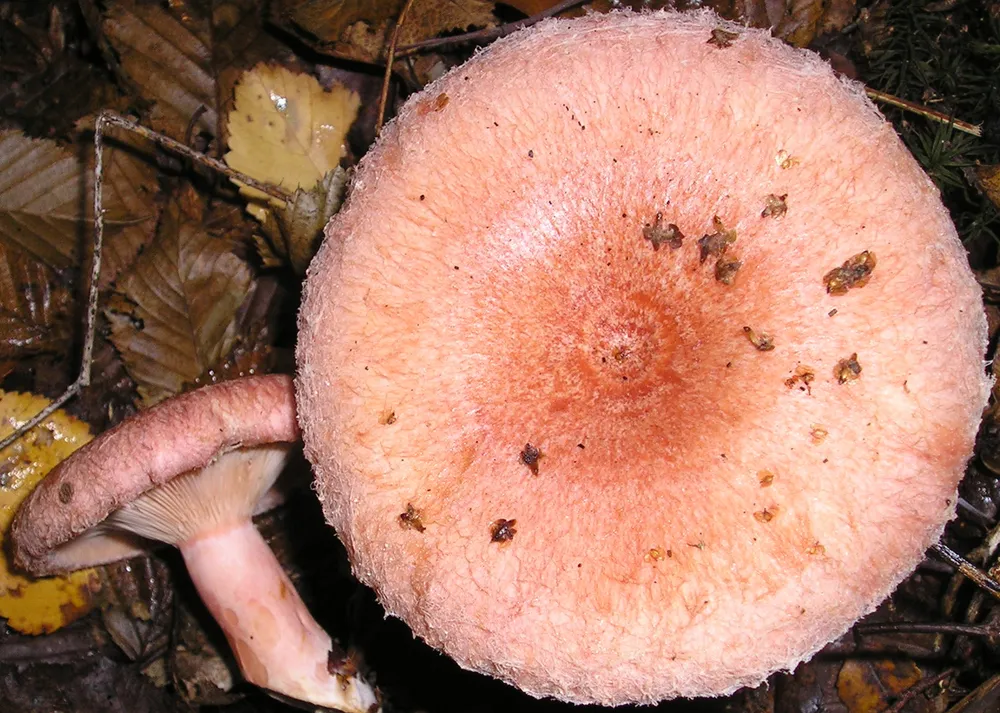
It's the acrid milk that sets Lactarius resimus apart from the saffron milk cap and calls for advance preparation. Growing alongside it is its relative, the woolly milk cap, which is also salted after soaking.
Why these mushrooms release milk
The saffron milk cap and Lactarius resimus are milk caps, mushrooms whose flesh is threaded with special vessels.
When damaged, these vessels release a milky juice, that very milk. In the saffron milk cap it's orange and sweetish, in Lactarius resimus white and acrid. This milk is the main trait by which the whole family is recognized.
It's the nature of the milk that determines how to prepare the mushroom: the sweet milk of the saffron milk cap lets you salt it raw, while the acrid milk of Lactarius resimus calls for soaking to remove the bitterness. Before salting, both mushrooms are carefully cleaned of forest debris.
How to salt saffron milk caps and Lactarius resimus
There are two kinds of salting, and these mushrooms call for different approaches.
- Dry salting saffron milk caps. Clean mushrooms are packed in layers, sprinkled with salt, and left under a weight. Thanks to the non-bitter milk, no soaking is needed.
- Cold salting Lactarius resimus. The mushrooms are first soaked for 2-3 days, changing the water, to remove the bitterness, then cold-salted with spices under a weight.
- Hot salting. A universal method for milk caps: the mushrooms are boiled, then salted. It's quicker, but the mushrooms come out less crunchy.
- Keep them under a weight. Both saffron milk caps and Lactarius resimus are salted under a weight so that they soak through with brine.
Cold salting gives the crunchiest mushrooms, but it takes time. Ready salted saffron milk caps and Lactarius resimus are served with onion and oil. Read more about other ways of preserving in the article on how to cook and preserve chanterelles.
Sources
- "Vyznachnyk hrybiv Ukrainy" (Key to the Fungi of Ukraine; Kyiv, Naukova Dumka).
- Lactarius deliciosus on GBIF, the global biodiversity database.
- Lactarius on MycoBank, the international fungal nomenclature database.
- Lactarius deliciosus on Wikipedia.
Frequently asked questions
How does the saffron milk cap differ from Lactarius resimus?
The saffron milk cap has an orange cap and sweet orange milk that isn't bitter, so it's salted raw. Lactarius resimus has a white cap with a fluffy margin and acrid white milk, which is why it must always be soaked.
Why can saffron milk caps be salted without soaking?
Because their milk is sweetish and not acrid. Unlike Lactarius resimus, the saffron milk cap isn't bitter, so it can be dry-salted, simply layered with salt, keeping its natural flavor.
Why soak Lactarius resimus before salting?
Because the white milk of Lactarius resimus is acrid and bitter. Soaking for 2-3 days, changing the water, removes the bitterness, after which the mushroom is ready for cold salting.
Why do saffron milk caps and Lactarius resimus release milk?
Because they are milk caps, mushrooms with special vessels in their flesh. When damaged, these release a milky juice. In the saffron milk cap it's orange and sweet, in Lactarius resimus white and acrid.
Which salting method is best?
Cold salting gives the crunchiest and most aromatic mushrooms, but it takes time for soaking. The hot method with boiling is quicker, though the mushrooms come out less crunchy.
Where to look for saffron milk caps and Lactarius resimus?
grows in coniferous forests under pines and spruces. turns up in deciduous and mixed forests, often under birches, in groups under fallen leaves.
Can you salt woolly milk caps together with Lactarius resimus?
Yes. is also a milk cap and has acrid milk, so it's salted after soaking, just like Lactarius resimus. They're often salted together.
When to pick saffron milk caps and Lactarius resimus?
From late summer and through autumn, usually in August–October. These are classic autumn mushrooms for salting that appear with the cool weather and autumn rains.
Mushrooms in this article
Related articles
 Recipes & cooking
How to store fresh mushrooms, and for how long
Fresh mushrooms spoil faster than you might think. Here's how long they keep in the fridge, how to store them…
August 21, 2026·4 min Recipes & cooking
How long to boil mushrooms
Boiling time depends on the type of mushroom and on what you're cooking next. Here's a clear cheat sheet: how…
August 22, 2026·4 min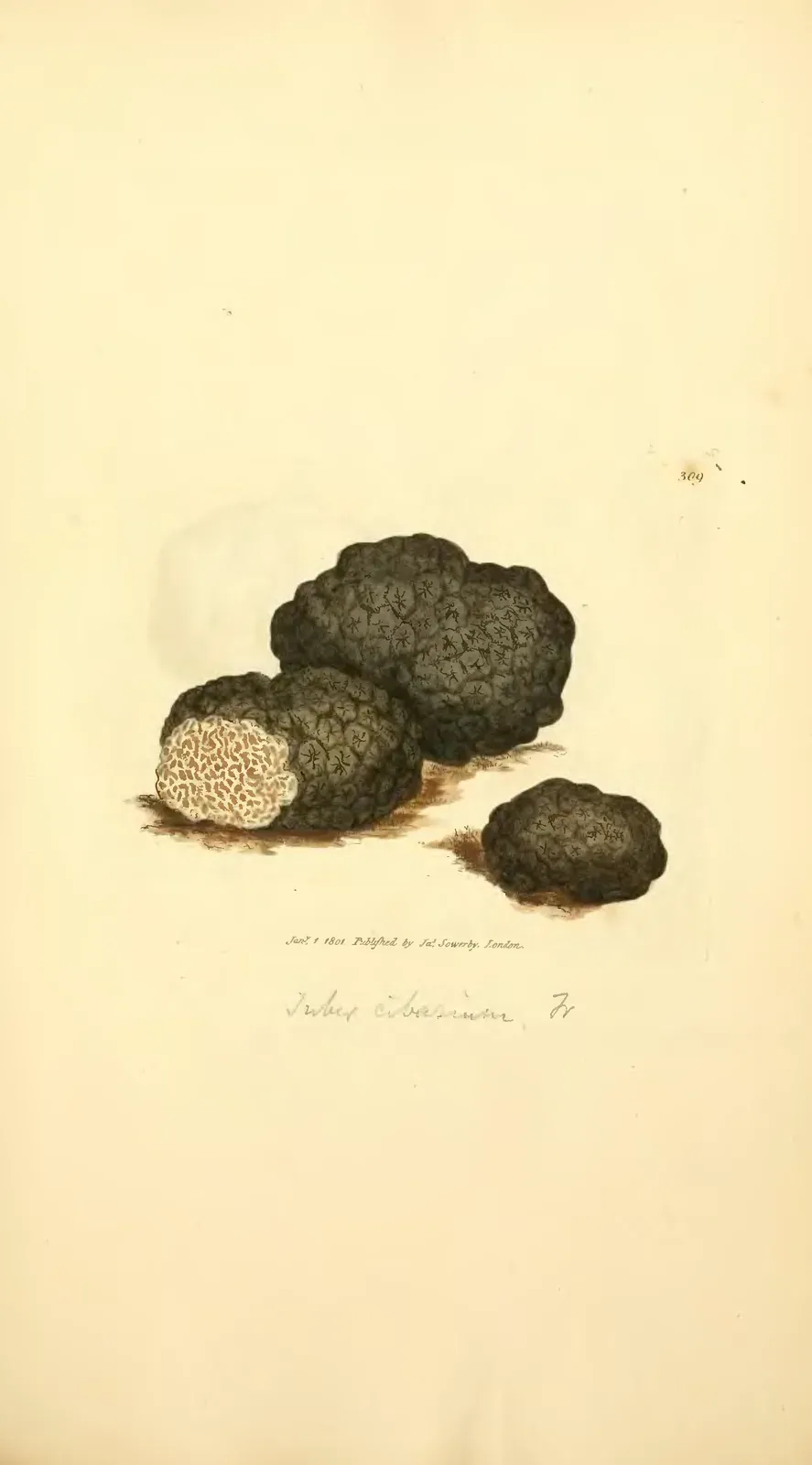 How to identify
Truffles in Ukraine: do they grow here, and where to look
Truffles aren't just a French delicacy. Several species grow in Ukraine too. Here's which ones, where they occ…
August 24, 2026·2 min