A successful mushroom trip starts not in the forest but at home, when you check the weather. Those who can read it go to the forest exactly when the mushrooms are really there, and rarely come back with an empty basket. The good news: it isn't hard to learn.
Let's put everything that affects the harvest into one simple system, so you can confidently choose the day for your outing.
Why a rain forecast alone isn't enough
The most common mistake is looking only at whether it rained. In fact, several factors affect mushrooms at once, and none of them decides anything on its own.
A mushroom needs moisture, warmth and time, all together. You can have fresh rain but cold soil, and there'll be no mushrooms. You can have warmth but a dried-out forest floor, and again it's empty. That's why you need to read the weather as a whole, not by a single indicator.
That's exactly how the mushroom radar works: it brings together rainfall, accumulated moisture and temperature, so it shows the real picture, not just the fact that it rained.
Four things worth watching
To estimate your chances, keep four simple questions in mind.
- Has there been moisture? Not just the last rain, but whether the forest was damp over the previous week. Accumulated soil moisture matters more than a single downpour.
- Is it warm enough? The mycelium needs warmed-up soil. In the cold it sleeps even when there's moisture, and in intense heat it hides from drying out.
- How long since the rain? Most mushrooms come up two to five days later. Going on the day of the rain is usually too early.
- What are the nights like? Cool, damp nights with dew and fog keep mushrooms going between rains, especially in autumn.
If the answers line up well, there's moisture, there's warmth, and a few days have passed since the rain, your chances of a good harvest are high.
How this works through the season
The same rules play out differently at different times of the year.
- In spring and early summer the key is to wait until the soil has warmed up for good. Moisture is usually there; it's warmth that's lacking.
- At the height of summer the main enemy is heat. Look for cool, shady spots and head out in the morning. More on this in our article on mushroom drought.
- In autumn comes the golden season. Warm days and damp, cool nights bring the most abundant flushes, as we write in our article on Indian summer.
Once you understand this logic, you won't go out at random but will time your outings to nature's rhythm.
A simple checklist before you go
Let's boil it all down to a short checklist you can run through in a minute.
- Was the forest damp over the past week?
- Is it warm enough, and has the soil warmed up?
- Have two to five days passed since a good rain?
- Are the nights cool and damp?
- Where to go: in the heat, to shade and low ground; in cool weather, to brighter spots?
If most of the answers are yes, grab your basket with confidence. And so you don't have to keep it all in your head, check the mushroom radar: it already combines these factors and suggests a good day for your region.
Sources
- “Key to the Fungi of Ukraine” (Kyiv, Naukova Dumka publishing house).
- Cantharellus cibarius on GBIF, the global biodiversity database.
- Fungi on MycoBank, the international fungal nomenclature database.
- Mushroom hunting on Wikipedia.
Frequently asked questions
How do you know it's time to go mushroom hunting?
Assess the weather as a whole: was the forest damp over the past week, is it warm enough, have two to five days passed since the rain, and are the nights cool and damp. If so, your chances are high.
Why can't you go by rain alone?
Because a mushroom needs moisture, warmth and time together. Fresh rain on cold soil, or warmth over a dried-out forest floor, won't produce a harvest. That's why the weather is read as a whole.
How many days after rain is best to go?
Usually two to five days. come up faster, a little slower. Going on the very day of the rain is mostly too early.
Which matters more, rain or warmth?
Both are equally necessary. Without warmth the mycelium sleeps even when there's moisture, and without moisture it doesn't fruit even when it's warm. It's the combination of these factors that decides.
How do you read the weather in a summer heat wave?
In the heat, what matters most isn't rain but shade and moisture. Look for mushrooms in cool, shady spots and low ground, and head out in the morning. More in our article on .
Why are mushrooms best in autumn?
Because warm days combine with damp, cool nights, dew and fog. These are ideal conditions, so autumn often beats summer for the harvest.
Should you pay attention to nighttime temperatures?
Yes. Cool, damp nights keep mushrooms going between rains, while cold nights in spring slow the mycelium down even when the days are warm.
How can you make reading the weather easier?
Use the : it already combines rainfall, accumulated moisture and temperature, so it suggests a good day without making you track every indicator separately.
Mushrooms in this article
Related articles
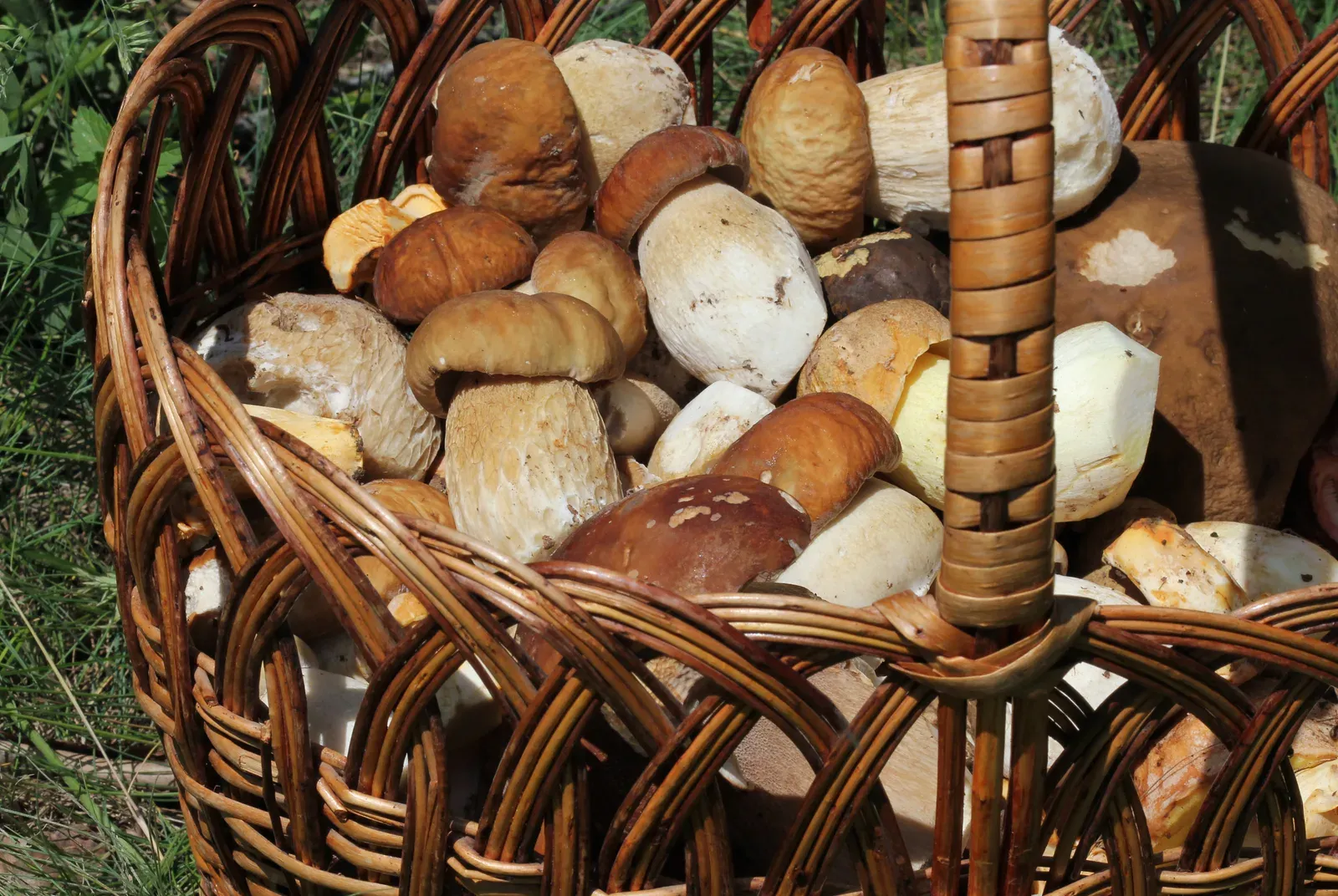 Recipes & cooking
How to store fresh mushrooms, and for how long
Fresh mushrooms spoil faster than you might think. Here's how long they keep in the fridge, how to store them…
August 21, 2026·4 min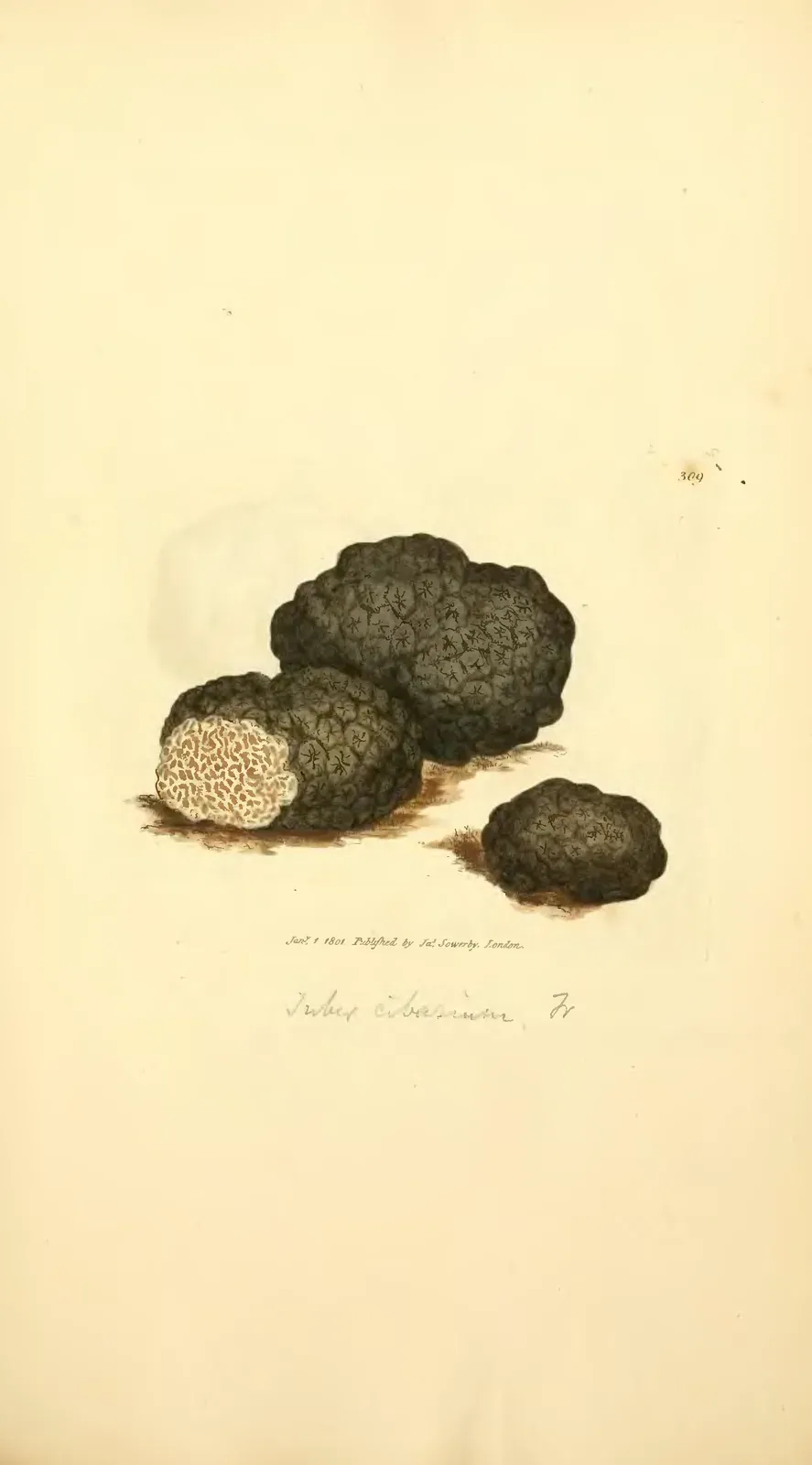 How to identify
Truffles in Ukraine: do they grow here, and where to look
Truffles aren't just a French delicacy. Several species grow in Ukraine too. Here's which ones, where they occ…
August 24, 2026·2 min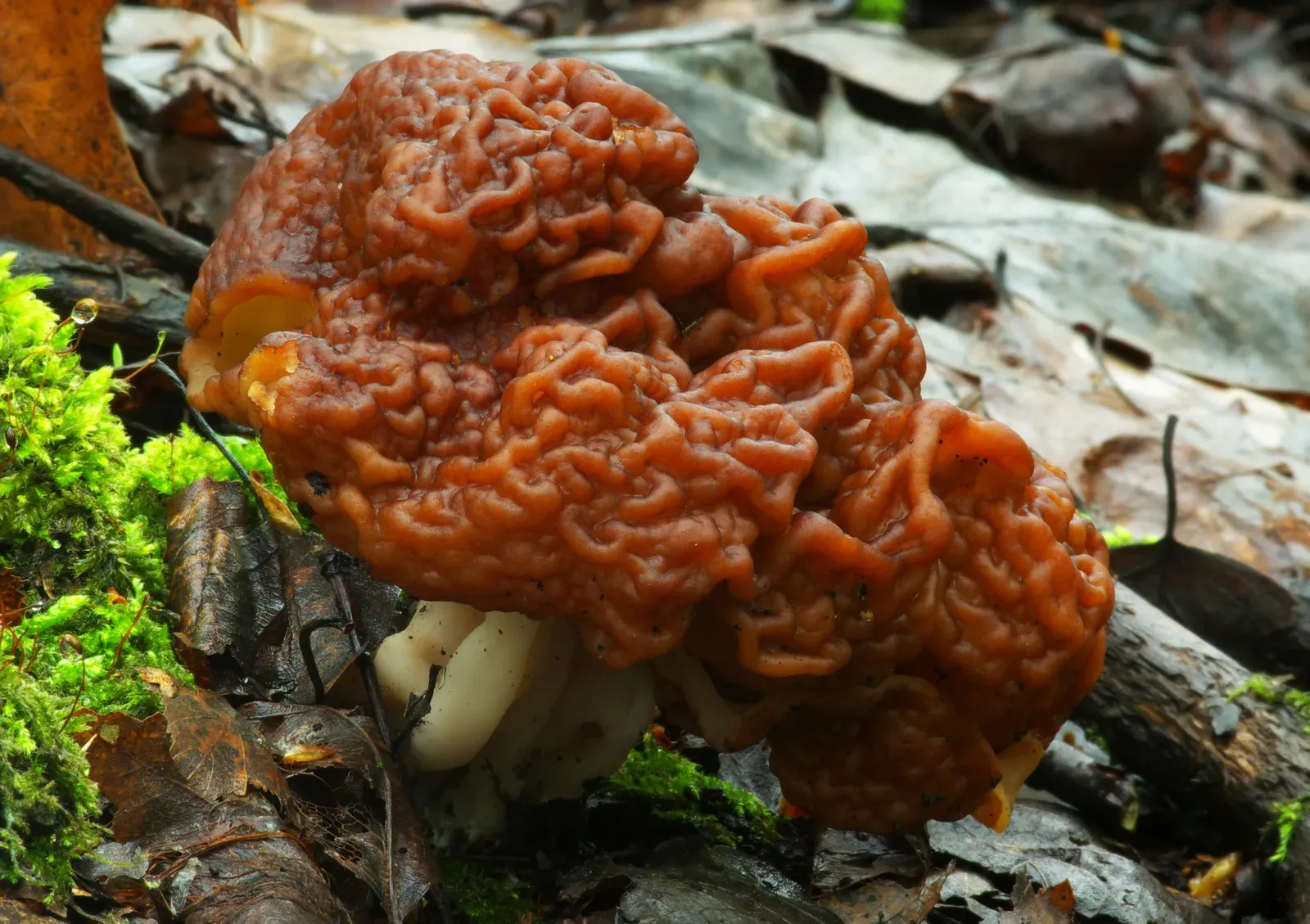 Safety
False morel: why this spring mushroom is dangerous
The false morel looks like a morel, but it contains a poison. Here's how to recognize it, why it's dangerous a…
August 24, 2026·2 min