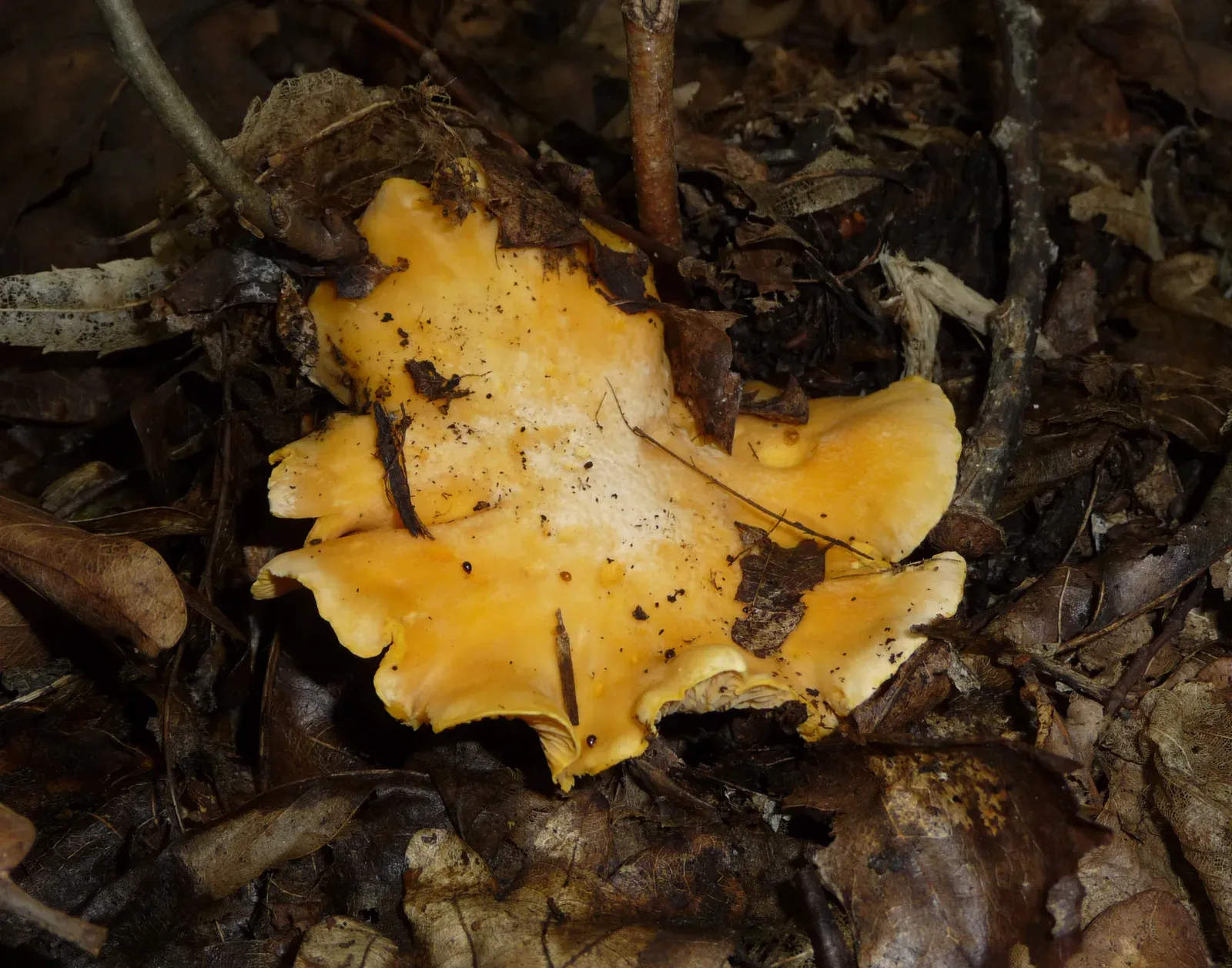
Foragers think about rain first, but they often forget about temperature. That's a mistake, because it's warmth that decides whether the mycelium wakes up after the moisture arrives. You can have perfectly soaked soil and not find a single mushroom just because it was too cold or, the other way around, too hot.
Let's look at the temperatures mushrooms like best, why extremes hurt them, and how to take this into account over the season.
Why mushrooms need warmth
The mycelium is active only within a certain temperature range. When the soil is cold, its metabolism almost grinds to a halt, and no amount of moisture will make it fruit. When it's too hot and dry, the mycelium instead protects itself from drying out and doesn't produce fruiting bodies either.
That's why, for most of our mushrooms, moderately warm conditions are ideal: roughly 10 to 20 degrees, with nights that aren't too cold. In this range, the forest gives the most mushrooms after rain.
It's not just the daytime heat that matters, but also the soil temperature, which changes more slowly than the air. The mushroom radar takes warmth into account together with moisture, so it tells you when the combination is favorable.
Why heat hurts mushrooms
You'd think the warmer, the better. But intense heat does mushrooms no good.
- The soil dries out. In hot weather the top layer of leaf litter, where the mycelium lies, dries quickly, even if it rained just before.
- Fruiting stops. At high temperatures the mycelium switches into survival mode and doesn't form fruiting bodies.
- Mushrooms spoil fast. The mushrooms that did manage to grow age quickly in the heat, wilt and get wormy.
That's why, at the height of the summer heat, even a damp forest often stays silent. Mushrooms come back when the temperature drops and the cool nights bring dew. We write about this in more detail in our article on the mushroom drought.
When the cold ends the season
At the other end of the range, cold slows mushrooms down too. In spring the season only starts once the soil has warmed up, so early mushrooms appear later in a cold spring.
In autumn it's the other way around: the warmth gradually fades, and warmth-loving species give way to cold-hardy ones. The first frosts stop most mushrooms, but not all of them.
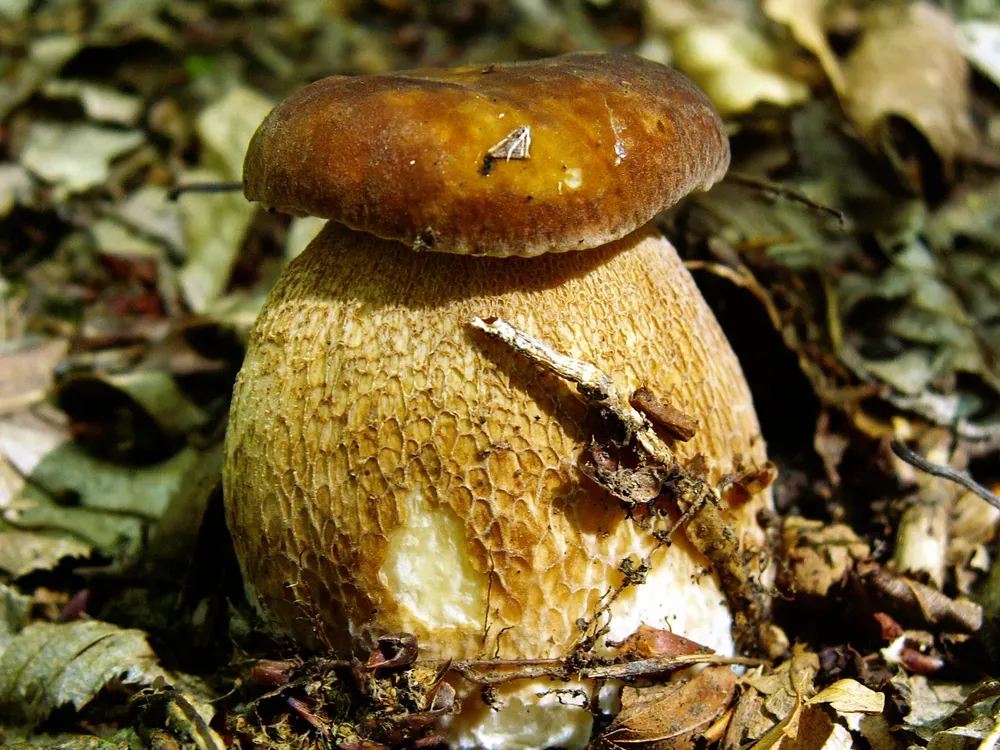
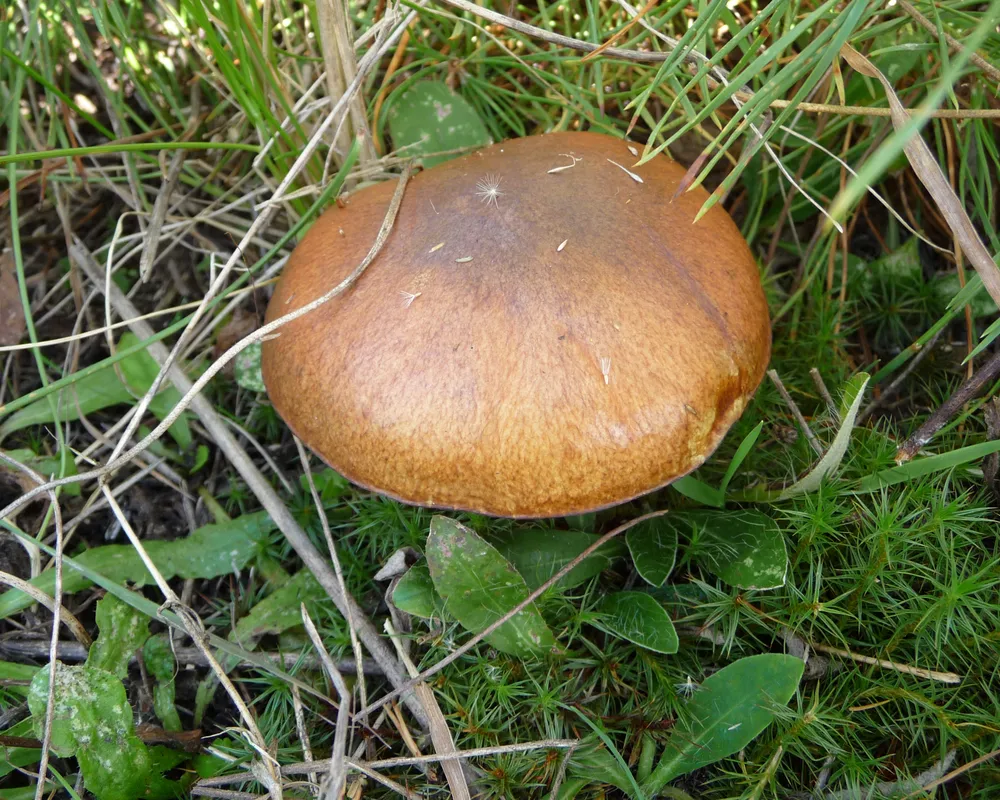
- Warmth-loving species, such as porcini and slippery jacks, leave the stage once steady cool weather sets in.
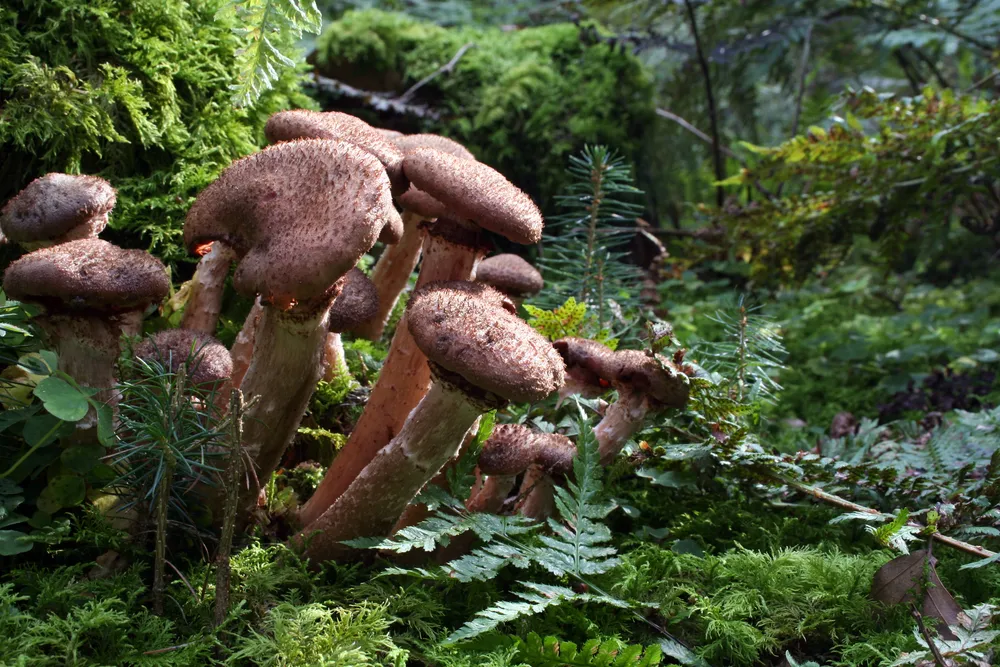
- Cold-hardy species, such as honey fungus, on the other hand, wait for the autumn chill and tolerate light frosts well.
So the end of the season isn't a sudden cliff, but a gradual change in what ends up in your basket.
How to factor in temperature over the season
To avoid wasting days, it helps to remember a few rules.
- In spring, wait for the warm-up. The first mushrooms come when the soil has warmed up steadily, not on the first warm day.
- In summer, fear the heat, not the rain. In hot weather, look for mushrooms in shady, cool forests and head out in the morning.
- In autumn, welcome the cool. A moderately warm, damp autumn, the Indian summer, brings the richest flushes.
- Watch the night temperatures. Cold nights slow mushrooms down even when the days are warm.
It's easiest to look at warmth and moisture together, and that's exactly what the mushroom radar shows, pointing out the right moment for your region.
Sources
- “Identification Guide to the Fungi of Ukraine” (Kyiv, Naukova Dumka publishers).
- Cantharellus cibarius on GBIF, the global biodiversity database.
- Fungi on MycoBank, the international fungal nomenclature database.
- Mushroom on Wikipedia.
Frequently asked questions
At what temperature do mushrooms grow best?
For most of our mushrooms, moderately warm conditions are favorable, roughly 10 to 20 degrees, without nights that are too cold. In this range, the forest gives the most mushrooms after rain.
Why are there no mushrooms in the heat, even after rain?
In intense heat the topsoil dries out quickly, and the mycelium switches into survival mode and doesn't fruit. Mushrooms come back when the temperature drops.
Why do mushrooms appear late in spring?
Because the mycelium needs warm soil. In a cold spring the season starts later, even with enough moisture, until the ground has warmed up steadily.
Which mushrooms grow in a cool autumn?
Cold-hardy species, such as , which are waiting for exactly that autumn chill and tolerate light frosts, unlike warmth-loving or .
Do the first frosts stop mushrooms?
Most warmth-loving mushrooms, yes. But cold-hardy species keep growing after light frosts, so the season doesn't end abruptly but with a gradual change in which mushrooms you find.
Why does soil temperature matter, not just air temperature?
The mycelium lives in the soil, which warms up and cools down more slowly than the air. So the season depends more on how warm the ground is than on short swings in air temperature.
How do cold nights affect mushrooms?
Cold nights slow the mycelium down even when the days are warm. That's why steadily warm weather without sharp night-time drops is more favorable than warm days with cold nights.
How do you factor in temperature when planning a trip?
The easiest way is the : it combines warmth and moisture and tells you when conditions in your region are shaping up well for mushrooms.
Mushrooms in this article
Related articles
 Recipes & cooking
How to store fresh mushrooms, and for how long
Fresh mushrooms spoil faster than you might think. Here's how long they keep in the fridge, how to store them…
August 21, 2026·4 min How to identify
Truffles in Ukraine: do they grow here, and where to look
Truffles aren't just a French delicacy. Several species grow in Ukraine too. Here's which ones, where they occ…
August 24, 2026·2 min Recipes & cooking
How long to boil mushrooms
Boiling time depends on the type of mushroom and on what you're cooking next. Here's a clear cheat sheet: how…
August 22, 2026·4 min