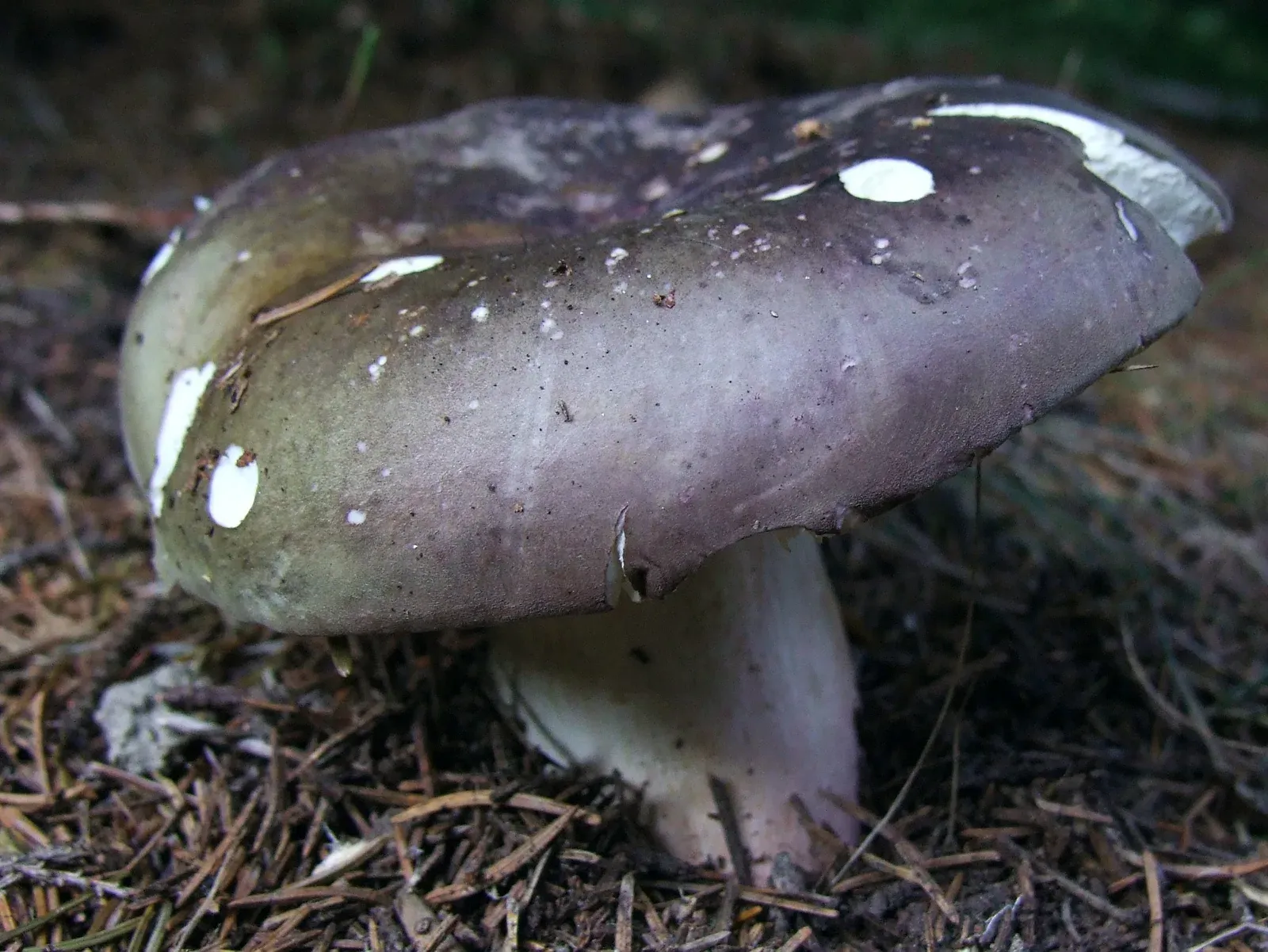
Brittlegills are mushrooms people walk past more often than almost any other — and that's a shame. There are lots of them, they grow almost everywhere for nearly the whole warm half of the year, and most are perfectly edible. You just need to know when to go for them and how to weed out the peppery species.
Let's look at when brittlegills grow, where to look for them and how to tell the good ones from the unpalatable ones.
When brittlegills grow
Brittlegills have one of the longest seasons of any mushroom. The first ones appear as early as June, and then they keep coming in waves all summer and autumn, right up to October. Every warm rain brings a new flush.
That makes the brittlegill a reliable “background” mushroom: even when boletes are scarce, you'll almost always find colorful brittlegill caps. Check the mushroom radar so you head out right after rain.
Where to look for brittlegills
Brittlegills aren't fussy and grow in every type of forest.
- Broadleaf and mixed forests — under oaks, birches, beeches.
- Pine forests — plenty of brittlegills there too, often bright red and green ones.
- Damp, grassy spots — forest edges, clearings, the sides of paths.
They grow singly or in small groups, so scan the litter carefully — a colorful cap stands out from afar.
How to tell an edible brittlegill from a peppery one
Most brittlegills are edible, but some are sharp, peppery species that spoil a dish with bitterness. A simple guide:
- Taste. Break off a crumb of the cap and touch it with your tongue: if the flesh is sharply peppery, better leave the mushroom (don't swallow the crumb — spit it out).
- Cap color. Green, blue, lilac and yellowish brittlegills are more often mild and tasty; bright red ones with a white stem are more often peppery.
- Brittleness. Brittlegills break easily, so pick young, firm mushrooms for your basket.
We have separate articles on the most common forest brittlegills and on which brittlegills are poisonous.
What to watch out for
- Avoid peppery ones. Sharply peppery flesh is a reason not to pick the mushroom.
- Don't confuse young brittlegills with the death cap. The most dangerous mistake is confusing a whitish brittlegill with a young death cap; always check the stem base (the death cap has a bulb and a sac-like volva).
- Cook them fresh. Brittlegills are fragile and spoil quickly.
Sources
- “Key to the Fungi of Ukraine” (Kyiv, Naukova Dumka publishing house).
- Russula in GBIF, the Global Biodiversity Information Facility.
- Russula in MycoBank, the international fungal nomenclature database.
- Russula on Wikipedia.
Frequently asked questions
When should you pick brittlegills?
Brittlegills grow from June to October, in waves after warm rains. They have one of the longest seasons of any mushroom.
Where do brittlegills grow?
In every type of forest — broadleaf, mixed and pine, under oaks, birches, beeches and pines, often on damp forest edges.
How do you tell an edible brittlegill from a peppery one?
Touch a crumb of the cap with your tongue: sharply peppery flesh is a reason to leave the mushroom. Green and lilac brittlegills are more often tasty, bright red ones more often hot.
Are all brittlegills edible?
Most are edible or conditionally edible, but there are peppery species that spoil a dish with bitterness, and a few mildly poisonous ones. It's best not to pick the peppery ones.
Why are brittlegills so brittle?
Because of the special structure of their flesh, they break easily. So people pick young, firm mushrooms and lay them in the basket carefully.
Can you confuse a brittlegill with a poisonous mushroom?
It's dangerous to confuse a whitish brittlegill with a young death cap. Always check the stem base: the death cap has a bulb and a sac-like volva.
When is the best time to go for brittlegills?
One or two days after a warm rain, when a fresh flush appears. Brittlegills grow fast.
Do brittlegills need boiling?
Most tasty brittlegills can go straight into the pan, but peppery species are boiled to remove the bitterness, or not picked at all.
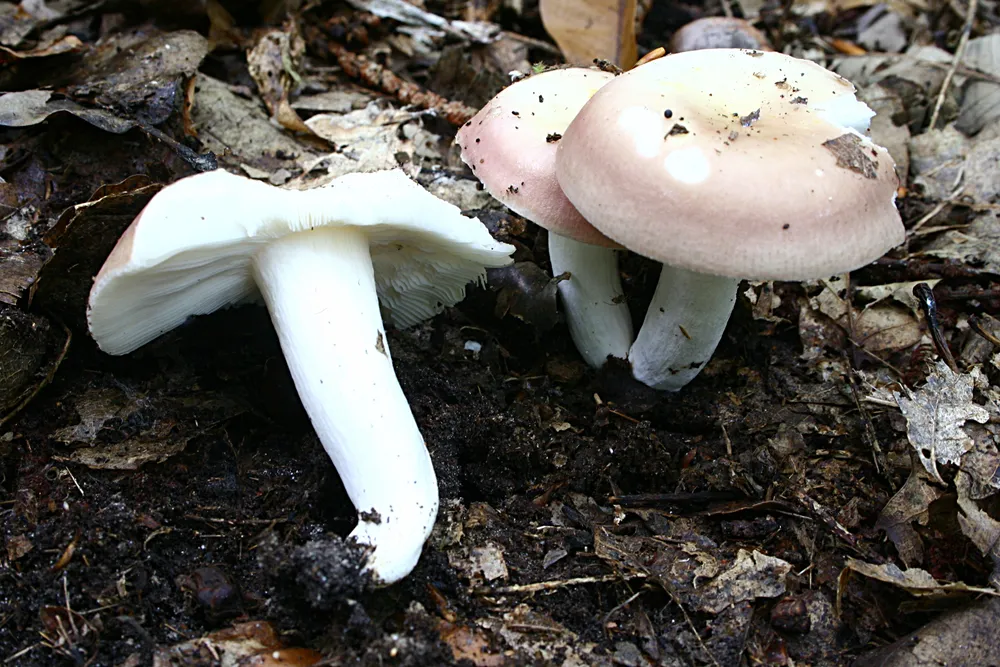
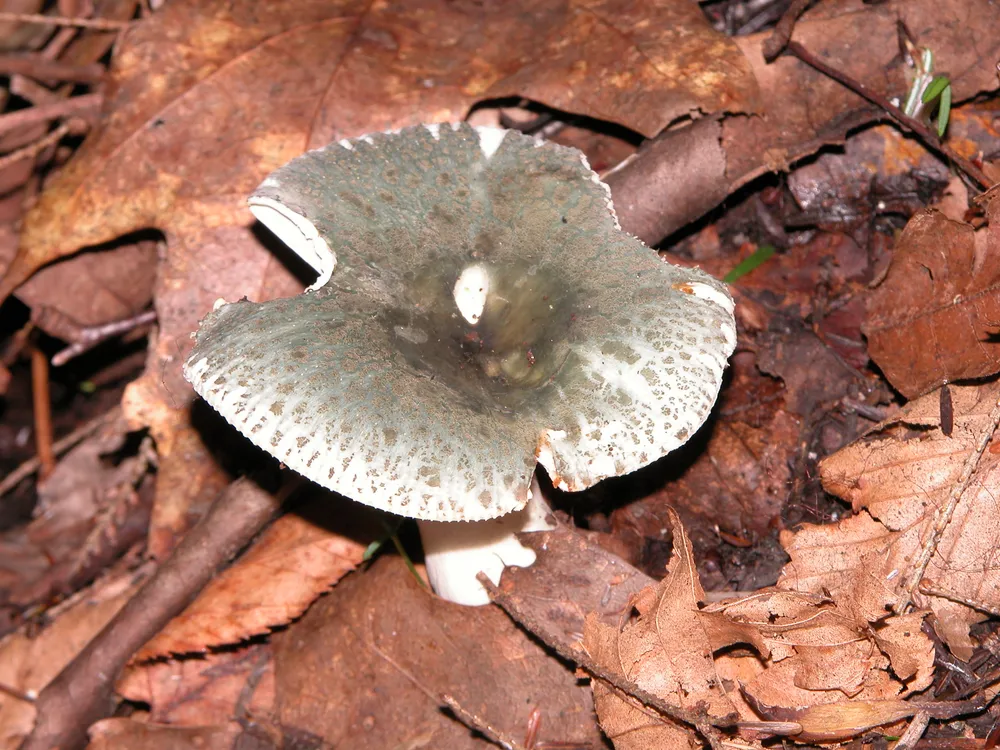
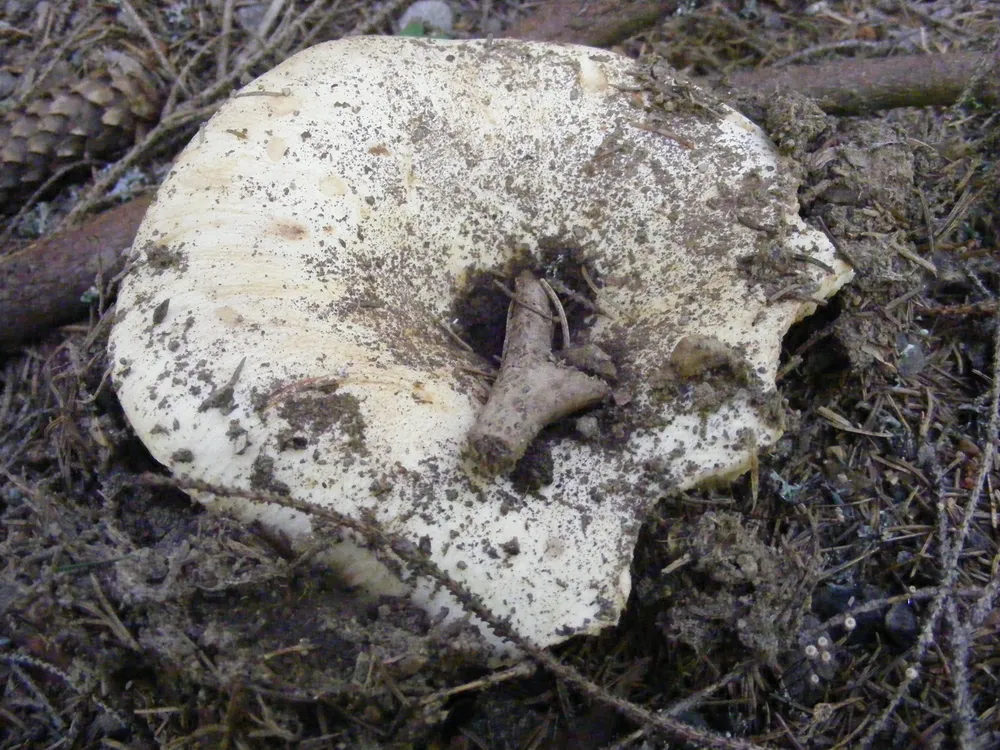
Mushrooms in this article
Related articles
 Recipes & cooking
How to store fresh mushrooms, and for how long
Fresh mushrooms spoil faster than you might think. Here's how long they keep in the fridge, how to store them…
August 21, 2026·4 min How to identify
Truffles in Ukraine: do they grow here, and where to look
Truffles aren't just a French delicacy. Several species grow in Ukraine too. Here's which ones, where they occ…
August 24, 2026·2 min Recipes & cooking
How long to boil mushrooms
Boiling time depends on the type of mushroom and on what you're cooking next. Here's a clear cheat sheet: how…
August 22, 2026·4 min